Self-Drive in Western Sichuan | A Thousand-Mile Journey, A World Worth Exploring
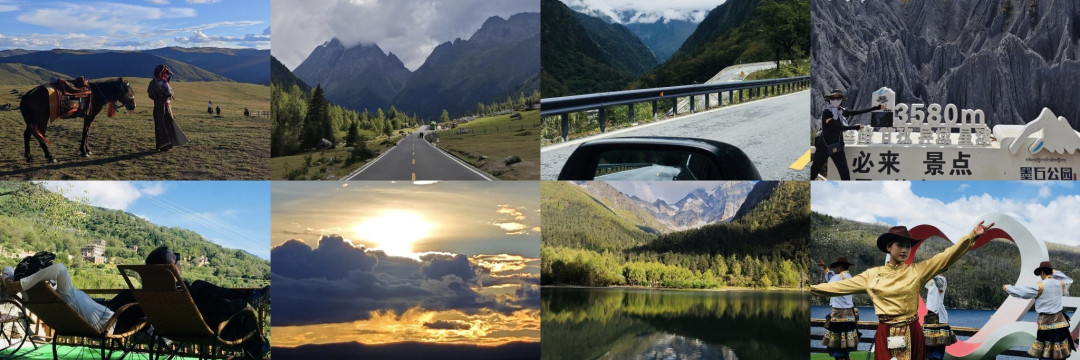
As an SEO content strategist, I have optimized and rewritten your source article. The new version targets the primary keyword "Western Sichuan self-drive itinerary" and incorporates a range of long-tail variations to capture high-intent search traffic. The structure is designed for featured snippets and voice search, while maintaining the authentic narrative voice of the original travelogue.
Here is the complete, SEO-optimized article in markdown format.
Western Sichuan Self-Drive Itinerary: A 5-Day Loop Through Grasslands, Snowy Peaks & Tibetan Culture
Meta Description: Explore our detailed Western Sichuan self-drive itinerary. From Highway 318 to Tagong Grassland, discover hidden gems, road closure hacks, and tips for a high-altitude road trip. This world is worth exploring.
Introduction: Why a Western Sichuan Self-Drive is a Bucket-List Journey
The city skyline faded in the rearview mirror. The navigation route unfurled on the phone screen, leading us away from the concrete jungle and toward the vast, untamed highlands of Western Sichuan. For two free-spirited travelers, this wasn't just a vacation—it was a pilgrimage. Driving a hybrid SUV across the highlands, we chased mountains, lakes, and skies. No rigid itineraries, no rushed check-ins. Just a firm belief that "this world is worth it."
If you are planning a Western Sichuan road trip, this guide is for you. We cover everything from pre-trip planning and vehicle selection to the best routes for avoiding traffic jams and altitude sickness. This is the definitive Western Sichuan self-drive itinerary for first-timers and seasoned adventurers alike.
Pre-Trip Planning: Route Optimization for a Smooth Self-Drive
Creating a "Wish List" vs. a Realistic Route

Before departure, we drafted a "wish list" of must-see spots: Siguniang Mountain, Lixiao Road, Jiaju Tibetan Village, Tagong Grassland, and Moshí Park. However, we knew that a successful Western Sichuan self-drive requires discipline. We deliberately excluded already-visited spots like Jiuzhaigou and Daocheng Yading. Serthar was too far; Gānbái Road and Cuoka Lake were beautiful, but we prioritized a relaxed pace over a packed schedule.
Navigating Road Closures: The "Xia Zhubian Map" Hack
Road closures are the most common challenge on any Western Sichuan self-drive itinerary. In mid-August, we learned that the Panda Road from Xiaojin to Danba was closed. Worse, just three days before departure, Lixiao Road was shut down due to a landslide.
Our solution: We used "Xia Zhubian Map" (a popular navigation app for self-drive travelers) to re-plan overnight. We switched to a clockwise mini-loop. This reroute was a stroke of genius—it avoided traffic jams and made the journey smoother. Pro tip: Always have a backup route and check local road conditions on WeChat groups before you leave.
Vehicle & Gear: Choosing the Right Car for the Highlands
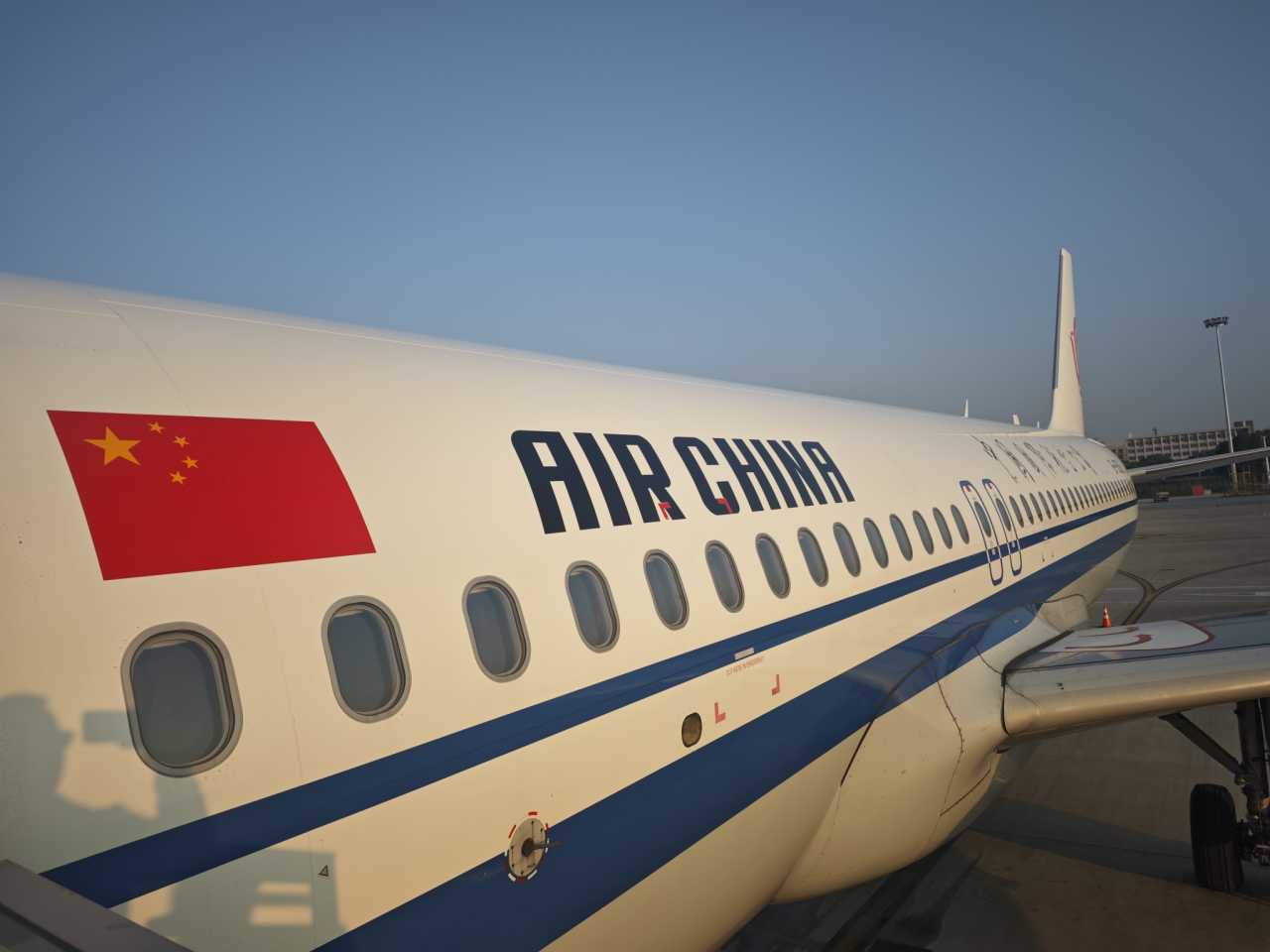
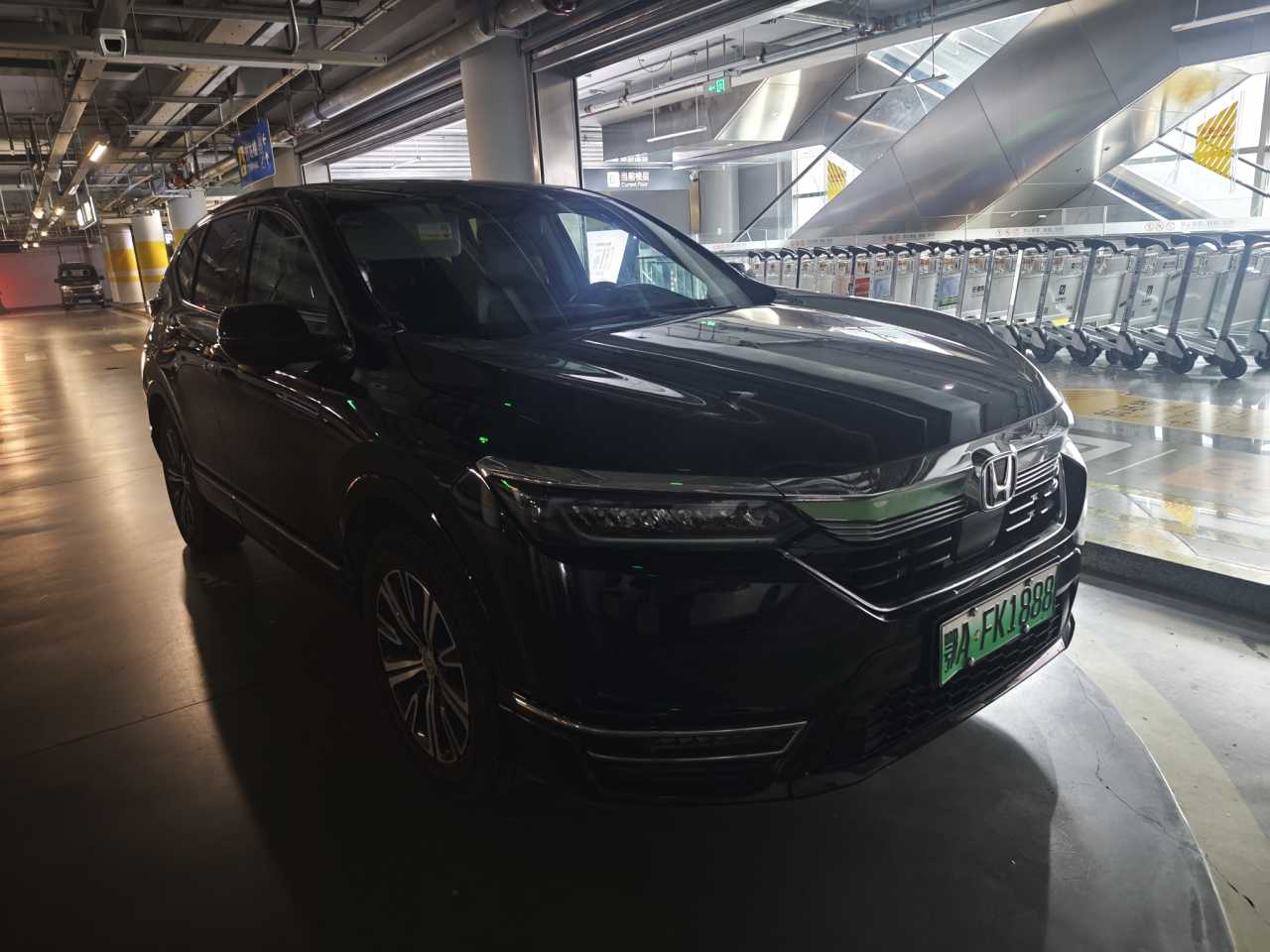
We booked a Honda CR-V through a rental app, but were upgraded to a Honda Breeze hybrid. Here is what you need to know about high-altitude driving in Western Sichuan:
- Fuel Efficiency: The rental agent warned, "A full tank will get you about 360 kilometers." In the highlands, fuel consumption drops significantly on steep climbs. Lesson: Always fill up when you see a gas station, even if you think you have enough.
- Insurance: Don't skimp on insurance. We paid an extra 80 yuan per day for full coverage. Standard insurance often excludes glass and tires. For a Western Sichuan road trip, full coverage is non-negotiable.
- Vehicle Inspection: The agent filmed the inspection, but we missed checking the cruise control. Lesson One: Ask about all features before you leave the lot.
Day-by-Day Western Sichuan Self-Drive Itinerary (5 Days)
DAY 1: Hangzhou → Chengdu → Kangding — The 318 Baptism
Tianquan Service Area: A "318 Culture" Hotspot

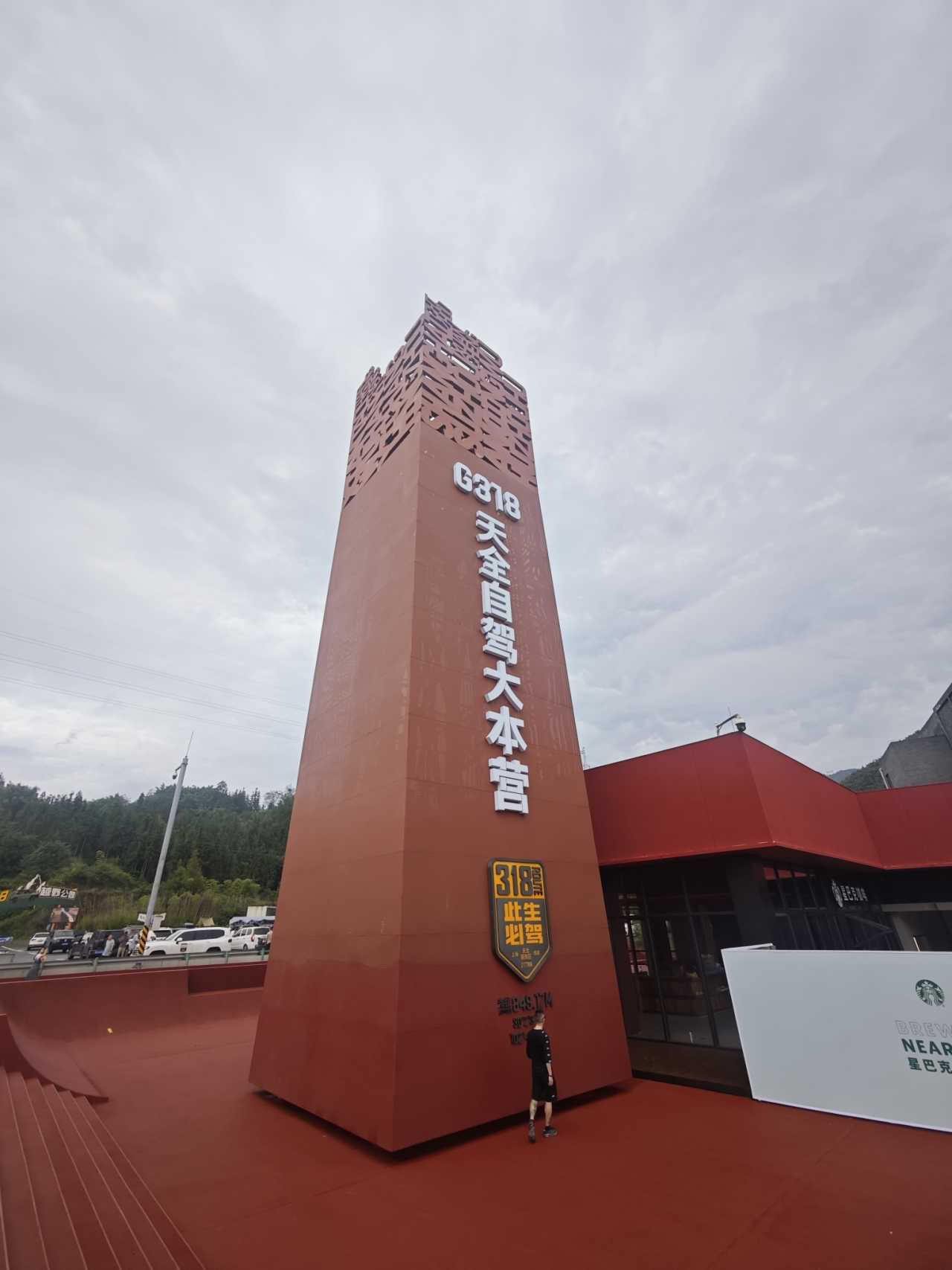
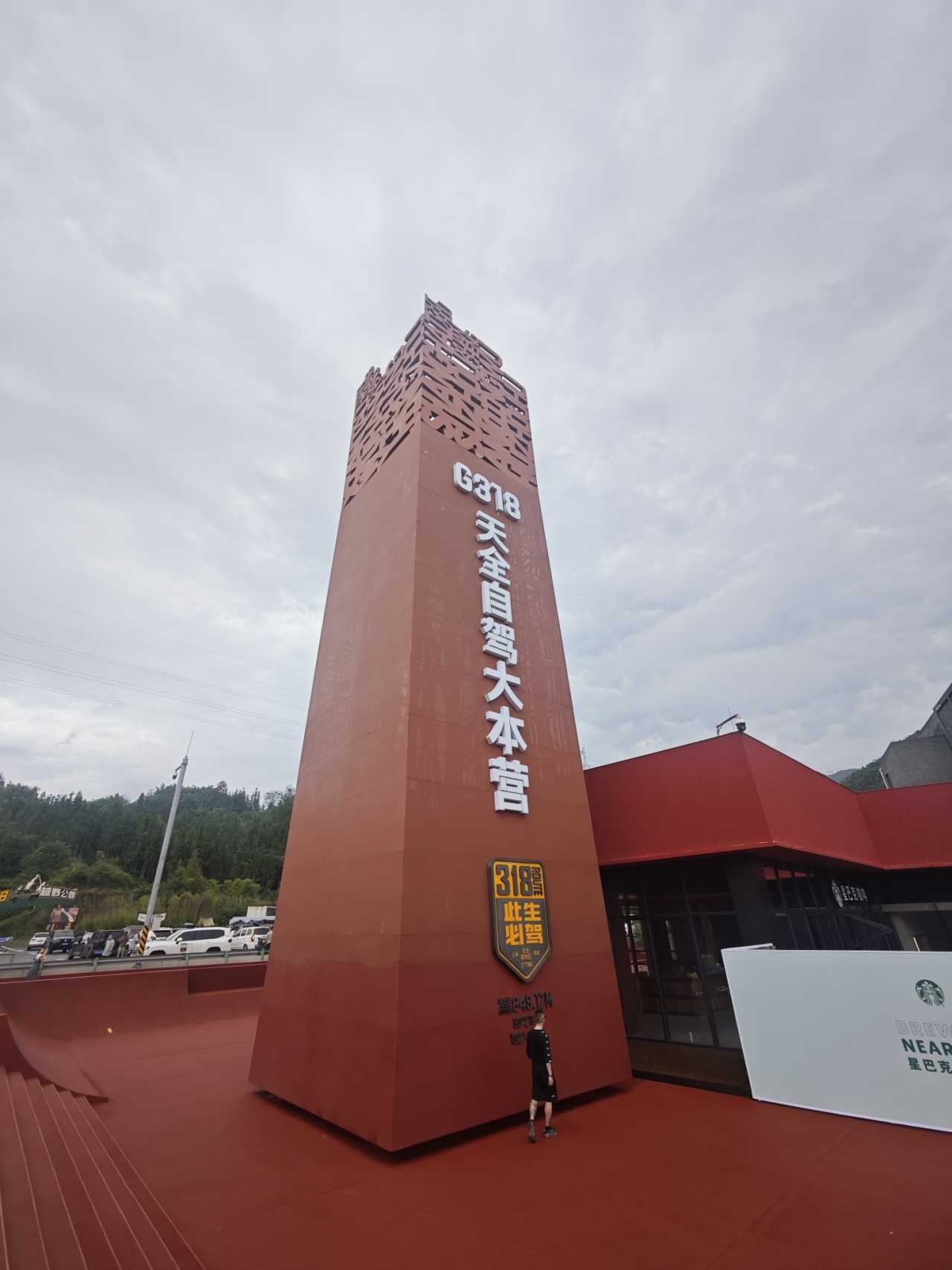
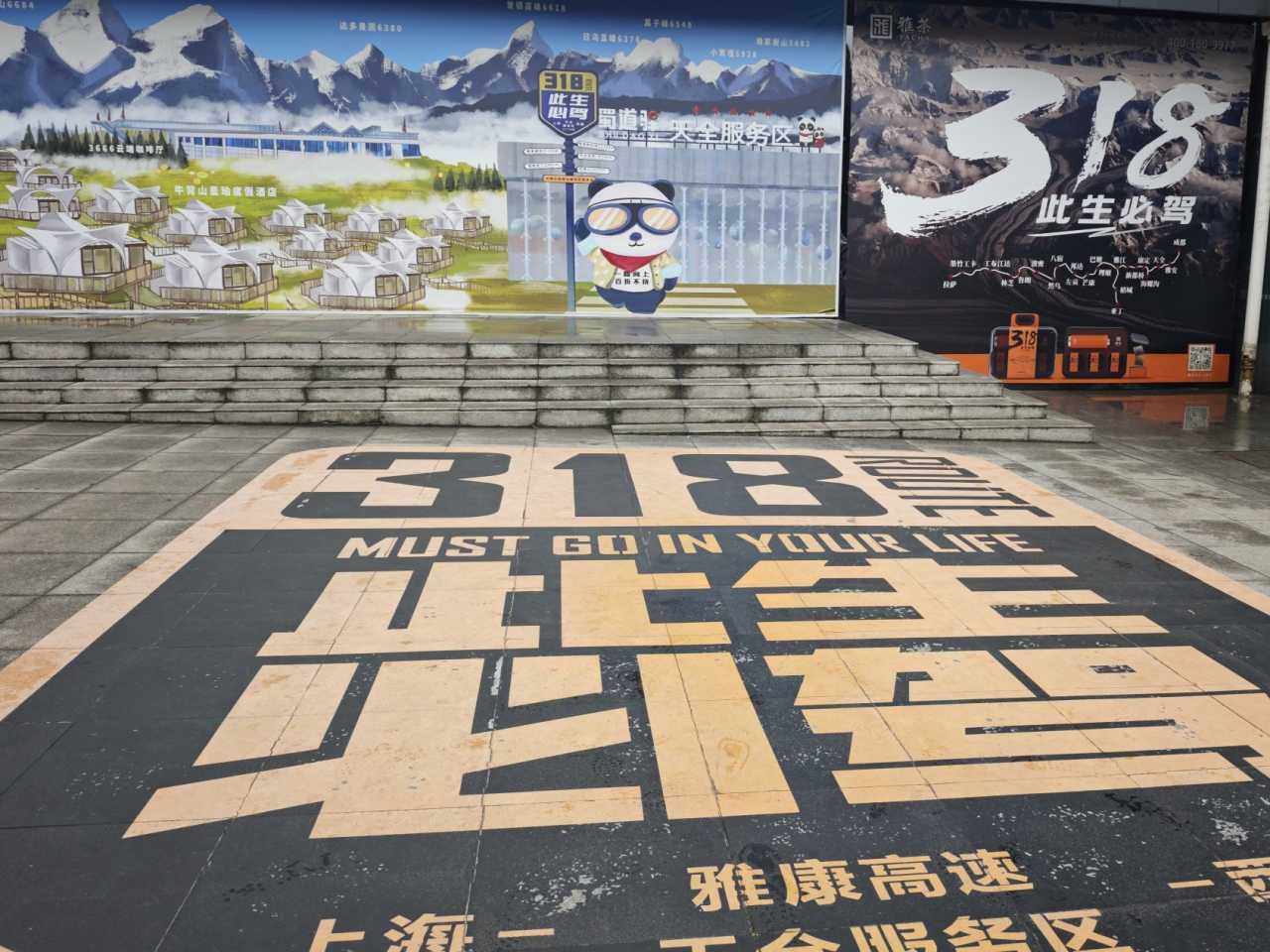
Flying into Chengdu Tianfu Airport, we picked up the car and headed straight for the legendary Highway 318. The Tianquan Service Area is not just a pit stop—it's a five-star rest stop themed around giant pandas and 318 culture. The famous slogan "此生必驾318" (A road you must drive in your lifetime) is a pilgrimage marker for self-drivers. We grabbed a bowl of Dahe Glasses Noodles; it was the perfect start to our Western Sichuan self-drive.
Luding Bridge & The 318 Traffic Jam
At the Luding toll booth, a "lane-cutting scrape" delayed us by an hour and a half. We dropped the claim and visited Luding Bridge—a 103.67-meter-long iron chain bridge famous for the "Battle of Luding Bridge."
The Reality Check: From Luding Bridge to Kangding, a mere 27-kilometer drive took four hours. Local cars on the opposite lane whizzed past, while law-abiding drivers waited patiently. Lesson: Plan for traffic jams on Highway 318. Pack snacks and patience.
DAY 2: Kangding → Xinduqiao — Ancient Temples & Highland Introduction
Morning Stroll: Discovering Nanwu Temple
After a good sleep, we explored Kangding. The roar of the Kangding River was deafening. We stumbled upon the thousand-year-old Nanwu Temple. It was quiet, empty of tourists, with the soft chanting of monks drifting from the main hall. This was a hidden gem most tourists miss on their Western Sichuan self-drive.
Mugecuo: A "Free Ticket Perk" for Hangzhou Residents
Mugecuo (Wild Man Lake) sits at 3,700 meters. The scenic area waived entrance fees for visitors from Hangzhou. The lake's waters were crystal clear, mirroring the snowy peaks. We joined a Guozhuang dance (a traditional circle dance) and walked the plank path along Qianpu Gorge.
Don't miss: The red stones of Hongshi Beach and the hot springs at Yaochi Feiquan (Medicine Pool Boiling Spring). We boiled eggs in the 90°C water—a unique snack.
S434: The "New Choice" for Avoiding Traffic
From Kangding to Xinduqiao, we took the newly built Provincial Road S434. This road is in excellent condition, banned to heavy trucks, and traffic-free. Snowy peaks—Yala Snow Mountain, Qingrao Sacred Mountain, and the Gongga Snow Mountain range—kept us company the whole way. The Ser La Pass, at 4,418 meters, was incredibly windy.
Fuel Warning: The fuel gauge dropped alarmingly on the climbs. We skipped Yuzixi sunset and headed straight for Xinduqiao.
First Taste of Tibetan Cuisine
At "Shouzhu Shantang," we tried milk dreg pancakes, tsampa yogurt, and yak meat wide noodles. It was the most satisfying meal of the trip. [Link: Best Tibetan restaurants in Xinduqiao]
DAY 3: Xinduqiao → Tagong — Grasslands, Streams, and Sunsets
Ten-Mile Gallery: A Photographer's Paradise
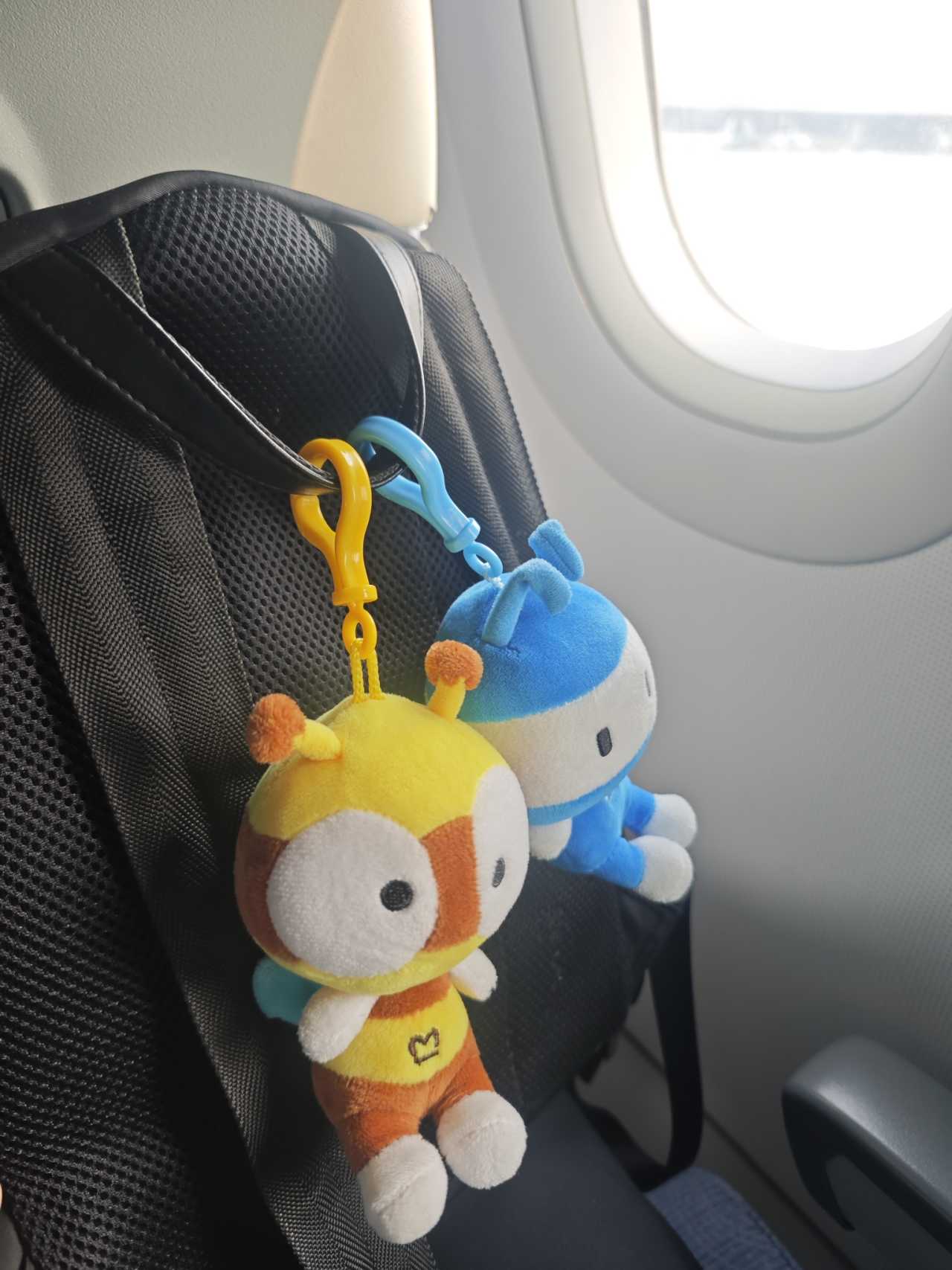
We drove through the "Ten-Mile Gallery"—a two-lane avenue lined with trees, hills, rice paddies, streams, and Tibetan houses. In early September, the landscape offered a deep tranquility, perfect for photography.
Tagong Temple: Prayer Wheels and Faith
Tagong Temple (full name "一见如意解脱寺") dates back over 1,300 years. This is a key stop on any Western Sichuan self-drive focused on culture. We spun the prayer wheels and observed the local faith.
DAY 4-5: Tagong Grassland & Return
The Tagong Grassland is vast and open. We spent the afternoon driving through the grasslands, stopping for photos of yaks and wildflowers. The final leg of the journey took us back toward Chengdu, reflecting on the thousand-mile journey.
Essential Tips for a Western Sichuan Self-Drive
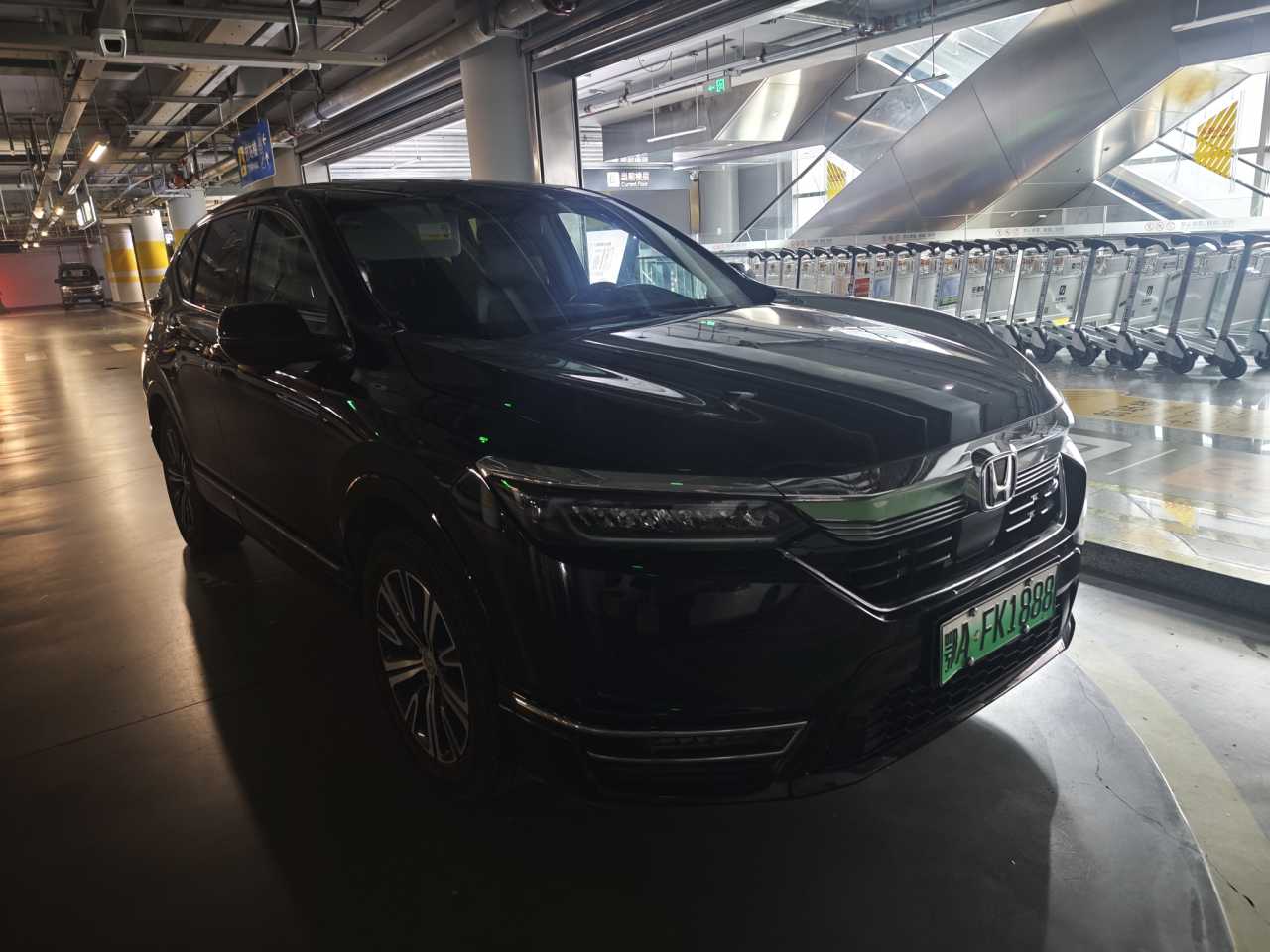
Altitude Sickness Prevention
- Acclimatize: Spend a night in Kangding (2,600m) before heading to higher altitudes.
- Hydrate: Drink more water than you think you need.
- Medication: Bring Diamox (acetazolamide) for severe symptoms.
Fuel & Charging Stations
- Hybrid Vehicles: Our hybrid ran on gas only. Fuel stations are sparse between Kangding and Litang. Always fill up.
- EVs: Not recommended for this route unless you have a very high-range battery. Charging stations are unreliable.
Road Conditions & Safety
- Road Closures: Always check "Xia Zhubian Map" or local WeChat groups.
- Driving Etiquette: Locals drive fast. Be patient and pull over to let them pass if necessary.
Frequently Asked Questions (FAQ)
1. What is the best time for a Western Sichuan self-drive?
Answer: The best time is September to October (autumn) for golden foliage and clear skies. May to June offers lush green grasslands and blooming flowers. Avoid the rainy season (July-August) due to landslides.
2. Do I need a 4WD for a Western Sichuan road trip?
Answer: No, a standard sedan or hybrid SUV is sufficient for main routes like Highway 318 and S434. However, a 4WD is recommended if you plan to venture off-road to spots like Moshí Park or Gunong Village.
3. How do I handle altitude sickness on this itinerary?
Answer: Ascend gradually. Spend your first night in Kangding (2,600m) or Xinduqiao (3,300m). Avoid alcohol and strenuous activity on Day 1. Carry portable oxygen cans and chewable aspirin.
4. Is it safe to drive in Western Sichuan as a foreigner?
Answer: Yes, it is generally safe. However, you need a valid Chinese driver's license (or an International Driver's Permit recognized in China). Roads are well-maintained, but watch for livestock on the road. [Link: Driving laws in China for tourists]
5. What are the must-have apps for a Western Sichuan self-drive?
Answer: You should download Xia Zhubian Map (for road closures), Ctrip (for car rental), Amap/Gaode Maps (for navigation), and WeChat (for local travel groups and payments).
Conclusion: Your Western Sichuan Adventure Awaits
A thousand-mile journey through Western Sichuan is more than a road trip—it's a transformation. From the roaring rivers of Kangding to the silent prayer wheels of Tagong Temple, every mile offers a new perspective. The traffic jams, the road closures, the altitude headaches—they all become part of the story.
Are you ready to explore this world?
Book your rental car today, pack your bags, and hit the road. The highlands are calling.
[CTA: Check our recommended car rental partners for the best rates on hybrid SUVs in Chengdu.]
Internal Linking Suggestions: - [Link: Best time to visit Western Sichuan] - [Link: How to prevent altitude sickness in Tibet] - [Link: Top 10 scenic drives in China] - [Link: Tibetan culture etiquette for travelers]
You may also like


