Seda Travel Guide: Three Girls' Winter Journey Through a City of Faith in Western Sichuan
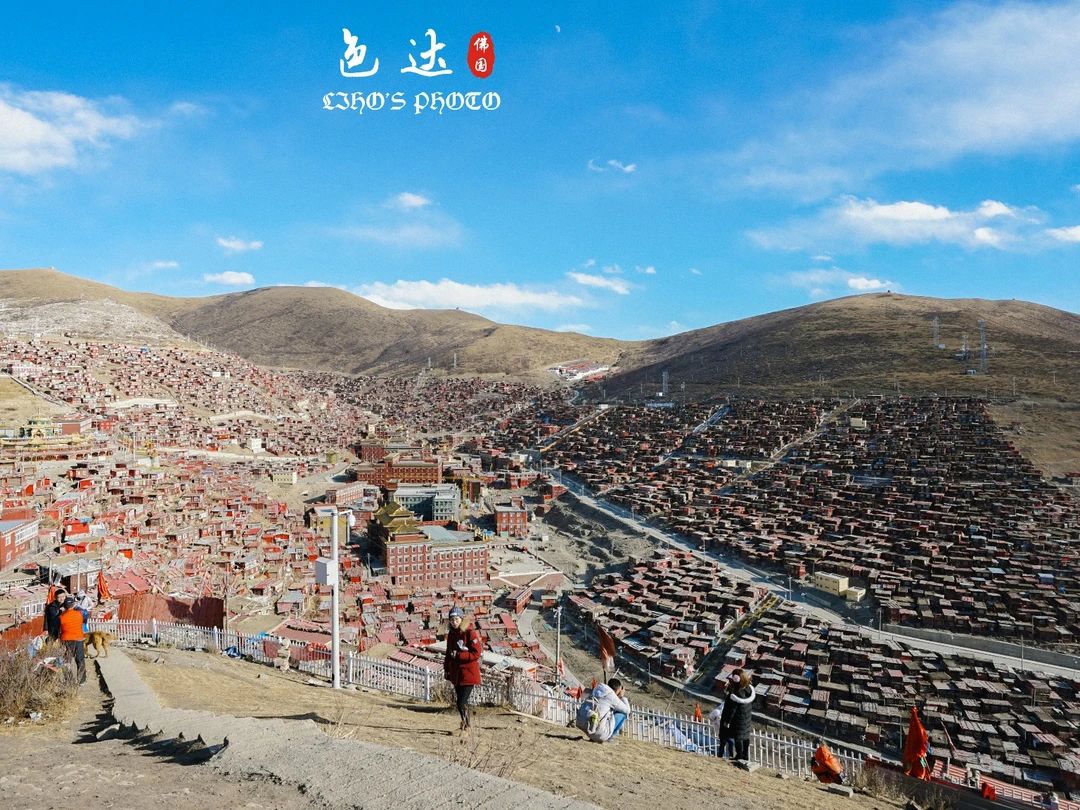
Meta Description: Discover Seda, China's city of faith, through this winter travel guide. Three friends share their journey to Seda County, including sky burial site visits, Tibetan cuisine, and altitude sickness tips. Perfect for solo travelers and group adventures.
Living in Beijing, Shanghai, and Dali, we had long grown accustomed to lives filled with work. The nine-to-five grind, the two-point commute between home and office, and the occasional late-night scroll through our phones that would reveal distant landscapes, stirring an inexplicable restlessness within us. Until the winter of 2017, the three of us — post-graduation "plastic sisters" — finally embarked on a journey to western Sichuan: to Seda (色达), the legendary place said to be closest to faith.
This Seda travel guide captures our winter journey through this sacred city, offering practical tips for first-time visitors, altitude sickness management, and cultural insights.
How a World Cup Final Planted the Seed for Our Seda Trip
On July 14, 2014, the night of the World Cup final between Germany and Argentina, four of us in the dorm, plus our friend Casper, sat on the floor around a spread of braised snacks, barbecue, and beer, watching the match. That night we talked about everything — from football to life, from graduation to the future. And in the midst of that boisterous evening, Casper first mentioned the name "Seda."
Back then, From Your Whole World Passed By hadn't been released yet, Daocheng Yading (稻城亚丁) wasn't famous, and no one knew that this small county hidden deep in western Sichuan would one day become a pilgrimage site in the hearts of countless people.
After graduation, life wound up like a clockwork spring. We scattered to different cities, and even meeting for a meal became a luxury. Then in July 2017, I stumbled upon a travelogue about Seda, and that spark buried for three years suddenly ignited.
"I want to go to Seda in winter," I typed in our group chat.
"I've been thinking about going in winter too," Casper replied instantly.
"So... shall we make it happen?"
"Let's go!"
[Link: Best time to visit Seda – winter vs. summer comparison]
Meet the Three Travelers: From Xiamen to the Ends of the Earth
Our story starts in Xiamen. Same university, somehow becoming "plastic sisters," and even starting a public account together — though we always forgot to update it. But ironically, that little account kept us connected across the miles, and our bond only grew stronger.

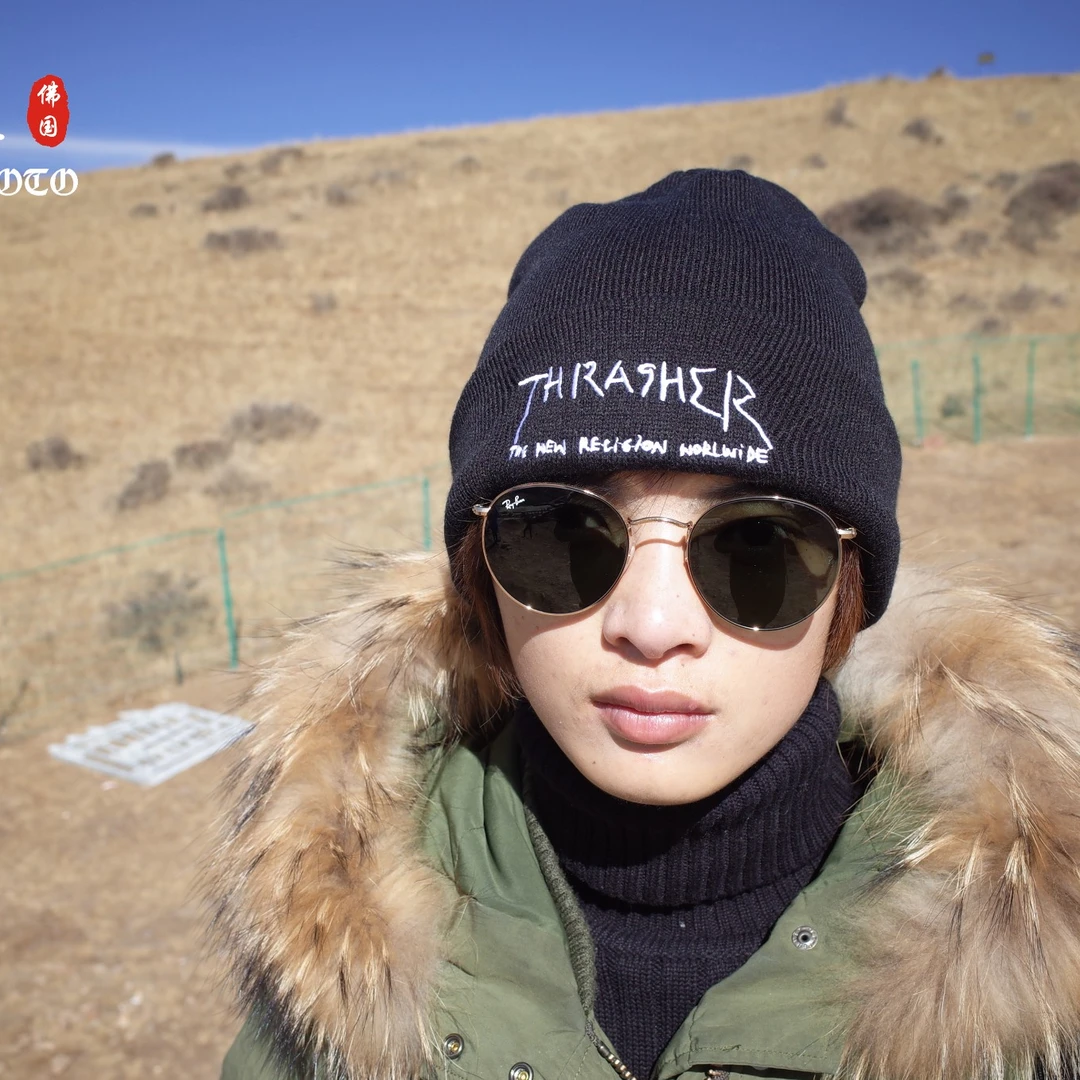
Casper @ Dali: Our chief photographer. Alarmingly thin, ridiculously handsome. Don't disturb her while she's shooting — she gets angry.
Little Fatty @ Suzhou: Aspiring to be a refined "piggy girl." Has a bizarre sense of humor and is our group's fountain of joy.
Ah Lan @ Shanghai: That's me — a pseudo-intellectual who can't write decent prose. Falls asleep the moment I get in a car, and completely immune to altitude sickness.
Twelve Hours on a Bus: First Encounter with Faith in Seda
At 6:30 AM, we departed from Chadianzi (茶店子) in Chengdu. I used to think the ten-hour bus ride from Lijiang to Lugu Lake was the limit. Naive me. We passed through Wenchuan (汶川), through tunnel after tunnel, the temperature dropping steadily. I drifted in and out of sleep, waking and dozing again. Finally, around 6 PM, we arrived in Seda.
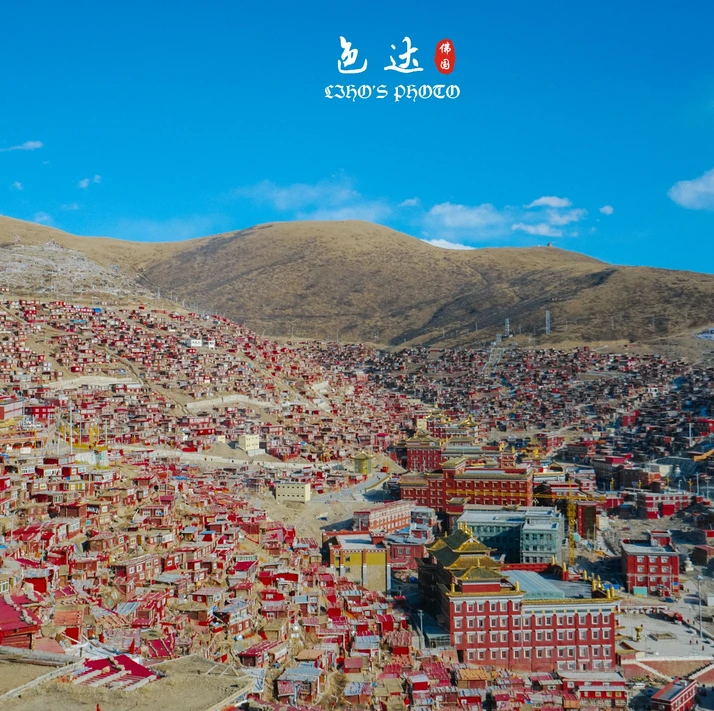
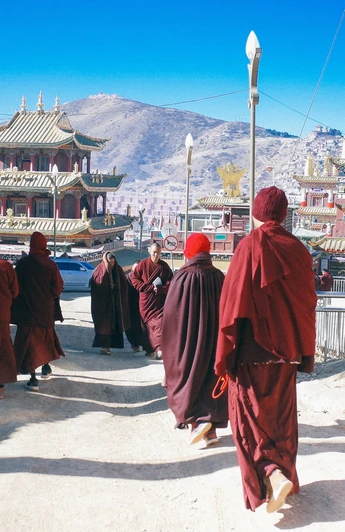
What was my first impression of Seda? Honestly, I can't quite remember. Only the desolate scene that greeted us as we stepped off the bus, and the sight of pilgrims performing prostrations along the road. Most were in family groups, wearing thick Tibetan robes, their hair wrapped in red cloth. Their faces bore the distinctive high-altitude flush from years of UV exposure. They wore knee pads and wrapped thick cloth around their hands, each movement of rising and prostrating executed with meticulous precision.
Someone on the bus told us that this kind of pilgrimage is actually dangerous — on the highway, vehicles don't always see you, and it's easy to get injured. Yet they persisted anyway. Elderly with silver hair, children carried on their mothers' backs... The weight of faith, in that moment, became tangible and heavy.
[Link: How to get to Seda from Chengdu – bus and driving options]
Dormitory 33: The Best Hostel in Seda for Winter Travelers
We stayed at "Dormitory 33" (三十三宿舍) , the only hostel we could find still open online — because winter is the off-season, and most accommodations were closed. The owner was a lovely young woman with a faint high-altitude flush on her cheeks and an incredibly sweet smile. She said the name came from her age — thirty-three — and this hostel was a testament to that year of her life.
Fresh on the plateau, Little Fatty fell victim to altitude sickness. Lying in bed with an oxygen tank, she muttered, "I'm no longer the Little Fatty who can dance square dances on the plateau," then burst out laughing at videos on Douyin (TikTok). Another woman in our room was also suffering from altitude sickness — she'd had a cold in Chengdu and had been surviving on plain steamed buns, with no real nutrition, so she collapsed as soon as she reached the plateau. She went to the hospital, where the doctor advised her to descend the next day. When she came back, she brought good news: the large oxygen pillows sold at the hospital cost only 50 yuan, and they were impossible to find elsewhere.
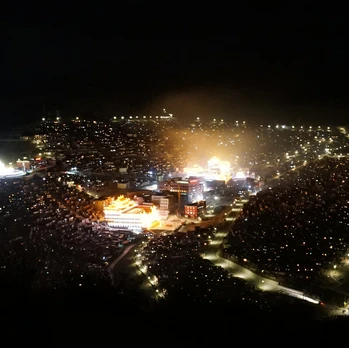
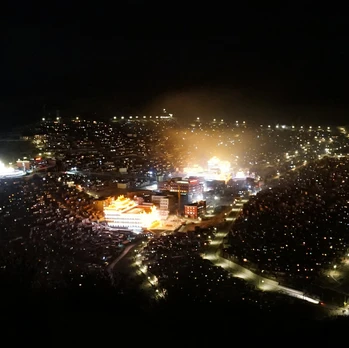
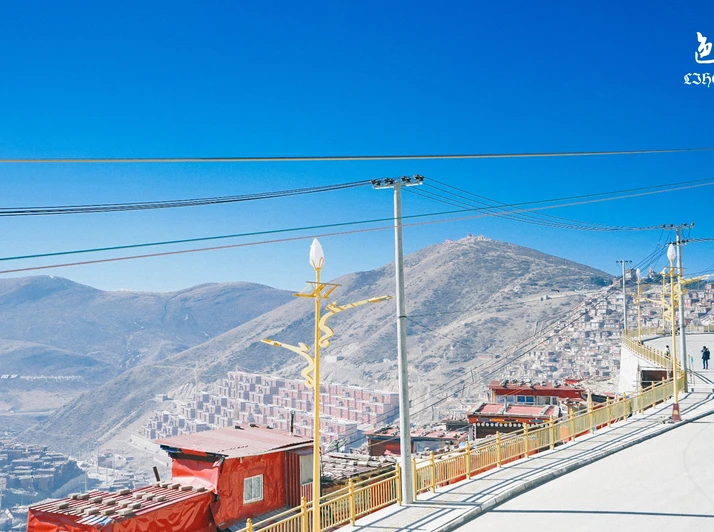
Seda County wasn't large, but it was cleaner than I'd imagined. A few cars were scattered on the streets, and colorful lights on the rooftops illuminated the entire road. Casper sighed, "If even a remote place like Seda is this well-developed, our country truly is prosperous and thriving!"
[Link: Altitude sickness prevention tips for Seda travel]
Yamure Tibetan Cuisine: The Best Food in Seda
Little Fatty was down with altitude sickness, so Casper and I used the excuse of getting her dinner to sneak out and find food. We opened Dianping (China's Yelp) and headed for the top-rated place — it was right near our accommodation.
Yamure Tibetan Cuisine (雅姆热藏餐) Address: No. 8 Tuanjie North Street Rating: ★★★★☆
The place wasn't busy, with traditional Tibetan decor. We got lucky and shared a hearty dinner with tourists at the next table.
Tibetan Hotpot: Served in a traditional Beijing-style copper pot. The price was in the ingredients — vegetables are precious on the plateau.
Yak Meat Flatbread: The best thing I ate in days! Grilled flatbread stuffed with pure yak meat, perfectly seasoned. Best eaten hot, when the beef aroma fills your mouth.
Dry-Roasted Potatoes: The slices were a bit thick. Mediocre, not recommended.
Khampa Lamb Chops: The lamb was a bit dry, but the potato slices inside were a revelation — thin, crispy, and soaked in meat flavor. Delicious.
Raw Sliced Yak Meat: Ordered by the uncle at our table. Frozen raw yak meat sliced thin, dipped in wasabi and soy sauce. Texture like sashimi.
Sweet Butter Tea: I know the salty version is more authentic, but I prefer sweet. A bowl before the meal — a taste I hadn't had in a long time.
Highland Barley Wine: My second time trying it; the first was in Shangri-La (香格里拉). One cup down, heart racing, cheeks flushed.
Two Little Lamas at the Seda Sky Burial Site
After saying goodbye to the owner of Dormitory 33, we hired a car to the sky burial site. Before that, a noodle shop across the street caught our eye — the only place on the whole street with steam rising from its pots.
XX Noodle Shop (honestly can't remember the name) Address: Across from the municipal government building Rating: ★★★★
Tiny shop, only four tables. Everyone inside except us was local. The yak meat chunks were enormous, incredibly satisfying. A small portion was more than enough, and cheap.
From the county to the sky burial site was about a fifteen-minute drive. Taxis in Seda are scarce, but many locals offer rides, prices based on distance — 10 to 30 yuan.
When we arrived, the ceremony hadn't started yet, and there weren't many tourists. The most striking sight was the "Mouth of Yama" — a massive entrance with the blue sky as its backdrop. We hesitated for a long time, then mustered our courage and went inside. It was a small room filled with skulls. Later we learned these weren't the heads of the deceased — the real skulls were locked behind a small door in the corner. Not for the faint of heart, and you must be respectful inside.
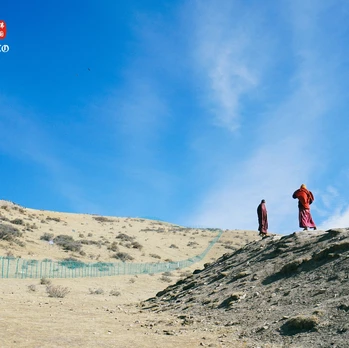
While waiting on a small hill for the ceremony to begin, we met two young lamas. They told us that Seda's sky burial site is the largest in China, even in the world. They explained the rituals with patience, and we listened in awe. One of them pointed to the vultures circling overhead — "They are the angels that carry souls to heaven."
[Link: Seda sky burial site visitor etiquette and tips]
FAQ: Your Seda Travel Questions Answered
1. Is Seda safe for solo female travelers?
 Yes, Seda is generally safe for solo female travelers, especially if you stay in reputable hostels like Dormitory 33. However, always travel with a friend for altitude sickness emergencies. The local Tibetan community is welcoming, but respect cultural norms — dress modestly and ask permission before photographing people.
2. What is the best time to visit Seda?
 Winter (November to March) offers fewer crowds and cheaper accommodation, but temperatures can drop below -10°C. Summer (June to August) is peak season with mild weather and vibrant green landscapes. For the sky burial ceremony, mornings are best.
3. How do I prevent altitude sickness in Seda?
 Seda sits at 4,000 meters (13,123 feet). Tips: Acclimatize in Chengdu or Kangding for 1-2 days, drink plenty of water, avoid alcohol, and carry portable oxygen cans. If symptoms worsen, descend immediately.
4. Can I visit the Seda sky burial site as a tourist?
 Yes, but with strict rules: No photography or video during ceremonies, maintain silence, and do not approach the burial platform. The site is open from 8 AM to 6 PM, but ceremonies typically occur in the early morning.
5. What should I pack for a winter trip to Seda?
Pack thermal layers, a heavy down jacket, windproof pants, insulated boots, gloves, a hat, sunscreen (UV is intense even in winter), lip balm, and a reusable water bottle. Also bring altitude sickness medication and portable oxygen.
Final Thoughts: Why Seda Should Be on Your Bucket List
Our winter journey through Seda was more than a vacation — it was a pilgrimage into the heart of faith. From the prostrating pilgrims on the highway to the raw beauty of the sky burial site, every moment reminded us of the power of belief and the fragility of life.
If you're planning a trip to western Sichuan, don't skip Seda. It's not just a destination; it's an experience that will stay with you long after you've descended the plateau.
Ready to plan your own Seda adventure? Book your bus ticket from Chengdu, pack your warmest clothes, and prepare for a journey that will challenge your body and enrich your soul. Share your Seda story with us in the comments below — we'd love to hear about your encounter with faith.
[Link: Western Sichuan travel itinerary – 7 days from Chengdu to Seda]
This article is based on a true travelogue from Mafengwo. All experiences, prices, and recommendations are accurate as of the original publication date. Check local travel advisories and accommodation availability before your trip.
You may also like


