Reunion in Shu: A Deep Journey Through Food, Snowy Peaks, and Ancient Buddhas
Here is the SEO-optimized rewrite of your article. It has been restructured for search engine visibility, reader engagement, and keyword density while preserving the original narrative and factual details.
SEO Title: Chengdu to Mount Emei & Leshan: A Family Itinerary for Food, Snow, & Ancient Buddhas
Meta Description: Explore Chengdu’s best food, summit a snowy Mount Emei, and stand before the Leshan Giant Buddha. An SEO-optimized family travel guide for Sichuan, China.
Reunion in Shu: A Deep Journey Through Food, Snowy Peaks, and Ancient Buddhas
Some cities you visit once for the checklist, but twice to truly live. Chengdu is exactly that kind of place—one you willingly revisit for a second, third, or even a tenth time. When our child heard we were heading back to this vibrant land, his eyes lit up instantly. He remembered the neon glow of Chunxi Road, the crispy sugar-coated fried dough balls (糖油果子) in Kuanzhai Alley, and above all, that unforgettable numbing-and-spicy kick of Sichuan cuisine.
But this time, we decided to do things differently: summit Mount Emei to feel May snowfall at 3,000 meters above sea level, then cruise downstream to gaze up at the thousand-year-old compassionate gaze of the Leshan Giant Buddha. This was an upgraded adventure in the land of Shu—a deep dialogue about courage, gastronomy, and culture.
Chapter 1: Arrival and Reunion—The Everyday Hustle and Bustle of Yiguanmiao
Touching Down in Chengdu, That Familiar Warmth

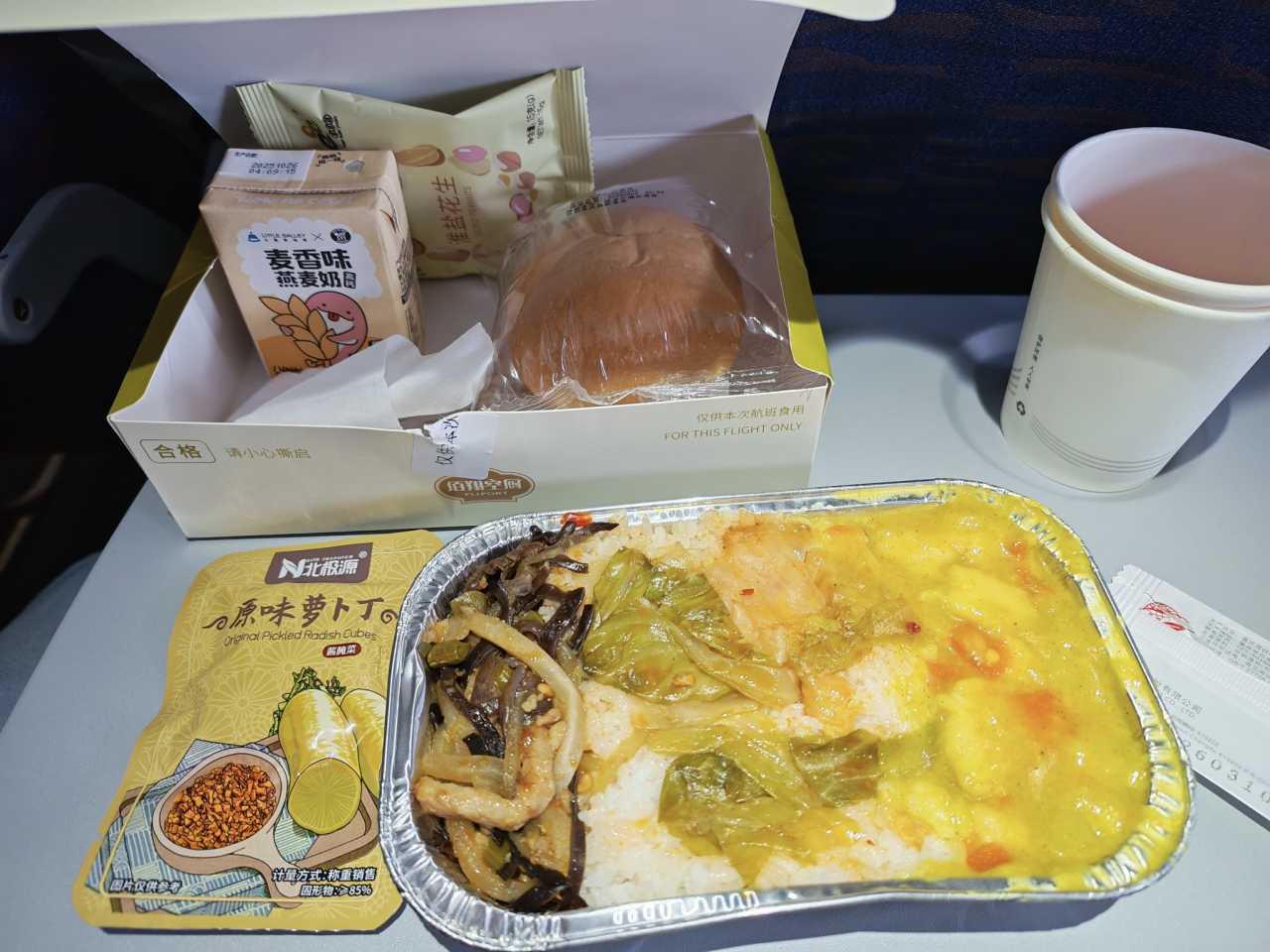
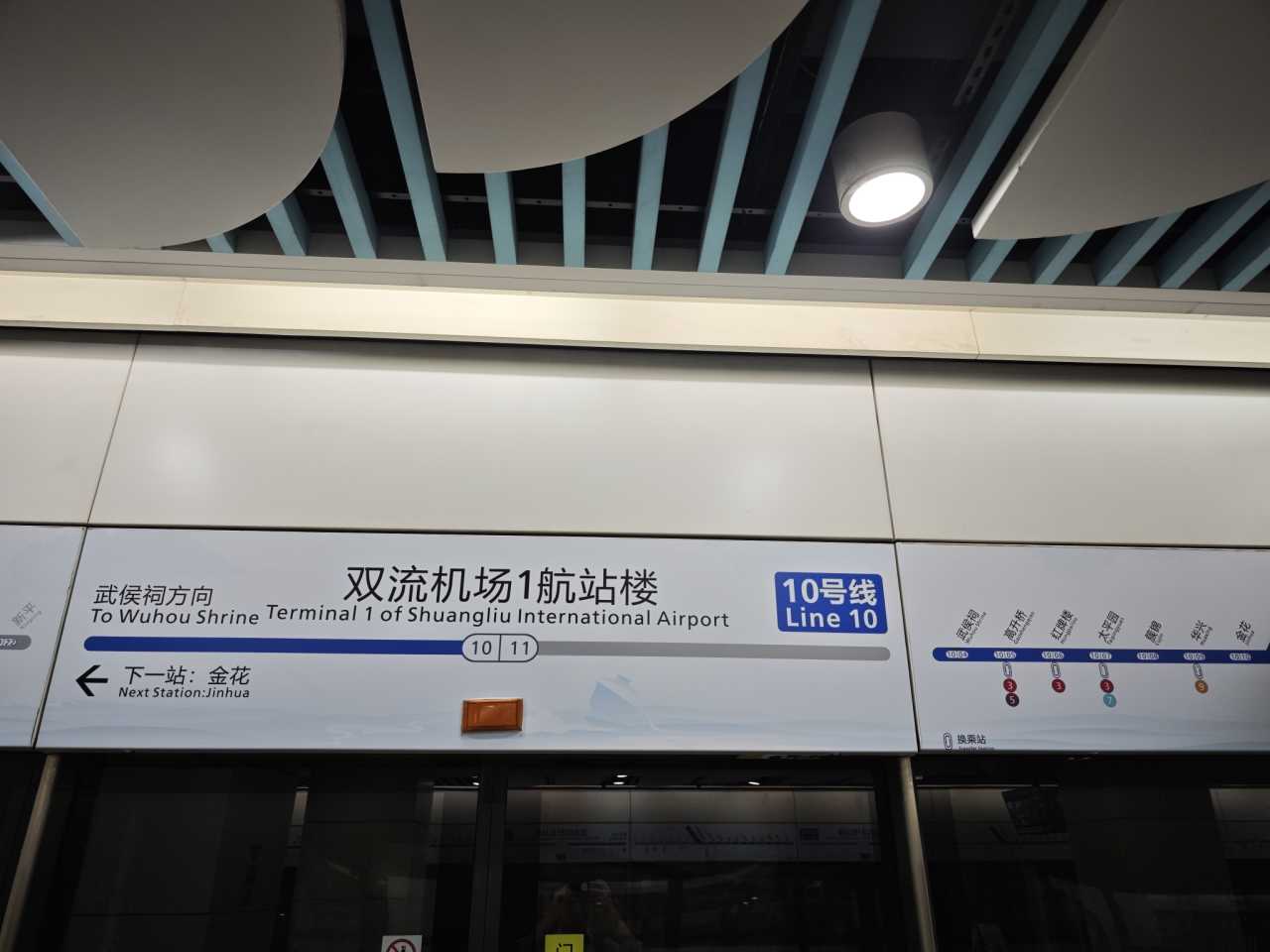
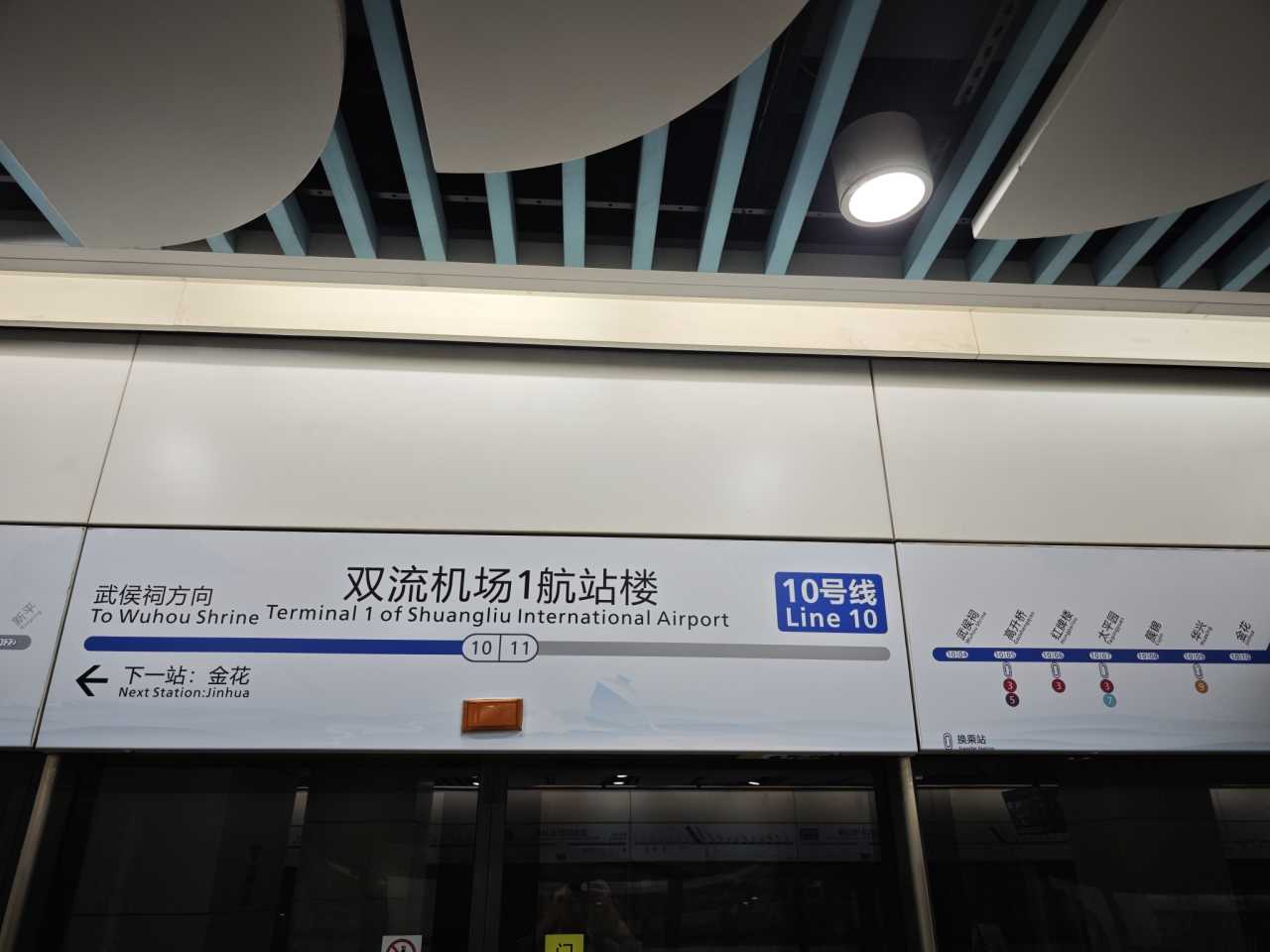
Sichuan Airlines' in-flight meals still maintain that reassuring standard. If I weren't already saving my appetite for the dinner I'd been craving, I might have asked for another tray. Stepping out of Shuangliu Airport, the familiar platform of Metro Line 10 greeted us. Unlike our last trip, when we stayed near Chunxi Road to catch an early train to Sanxingdui, this time we chose a more grounded base: Yiguanmiao (Clothes and Hat Temple).
Behind this name lies a tale from the Three Kingdoms era: after Guan Yu's defeat at Maicheng, his body could not be recovered, so Liu Bei built a tomb containing his clothes and hat as a memorial. The original structure has long since vanished into the mists of time, but the place name remains—a seal stamped deep into the city's fabric. Staying here felt like touching the pulse of history.
The Thrilling Last-Minute Score at Ma Wangzi
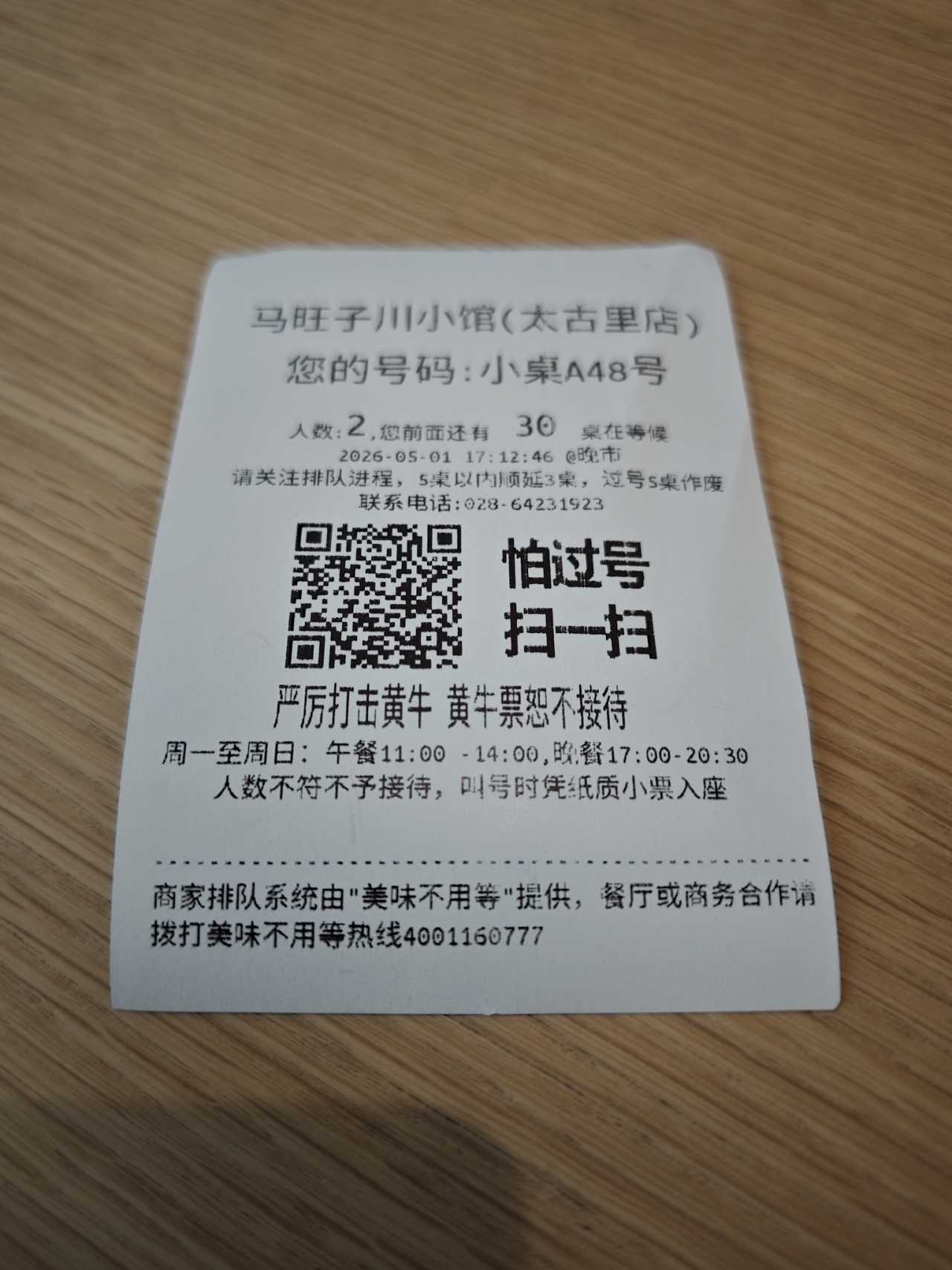
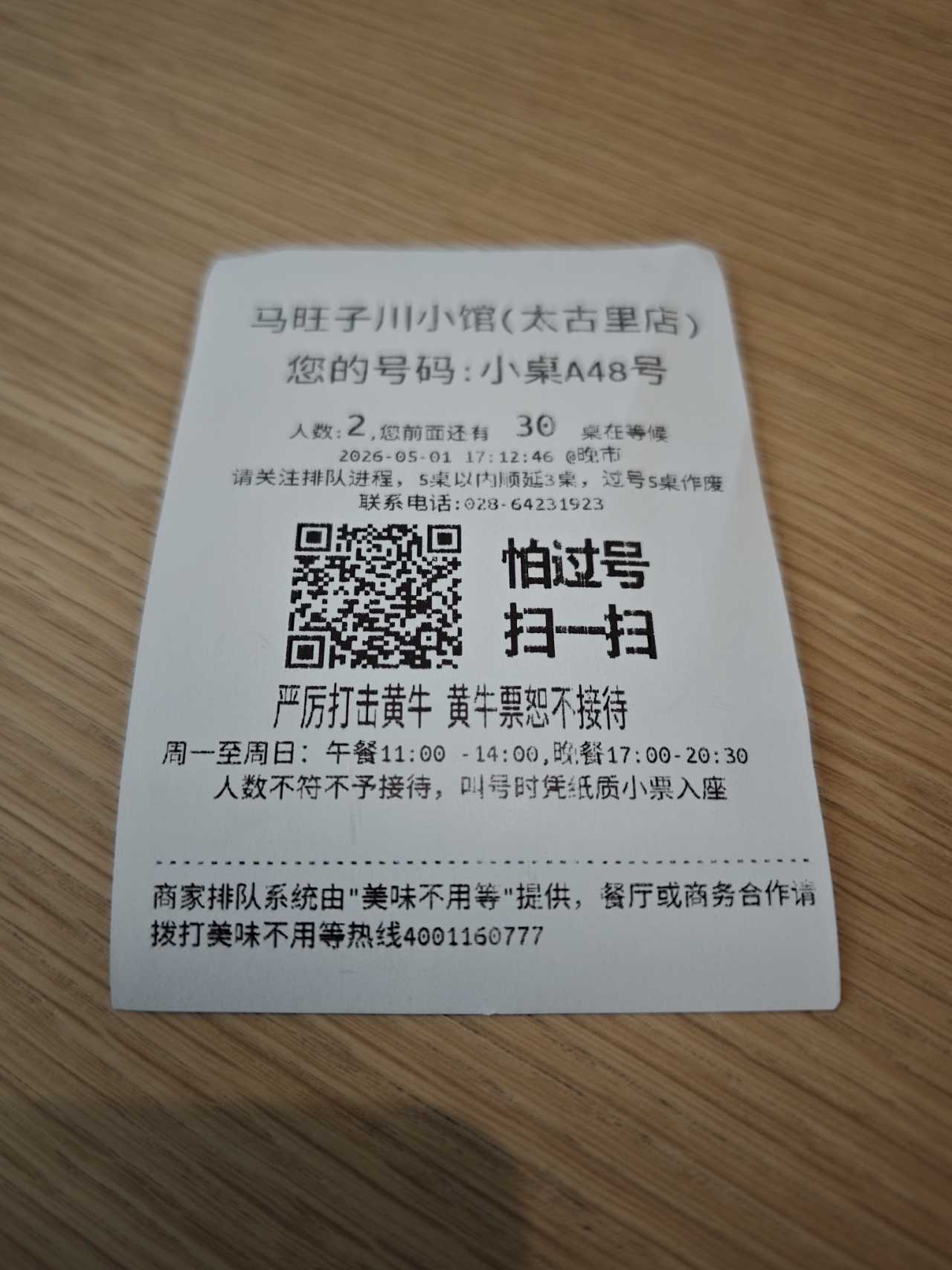
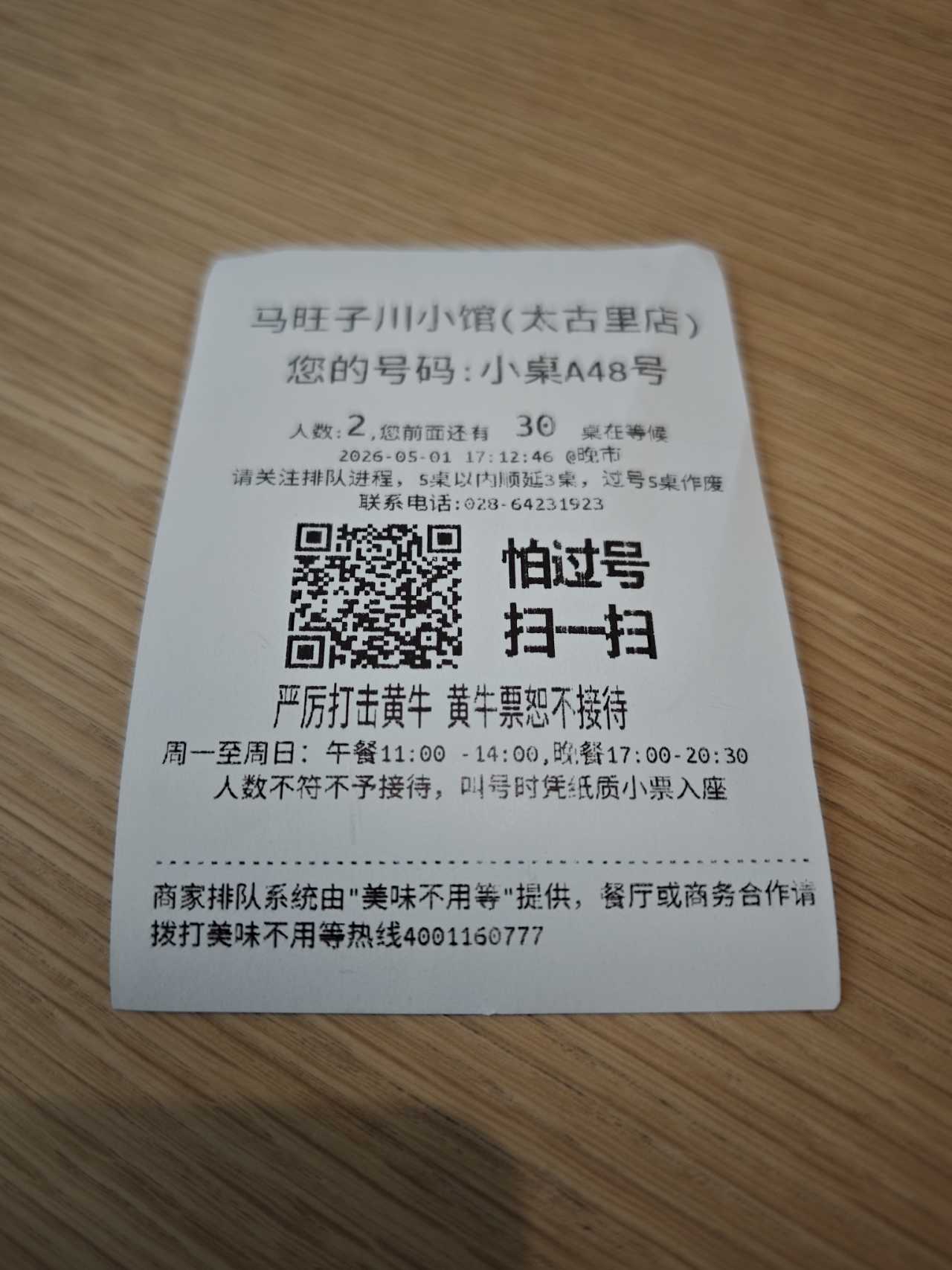
No trip to Chengdu is complete without eating at Ma Wangzi (马旺子). This Sichuan restaurant is so famous that you need to mentally prepare yourself—we arrived before 5 PM, only to be told that all tickets for the day had been given out. Lucky for us, a family of three could squeeze into a two-seat table. We endured an hour and forty minutes of waiting before finally digging into hot, steaming dishes.
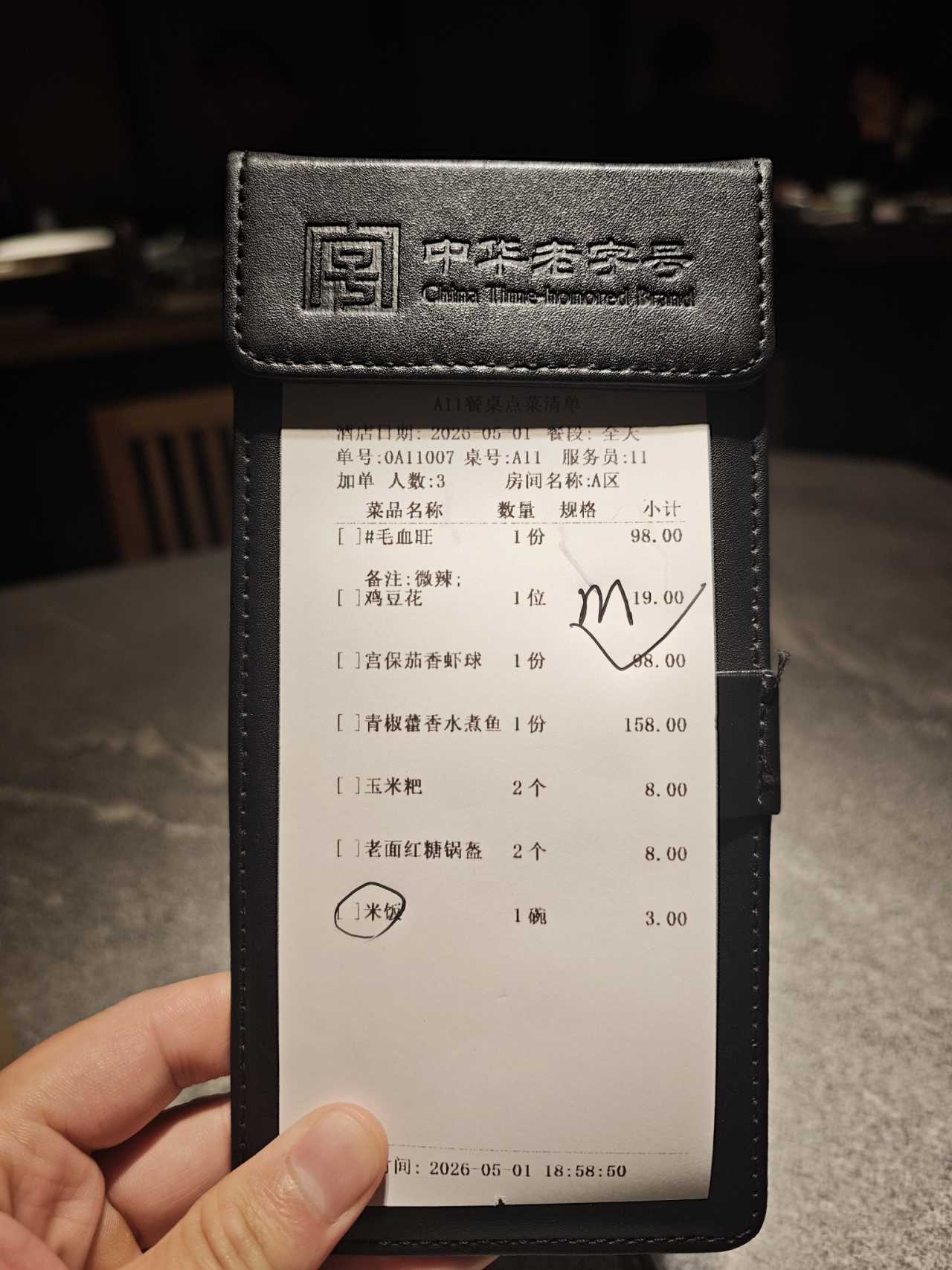
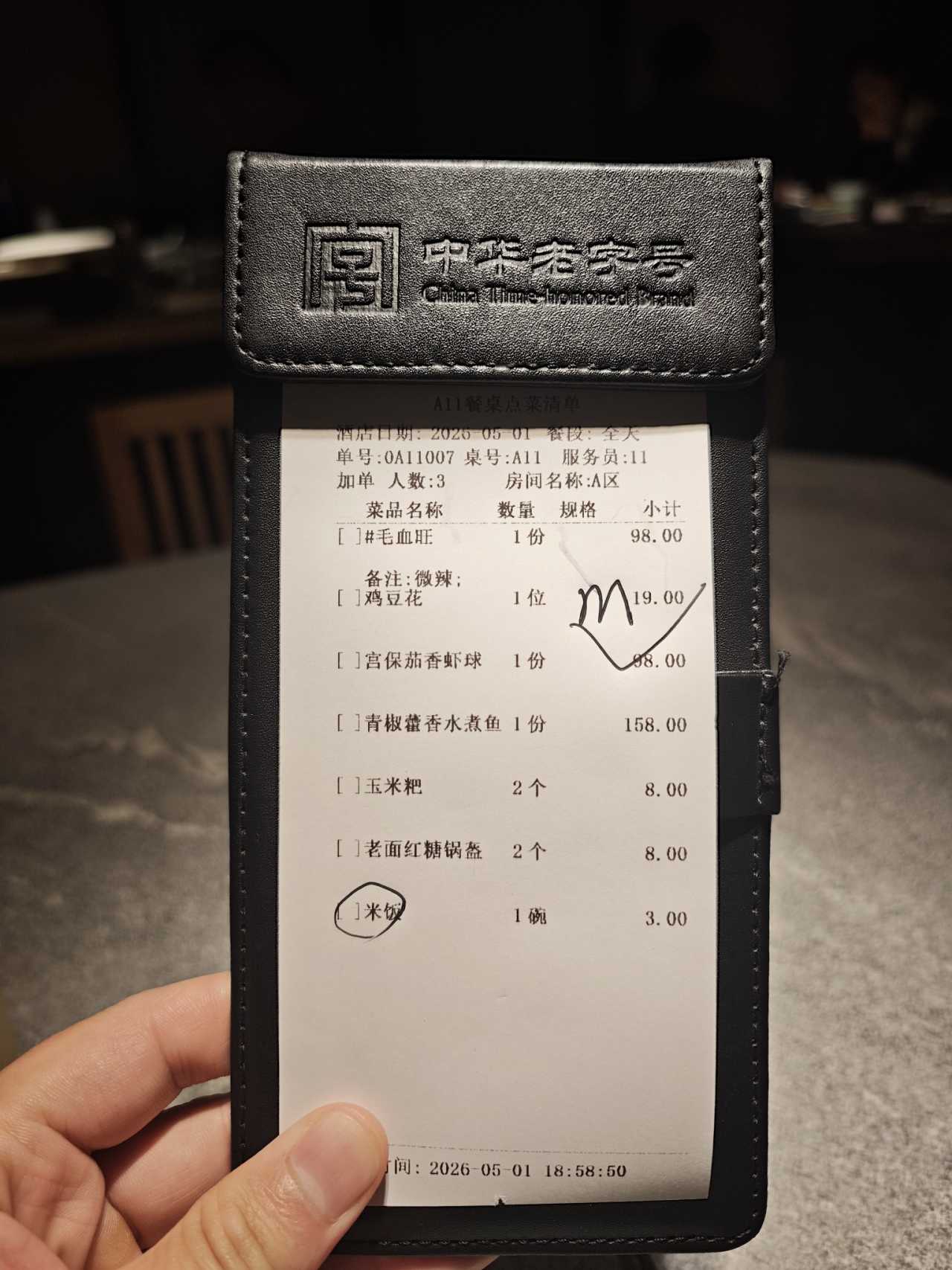
Must-Order List: - Mao Xue Wang (毛血旺): We requested a mild-spicy version, which let us—who aren't great with heat—devour it without pain. Our child exclaimed, "This makes me eat so much rice!" - Green Pepper and Huo Xiang (藜蒿) Poached Fish: The huoxiang (a fragrant herb) was brought to the table separately, added only after we confirmed. That unique, herbal aroma is something you'd never find in a Sichuan restaurant outside of Chengdu. - Kung Pao Shrimp Balls (宫保虾球): The taro pieces were fried to a crispy, hollow perfection. Best eaten hot—fragrant and not greasy. - Chicken Tofu (鸡豆花): "Eating chicken without seeing chicken"—a clever vegetarian-style dish made from chicken. The broth is clear, the texture silky smooth. A masterpiece of traditional Sichuan cuisine. - Corn Cake (玉米粑) and Brown Sugar Guokui (红糖锅盔): Sweet treats to counteract the spice. The guokui had a molten, flowing brown sugar filling.
Practical Tips: Chengdu Metro Ticketing
Chengdu's metro and buses strictly enforce a "one code per person" rule—you can't scan for someone else. The flexible combination of the Tianfu Tong app (天府通APP) and Alipay's Chengdu Metro QR code works perfectly: each person uses a different code, and you can breeze through the gates together. I tested it myself—it saves you the hassle of queuing for tickets.
Chapter 2: Mount Emei—May Snowfall and Pilgrimage to the Golden Summit
Ascending in Altitude: From Wannian Temple to the Golden Summit
At 7:40 AM, we boarded the bus at the Chengdu Yujiang Hotel assembly point, heading for Mount Emei. Two and a half hours later, we arrived at Wannian Temple parking lot. After gearing up, we transferred to a scenic-area shuttle bus to Leidongping (Thunder Cave Flat)—altitude 2,430 meters. The mountain wind howled, instantly stealing our body heat.
Looking up, the cable car climbed at nearly a 45-degree angle, but we still had to walk to Jieyin Hall (Hall of Guidance, altitude 2,540 meters). The scenery was so healing that we barely noticed we were working up a light sweat. But as soon as we reached Jieyin Hall, the temperature plummeted, dropping close to freezing. Then, as the cable car ascended to the Golden Summit (altitude 3,079 meters), within minutes, May snowfall descended upon us!
Altitude Overview: - Leidongping: 2,430 m - Jieyin Hall: 2,540 m - Golden Summit Small Cable Car: 2,985 m - Golden Summit: 3,079 m - Wanfo Summit (Ten Thousand Buddhas Peak): 3,099 m (Emei's highest point, closed that day)
Atop the Golden Summit: The Samantabhadra Bodhisattva with Ten Faces
The Golden Summit enshrines a statue of Samantabhadra Bodhisattva with ten faces, completed in 2005 and consecrated the following year. Including its pedestal, it stands 48 meters tall. The place commonly referred to as "Golden Summit" is actually Huazang Temple (Flower Treasury Temple), the highest-altitude Han-Chinese Buddhist temple in China. The Golden Hall (Samantabhadra Hall), Silver Hall (Guanyin Hall), and Bronze Hall (Mahavira Hall) are all part of its complex.
Sheshen Cliff (Body-Sacrificing Cliff), also known as Sheya Cliff (Photography Cliff), is a sheer precipice—a prime spot for viewing the Buddha's halo and sunrise. Unfortunately, the wind and snow were so fierce that day that we could only make a quick circuit before retreating indoors to refuel. A completely unafraid little squirrel scampered up to our backpack, begging for food. We shared two peanuts with it—a small, heartwarming moment in the mountains.
First Taste of Altitude Sickness
The mountain wind was bone-chilling, and the cold seeped deep into our bodies. Back at the hotel, our heads began to throb—altitude sickness had arrived. The low temperatures worsened the symptoms. We ate a simple, light meal: scrambled eggs with dandelion greens (rich in egg flavor), blood vegetable (血皮菜, high in anthocyanins, with a lingering flavor reminiscent of houttuynia cordata), and boiled beef in chili sauce (to warm us up and stimulate the appetite). We retreated to our rooms early to acclimatize, saving our energy for the next day's sunrise.
Myth-Busting Time: 1. Cell signal at Leidongping, Jieyin Hall, and the Golden Summit is full-strength—better than at Chunxi Road or Taikoo Li. Payment apps work perfectly. 2. The hotels on the Golden Summit aren't luxurious, but they are clean and tidy. No need to bring your own disposable bedding.
Chapter 3: Leshan Giant Buddha—A Millennium of Vigilance at the Confluence of Three Rivers
No Sunrise, But Snow Instead
They say Mount Emei has a special magnetic field. That night, I tossed and turned, unable to sleep, my heart racing. At 6 AM, I pulled back the curtains—snow was still falling. Sunrise was a washout. Everything was a vast expanse of white: May snow blanketing the golden statue, the Bodhisattva's figure appearing and disappearing in the mist.
We missed the Buddha's halo, the sea of clouds, the starry sky, and the sunrise. But unexpectedly, our child got to experience a snowscape. Such is life—gains and losses, regrets and surprises intertwined. We rented the hotel's oversized cotton coats and stepped outside to take it all in. At 6 AM, the place was already buzzing—some had been night-hiking, others had stayed at Leidongping and started their climb at 4 AM.
After breakfast, we packed up, checked out, and took the cable car down. The mountain weather was capricious: thick fog in the cable car, clearing skies at Jieyin Hall, then a light drizzle by the time we walked to Leidongping. From Leidongping to Wuxian'gang Station, an 80-minute bus ride, we smoothly rejoined our group and headed for the Leshan Giant Buddha.
Standing Before the Leshan Giant Buddha
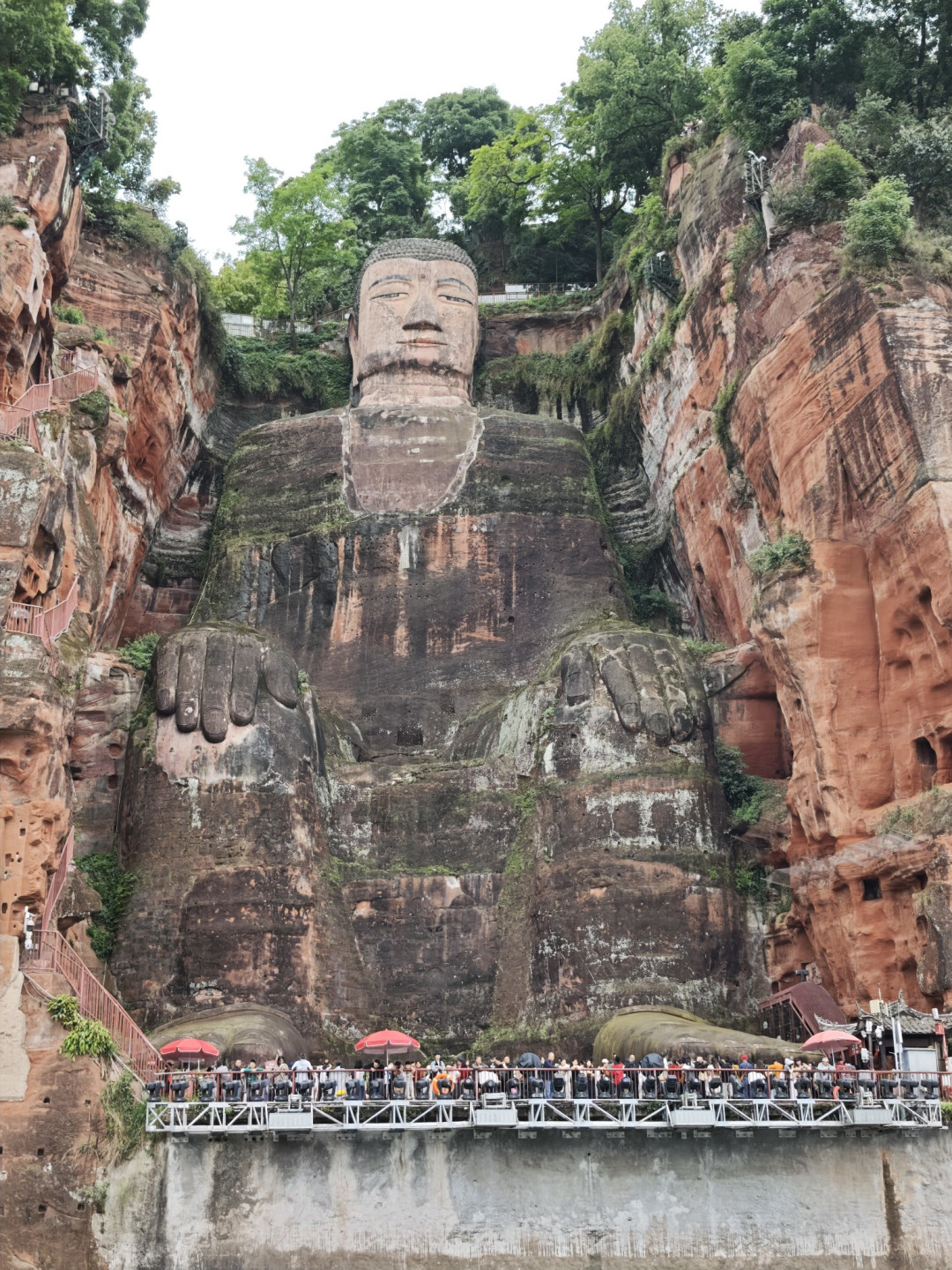
The Leshan Giant Buddha is a UNESCO World Heritage Site carved into a cliff face at the confluence of the Min, Dadu, and Qingyi rivers. At 71 meters tall, it is the largest stone Buddha in the world. Construction began in 713 AD under the Tang Dynasty monk Haitong, who hoped the Buddha would calm the treacherous waters that claimed many boats.
We took a boat cruise to get the full view. From the water, the Buddha's serene expression is truly awe-inspiring. The statue has survived over 1,200 years of earthquakes, weathering, and human activity, thanks to an ingenious drainage system hidden within its hair and robes. Standing there, you feel the weight of history—and the enduring power of faith.
FAQ: Planning Your Chengdu, Mount Emei, and Leshan Trip
1. How many days do you need for this itinerary? We recommend at least 4–5 days: 1.5 days in Chengdu (arrival, food, and metro exploration), 1.5 days on Mount Emei (ascend on Day 2, descend and transfer on Day 3), and half a day for the Leshan Giant Buddha. Add a buffer day if you want to hike Mount Emei instead of taking the cable car.
2. Is it safe to take children to Mount Emei in May? Yes, but prepare for sudden weather changes. The Golden Summit can be near-freezing even in May. Bring thermal layers, waterproof jackets, and altitude sickness medication. The cable car and shuttle buses make it family-friendly.
3. What are the best ways to get between Chengdu, Mount Emei, and Leshan? From Chengdu, take a high-speed train to Emeishan Station (approx. 1 hour) or join a group tour bus. From Mount Emei, a bus or taxi to Leshan takes about 1–1.5 hours. You can also take a direct bus from Chengdu to Leshan.
4. Do I need to book Ma Wangzi in advance? Yes, absolutely. Ma Wangzi is one of the most popular restaurants in Chengdu. Try to arrive before 5 PM or book online via Meituan or Dianping. The wait can be 1–2 hours.
5. What should I pack for a May trip to Sichuan? Lightweight clothing for Chengdu (20–25°C), plus a warm jacket, gloves, and a hat for Mount Emei (0–5°C). Sturdy walking shoes, sunscreen, and a reusable water bottle are also recommended. Don't forget cash for small vendors.
Internal Linking Suggestions
- [Link: Best Sichuan dishes to try in Chengdu]
- [Link: How to use the Tianfu Tong app for public transport]
- [Link: Complete guide to hiking Mount Emei]
- [Link: Leshan Giant Buddha history and boat tour tips]
- [Link: Family-friendly hotels on Mount Emei Golden Summit]
Ready for Your Own Sichuan Adventure?
This journey through Chengdu, Mount Emei, and Leshan is more than just a trip—it's a deep dive into culture, nature, and culinary mastery. Whether you're chasing the perfect bowl of mapo tofu, standing in awe before a thousand-year-old Buddha, or watching snow fall on a May morning, Sichuan rewards every kind of traveler.
Start planning today. Book your flights to Chengdu Shuangliu Airport, reserve your spot at Ma Wangzi, and pack your warmest coat. The land of Shu is waiting.
Share this guide with your travel buddies, and let us know in the comments: Which dish would you try first?
You may also like


