Reading Mount Emei: A Date with Samantabhadra Bodhisattva in the Sea of Clouds
Here is the SEO-optimized, rewritten article based on your source material. It has been restructured for search intent, keyword density, and readability, targeting approximately 1500 words.
SEO Title: Mount Emei Travel Guide: A Spiritual Date with Samantabhadra in the Sea of Clouds
Meta Description: Discover the ultimate Mount Emei travel guide. From the Golden Summit sea of clouds to the sacred Monkey Zone, experience a spiritual journey with Samantabhadra Bodhisattva in Sichuan.
Mount Emei Travel Guide: A Spiritual Date with Samantabhadra in the Sea of Clouds
Introduction: Why "Reading" Mount Emei is Different
This is not a standard travelogue. It is a pilgrimage. The moment I set foot on this sacred Buddhist mountain alone, I knew this journey would be anything but conventional. In Chinese, the phrase "Reading and Walking" is a homophone for "traveling alone," yet it carries a deeper meaning—a reverence for Mount Emei and a desire to "read" it: to understand its clouds, its mists, its Buddhist halo, and to decipher the sincerity within my own heart.
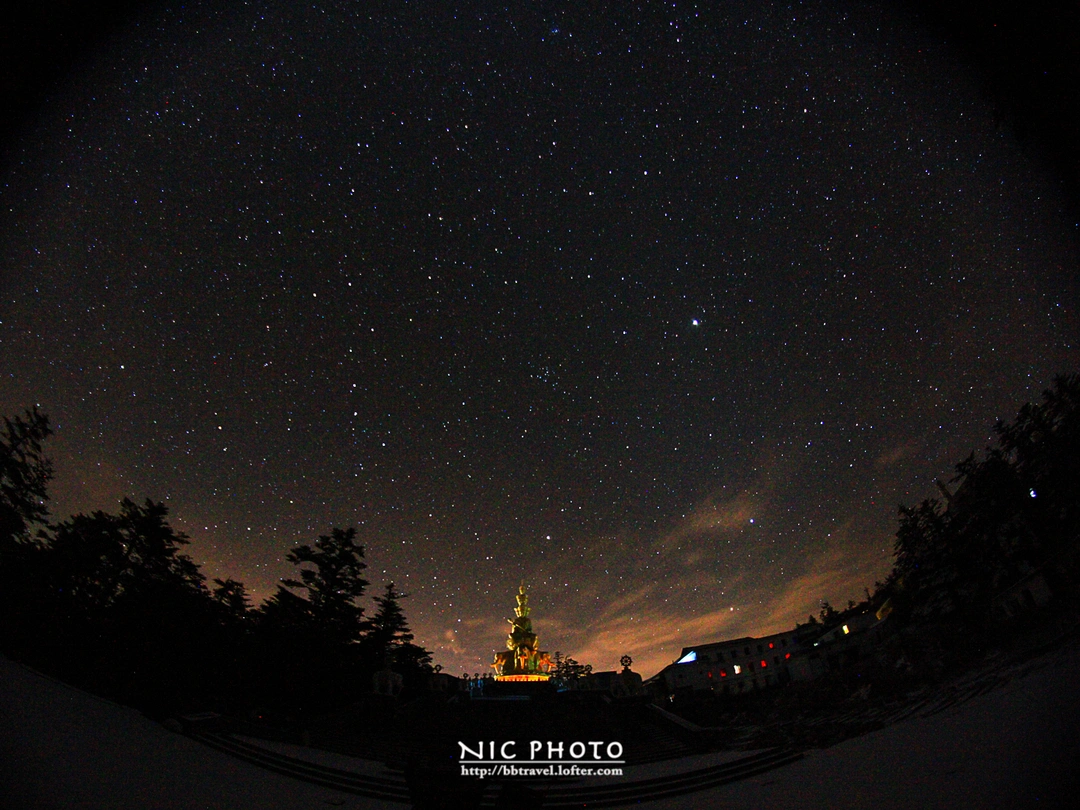
For those born under the Chinese zodiac sign guarded by Samantabhadra Bodhisattva, this mountain is a destined destination. In just a few days on the Golden Summit, I witnessed the ever-changing wonders of nature: swirling mist, surging seas of clouds, a fleeting Buddha's halo, and radiant twilight. It felt as though I had experienced all four seasons and glimpsed the vicissitudes of life. If you are planning a Mount Emei tour, this guide will help you navigate both the physical path and the spiritual journey.
Chengdu: The Gateway to Your Emei Pilgrimage

First Impressions of the "Hibiscus City"
Your Sichuan travel usually begins in Chengdu, a city crowned as a "Historic and Cultural City." Unlike the loud, boasting ancient capitals of China, Chengdu feels like a leisurely hermit sipping tea. It sits quietly on the sidelines, refined and composed. Only during pivotal historical moments—such as the An Lushan Rebellion or the Three Kingdoms period—do people remember this unassuming "elder brother."
Every place name here holds history. The airport is called Shuangliu (Double Flow) , and the Jinjiang River originates from the Dujiangyan Irrigation System. Li Bing, the ancient engineer, diverted the Minjiang River to create the veins of this city.
The Humidity and the Culture
During my few days in Chengdu, my T-shirt never fully dried—even the quick-dry fabric. This humid climate shaped the city's unique cultural DNA. It explains why Sichuan hotpot is so spicy (to dispel dampness) and why the local skin is so fair. The idiom "Shu dogs bark at the sun" is not flattering, but it vividly describes how rare sunlight is here.
Some say Chengdu produces beautiful women. I agree. The humid climate is good for the skin, and less sun means fairer complexions. As the saying goes, "The water and soil of a place nurture its people."
Jinli Ancient Street and Wuhou Shrine
Jinli Ancient Street is an eternally bustling hub of artistic flair. I found a small shop called "Loser's Nest," hoping to buy handicrafts for friends after returning from Mount Emei. Unfortunately, the owner had gone traveling—man proposes, God disposes.
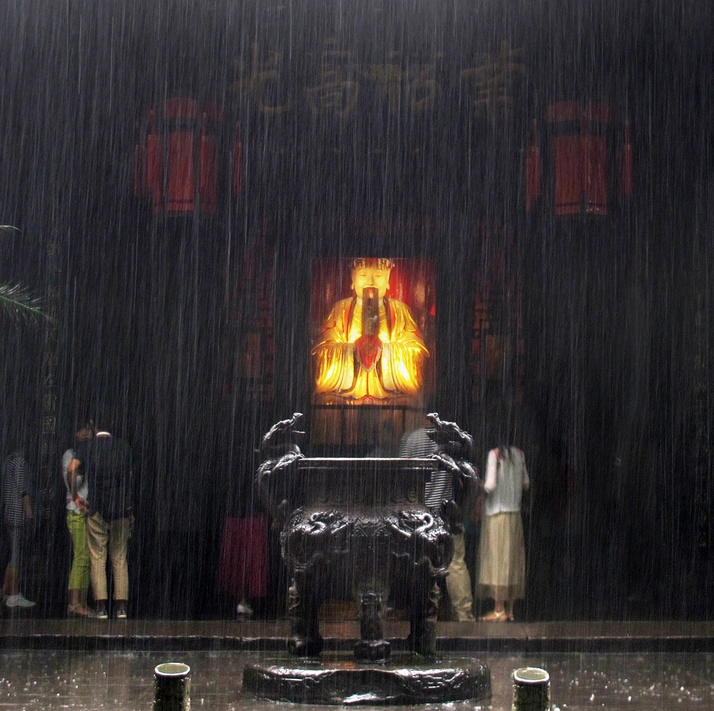
At Wuhou Shrine, the plaque reading "Famous Throughout the Universe" was inscribed by Prince Guo of the Qing Dynasty. The Chinese term for "universe" combines "yu" (space) and "zhou" (time), encompassing both dimensions. Inside, the east and west corridors house fourteen seated statues each of Shu Han civil officials and military generals. The east side is led by Pang Tong, the west by Zhao Yun.
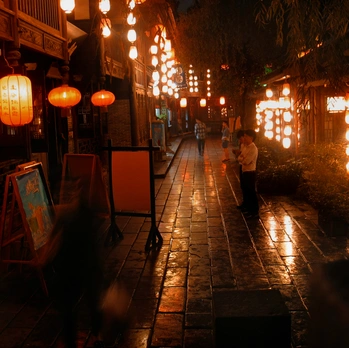
Jinli takes on a different charm at night. After ten o'clock, shops close and crowds disperse. Walking deeper into the alley alone—small bridges over flowing water, red lanterns half-hidden among ancient buildings—offers a tranquility that is intoxicating.
[Link: Best things to do in Chengdu in 2 days]
Mount Emei: A Game of Mist and Clouds
Entering the Mountain: Baoguo Temple and Ticketing
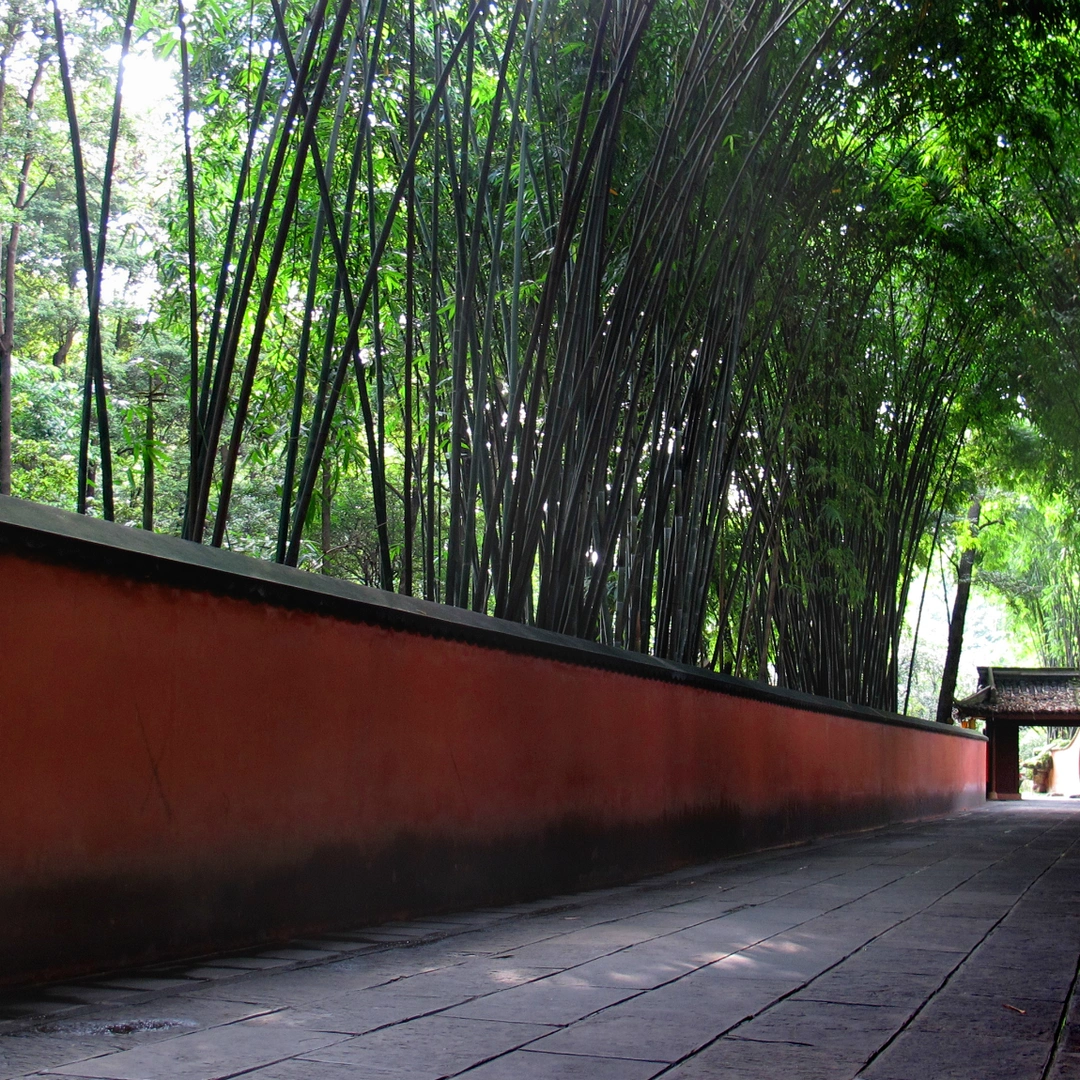
From Chengdu's Xinnanmen Bus Station, I took a coach to Mount Emei city, then paid an extra ten yuan to reach the Baoguo Temple parking lot. The First Mountain Pavilion is the largest bronze pavilion in China. Baoguo Temple is the first temple on the mountain. Emperor Kangxi named it after the Buddhist concept of "repaying the kindness of the nation," personally inscribing the plaque. The entrance fee is only 8 yuan.
I had hoped to lodge at a temple, but the monk in charge kept me waiting for over ten minutes without acknowledgment. I wandered the temple and noticed they had hired regular staff, so I abandoned the idea.
The memorial archway of Fuhu Temple (Taming Tiger Temple) was hidden among lush greenery, and I passed it by. Shortly after, you must buy tickets: the Mount Emei entrance fee is 185 yuan (110 yuan in low season), plus an additional 5 yuan for monkey injury insurance. The ticket is valid for two days, though three days would be better for a relaxed pace.
Qingyin Pavilion: Clear Sounds in Mountains and Waters
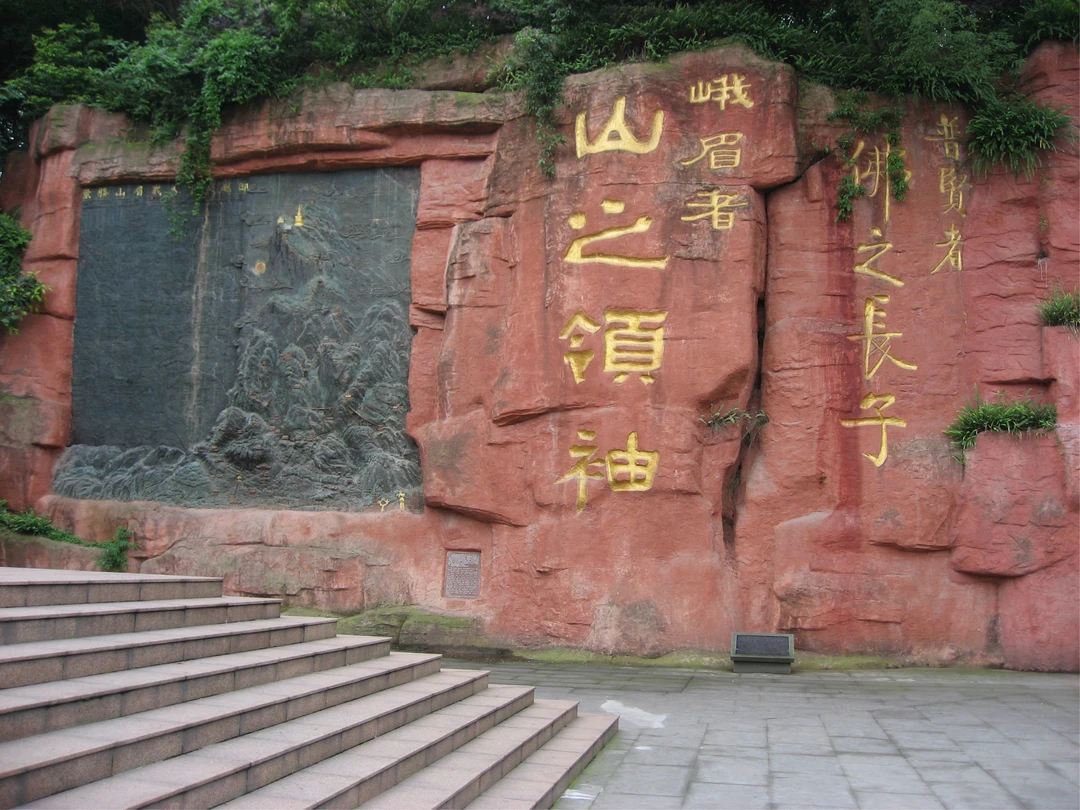
The Jietuo Bridge (Liberation Bridge) spans the Yoga River. Crossing it leads to the Jietuo Slope. Beside the bridge, four characters read "Zhendan Diyi" (First in China)—in the Qin Dynasty, India called China "Zhendan," meaning the land of the rising sun.
Qingyin Pavilion (Clear Sound Pavilion) takes its name from a line by the Jin Dynasty poet Zuo Si: "Why need silk and bamboo, when mountains and waters have clear sounds?" It sits at the confluence of the Black and White Rivers beneath Niuxin Ridge (Ox Heart Ridge) .
By the time I reached Qingyin Pavilion, I was drenched in sweat. I wanted to see the monkeys but was told, "The monkeys have clocked out—office hours are 9 to 5." I still tried my luck but took the wrong path.
Important: Qingyin Pavilion is a major crossroads. You can go to Yixian Tian (A Thread of Sky) , the Monkey Zone, Hongchunping, or toward Wannian Temple. The signage here is unclear. Ask for directions frequently—otherwise, you'll waste time and energy.
Qingyin Pinghu: Autumn Insects Accompany My Dreams
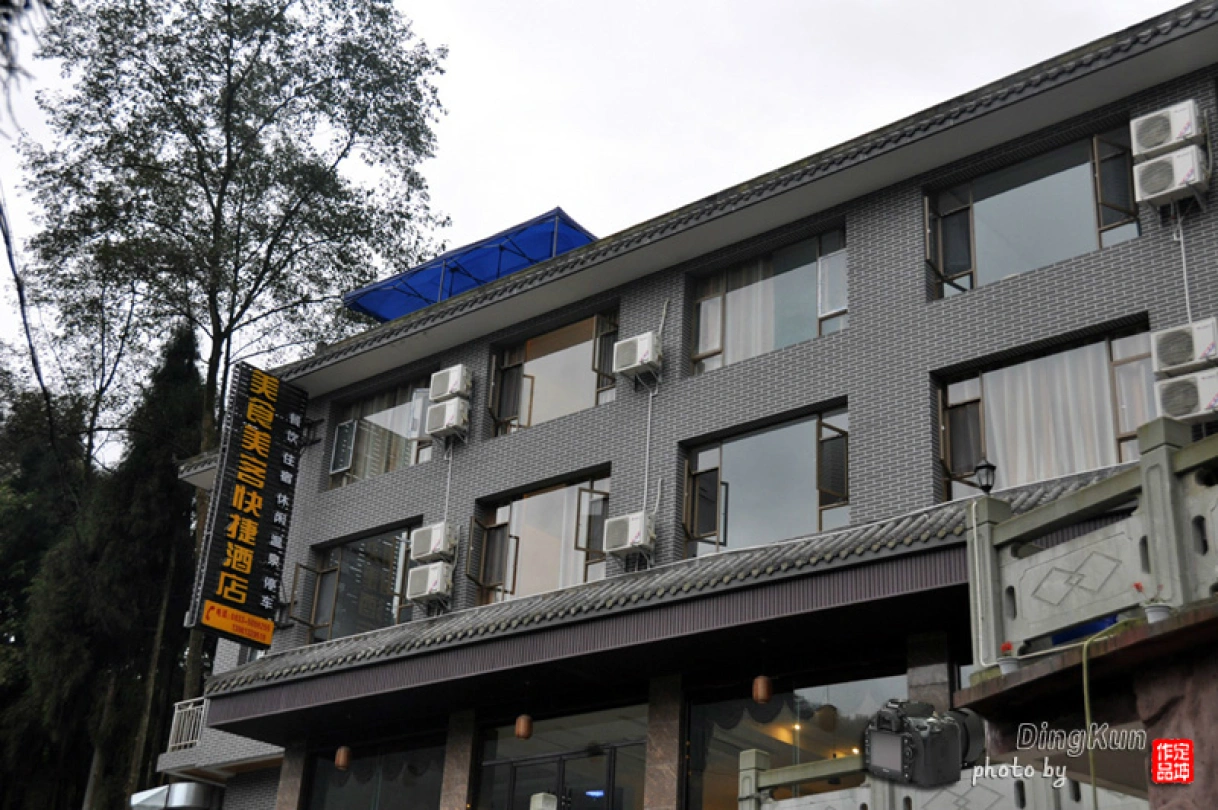
I found a farm stay by Qingyin Pinghu with air conditioning and a private bathroom for about 100 yuan per night. By the lake, I ordered cured pork, wild vegetables, and tofu pudding. Enjoying the lake and mountain scenery, I tucked the beauty of Mount Emei between the pages of my life.
Time stood still until darkness fell and the chirping of insects filled the air. A bright green katydid jumped onto my backpack, as if saying, "Take me with you!" At that moment, the most beautiful clear sound was not music or water—it was the song of autumn insects, lulling me to sleep.
[Link: Where to stay on Mount Emei: Best farm stays and temples]
The Monkey Zone: The Jianghu of Clever Primates
The next morning, I set out again to see the monkeys. At Niuxin Pavilion (Ox Heart Pavilion) , the Black and White Rivers converge beneath the Niuxin Stone. The Twin Bridges Clear Sound features two pavilions—Jieyu Pavilion and Niuxin Pavilion—with red pillars and eaves.
Pro Tip: The monkeys are wild. Do not carry plastic bags visibly, as they will snatch them. Keep your water bottle hidden. They are clever and have their own "jianghu" (code of conduct).
The Golden Summit: Sea of Clouds and Buddha's Halo
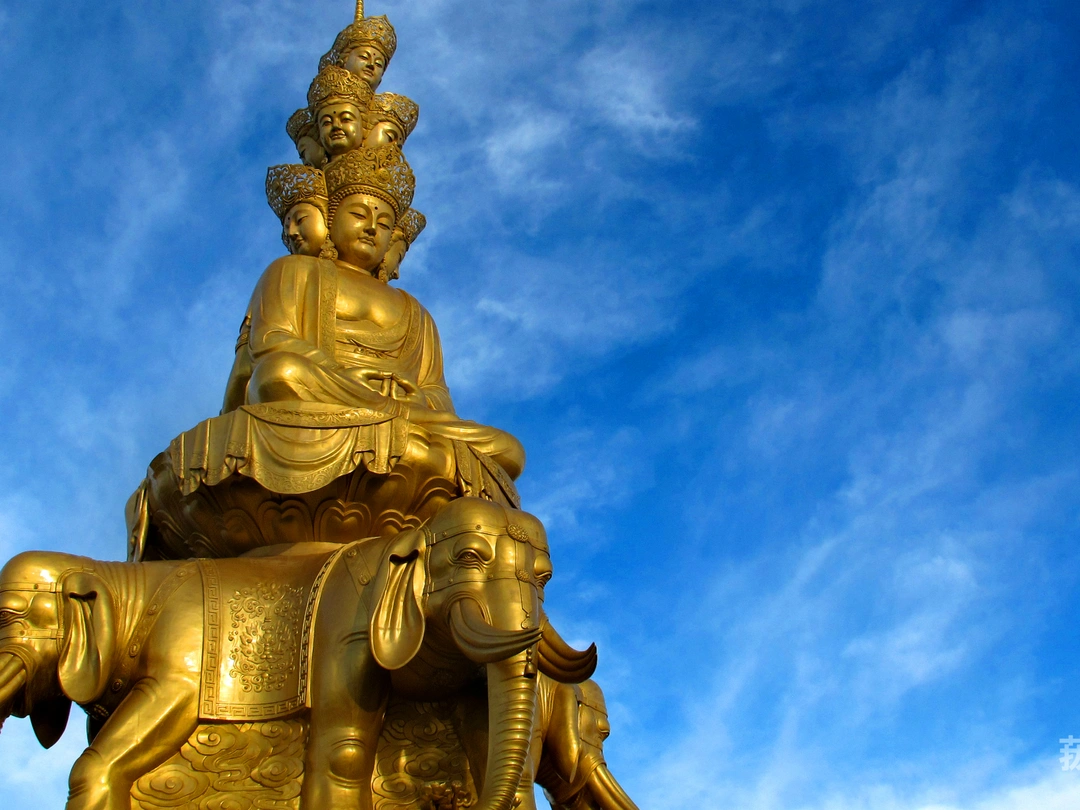
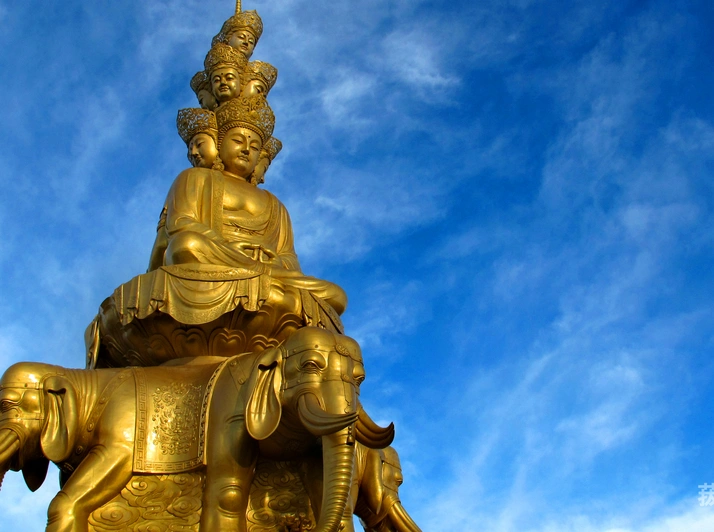
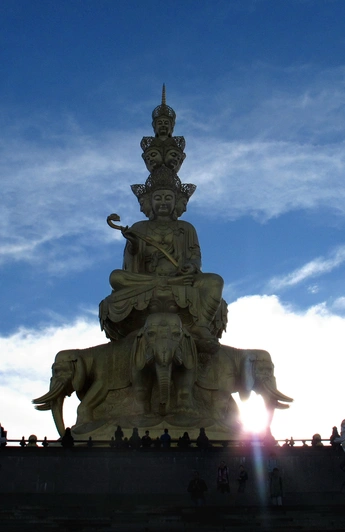
The ultimate goal of any Mount Emei hiking trip is the Golden Summit. This is where you meet Samantabhadra Bodhisattva. The giant golden statue gleams against the sky, often surrounded by the famous sea of clouds.
I was fortunate. From swirling mist to surging seas of clouds, from a fleeting Buddha's halo to radiant twilight, I witnessed it all. Standing at 3,099 meters, looking down at the clouds, I understood why this is considered a sacred place. It is a date with the divine.
FAQ: Planning Your Mount Emei Trip
1. What is the best time to visit Mount Emei for the sea of clouds?
The best time is autumn (September to November) . The weather is stable, the skies are clear, and you have the highest chance of seeing the sea of clouds and the Buddha's halo at the Golden Summit. Summer is rainy, and winter is snowy (though beautiful, it can be slippery).
2. How many days do you need for Mount Emei?
 Most travelers need 2 to 3 days. A 2-day itinerary allows you to hike to the Monkey Zone and take the cable car to the Golden Summit. A 3-day itinerary gives you time to explore temples like Baoguo Temple and Wannian Temple and enjoy a more relaxed pace.
3. Is it safe to hike Mount Emei alone?
 Yes, it is generally safe. The trails are well-maintained, and there are plenty of other hikers. However, be cautious of the wild monkeys—do not tease them or carry food in your hands. Also, purchase the monkey injury insurance (5 yuan) at the entrance just in case.
4. What should I pack for a Mount Emei trip?
Pack layers. The temperature drops significantly at the summit. Bring a lightweight rain jacket (humidity is high), comfortable hiking shoes, a reusable water bottle, and snacks. In winter, bring gloves and a hat.
5. Can I stay overnight in a temple on Mount Emei?
 Yes, many temples offer basic accommodation. However, availability is limited and the facilities are very simple (shared bathrooms, no heating). Baoguo Temple and Hongchunping are popular options. Book in advance during peak season.
Conclusion: Your Journey Awaits
Mount Emei is more than a mountain; it is a living scripture. Whether you come for the sea of clouds, the sacred Buddhist aura, or simply to escape the city, this journey will leave a mark on your soul.
The monkeys have their own schedule. The clouds have their own moods. And Samantabhadra Bodhisattva waits patiently at the summit.
Are you ready to read this mountain?
Plan your trip today. Check the weather forecast, pack your bag, and book your bus from Chengdu. The Golden Summit is calling.
[Link: How to get from Chengdu to Mount Emei]
You may also like