Rainy Season in Western Sichuan: Every Glimpse Is a Stroke of Luck — A Record of Our Family's Ten-Day Wild Road Trip
Meta Description: Planning a family road trip to Western Sichuan? Discover our 10-day itinerary, cost breakdown, altitude sickness tips, and hidden gems. From Mount Siguniang to Genie Mountain, this guide has you covered.
For those who love to travel, there is always a child that refuses to grow up living in their heart.
Destination: Western Sichuan (Chuanxi)
Travel Dates: August 15, 2025 – August 24, 2025 (10 days)
Travelers: Family trip (two adults, two children + relatives' family)
Cost per person: Approximately 4,000 RMB (including transportation, accommodation, meals, and tickets)
I. Before We Began: From "We'd Never Dare" to "Let's Just Go"
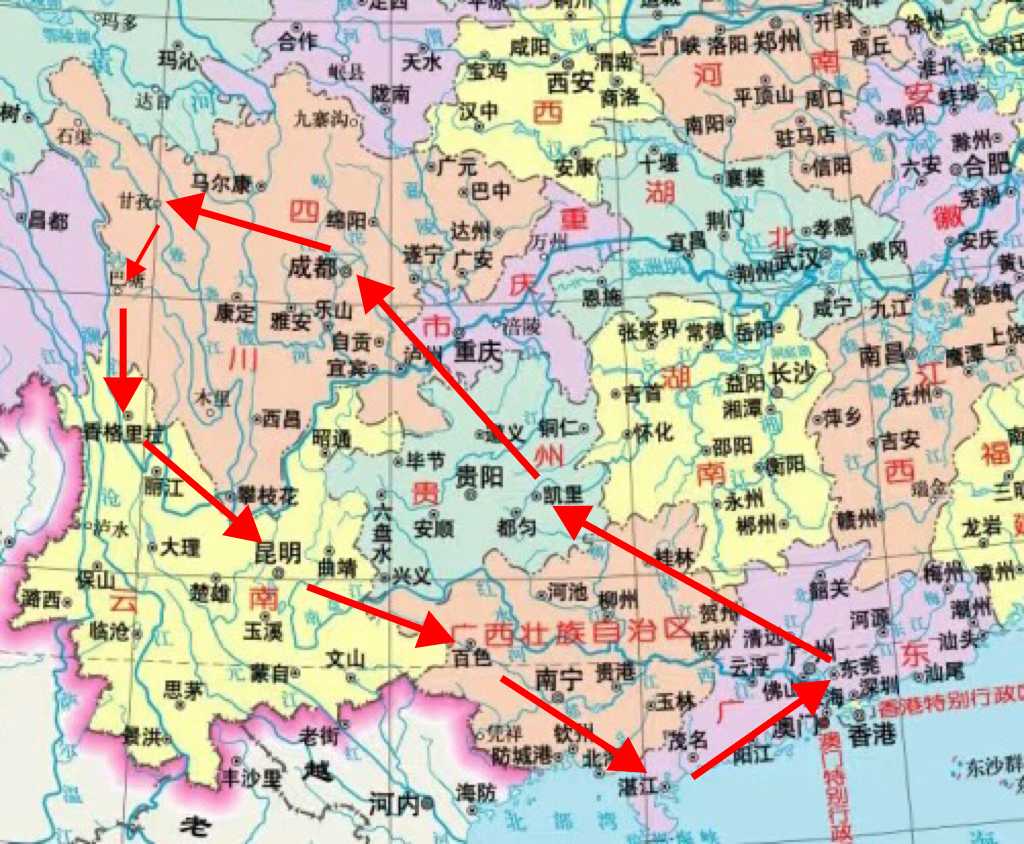
Every summer vacation and Chinese New Year, taking the kids on a long trip has become a family tradition. Last summer, we went to Dali, Lijiang, and Shangri-La in Yunnan. This Chinese New Year, we visited Xishuangbanna. After those two trips, our confidence soared — if we could drive from Dongguan to Yunnan, where else couldn't we go?
Western Sichuan — the name practically jumped out at us immediately.
To be honest, we never would have dared to consider it before: ten days, driving through Western Sichuan? How crazy a plan would that be? But once the idea took root, it wouldn't let go. We started obsessively reading travelogues, watching guides, and studying routes. The more we looked, the more hooked we became. And in the end, we actually set off.
Sure, this time we only scratched the surface. But that's okay — there's plenty of time ahead. Western Sichuan, we'll be back.
II. How Did Our Itinerary Become a "Crazy Improv Act"?
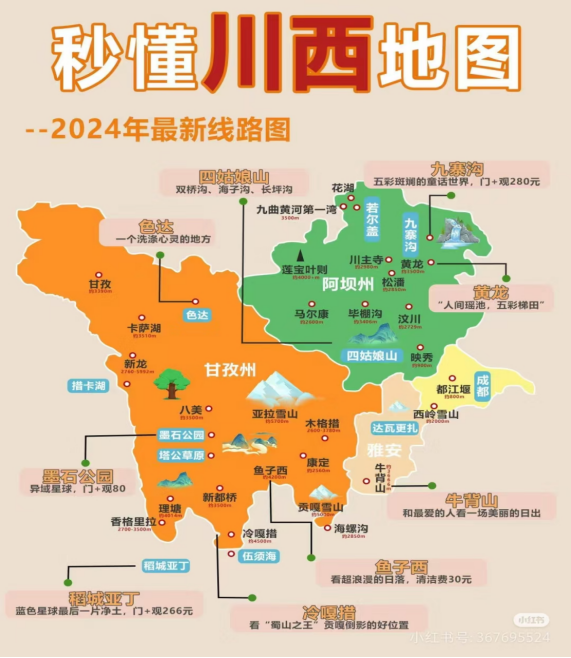
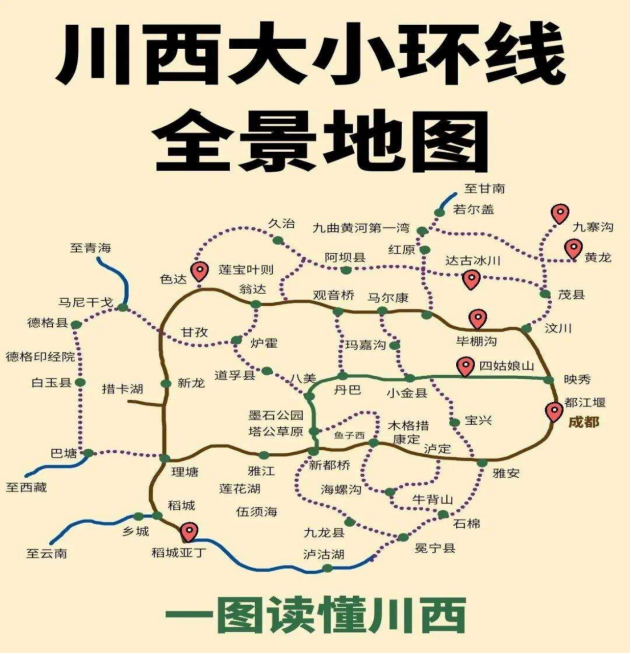
Western Sichuan, in simple terms, refers to the Aba and Garzê prefectures in Sichuan Province. These two areas contain nearly all of Sichuan's most breathtaking landscapes: plateaus, snow-capped mountains, grasslands, lakes, Tibetan and Qiang ethnic cultures… Any single spot is enough to make your heart yearn.
- Aba Prefecture: Jiuzhaigou Valley, Huanglong Scenic Area, Mount Siguniang (Four Sisters Mountain), Bipenggou Valley, Zoige Grassland, Dagu Glacier, Lianbao Yeze…
- Garzê Prefecture: Yading Nature Reserve in Daocheng County, Sêrtar Buddhist Institute, Hailuogou Glacier Forest Park, Mugecuo Lake, Xinduqiao Town, Litang County, Danba Tibetan Villages, Moxi Stone Park, Tagong Grassland…
So many attractions that we were paralyzed by choice. Mount Siguniang was the first must-see we locked in. Jiuzhaigou is undeniably more beautiful, but it's too far — better saved for a future trip heading toward Gannan. Initially, we planned a small counterclockwise loop: Chengdu → Xiaojin County → Danba → Tagong → Xinduqiao → Kangding. But as we kept researching, we discovered that Genie Mountain (Genie Shan) in summer was absolutely breathtaking — and we were hooked again.
Honestly, I was initially put off by the long drive to Genie. But my partner said one sentence that gave me instant confidence: "What's there to worry about? You don't have to drive — just plan the route."
Alright then! So Genie got squeezed into the plan. In the end, our route became: Mount Siguniang + Tagong + Genie — a total "no method, just madness" approach.
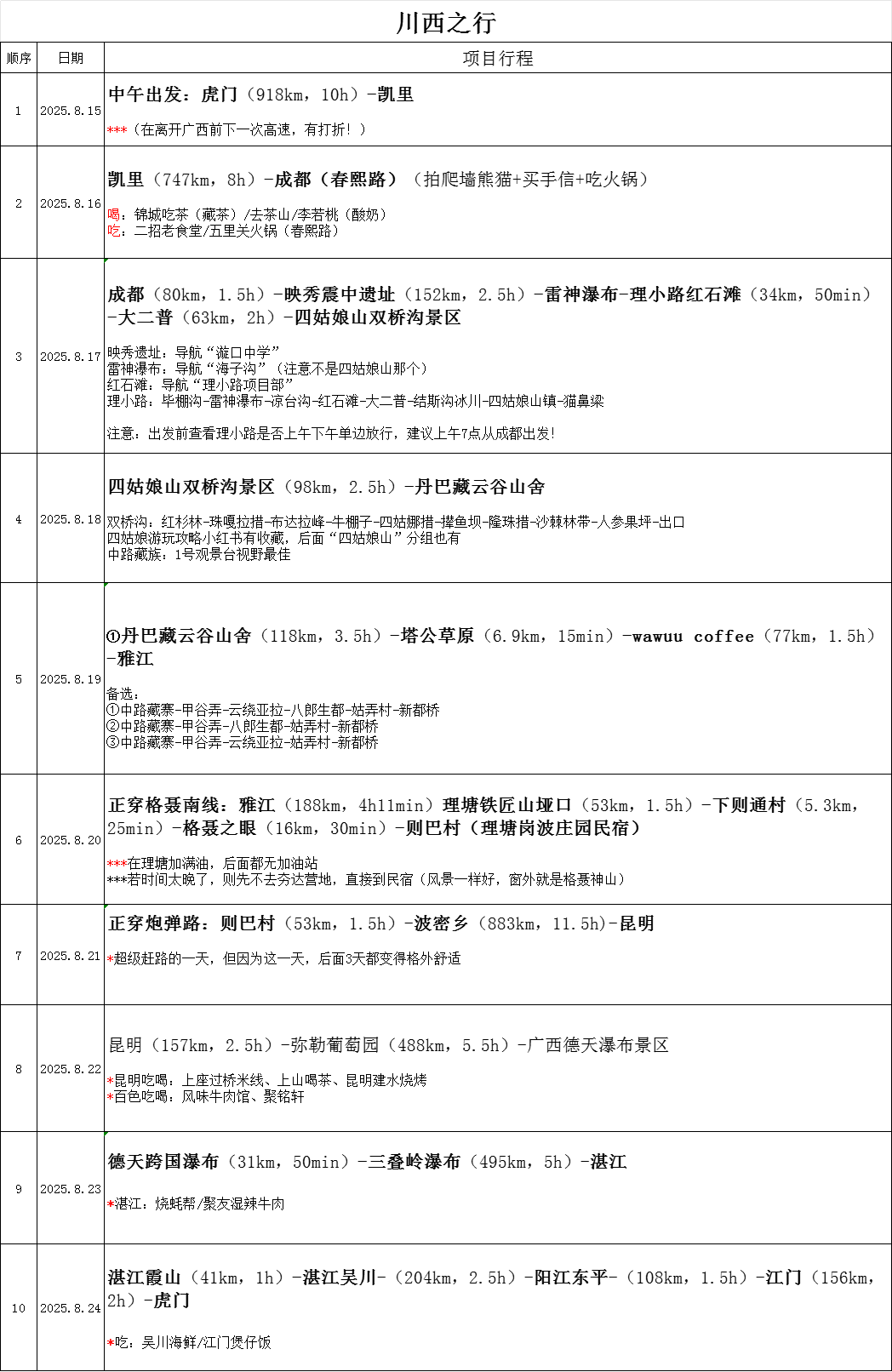
We originally planned to drive the Genie South Route to Zeba Village and then return the same way. But after one night in Zeba, nobody wanted to backtrack. On a whim, we decided to head from Zeba toward Yunnan. So we ended up doing a massive loop, and even made detours to Maitreya in Yunnan and Chongzuo in Guangxi — unexpected bonuses.
III. Trailer: The Moments That Made Us Scream
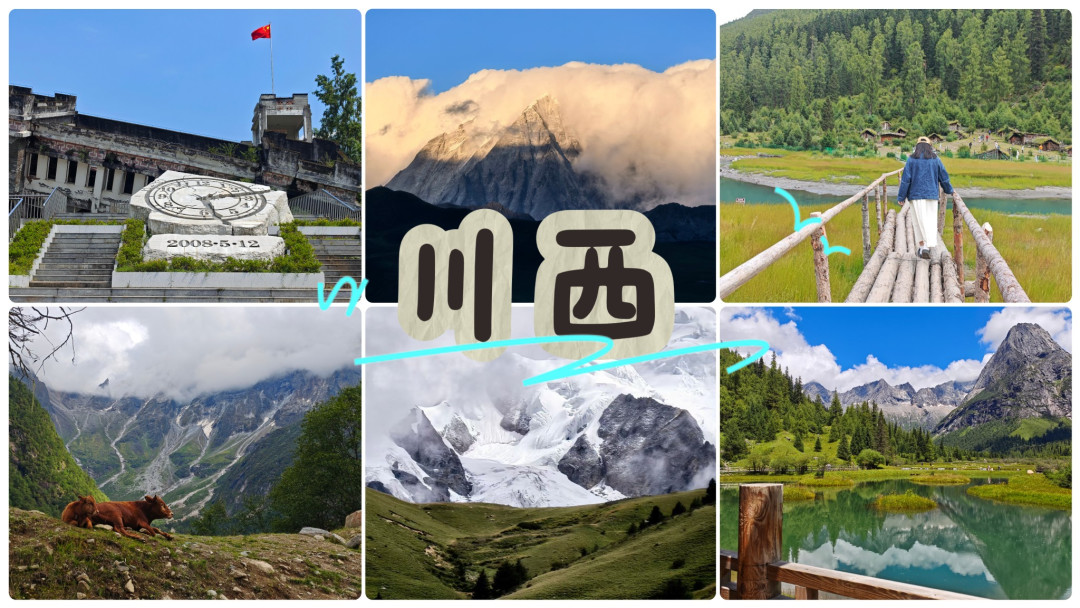
(Images would go here, but let the words paint the picture: snow-capped peaks, grasslands, yaks, prayer flags, mist-shrouded Genie, Mount Siguniang at sunset… Every frame feels like a movie scene.)
IV. Cost Breakdown: Was It Worth It?
For a family road trip, the value is unbeatable. The biggest expenses were fuel and tolls. Thanks to a promotional highway discount launched by Guangxi this year, we saved about 400 RMB in tolls round-trip.
However, compared to last year's Yunnan trip, food costs in Western Sichuan nearly doubled. There's no food delivery platform here — you eat locally, and the main fare is yak hotpot. The saying "Traveling in Western Sichuan: eyes in heaven, body in hell" applied to us mainly because we didn't eat well — haha, our Cantonese stomachs felt a bit wronged.
For accommodation during the peak summer season, we expected sky-high prices and budgeted an average of 500 RMB per night. But after careful selection, we found many hotels and guesthouses with great value, ultimately saving about 1,000 RMB on lodging.
Approximate total cost breakdown: - Transportation (fuel + tolls): ~5,000 RMB - Accommodation (9 nights): ~3,600 RMB - Meals: ~4,000 RMB - Tickets + other: ~2,000 RMB - Total: ~14,600 RMB (approx. 3,650 RMB per person)
V. Hotel Sharing: One Night, One Change — Clean and Functional
On a long road trip, we changed hotels almost every day. For us, a hotel is just a place to sleep. Except for the guesthouse in Zeba Village, which we deliberately chose to catch the sunrise the next morning, all others were picked for convenience to the next day's route, parking availability, and cleanliness.
No major disappointments. But one thing you must know: most hotels in Western Sichuan don't have air conditioning for cooling. Although summer temperatures here aren't high, the rooms can get stuffy at night. For Cantonese people who live with AC year-round, it's sheer torture.
If you're also sensitive to heat, when booking hotels, check whether they provide air conditioning or fans. If not, call ahead to ask if they can supply a fan. [Link: Best hotels in Western Sichuan for families]
VI. Practical Tips: All Hard-Earned Lessons
1. Clothing: A Shell Jacket Beats a Down Jacket
A shell jacket with an inner layer is lighter, windproof, and waterproof — perfect for hiking. Always wear a hat; don't let the wind hit your head, or you risk catching a cold or altitude sickness.
2. Preventing Altitude Sickness: Cola Is a Miracle Drink
Besides medication, if you're driving, stock up on bottled cola. Starting from the day we left Chengdu, I reminded the kids every day to take a few sips of cola to replenish sugar. None of us experienced severe altitude sickness throughout the trip.
3. Oxygen Cans vs. Oxygen Bags
If you're not sure how many oxygen cans to bring, consider oxygen bags. Most guesthouses can refill them, and if not, you can go to a local health clinic. The bag's tube hangs by your nose, allowing continuous oxygen intake.
4. Download Offline Maps
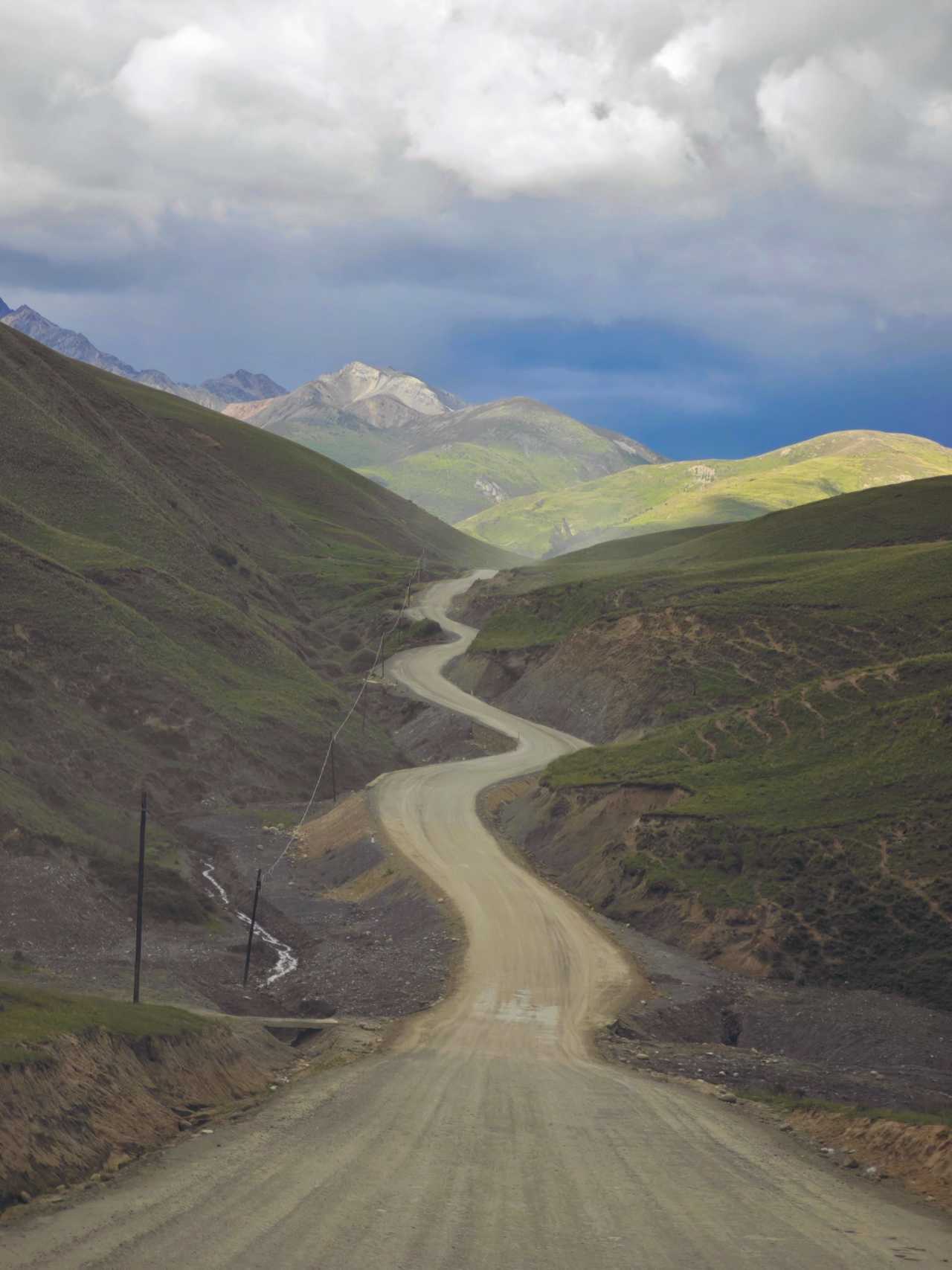
 Many places in Western Sichuan have no signal, leaving navigation useless. Download offline maps of surrounding areas as well. On our way from Zeba Village in Litang to Shangri-La, we suddenly lost signal on a canyon road in Derong County. The navigation showed us off course and added hours to the trip, scaring us into turning back and driving 10 kilometers of wasted road. In the end, we trusted the original route, drove nervously for a long time, and finally regained signal.
5. Snacks: Choose Bottles, Not Bags
Chips and similar snacks are best bought in bottles — bagged ones will "explode" all over your car.
VII. Travelogue: Ten Days, Two Thousand Kilometers, Nonstop Surprises
DAY 1: Dongguan → Kaili (Pure Driving Mode)
We left Dongguan at noon and arrived in Kaili, Guizhou, at 11:30 PM. The first two days were mostly driving — if you're eager for Western Sichuan, skip to DAY2.
This time, we packed mainly in duffel bags for easy trunk organization. A new addition — a car refrigerator — let the kids enjoy ice cream anytime, and they were over the moon.
At 4:30 PM, we entered the "Guilin landscape" — beautiful scenery all the way. At 8:30 PM, we left Guangxi for Guizhou and took advantage of Guangxi's limited-time highway discount: non-local non-commercial passenger cars get 50% off tolls from Friday to Sunday. We saved about 400 RMB round-trip.
We arrived in Kaili at 11 PM, starving, and headed straight for "Miao Family Heng Lin
VIII. Frequently Asked Questions (FAQ)
1. Is the rainy season in Western Sichuan safe for family road trips?
 Yes, but with precautions. While rain can cause landslides or road closures, most main routes (like G318 and G317) are well-maintained. Check weather forecasts daily, avoid driving at night, and carry emergency supplies. Our family of four (with kids aged 8 and 12) had no safety issues.
2. What is the best time to visit Western Sichuan for families?
Summer (July–August) offers lush green landscapes and comfortable temperatures (15–25°C), but it's also the rainy season. For fewer crowds and stable weather, consider late May to early June or September–October. However, if you want to see Genie Mountain in full bloom, August is ideal.
3. How do I prevent altitude sickness in children?
 Start with gradual ascents: spend a night at 2,500m (e.g., Kangding) before going higher. Keep kids hydrated, avoid strenuous activity, and offer sugar-rich snacks like cola or candy. We used oxygen bags (not cans) for continuous support. If symptoms persist, descend immediately.
4. What should I pack for a Western Sichuan road trip in the rainy season?
Essentials: waterproof shell jacket, warm inner layer, hiking boots, hat, sunscreen, lip balm, cola, oxygen bags, offline maps, car refrigerator (for kids' snacks), and a first-aid kit. Avoid cotton clothing—it dries slowly.
5. Can I find vegetarian or Cantonese-friendly food in Western Sichuan?
It's challenging. Most local dishes are yak meat-based and heavy on oil. We survived on yak hotpot (ask for less spice), steamed buns, and instant noodles. If you're picky, pack some instant meals and snacks from home.

IX. Final Thoughts: Why You Should Go
Western Sichuan in the rainy season isn't for everyone. The weather is fickle, the roads are long, and the food is unfamiliar. But if you're willing to embrace the chaos, you'll be rewarded with moments that feel like pure luck: a sudden break in the clouds revealing a snow-capped peak, a rainbow over a grassland, or the laughter of your kids chasing yaks.
This trip cost us about 3,650 RMB per person, but the memories are priceless. Whether you're planning a family adventure or a solo escape, Western Sichuan will leave you breathless—literally and figuratively.
Ready to plan your own wild road trip? Start by downloading offline maps and booking your first hotel. The road is waiting. [Link: Ultimate Western Sichuan road trip itinerary]
Have questions? Drop them in the comments below—we'd love to help you plan your adventure!
You may also like


