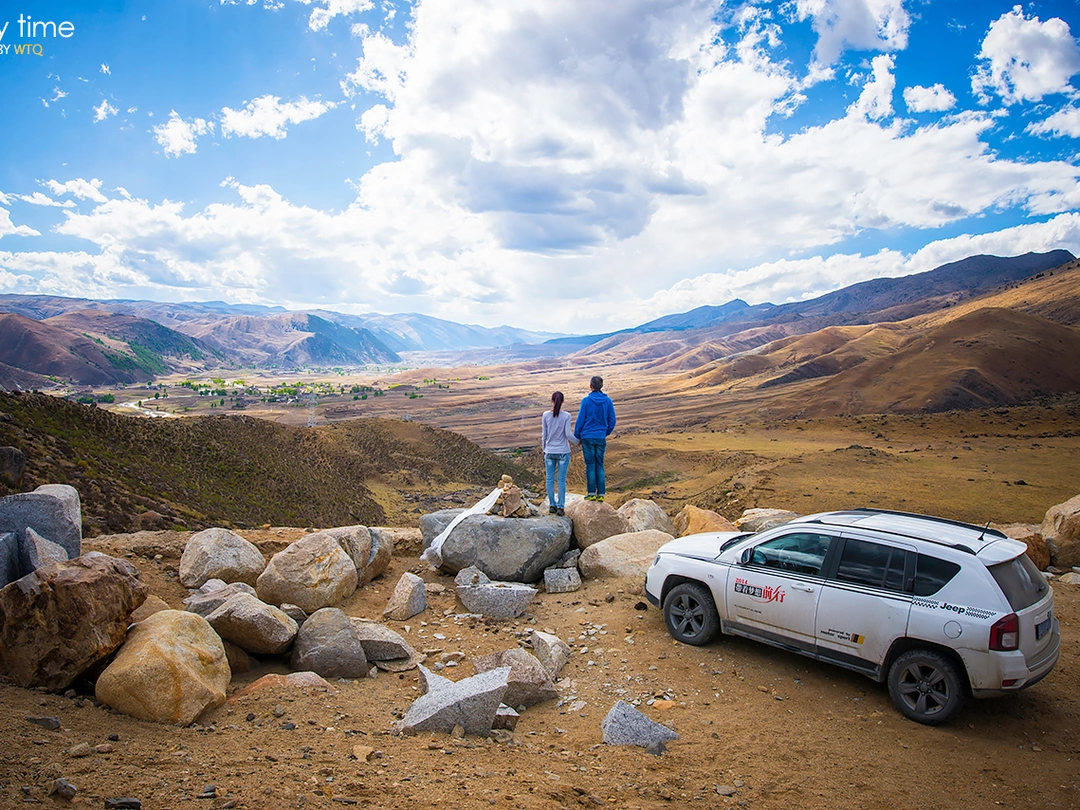
Pengshan: A City of Two Worlds – Seek Longevity in the Mountains, Explore Fortune in the River
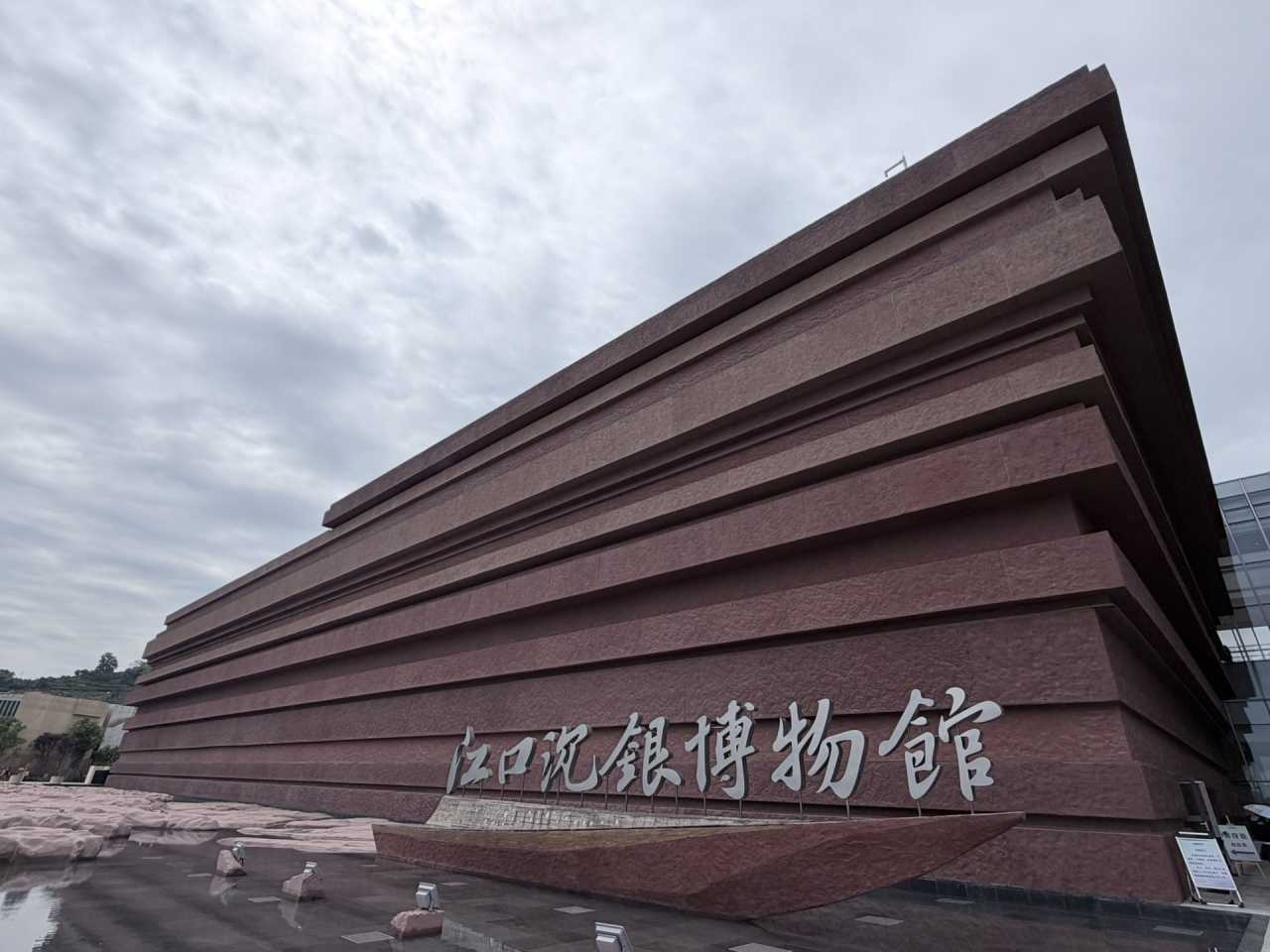
Meta Description: Discover Pengshan, China's hidden gem where ancient silver treasures lie beneath the Min River and centuries-old longevity secrets thrive in the mountains. Plan your Chengdu peripheral tour with our complete guide to Jiangkou Silted Treasure Museum.
Introduction: Why Pengshan Deserves a Spot on Your Chengdu Travel Itinerary
For travelers seeking unique experiences beyond Chengdu's bustling city center, Pengshan offers an extraordinary duality. This small city, located just over an hour from Chengdu, hides two completely different worlds: one is a golden and silver empire that slept at the bottom of the river for three hundred years, and the other is an ancient health regimen passed down for thousands of years on the mountaintop. One goes downward, the other upward; one is about wealth and power, the other about life and eternity. This journey felt like a shuttle between the depths of history and the heights of existence.
Whether you're a history enthusiast, a treasure hunter at heart, or simply looking for a meaningful day trip from Chengdu, Pengshan delivers an unforgettable experience. In this comprehensive guide, we'll walk you through everything you need to know about visiting the Jiangkou Silted Treasure Museum, uncovering the legend of Zhang Xianzhong's sunken gold, and exploring Pengshan's unique blend of cultural heritage.
Jiangkou Silted Treasure Museum: When Legend Becomes History
A Belated Encounter with Pengshan's Hidden Treasure
To be honest, my longing for the Jiangkou Silted Treasure Museum began with regret. By the time I heard they had started charging admission, I was already kicking myself for missing the free period. What made it even more frustrating was how inconvenient the location was to reach – until May Day, when a direct bus from Chunxi Road finally launched.

I set off on a weekday morning. At 9:10 AM, standing beneath that iconic giant panda statue on Chunxi Road, I found myself surrounded by tour buses. After asking a staff member, I located the one heading to the museum. Aside from me, there was only one other passenger – an elderly woman – so I essentially had the bus to myself. The driver pulled out five minutes early, which goes to show just how few people know about this route.
The one-way ticket cost 25 yuan, and the journey took about 100 minutes. You book through the WeChat mini-program "趣耍巴士 (Fun Ride Bus)" under the "周边游 (Peripheral Tours)" section. A word of warning: the bus doesn't run every day, and don't cut it too close – drivers often leave ahead of schedule.
[Link: How to plan a day trip from Chengdu]
From Folk Rhyme to Archaeology: The Truth Behind "Gold and Silver by the Tens of Thousands"
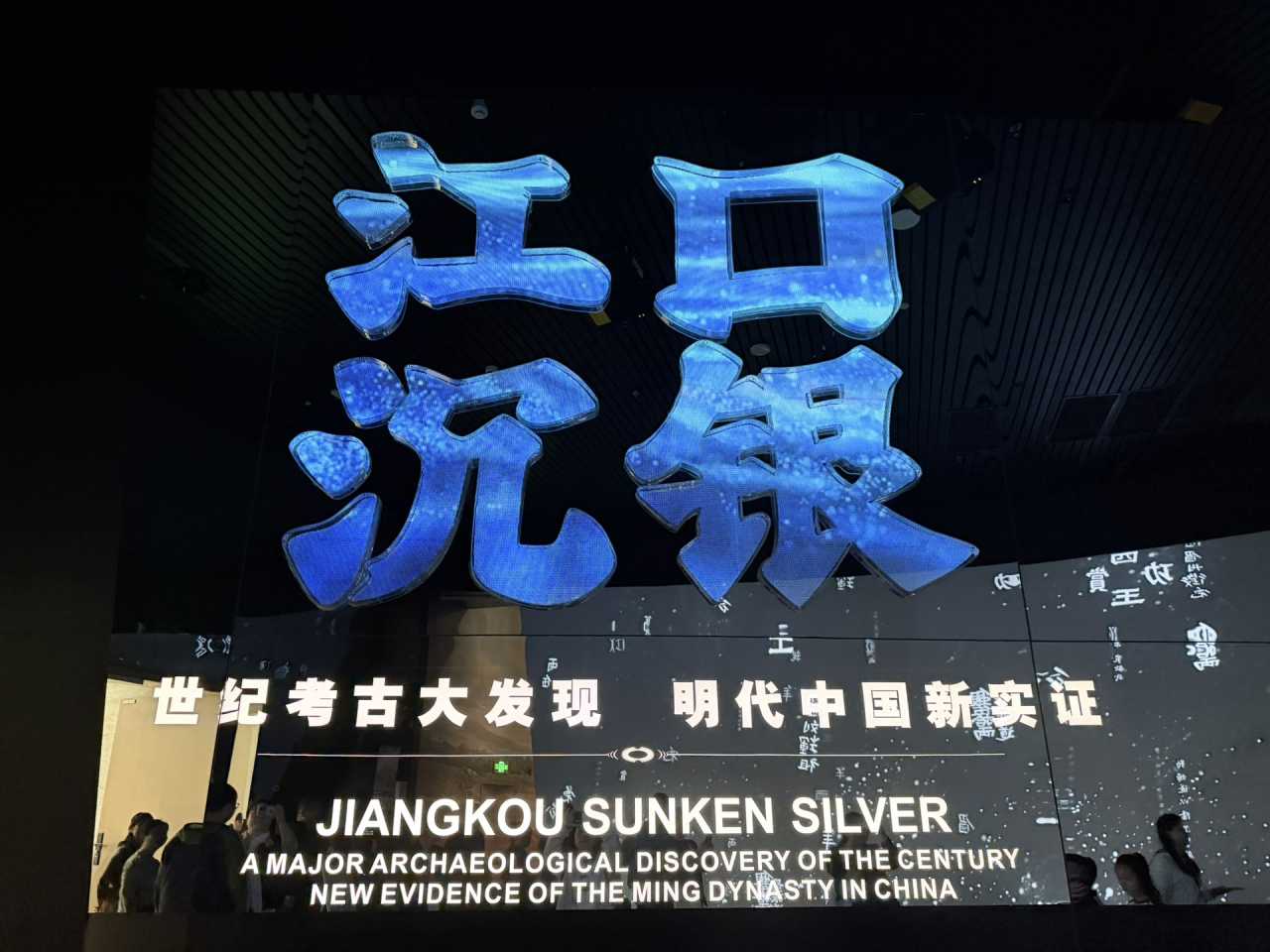
"石龙对石虎,金银万万五 (Stone dragon faces stone tiger, gold and silver by the tens of thousands)" – this folk rhyme, which has circulated in Sichuan for centuries, points directly to the legend of the "Jiangkou Silted Treasure" associated with Zhang Xianzhong, a leader of a peasant rebellion in the late Ming Dynasty. In 1644, Zhang proclaimed himself emperor in Chengdu, establishing the "Daxi" (Great Western) regime. Two years later, carrying the enormous wealth he had plundered over the years, he led an army of over 100,000 soldiers and a fleet of wooden boats loaded with gold and silver southward along the Min River. At Jiangkou Town in what is now Pengshan District, Meishan City, his fleet was ambushed by Ming general Yang Zhan. The naval battle was exceptionally brutal. Zhang suffered a crushing defeat; his boats were either burned or sunk, and countless treasures of gold and silver vanished forever beneath the river.
For centuries, this legend hovered in uncertainty, until it was scientifically confirmed in the early 21st century – because some people actually dove into the river, retrieved artifacts, and sold them. After they were reported to authorities, the state launched a rescue excavation. Facing the swift currents of the Min River, the archaeological team creatively adopted a "cofferdam archaeology" approach: they built cofferdams in the river, pumped out the water, and turned the underwater site into a land-based excavation. After multiple phases of digging, the site yielded over 70,000 artifacts, turning legend into verified history.
If you plan to visit, I recommend watching the two episodes of "Jiangkou Treasure Hunt" from the CCTV program "探索·发现 (Explore & Discover)" on Bilibili beforehand as preparation. The museum also offers paid guided tours; if you join a group, it costs 25 yuan per person, and you don't need to find your own group members. But on holidays, when crowds are thick, you might miss a tour slot.
[Link: Top archaeological museums in Sichuan]
Is the 60-Yuan Ticket Worth It?
To be honest, when I learned the ticket cost 60 yuan, I grumbled to myself – what makes this remote place so expensive? But the moment I walked into the museum and saw those gleaming artifacts, I understood what my friend meant when she said, "Chinese people have always loved gold and silver."
The museum has two floors. The first floor houses two exhibition halls:
"水落银出 (Water Recedes, Silver Emerges)" focuses on the archaeological journey of "Jiangkou Silted Treasure" from legend to history, vividly recreating the stunning scene of archaeologists building cofferdams in the river and pumping out the water for excavation.
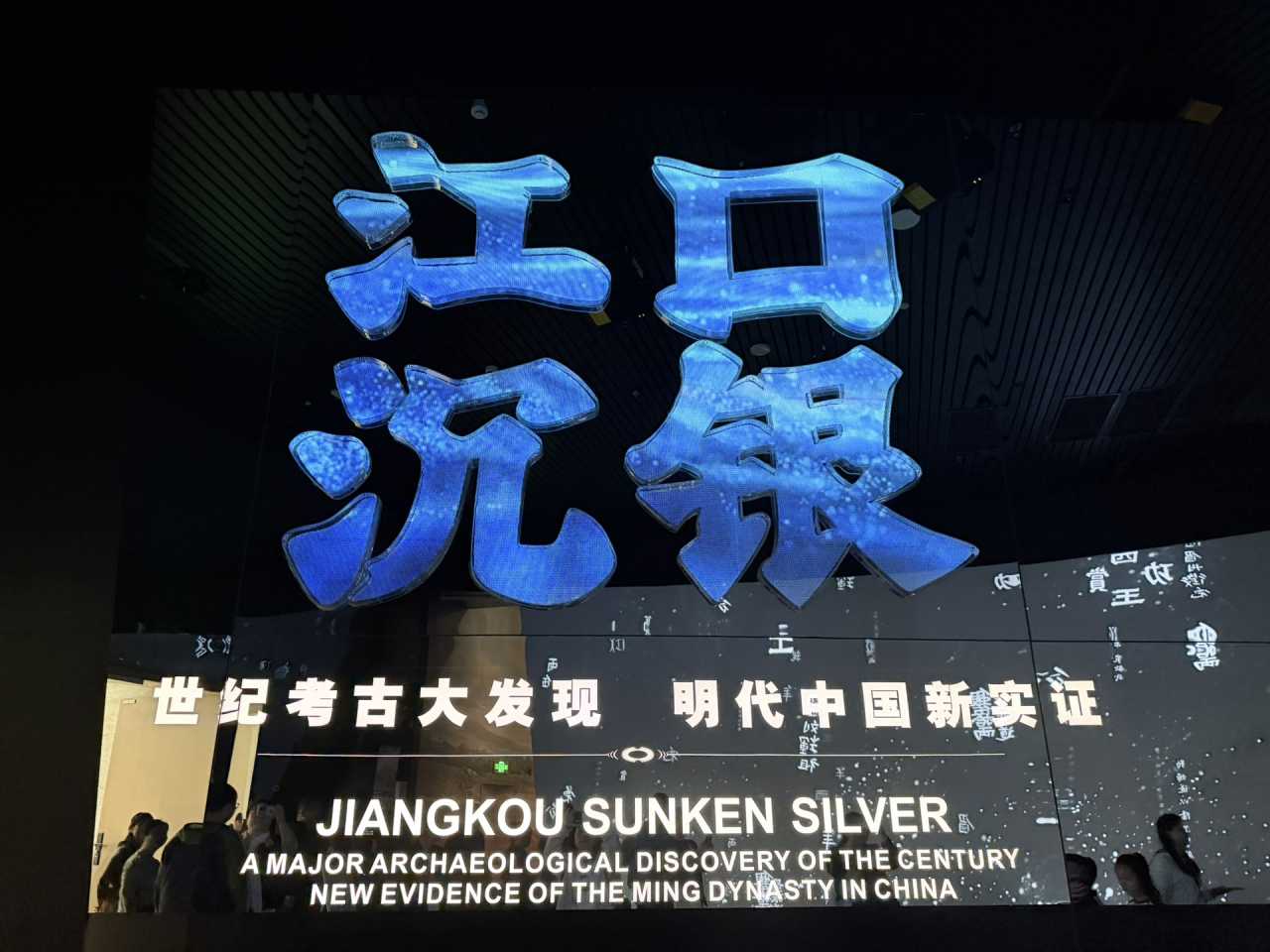
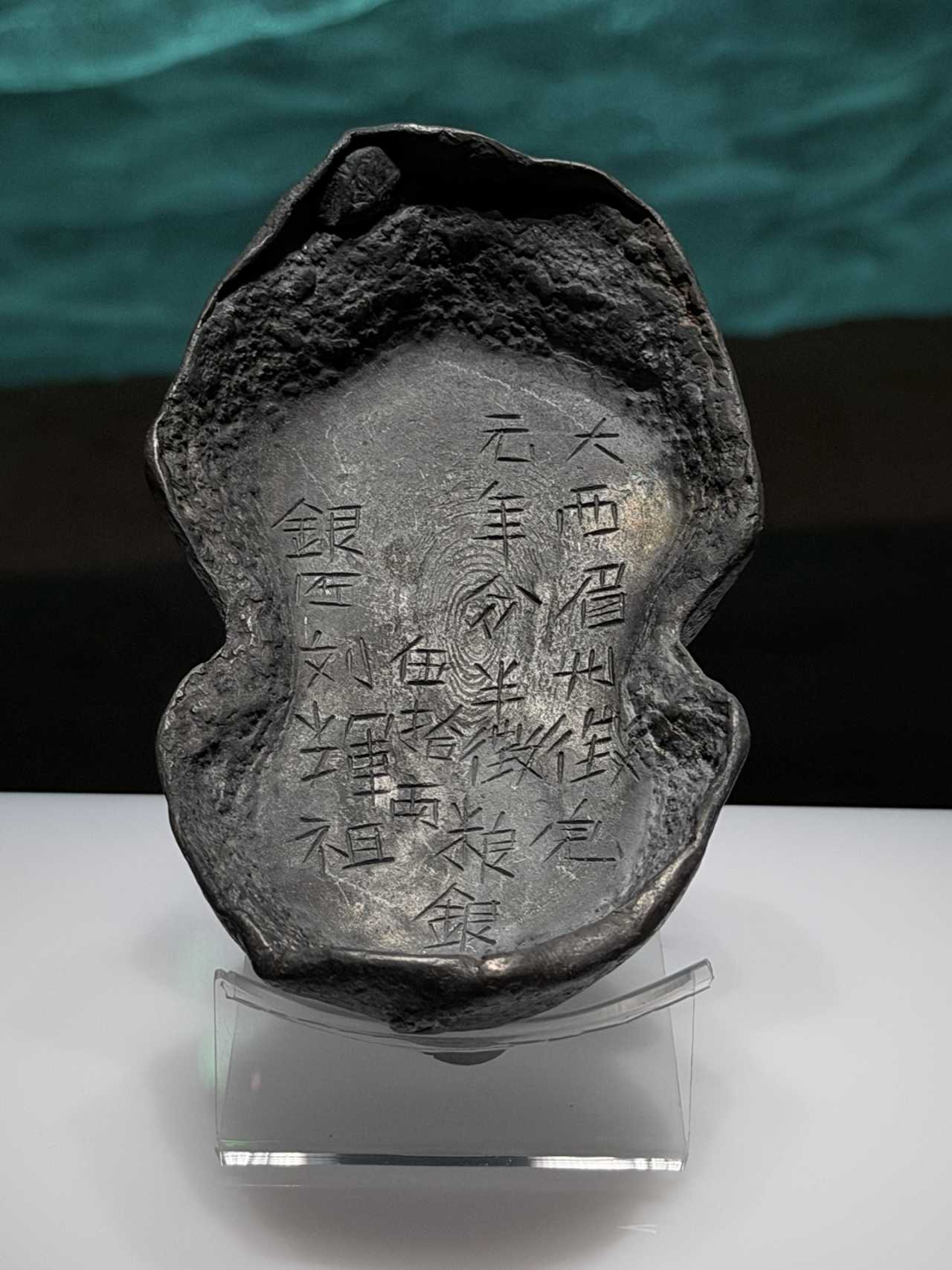
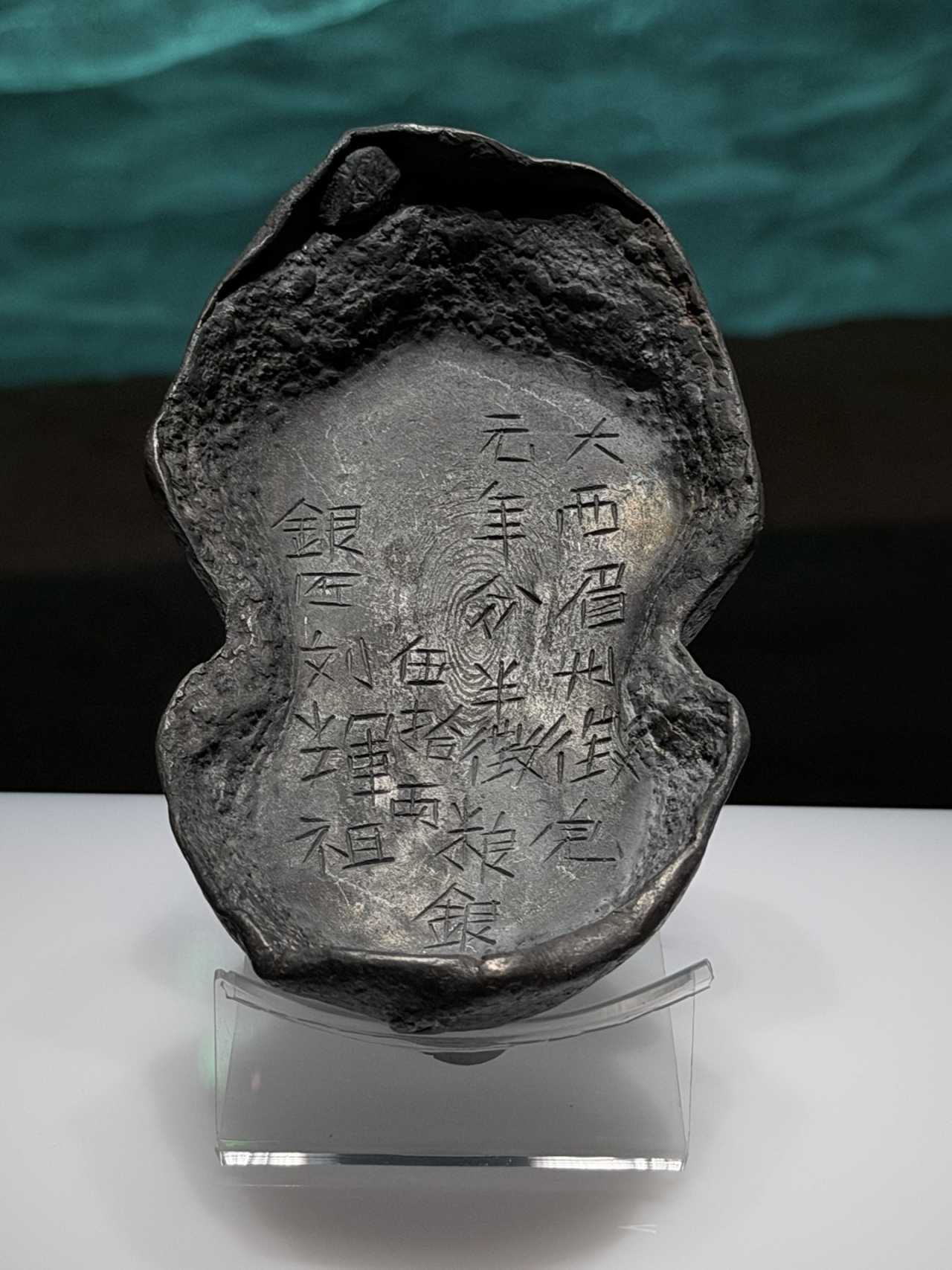
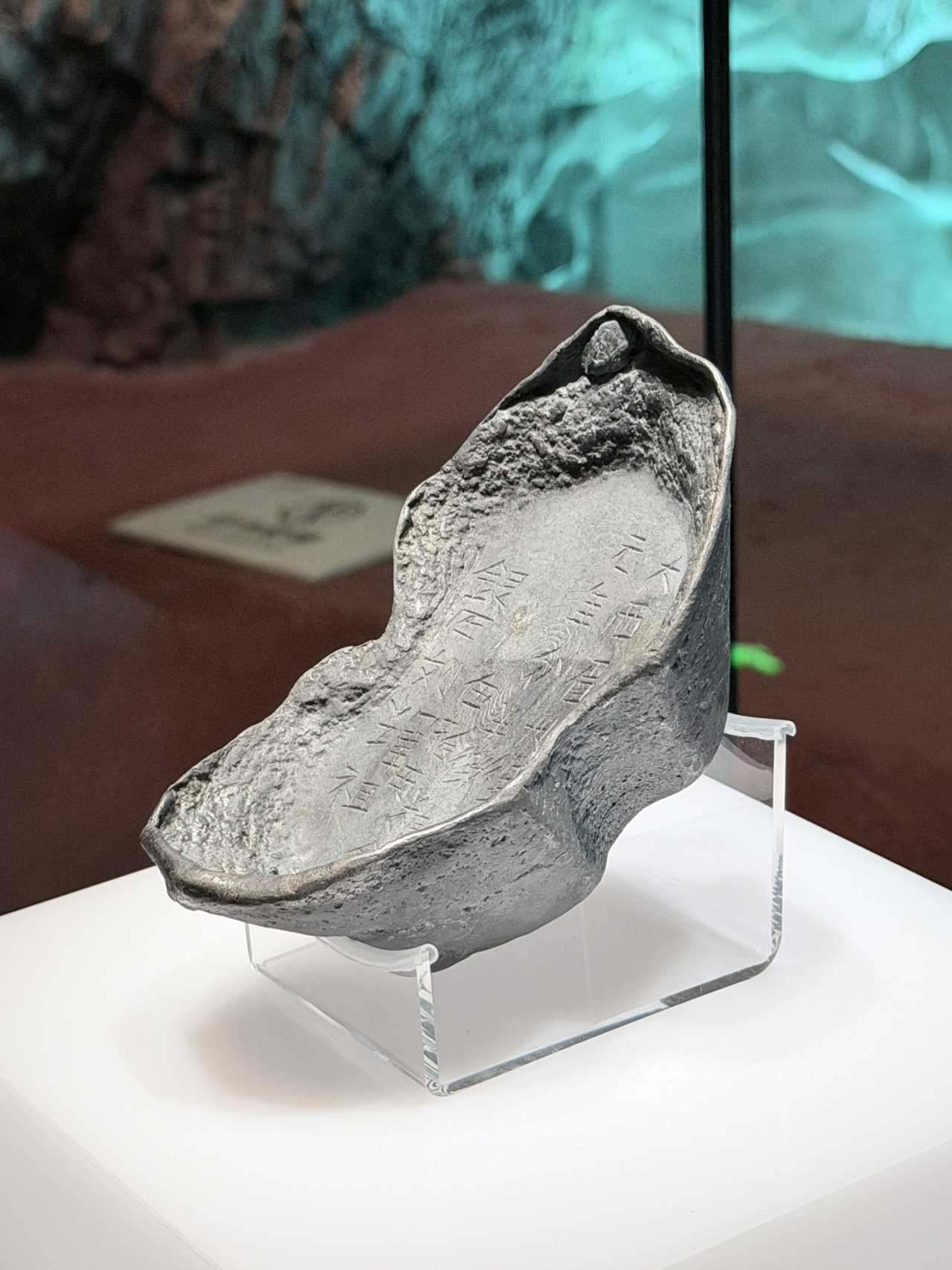
"沉银解谜 (Unraveling the Sunken Silver Mystery)" is the museum's highlight, showcasing the finest among over 7,000 recovered artifacts. As soon as I entered, I saw a 50-tael silver ingot and thought it was the centerpiece – only to discover that there were piles upon piles of these ingots, a sight so spectacular it left me speechless.
What stunned me most were the "西王赏功 (King of the West's Reward for Merit)" gold coins. Before the 2017 Jiangkou excavation, these coins were extremely rare, considered among the "Fifty Treasures" that coin collectors could only dream of. The 2017 dig alone yielded over 200 of these gold and silver coins, providing physical proof of the legend's authenticity. These coins weren't regular currency; they were "reward coins" or commemorative medals that Zhang Xianzhong used to recognize military achievements, minted in three grades: gold, silver, and copper.
Then there was the "荣世子宝 (Rong Heir's Treasure)" gold and silver piece – though partially damaged, the surviving portion still weighed 6 kilograms. The "永昌大元帅印 (Great Marshal Seal of Yongchang)" is a tiger-shaped gold seal weighing 3,195 grams, cast in 1643, and classified as a national first-class cultural relic. This gold seal wasn't unearthed by archaeologists; it was recovered by police from grave robbers. Its owner sparked intense academic debate – because Zhang Xianzhong's military structure never included the position of "Great Marshal," and "Yongchang" was the reign title of Li Zicheng, Zhang's rival. Why would this seal bear an "enemy" reign title? It remains a mystery to this day.
The "蜀世子宝 (Shu Heir's Treasure)" gold seal was even more monumental – it is the only Ming Dynasty heir-apparent gold seal ever excavated in China. When recovered from the river, it was broken into four pieces scattered across three different areas. The last fragment, bearing the character "蜀" (Shu), took half a month of searching to find. After restoration, it measures about 10 centimeters on each side and 3 centimeters thick, weighing approximately 16 jin (8 kilograms) with a gold content of 95%.
The second floor features a special exhibition titled "白银时代 (The Silver Age)", starting with the "一条鞭法 (Single Whip Law)" tax reform. In this hall, row after row of silver ingots are displayed, each stamped with the names of various regions, revealing the circulation of silver and the trail of Zhang Xianzhong's plunder wherever he went. The café is also on this floor, with a large outdoor terrace overlooking the Min River. I ordered a 9.9-yuan special coffee and sat on the terrace, gazing at the river while imagining the brutal naval battle that took place here three centuries ago.
[Link: Best museums in Chengdu for history lovers]
Practical Tips for Visiting the Jiangkou Silted Treasure Museum
- The gift shop is on the first floor and is quite popular. You can claim a Meishan consumption voucher, but the amount is random – I got one for 150 yuan off a 30-yuan purchase. If that's not a good deal, remember that tickets can be discounted by 12% (the two promotions don't stack), and staff won't proactively remind you.
- There are performances below the second-floor terrace, but the schedule may differ from what's advertised. I suggest asking at the service desk for the exact times on the day of your visit.
- Outside the museum, there's a separate building with a cafeteria on the second floor, but it's poorly run. With such a great IP location, there are no restaurants nearby – you're stuck. I settled for col
Pengshan's Mountain Longevity Culture: A Different Kind of Treasure
While the river holds silver and gold, Pengshan's mountains offer something far more valuable: longevity secrets passed down for millennia. The city's name itself hints at this heritage – "Peng" refers to the legendary figure Peng Zu, who was said to have lived for over 800 years. The surrounding mountains are dotted with temples, medicinal herb gardens, and wellness retreats that attract health-seekers from across China.
Why Pengshan's Mountain Culture Matters for Modern Travelers
In an age of stress and burnout, Pengshan's mountain longevity culture offers a compelling counterpoint to the river's treasure-hunting narrative. Visitors can hike through ancient forests, sample locally grown medicinal herbs, and participate in traditional qigong or tai chi sessions. Some retreats even offer multi-day wellness programs combining diet, exercise, and meditation.
[Link: Wellness travel in Sichuan Province]
FAQ: Everything You Need to Know About Visiting Pengshan
1. How do I get to the Jiangkou Silted Treasure Museum from Chengdu?
The easiest way is via the direct bus from Chunxi Road (near the giant panda statue). Book through the WeChat mini-program "趣耍巴士 (Fun Ride Bus)" under the "周边游 (Peripheral Tours)" section. One-way tickets cost 25 yuan, and the journey takes approximately 100 minutes. Buses don't run daily, and drivers often leave ahead of schedule, so arrive early.
2. Is the Jiangkou Silted Treasure Museum worth the 60-yuan ticket?
 Absolutely. The museum houses over 70,000 artifacts recovered from the Min River, including the only Ming Dynasty heir-apparent gold seal ever excavated in China. The exhibition halls are world-class, and the terrace café offers stunning river views. For history and archaeology enthusiasts, it's a must-see.
3. What is the best time of year to visit Pengshan?
Spring (March-May) and autumn (September-November) offer the most pleasant weather for both museum visits and mountain hiking. Summer can be hot and humid, while winter is mild but may have fewer bus services.
4. Can I combine a visit to the museum with mountain wellness activities?
 Yes, but plan for a full day. The museum takes 2-3 hours to explore, and the mountain areas require additional travel time. Consider staying overnight in Pengshan to experience both worlds fully.
5. Are there any discounts available for the museum ticket?
You can claim a Meishan consumption voucher (amount varies randomly) or get a 12% discount on the ticket price. Note that these two promotions don't stack, and staff won't proactively inform you, so ask at the ticket counter.
Conclusion: Why Pengshan Should Be Your Next Chengdu Day Trip
Pengshan is more than just a stop on a Chengdu peripheral tour – it's a journey into two parallel universes. One universe lies beneath the river, where golden seals and silver ingots tell the story of a fallen empire. The other universe rises into the mountains, where ancient wisdom whispers the secrets of a long and healthy life.
Whether you're drawn by the glitter of treasure or the promise of longevity, Pengshan delivers an experience that's both educational and transformative. The Jiangkou Silted Treasure Museum alone is worth the trip, offering a rare glimpse into China's Ming Dynasty history that you won't find anywhere else.
Ready to explore Pengshan? Book your bus ticket through the "趣耍巴士" WeChat mini-program today, and don't forget to check the schedule in advance. Pack comfortable shoes for the museum and the mountains, bring a camera for those gleaming artifacts, and prepare to be amazed by a city that truly has two worlds to offer.
Your adventure awaits – seek fortune in the river, and find wisdom in the mountains.
Have you visited Pengshan or the Jiangkou Silted Treasure Museum? Share your experience in the comments below, or tag us in your photos on social media!
You may also like