Western Sichuan Travel Guide: A Paradise of Snowy Mountains, Faith, and Self-Discovery
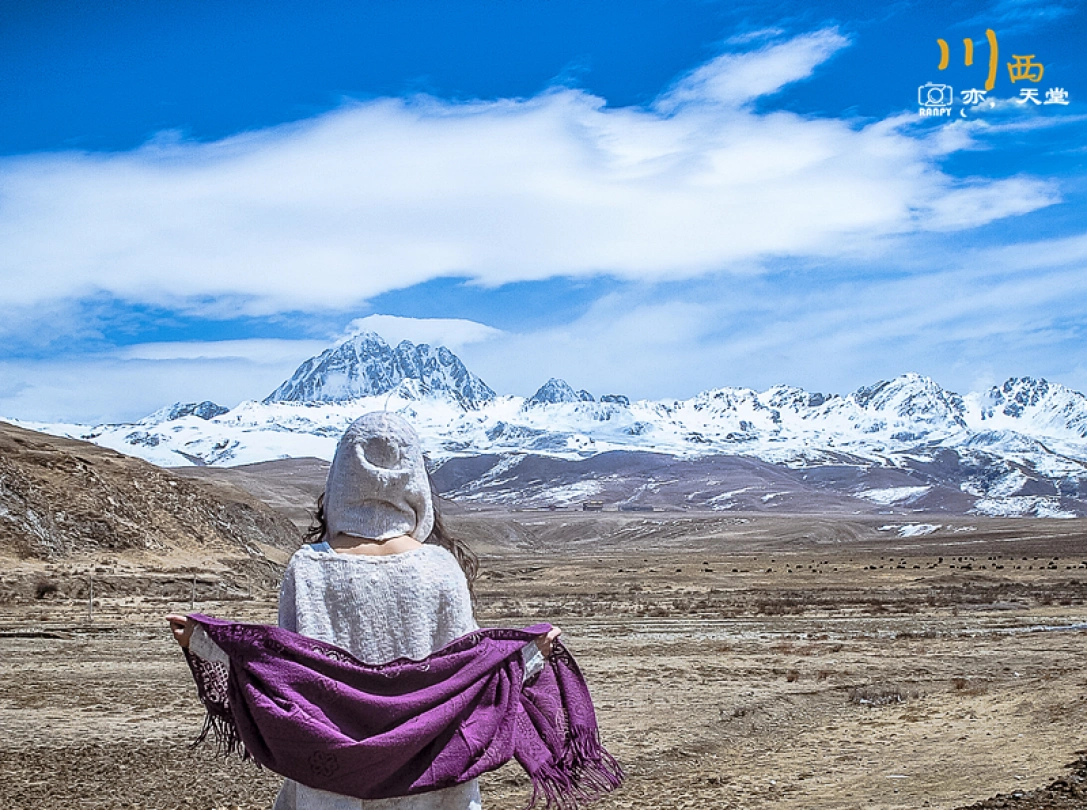
Meta Description: Discover Western Sichuan—a road trip paradise with snow-capped peaks, Tibetan Buddhist monasteries, and alpine lakes. Plan your journey through Ganzi, Ngawa, and beyond with our expert guide.
Introduction: Why Western Sichuan Is China's Best-Kept Travel Secret
"I prostrate myself and embrace the dust, not to worship the Buddha, but to feel your warmth." This poetic line, dedicated to Western Sichuan, perfectly captures the region's magnetic pull. As a native of Sichuan, I once heard a friend from another province exclaim: "You Sichuanese are so lucky! Chengdu is probably the closest provincial capital to a snowy mountain. And Western Sichuan—it's practically a road trip paradise, unbelievably beautiful."
He wasn't wrong. But for many travelers, Sichuan's appeal stops at the basin's bustling attractions—Mount Emei's Buddha halo, Leshan Giant Buddha's solemnity, Mount Qingcheng's tranquility, or Chengdu's street snacks and panda base. Western Sichuan, that vast highland region, remains an open book with only the title page revealed.
It wasn't until a friend from Lianyungang woke me up: "The real treasure of Sichuan isn't in the basin; it's in Western Sichuan. That's where the paradise is—a paradise for photographers, cyclists, and road trippers." So began my long dialogue with Western Sichuan.
Where Exactly Is Western Sichuan? Understanding the Region
Sichuan Province comprises four major parts: the familiar basin area plus three autonomous prefectures—Ngawa Tibetan and Qiang Autonomous Prefecture (Aba), Garze Tibetan Autonomous Prefecture (Ganzi), and Liangshan Yi Autonomous Prefecture. Their capitals are Barkam (Maerkang), Kangding, and Xichang, respectively.
Strictly speaking, Western Sichuan has no clear boundary. In a narrow sense, it refers to Garze Prefecture's highland areas. In a broader sense, it encompasses the entire Western Sichuan Plateau, covering Garze, Ngawa, and parts of Liangshan's Tibetan areas. This land hosts ethnic minorities—Tibetans, Qiang, Hui, and Yi interwoven together, with Tibetans being most numerous.
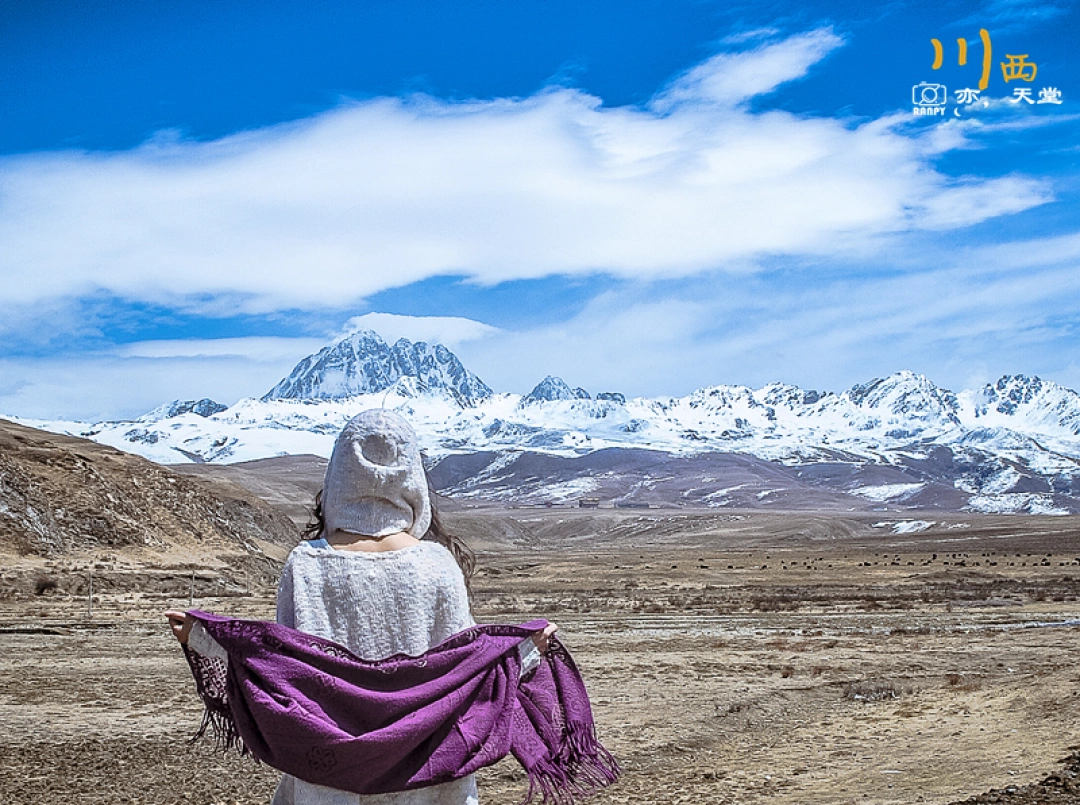
Here you'll find: - Gyalrong (Jiarong) and Khampa (Kangba) Tibetans - Nyingma and Gelug schools of Tibetan Buddhism - Towering snowy peaks: Gongga (Minya Konka) at over 7,700 meters (King of Sichuan Mountains), Yaomei Peak (Mt. Siguniang's summit) at over 6,200 meters (Queen of Sichuan Mountains), plus Erlang Mountain, Zheduo Mountain, Yala Snow Mountain, and Mordo Sacred Mountain - Endless grasslands: Hongyuan, Ruoergai (Zoige), Tagong, and Maoya

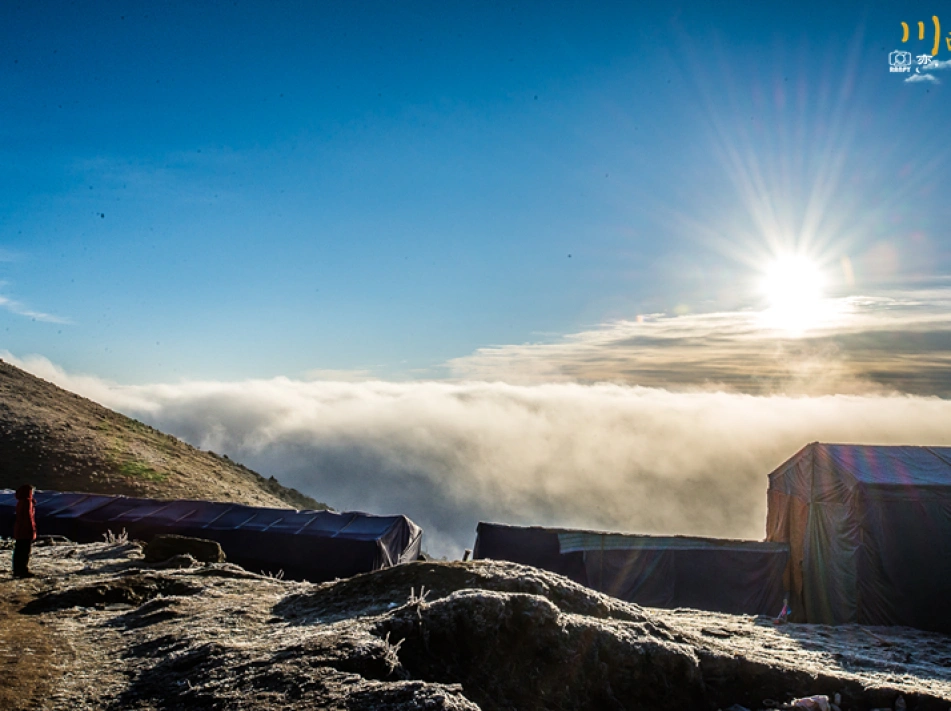
Western Sichuan is also the homeland of snow. For about five months yearly, it's covered in heavy snow. During the day, sunlight is intense and temperatures manageable; at night, the cold cuts like a knife, with huge temperature swings between day and night.
This is the core area of China's most beautiful scenic highway—the Sichuan-Tibet Highway. National Highway 318 (Southern Sichuan-Tibet Route) and National Highway 317 (Northern Sichuan-Tibet Route) run through it, with terrain rising layer by layer from canyons and forests to snowy mountains and grasslands. The Yangtze and Yellow Rivers originate and divide here. With mountains and water, the scenery is endless.
Western Sichuan has always been a hotbed for dreamers. On the Sichuan-Tibet Highway, you'll see cyclists at any time—some believe biking to Tibet is the most meaningful journey; others choose to hitchhike, heading west from Chengdu and Ya'an. The Sichuan-Tibet Highway is more captivating than the Qinghai-Tibet Highway, not only for stunning scenery but also for unpredictable changes, mirroring life's journey. Completing it feels like going through a cycle of rebirth.
This is also the hometown of living Buddhas—Litang, said to be the reincarnation place of Tsangyang Gyatso. "The white crane, lend me your wings, I will not fly far, just to Litang and back..."
[Link: Sichuan-Tibet Highway road trip planning guide]
The Four Seasons of Western Sichuan: An Endless Visual Feast
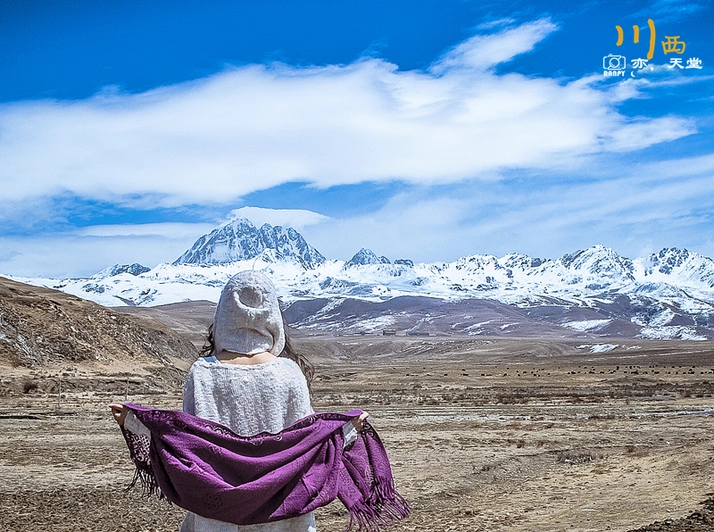
Summer: Grasslands in Full Bloom
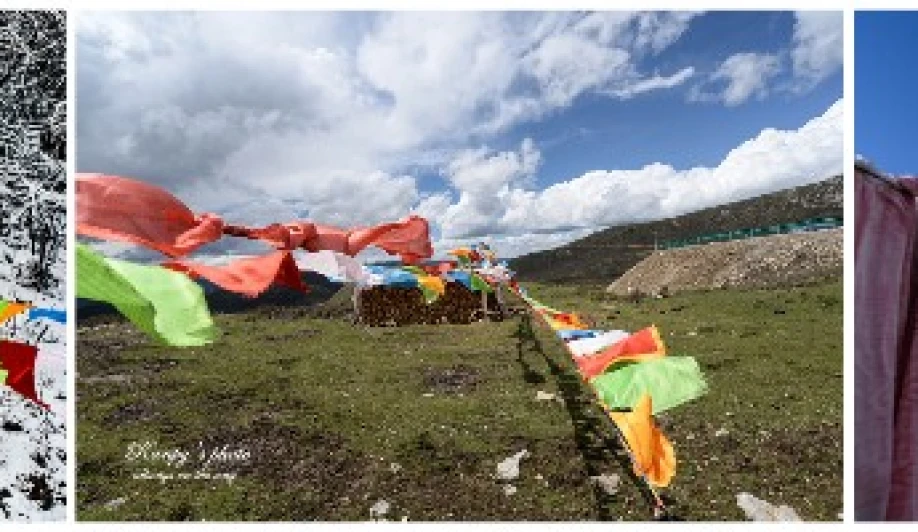
 Summer transforms the grasslands into a brilliant painting. The Ruoergai Flower Lake features wetlands and prayer flags intertwining, yaks and sheep dotting the landscape, and small yellow flowers carpeting the earth.
Winter: Eternal Snow-Capped Mountains
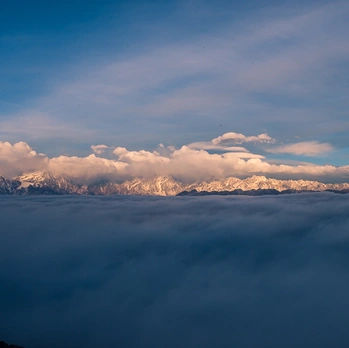
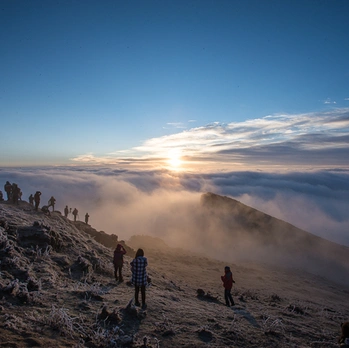
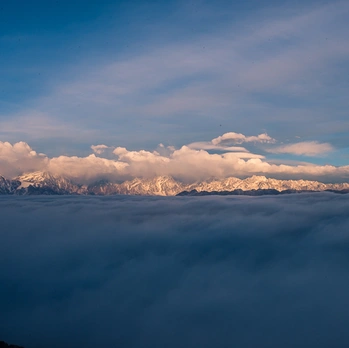
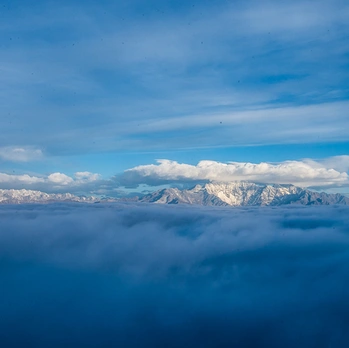
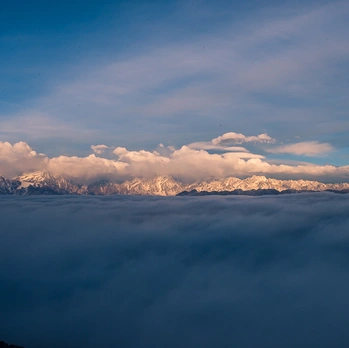
Winter brings snow-capped mountains that never melt. Western Sichuan has over a hundred snow peaks exceeding 5,000 meters, each one like a silent guardian.
Year-Round: Alpine Lakes and Faith
There are colorful alpine lakes—Jiuzhaigou and Huanglong, Mugecuo (Lake Muge), Huahu (Flower Lake), Lugu Lake—each like an eye of the earth, reflecting the blue sky and white clouds.
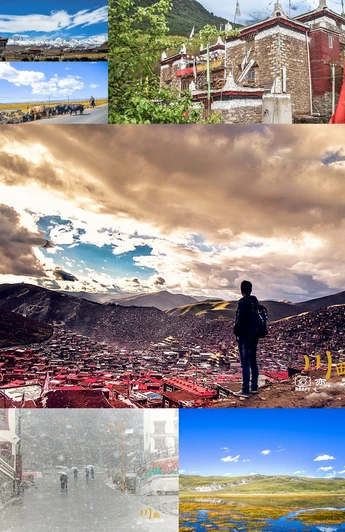
But what's most moving about Western Sichuan is its undying faith. The Larung Gar Five Sciences Buddhist Academy in Sertar (Seda) features red monastic dwellings spreading like an ocean across the hillside. In the morning, mist swirls; in the evening, the setting sun coats everything in gold. Standing on a mountain top over 4,000 meters above sea level, gazing at that sea of red, you understand what "the red splendor of the Nyingma" truly means.

The prayer flag clusters of Waqie Pagoda rustle loudly in the wind, each flag carrying a prayer. The temples and prayer flags of the Tagong Grassland create a beautiful scene with the distant Yala Snow Mountain.
[Link: Best time to visit Tibetan Buddhist monasteries in Sichuan]
Essential Know-How Before You Go: Weather, Gear, and Mindset

Weather Considerations
The weather in Western Sichuan is more complex than in Tibet. Warm, moist air from the basin meets dry plateau air, often bringing rain and snow. It's not recommended to travel during the rainy season—flash floods and landslides are common. Weather forecasts are only a reference: plateau weather is highly changeable. One moment it's clear skies; the next you could face hail, rain, snow, and a sharp temperature drop in quick succession.
- Canyon areas: prone to rain and landslides
- High mountain areas: higher chance of good weather
- Grasslands: relatively stable
Food and Accommodation
Transportation in Tibetan areas is inconvenient, and the economy is less developed, so bring essentials. Tibetan cuisine mainly consists of mutton, yak meat, barley wine (chang), and yogurt. Nowadays, there are many Sichuan restaurants, but taste might not meet expectations. If picky about food, bring your own dry rations.
Packing List
 - Shell jacket and waterproof shoes/clothing - Sunscreen (plateau UV is extremely strong—"plateau red" is no joke) - Medications: cold medicine, antibiotics, anti-diarrhea medicine, altitude sickness medication (such as Rhodiola rosea), vitamins - Tech: Phone, power bank, flashlight, GPS, navigation - Trekking poles (according to travel mode)
Drinking Water
Don't drink local raw water, especially in Tibetan areas—bring your own. However, county towns in Garze and Ngawa have supermarkets where you can stock up, though prices are slightly higher.
[Link: Altitude sickness prevention tips for high-altitude travel]
Route Recommendations: Enjoying Western Sichuan Even on a Short Break
Chengdu is the perfect departure base. With the opening of the Chengdu-Ya'an Expressway, Ya'an-Xichang Expressway, Chengdu-Dujiangyan Expressway, and Dujiangyan-Wenchuan Expressway, even a 3-4 day short break can take you deep into Western Sichuan.
Route 1: Sertar (Seda) Exploration (4 Days)
Two Route Options:
National Highway 318 (Southern Route): Chengdu → Ya'an → Luding → Kangding → Tagong → Bamei → Daofu → Luhuo → Sertar
National Highway 317 (Northern Route): Chengdu → Dujiangyan → Wenchuan → Lixian → Barkam → Guanyinqiao → Wengda → Sertar (or the new road via Zamtang/Rangtang → Nianlong Township for better road conditions)
Route 2: Classic Western Sichuan Loop (5-7 Days)
Chengdu → Kangding → Tagong Grassland → Xinduqiao (photography paradise) → Litang → Daocheng Yading (last pure land on Earth) → Return via 318
Route 3: Ngawa Highlights (3-4 Days)
Chengdu → Dujiangyan → Wenchuan → Lixian (Taoping Qiang Village) → Barkam (Zhuokeji Tusi Official Village) → Hongyuan Grassland → Return
[Link: Best road trip routes through Western Sichuan]
FAQ: Western Sichuan Travel Questions Answered
1. Is Western Sichuan safe for solo travelers?
 Yes, Western Sichuan is generally safe for solo travelers. The local Tibetan and Qiang communities are welcoming. However, due to high altitudes (3,000-4,500 meters), remote areas, and unpredictable weather, it's recommended to travel with a companion or join a small group tour. Always inform someone of your itinerary.
2. What is the best time to visit Western Sichuan?
The best time is May to October when weather is milder and roads are clear. September-October offers stunning autumn colors. Avoid the rainy season (July-August) due to landslide risks. Winter (November-April) brings heavy snow and road closures but rewards with fewer crowds and spectacular snow scenes.
3. How do I prevent altitude sickness?
 Ascend gradually—don't jump from Chengdu (500m) to 4,000m in one day. Stay hydrated, avoid alcohol, and consider Rhodiola rosea supplements. If symptoms worsen (severe headache, nausea, confusion), descend immediately. Most hotels in Kangding and Tagong have oxygen supplies.
4. Do I need a special permit to visit Western Sichuan?
 Most areas are open to domestic and international tourists. However, some border regions near Tibet require a Tibet Travel Permit for foreign nationals. Always check current regulations before departure. For Chinese citizens, no special permits are needed for standard routes.
5. What should I pack for Western Sichuan in summer?
Even in summer, pack layers: thermal underwear, fleece jacket, waterproof shell, sun hat, sunglasses, high-SPF sunscreen, lip balm, and sturdy hiking boots. Night temperatures can drop to 5°C (41°F) even in July. Don't forget altitude sickness medication and a first-aid kit.
Conclusion: Your Western Sichuan Adventure Awaits
Western Sichuan isn't just a destination—it's a dialogue with nature, faith, and yourself. Whether you're cycling the Sichuan-Tibet Highway, photographing the red sea of Sertar, or meditating before Gongga Snow Mountain, this land will leave an indelible mark on your soul.
Ready to plan your journey? Start with our recommended routes, pack smart, and embrace the unpredictable beauty of Western Sichuan. The snowy mountains, prayer flags, and endless grasslands are waiting.
Book your Western Sichuan tour today or download our free Western Sichuan travel checklist to ensure you don't miss a thing. Your paradise begins here.
[Link: Western Sichuan tour packages and guided trips] [Link: Download Western Sichuan packing checklist PDF]
Note: Always check local weather and road conditions before departure. Respect local customs and religious sites. Travel responsibly and leave no trace.
You may also like


