On the Other Side of the Mountains, Searching for a Different Kind of Spring
Here is the SEO-optimized and rewritten article based on your source material. It has been expanded to meet the ~1500-word target, restructured for search intent, and formatted with all your specified requirements.
SEO Title: Western Sichuan Road Trip: Chasing Spring on the Other Side of the Mountains
Meta Description: Escape the fleeting spring of the city. Join a 63-day road trip from Beijing to western Sichuan, exploring Luoyang, Xi'an, Chengdu, and the stunning Four Sisters Mountain. Discover hidden valleys, altitude challenges, and spiritual detours.
Western Sichuan Road Trip: Chasing Spring on the Other Side of the Mountains
Prologue: The Belated Journey to Find a Different Spring
A spring travelogue, written in the height of summer—such is the fate of a chronic procrastinator, I suppose. Three years ago, my wife and I set out from Beijing, driving solo across the country. We entered Tibet from Yunnan, looped back through Qinghai, and returned to Beijing after 63 days, covering most of China. Yet somehow, we bypassed western Sichuan entirely. That regret took root in my heart, quietly sprouting like a seed.

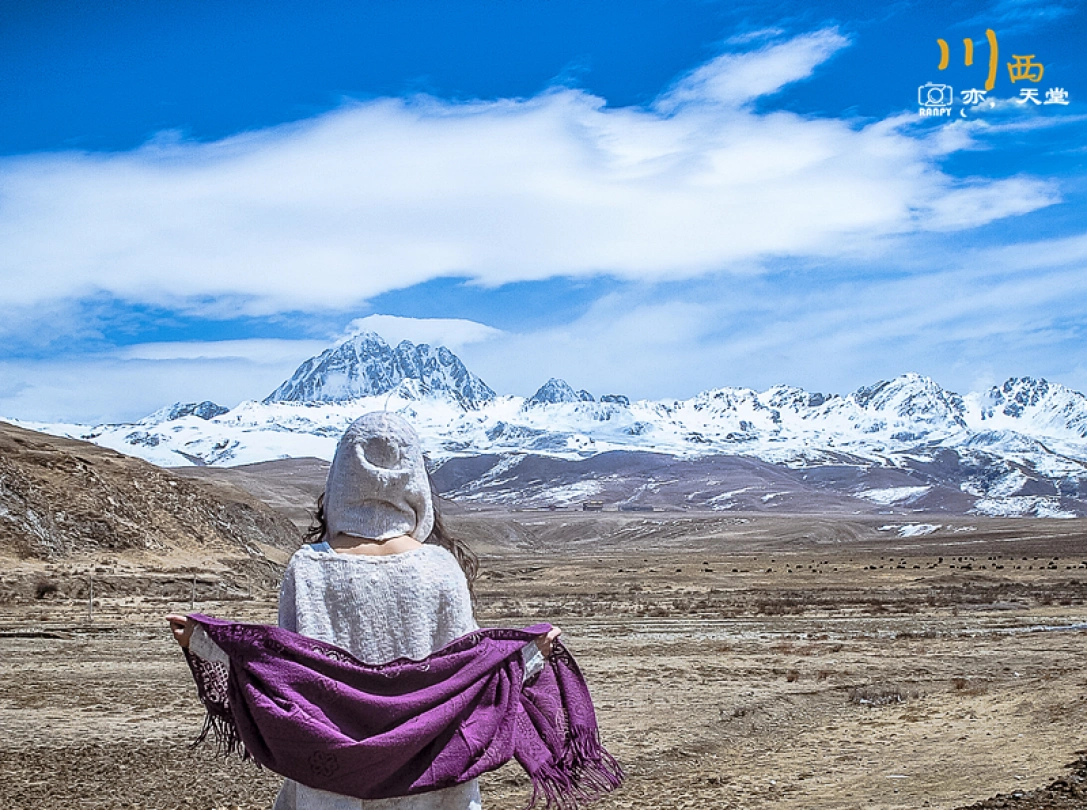
Spring in Beijing arrives too abruptly. The peach and magnolia blossoms in our neighborhood seem to burst open overnight, only to scatter with the spring wind a few days later. What would spring be like in western Sichuan? Surely not as fleeting as this. A spontaneous departure—that's the best gift we can give ourselves. We packed our gear, hit the road once more, heading to the other side of the mountains in search of a different kind of spring.
Stop One: Luoyang in the Rain – An Ancient Capital’s Quiet Charm
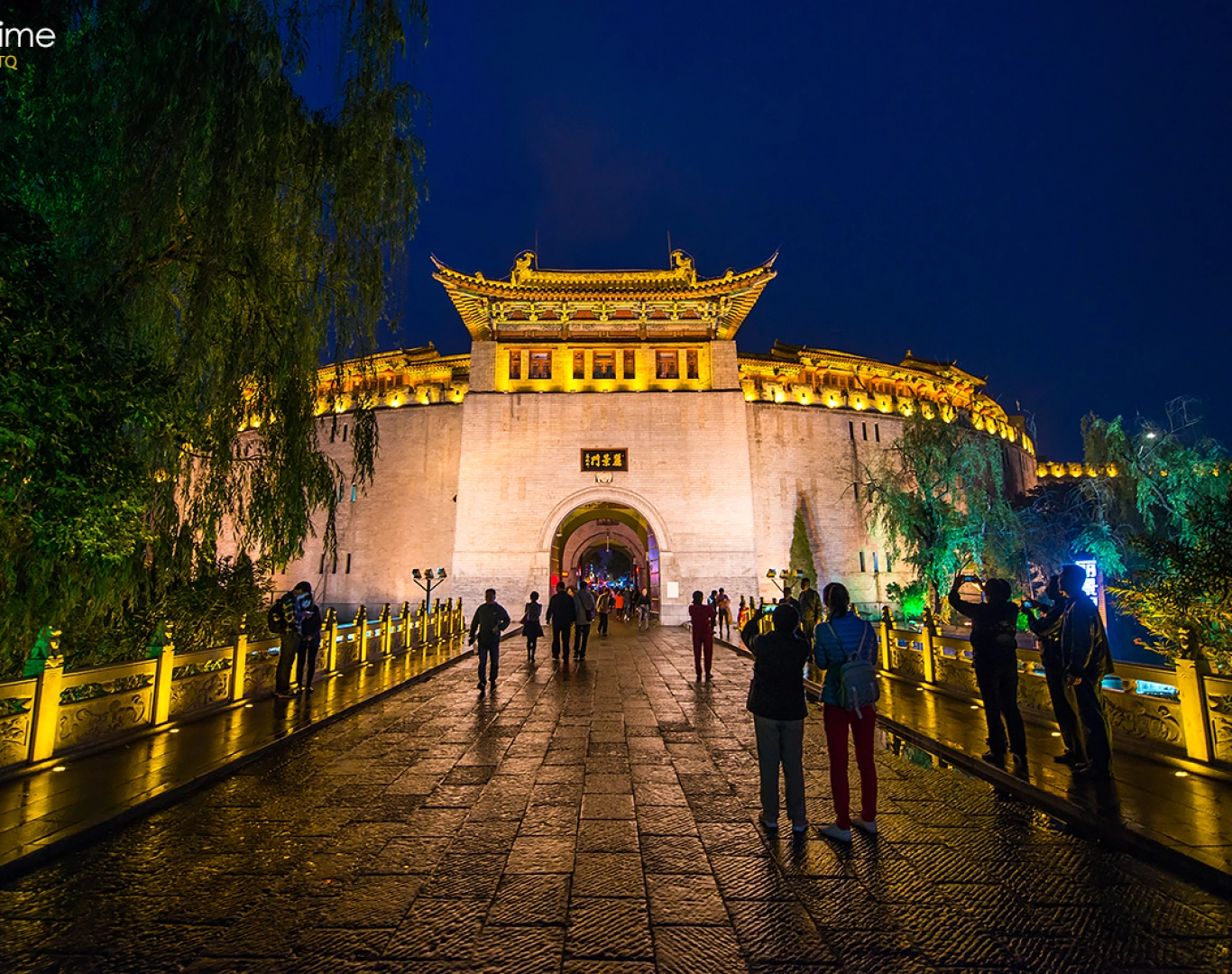
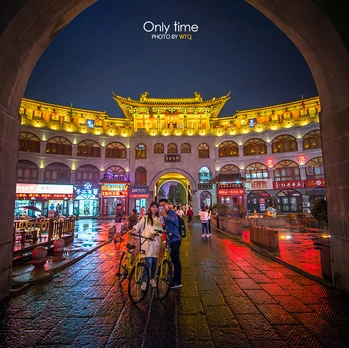
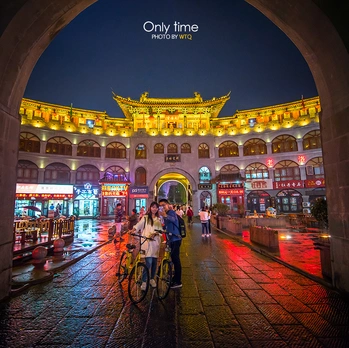
From Beijing, our first stop was Luoyang. As an ancient capital of thirteen dynasties, I had imagined Luoyang to be grand and majestic. But when we arrived at noon, a light rain was falling. Under the gray sky, the city felt muted and dreary—nothing like what I had expected. However, as night fell, the rain gradually stopped. The puddles on the road grew still, reflecting warm orange streetlights. The Lijing Gate was lit up with colorful lanterns, washed clean by the rain, looking like an entirely different city from its daytime self.
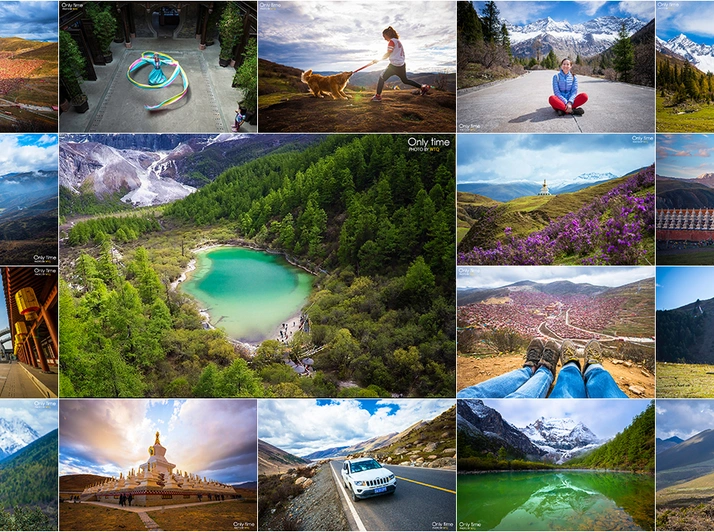
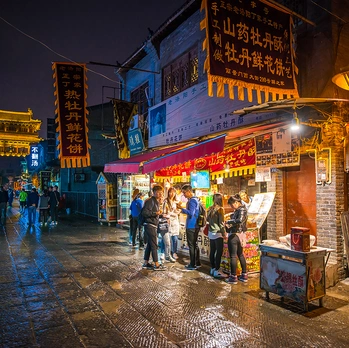
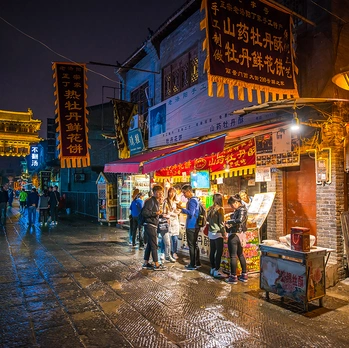
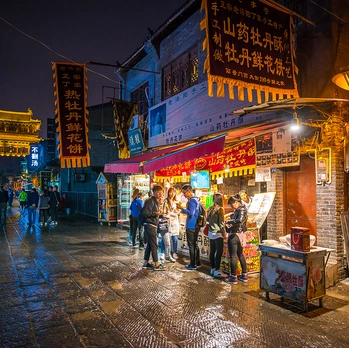
The ancient streets after the rain were surprisingly quiet—a stark contrast to the Dongguan Street in Yangzhou I had visited before. At a stall selling handmade peony silver-thread candy, the owner skillfully pulled and twisted sugar strands, making my mouth water. Nearby, an elderly artisan was focused on burning peony patterns into a wooden board with a hot tool—peonies truly are everywhere in Luoyang.
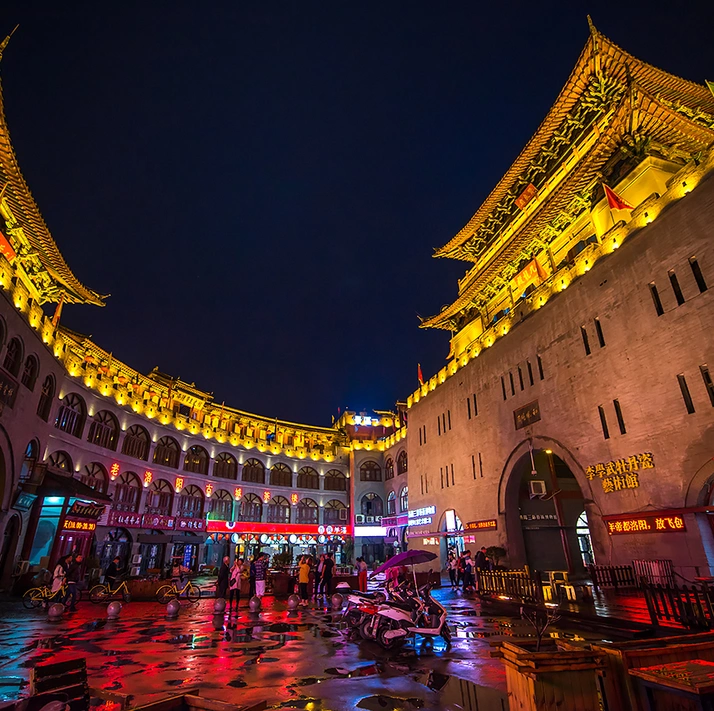
At ten in the evening, I arrived at Dingding Gate Square. I had seen photos online of the gate reflected in the water, dreamlike and beautiful. Unfortunately, my lens wasn't long enough to capture the reflection in the river. But the rain had left plenty of puddles on the ground—so I settled for shooting reflections in those instead. A compromise, perhaps, but it had its own charm. Luoyang was just a stopover; we didn't explore it in depth. The next day, the rain cleared, and we continued on our way.
[Link: Best things to do in Luoyang]
Stop Two: Vibrant Xi’an – The Grand Spirit of Chang’an
Xi'an, the starting point of the Silk Road, captivated me from my very first visit. This city exudes the grand spirit of "Great Chang'an" at every turn. My wife said, "If only we had a home in every city." So we booked an apartment on a short-term rental platform and stayed for four days. Late at night, sitting in the study—which felt more like an office—and organizing photos was a strangely satisfying experience.
After sunset, Xi'an has a few must-visit spots. First is the music fountain at the north square of the Giant Wild Goose Pagoda. Even before sunset, the square was packed with people. By the time the fountain started at 8:30 PM, I was stuck at the periphery, unable to squeeze in—I could only hear the music from afar.
The second must-visit is the Muslim Quarter. For food lovers, this place is heaven. After stuffing ourselves, we took a leisurely walk along the Drum Tower, the Bell Tower, and the ancient city wall to digest. The colors of the Bell Tower and Drum Tower were astonishingly vivid—not enhanced in post-processing; they were naturally that intense. Beneath the ancient city wall, people strolled, chatted, and sang at their leisure. The Tang Paradise theme park transported you back to the Tang Dynasty—a royal garden-style park showcasing the splendor of that era. By day, the Purple Cloud Pavilion stood majestic; by night, with all the lights on, the entire garden sparkled like a festival.
[Link: Xi'an Muslim Quarter food guide]
Stop Three: Leisurely Chengdu – A City of History and Snacks
Chengdu—a city of leisure and history. I had been here before on business trips, but I was always too busy working to truly see it. This time, we embraced the slow pace. Chengdu also has a license plate restriction system. On the day our car was restricted, we took the bus to Kuanzhai Alley. Three parallel streets—Kuan Alley (Wide Alley), Zhai Alley (Narrow Alley), and Jing Alley (Well Alley)—each with its own character.
In Kuan Alley, my wife was drawn to a Thai-style shop, enjoying mango smoothie while watching a woman play musical instruments. Zhai Alley had more charm, hiding specialty shops, inns, tea houses, and restaurants. I managed to snap a candid shot of a passerby—the thrill of a "lucky catch" is something only photography enthusiasts truly understand.
Jinli Ancient Street was a place we visited twice. It was filled with trinkets and snacks that my wife adored. Calling it the liveliest attraction in Chengdu is no exaggeration—it's packed even on weekdays. For the first time, I acted like an ordinary tourist, eating and drinking without spending most of my time taking photos. Jinli is best explored after dusk—just remember to go on an empty stomach! I visited the Wuhou Shrine because I had seen photos of its red walls online. I paid 56 yuan for a ticket, wandered around, and found it rather dull. I preferred the neighboring Jinli. The Wenshu Monastery, however, was worth the visit. Just one wall away, the outside was bustling, while inside, it was solemn and serene—two completely different worlds.
[Link: Chengdu travel itinerary 3 days]
Stop Four: First Glimpse of Shuangqiao Valley – Entering Western Sichuan
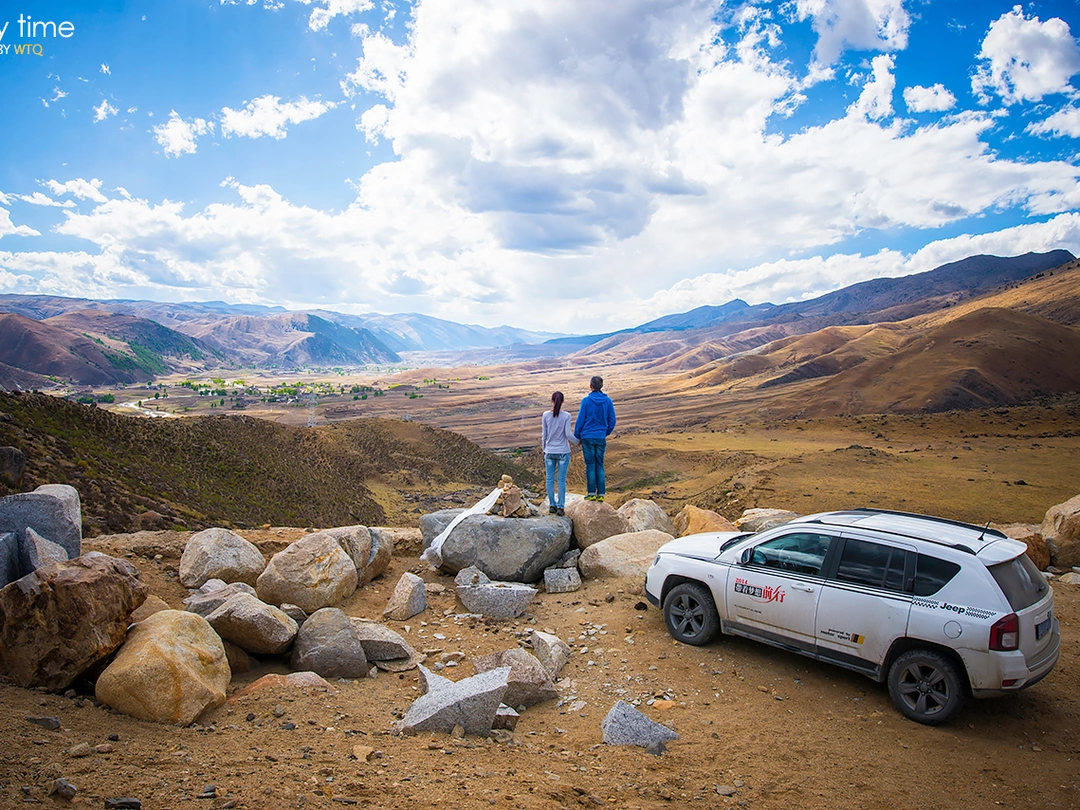
This was where the journey truly began. Leaving the cities behind, crossing the mountains, and entering the magnificent landscapes of western Sichuan. Our route was somewhat impulsive—Yaqing Temple wasn't even in our original plan, and even Seda was a last-minute decision. These spontaneous additions stretched our itinerary and led to quite a few detours. The logical order would have been to visit Seda first, then Yaqing, to avoid backtracking.
We set off early from the First Ring Road in Chengdu, hitting the morning rush hour—the traffic was as bad as Beijing's. The GPS led us astray, and we struggled to find a gas station. Our anxiety didn't ease until we filled up near Gengda Town. In the afternoon, sleet began to fall on the mountain roads. Before entering the Mount Balang Tunnel, thick fog reduced visibility to less than 15 meters. As we drove through the long tunnel, we finally saw light at the end—on the other side, the rain and snow had stopped.
We arrived at Shuangqiao Valley at four in the afternoon. Private cars are not allowed inside; you have to take a shuttle bus. But because of the rain, the staff had left early. We had booked a guesthouse inside the valley, so we had to call the owner to come down the mountain to pick us up. The owner was a thin man, warm and talkative, always smiling. He was impressed that we had driven all the way from Beijing. He said he didn't even dare to go to Chengdu—he was so used to the mountains that the city made him anxious and scared. Every year, he made a pilgrimage to Seda because he had faith.
Shuangqiao Valley is the easiest route to explore in the Four Sisters Mountain area. You can take the shuttle bus the entire way or walk on the boardwalk. We chose to stay inside the valley, hoping to enjoy the morning scenery and photograph the stars—but altitude sickness prevented us from taking advantage of this. After a simple dinner, we walked up to the "Ginseng Fruit Meadow" above the guesthouse. The meadow was empty except for grazing yaks. The sun had already set, and the last light cast a dark yellow glow on the clouds around the mountain peaks. The beautiful silence was worth every mile of the drive.
FAQ: Planning Your Western Sichuan Road Trip
1. Is it safe to drive a private car on the western Sichuan road trip?
 Yes, but be prepared for high-altitude mountain passes, sudden weather changes (sleet, fog), and winding roads. It is recommended to have a reliable vehicle (preferably 4WD) and to check road conditions before departing. The Mount Balang Tunnel is a major improvement, but fog can be a hazard.
2. What is the best time of year to visit Shuangqiao Valley?
 The best time is spring (April-May) for wildflowers and moderate weather, or autumn (October-November) for stunning fall foliage. Summer is rainy, and winter can be extremely cold with heavy snow, though the scenery is still beautiful.
3. How do I deal with altitude sickness in western Sichuan?
 Altitude sickness is common above 3,000 meters. Acclimatize slowly—spend a night in Chengdu (500m) before heading up. Avoid alcohol, drink plenty of water, and consider taking Diamox (acetazolamide) after consulting a doctor. The guesthouse owner in Shuangqiao Valley mentioned that altitude sickness prevented him from stargazing.
4. Do I need a permit to visit Seda or Yaqing Temple?
 Yes. The Seda Larung Gar Buddhist Academy and Yaqing Temple often require advance booking and a permit due to strict visitor policies. It is best to check with local travel agencies or the official WeChat accounts weeks in advance. Spontaneous visits may be denied.
5. What should I pack for a spring road trip in western Sichuan?
 Pack layers: thermal underwear, a fleece, a waterproof jacket, and a down vest. The weather can shift from sunny to snowy within hours. Bring sunblock, sunglasses, a first-aid kit, and snacks for long drives. A wide-angle lens is recommended for photographing the mountain landscapes.
Conclusion: The Journey is the Destination
From the rain-soaked streets of Luoyang to the vibrant lights of Xi'an, from the leisurely pace of Chengdu to the raw, high-altitude beauty of Shuangqiao Valley, this road trip was never just about reaching a destination. It was about the spontaneous detours, the unexpected conversations with guesthouse owners, and the quiet moments watching yaks graze under a dark yellow sky.
The spring we found on the other side of the mountains was not just a season—it was a feeling of freedom, of breaking away from the routine. If you are tired of the fleeting spring in the city, if you feel the seed of regret taking root in your heart, do not wait three years. Pack your gear, hit the road, and find your own different kind of spring.
Ready to plan your own western Sichuan adventure? [Link: Book your rental car in Chengdu] or [Link: Find top-rated guesthouses in Shuangqiao Valley]. The mountains are calling.