Passing Through Your World: A Solo Journey Through Sichuan and Chongqing – An Unforgettable Travel Guide
Meta Description: Discover the magic of solo travel through Sichuan and Chongqing. From Du Fu's Thatched Cottage to Kuanzhai Alley, explore iconic landmarks, local culture, and personal reflections in this immersive journey.
Introduction: A Journey Inspired by Cinema
Shortly after leaving Wuhan, I clicked open a film with sharply divided reviews late one night — I Belonged to You. In the opening scene, the heroine Yao Ji stands in a torrential downpour, calling into a radio show. The camera flashed past a landmark I recognized instantly: Chongqing’s Liberation Monument. In that moment, I realized the entire story unfolded in the mountain city I had just walked through, and that monument — well, it happened to be the one place I kept circling back to, no matter how hard I tried to avoid it.
To be honest, I Belonged to You isn’t a good movie. I won’t blindly defend it just because it was shot in a place I love. I’ve never had much patience for pretentious art-house romances, especially those that elevate love to soap-opera extremes. But I have to admit, certain scenes hit a nerve. The part where Zhutou sees Yanzi off at the train — he smiles at her through the window, sincere and restrained: “Yanzi, you have to be happy. From now on, your life won’t have me in it, but you must be happy.” Then as the taxi pulls away, kicking up dust, he can’t help himself — he runs after it down the long bridge, shouting: “Yanzi, come back! How can I live without you?”
If I had to find a reason, maybe it’s because those of us who are stubborn always see a bit of ourselves in people like that.

Who hasn’t been young? Who hasn’t been naive? Over the long years of growing up, we become increasingly guarded, calculating every move in every relationship. The wholehearted devotion we once had gets dismissed for all kinds of reasons, buried in some forgotten corner, slowly turning to ash. Mu Xin once wrote: “In the old days, the sun moved slowly. Carriages, horses, letters — all were slow. A lifetime was enough to love just one person.” But our society has sped up to the point where we can no longer pause. Everyone keeps passing through, swept along by the times, too busy to wonder if anyone will be waiting, too distracted to remember who we’re waiting for ourselves.
So traveling alone — that’s just returning to what “passing through” really means. Unrestrained, free — like life itself. After my parents flew back from Chengdu, I finally slipped back into my natural state, savoring the long, solitary landscapes. Sky, water, clouds; the rivers and gorges of Sichuan, the sun and moon — why not share the vast openness with my own shadow?
[Link: Solo Travel Tips for China]
Huanhua Stream: A Thatched Cottage in the Cosmos
Compared to the mysterious solemnity of the snowy highlands, traveling downriver through Sichuan and Chongqing is far more relaxed — no harsh weather, no worries about altitude sickness. The encounters feel like release, a different kind of thrill. In those remote, lonely places, what you meet is the landscape; in the bustling天府 (Land of Abundance), what you meet is people. Besides, as someone who studied Du Fu, how could I possibly skip this place?
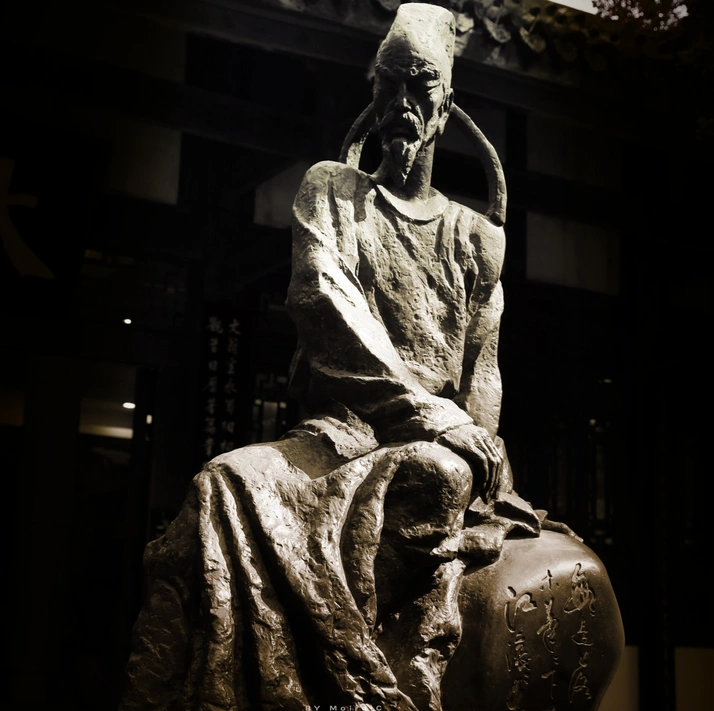
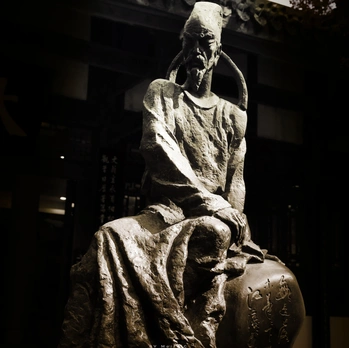
The pull of time and distance is the deepest kind of longing — the treacherous roads of Shu described in poetry, the traces of a wandering life now lost to history. At forty-eight, Du Fu traveled from Qinzhou to Tonggu, passing through Mupi Ridge, Baisha Ferry, Feixian Pavilion, Wupan Ridge, Longmen Ridge, Shigui Pavilion, Jubo Ferry, Jianmen, and Lushan, finally settling by Huanhua Stream. The following year, with friends’ help, he built his thatched cottage, writing poems to beg for household items, painstakingly creating his own little world.
At last, the western outskirts of Huanhua became a rare sanctuary in his life of wandering. The bamboo groves, veiled in mist — perhaps some were planted by his own hands, spreading into the woods that survive to this day. The broken gourd and chipped bowl — maybe one was the Dali porcelain he praised as surpassing frost and snow. Jinli (the Brocade City) remained beyond the dust of the world. His body rested here, but his heart could not. His sons Jizi and Xiong’er had grown; his wife had aged alongside him. Perhaps only when they were asleep could he quietly gaze north toward distant Chang’an, imagining the vast windswept skies and the Milky Way suspended above.
Standing before this ancient, enduring cottage, every new line of poetry felt forced, every word an amateur’s attempt at mastery. Loving someone too long makes you feel like you’re dreaming when you finally meet them — dazed and unbelieving. That’s my excuse for my limited poetic talent. Or maybe it was the weekend crowd at the cottage, too many tourists to find any peace. Remembrance is ultimately a solitary act; to others, it becomes a one-act play for spectators.
I had rushed to the cottage to accompany my parents. Then, I wandered alone, at my own pace. On weekdays, the cottage is far more tranquil than on weekends, like an ordinary park full of everyday life — people practicing tai chi, working out, taking walks. That probably suits Old Du’s original intention. He once earnestly advised a neighbor named Wu not to stop the old woman next door — childless and starving — from picking dates from the courtyard tree. If guests came, he’d call them over to share whatever food and drink was at hand.
Many people’s misunderstanding of the ancients comes from the label-based education we received — rigid stereotypes, one face fits all. It sounds like saints have somehow stepped outside the realm of humanity — Confucius, Old Du. But if you really think about it, Liang Qichao’s summary of Du Fu hits the mark: “The Saint of Emotion.” A poet’s heart that encompasses the universe becomes here deeply tender: broken jars, sickly old horses, withered palm trees... He embraced all things with his profound emotion, truly beyond ordinary reach. Compare this with Li Bai — “Never tired of looking at each other, only the Jingting Mountain” — so exclusive and sharp, his heart belonged only to that one mountain.
The thatched gate is gone, no road back. Leaving feels like crossing into another life. The clamor of carriages outside clashes with this place, but whether you want to stay or not, you have to say goodbye. Old Du’s line “a solitary boat ties my longing for home” probably doesn’t suit a wanderer like me. I’ve never been eager to return home, nor have I ever truly belonged to any city.
[Link: Best Historical Sites in Chengdu]
Kuanzhai Alley: Walking Alone in the White Night
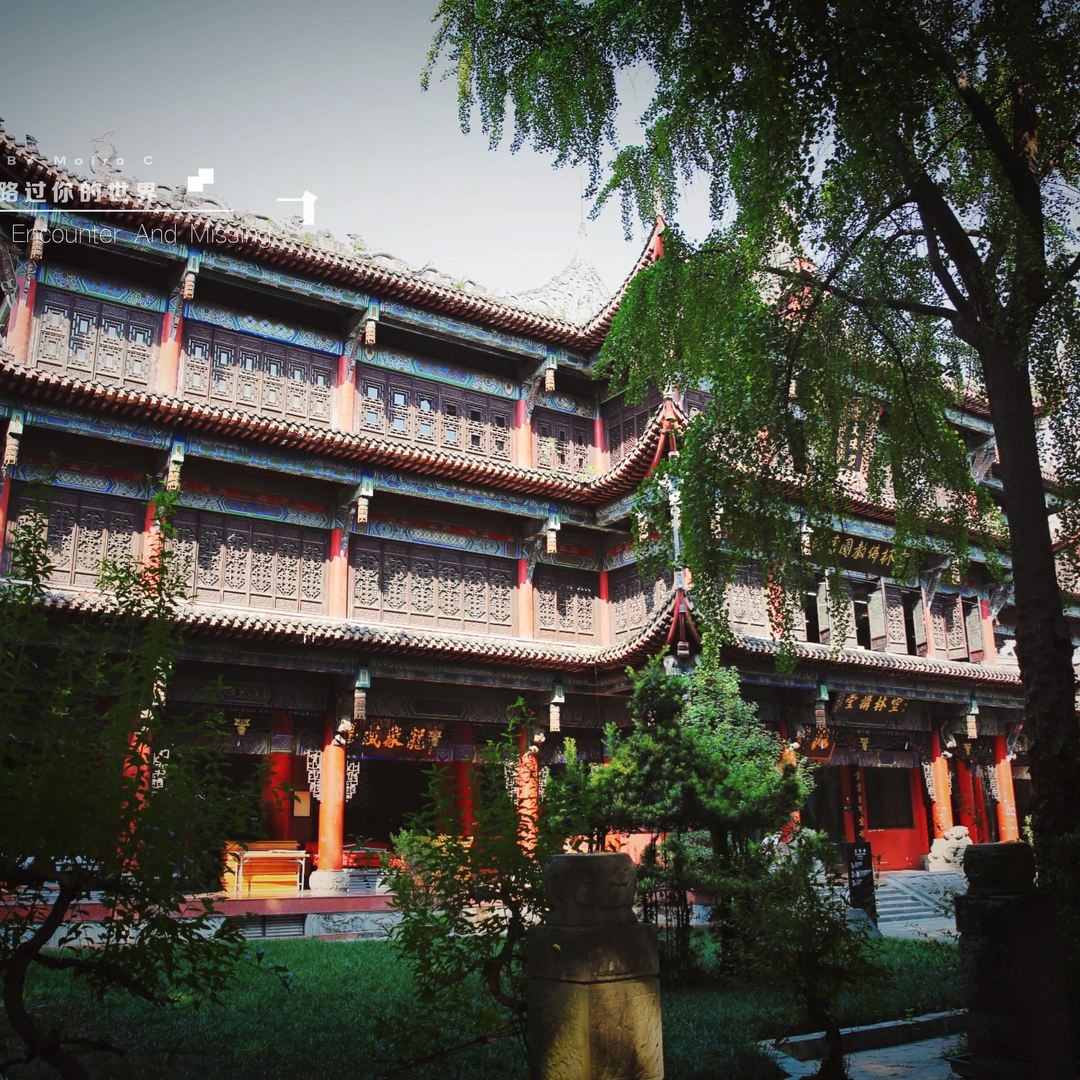
Although Du Fu’s Thatched Cottage has been expanded, it still has its original site and Huanhua Stream as its foundation — the poetry is inescapable. By comparison, the completely rebuilt Wenshu Monastery felt rather dull. I’ll skip the usual Buddhist observations, but what caught me off guard was suddenly catching the smell of cooking oil and smoke as I walked through. My appetite stirred — hardly appropriate for a Buddhist sanctuary. Then I saw the source: a bustling teahouse next door, lively to the point of chaos. If you insist on dividing things into refined and vulgar, Chengdu’s teahouses are decidedly vulgar — not serene at all, but wonderfully free. I couldn’t fully appreciate it myself, but I found it amusing.
As for the Qingyang Palace that followed — it too lacked any ancient atmosphere, so I hurried through.
Between Wenshu Monastery and Kuanzhai Alley, there was a small interlude. I returned to my hotel, and the moment I closed the door behind me, the doorbell rang. First surprise — could an old acquaintance be in this unfamiliar city? Then delight — it was a hotel staff member, who had noticed from my ID that tomorrow was my birthday and brought me an exquisite fruit cake.
I’ve never had a sweet tooth, especially not for the cream from ordinary bakeries, but the gesture warmed my heart. In a strange city among strangers, someone took note of my birthday — even if it was just routine service for them — and for a moment, I felt like a foreign place could feel like home.
As for Kuanzhai Alley, I’m afraid I’ll fall into the trap of finding it disappointing. It’s a tourist hub, no doubt — crowded, commercialized, and loud. But if you look past the neon signs and selfie sticks, there’s a layer of authenticity. The narrow alleys hide tiny courtyards where locals still live, hanging laundry and smoking pipes. The contrast is jarring — ancient architecture meets modern consumerism — but that’s Chengdu in a nutshell: a city that refuses to be pinned down.
[Link: Hidden Gems in Chengdu]
Chongqing: The Mountain City That Never Sleeps
From Chengdu, I took a high-speed train to Chongqing, a city that defies logic. Built on steep hills, it’s a labyrinth of staircases, bridges, and multi-level roads that seem to stack on top of each other. The Liberation Monument stands at the heart of it all, a towering obelisk surrounded by luxury malls. But the real magic happens at night — the city lights up like a cyberpunk dream, with neon reflections dancing on the Yangtze River.
I wandered through Hongya Cave, a 12-story stilt house complex that looks like a floating palace. Inside, it’s a maze of souvenir shops and hot pot restaurants. The smell of Sichuan peppercorns and chili oil fills the air, so pungent it makes your eyes water. I sat by the river, watching ferries glide past, and thought about the movie that started this journey. I Belonged to You might not be a masterpiece, but it captured something real — the ache of longing, the beauty of impermanence.
[Link: Top Things to Do in Chongqing]
Sichuan Cuisine: A Feast for the Senses
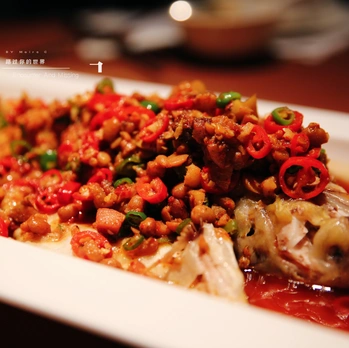
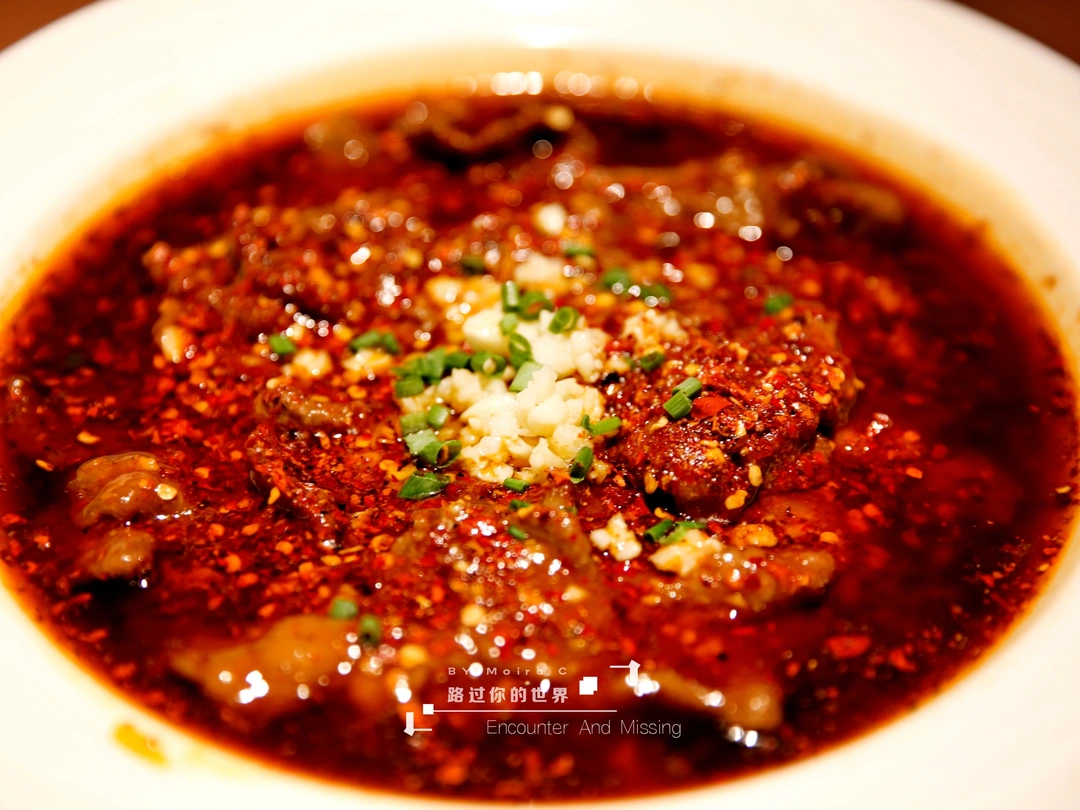
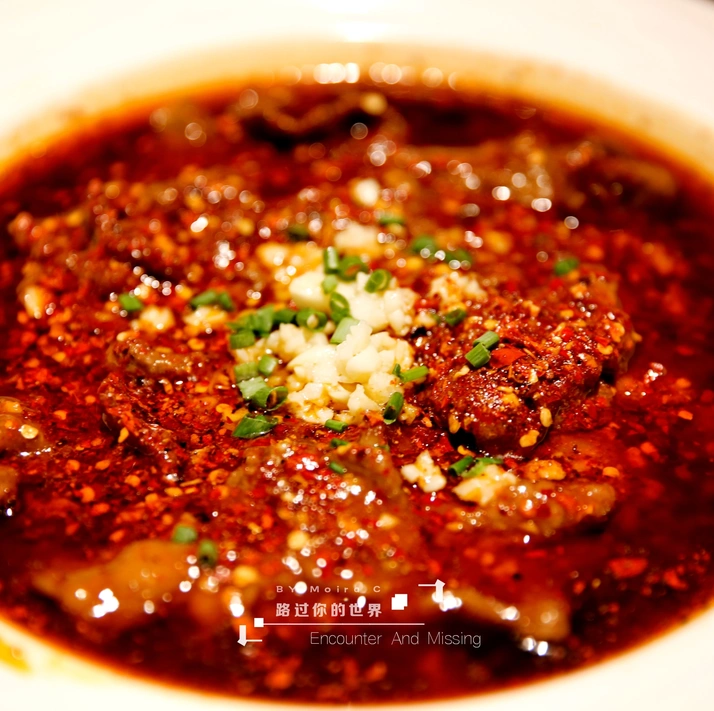
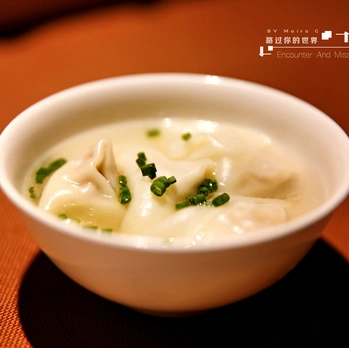
No trip to Sichuan is complete without diving into its legendary cuisine. From mapo tofu to dandan noodles, every dish is a symphony of heat and flavor. I joined a food tour in Chengdu that took me to hidden eateries — hole-in-the-wall joints where the owners have been perfecting their recipes for decades. The highlight was a hot pot feast in Chongqing, where I dipped thinly sliced beef into a bubbling cauldron of chili oil, sweat pouring down my face.
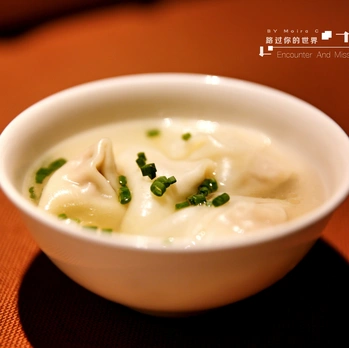
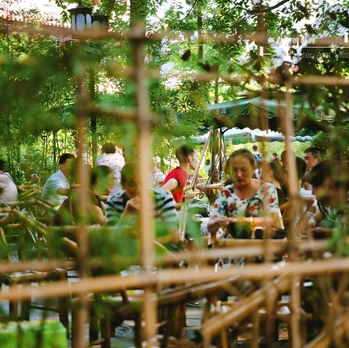
But the real surprise was the teahouse culture. In Chengdu, I spent an afternoon at a traditional teahouse, sipping jasmine tea and watching locals play mahjong. It was chaotic, loud, and utterly charming. The waiter refilled my cup without a word, and for a moment, I felt like I belonged.
[Link: Best Sichuan Dishes to Try]
Practical Tips for Solo Travelers
If you’re planning a solo trip to Sichuan and Chongqing, here are a few tips:
- Best time to visit: Spring (March-May) and autumn (September-November) offer mild weather and fewer crowds.
- Getting around: High-speed trains connect Chengdu and Chongqing in about 1.5 hours. Within cities, use the metro or ride-hailing apps.
- Language: English is not widely spoken, so download a translation app or learn a few basic phrases.
- Safety: Both cities are very safe for solo travelers, even at night.
- Budget: Expect to spend around $50-80 per day, including accommodation, food, and attractions.
[Link: Solo Travel Safety Tips]
FAQ: Solo Travel in Sichuan and Chongqing
Q: Is Sichuan safe for solo female travelers?
A: Yes, Sichuan is generally very safe. Main cities like Chengdu and Chongqing have low crime rates, and locals are friendly and helpful.
Q: Do I need to speak Chinese to travel solo in Sichuan?
A: While it helps, you can get by with basic phrases and a translation app. Many tourist spots have English signage.
Q: What’s the best way to get between Sichuan and Chongqing?
A: High-speed trains are the fastest and most convenient option, taking about 1.5 hours from Chengdu to Chongqing.
Q: Can I visit Du Fu’s Thatched Cottage without a guide?
A: Absolutely. The cottage is easy to explore on your own, with plenty of information boards in English.
Q: What should I pack for a trip to Sichuan?
A: Comfortable walking shoes, a light jacket (for cooler evenings), and an umbrella (rain is common). Don’t forget your camera!
Conclusion: A Journey to Remember
As I boarded the train out of Chongqing, I felt a pang of sadness. This journey had been more than a vacation — it was a return to myself. The landscapes of Sichuan, the chaos of Chongqing, the poetry of Du Fu — they all reminded me that life is about passing through, not staying. And that’s okay.
If you’re looking for a solo travel destination that combines history, culture, and adventure, Sichuan and Chongqing are waiting for you. Start planning your trip today — and don’t forget to bring an open heart.
[Link: Book Your Sichuan Tour Now]
Ready to explore Sichuan and Chongqing?
[CTA: Plan Your Solo Journey Here]
You may also like


