Pandas, Hotpot, and the Hearth of Humanity: A Deep Dive into Sichuanese Culture
Meta Description: Discover the heart of Sichuan through pandas, hotpot, and ancient wonders. Explore Chengdu's slow life, Giant Panda Base, Sanxingdui Museum, and more in this SEO-optimized guide.
Prologue: Where the Spirit of Everyday Life Meets the Soul of the Mountains and Waters
"Don't enter Sichuan as a young man; don't leave Sichuan as an old man." This ancient saying encapsulates the unique philosophy of life that permeates the land of Sichuan. This summer vacation, I finally led my family onto this long-yearned-for soil — not to tick off tourist spots, but to personally experience that "bā shì" (comfortable, leisurely) slow life so many people have sung praises of.
Over seven days, from the smoky alleys of Chengdu to the thousand-year-old Giant Buddha of Leshan, and then to the sea of clouds and Golden Summit of Mount Emei, we ate hotpot like locals, watched pandas, strolled through ancient streets, and found our own rhythm amid the steaming, bustling atmosphere of everyday life and the solemn, timeless cultural relics.
Chapter One: Landing in Chengdu, the Ritual of the First Hotpot Bite
From the Airport to Chunxi Road: A Smooth Start
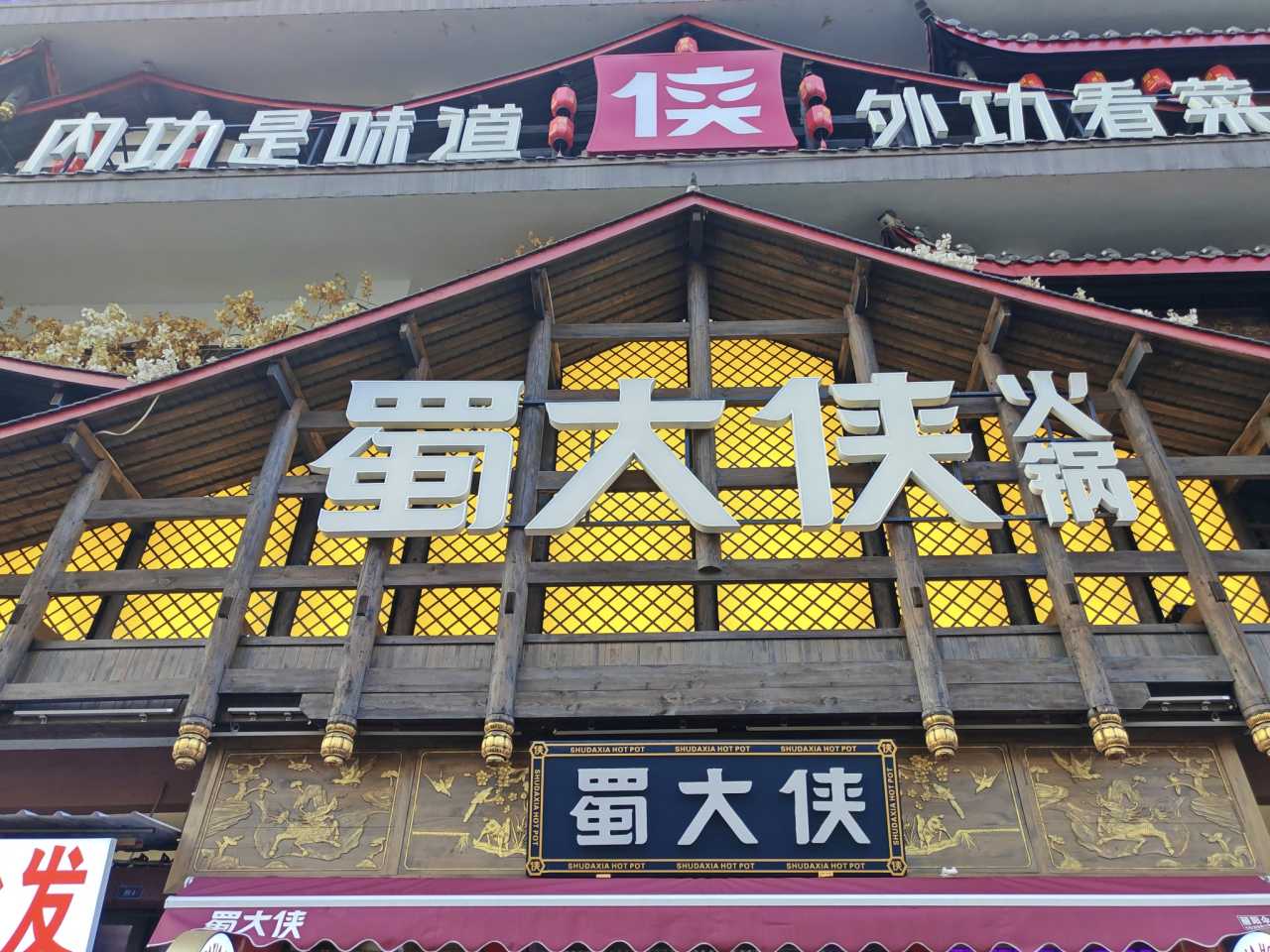
On July 28, 2025, we flew from Wuxi with Shenzhen Airlines. After a flight of just over two hours, we landed smoothly at Chengdu Tianfu International Airport. The typhoon "Kujira" that had worried us before departure had long dissipated, and we were greeted by clear, boundless skies.
Tianfu Airport is indeed impressive — located in Jianyang City, over 60 kilometers from downtown Chengdu. Fortunately, airport buses run directly to Chunxi Road, departing every 20 minutes at 15 yuan per person, reaching the city center in 1 hour and 10 minutes. The hotel we checked into, Jincheng Luoman Ziwei Hotel, was right in the heart of Chunxi Road, just 200 meters away on foot.
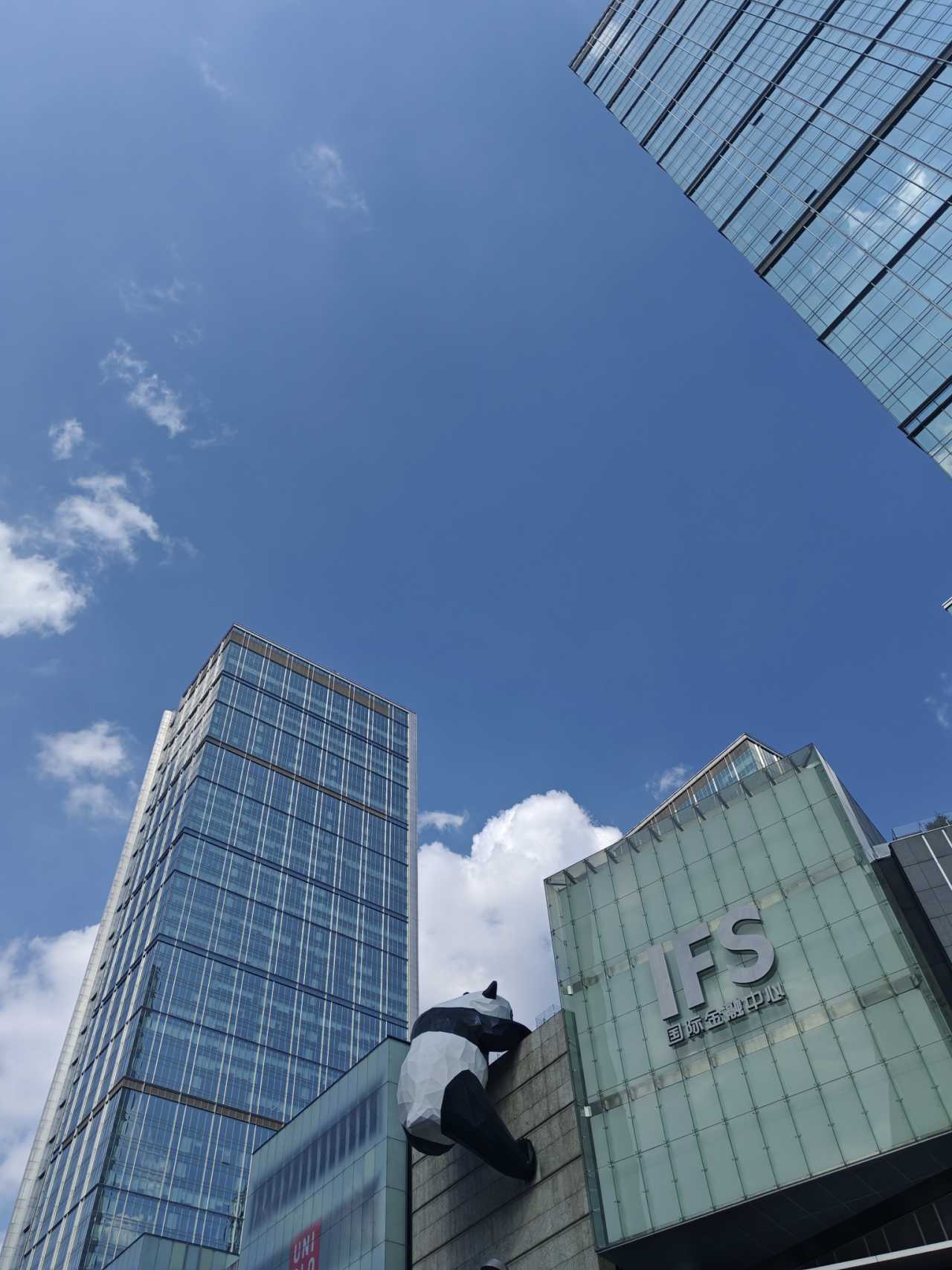
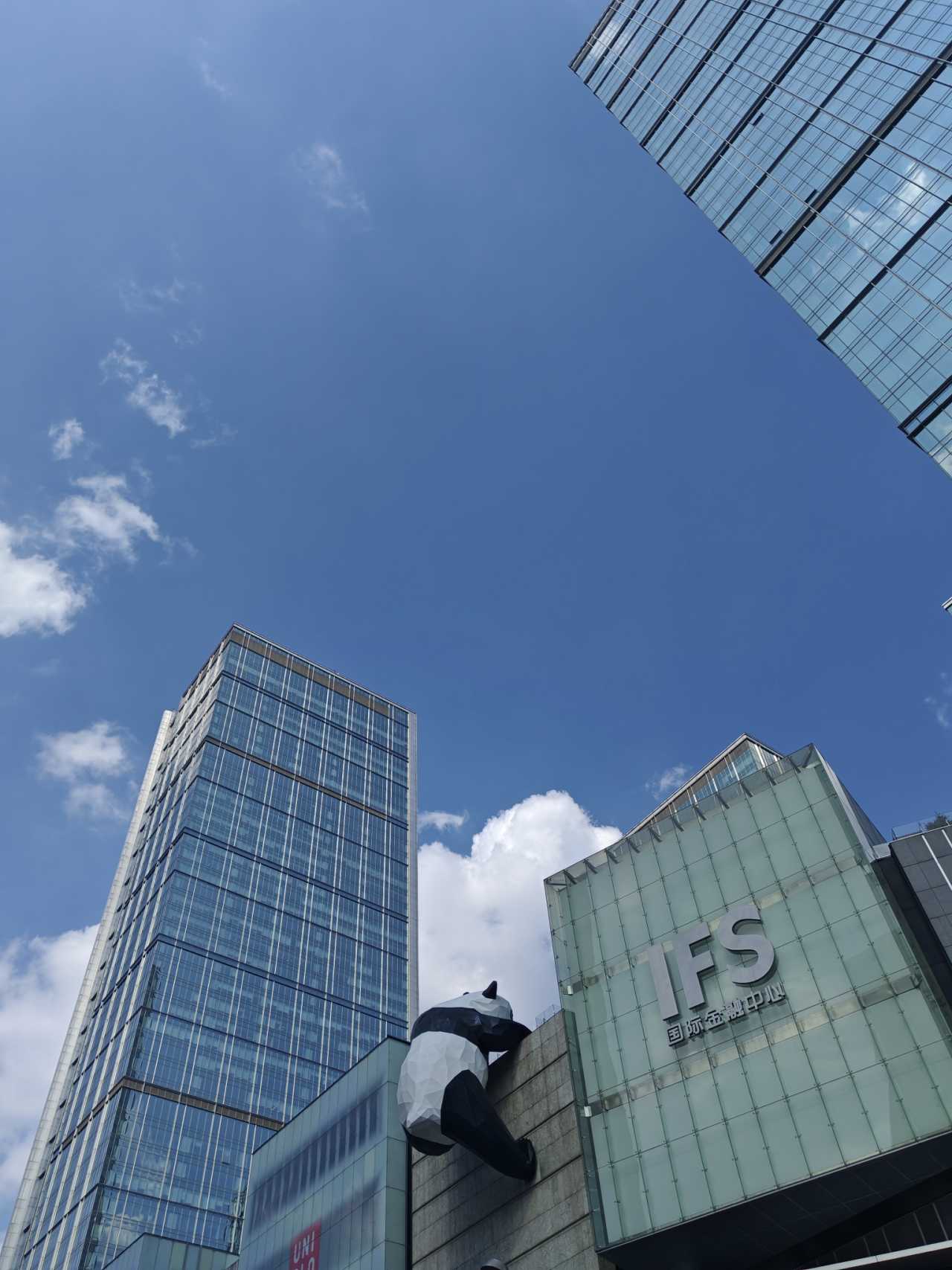
As soon as we got off the bus, the famous "lying-down panda" sculpture at the IFS International Financial Center came into view — this climbing-wall panda has become a symbol of Chengdu. Day or night, tourists always stop here to take a photo. [Link: Chengdu travel guide]
A Night Stroll through Jinli: A Modern Interpretation of a 2,000-Year-Old Street
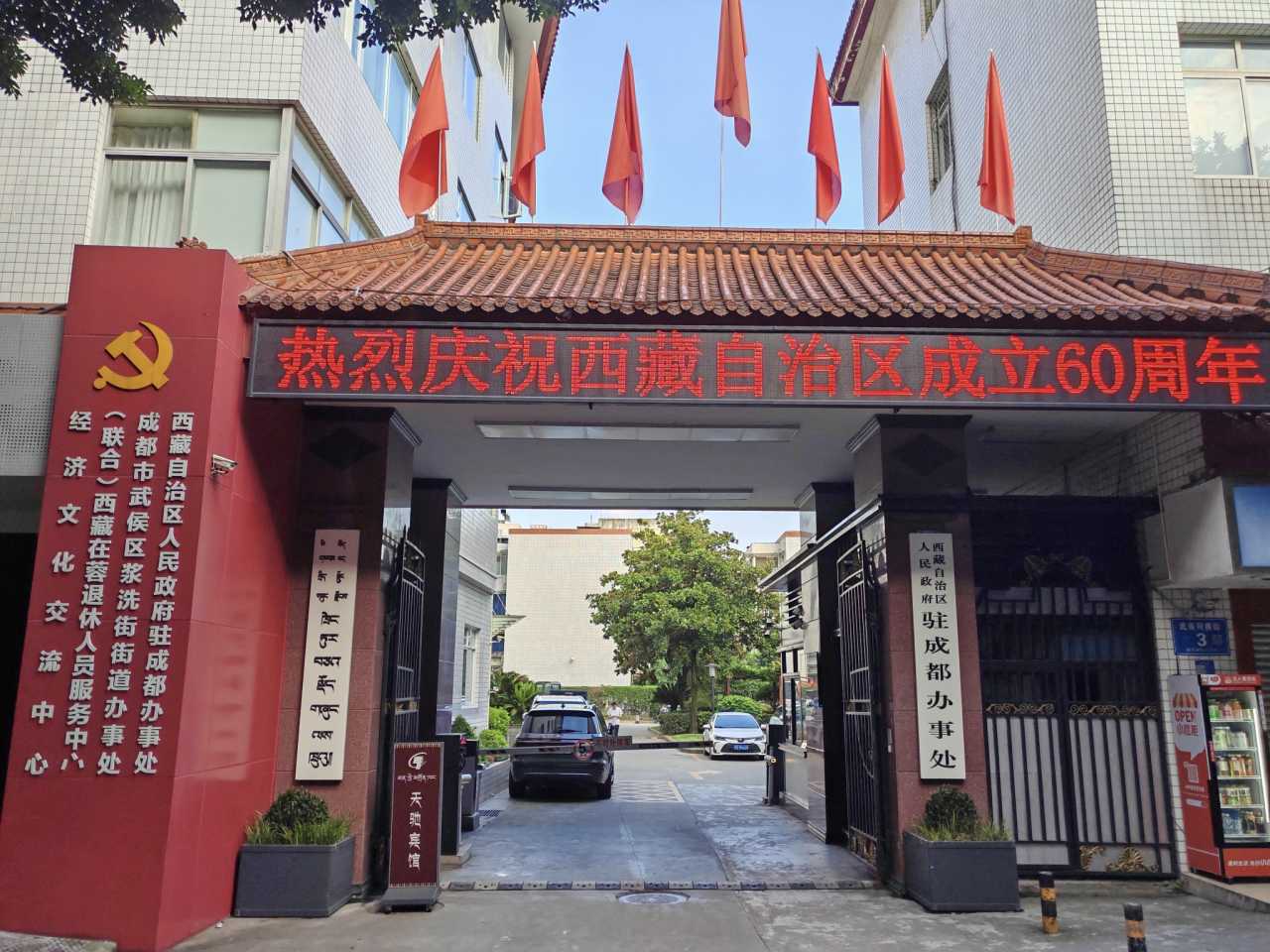
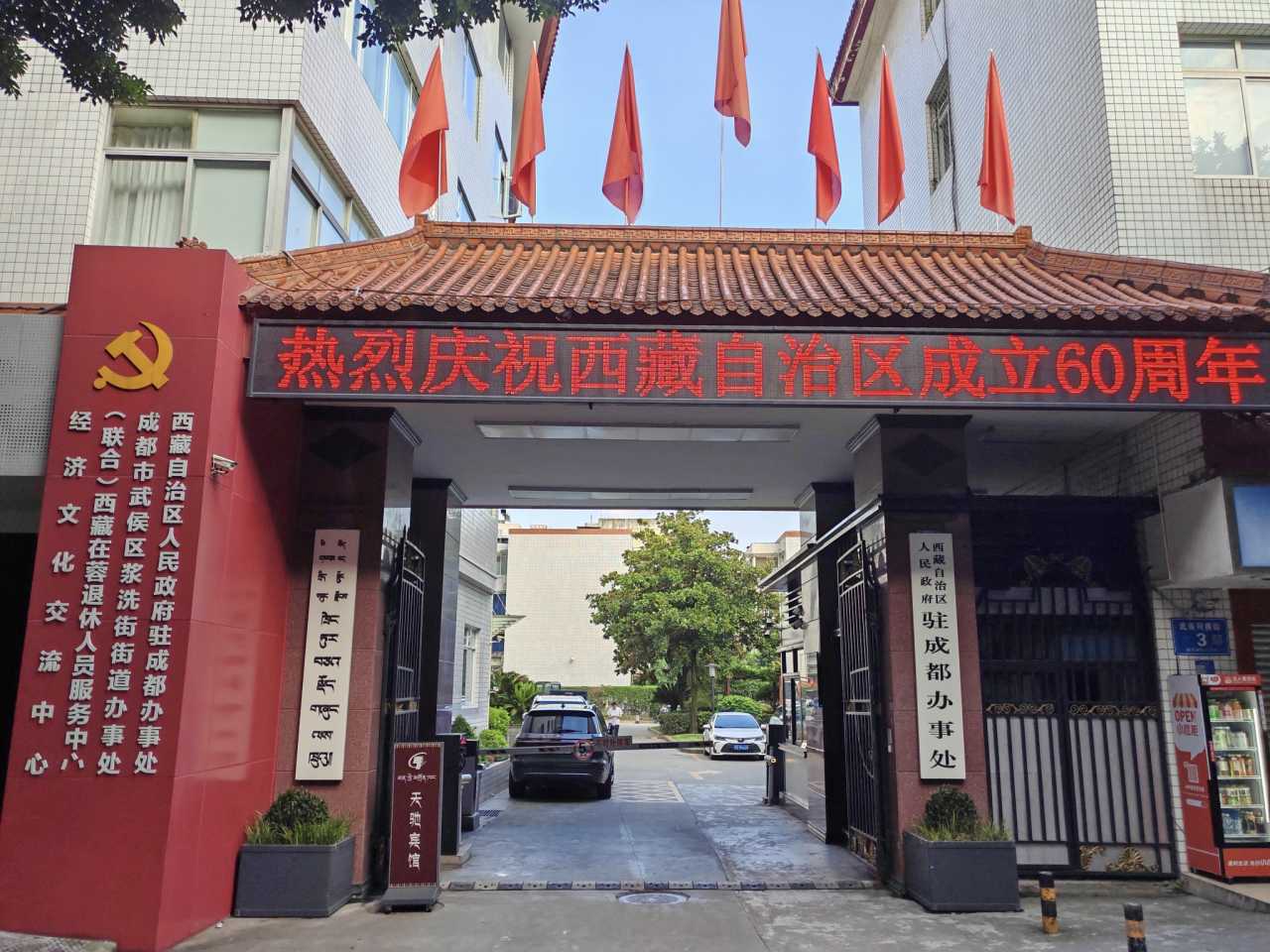
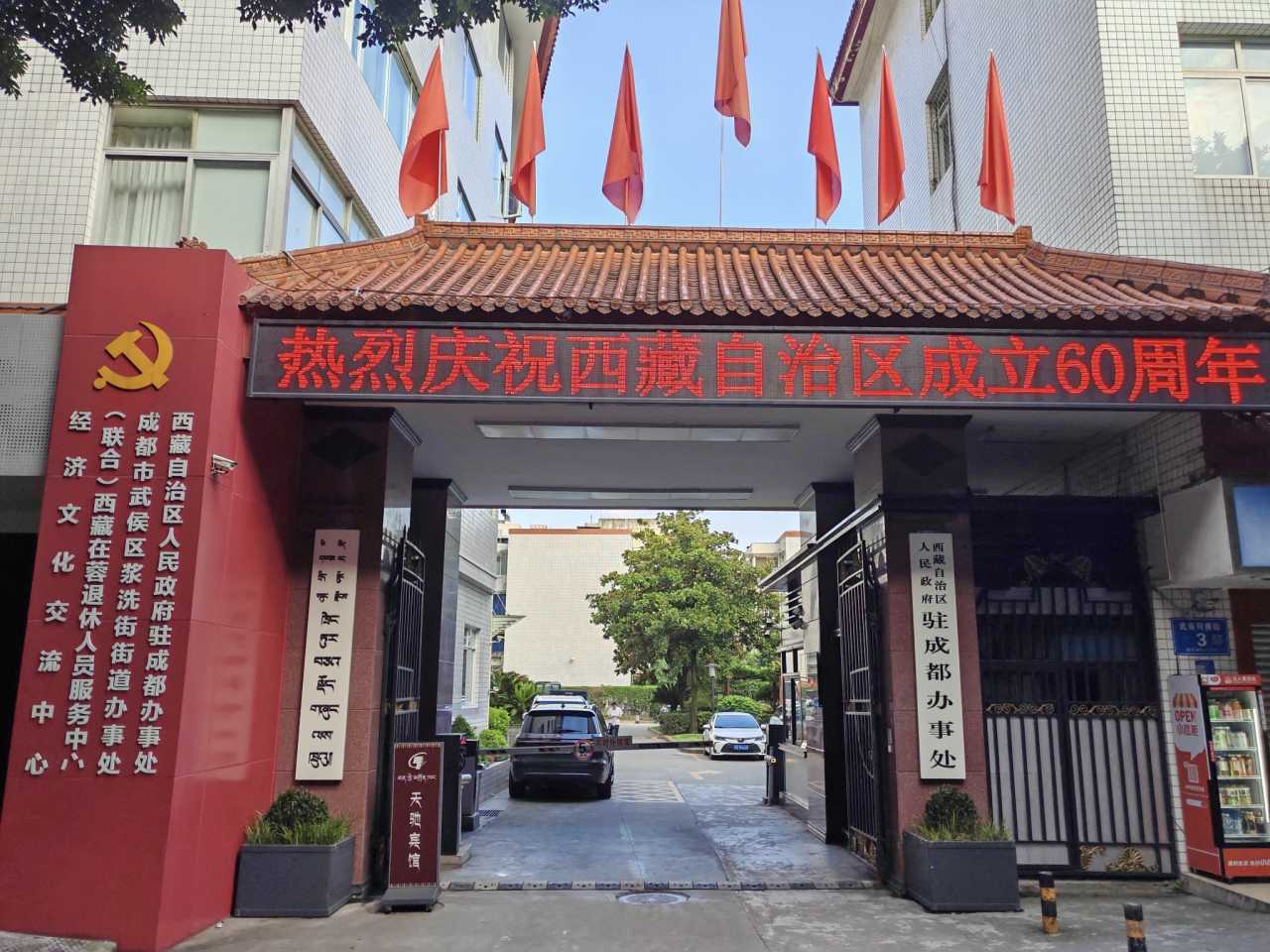
After settling in, we headed straight for the Wuhou Shrine and Jinli Ancient Street. Taking the metro to Gaoshengqiao Station, we walked 800 meters, passing the Tibet Autonomous Region's office in Chengdu. Along the street, Tibetan restaurants and Buddhist supply shops lined the way, giving us an unexpected taste of Tibetan culture.
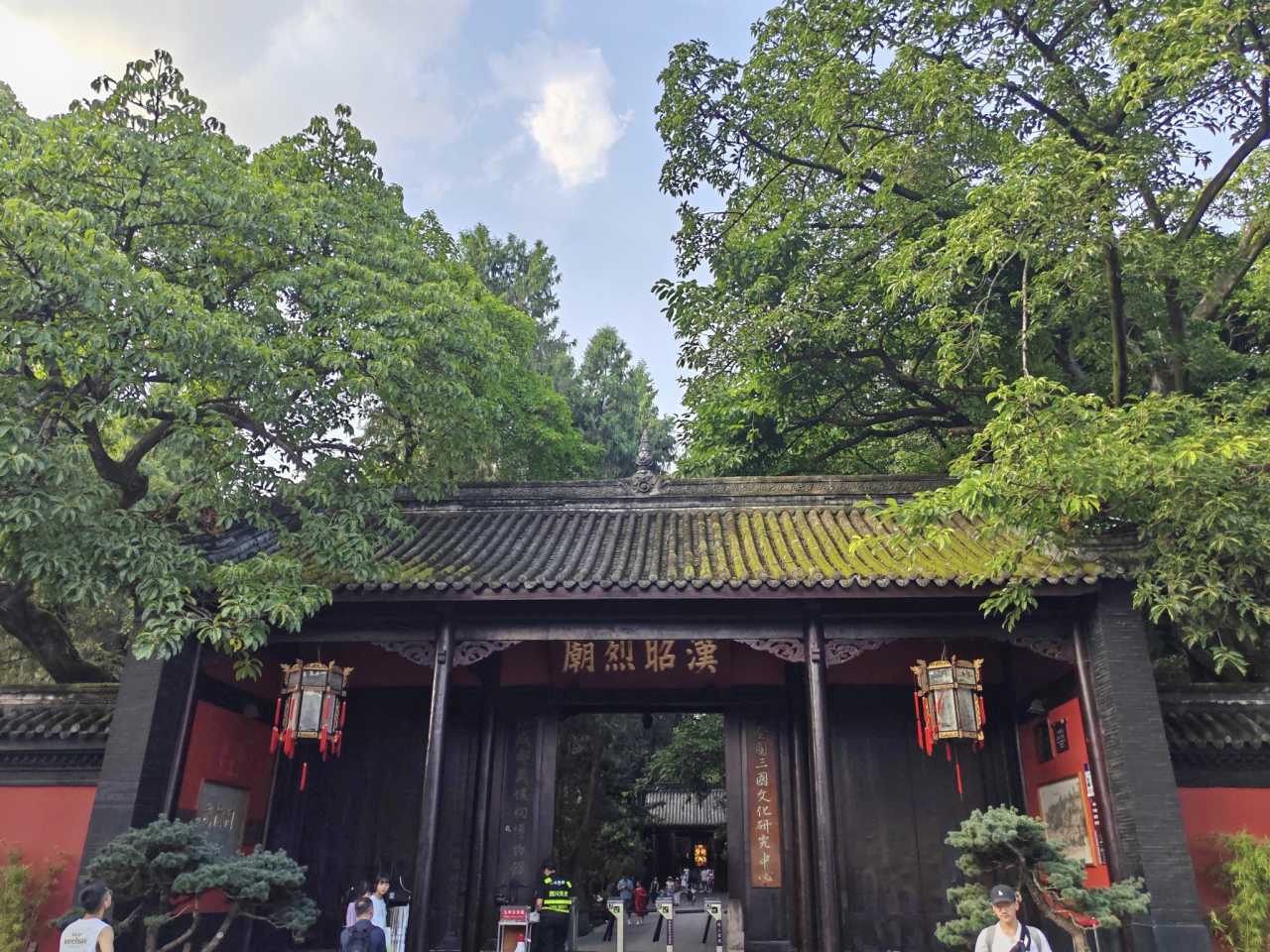
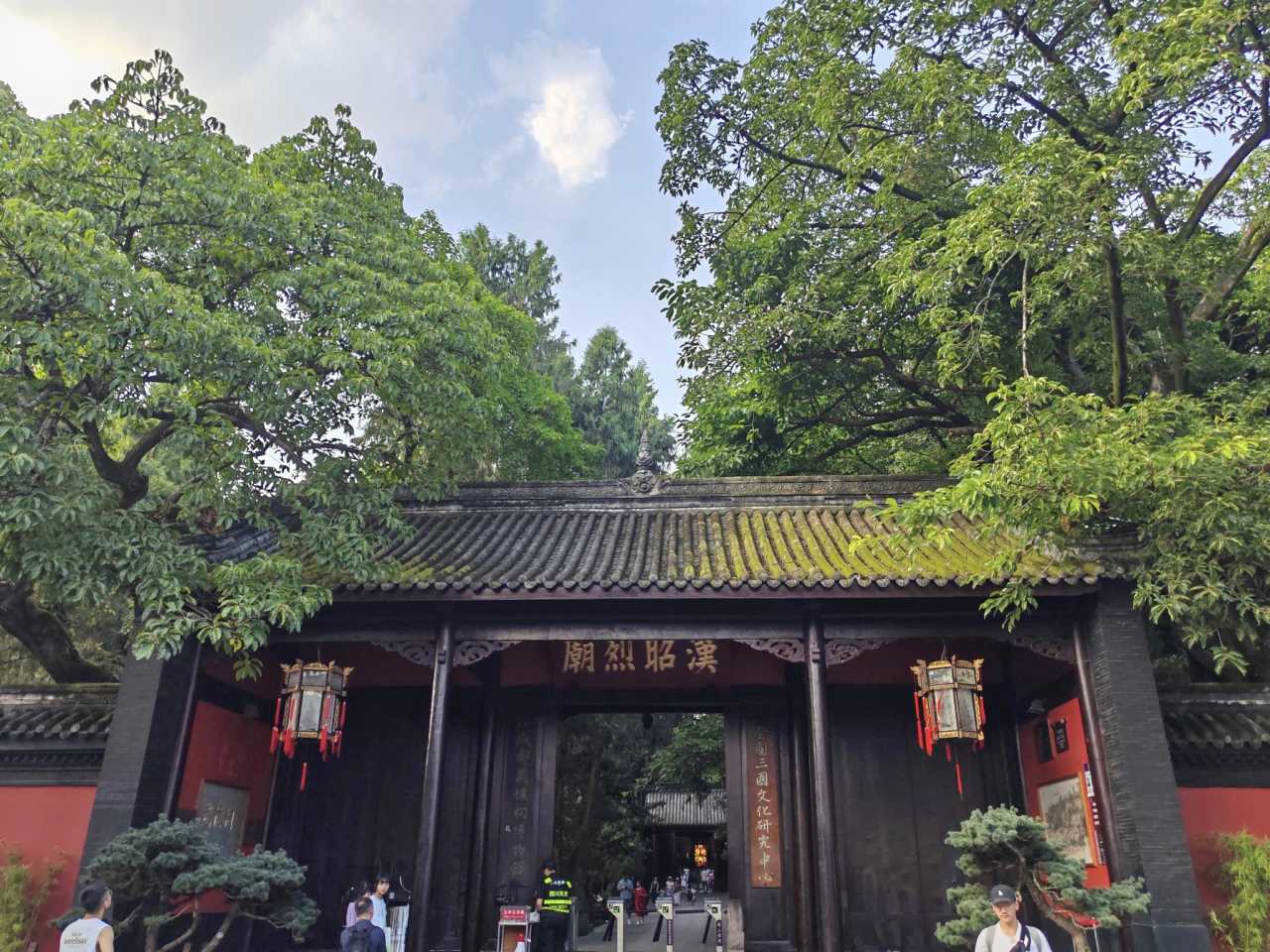
Wuhou Shrine closed at six o'clock, so we could only snap a photo at the entrance — but that was no regret, because the real highlight was waiting for us: hotpot.
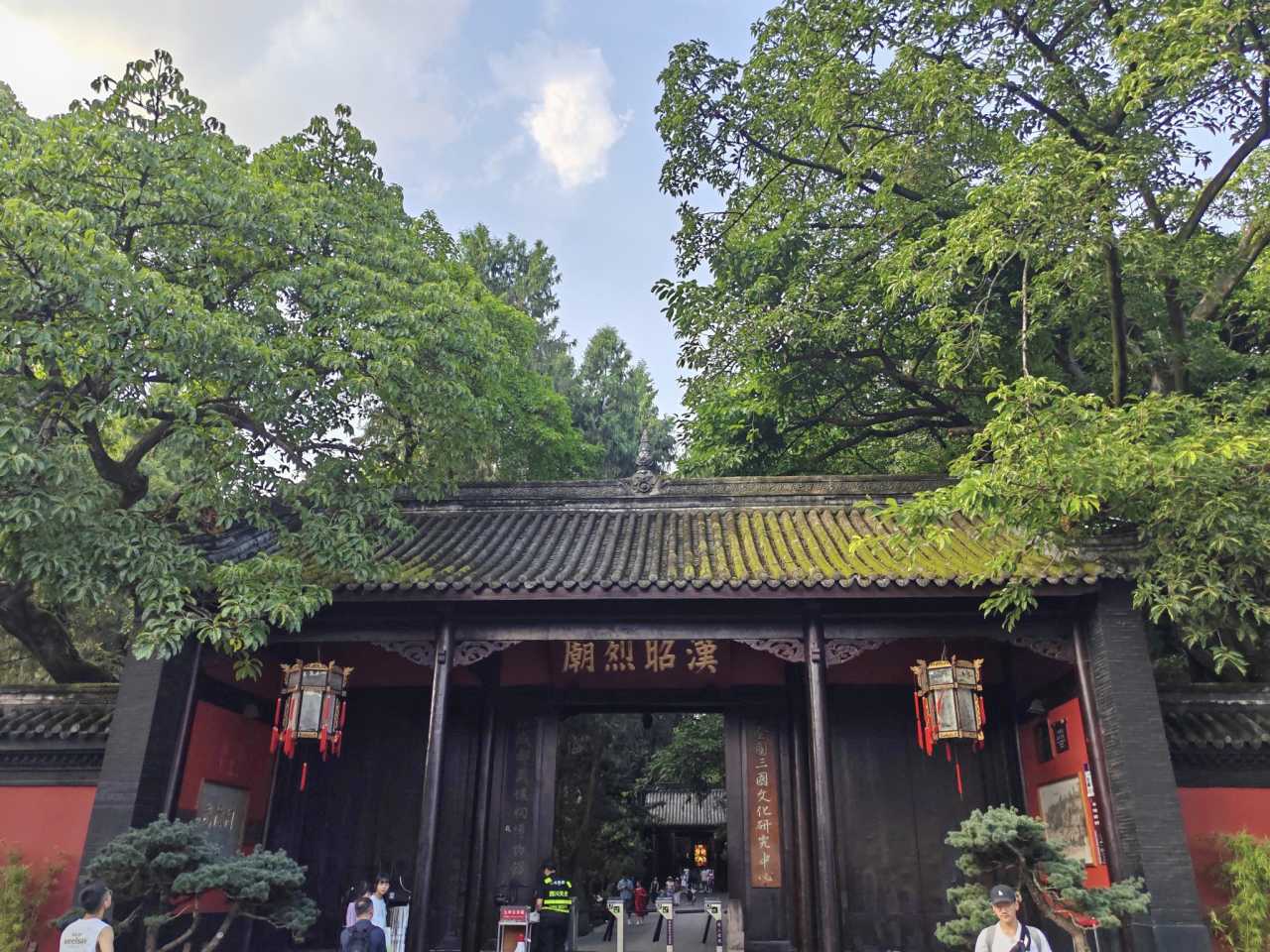
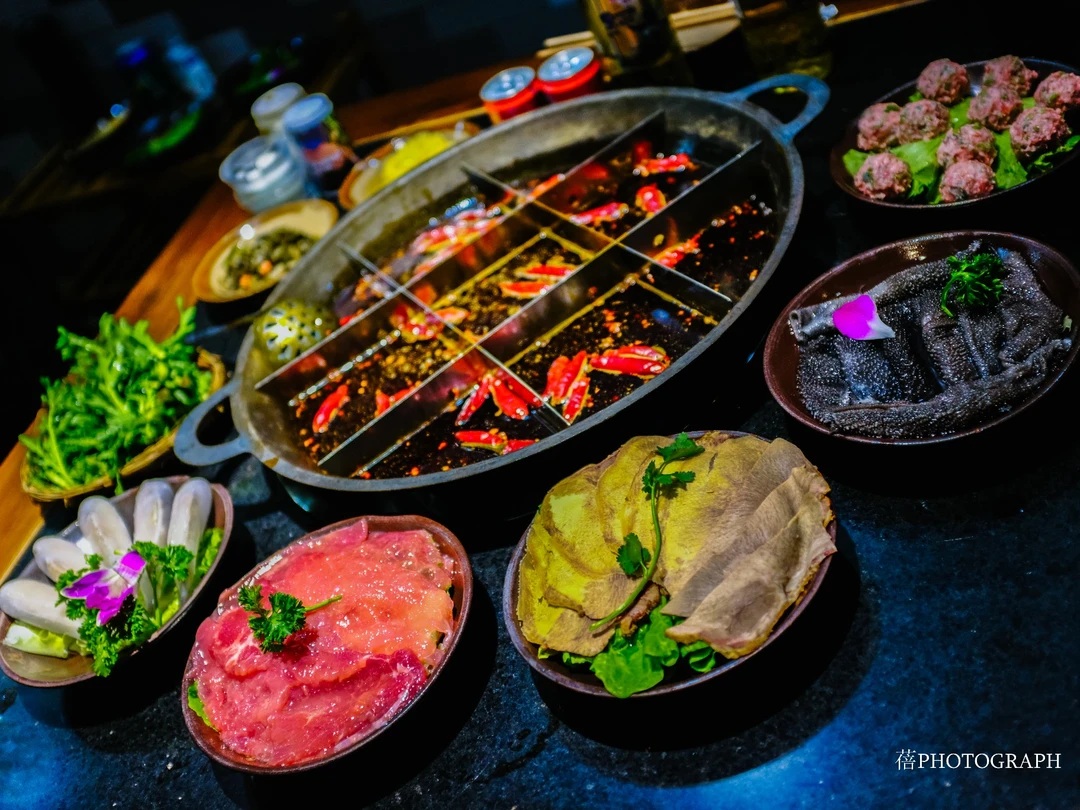
For our first hotpot, we chose "Shu Daxia" (Sichuan Hero). As a well-known local chain brand in Chengdu, the quality at its directly-operated stores is guaranteed. For someone like me who can't handle too much spice, the yuanyang (half-spicy, half-mild) pot was a wise choice — the numbing, spicy, and aromatic red broth complemented the rich, clear sweetness of the white broth perfectly. The ingredients were fresh, the portions generous, the prices affordable, and the service attentive. This hotpot gave our Chengdu trip a fantastic start.
After eating our fill, we strolled to Jinli Ancient Street. Originally built during the Qin and Han dynasties, this ancient street has a history of over 2,000 years, its name derived from "Jinguan City" (Brocade Official City). Today's Jinli was rebuilt in 2004, stretching 550 meters and preserving the architectural style of Western Sichuan folk houses from the late Ming and early Qing dynasties. As night fell, lanterns lit up, and the reflections on the water of Huanglong Pond were dreamlike — this is Jinli's most classic nighttime photo spot.
Panda dolls were everywhere on the street. Tomorrow, we would see the real ones — my heart was full of anticipation.
Chapter Two: The Double Shock of National Treasures and Ancient Shu Civilization
The Giant Panda Base: A Morning of "Bear" Life in All Its Forms
The next morning, we set off at 7:15 AM, joining a day tour group. The reason for choosing this tour was simple: the Panda Base and the Sanxingdui Museum are far apart, and tickets for Sanxingdui are extremely difficult to book in advance. Joining a group saved us all that hassle.
After a half-hour drive, we arrived at the Chengdu Research Base of Giant Panda Breeding. Entering before 8:00 AM, the crowd was still manageable — pandas are generally active in the morning and mostly sleep in the afternoon, so morning visits are best.
Although the base is not a 5A scenic spot or a UNESCO World Natural Heritage site, as the world's largest artificial breeding center, it forms a complete panda conservation system together with wild habitats like Wolong, Siguniang Mountain, and Dujiangyan. It is undeniably Chengdu's tourism calling card. [Link: Giant panda conservation efforts]

We walked to the No. 1 Villa at the top of the hill, surrounded by dense bamboo groves with various species of bamboo in different shapes. Due to the summer heat, most pandas had retreated indoors to enjoy the air conditioning. No. 1 Villa housed three "stars": Yuanmeng (who once lived in France), and Mengxiang and Mengyuan (twins who once lived in Germany). Through the glass, we watched them leisurely munching on bamboo. Tourists endured the scorching heat in line, only to be "escorted" away by security after three to five minutes.
No. 2 Villa was home to Yuanrun and her two cubs, Runze and Runyang. The juvenile pandas in the Moon Delivery Room were even more endearing — at birth, they weigh only about 120 grams, one-thousandth of an adult panda's weight. The corridor walls displayed the growth trajectory of panda cubs, from tiny pink meatballs to the black-and-white "national treasures," each stage a marvel.
The base also has red pandas — body length 50-60 centimeters, with reddish-brown fur, round faces, large ears, and excellent climbing skills. They are a Class II nationally protected animal. They may not be the main attraction, but they are equally adorable, good neighbors to the giant pandas.
Unfortunately, we didn't get to see the base's top star, "Huahua" (formally named Hehua). She lives in the No. 6 Villa, with a queue of at least an hour, and in summer, she only "works" for half an hour to an hour before closing the door to visitors. Borrowing a photo from the internet, we considered our wish fulfilled.
In half a day, we saw a total of 13 giant pandas and 1 red panda — quite a harvest during the peak summer season.
Sanxingdui: Asleep for Three Thousand Years, Waking to Shake the World
After lunch in Sanxingdui Town, we arrived at the Sanxingdui Museum. This national first-class museum is located in Guanghan City. The new building opened on July 27, 2023, with tickets priced at 72 yuan, but booking during peak season is as difficult as getting tickets for the Forbidden City.
The Sanxingdui site is the largest, longest-lasting, and culturally richest ancient Shu civilization site in Southwest China. The new museum displays over 600 artifacts from pits No. 3 to No. 8, discovered during archaeological excavations in 2021. A spiral staircase connects the basement to the second floor, with no steps, only a gentle slope — a design full of flair.
Entering the exhibition hall, the character "蜀" (Shu) immediately set the theme. The Sanxingdui civilization dates back 3,000 to 5,000 years, spanning from the Neolithic Age to the Shang Dynasty. A large screen displayed various unearthed treasures in three dimensions, overwhelming the eyes.
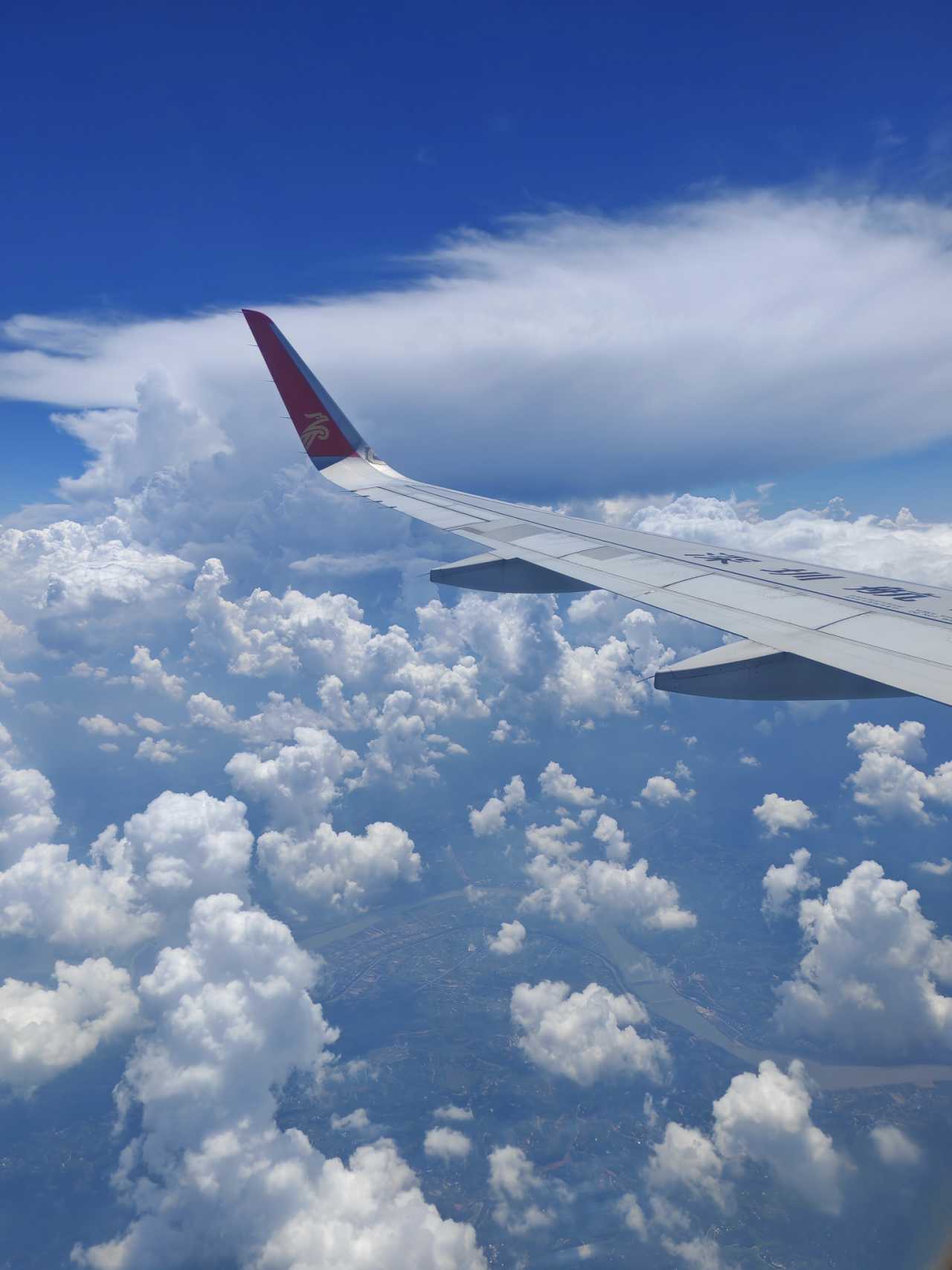
The Gold Mask: Only half remains, weighing about 260 grams.
The Bronze Figure with a Gold Mask: Many new gold artifacts were unearthed, the most famous being the Gold Scepter — 1.43 meters long, weighing 463 grams, engraved with fish and bird patterns, symbolizing royal and divine power. It is one of 195 artifacts permanently banned from overseas exhibition, of which Sanxingdui possesses four.
The Bronze Standing Figure: 2.62 meters tall, weighing 180 kilograms, standing on a sacrificial platform. Its hands are frozen in a gesture of offering, holding something that has long since vanished — perhaps a scepter, perhaps an elephant tusk, perhaps a symbol of life.
Walking through the museum, I felt the weight of time. Sanxingdui is not just a museum; it’s a window into a lost world. [Link: Ancient Shu civilization history]
Chapter Three: Leshan's Giant Buddha and Mount Emei's Golden Summit
Leshan Giant Buddha: A Millennium of Serenity
On the third day, we took a bus to Leshan, home of the world's largest stone-carved Buddha. The Leshan Giant Buddha is 71 meters tall, carved into a cliff face overlooking the confluence of three rivers: the Min, Qingyi, and Dadu. It was started in 713 AD during the Tang Dynasty and took 90 years to complete.
We took a boat ride to get the best view. The Buddha sat majestically, his hands resting on his knees, his expression peaceful and wise. The wind blew across the river, and for a moment, all the noise of the world seemed to fade. [Link: Leshan travel tips]
Mount Emei: Sea of Clouds and Golden Summit
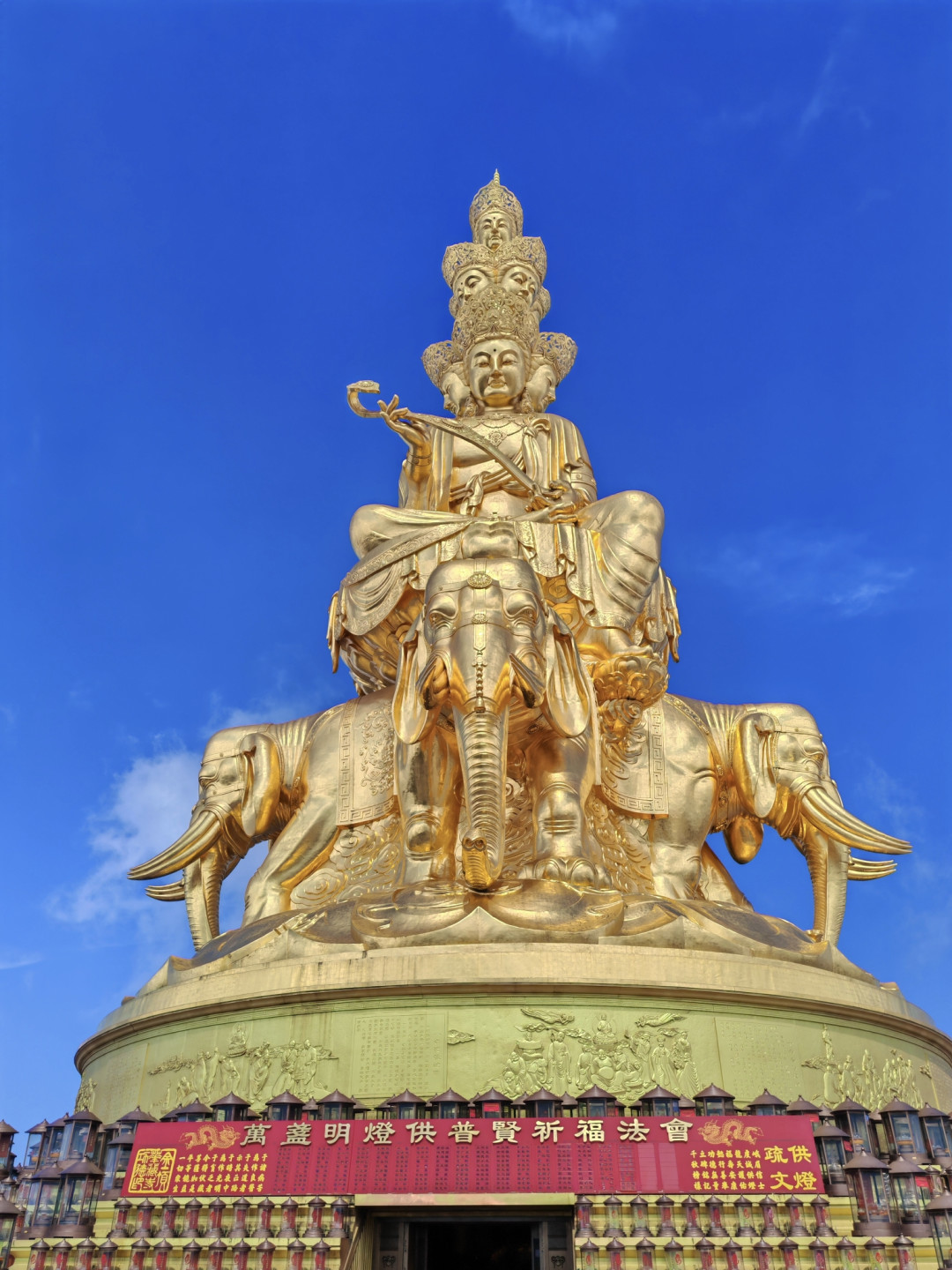
After Leshan, we headed to Mount Emei, one of China's Four Sacred Buddhist Mountains. We took the cable car to the Golden Summit, which sits at 3,079 meters. The sea of clouds stretched endlessly, and the golden statue of Samantabhadra glowed in the afternoon sun.
The temperature dropped sharply at the summit. We wrapped ourselves in rented down jackets, sipping hot tea while watching the clouds roll by. It was a moment of pure tranquility — a reminder that Sichuan's beauty is not just in its food and pandas, but in its sacred landscapes.
Chapter Four: The Soul of Sichuan — Hotpot, Tea, and the Slow Life
Hotpot Culture: More Than Just Food
Back in Chengdu, we dedicated an entire evening to hotpot culture. We visited a local favorite, "Huangcheng Laoma", a legendary brand with over 20 years of history. The broth was bubbling with chilies and Sichuan peppercorns, the aroma intoxicating. We dipped tripe, beef, and vegetables into the spicy red broth, then cooled our mouths with a bowl of ice jelly (bingfen).
Hotpot in Sichuan is not just a meal; it’s a social ritual. Friends and families gather around a simmering pot, sharing stories and laughter. It’s a metaphor for the Sichuan spirit — bold, communal, and full of life.
Tea Houses and the Slow Life
On our last day, we visited a traditional tea house in People's Park. We ordered a pot of Sichuan jasmine tea and sat under a bamboo canopy, watching locals play mahjong and chat. The pace of life here is unhurried. People don’t rush; they savor.
This is the essence of "bā shì" — a way of life that values comfort, connection, and contentment. It’s a lesson for all of us who live in the fast lane.
Frequently Asked Questions (FAQ)
1. What is the best time to visit Chengdu for pandas and hotpot?
The best time to visit Chengdu is spring (March to May) and autumn (September to November) when the weather is mild. Pandas are most active in the morning, and hotpot is enjoyed year-round. Avoid summer if you dislike heat and crowds.
2. How can I book tickets for Sanxingdui Museum?
 Tickets for Sanxingdui Museum are available on their official website or through third-party platforms like Ctrip and Flighy. Book at least 2-3 weeks in advance during peak season. The museum is closed on Mondays.
3. Is Chengdu safe for solo travelers?
 Yes, Chengdu is very safe for solo travelers. The city has a low crime rate, and public transportation is efficient. English signage is common in tourist areas, and locals are generally friendly.
4. What should I eat besides hotpot in Chengdu?
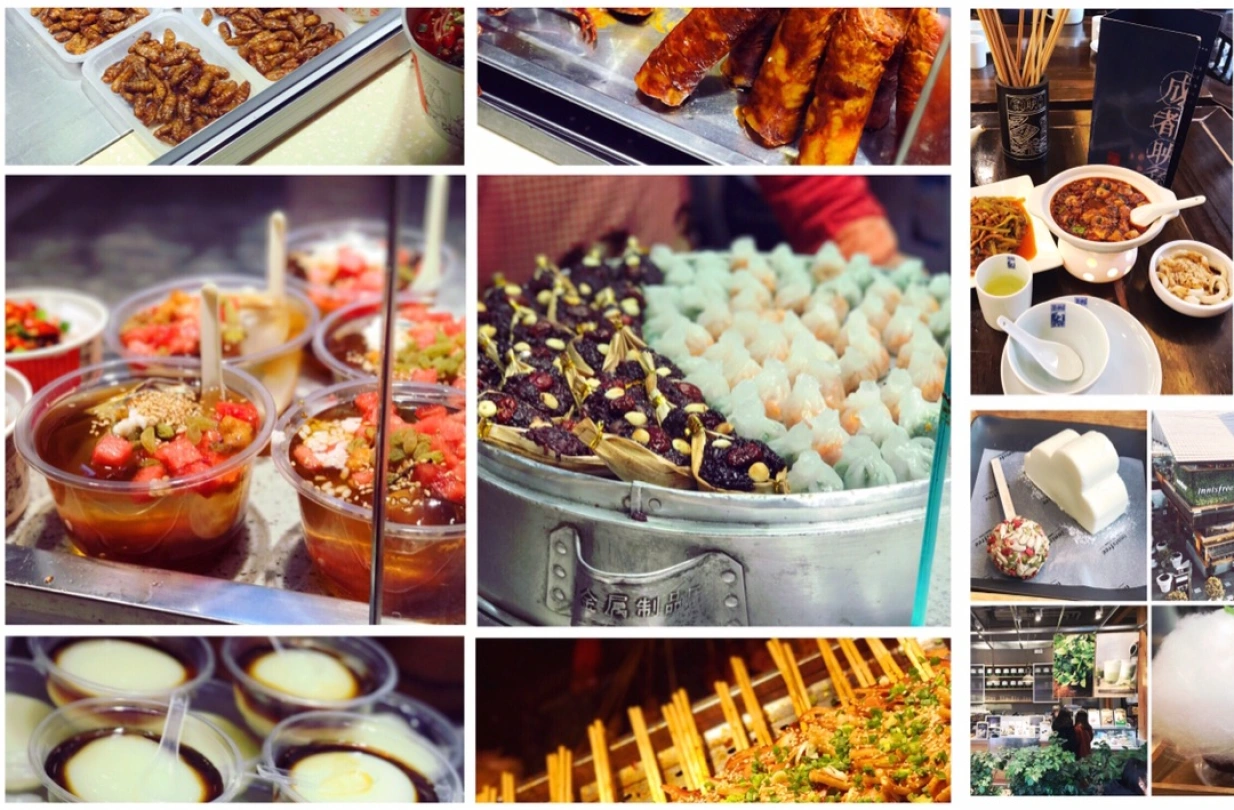
Don’t miss dan dan noodles, mapo tofu, kung pao chicken, Sichuan wontons, and ice jelly. For dessert, try san da pao (three big guns) — a glutinous rice ball coated with sesame and sugar.
5. How do I get from Chengdu to Mount Emei?
Take a high-speed train from Chengdu East Station to Emeishan Station (about 1 hour). From there, take bus 5A to the Mount Emei scenic area. The journey is convenient and affordable.
Conclusion: Your Sichuan Adventure Awaits
Sichuan is a land of contrasts — where ancient temples meet modern skyscrapers, where fiery hotpot cools with ice jelly, and where pandas and people coexist in harmony. Whether you’re a foodie, a history buff, or a nature lover, Sichuan offers an experience that will stay with you long after you leave.
Ready to plan your trip? Start by booking your flights to Chengdu Tianfu Airport, reserve your hotel near Chunxi Road, and prepare your appetite for the best hotpot of your life. Don’t forget to bring a camera for the pandas — and an open heart for the slow life.
Book your Sichuan tour today and discover why this region is called the "Hearth of Humanity." [Link: Sichuan tour packages]
This article is based on a personal travel experience. Prices and availability may change. Always check official websites for the latest information.
You may also like