Beyond the Giant Buddha: The Ultimate Leshan Travel Guide to Hidden Gems, Local Food & Culture
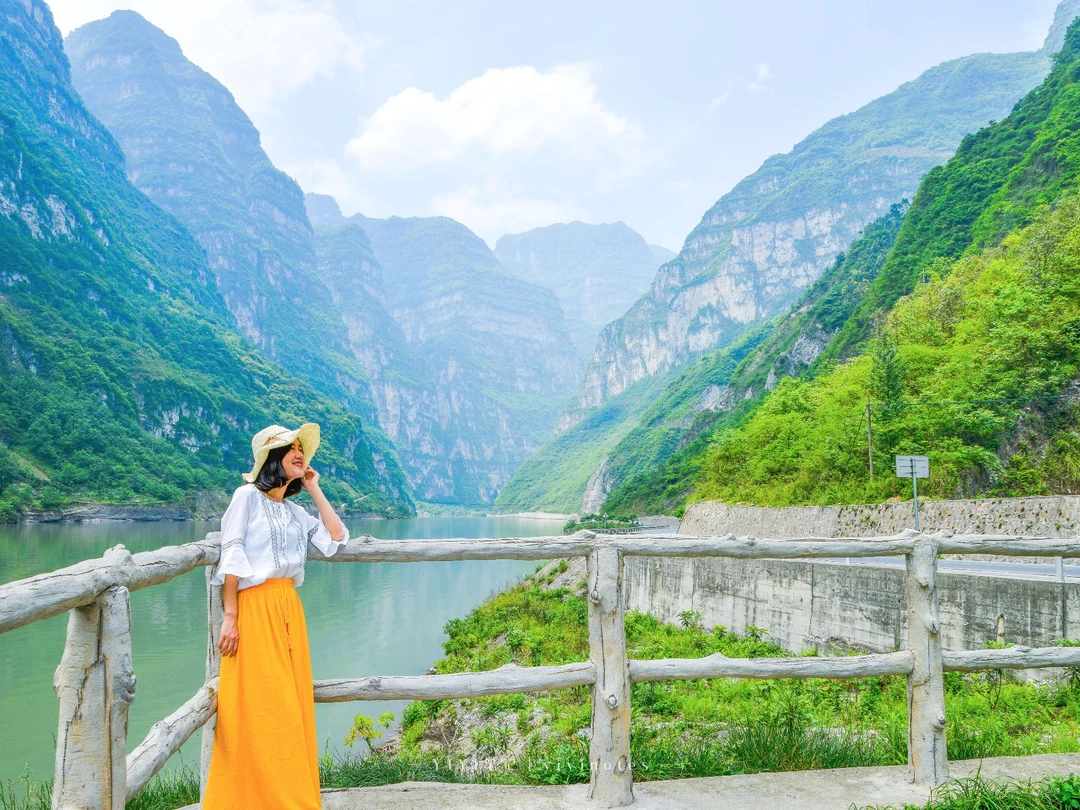
Meta Description: Discover Leshan beyond the Giant Buddha. Explore Thousand Buddha Cliff, Jiajiang papermaking, Emei foothills & local cuisine. Your complete guide to Leshan's secret treasures.
When people hear "Leshan," they almost always think of two things: the colossal Buddha carved into the cliff, and the sacred mist-shrouded peaks of Mount Emei. And I get it—these are world-class wonders. But here's the thing that still surprises me: so many travelers assume Leshan is a mountain. It's not. It's a city. A vibrant, delicious, ridiculously beautiful city that happens to be my hometown.
This year, I've written about Leshan more than any other destination. Not because I'm biased (okay, maybe a little), but because I genuinely believe this place doesn't get the credit it deserves. Sure, the Giant Buddha is magnificent. Yes, Emei Shan is breathtaking. But if you're only visiting those two spots, you're missing at least half of what makes this region unforgettable.
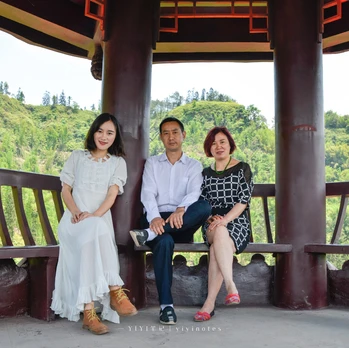
So I spent a week with my parents, driving through Leshan's lesser-known corners—the towns, the temples, the gorges, and the streets where the real magic happens. This isn't a guide to the obvious. This is a love letter to the Leshan that most tourists never see.
Leshan Travel Essentials: What to Pack & How to Prepare
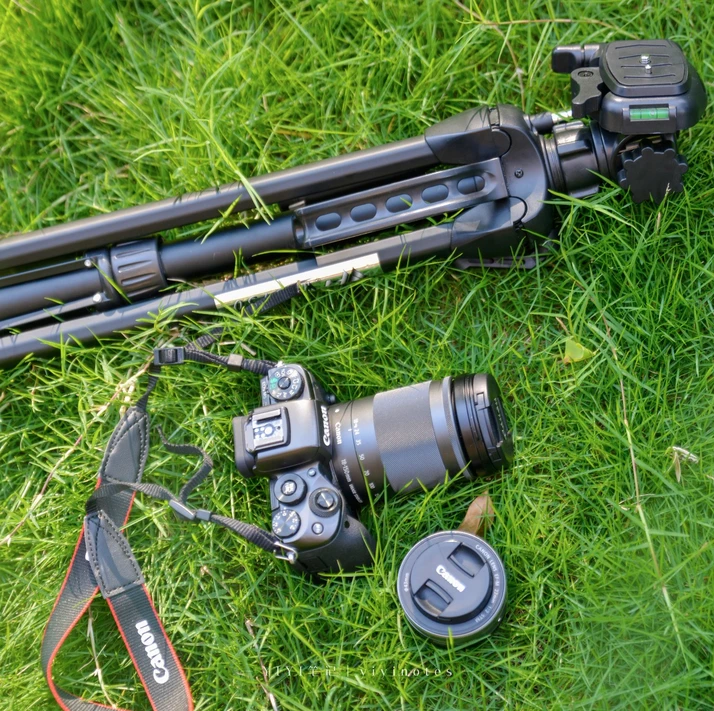
Before we dive in, a quick note on how I captured all of this. I traveled light with a Canon EOS M5 mirrorless camera and two lenses: an 18–150mm zoom for versatility and a 22mm f/2.0 for those dreamy wide shots. The touch-screen autofocus was a lifesaver when my mom was behind the camera—no more blurry photos. I edited everything in Lightroom and Photoshop, and pieced together a short travel video using iMovie. Not fancy, but it gets the job done.
Now, let's get to the good stuff.
Thousand Buddha Cliff in Jiajiang: A Hidden Leshan Gem

Just a short drive from Leshan city center lies the county of Jiajiang—literally meaning "between two mountains." The name comes from the Qingyi River that cuts through the valley, and it's here that you'll find the Thousand Buddha Cliff, or Qianfo Rock. This was my starting point, and honestly, it's where my childhood memories begin.
Leshan Cliffside Carvings: A Tang Dynasty Treasure
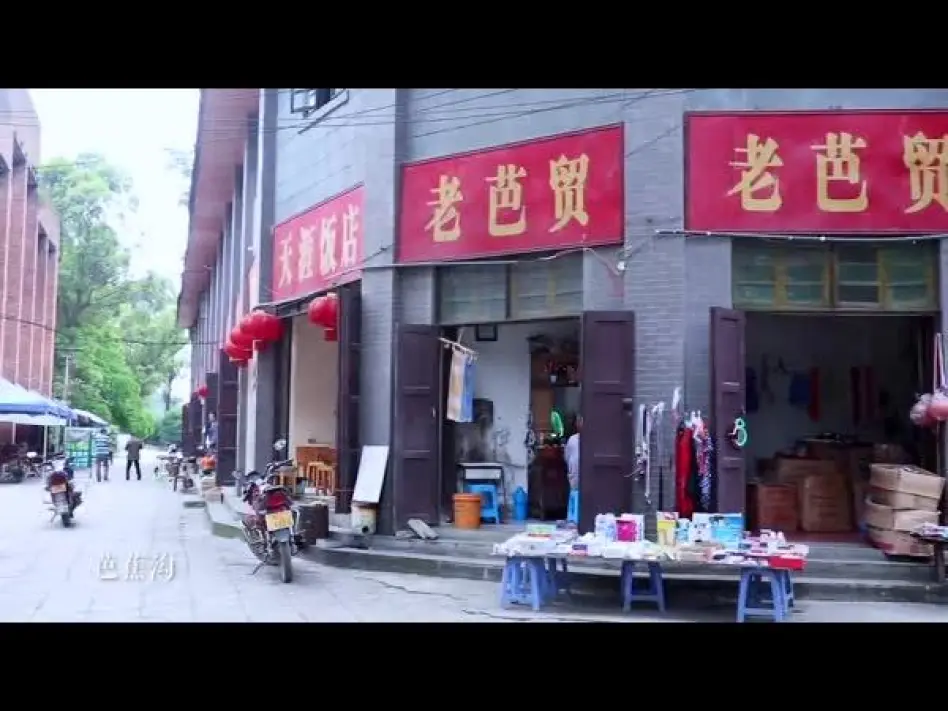
The main attraction here is a series of cliffside carvings dating back to the Tang Dynasty—the same era as the Leshan Giant Buddha. But while the Big Buddha was an imperial project, these carvings were created by local villagers, one by one, over generations. There are 162 niches and over 2,470 statues, each one unique in expression and posture.
The largest among them is a 2.7-meter Maitreya Buddha, strikingly similar in style to its famous cousin downstream. The detail is astonishing—delicate robes, serene faces, intricate halos. But time and weather have not been kind. Many statues are headless, their faces eroded or deliberately destroyed. Local legend tells of two gods racing to finish their sculptures before dawn: one built the Leshan Buddha (just one head to complete), while the other struggled to finish thousands. When the rooster crowed, the unfinished heads were left behind.
Dongfeng Weir: A UNESCO World Heritage Irrigation System
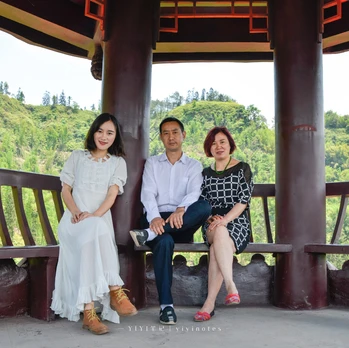
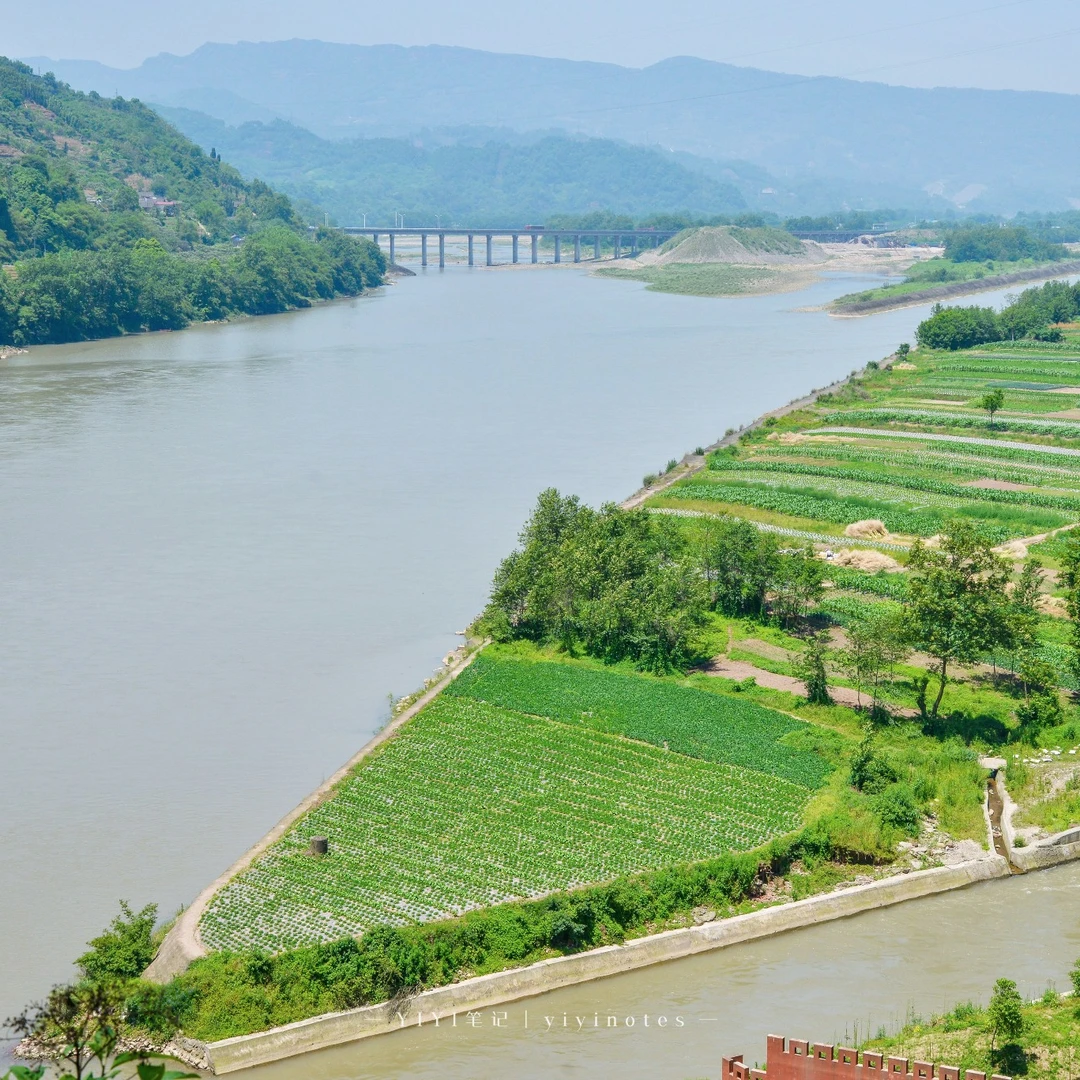
Beneath the cliffs flows the Dongfeng Weir, an irrigation system that has been in continuous use for over 350 years. It's a UNESCO World Heritage site, though you'd never guess it from the quiet, unassuming way it blends into the landscape.
Jiajiang Handmade Paper Museum: A Thousand-Year Craft
Nearby, the Jiajiang Handmade Paper Museum offers a fascinating detour. Jiajiang is one of China's two great centers of traditional papermaking (the other being Anhui's Xuan City). Unlike the bark-based paper of the north, Jiajiang paper is made from bamboo, giving it a soft, absorbent quality prized by calligraphers and painters. The museum walks you through the 15-step, 72-process method—from bamboo selection to finished sheet. I also visited the Zhi Kang Paper Factory, where masters still practice this thousand-year-old craft, and let me tell you, watching them work is hypnotic.
Where to Eat in Jiajiang: Local Food You Can't Miss
No trip to Jiajiang is complete without lunch. My go-to spot is a small restaurant near the Jiajia Le supermarket on Yingchun North Road. Order the qiaojiao niurou (spicy beef soup) and the fen zheng rou (steamed pork with rice flour). And if you're there in spring, grab some bitter bamboo shoots from the street vendors—they're only available for a few weeks, and they're absolutely worth the hunt.
[Link: Leshan local food guide – best restaurants in Jiajiang]
Mount Emei: Exploring the Foothills & Hidden Temples
I've climbed Mount Emei more times than I can count. The summit is spectacular, sure. But this time, I wanted to explore the foothills—the parts that don't require a 12-hour hike or a cable car ticket.
Red Pearl Mountain Hotel: Best Accommodation Near Emei
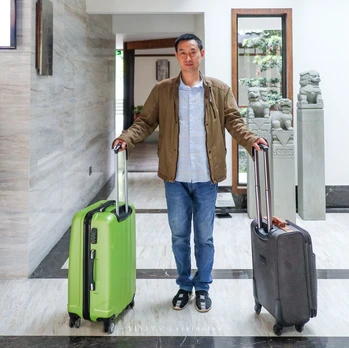
We checked into the Hongzhushan Hotel, a sprawling resort that practically owns its own forest. There are eight buildings scattered across the property, connected by walking trails that wind past lakes and bamboo groves. I've stayed in Building 5 before (older, closer to the entrance), but this time we opted for Building 8 (newer, quieter, but a long walk from the lobby). If you're driving, Building 8 is the better choice. If you're on foot, stick with Building 5.
The hotel's hot springs are famous locally—natural, mineral-rich, and perfect after a day of exploring. The breakfast buffet in Building 7 is also worth waking up for: a mix of Western, Chinese, and local Emei specialties, served in a dining room that overlooks the forest. I spent half an hour just staring out the window, coffee in hand, watching the mist rise through the trees.
Baoguo Temple & Fuhu Temple: Emei's First Monasteries
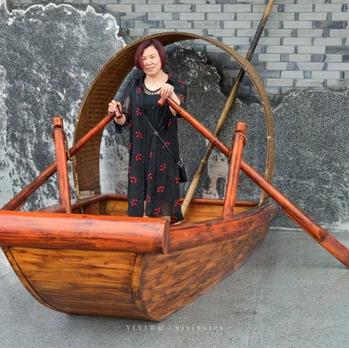
From the hotel, it's a short walk to Baoguo Temple, the first of Emei's many monasteries. The temple is surrounded by ancient nanmu trees, their massive trunks creating a natural cathedral of green. Inside, the layout is classic Ming-Qing courtyard architecture: halls rise step by step up the hillside, each one revealing a new Buddha, a new incense burner, a new patch of sky.
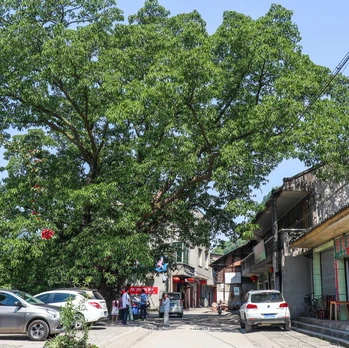
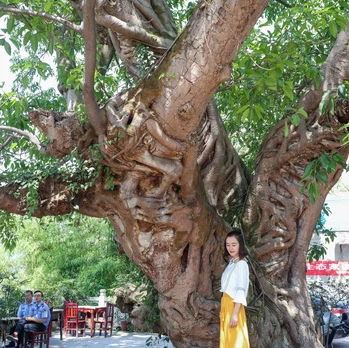
I arrived around 5 p.m., when the crowds had thinned. A single tree near the temple gate was covered in prayer flags and blessing ribbons. An older man stood beneath it, casually explaining to a group of tourists that certain branches resembled animals. "Buy a ribbon," he said, "and your wish will come true." They did. I couldn't help but admire his technique.
Dafo Temple: More Magnificent Than the Forbidden City?
About 7 kilometers from the mountain base lies Dafo Temple (not to be confused with the Giant Buddha). This is, without exaggeration, one of the most impressive Buddhist complexes I've ever seen. The entrance alone—a grand archway flanked by two national flags—sets the tone. The main hall is vast, the courtyards are immaculate, and the sheer scale of the place left my mother speechless. "This is more magnificent than the Forbidden City," she whispered. I'm not sure I'd go that far, but I know what she meant.
The temple's centerpiece is a four-sided, thousand-armed Guanyin statue carved from ebony. Each face has 22 arms, totaling 88, each holding a different ritual object or forming a different mudra. The craftsmanship is breathtaking.
We wandered the grounds as the sun sank lower, casting long shadows through the corridors. At one point, I found a covered walkway that reminded me instantly of Japan's Fushimi Inari Shrine—the same rhythmic repetition of pillars, the same warm glow of evening light. I stood there for a long time, just breathing.
[Link: Emei Shan hiking trails – best routes for beginners]
Leshan Giant Buddha: How to Visit Without the Crowds
From Emei, we drove toward Leshan city, passing through Suji—the birthplace of qiaojiao niurou (spicy beef soup). I'd heard about a famous restaurant called Gushixiang, and when we pulled into the parking lot, it was full of cars from Chengdu. That's how you know the food is good: when people drive two hours just for lunch.
The qiaojiao niurou here is solid—tender beef, rich broth, generous portions. But honestly? It's not dramatically different from what you'd find in any decent Leshan restaurant. If you're passing through Suji anyway, stop by. But don't make a special trip.
Evening Visit to the Big Buddha: Pro Tip
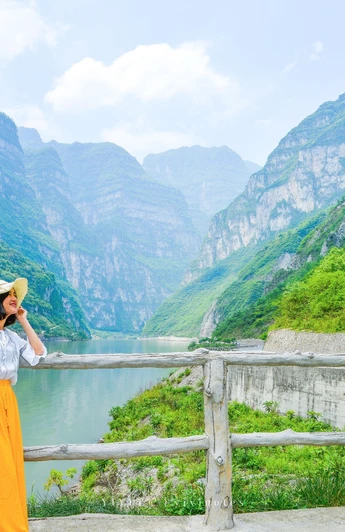
Here's my best tip for visiting the Leshan Giant Buddha: go in the late afternoon. The crowds thin out dramatically after 4 p.m., and the golden hour light makes the cliffside carvings glow. You'll have more space to breathe, more time to appreciate the sheer scale of the statue, and better photo opportunities without elbows in your frame.
[Link: Leshan Giant Buddha ticket prices & opening hours]
Leshan vs. Chengdu: Which City Should You Visit First?
Many travelers debate whether to base themselves in Chengdu or Leshan. Here's my honest take: if you have 3-4 days, stay in Leshan. The city is smaller, cheaper, and closer to the attractions. You can easily do day trips to Jiajiang, Emei, and the Giant Buddha without the traffic headaches of Chengdu. Plus, Leshan's food scene is arguably better—more authentic, less touristy.
[Link: Chengdu to Leshan day trip – complete itinerary]
Frequently Asked Questions About Leshan Travel
1. How many days do you need in Leshan?
 Most travelers need 2-3 days to see the Giant Buddha, explore Mount Emei's foothills, and visit Jiajiang's hidden gems. Add an extra day if you want to hike to Emei's summit.
2. What is the best time to visit Leshan?
 Spring (March-May) and autumn (September-November) offer the best weather—mild temperatures, clear skies, and fewer crowds. Summer is hot and humid, while winter can be foggy.
3. Is Leshan safe for solo travelers?
 Absolutely. Leshan is one of China's safest cities. Violent crime is virtually non-existent, and locals are friendly and helpful. Use common sense with your belongings, especially in crowded areas.
4. How do I get from Chengdu to Leshan?
 The high-speed train from Chengdu East Station to Leshan Station takes about 1 hour and costs around ¥50-¥100. Buses are cheaper but take 2-3 hours. Driving takes about 1.5 hours via the G5 Expressway.
5. What should I eat in Leshan besides the Giant Buddha?
Don't miss qiaojiao niurou (spicy beef soup), fen zheng rou (steamed pork with rice flour), Leshan tofu pudding, and bitter bamboo shoots (in spring). Street food is excellent, especially near the old town.
[Link: Leshan food guide – top 10 local dishes]
Why Leshan Deserves a Spot on Your China Itinerary
I've traveled to dozens of cities across China, and Leshan remains my favorite. Not because it's my hometown (okay, maybe a little), but because it offers something rare: authenticity. The Giant Buddha is spectacular, yes, but the real magic lies in the quiet moments—watching papermakers work their craft, eating spicy beef soup in a no-name restaurant, standing alone in a temple courtyard as the sun sets.
If you're planning a trip to Sichuan, don't just pass through Leshan. Stay a while. Explore the hidden corners. Eat the local food. Talk to the locals. You'll leave with more than just photos—you'll leave with a piece of my hometown in your heart.
Ready to explore Leshan beyond the Giant Buddha? [Book your Leshan travel guide or itinerary consultation here] – I'll help you craft the perfect trip to my hometown, complete with hidden gems, local food recommendations, and insider tips you won't find anywhere else.
Have you visited Leshan? Share your favorite hidden spot in the comments below!
You may also like


