Chengdu Travel Guide: Where Food, Culture, and Slow Living Collide – The Ultimate Sichuan Experience
Meta Description: Discover why Chengdu is worth traveling across mountains and seas. From sizzling hotpot and chuan chuan to Qingcheng Mountain and Dujiangyan, this Chengdu travel guide covers food, culture, and hidden gems. Pack antacids – you'll need them.
Introduction: Why Chengdu Deserves a Spot on Your Bucket List
I've always believed that if a city can satisfy both your taste buds and your soul, it's worth crossing mountains and seas to reach. And Chengdu – the capital of Sichuan province – is exactly that kind of place. Known globally for its pandas, spicy cuisine, and laid-back lifestyle, Chengdu has become one of China's most sought-after travel destinations. But what makes this city truly unforgettable is how it seamlessly blends ancient traditions with modern comforts, fiery flavors with poetic tranquility.
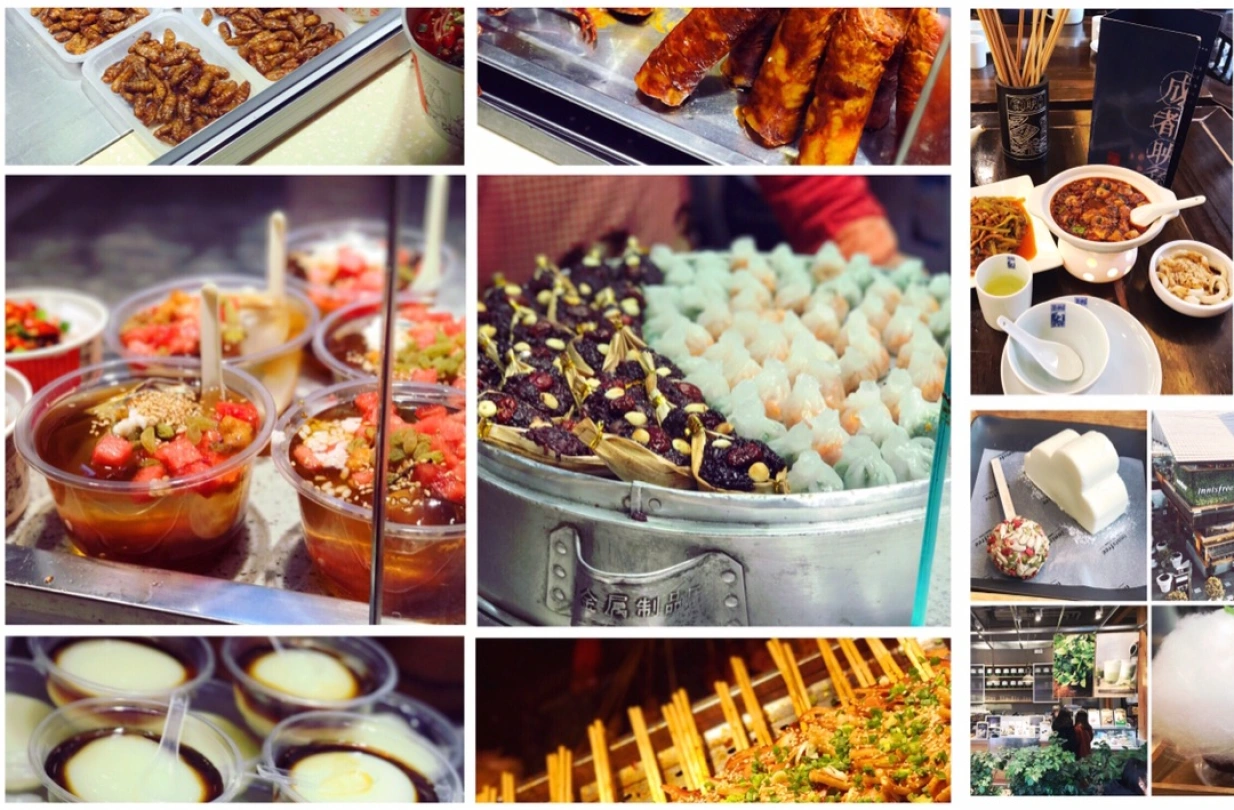
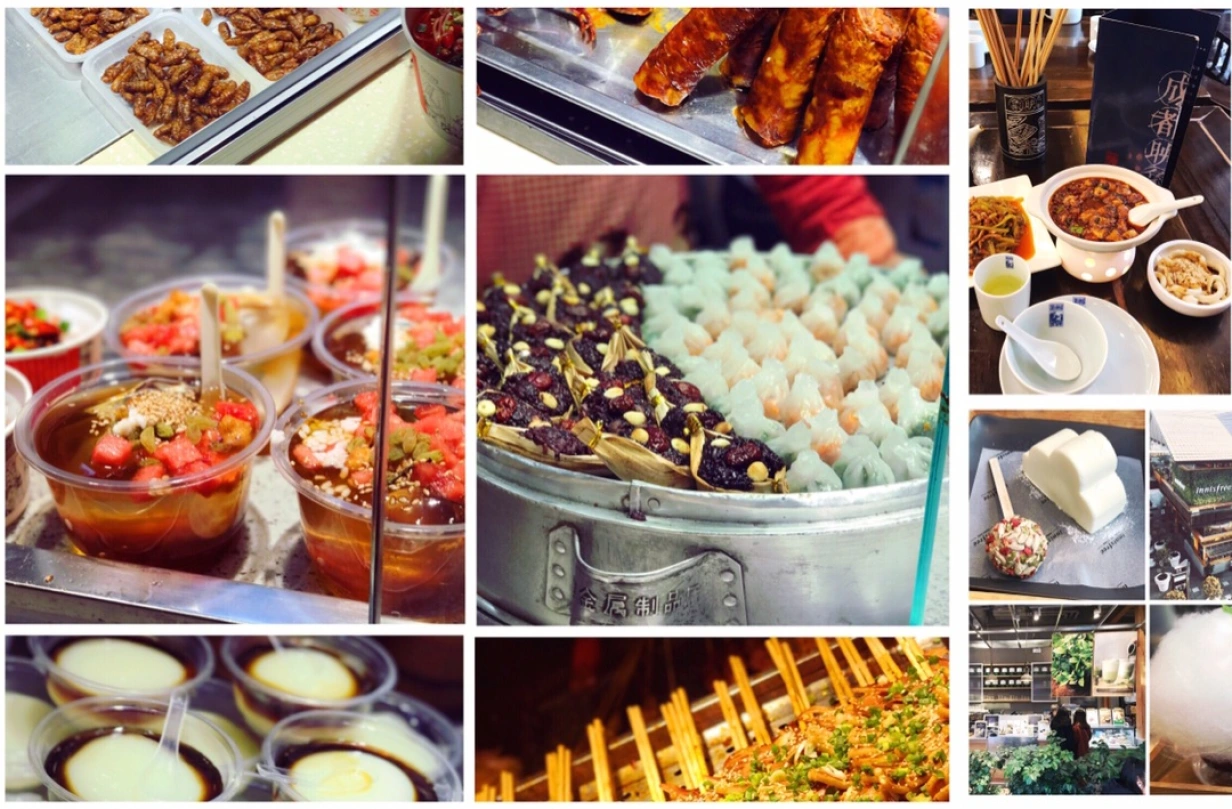
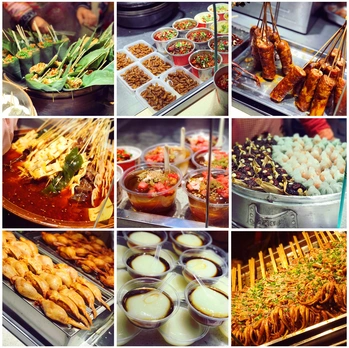
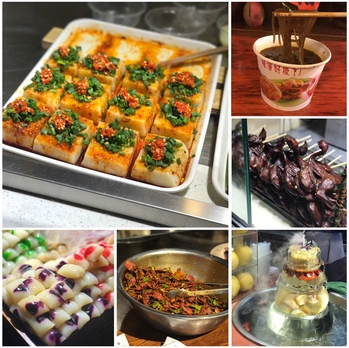
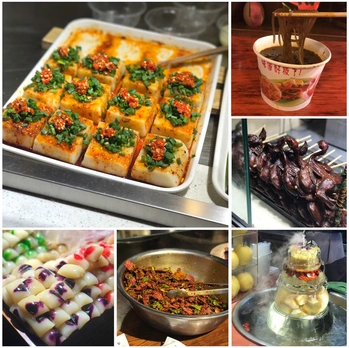
To be honest, what first captured my heart was nothing more than a bubbling pot of red-oil hotpot, steaming skewers of chuan chuan, and those snacks whose names alone make your mouth water – bo bo ji (chicken skewers in chili oil), fu qi fei pian (sliced beef and offal in chili sauce), ti hua (braised pork trotters), tu tou (rabbit heads), long chao shou (dragon wontons), zhong shui jiao (Zhong-style dumplings)… Before I left, I even carefully packed a box of antacids in my suitcase, silently praying: Please, stomach, hold on through this trip.
But when I finally set foot on this land, I realized Chengdu's charm goes far beyond food. It's like a book you can never finish, with every page filled with surprises. This Chengdu travel guide will walk you through everything you need to know – from must-visit attractions to budget-friendly eats, from cultural insights to practical tips.
Arriving in Chengdu: The "Temperature" of a City
First Impressions of Chengdu in December
In December, the temperature in Chengdu hovers around 10°C – not too cold, not too hot, just right. Stepping out of Shuangliu International Airport, I wasn't greeted by biting winds, but by the unique warmth of the locals. A few taxi drivers smiled and called out, "Miss, need a ride?" That cheerful Sichuan-accented friendliness instantly melted away the fatigue of travel.

I stayed at the Chengdu Airport Hotel, directly across from the terminal – the only five-star hotel in the area, mostly frequented by airline crew. The hotel offers free airport shuttle service, which was a lifesaver for a "special forces-style traveler" like me, arriving early and leaving late. After dropping my bags, I opened the window and saw two lazy puppies basking in the sun by the roadside. In that moment, I realized Chengdu's "slowness" is an irresistible kind of magic.
[Link: Best hotels near Shuangliu Airport for budget travelers]
Day 1: The Bustle of Chunxi Road and a Feast for the Senses
Chunxi Road: More Than a Shopping Street – A Slice of History
How could you come to Chengdu and skip Chunxi Road? It's like going to Beijing without visiting Wangfujing, or Harbin without strolling down Central Street. Chunxi Road is the city's "face." Built in 1924 by warlord Yang Sen, it was originally called "Senwei Road" before being renamed after a line from the Tao Te Ching: "The multitude are joyous, as if feasting at the Great Sacrifice, as if ascending the Spring Terrace." The name itself evokes an image of prosperity and peace.
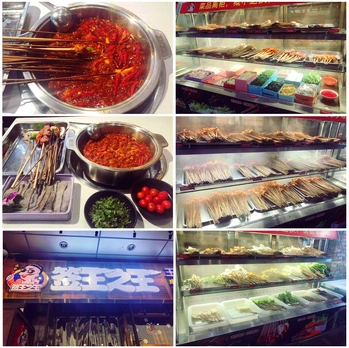
Today, Chunxi Road ranks just behind Hong Kong's Causeway Bay and Shanghai's Nanjing Road in commercial activity, earning the title "The No. 1 Commercial Street in Central and Western China." But for me, it's more like a giant food magnet. After dropping my bags, I headed straight for a highly-rated chuan chuan (skewer hotpot) restaurant called "King of Skewers."
[Link: Top 10 shopping streets in China – Chunxi Road guide]
King of Skewers: A Solo Skewer Feast
The restaurant sits right next to the Wangfujing department store, with branches scattered across Chengdu's major attractions. Eating alone, the biggest challenge is wanting to try everything but having a stomach that's too small. I gritted my teeth and picked a few dozen skewers – the cilantro beef was a must-order, with its tender, juicy texture that felt like pure bliss. When the bill came, it was 99 yuan. I wasn't completely full (saving room for hotpot later), but the satisfaction alone made me fall in love with Chengdu's prices.
One thing worth noting: hotpot and chuan chuan restaurants in Chengdu seem to share a kind of "human-centered" understanding. The chopsticks are longer than usual to keep your hands safe from the heat. Napkins hang on the wall, as convenient as a mahjong table. These little details make dining feel less like just filling your stomach and more like being gently cared for.
IFS and Taikoo Li: Panda, Bookstore, and Coffee – An Artistic Interlude
A few minutes' walk from the skewer place, I reached the IFS International Financial Center. The climbing panda sculpture has become an iconic photo spot in Chengdu. From outside the mall, you can only see the panda's backside; to see its face, you have to take the elevator up to the seventh-floor sky garden. Standing there, watching its adorable, slightly goofy pose, I couldn't help but laugh – even Chengdu's landmarks have a sense of humor.
On the other side of IFS, I unexpectedly found a panda-shaped ticket booth for the city's scenic area shuttle buses. I'd been worrying about how to get to Dujiangyan the next day, and this felt like a stroke of luck – "You search high and low, only to find it right under your nose." The staff enthusiastically introduced the Qingcheng Mountain–Dujiangyan route, and I booked on the spot.
Down on the LG2 level of IFS, the "Yan Ji You" bookstore was another place I could have lingered forever. It's not just a bookstore; it's a lifestyle space combining a café, art gallery, and creative market. The warm lighting and open layout made me want to sit down, flip through a book, and sip a cup of coffee.
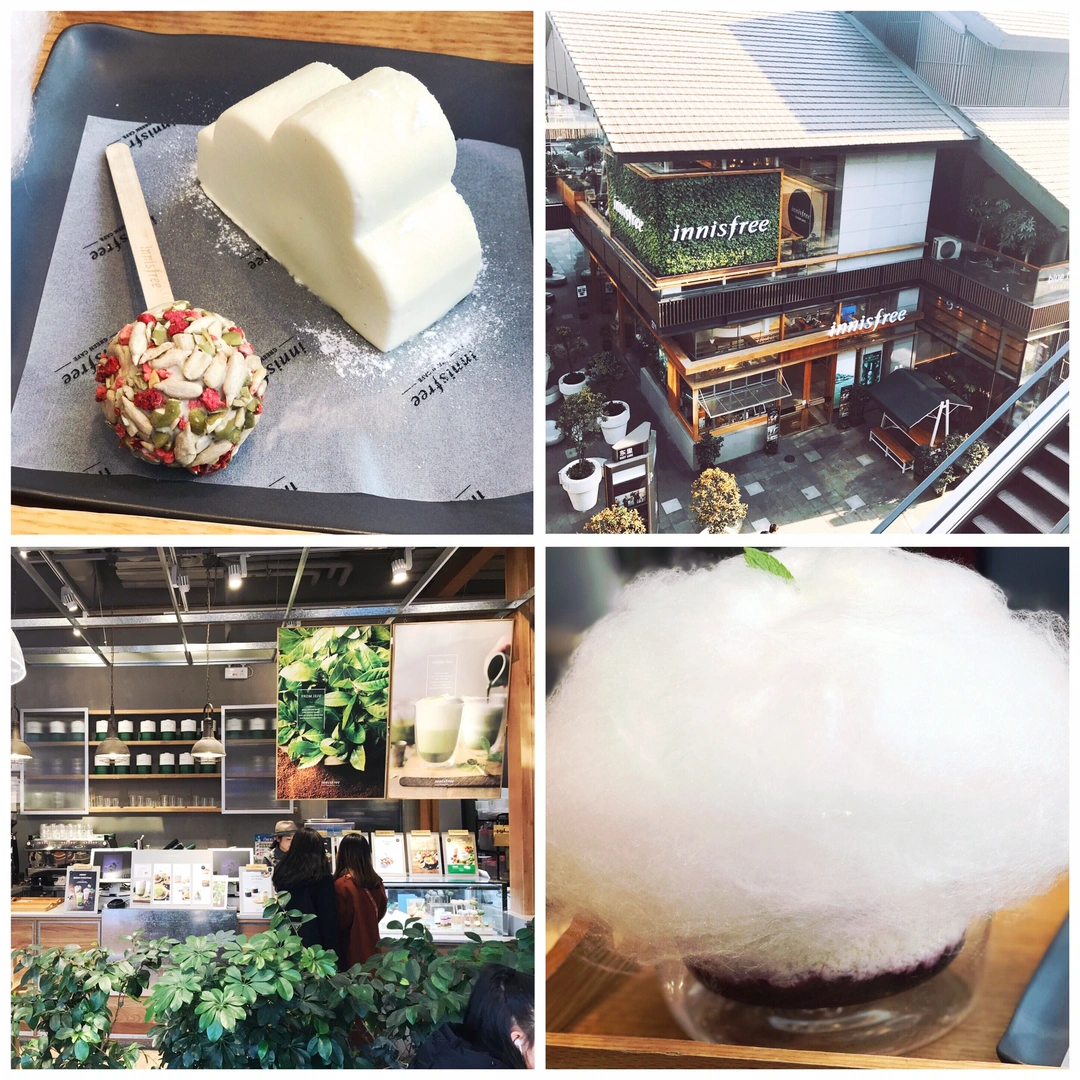
Next, I visited the Innisfree café in Taikoo Li. This Korean brand's outlet is decorated in a classic forest style – every corner is Instagram-worthy. I ordered a cloud cake, cloud shaved ice, and a lollipop cake for 100 yuan total. The cloud cake was light and delicate; the shaved ice required eating the cotton candy on top first before pouring in the fruit syrup – a ritual that felt almost ceremonial. The lollipop cake, though, was more about looks than taste – but that's just my personal opinion.
The MUJI café next door was also unique – the first time I'd seen a MUJI with a simple meal menu. The Japanese aesthetic made it feel incredibly relaxing. And there's another trendy dessert shop in Taikoo Li called "Peach House," rumored to have the most prestigious French-style dessert in Chengdu – the "Wuliangye Black Square." I didn't make it there this time, so it'll have to wait for my next visit.
[Link: Best Instagram-worthy cafés in Chengdu's Taikoo Li]
Fangsuo Bookstore: A Time-Traveling Underground Library
If Taipei's Eslite Bookstore is a pilgrimage site for hipsters, then Chengdu's Fangsuo Bookstore is a must-visit for travelers. Located on the B1 level of Taikoo Li, right next to Daci Temple, it was designed by architect Zhu Zhikang, inspired by the concept of an "underground hidden library." The space blends heavy industrial style with Buddhist wisdom. Stepping inside feels like walking through a mysterious tunnel into a Noah's Ark. The thick concrete walls and dim lighting make you feel like a tiny speck in the universe. I believe everyone who discovers Fangsuo will have their own unique interpretation of it.
Xiaolongkan Hotpot: A Solo Hotpot Feast
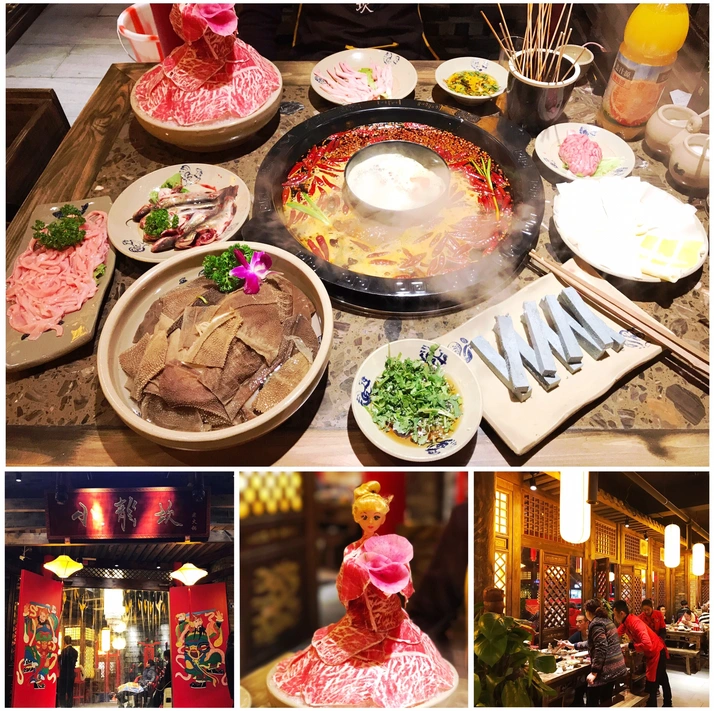
That evening, I headed to a Xiaolongkan hotpot restaurant near Chunxi Road. It's one of the hottest hotpot chains in Chengdu right now. I was lucky – the branch I visited was new, and I only waited a short while. I ordered a table full of dishes, and the final bill was 159 yuan. For that price in Beijing, I'd barely get half a meal. Chengdu's cost of living really makes you want to move here. The only minor disappointment was that this branch didn't have cilantro.
If you have more time, Chengdu offers plenty of other hotpot options: Da Longyi, Old Pier, Chuanxi Bazi, Shu Jiuxiang – each with its own character. If I had the time, I'd try them all.
After hotpot, if you still have energy, you can head to Jiuyanqiao Bridge's bar street. After all, Zhao Lei's song "Chengdu" has moved countless people and made the "Little Bar" famous.
[Link: Best hotpot restaurants in Chengdu for solo travelers]
Day 2: Seeking Taoism on Qingcheng Mountain, Paying Homage to Water at Dujiangyan
A Morning at Wuhou Shrine and the Scenic Shuttle
Early the next morning, I arrived at Wuhou Shrine. It's not only a famous Three Kingdoms-era attraction but also the departure point for the scenic shuttle I'd booked. I recommend purchasing tickets a day in advance to avoid sellouts.
[Link: Wuhou Shrine – Complete visitor guide and history]
Qingcheng Mountain: The Birthplace of Taoism
Qingcheng Mountain, a UNESCO World Heritage Site, is one of the most important Taoist mountains in China. Its lush green peaks, ancient temples, and misty pathways make it a perfect escape from the city. The mountain is divided into Front Mountain (more tourist-friendly) and Back Mountain (more rugged and less crowded). I chose the Front Mountain route, which took about 3-4 hours to hike. Along the way, I passed by the Jianfu Palace, Shangqing Palace, and the Laojun Pavilion – each offering stunning panoramic views.
Dujiangyan: The Ancient Irrigation System That Changed History
After descending Qingcheng Mountain, I took a short bus ride to Dujiangyan, another UNESCO World Heritage Site. This ancient irrigation system, built over 2,200 years ago, still functions today, channeling water from the Min River to the Chengdu Plain. Walking along the Anlan Suspension Bridge and watching the water flow through the Fish Mouth Levee was a humbling experience. It's a testament to ancient Chinese engineering and a must-visit for history buffs.
[Link: Dujiangyan vs. Qingcheng Mountain – Which to visit first?]
Chengdu Travel Tips: What to Know Before You Go
Best Time to Visit Chengdu
Chengdu has a mild climate year-round, but the best times to visit are March to June and September to November. Spring and autumn offer pleasant temperatures and fewer crowds. Winter (December to February) is also manageable, with temperatures around 10°C and fewer tourists.
How to Get Around Chengdu
- Metro: Chengdu's metro system is efficient and covers most major attractions. Buy a天府通 (Tianfu Tong) card for easy tap-and-go access.
- Taxis and Ride-Hailing: DiDi (the Chinese Uber) is widely available and affordable. Taxis are also easy to flag down.
- Scenic Shuttle Buses: For day trips to Qingcheng Mountain and Dujiangyan, scenic shuttle buses depart from Wuhou Shrine and other central locations.
What to Eat in Chengdu
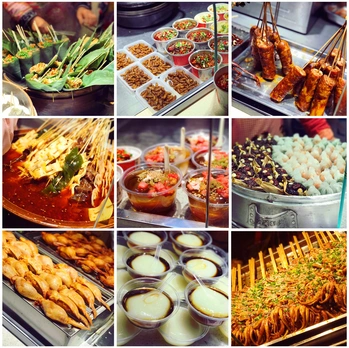
Chengdu is a food lover's paradise. Must-try dishes include: - Hotpot (火锅) – spicy, numbing, and communal - Chuan Chuan (串串) – skewers cooked in a spicy broth - Mapo Tofu (麻婆豆腐) – silky tofu in a fiery sauce - Dan Dan Noodles (担担面) – spicy noodles with minced pork - Rabbit Head (兔头) – a local delicacy
[Link: Ultimate Chengdu food guide – What to eat and where]
Frequently Asked Questions About Chengdu Travel
1. Is Chengdu safe for solo travelers?
Yes, Chengdu is very safe for solo travelers, including women. The locals are friendly and helpful. Just take standard precautions like avoiding poorly lit areas at night and keeping your valuables secure.
2. How many days do I need in Chengdu?
 A minimum of 3-4 days is recommended: 2 days for the city (Chunxi Road, Taikoo Li, Wuhou Shrine, Jinli Ancient Street) and 1-2 days for Qingcheng Mountain and Dujiangyan.
3. Do I need to speak Mandarin to get around?
While English is not widely spoken outside tourist areas, you can get by with basic Mandarin phrases and translation apps. Most metro stations and major attractions have English signage.
4. What's the best way to see pandas in Chengdu?
 The Chengdu Research Base of Giant Panda Breeding is the top choice. Arrive early (before 9 AM) to see the pandas during their most active hours. Tickets can be booked online.
5. Is Chengdu expensive for tourists?
Chengdu is quite affordable compared to Beijing or Shanghai. A meal at a local restaurant costs around 30-60 yuan, and a metro ride is 3-6 yuan. Budget travelers can easily spend under 500 yuan per day.
Final Thoughts: Why You Should Visit Chengdu Now
Chengdu is more than just a city – it's an experience. From the sizzling hotpot that will test your spice tolerance to the serene temples that soothe your soul, from the friendly locals who greet you with a smile to the pandas that remind you to slow down and enjoy life – Chengdu has something for everyone.
So pack your bags, bring your antacids (trust me, you'll need them), and book that ticket. Whether you're a foodie, a culture enthusiast, or a nature lover, Chengdu will welcome you with open arms and a steaming pot of red-oil hotpot.
Ready to plan your Chengdu adventure? Start by booking your flights and accommodation, and don't forget to download a translation app and a map of the metro. Your journey across mountains and seas begins now.
[Link: Book Chengdu tours and activities – Best deals]


