Off-Peak Travel: Discovering the "Three Mountains" Beyond the Crowds
Meta Description: Escape the tourist rush and explore Leshan, Meishan, and Liangshan—the "Three Mountains" of Sichuan. Discover ancient temples, Su Dongpo's hometown, and authentic local life in this off-peak travel guide.
Introduction: Why the "Three Mountains" Deserve Your Off-Peak Attention
Have you ever imagined a single journey that could weave together the memories of three generations, the silent gaze of a thousand-year-old Buddha, and a slice of everyday life untouched by commercialization? The "Three Mountains"—Leshan, Meishan, and Liangshan—are more than just names on a map. They are a tapestry of history, culture, and authentic Sichuan life waiting to be explored without the crowds.
In an era where overtourism plagues popular destinations, off-peak travel to these three cities offers a rare opportunity to experience China's cultural heartland at your own pace. This guide will take you through the hidden gems, ancient temples, and local flavors that make the "Three Mountains" a perfect escape for travelers seeking meaningful connections over selfie sticks.
Meishan: The City of a Thousand Years of Poetry
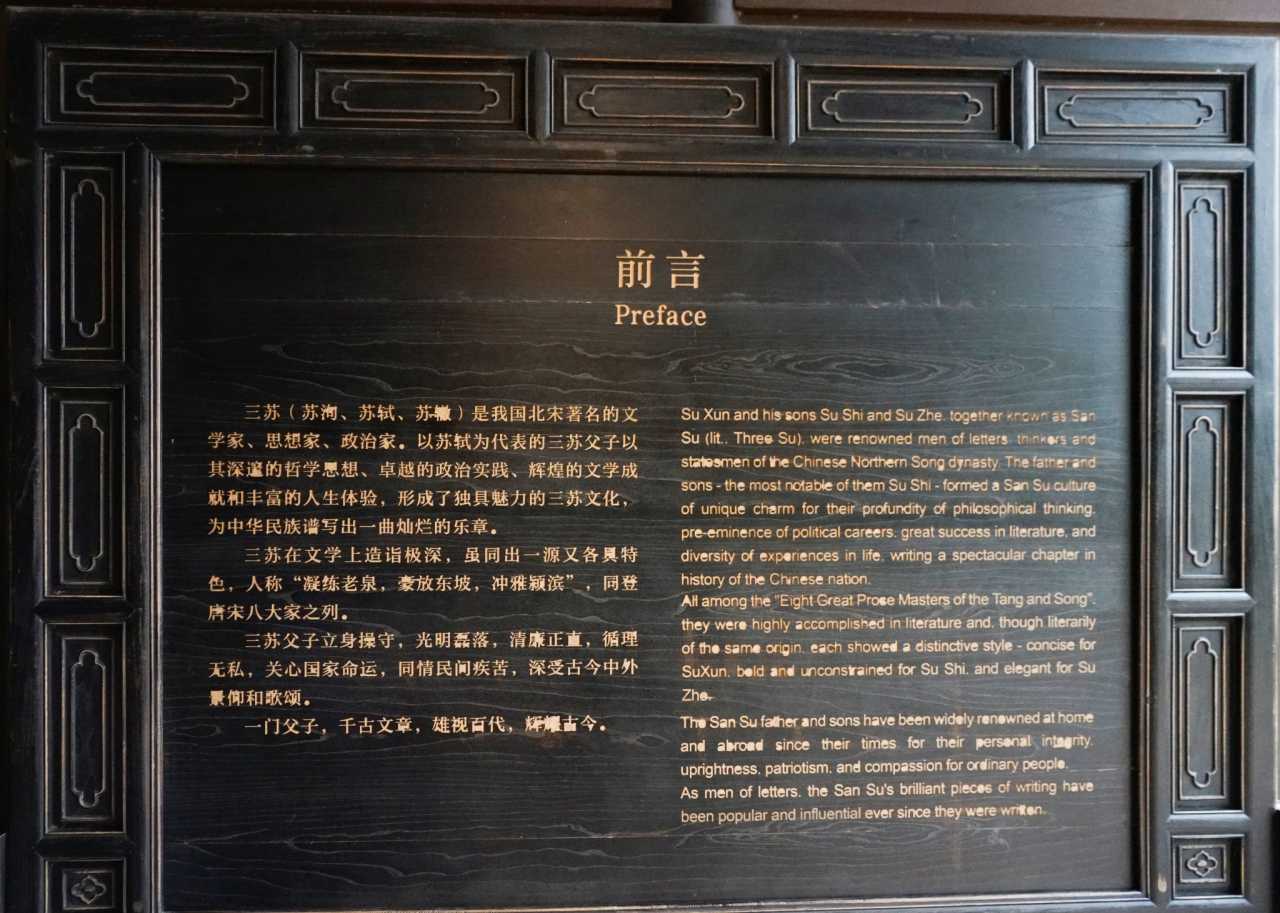
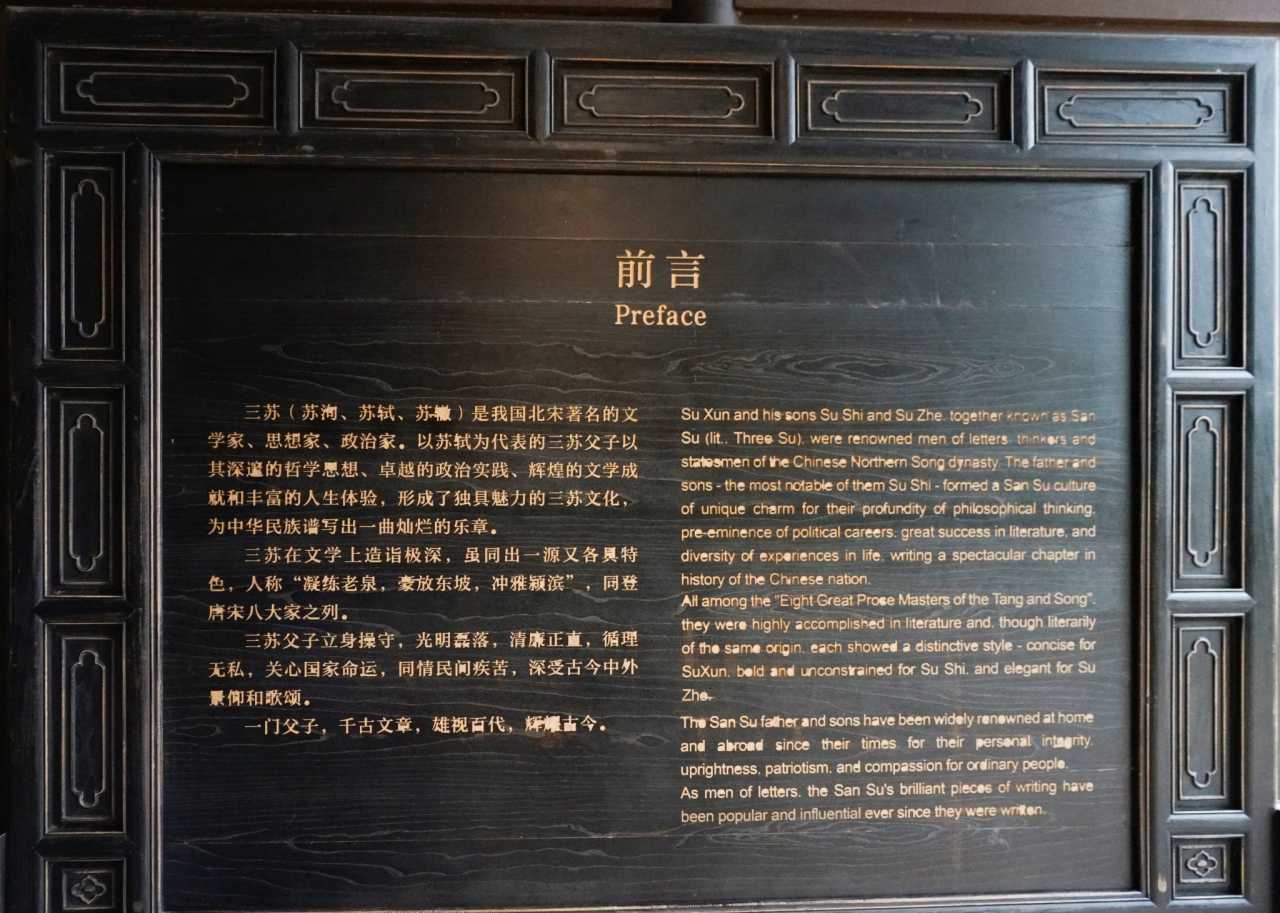
Meishan, known in ancient times as Meizhou, is a millennia-old prefecture on the banks of the Min River. This is the birthplace of the "Three Sus"—Su Xun, Su Shi (also known as Su Dongpo), and Su Zhe—a father and his two sons who ventured out from here to conquer the literary world. Today, Meishan sits close to Chengdu, integrated into the Chengdu-Chongqing metropolitan area, yet it still retains its profound cultural heritage and picturesque landscapes.
Why Visit Meishan for Off-Peak Travel?
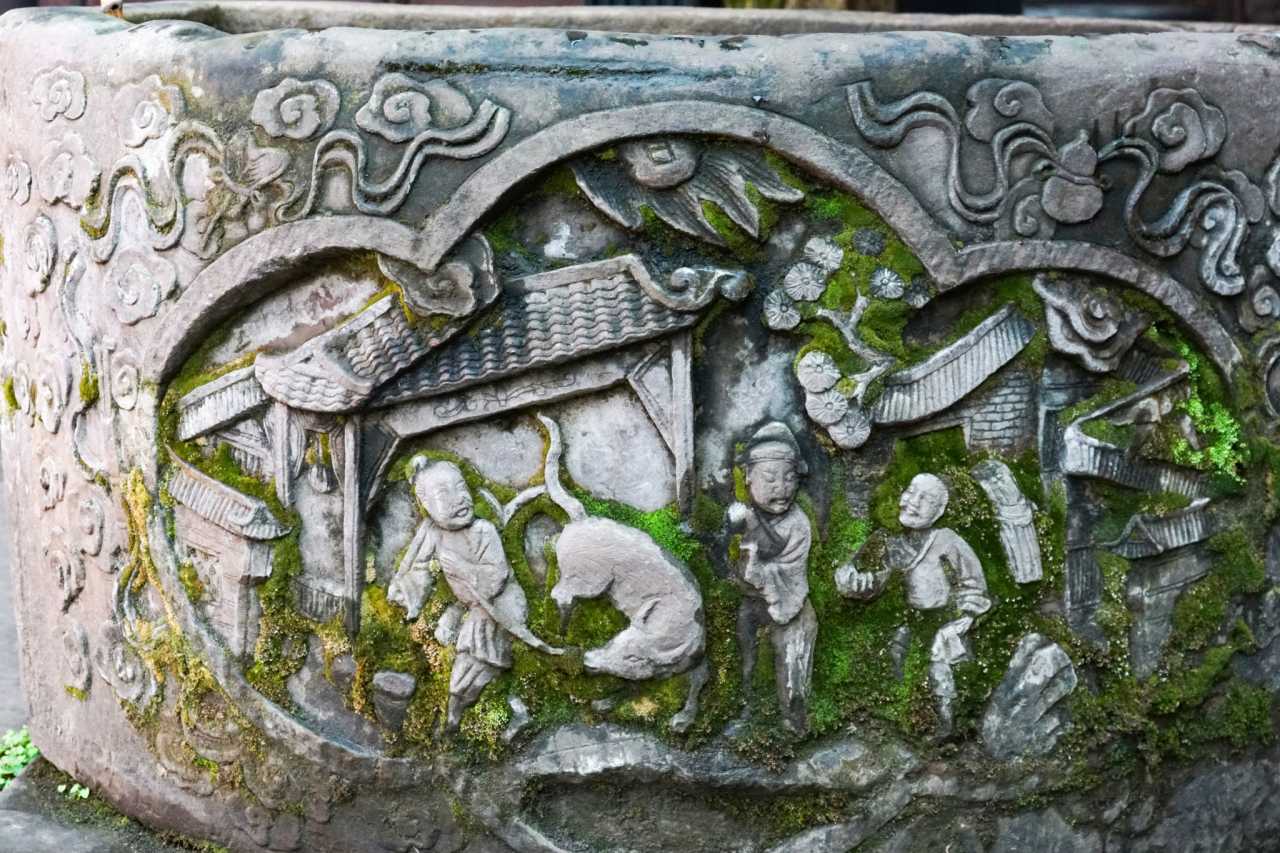
Unlike Chengdu's bustling tourist zones, Meishan offers a serene alternative for travelers interested in Chinese literature, classical gardens, and authentic local culture. The city's off-peak season (typically October to March) provides an intimate experience of its historic sites without the crowds.
The Three Sus Temple (San Su Ci): A Time Tunnel to Meet Su Dongpo
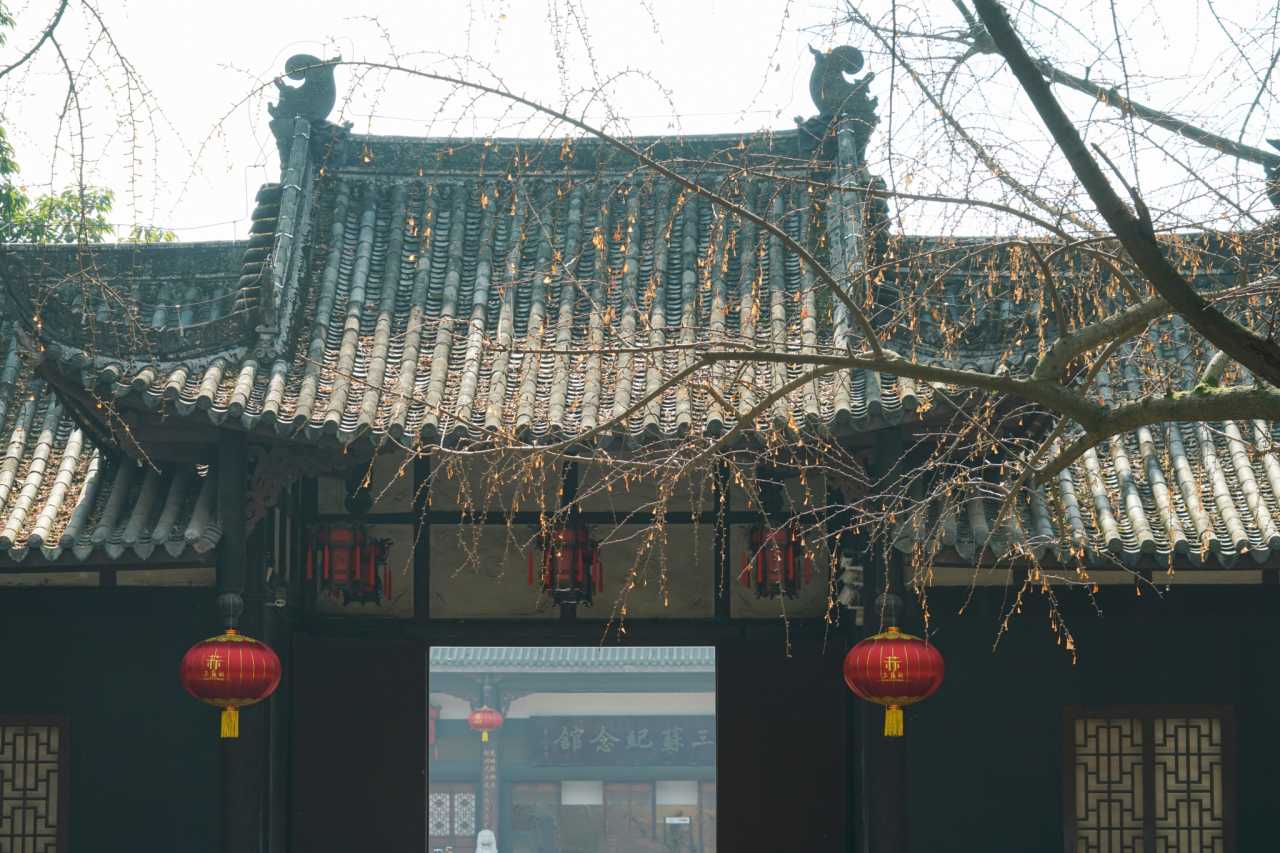
Stepping into the Three Sus Temple feels like stepping directly into the Northern Song Dynasty. This was the former residence of the Su family, converted from a residence to a temple in the Yuan Dynasty. Today, it is a national first-class museum and a key national cultural relic protection unit.
Must-See Highlights at the Three Sus Temple:
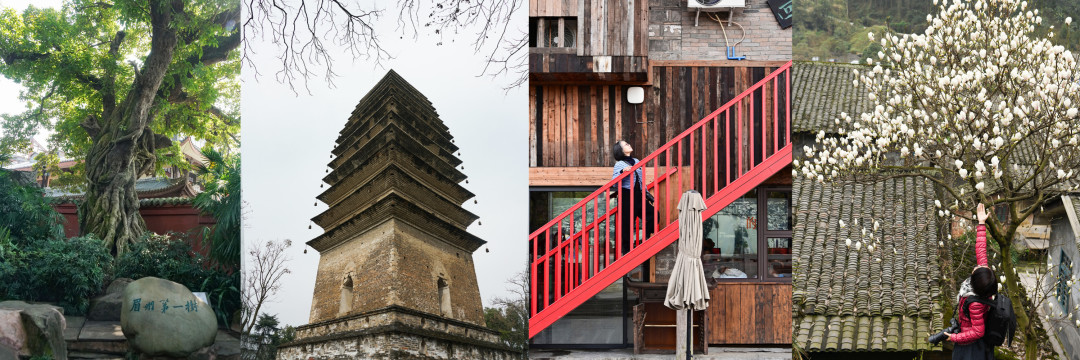
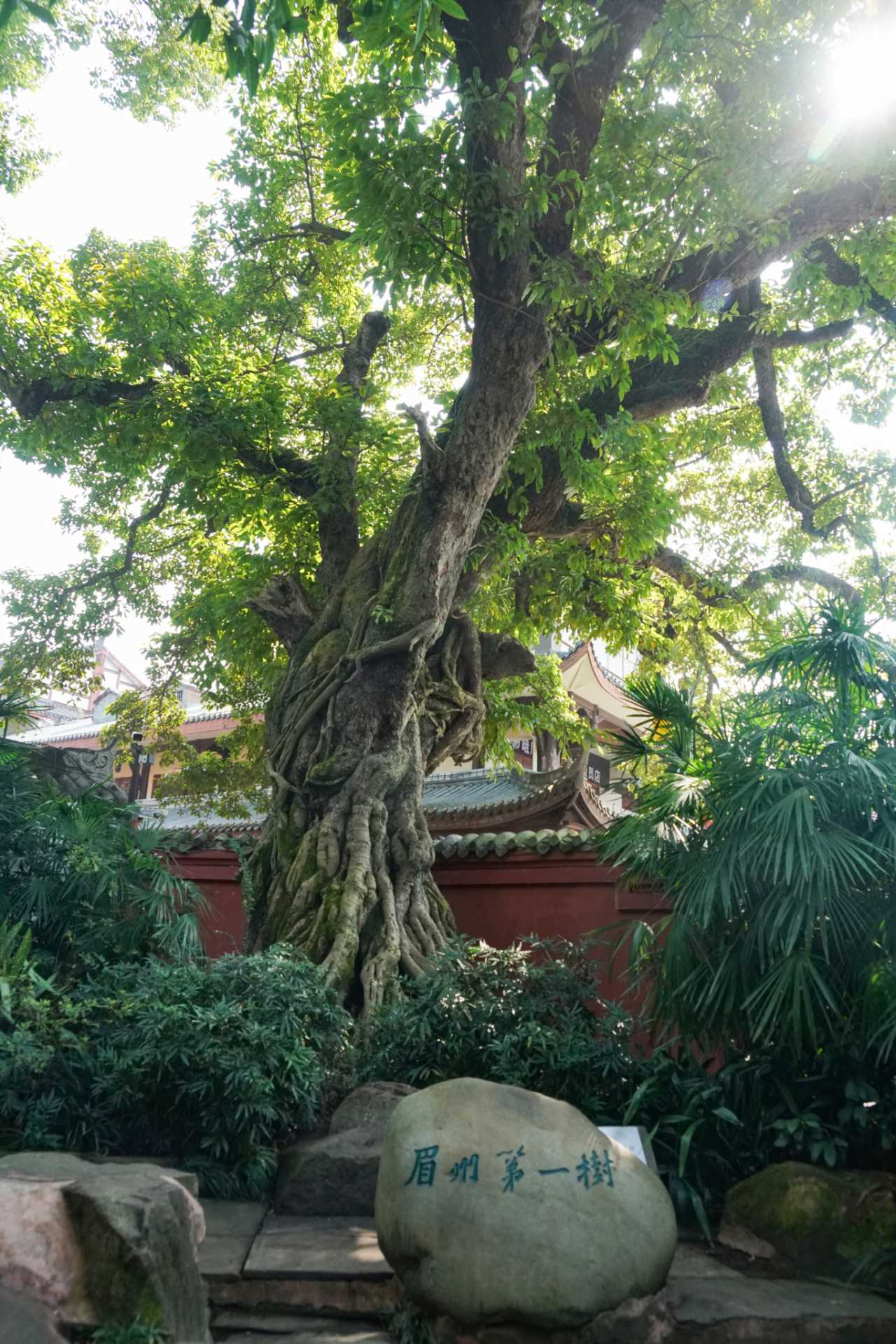
The First Tree of Meizhou — This thousand-year-old banyan tree is as old as the Three Sus themselves. Standing under this tree, you can feel the flow of a thousand years of literary tradition.
The Seated Stone Sculpture of Su Dongpo — Carved from red sandstone, Dongpo leans casually against a rock, his robes flowing. Surrounded by green bamboo and clear pond water, this sculpture vividly brings to life Dongpo's image of finding solace in nature.
The Breeze Pavilion (Pifeng Xie) — A classic Western Sichuan-style pavilion built by the Ruilian Pond. It is said that Su Shi once rested, enjoyed the view, and composed poetry here.
The Lychee Tree of the Su Residence — This nearly thousand-year-old tree, with two trunks sharing a single root, is said to have been planted by Su Shi himself. The ancient branches carry Su Shi's homesickness, expressed in his line, "I planted lychees with my own hands, waiting for my return."
The Internet-Famous Photo Wall — A red background with the words "Su Dongpo: The Story Begins Here," accompanied by fun, trendy catchphrases. This fusion of thousand-year-old Dongpo culture with modern trends showcases the contemporary vitality of his legacy.
The Transparent Sculpture "Hunting in Mizhou" — Made of modern, transparent materials, this sculpture recreates the heroic scene of Su Shi's "old man indulging in youthful madness," using modern art to interpret Dongpo's bold poetic style.
Pro Tip: Visit early morning or late afternoon during off-peak months for the best lighting and fewest visitors. [Link: Best times to visit Chinese historical sites]
Hanyang Ancient Town in Qingshen: A Slice of Everyday Life by the River

Qingshen County, under the jurisdiction of Meishan, is the smallest county in Sichuan Province by area, yet it boasts a history of over 1,400 years. It is the hometown of Cancong, the founding emperor of the ancient Shu kingdom, and also the place where Su Shi studied in his youth and first fell in love, earning it the title "Su Shi's Second Hometown."
Exploring Hanyang Ancient Town Off-Peak
Hanyang Ancient Town is located 20 kilometers south of Qingshen county seat. It borders the Min River to the north and the龙泉 Mountains to the south, serving as a thousand-year-old water transport dock on the Min River. The town's layout dates back to the Han Dynasty, giving it a history of over 2,000 years.
What Makes Hanyang Unique for Off-Peak Travelers:
Ancient Streets — The town preserves eight ancient streets from the Ming and Qing Dynasties: Rice Market Street, Salt Pass Street, Cotton Street, and others. The streets are paved with smooth blue stone slabs, flanked by traditional Western Sichuan residences.
Living Heritage — Old tea houses host folk art performances. Barbershops, blacksmith shops, and traditional steelyard workshops still practice their old crafts. Foguang Temple and the Fire God Temple stand side by side, forming the best-preserved Qing Dynasty temple complex in the town.
Local Cuisine — Hanyang Bangbang Chicken is a signature dish of Qingshen. Tofu pudding with dipping sauce, white flour flatbread (guokui), and pillow cake (zhentou ba) are snacks that carry the childhood memories of the locals.
Off-Peak Advantage: During weekdays and non-holiday periods, you can have entire streets to yourself, allowing for authentic interactions with local artisans and shopkeepers.
Zhongyan Temple in Qingshen: Su Shi's First Love
Zhongyan Temple is located in Ruifeng Town, Qingshen County, on the east bank of the Min River. It comprises three temples—upper, middle, and lower—and is a key national cultural relic protection unit and a national 3A-level scenic spot.
The Historical Significance of Zhongyan Temple
First built in the Eastern Jin Dynasty, Zhongyan Temple flourished during the Tang and Song Dynasties, with a history spanning over 1,600 years. Legend has it that it was the dojo of the Fifth Arhat, Nuojuna. In ancient times, it was as famous as Mount Emei, giving rise to the saying, "First visit Zhongyan, then visit Mount Emei."
The Fish-Calling Pool (Huanyu Chi) — At the age of 19, Su Shi studied at the Zhongyan Academy for three years under the local scholar Wang Fang. Here, he met his lifelong love, Wang Fu (who was 16). The pool where they reportedly met remains one of the most romantic spots in the complex.
Why Visit Off-Peak: During peak seasons, the temple can become crowded with tour groups. Off-peak visits allow you to experience the tranquility that Su Shi himself would have enjoyed during his studies here. [Link: Romantic destinations in Sichuan for couples]
Leshan: The Giant Buddha and Beyond
While Leshan's Giant Buddha is world-famous, off-peak travel reveals a city with much more to offer. The Leshan Giant Buddha, a 71-meter tall stone statue carved into a cliff face, is a UNESCO World Heritage site and the largest stone Buddha in the world.
Off-Peak Strategies for Leshan
- Visit on Weekdays — The Giant Buddha scenic area is significantly less crowded Monday through Thursday.
- Early Morning or Late Afternoon — Avoid the 10 AM to 2 PM rush when tour buses arrive.
- Consider the River View — Instead of queuing for hours to walk down the Buddha's staircase, take a river cruise for a different perspective.
Beyond the Buddha: Leshan's Hidden Gems
- Wuyou Temple — A peaceful Buddhist temple complex with stunning views of the confluence of three rivers.
- Lingyun Temple — Located within the Giant Buddha scenic area but often overlooked by rushed visitors.
- Leshan Old Town — Authentic street food and local life away from the tourist crowds.
Liangshan: The Untouched Frontier
Liangshan Yi Autonomous Prefecture offers a completely different experience from the Han Chinese cultural sites of Meishan and Leshan. This is the homeland of the Yi ethnic minority, with stunning mountain landscapes and traditional villages.
What Makes Liangshan Special for Off-Peak Travel
- Yi Culture — Traditional Yi festivals, costumes, and customs that remain largely untouched by tourism.
- Lugu Lake — A stunning alpine lake shared with Yunnan Province, known for the Mosuo matriarchal culture.
- Qionghai Lake — A beautiful lake near Xichang, perfect for cycling and bird watching.
Travel Tips: Liangshan is less developed for tourism than the other two "mountains." Off-peak travel here requires more planning but offers unparalleled authenticity. [Link: Ethnic minority travel in Sichuan]
Practical Off-Peak Travel Tips for the "Three Mountains"
Best Time to Visit
| Season | Months | Crowd Level | Weather |
|---|---|---|---|
| Spring | March-May | Moderate | Mild, pleasant |
| Summer | June-August | High | Hot, humid |
| Autumn | September-November | Low | Cool, clear |
| Winter | December-February | Very Low | Cold but dry |
Getting Around
- Chengdu to Meishan — 1 hour by high-speed train
- Meishan to Leshan — 30 minutes by bus or train
- Leshan to Liangshan — 4-5 hours by bus or train
Accommodation Recommendations
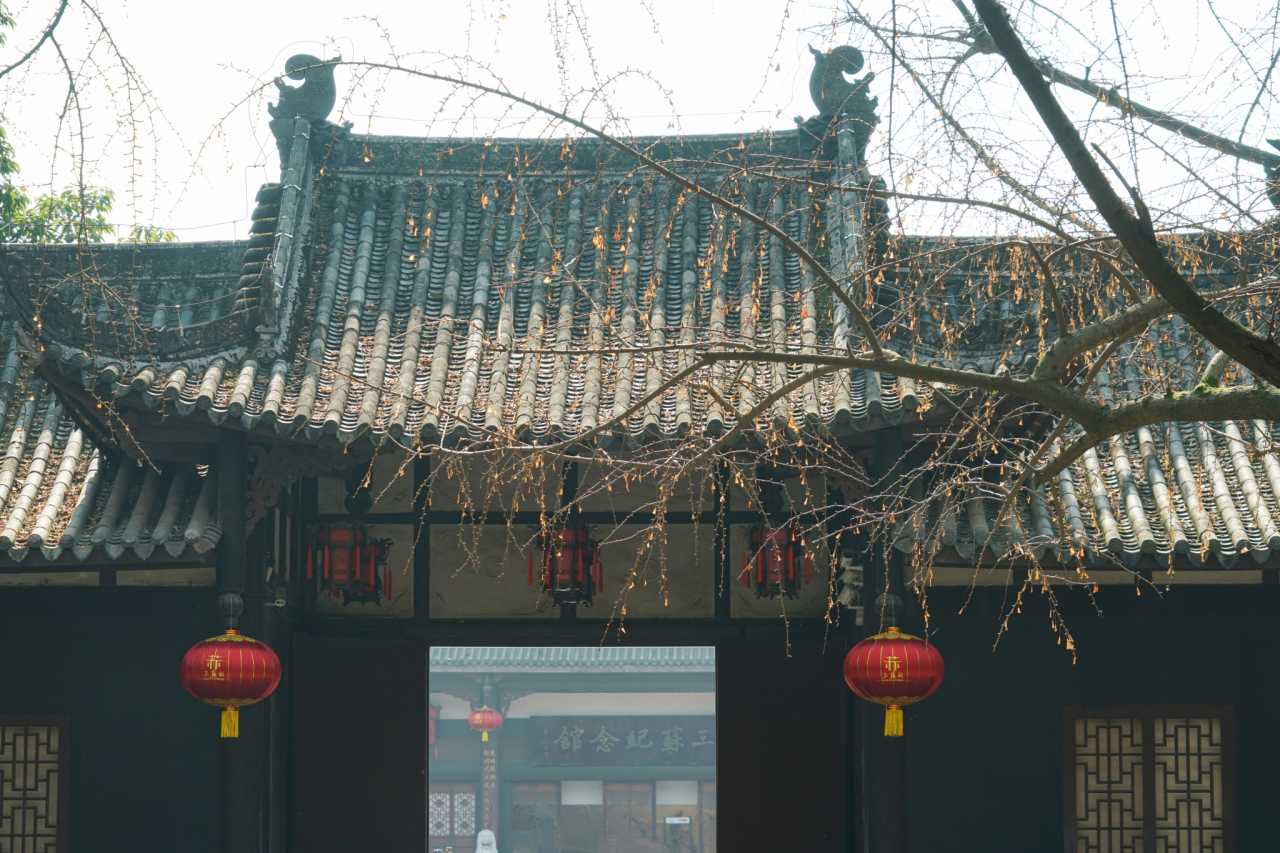
- Meishan — Boutique hotels near the Three Sus Temple
- Leshan — Riverside hotels with Buddha views
- Liangshan — Yi-style guesthouses for authentic experiences
FAQ: Off-Peak Travel to the "Three Mountains"
Q1: What is the best time for off-peak travel to the "Three Mountains"?
The best off-peak period is from October to March (excluding Chinese New Year). Autumn offers pleasant weather and fewer tourists, while winter provides the lowest crowd levels.
Q2: How many days should I allocate for visiting all three locations?
A minimum of 5-7 days is recommended: 2 days for Meishan, 2 days for Leshan, and 2-3 days for Liangshan. This allows for relaxed exploration without rushing.
Q3: Are there English guides available at these sites?
English guides are limited, especially in Meishan and Liangshan. Consider hiring a private guide through travel platforms or downloading translation apps. The Three Sus Temple does have some English signage.
Q4: What local dishes should I try in each location?
- Meishan: Dongpo pork, Hanyang Bangbang Chicken
- Leshan: Leshan spicy hot pot, tofu pudding
- Liangshan: Yi-style roasted meat, buckwheat pancakes
Q5: Is it safe to travel alone in these areas?
Yes, all three locations are safe for solo travelers, especially during off-peak seasons. Liangshan requires more preparation due to less developed infrastructure, but locals are generally welcoming.
Conclusion: Your Off-Peak Adventure Awaits
The "Three Mountains" of Leshan, Meishan, and Liangshan offer a journey through time, culture, and authentic Sichuan life that mass tourism cannot provide. By choosing off-peak travel, you gain access to intimate moments: the quiet contemplation of a thousand-year-old banyan tree, the taste of freshly made Bangbang Chicken in an ancient town, and the serene gaze of the Giant Buddha without the crowds.
Ready to escape the crowds? Start planning your off-peak journey today. Book your train tickets, pack comfortable walking shoes, and prepare for an adventure that will connect you with three generations of history, culture, and natural beauty.
Call to Action: Share your "Three Mountains" travel experiences in the comments below, or contact us for personalized itinerary planning. Don't forget to subscribe to our newsletter for more off-peak travel guides and insider tips!
[Link: Sichuan travel planning guide] [Link: Chinese historical sites for solo travelers] [Link: Authentic Sichuan cuisine tour]
You may also like