Niubei Mountain Hiking Guide: Solo Pilgrimage to China's Most Beautiful Viewing Platform
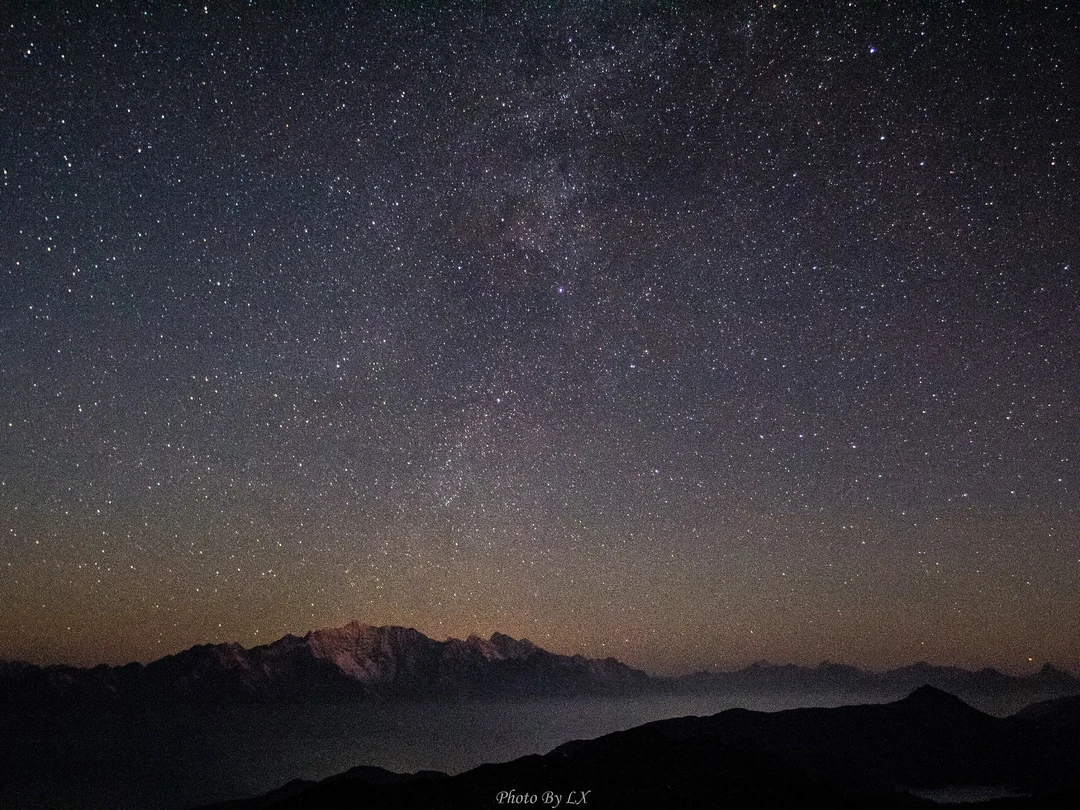
Meta Description: Planning a solo Niubei Mountain hike? This complete guide covers routes from Chengdu, gear tips, accommodation at Guangmingding, and insider advice for conquering the snowy peaks of this legendary Sichuan viewing platform.
Introduction: Why Niubei Mountain Should Be Your Next Solo Adventure
As a third-year master's student with a serious case of wanderlust, I had been dreaming of Niubei Mountain for years. Hailed as "China's Most Beautiful Viewing Platform," this sacred peak in Sichuan Province had been sitting on my travel bucket list since my undergraduate days. When the New Year holiday finally arrived, I convinced my advisor to grant me a ten-day break—and embarked on what would become an unforgettable solo pilgrimage to the snowy peaks.

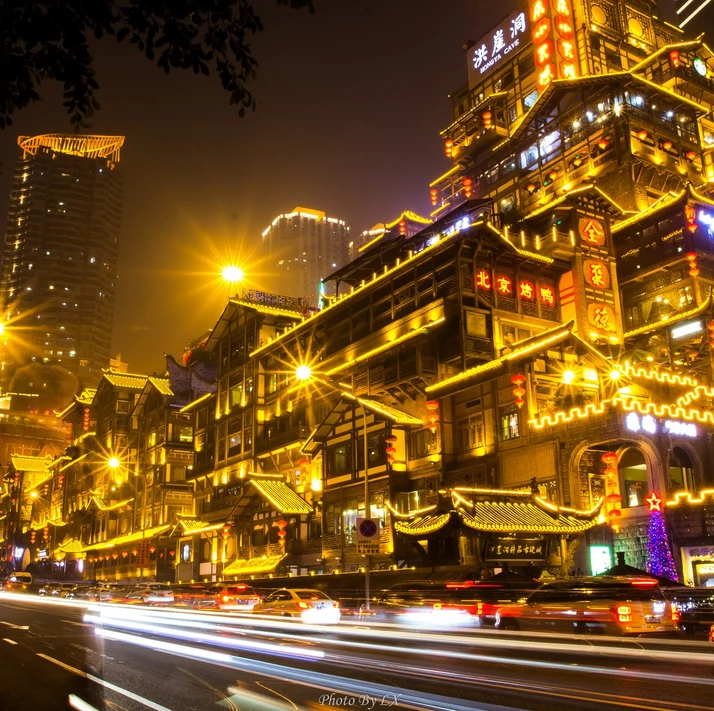
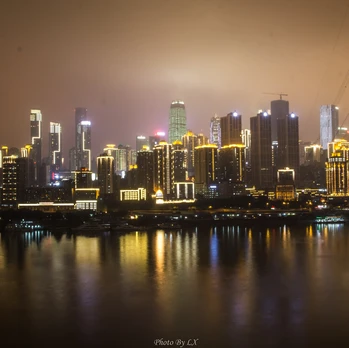
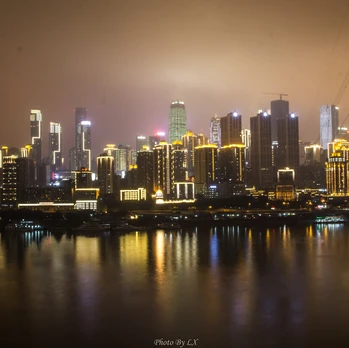
What started as a group trip with friends (Amao and Panye) quickly evolved into a solo mission. After three days of Chongqing's fiery hotpot and neon-lit streets, my companions returned to Changsha, while I pressed onward to Chengdu. A shattered phone screen on New Year's Eve didn't dampen my spirits—if anything, it felt like the universe was marking the start of something extraordinary.
This guide shares everything I learned: from budget-friendly transport hacks to trail navigation secrets, so you can experience the raw beauty of Niubei Mountain without the guesswork.
How to Reach Lengqi Town: Your Gateway to Niubei Mountain
Traditional Bus Routes from Chengdu
Most hikers begin their journey from Chengdu, basing themselves in Lengqi Town before ascending. The Xin'nanmen Bus Station (conveniently located near a subway stop) offers two main options:
Option 1: Direct Bus to Lengqi Town - Departure: 9:30 AM daily (one bus only) - Duration: ~6 hours - Cost: 95 yuan - Note: This bus terminates at Hailuogou; Lengqi Town is a stop along the route. Confirm with the driver upon boarding.
Option 2: Bus to Luding + Transfer - Departures: Five daily (8:00, 10:00, 12:00, 13:10, 14:00) - Transfer: From Luding to Lengqi Town is a short taxi or local bus ride (~10 yuan)
The Game-Changer: Expressway + Didi Hitchhike
Here's an insider tip that saved me hours: On December 31, 2017, the expressway to Luding opened, slashing driving time from Chengdu to Luding from 6 hours to just 2.5 hours. However, regular buses still can't use the expressway.
The solution? Use Didi Hitchhike to go directly from Chengdu to Lengqi Town (or Luding). It's faster, costs about the same as the bus (around 95–120 yuan), and drops you closer to the trailhead. A local student I met in Lengqi Town—now preparing for graduate exams at Sichuan Normal University—swears by this method.
[Link: Chengdu to Luding expressway travel tips]
Niubei Mountain Hiking Routes: Three Ways to the Summit
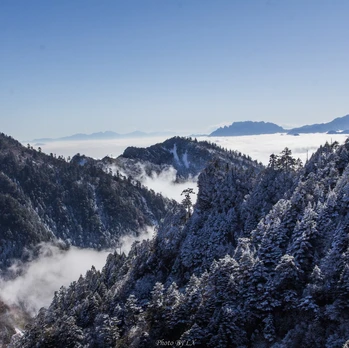
Once you've reached Lengqi Town, you have three options for ascending Niubei Mountain:
- Vehicle to Summit (~200 yuan): Saves energy but sacrifices the experience.
- Full Hike from Lengqi Town: Not recommended unless you're a hardcore endurance hiker—you'll truly question your life choices.
- Ride to Pumaidi Village + Hike (Recommended): This is the sweet spot between effort and reward.
Where to Stay: Uncle Deng's Hostel
I stayed at Uncle Deng's Hostel, a popular base camp for hikers. Every day before 4:30 PM, minivans near the Lengqi Town bus station head to "Heping" for 10 yuan. Tell the driver to drop you at Uncle Deng's place.
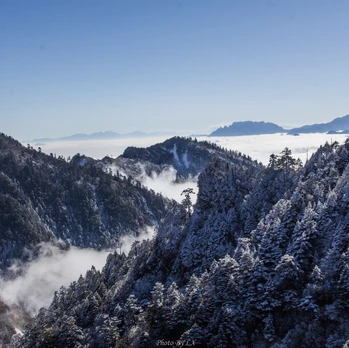
The next morning, Uncle Deng can arrange a ride to Pumaidi Village for 20 yuan per person. You can pay an extra 30 yuan to go directly to Qidaoguai (Seven Bends) —but I don't recommend it. That road is rough on vehicles, and the walk from Pumaidi is manageable.
Important logistics note: - Pumaidi to Uncle Deng's: 20 minutes downhill by motorcycle, 2–3 hours on foot - Uncle Deng's to Lengqi Town: 30 minutes by motorcycle, 2–3 hours walking - Don't waste energy trying to save 20 yuan—the walk is exhausting before your hike even begins.
The Trail: From Pumaidi Village to Guangmingding Summit
Uncle Deng's hostel has a hand-drawn hiking map. It's mostly accurate, but the side trail descriptions are too vague. I've expanded the route with markers, timing, and key junctions based on my experience.
Stage 1: Pumaidi Village → Qidaoguai (Point A)
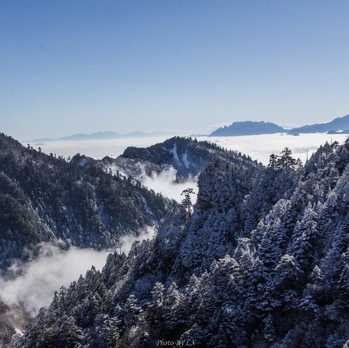
Duration: ~40 minutes
Your starting point is a utility pole in Pumaidi Village. From here, take the shortcut path. The first major landmark is Qidaoguai (Point A) —a series of seven switchbacks that warm up your legs.
Stage 2: A → B (60 minutes)
Point B is a critical fork. The left path leads to Street Garden, but be warned: during the mountain closure period, police may be stationed there and will turn you back. The path blocked by branches with a blue plastic bag on the ground leads to Street Garden. We're taking the right path.
Along this section, you'll pass several notable landmarks in sequence. Keep your eyes open for trail markers.
Stage 3: B → C (30 minutes)
At Point C, go about 150 meters to the right to reach Point D—the entrance to the next trail section.
Stage 4: D → E (20 minutes)
Note: Uncle Deng's map says there's 300 meters between Point E and the next entrance, but they're practically adjacent. Trust your eyes over the map here.
Stage 5: E → F (2 minutes)
The exit at Point F and the next entrance are also right next to each other. This section is almost comically short.
Stage 6: F → G (20 minutes)
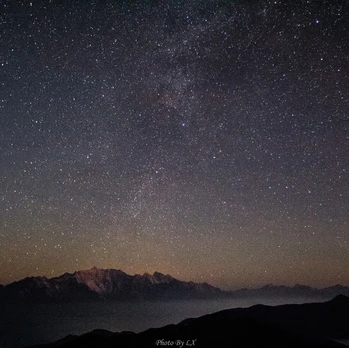
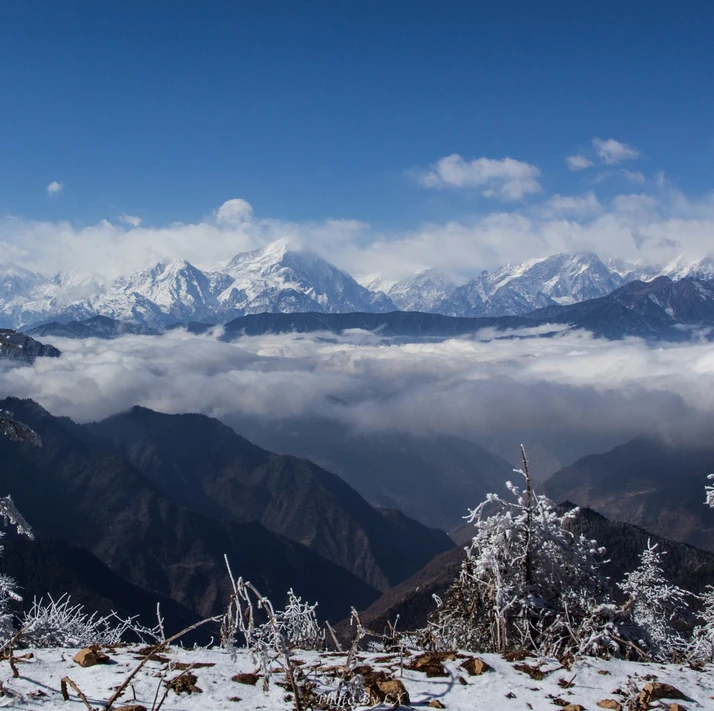
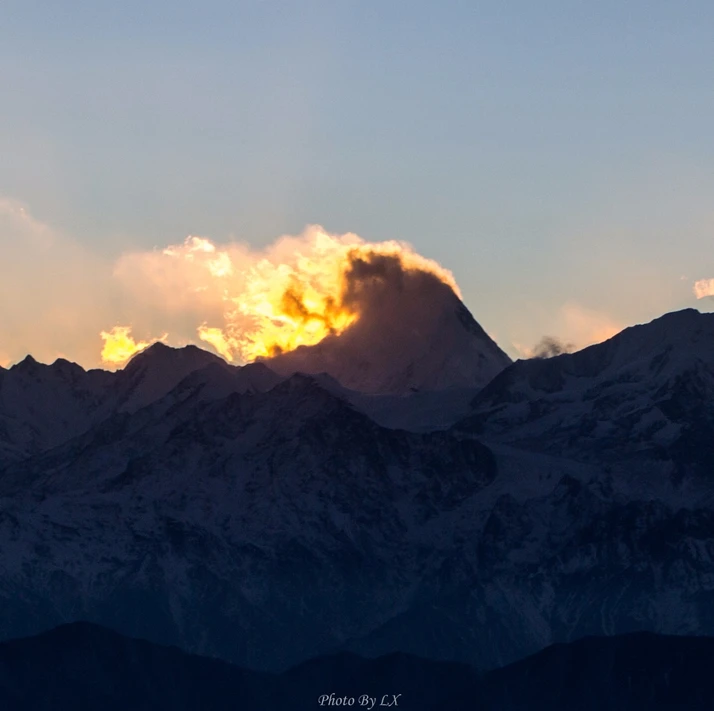
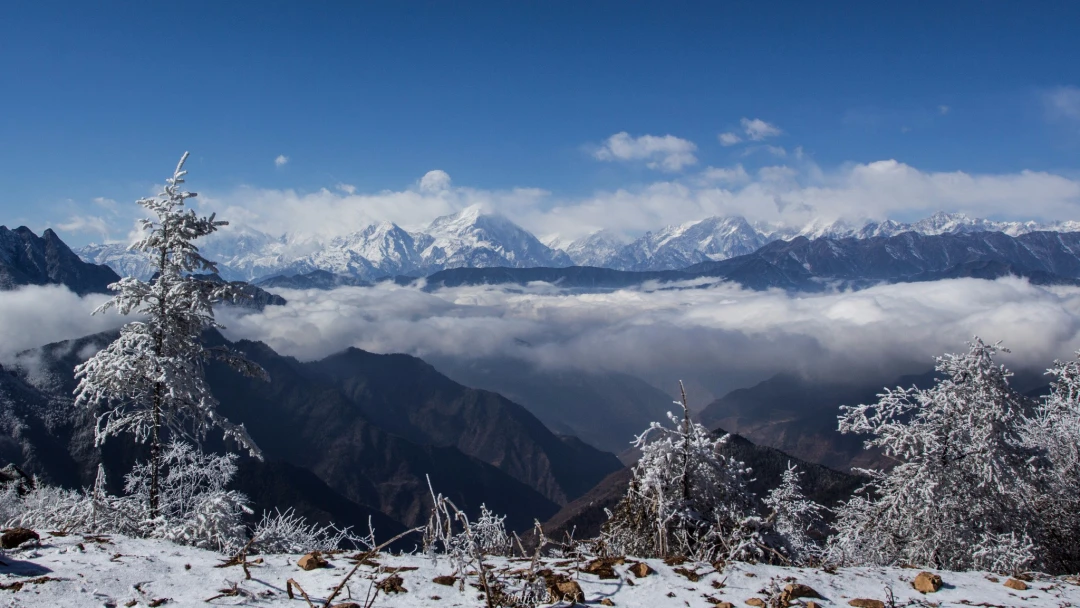
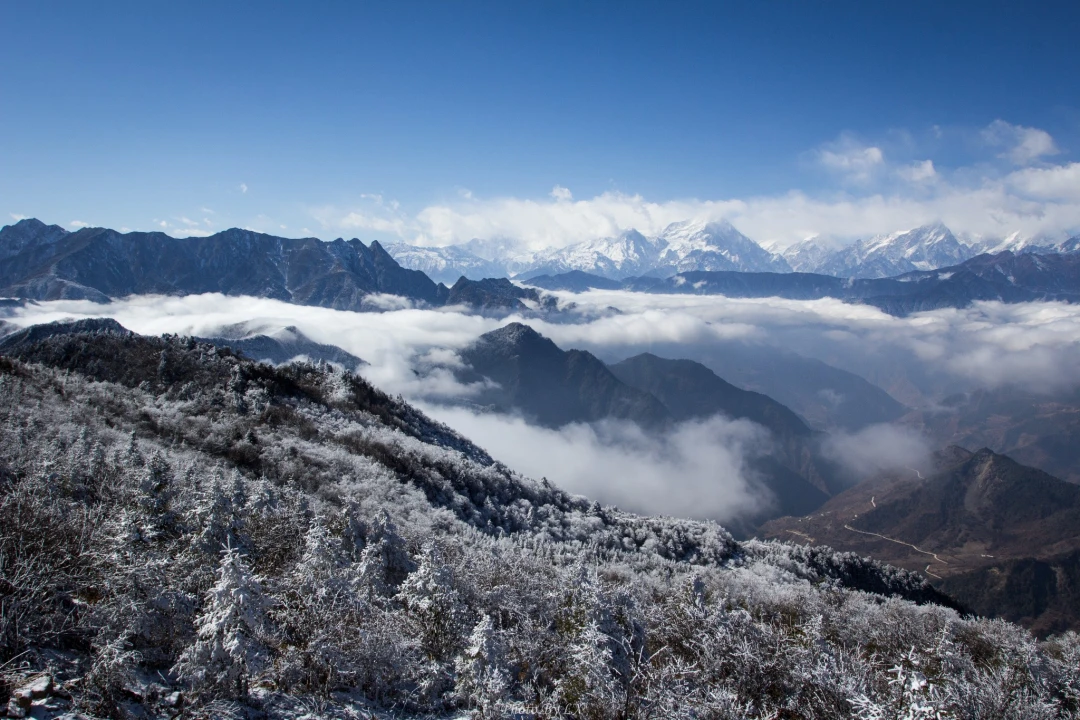
Point G offers spectacular views. When I ascended, the snow hadn't melted, making the landscape even more breathtaking. Take time to photograph the rime ice and distant peaks.
Stage 7: G → H (Very Close)

Uncle Deng's map shows Point H as a ruined house, but it's been demolished. Now there's only a stone platform—but the view is incredible. Snow-capped mountains stretch in every direction.
Stage 8: H → I (20 meters)
Look for a large, flat rock here. The uphill path is on the opposite side. Don't miss it—it's easy to walk past.
Stage 9: I → J (30 minutes)
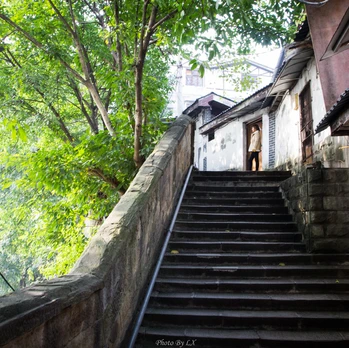
The last section of single-track trail. The end is Yunjia Village (Cloud Sea Village) . Congratulations—the toughest part is over! From here, the path widens, navigation becomes straightforward, and the scenery is stunning.
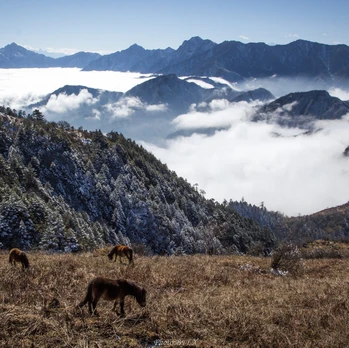
I stopped at Yunjia Village to refuel, eat lunch, and enjoy an unbeatable VIP view of rime ice, a sea of clouds, and snowy peaks—completely free.
Stage 10: Yunjia Village → Summit (130 minutes)
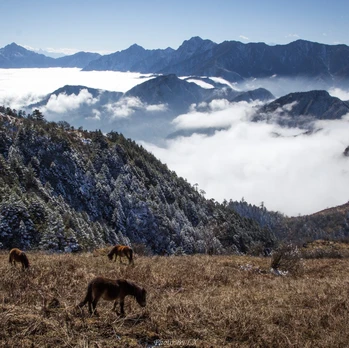
The first half feels like paradise—gentle slopes, open meadows, and grazing horses. The second half involves switchback roads through snow-covered terrain. Watch for: - Strange raised bumps in the snow (I still don't know how they formed) - Small ice waterfalls—slippery sections require caution - Horses grazing on the hillside—one walked ahead of me, leading the way. When I stopped, it stopped, turned around, and looked at me. Truly a spiritual moment.
Accommodation at the Summit: Guangmingding Hostel
The only place to stay at the summit is Guangmingding Hostel, run by Uncle Ma (phone: 13547152335). Here's what to expect:
Amenities: - Warm boiled eggs (free of charge!) - Bottled water: 5 yuan - Hot water: 10 yuan - Soft drinks: 10 yuan
Accommodation: - Cost: 150 yuan per person (includes breakfast and dinner) - Room types: Prefab cabins or yurts (cabins are better for wind protection) - Electricity: Only available from 7 PM to 9 PM when Uncle Ma runs a diesel generator - Charging: Use this 2-hour window to charge your phone, camera, and turn on the electric blanket
Winter gear recommendation: I went in dead winter and wore two pairs of long underwear, two long-sleeve thermal shirts, two pairs of socks, one pair of pants, and one insulated jacket. Layer up—the summit is brutally cold.
Frequently Asked Questions About Niubei Mountain Hiking
1. Is Niubei Mountain suitable for solo hiking?
Absolutely. The trail is well-marked from Yunjia Village onward, and the first section (Pumaidi to Yunjia Village) is manageable with the detailed route guide above. Many hikers, including myself, complete it solo. Just ensure you have proper navigation tools and let someone know your itinerary.
2. What's the best time of year to hike Niubei Mountain?
Winter (December–February) offers the most dramatic scenery—rime ice, snow-covered peaks, and clear skies for cloud sea views. However, trails can be icy. Spring and autumn offer milder weather but fewer guaranteed clear days. Avoid summer monsoon season (July–August) when clouds often obscure the views.
3. How fit do I need to be for this hike?
Moderate fitness is sufficient. The total hiking time from Pumaidi Village to the summit is approximately 5–6 hours (excluding breaks). The hardest section is the initial climb to Qidaoguai. If you can handle 4–5 hours of steady uphill walking with a 10–15 kg pack, you'll manage fine.
4. Can I camp on Niubei Mountain?
Officially, no. The only accommodation at the summit is Guangmingding Hostel. Wild camping is discouraged due to environmental protection regulations and extreme weather conditions. Book a bed at Uncle Ma's hostel in advance, especially during peak seasons.
5. What should I pack for a winter hike?
Essentials: Insulated hiking boots, crampons or microspikes for icy sections, waterproof jacket and pants, multiple thermal layers, gloves, hat, sunglasses (snow glare is intense), headlamp, high-energy snacks, and at least 2 liters of water. Don't forget power banks—electricity is limited at the summit.
Final Tips and Call to Action
Niubei Mountain isn't just a hike—it's a pilgrimage to one of China's most sacred natural wonders. The journey from Chengdu's bustling streets to the silent, snow-covered summit is transformative. Whether you're a seasoned hiker or a first-time solo adventurer, this trail rewards every step with views that linger in your memory forever.
Ready to plan your trip? Start by booking your bus or Didi hitchhike to Lengqi Town. Contact Uncle Ma (13547152335) to reserve a bed at Guangmingding Hostel. And most importantly—embrace the solo journey. The mountain has a way of speaking to those who walk alone.
Share your Niubei Mountain story in the comments below! Have you hiked this legendary peak? What tips would you add for future pilgrims? Your experience could inspire someone else's adventure.
[Link: Essential Sichuan hiking gear checklist] [Link: Best solo hiking destinations in China] [Link: Budget travel tips for Chengdu and Sichuan]
Safe travels, and may the clouds part to reveal your snowy peaks.
You may also like


