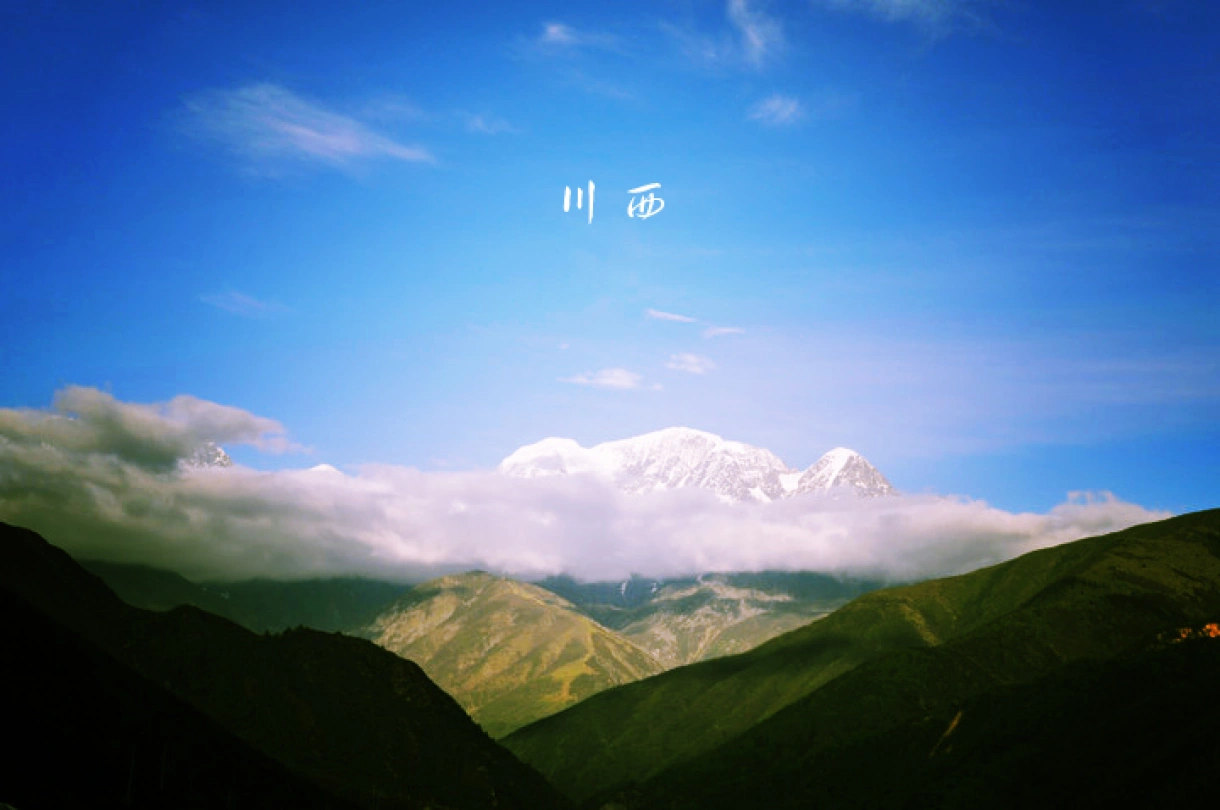
National Day Trip to Western Sichuan: Rain, Traffic Jams, and High Prices — Was It Worth It?
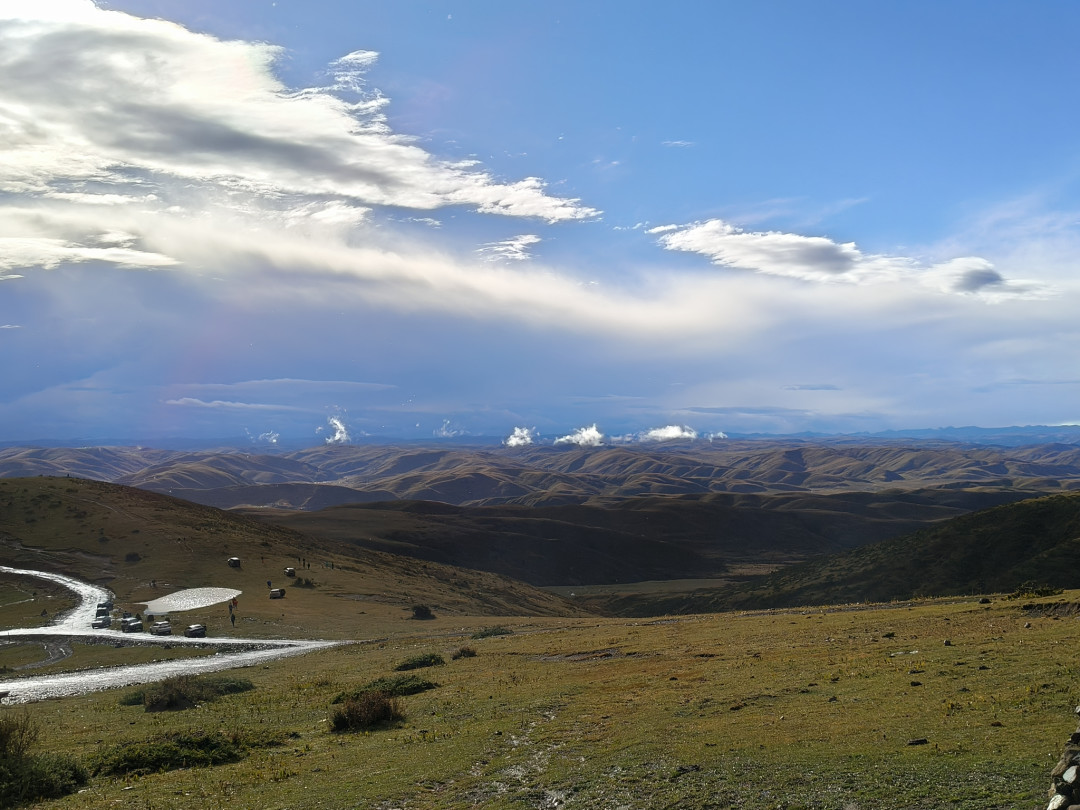
Meta Description: Planning a National Day trip to Western Sichuan? Discover one traveler's honest account of rain, traffic jams, and sky-high prices—and why the breathtaking scenery made it all worthwhile.
When "Golden Week" Meets "Gloomy Weather": Is a Western Sichuan Trip Worth the Hassle?
During the National Day holiday, flight and hotel prices triple. The weather forecast predicts rain every single day. Navigation maps are a sea of deep red. Would you still dare to go to Western Sichuan?
The answer is: I went. I set off with a belly full of complaints, but ended up returning with a heart full of surprises.
This six-day Western Sichuan itinerary was planned all the way back in July. Booking the car, the tickets, the hotels—every step was done with painstaking care. I thought it was foolproof. But from the moment we landed, things went wrong nonstop. It rained for six days. We were stuck in traffic for four days. My frustration could have powered an entire dark wizard army.
But it was precisely this seemingly "disastrous" trip that gave me a whole new understanding of Western Sichuan. Some scenery is worth braving the storm to see.
[Link: Best time to visit Western Sichuan]
Day One: Traffic Jam Right After Landing, but Tibetan Food Fixed Everything
From the Airport to Barkam: A Four-Hour Wait
On October 1st, we landed in Chengdu half an hour ahead of schedule. I opened my phone, and the first message was from our private driver: "I'm stuck in traffic and haven't even made it yet."
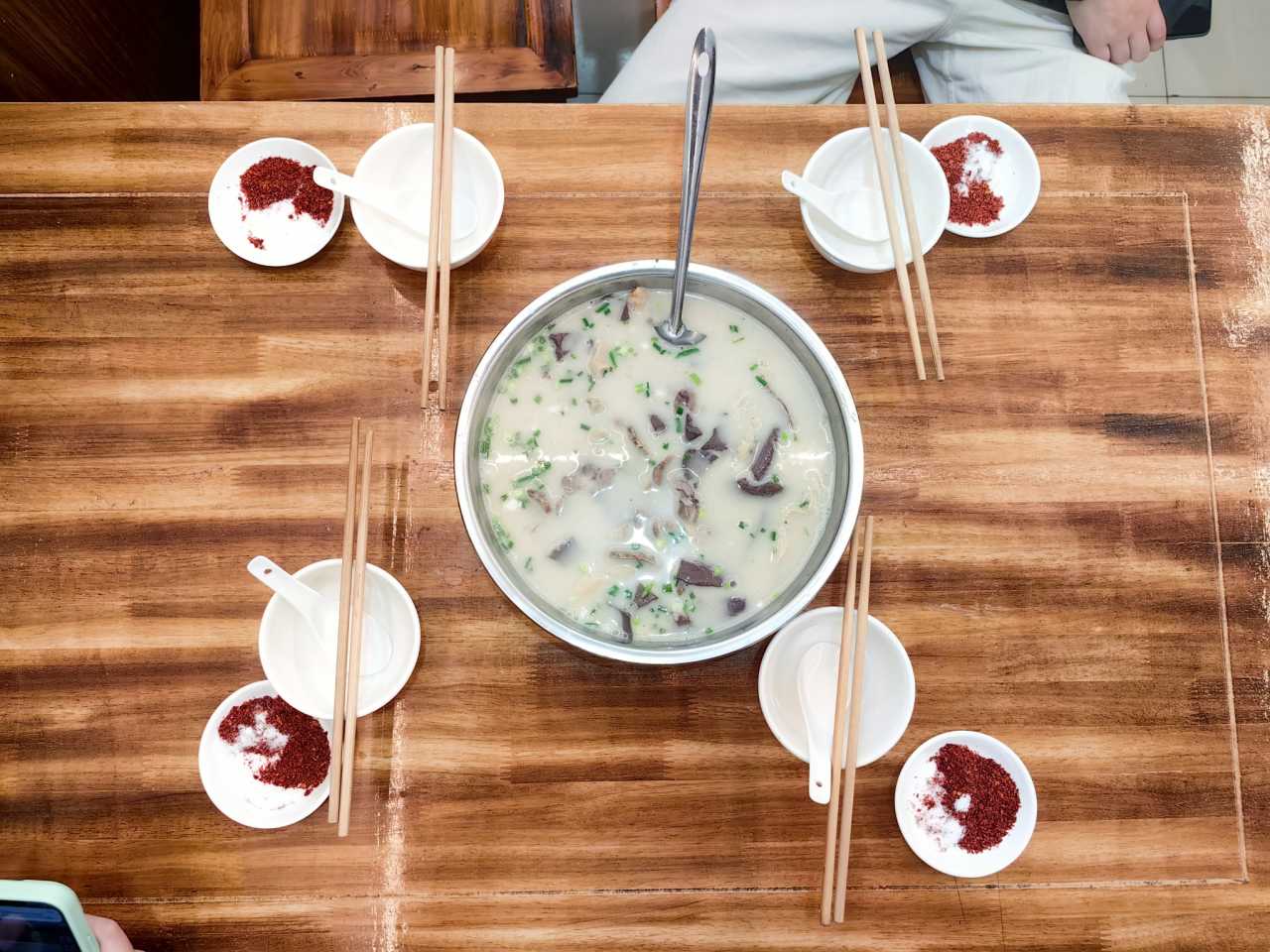
Fine. When in Rome, do as the Romans do. We headed straight to a nearby lamb soup restaurant called Shisunjing Leishi Lamb Soup. It was late, so only the lamb and offal soup was available—110 yuan per pound. The auntie working there suggested we order one and a half pounds for four girls, but we thought one pound was enough. As it turned out, it was.
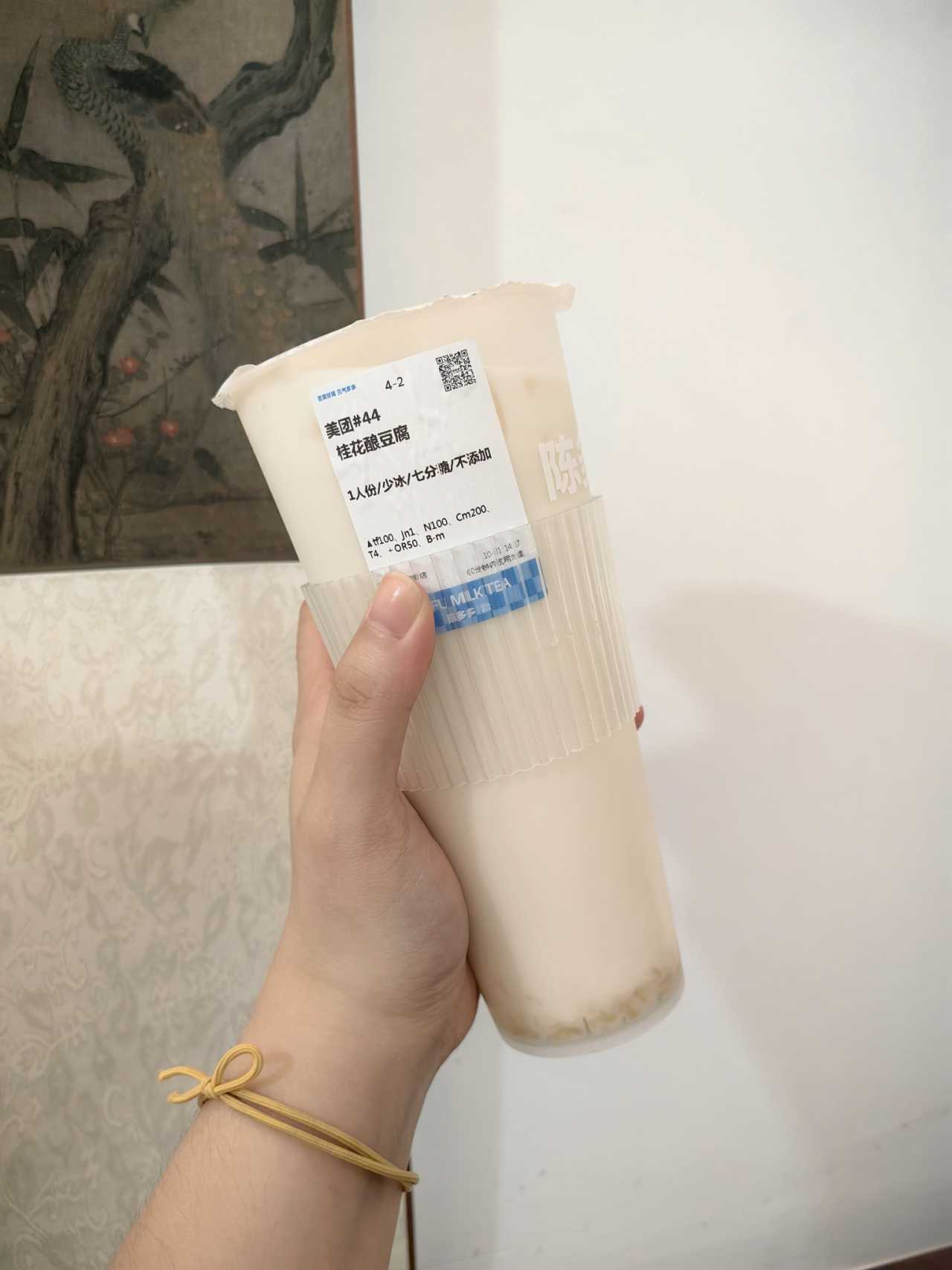
That bowl of lamb soup blew me away. The broth was milky white with a faint, creamy fragrance. The lamb itself wasn't gamey, though it lacked a bit of flavor. Paired with a takeout osmanthus tofu milk tea (only 9 yuan), it was a pretty good start to the trip.
Late-Night Tibetan Food at 11 PM: An Unexpected Surprise
At 3 PM, our driver finally arrived. Time to hit the road! Our first stop was Barkam, passing through Dujiangyan, Li County, and Wenchuan. The traffic jam in Dujiangyan was surreal—it was already backed up before we even took off in the morning, and hours later, it was still backed up. Then, inexplicably, it cleared right after we went through a tunnel.
We didn't get to the hotel until nearly 11 PM. We quickly searched for nearby restaurants still open. A place called Tubolinka Ecological Tibetan Restaurant popped up first. I called, and the person on the other end hesitated before saying, "Okay, come on over." We rushed in just before closing time. The waiter told us the chef was about to head home—sorry, and thank you for working overtime!
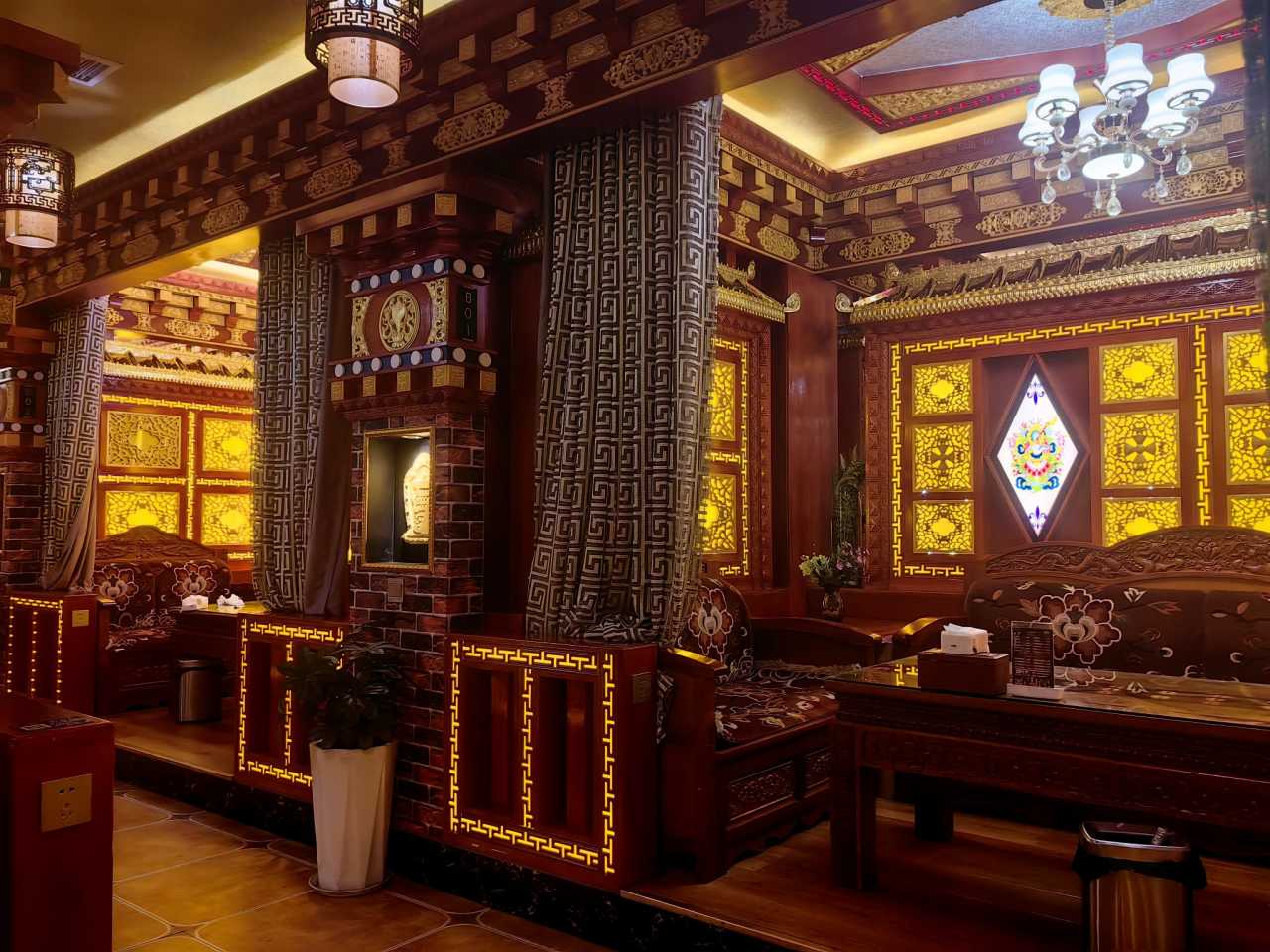
That meal cost 199 yuan, and the four of us ate to our hearts' content.
Highly recommended: - Anduo Tibetan Rice: A mix of green and red peppers, yak meat, and some kind of vermicelli—incredibly addictive - Hand-Grabbed Yak Meat: Only about 70 yuan per pound, cheaper than the lamb we had earlier, and wonderfully chewy - Butter Tea: Tastes like savory milk tea with a strong jujube flavor - Monk Buns: Good filling, but the dough was too thick
After that meal, all the frustration from the traffic jam melted away. Tomorrow: Majiagou, here we come.
[Link: Must-try Tibetan food in Western Sichuan]
Day Two: Rain in Majiagou and Traffic in Danba
Majiagou: Even a Cloudy Day Has Its Beauty
We started the day with a bowl of beef tripe noodles—16 yuan, spicy and flavorful. Then we set off for Majiagou, about an hour's drive. Along the way, we passed the Zhuokeji Tusi Official Village. The hotel had offered us free tickets, but our schedule was too tight, so we had to skip it.
Majiagou is indeed a lesser-known spot, but there were more tourists than I expected. The entrance fee was 60 yuan, plus 35 yuan for the shuttle. We only made it to the third stop, Qiongruocuomu, which took about three hours total.
The cloudy Majiagou had a charm of its own: - Trees in a riot of colors - Lakes with mirror-clear reflections - Mist-shrouded mountain peaks - Chance encounters with a Corgi, a Shiba Inu, and a Husky
By the time we reached the third stop, the rain was coming down hard, and we had no cell signal at all. We decided to head back. The biggest disappointment was the yak hotpot at the entrance—over 200 yuan, with barely a few slices of meat, bland and tasteless. We had to ask for chili sauce to force it down.
The Danba Traffic Jam: Giving Up on Zhonglu Tibetan Village
In the afternoon, we set off for Zhonglu Tibetan Village. But right after passing Xiaojin County, we hit a massive traffic jam. Rain, falling rocks, and one-way traffic controls meant we were stuck in a stop-and-go crawl. We finally decided to skip Zhonglu and head straight to our hotel in Danba County.
We didn't get there until 8 PM, and once again, we were scrambling for dinner. This time, we chose a place called Zangshangong, and it wasn't great—the "beef under a blanket" was bland and watery, the butter tea tasted watered down, and only the stir-fried wild mountain mushrooms with cured pork were decent. Unsatisfied, we found a barbecue joint nearby. It was packed, but the food was good.
[Link: Danba County travel tips]
Day Three: Sneaking into Yala Snow Mountain and Clear Skies at Yunrao Yala

Yala Snow Mountain: A "Free Entry" Experience by the Restroom
I opened my eyes to another cloudy day and more traffic. The road along the river in Danba County was jammed from morning till night.
We left at 8 AM and didn't reach Yala Snow Mountain until after 10. We weren't planning to go inside—we just wanted a photo at the entrance, inspired by a stunning shot we'd seen on Xiaohongshu. Unfortunately, the snow-capped peak was hidden behind clouds; we could barely make it out.
The funniest part? We walked up the stairs next to the restroom and found ourselves inside the main gate. We couldn't board the shuttle, but hey, at least we "sneaked in" for free. We snapped a few photos and quickly got out.
Lunch in Bamei Town: Finally, a Proper Meal
Our driver took us to a restaurant in Bamei Town, saying the food was good. We checked the reviews on Dianping—all negative. We quickly switched to a place across the street called Chen Ji Sichuan Restaurant. A huge table of food cost less than 150 yuan. It was home-style cooking, generous portions, and filling. Finally, a proper meal!
Kama Bridge: A Backup Plan We Gave Up On
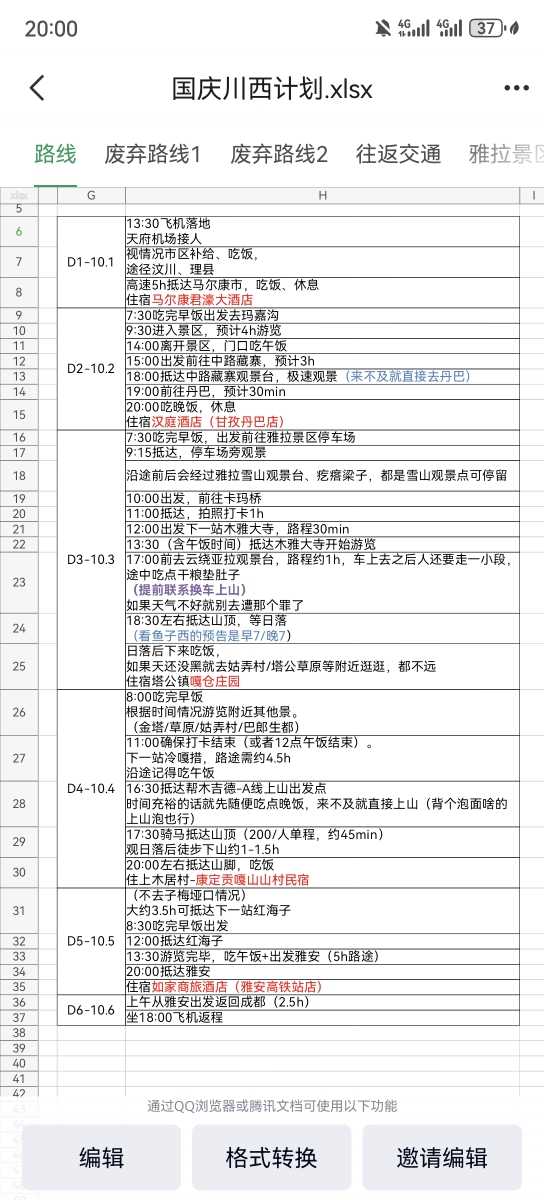
In the afternoon, the sky started to clear. We headed to Kama Bridge, a cheaper alternative to Moshi Park. But the road was too narrow, and our driver didn't dare to go. We thought about walking, but it looked like a 30-minute hike, so we gave up.
Muya Grand Monastery: Blue Sky, Yellow Grass, Golden Roofs
We pressed on, and the sky was completely clear! The blue sky, yellow grass, and golden roofs of Muya Grand Monastery were breathtakingly beautiful.
We paid 16 yuan to enter the monastery grounds, where we saw sheep and monkeys. The main hall was open, and we could go up to the second floor. But we had to rush off to switch vehicles for Yunrao Yala, so we didn't stay long.
Yunrao Yala: 200 Yuan for the Ride—Totally Worth It!
The vehicle swap was a whole saga. Our driver's car couldn't make it up the mountain road, so we contacted another driver. We haggled the price down from over 1,000 yuan to 800 yuan per car. The driver came from Xinduqiao and was stuck in traffic for over four hours before arriving.
While we waited, a dark cloud drifted toward the snow mountain, bringing thunder and rain. We got in the car, but we hadn't even gone 500 meters before we were stuck again. The driver reassured us: "After this heavy rain, the sky will clear."
And he was right. Once we passed the fork in the road, the traffic disappeared. By the time we reached the toll gate, the rain had stopped, and the sky was clear. The blue sky, the snow mountain—it was absolutely stunning.
[Link: Yunrao Yala travel guide]
Was It Worth It? Our Honest Verdict
So, after six days of rain, traffic jams, and high prices, was this Western Sichuan trip worth it?
Absolutely yes—but with caveats.
The scenery in Western Sichuan is world-class. From the misty lakes of Majiagou to the golden roofs of Muya Grand Monastery and the clear skies at Yunrao Yala, every moment of natural beauty made the struggles fade away. The Tibetan food, especially the hand-grabbed yak meat and butter tea, was unforgettable.
However, traveling during National Day Golden Week means you must be prepared for: - Triple prices for flights, hotels, and some restaurants - Daily traffic jams that can add hours to your drive - Unpredictable weather that can change from rain to clear skies in minutes - Crowded attractions even at lesser-known spots
If you can handle the chaos, Western Sichuan during National Day is still a magical experience. But if you have flexibility, consider visiting during shoulder season (late September or mid-October) for lower prices and fewer crowds.
[Link: Western Sichuan travel budget tips]
FAQ: National Day Trip to Western Sichuan
1. Is it safe to drive in Western Sichuan during National Day?
Driving is generally safe, but be prepared for traffic jams, falling rocks, and one-way traffic controls on mountain roads. Consider hiring a local driver who knows the terrain. Our driver was invaluable for navigating the chaos.
2. What should I pack for a rainy Western Sichuan trip?
Pack waterproof hiking boots, a rain jacket, warm layers (temperatures drop significantly at higher altitudes), an umbrella, and a power bank (cell signal is spotty in many areas). Don't forget sunscreen—the UV is strong even on cloudy days.
3. How much does a 6-day Western Sichuan trip cost during National Day?
Expect to pay triple the usual prices. Our private driver cost 800 yuan per car for a single mountain transfer. Hotels were 2-3 times normal rates. Budget at least 3,000-5,000 yuan per person for a comfortable trip, including food, accommodation, and transport.
4. Which Western Sichuan attractions are worth the traffic?
Yunrao Yala and Muya Grand Monastery were the highlights of our trip. Majiagou is beautiful even on cloudy days. Skip overpriced tourist-trap restaurants near major attractions—look for local spots in towns like Bamei instead.
5. Can I visit Western Sichuan without a private car?
Yes, but it's much harder during National Day. Public buses and shared vans exist, but traffic jams and limited schedules make them unreliable. A private driver or rental car with a local guide is strongly recommended.
Ready for Your Own Western Sichuan Adventure?
Don't let the rain, traffic, and high prices scare you away. Western Sichuan is a destination that rewards the brave. Whether you're chasing snow-capped peaks, ancient monasteries, or unforgettable Tibetan food, this region will leave you with stories to tell for a lifetime.
Start planning your trip today. Book your flights early, reserve a reliable driver, and pack your patience. The scenery is waiting—and it's absolutely worth the journey.
[Link: Book a Western Sichuan private tour] [Link: Find the best hotels in Barkam and Danba] [Link: Download our Western Sichuan packing checklist]
Have you traveled to Western Sichuan during National Day? Share your experience in the comments below—we'd love to hear your tips and stories!
You may also like