My Journey Through Western Sichuan: Finding Life's Answers Between Snowy Mountains and Faith
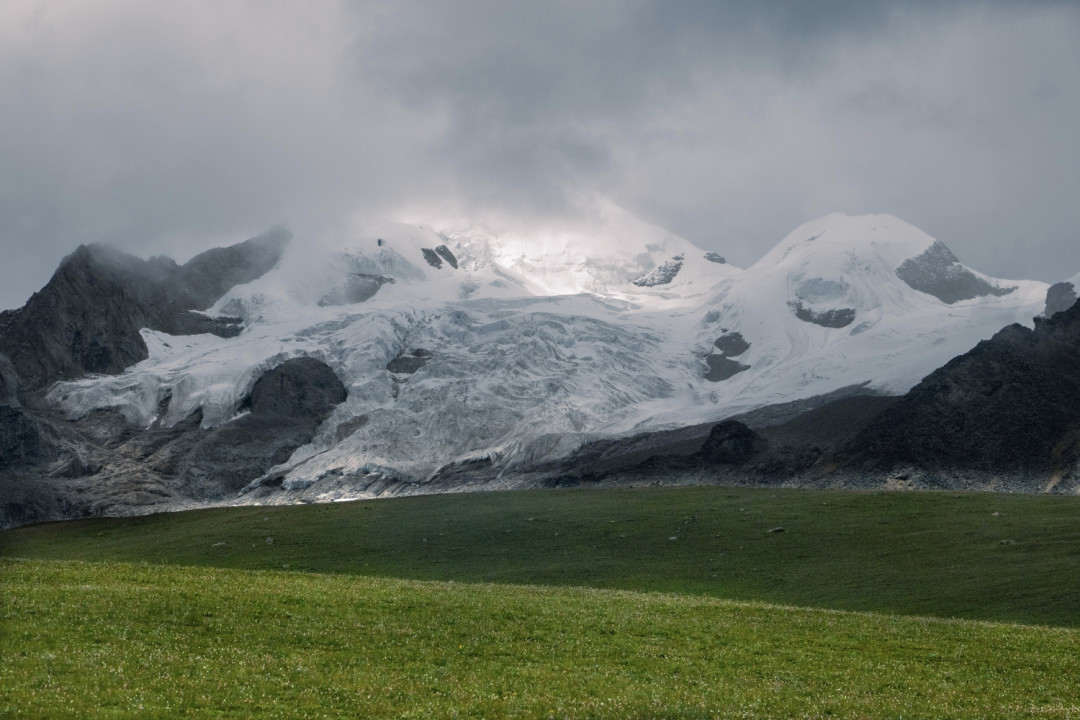
Meta Description: Discover the transformative power of solo travel through Western Sichuan. From snowy mountains to sacred temples, one traveler's journey of self-discovery, faith, and finding peace between the peaks.
Introduction: When Travel Becomes a Faith
A week ago, I was still spinning in the whirlwind of daily routines. Now, time has suddenly opened up before me. I keep reminding myself not to let this blank period turn into laziness—whether it's reading or exercising, I need to do something. As the withdrawal symptoms of travel gradually fade, I think it's time to record this journey through Western Sichuan.
Looking back, it's been nearly a decade since my last solo trip. Ten years—it sounds long, yet it feels like it passed in the blink of an eye. Over these ten years, some people have left, others have appeared; time has marched on, everything around me has changed, and I've experienced my share of inner turmoil. I don't know whether I've grown or simply stayed in place. I'm reluctant to judge myself because the criteria for judgment have long since shifted. The only thing I'm certain of is that my mindset and outlook on life have entered a different phase.
Ten years ago, I was full of passion, eager to improve, determined to make something of myself, to become a successful person living the ideal life. Ten years later, that drive has quietly faded. Strangely enough, I don't feel sad about it—instead, there's a calm acceptance deep inside. I have no achievements to boast about, no significant wealth, no enviable job, no prominent position, no big house. But I'm living the life I want.
Most of my friends have homes, careers, and steady promotions—they've become what I once considered "successful people." A friend I regard as an older brother once told me, "Don't envy others. You don't realize it, but you're the one we envy—you've always lived so freely and carefreely." I've heard similar words from other friends too. I used to take them with a grain of salt, but now, reflecting on life, I believe them.
It's true—I can't measure up to most people. Yet I still feel fortunate: my life is ordinary but free from want; work is busy, but occasionally I can escape to a distant place; I don't have many friends, but I have a few true ones. Life isn't always smooth sailing, but there's wine to drink when I want it, and someone to be there when I sober up. Isn't this the life I wanted?

Time flies like a white horse passing through a crack; things change, people move on. I've wandered through half my life, and I'm no longer young when I return. But I haven't forgotten my original intentions. I still hold onto those small, seemingly insignificant things that matter most to me.
Ten years ago, I went to Tibet alone after losing my job. Ten years later, I've shouldered my backpack again after quitting, heading for Western Sichuan. The highlands, sacred mountains, holy lakes, and temples—these places have always offered my soul shelter, my spirit solace, and my faith a resting place. I see this journey as another milestone in life. The past has passed, sealed away as memories; the future has already arrived, slowly unfolding beneath my feet.
[Link: Solo travel in China]
Departure: Time and Memories on the Train
That morning, I woke up early, said goodbye to my wife, and walked out the door with my backpack.
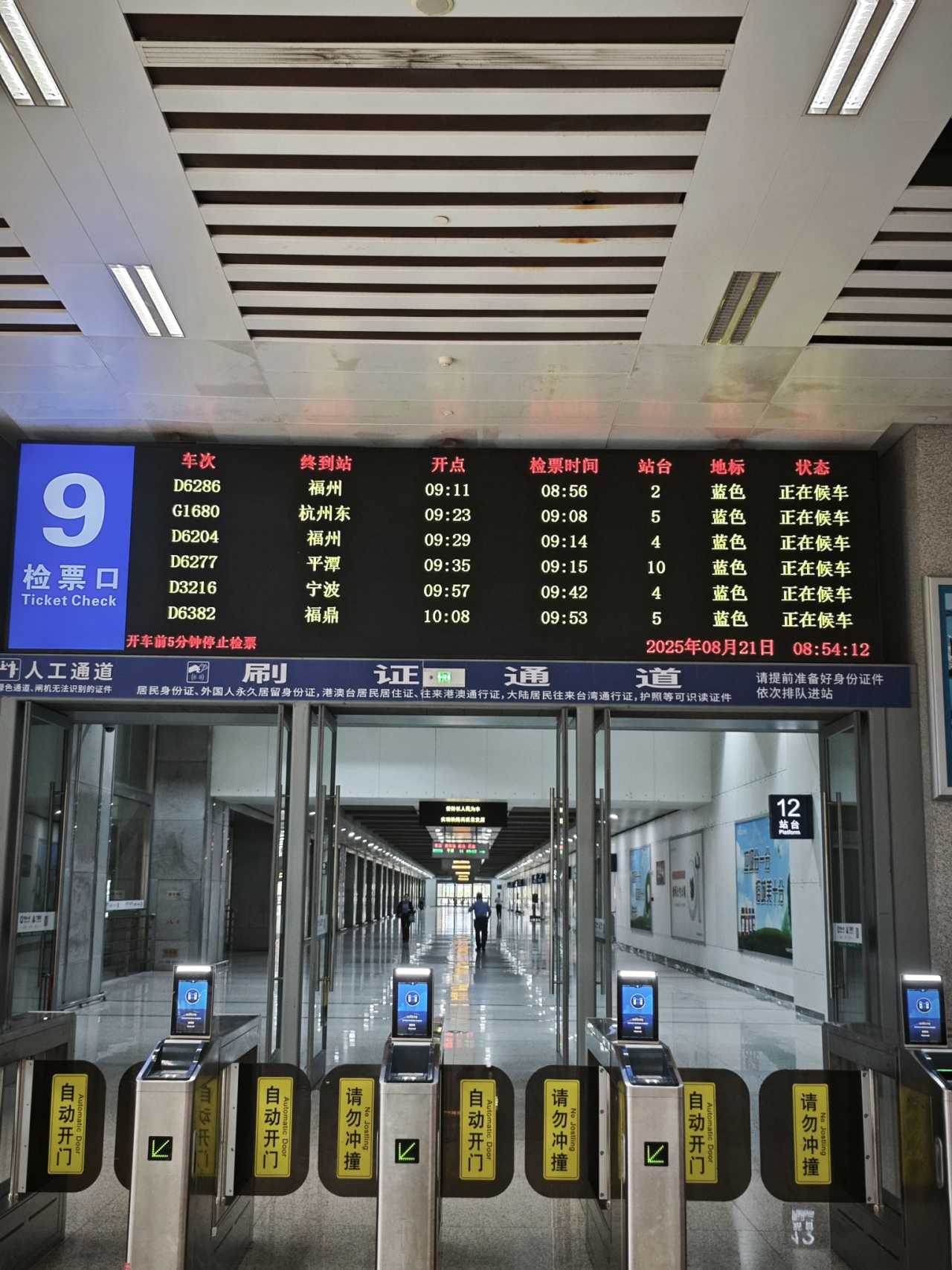
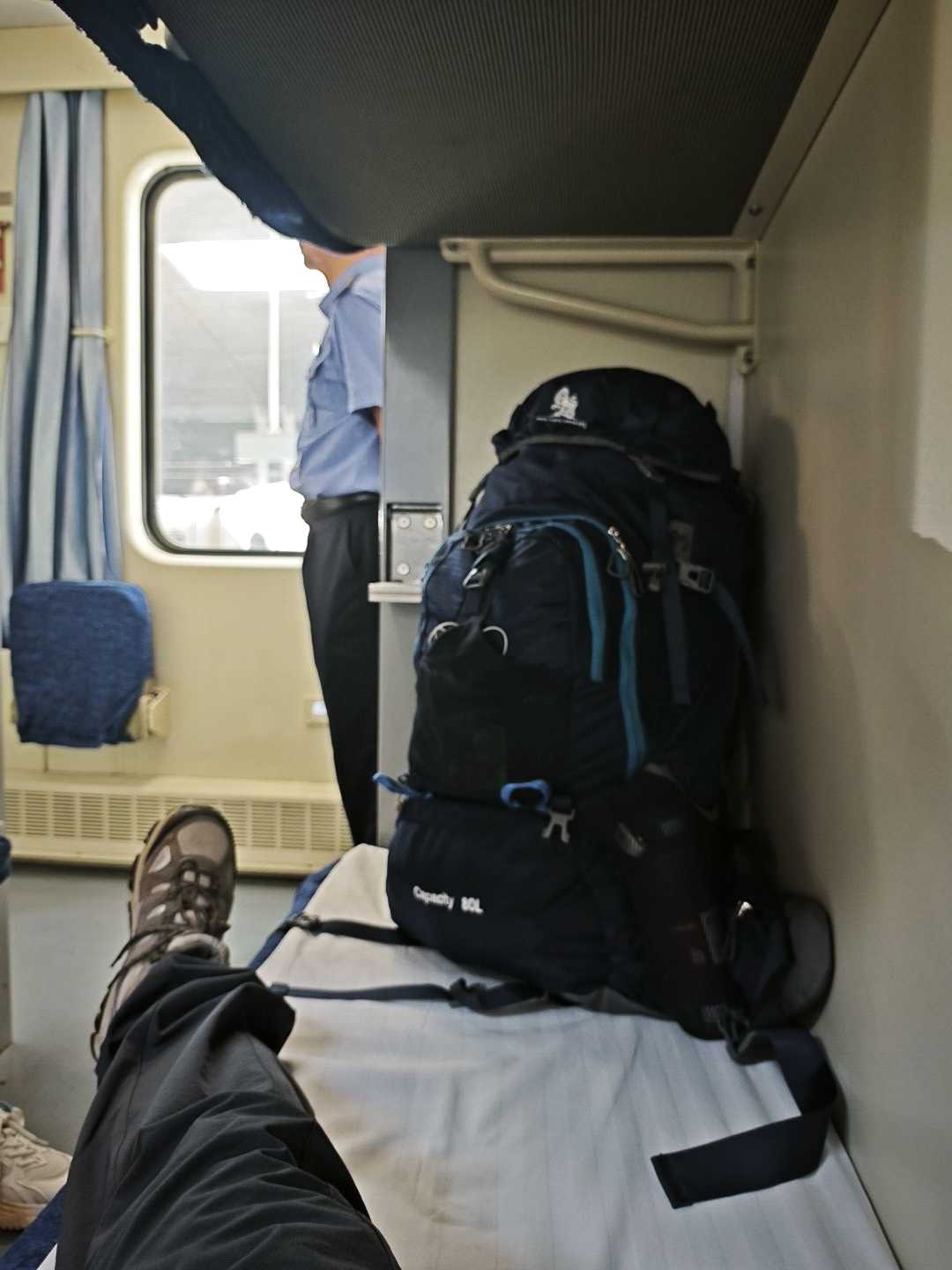
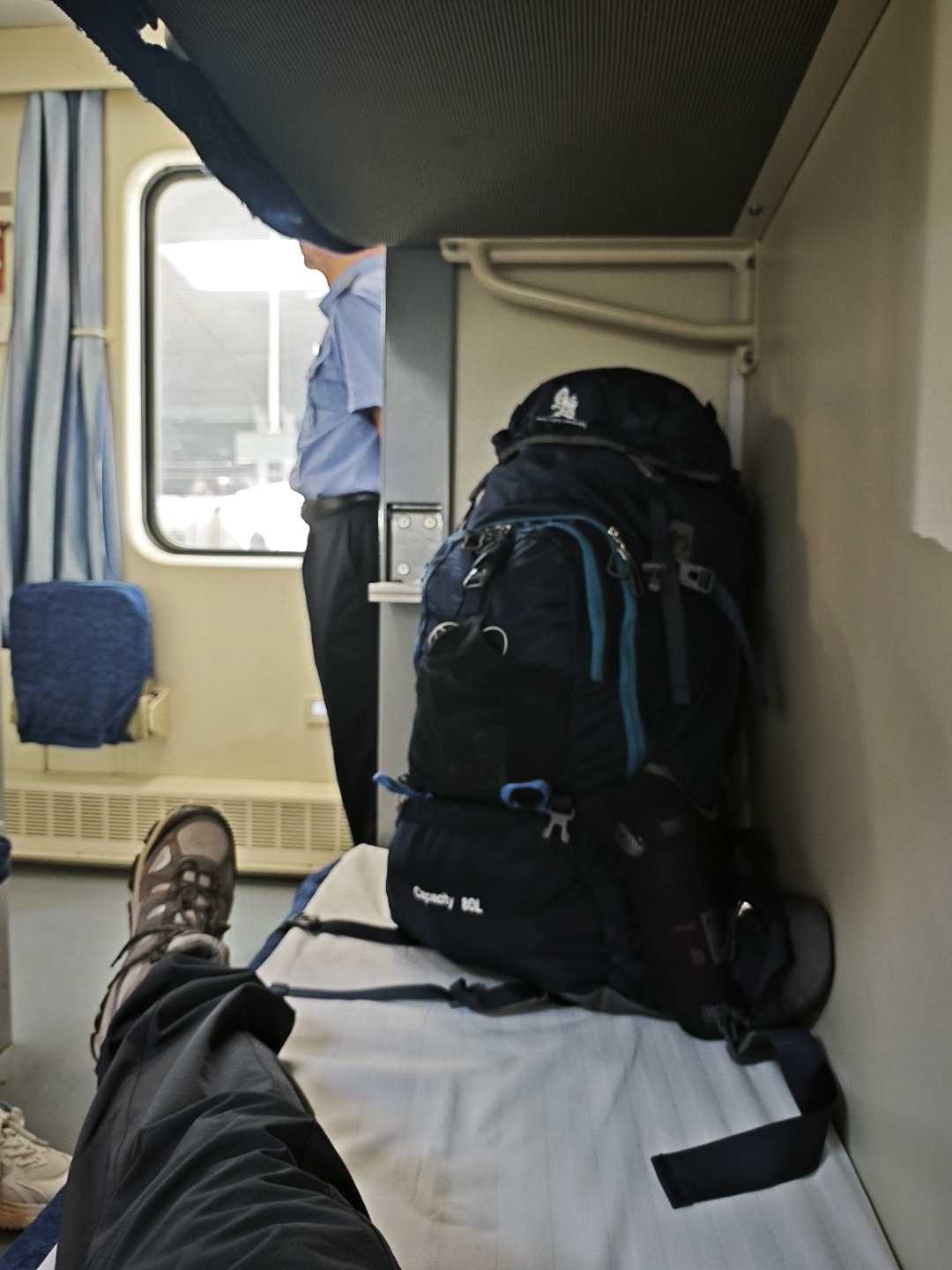
Didi, bullet train, bullet train—three transfers, three hours later, I successfully caught the train heading to Chengdu. From departure to destination, this train would run for a full 26 hours. I found my seat, stowed my luggage, and the train slowly pulled away, like a wheel of fate beginning to turn.

I brought along Village Lang's Solitary Journey Through Tibet as my travel companion. I'd read it before, and it mentioned some of the places I planned to visit on this trip—perfect for revisiting during the train ride.
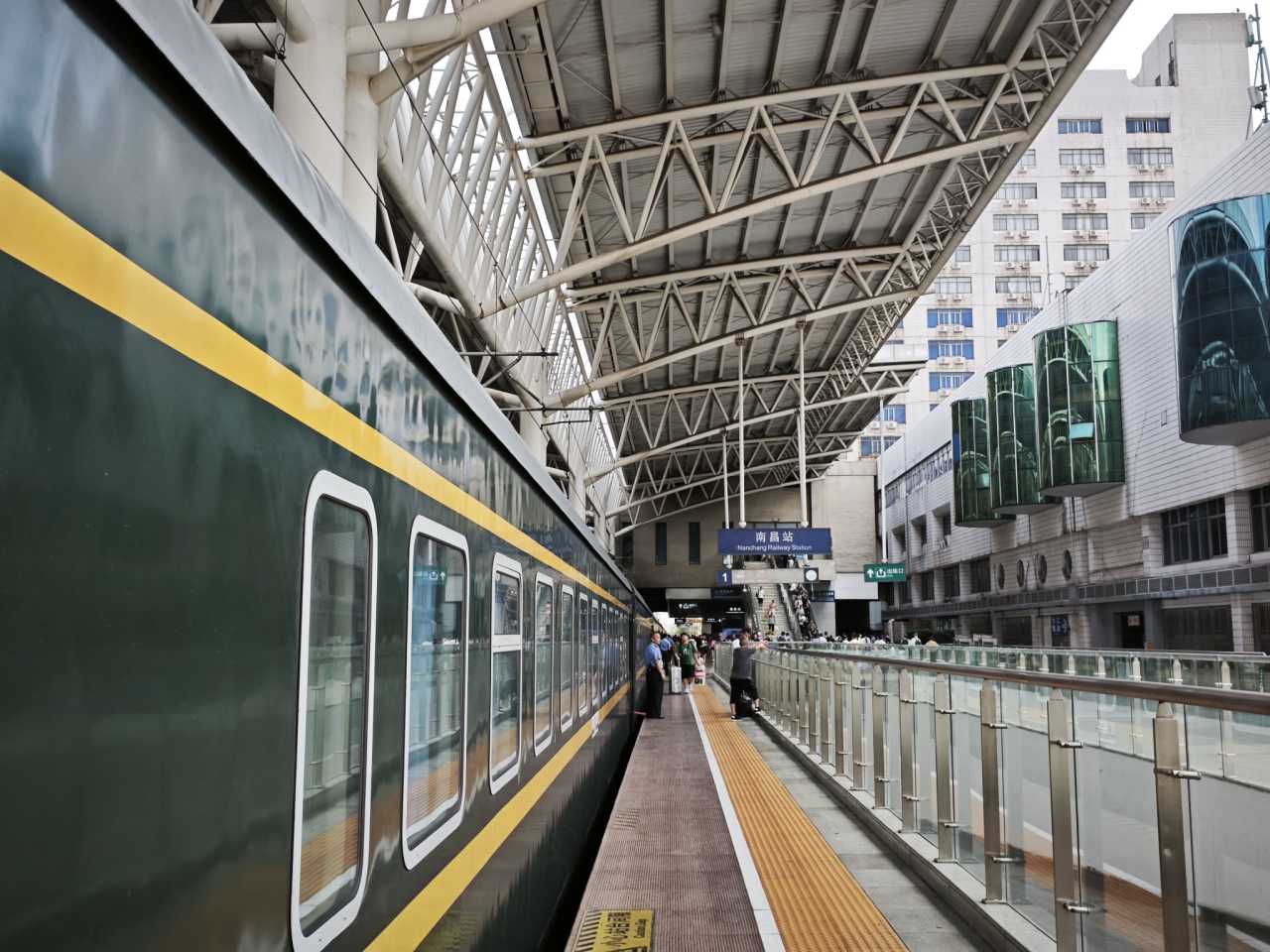
At noon, the train made a stop at Nanchang Station. Nanchang—a name both unfamiliar and familiar. I hadn't been here in over a decade, but this city means more to me than any other place. No one knows what feelings that train carried through the dark night. No one knows how cold yet how full of happiness that train station was at dawn. No one knows how those haunting nights felt like dreams nested within dreams.
At that moment, I suddenly thought of you and wanted to say something. But as I thought about it, I held back. I know not everyone enjoys living in the past and reminiscing like I do. So I decided to keep those feelings in my memory. Let the restarting train carry them onward.
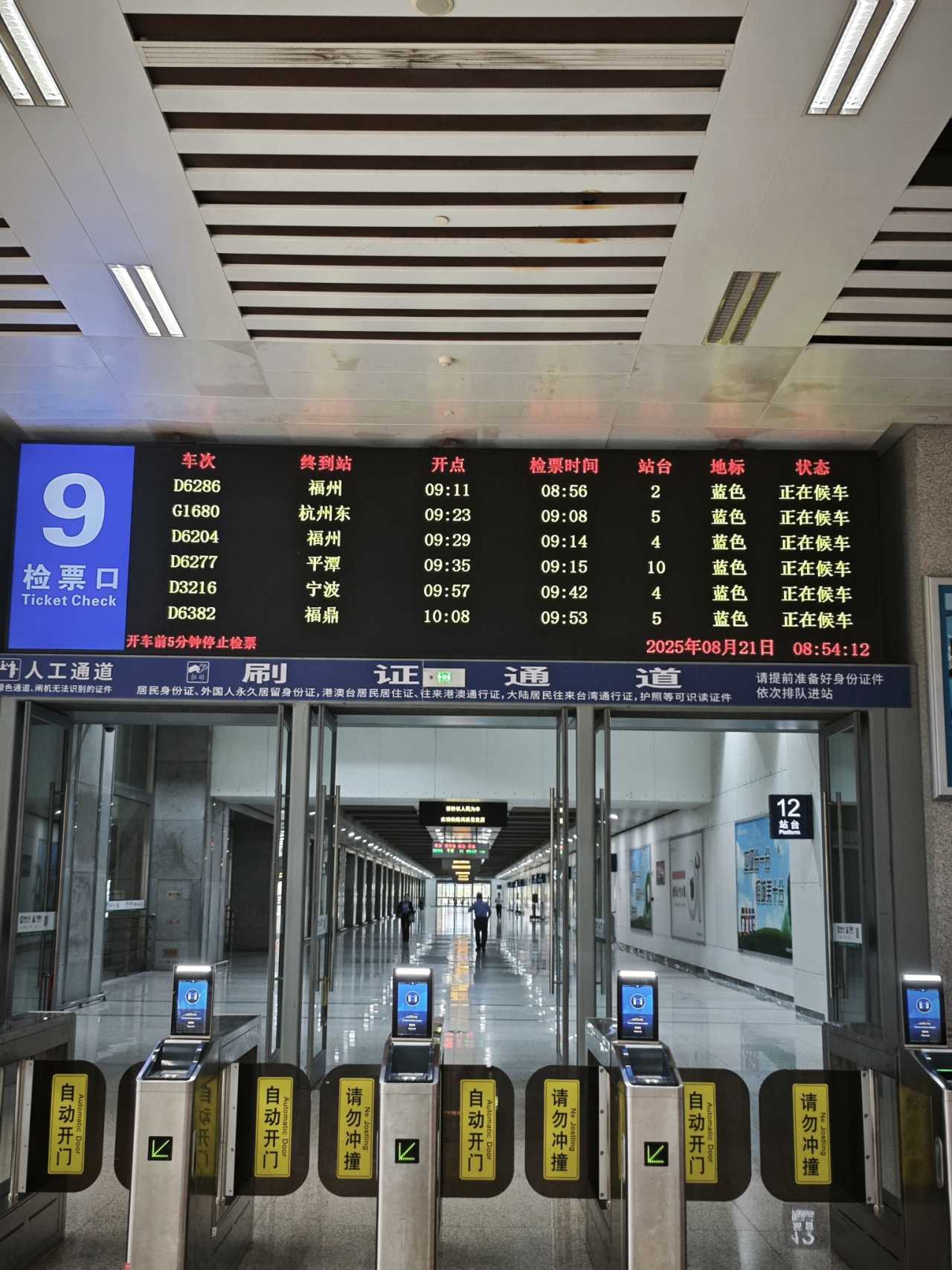
The train rocked and swayed, passing through city after city. I kept reading, dozing off when I got tired. The train passed through countless tunnels before finally reaching open plains. The weather shifted from clear to overcast, from overcast to rainy, and the daylight gradually dimmed. In the sealed carriage, I felt the passage of time and places, like an outsider looking in, quietly sensing the subtle changes between heaven and earth.
Lights went out at ten at night. I tossed and turned until past midnight before finally falling asleep. People came and went in the compartment—I could vaguely sense them—but sleep quickly pulled me back under.
I woke up at seven-thirty, following my natural body clock. All the berths in the room were empty; I didn't know where we were. Outside the window, a patch of mist floated around the waist of distant mountains—clouds and vapors creating a breathtaking scene.
Entering Sichuan province, we hit the rainy season. I checked the weather forecast—rain everywhere. It seemed this trip to Western Sichuan would be another test of luck. I came across a line yesterday that I really liked: "Travel is actually a process of accumulating regrets—no matter how beautiful the scenery you see, you always feel you've missed something."
[Link: Train travel in Sichuan]
Chengdu: Wandering a City Alone
For my first night in Chengdu, I booked a youth hostel. It had been a long time since I'd slept in a dormitory, but this whole trip would probably be like that. My principle for solo travel is budget travel—if I can sleep in a bunk, I won't book a private room; if I can walk, I won't take a car; if I can avoid spending money, I won't.

After dropping off my luggage, I went out alone to wander. I strolled through People's Park, walked down Yulin Road, and finally ended up at the Twin Towers for photos. For years now, I'd been traveling with my family; this time, traveling alone felt strangely unfamiliar.
I didn't really have a strong desire to explore—I just had too much time and needed to do something. People's Park was lively, with people everywhere drinking tea, playing cards, and chatting. The people of Chengdu really know how to take it easy. Elderly men and women would sit down in a corner and start playing cards, with seemingly no stakes involved—just passing the time. Yulin Road didn't have a little pub, but it was full of delicious food—hotpot, chuanchuanxiang (skewers boiled in spicy broth), boboji (cold skewers in chili oil), Leshan barbecue—the aroma filled the entire street, and diners were in high spirits. But I could only look; I didn't have the courage to experience the ultimate loneliness of dining alone. The Twin Towers were far away, and riding a shared bike left me drenched in sweat. Chengdu is huge—like all big cities, with towering buildings everywhere, high-end office towers, and dazzling lights. As I rode along, I felt a sense of alienation—was this the psychological gap of coming from a small city? The light show at the Twin Towers was magnificent, with many tourists stopping to take photos. I took a few too, then headed back. I thought that if my wife and child were with me, we'd probably tour the city in the same way. But having them by my side would create a completely different feeling.
For the rest of this trip, I'd be alone. I thought I'd get used to it eventually.
[Link: Things to do in Chengdu]
Yajiang: Surprises and Choices Along the Western Sichuan Route
When I arrived in Chengdu, I learned that the camp at Leduomanin had been dismantled. The group had changed the itinerary on the fly, switching from Gongga to Genie. Before we could settle into the new plan, the journey had already thrown its first curveball—a reminder that travel, like life, rarely follows a straight line.
Yajiang, a small county town along the Sichuan-Tibet Highway, became my unexpected stopover. Nestled in a valley at an altitude of over 2,500 meters, Yajiang is often overlooked by travelers racing toward higher destinations like Litang or Daocheng. But here, surrounded by misty mountains and rushing rivers, I found something unexpected: stillness.

The town itself is unremarkable—a few streets, some guesthouses, noodle shops, and hardware stores. But the people here carry a quiet dignity. I watched a group of elderly Tibetan women spin prayer wheels near a small temple, their lips moving in silent mantras. A young monk walked past, his maroon robes bright against the gray sky. No one hurried. No one checked their phone.
I sat by the river for an hour, watching the water tumble over rocks. The sound was constant, soothing, like the earth breathing. I thought about the decisions that had brought me here—quitting my job, leaving my family, stepping into the unknown. Was it reckless? Perhaps. But sitting there, with the cold mountain air on my face and the sound of water in my ears, I felt something I hadn't felt in years: certainty.
The detour to Yajiang taught me that sometimes the best moments in travel come from plans falling apart. When the camp at Leduomanin was dismantled, I could have been frustrated. Instead, I chose to see it as an invitation—an invitation to explore a place I would never have considered. And in that small, unremarkable town, I found a piece of peace I'd been searching for.
[Link: Western Sichuan travel itinerary]
Genie: Hiking Through Sacred Mountains
The revised itinerary brought us to Genie, a lesser-known but breathtakingly beautiful region in Western Sichuan. Unlike the more famous Gongga or Siguniang Mountains, Genie feels untouched, raw, and deeply spiritual.
The hike began early, with mist clinging to the valley floor. Our group—a mix of seasoned trekkers and first-timers—moved slowly, allowing our bodies to adjust to the altitude. The trail wound through rhododendron forests, past glacial streams, and up rocky switchbacks that tested both lungs and resolve.
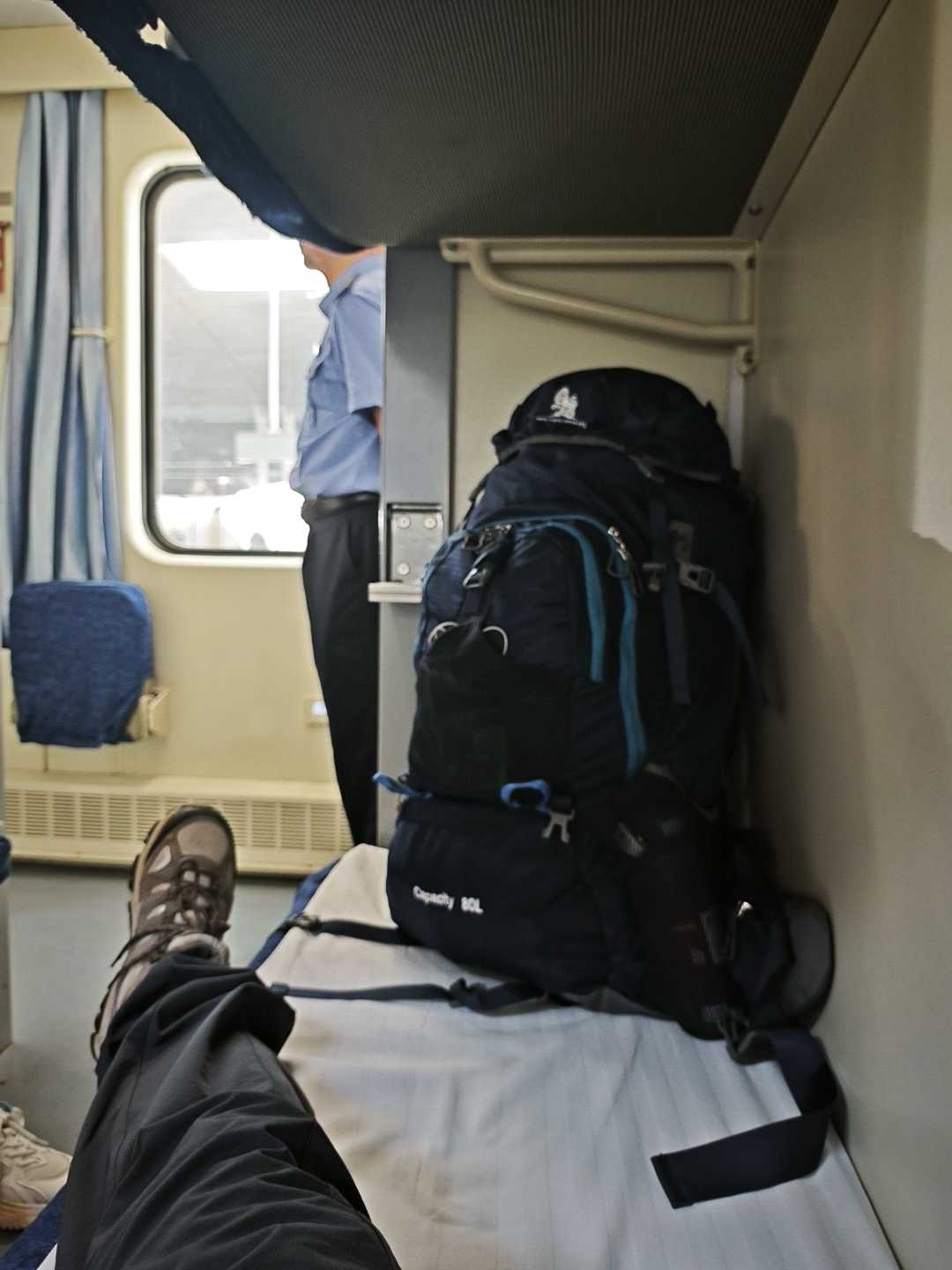
At around 4,000 meters, the trees gave way to alpine meadows. The mist cleared, revealing a panorama of snowy peaks that seemed to stretch into infinity. I stopped to catch my breath, but also to absorb the scene. There's something about standing at high altitude, surrounded by mountains older than civilization, that puts human worries into perspective. The deadlines, the bills, the endless notifications—they all seemed absurdly small against this backdrop.
We reached a small lake, its water a milky turquoise from glacial silt. A cairn stood at its edge, adorned with prayer flags that flapped in the wind. I added a stone to the pile, a small offering, a silent prayer. I didn't ask for anything specific—just gratitude for being alive, for being here, for having the strength to keep climbing.
That night, we camped near the lake. The temperature dropped below freezing, but I slept better than I had in months. No dreams, no tossing and turning—just deep, restorative rest. In the morning, I woke to a sky full of stars, the Milky Way arching over the peaks like a blessing.
[Link: Hiking in Western Sichuan]
The Spiritual Side of Western Sichuan: Temples, Prayer Flags, and Faith
Western Sichuan is not just a landscape—it's a pilgrimage. Throughout the region, you encounter evidence of deep-rooted Tibetan Buddhist faith: mani stones carved with mantras, prayer wheels spinning in the wind, and monasteries perched on hillsides like fortresses of peace.
One afternoon, we visited a small monastery near Tagong. The main hall was dark, lit only by butter lamps. The air smelled of yak butter and incense. Monks chanted in low tones, their voices rising and falling like waves. I sat in the back, not understanding the words, but feeling their meaning. There's a reason people have been coming to these mountains for centuries seeking answers. The silence here is different—it's not empty, but full.

I thought about my own faith, or lack thereof. I wasn't raised religious, and I've always approached spirituality with skepticism. But standing in that monastery, watching a young monk light a butter lamp with careful reverence, I understood something: faith isn't about belief in a deity. It's about trust—trust that there's meaning beyond what we can see, that the universe is not random, that our struggles have purpose.
Western Sichuan taught me that faith can take many forms. For some, it's in the prayer flags. For others, it's in the mountains themselves. For me, it's in the act of traveling—of putting one foot in front of the other, of trusting the path, of believing that the journey itself is the destination.
[Link: Tibetan Buddhist sites in Sichuan]
Finding Answers Between Snowy Mountains and Faith
As my journey through Western Sichuan drew to a close, I found myself reflecting on what I had learned. The answers I was seeking weren't in any single place or experience—they were scattered along the trail, in the kindness of strangers, in the silence of the mountains, in the rhythm of walking.
I didn't find a new job or a clear direction for my life. I didn't have a revelation that solved all my problems. But I did find something more valuable: a sense of peace. The mountains didn't give me answers—they gave me the space to ask better questions.
Travel, I realized, is not about escaping life. It's about returning to it with fresh eyes. The snowy peaks of Western Sichuan, the prayer flags, the monasteries, the people—they all reminded me that there's more to existence than productivity and achievement. There's beauty. There's stillness. There's connection.
Ten years ago, I went to Tibet seeking answers. Ten years later, I came to Western Sichuan and found something different: acceptance. Acceptance of uncertainty, of imperfection, of the fact that life doesn't always make sense. And that's okay.
[Link: Life lessons from travel]
FAQ: Planning Your Western Sichuan Journey
Q: When is the best time to visit Western Sichuan? A: The ideal time is from May to October, when temperatures are milder and trails are accessible. July and August are peak rainy season, so be prepared for afternoon showers. September and October offer clearer skies and stunning autumn colors.
Q: Do I need a guide for hiking in Western Sichuan? A: For popular routes like Gongga or Siguniang, experienced trekkers can go independently. For remote areas like Genie or Tagong, a local guide is recommended for safety, navigation, and cultural insight. Many guesthouses can arrange guides.
Q: How do I handle altitude sickness in Western Sichuan? A: Acclimatize gradually—spend a day or two in Chengdu (500m) before heading higher. Stay hydrated, avoid alcohol, and consider medication like acetazolamide. If symptoms become severe, descend immediately.
Q: What should I pack for a Western Sichuan trip? A: Layered clothing (temperatures vary widely), waterproof jacket and pants, sturdy hiking boots, sunscreen, sunglasses, a headlamp, and a first-aid kit. Don't forget a reusable water bottle and snacks for long hikes.
Q: Is Western Sichuan safe for solo female travelers? A: Generally yes, but take standard precautions. Stick to well-traveled routes, inform someone of your itinerary, and avoid hiking alone in remote areas. Guesthouses and tour groups are good options for solo travelers.
[Link: Solo travel safety tips]
Conclusion: Your Journey Awaits
Western Sichuan is more than a destination—it's a mirror. The mountains reflect your strength, the rivers your resilience, the temples your yearning for meaning. Whether you're seeking answers, escape, or simply a beautiful landscape, this region offers something profound.
I left Western Sichuan with more questions than answers. But I also left with a lighter heart, a clearer mind, and a deeper trust in the journey. The snowy peaks and prayer flags had done their work: they reminded me that life, like travel, is not about arriving—it's about the path you take.
Your journey is waiting. Pack your backpack, book your ticket, and let the mountains guide you.
[Link: Book Western Sichuan tours]
Have you traveled through Western Sichuan? Share your story in the comments below, or ask us about planning your trip. The mountains are calling—will you answer?
You may also like


