My Chengdu Memories: A Solo Journey Through the Land of Shu – An SEO-Optimized Guide
Meta Description: Explore Chengdu solo travel with this immersive 30-day itinerary covering Leshan, Jiuzhaigou, Dujiangyan & more. Discover hidden gems, local food, and historical sites in Sichuan.
Introduction: Why Chengdu Should Be Your Next Solo Destination
From March 16 to April 15, 2026, I spent an entire month immersed in Chengdu solo travel—a journey that transformed my understanding of Sichuan's rich tapestry. Alone, with just a backpack and a curious heart, I used this laid-back yet historically rich city as my base, drawing a wide circle around Chengdu and its surroundings. Every morning brought new scenery waiting to be discovered; every step echoed with history.
If you're planning Sichuan travel tips or searching for an off-the-beaten-path Chengdu itinerary, this guide will help you uncover the authentic Land of Shu—from ancient archaeological wonders to bustling teahouses and hole-in-the-wall eateries.
Trip Overview: One Month, Five Destinations, Fifteen Nights
This wasn't a whirlwind sightseeing trip—it was an immersive "life experiment in the Land of Shu." My itinerary was like a tree, with Chengdu as the trunk and branches reaching out to Leshan, Dujiangyan, Guangyuan, and Jiuzhaigou.

Accommodation breakdown: - Chengdu: 15 nights - Leshan: 5 nights - Dujiangyan: 4 nights - Guangyuan: 4 nights - Jiuzhaigou: 2 nights
Every day was packed yet completely spontaneous—wander when I wanted, rest when I needed, eat at hole-in-the-wall joints when hungry, and crash at the hotel when tired. This flexible Chengdu travel blog approach is perfect for solo travelers seeking authentic experiences.
[Link: Best time to visit Chengdu for solo travel]
In Search of Shu: A Deep Dive Starting from a Book
Before boarding the plane, my impression of Sichuan was stuck on stereotypes: "Land of Abundance, pandas, hotpot, mahjong." Then I stumbled upon an e-book called In Search of Shu: Exploring Sichuan Through Archaeology. It accompanied me throughout the flight and completely changed how I saw Sichuan.
The author, Xiao Yi, strung together Sichuan's recent archaeological discoveries like a dazzling necklace: the Baodun ancient city, Sanxingdui Qingguanshan site, Jinsha site, Warring States boat-coffin burial in Pujiang, Wanfo Temple, Leshan Giant Buddha, Song Dynasty tombs, Ming Dynasty Bao'en Temple, and Qing Dynasty character pagodas.
When the plane touched down, I suddenly felt that the ground beneath my feet was no longer unfamiliar. The places I had read about—I would encounter them all in the coming month. It felt like keeping a date spanning a thousand years.
People's Park: Chengdu's Living Room
Built in 1911, originally called "Shaocheng Park" (Young City Park), this space has long become a microcosm of Chengdu life. It's a must-visit for anyone seeking Chengdu cultural experiences.
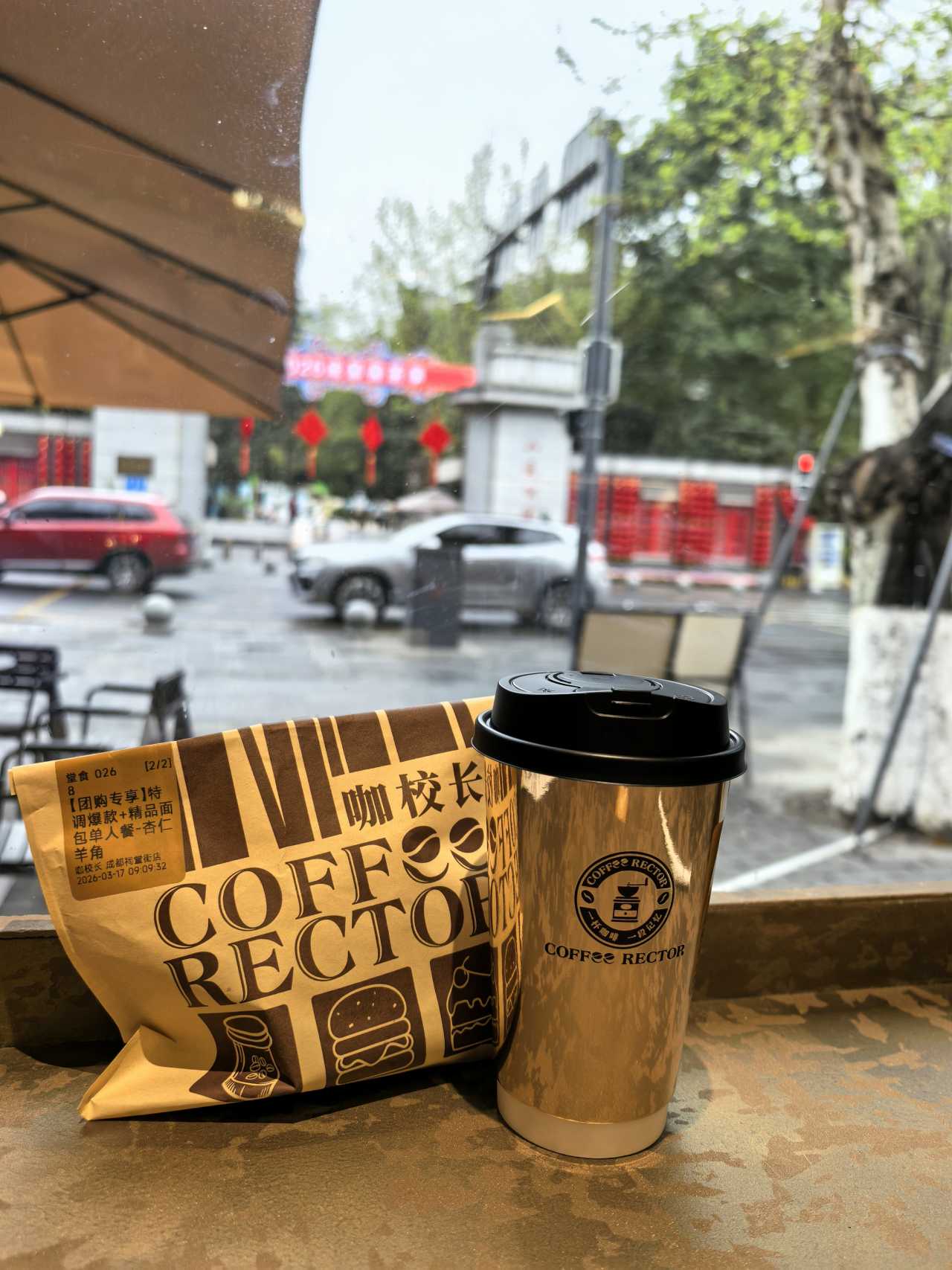
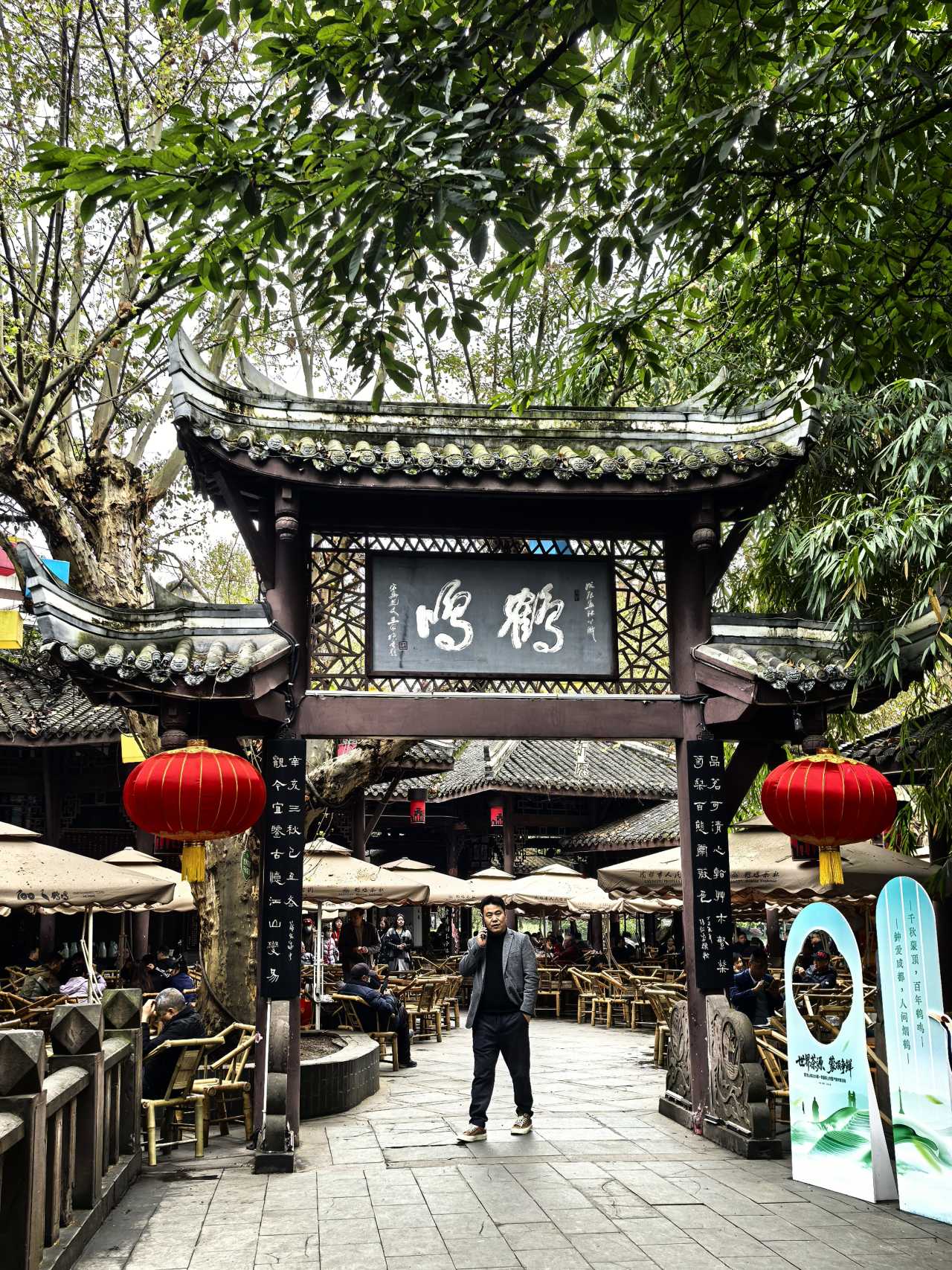
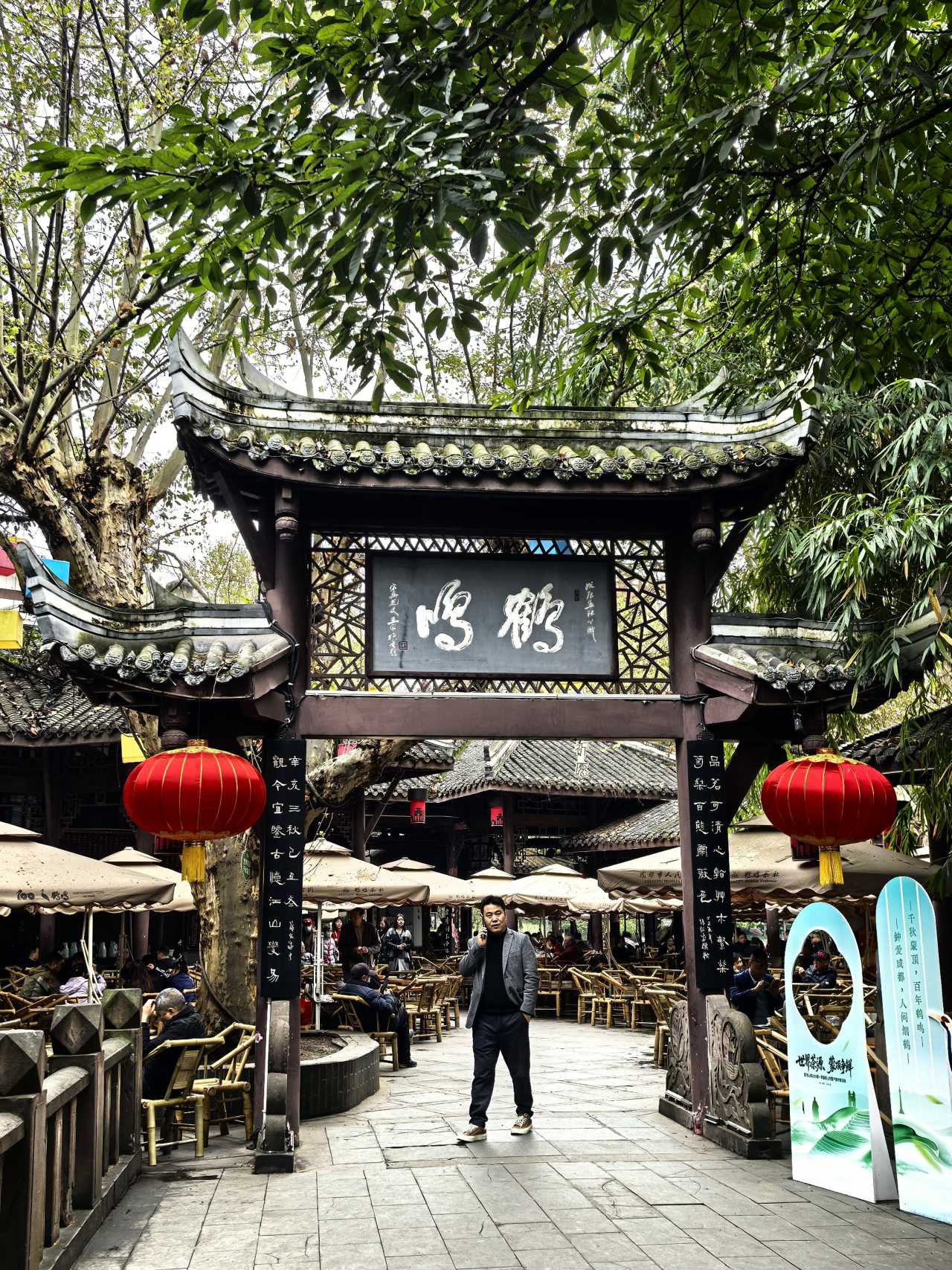
I had breakfast at the "Kaoxiaozhang" (Principal Coffee) shop at the entrance, watching the flow of people. In the morning, Crane Ming Teahouse (He Ming Cha She) still had plenty of empty seats, but by noon, it was packed—Chengdu people's leisurely lifestyle starts with a cup of tea.
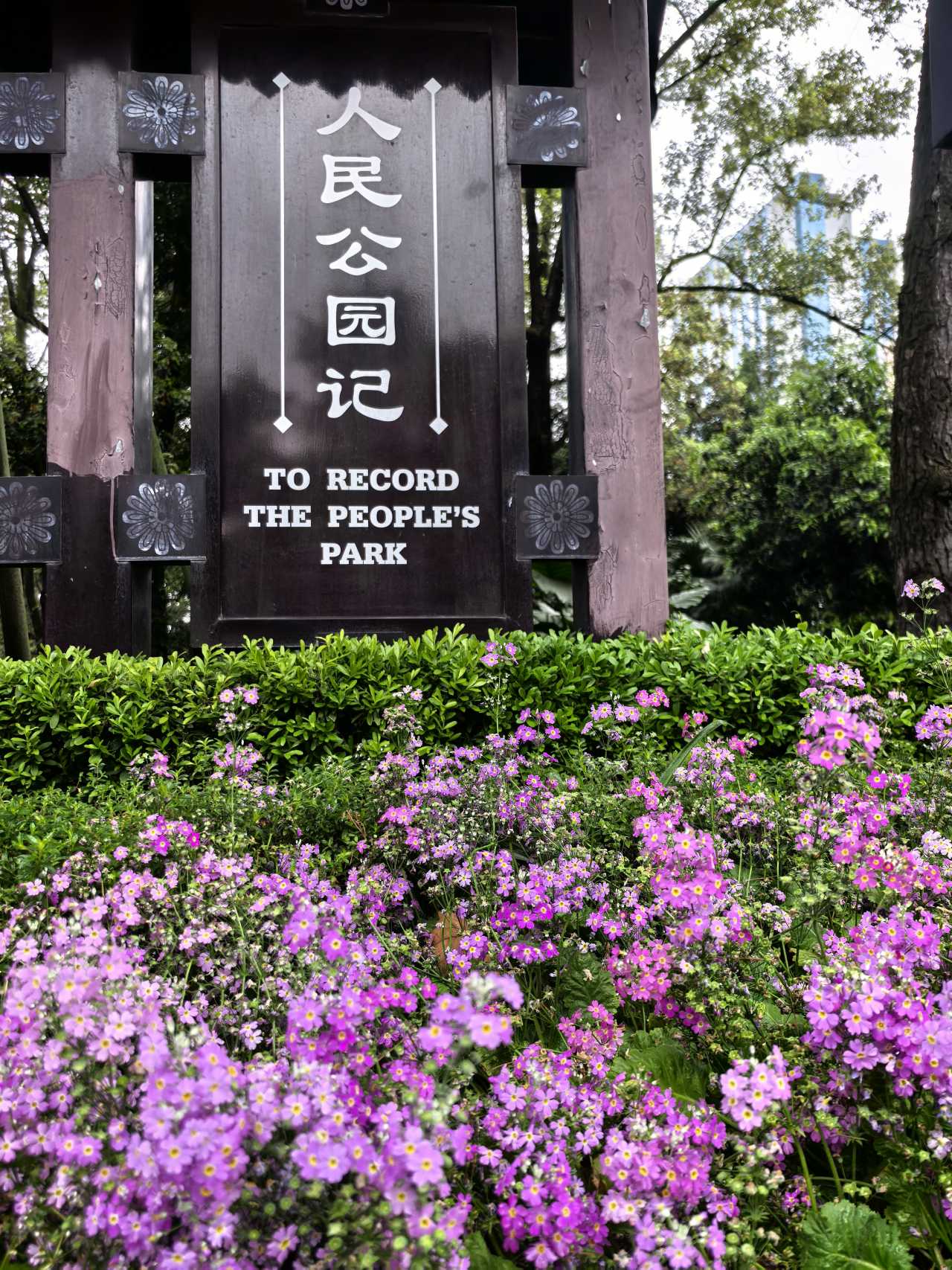
From a distance, I could see the Monument to the Martyrs of the 1911 Railway Protection Movement (Xinhai Qiu Baolu Shishi Jinian Bei). Erected in 1913, the original monument has survived wars, earthquakes, and the Japanese bombing in 1941. Two 300-year-old ginkgo trees made me imagine the spectacular golden canopy in autumn.
I navigated to the matchmaking corner—blue paper for men, pink paper for women, a place I had seen in the TV drama Don't Worry, Be Happy. The park also has a bomb shelter built in 1965, 200 meters long with four entrances, spacious inside like a reading room.
Outside the east gate, the Monument to the Fallen Sichuan Soldiers in the War of Resistance Against Japan silently tells the story of those fiery years.
[Link: Top 10 free things to do in Chengdu]
Culture Park and Qingyang Palace: Tranquility Separated by a Wall
In Culture Park, two paulownia trees beside the Twelve Bridges Martyrs' Tomb were in full bloom. The maple leaves were a riot of colors, and the cherry blossoms were spectacular—pure white petals standing in stark contrast to the solemn memorials.
Qingyang Palace (Green Goat Palace) is right next door. I paid the 10 yuan entrance fee and wandered in. Legend says it was first built in the Zhou Dynasty, originally called Qingyang Si. It's said that Laozi rode a green ox out of Hangu Pass and promised, "In a thousand days, look for me at Chengdu's Qingyang Si."
The most interesting feature is the one-horned green goat statue. Legend says touching any part of it cures ailments in that part of your body. It's a composite of the twelve zodiac animals—rat ears, ox nose, tiger claws, rabbit back, dragon horn, snake tail, horse mouth, goat beard, monkey neck, chicken eyes, dog belly, and pig rump. Even though they say it's a replica, I touched it from head to toe, praying for blessings and safety.
Wuhou Shrine and Jinli: Dream of the Three Kingdoms and the Smoke of Daily Life
Wuhou Shrine (Temple of Marquis Wu) was a must-visit. I scouted Jinli first, then returned the next day right when it opened at 9 AM to explore while it was still uncrowded. This is one of the top Chengdu historical sites for Three Kingdoms enthusiasts.
Jinli felt too commercialized—nothing special. But the Song Dynasty Stone Carving Corridor next to it reminded me of what In Search of Shu said: during the Southern Song, Luzhou (now Leshan) was a vital water and land hub, bustling with merchants, and lavish burial customs flourished.
Inside Wuhou Shrine, I didn't take many photos. I just stood quietly, recalling the distant figures and stories of the Three Kingdoms. The removal of Liu Shan's shrine—this detail speaks volumes. In an empty exhibition hall, I also watched a display showing the process of making clay figurines.
[Link: Wuhou Shrine vs Jinli – which to visit first]
Yongle Restaurant: A "Divine Eatery" I Visited Twice
After visiting Wuhou Shrine, I craved the Yongle Restaurant recommended by a friend. The first time, I arrived too late and missed the lunch service. So I went back to the hotel for a nap, then took the metro again in the evening.
In Xiao Jia He (a neighborhood), I saw a long funeral banquet set up on the street. Amidst the wreaths, the clatter of mahjong tiles rose and fell—Chengdu people's love for life is so intense that even farewells feel lively. Walking past the long tables, I finally found the unassuming little storefront. Number 24.
I waited in line for half an hour. The stir-fried pork liver and kidney (gan yao he chao) was perfectly tender, and the Kung Pao chicken (gong bao ji ding) was light and fragrant. 60 yuan—totally worth it.
I went back on Saturday for a second round. Arrived at 11 AM, waited another half hour. Ordered the small portion of sticky rice ribs (nuo mi pai gu)—the rice grains were distinct, the ribs tender and flavorful. The cold chicken salad (liang ban ji) had an indescribably fragrant chili oil. 57 yuan. The timing and heat control in their cooking is incredible—one second more or less and it wouldn't be the same.
Good thing I went on Saturday; a notice on the door said they'd be closed the next day. The server explained, "The chef is too tired; we need a day off."
[Link: Best cheap eats in Chengdu – local recommendations]
Baihuatan Park: Exquisite Chengdu Slow Living
Close to my hotel, I visited several times. The park isn't big, but it's refined and culturally rich. The south gate faces my hotel, and the north gate leads to Qintai Road (Lute Platform Road), a replica ancient street built to commemorate the love story of Zhuge Liang and his wife.
This park embodies the essence of Chengdu slow living—a concept that attracts travelers seeking respite from fast-paced urban life. The carefully manicured gardens, koi ponds, and traditional architecture create an atmosphere of tranquility that's hard to find elsewhere.
Practical Tips for Your Chengdu Solo Journey
Getting Around
 Chengdu's metro system is efficient and affordable. For day trips to Leshan, Dujiangyan, and Guangyuan, high-speed trains make it easy. For Jiuzhaigou, consider a guided tour or self-drive option.
Best Time to Visit
 Spring (March-April) and autumn (September-October) offer pleasant temperatures and fewer crowds. Avoid Chinese national holidays for a more relaxed experience.
Accommodation Recommendations
Stay near People's Park or Wuhou Shrine for easy access to major attractions. Budget options start at 150 yuan/night; mid-range hotels average 300-500 yuan.
Packing Essentials
- Comfortable walking shoes
- Light jacket for evenings
- Power bank for long days
- Reusable water bottle
- Cash for small vendors
FAQ: Your Chengdu Travel Questions Answered
Q: Is Chengdu safe for solo female travelers? A: Absolutely. Chengdu is one of China's safest cities for solo travelers, with low crime rates and helpful locals. Practice standard precautions like avoiding poorly lit areas at night.
Q: How many days do I need to explore Chengdu properly? A: At minimum, 4-5 days for the city itself. Add 2-3 days each for Leshan, Dujiangyan, and Jiuzhaigou if you want to explore surrounding areas.
Q: What's the best way to experience Chengdu's food scene? A: Skip tourist traps on Jinli. Head to Xiao Jia He neighborhood or Qintai Road for authentic hole-in-the-wall eateries. Don't miss Yongle Restaurant for classic Sichuan dishes.
Q: Do I need to speak Mandarin to travel in Chengdu? A: Basic phrases help, but many tourist attractions have English signage. Download a translation app for menus and directions.
Q: What's the budget for a week in Chengdu? A: Budget travelers can manage on 300-500 yuan/day including accommodation, food, and attractions. Mid-range travelers should budget 600-1000 yuan/day.
Conclusion: Your Chengdu Adventure Awaits
My month-long Chengdu solo trip taught me that the Land of Shu is more than pandas and hotpot—it's a living museum of ancient civilizations, a paradise for food lovers, and a sanctuary for those seeking authentic cultural immersion.
Whether you're drawn by the mystery of Sanxingdui, the tranquility of Qingyang Palace, or the sizzling woks of local restaurants, Chengdu offers something for every traveler. The key is to slow down, embrace the local rhythm, and let the city reveal its secrets at its own pace.
Ready to plan your own Chengdu adventure? Start by booking your flight to Chengdu Tianfu International Airport, download the In Search of Shu e-book for the flight, and prepare for a journey that will change how you see China.
[Link: Book your Chengdu tour package] [Link: Download our free Chengdu travel checklist]
Have you visited Chengdu? Share your favorite memory in the comments below, or tag us in your photos using #MyChengduMemories!
You may also like


