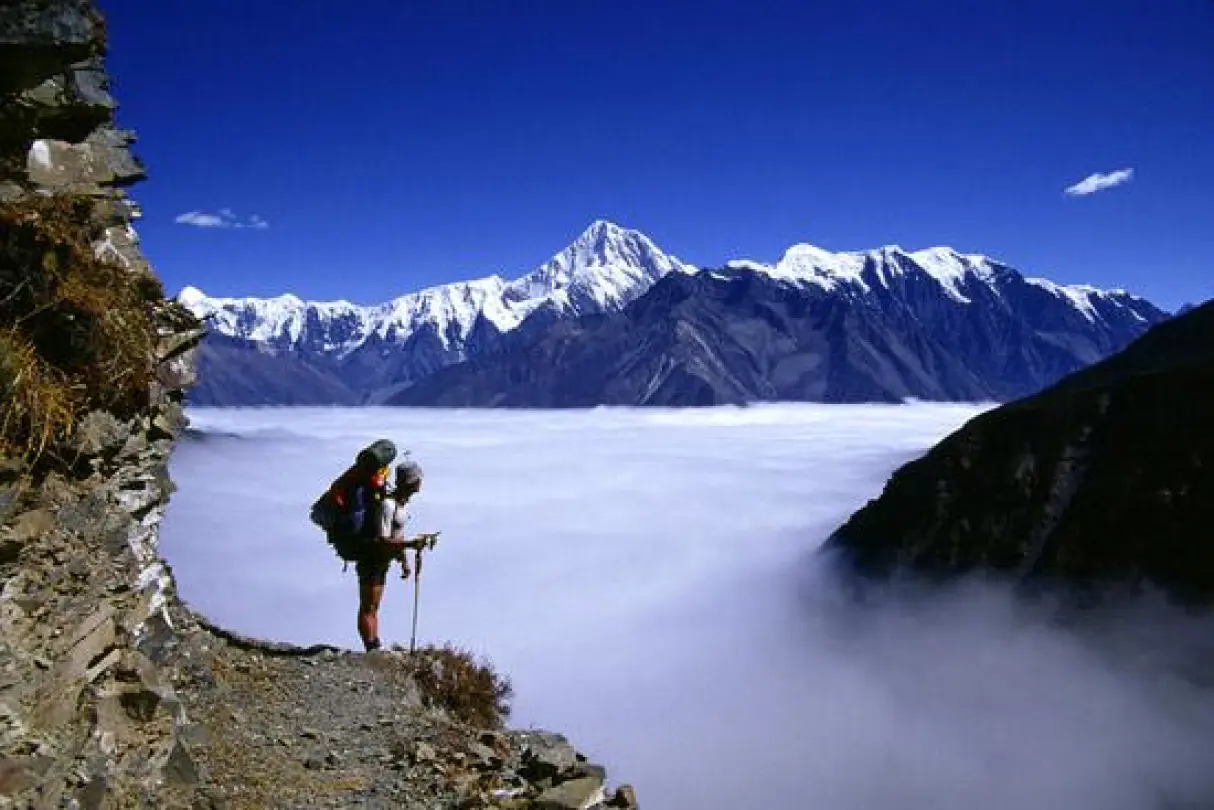
Mount Emei Winter Pilgrimage: 26 Hours Hiking China's Four Sacred Buddhist Mountains
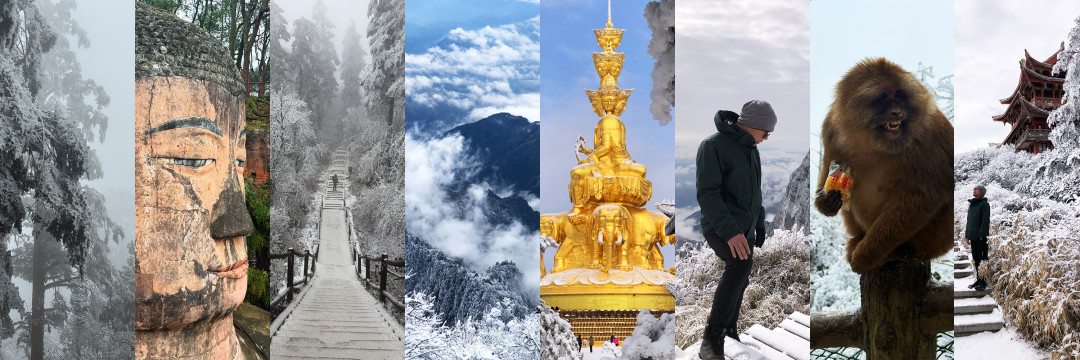
Meta Description: Complete Mount Emei hiking guide covering 26 hours through snow-covered trails, ancient temples, and Buddha's light. Experience the final leg of China's Four Sacred Buddhist Mountains pilgrimage.
Introduction: Completing the Sacred Circle of China's Buddhist Mountains
For years, I believed visiting China's most revered mountains was simply a matter of time. I had already stood atop the cool, misty peaks of Mount Wutai, watched the sun rise over the endless sea at Mount Putuo, and walked through the cloud-shrouded temples of Mount Jiuhua. Only one remained—Mount Emei, the most elusive of China's Four Sacred Buddhist Mountains.
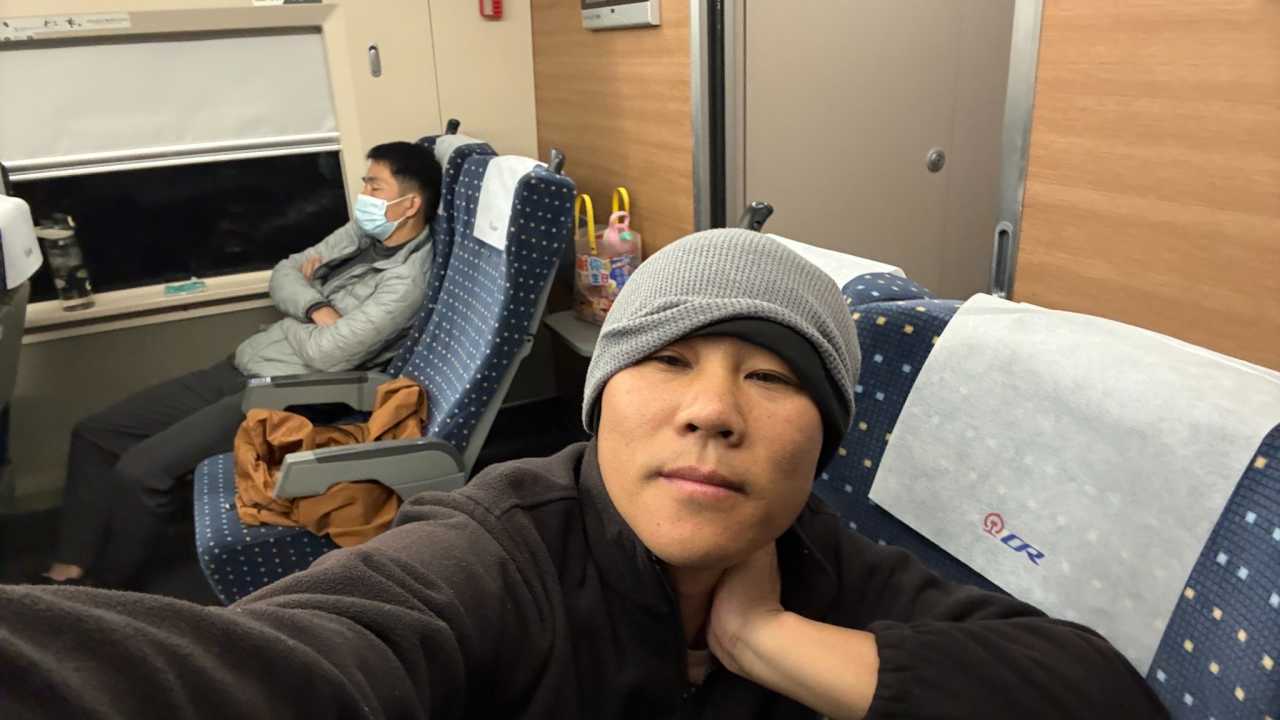
Then came January 2026. A friend's casual suggestion to climb Mount Emei in winter crystallized into immediate action. I booked an overnight high-speed train from Guangzhou (just over 400 RMB) and drifted into a half-sleep as city lights faded into countryside darkness. By morning, Leshan Station arrived, and the humid air carried the scent of rain-washed earth.
This is the story of a 26-hour pilgrimage through snow, ancient temples, and the transformative power of walking China's sacred paths.
Before the Climb: Leshan Giant Buddha and the Legendary Sweet-Skin Duck
The 71-Meter Buddha Carved from Cliff
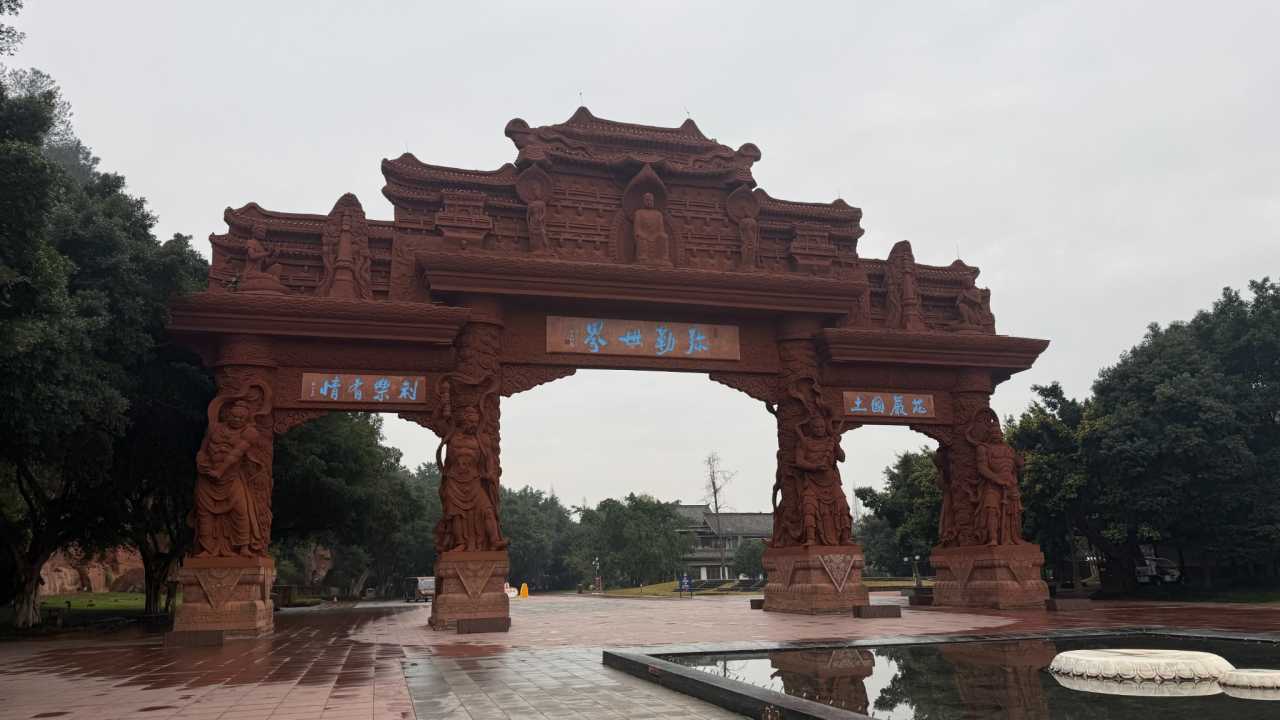
A 30 RMB taxi from Leshan Station brings you to the Leshan Giant Buddha scenic area. The 80 RMB entrance fee grants access to a 1.5-kilometer walk along cliffside pathways that have witnessed a millennium of devotion.
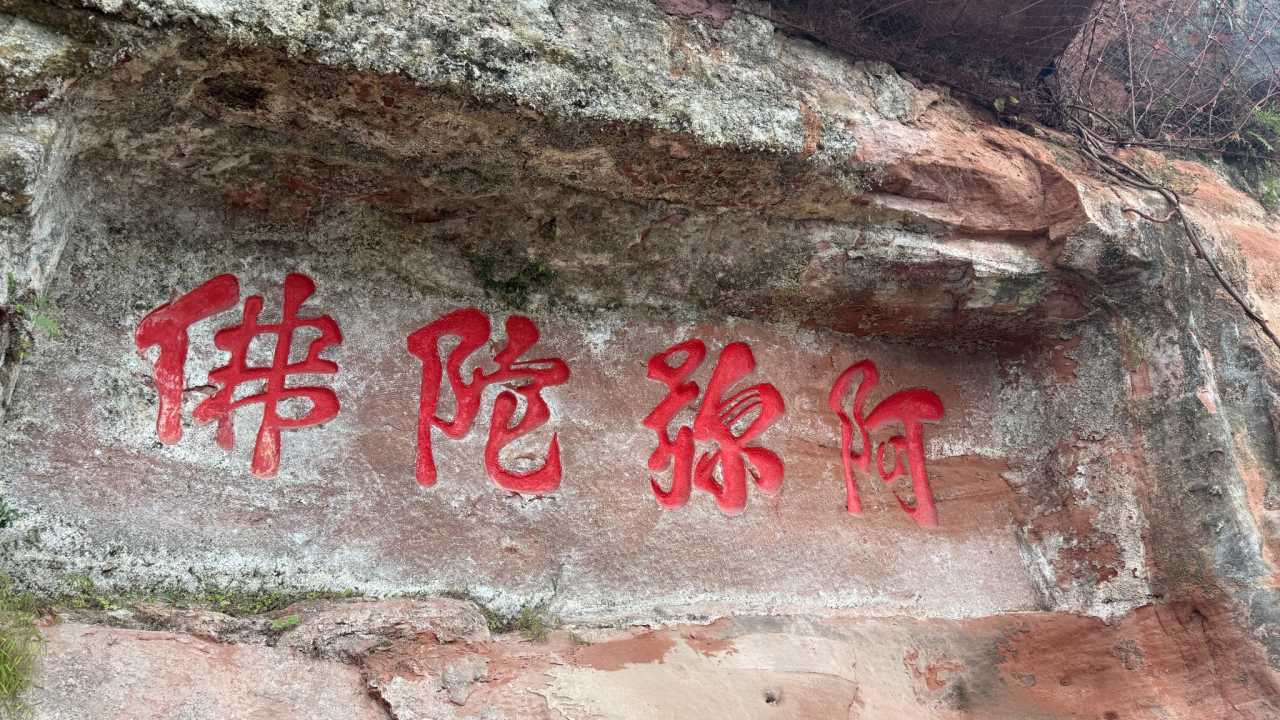
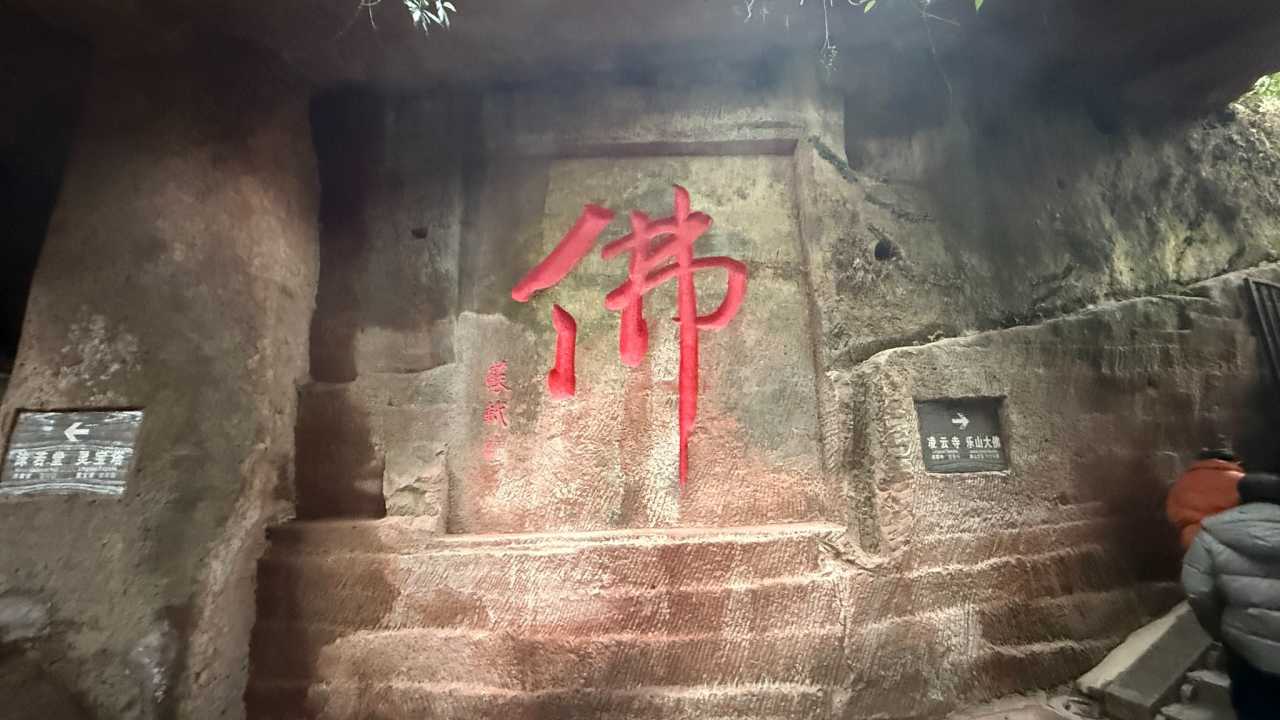
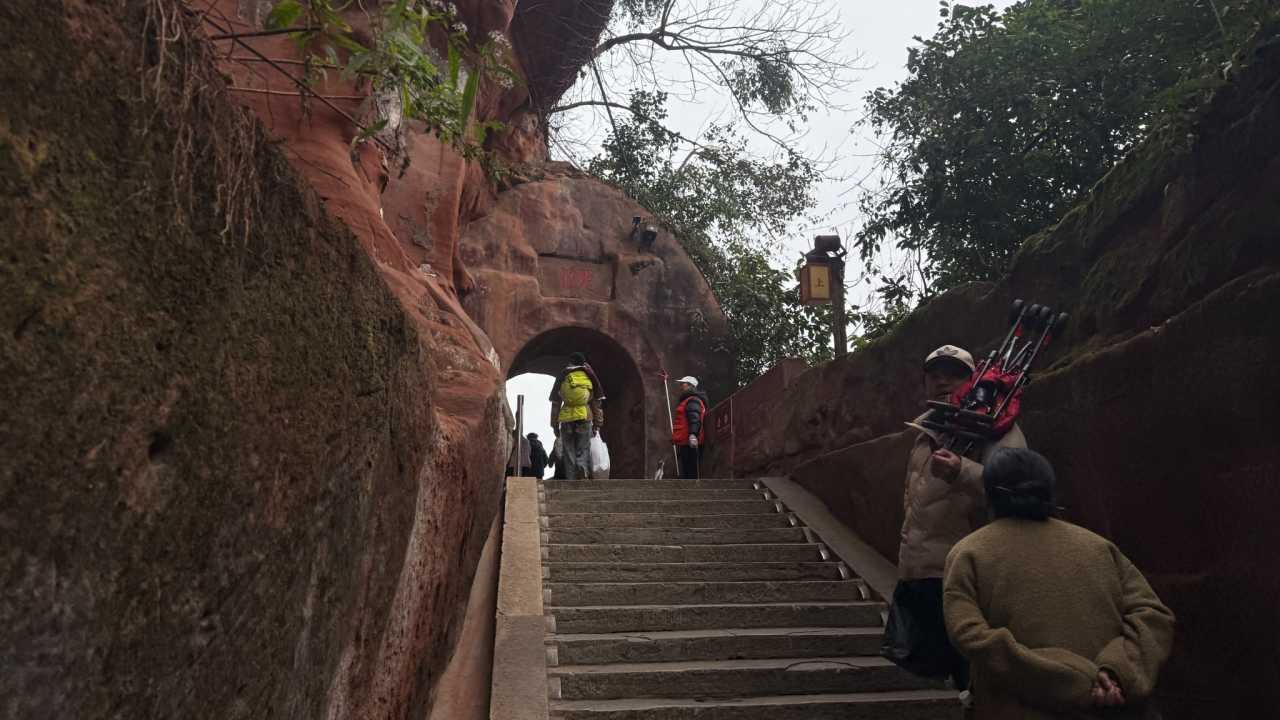
Early morning Leshan carries the moisture of the Min River. At the entrance, a giant carved Chinese character "佛" (Buddha) announces sacred ground. The path ascends through Guanyin Cave, the Confluence of Three Rivers, and Lingyun Temple—each stop a reminder that this road leads toward enlightenment.
When the Buddha's head first appears, only half visible above the cliff, the scale strikes you. Following the plank road downward takes 15 minutes to reach the statue's feet. Looking up, the 71-meter figure's solemn compassion pierces through centuries.
The Essential Detour: Sweet-Skin Duck
Exiting through the East Gate, our taxi driver insisted on stopping at a small shop. "Their tián pí yā (sweet-skin duck) is the most authentic," he said. We packed two boxes for the mountain.
That decision proved providential. In Mount Emei's freezing night, reheated sweet-skin duck became the taste of heaven.
Mount Emei Hiking Routes: Choosing the Pilgrim's Path
An 80 RMB taxi from Leshan delivers you to Baoguo Temple, the traditional starting point for Mount Emei's pilgrimage routes.
Three Routes to the Golden Summit
| Route | Starting Point | Minimum Time | Difficulty |
|---|---|---|---|
| Full Pilgrimage | Baoguo Temple | 16+ hours | Most challenging |
| Mid-Mountain Start | Wannian Temple | 12+ hours | Moderate |
| Bus + Cable Car | Mountain base | 2 hours | Easy |
We chose the full pilgrimage route, planned over three days:
- Day 1: 2:00 PM – 11:00 PM (9 hours, Baoguo to Xianfeng Temple)
- Day 2: 8:00 AM – 6:00 PM (10 hours, Xianfeng to Golden Summit)
- Day 3: 12:30 PM – 8:00 PM (7.5 hours descending)
The Six Temples Pilgrimage: Sacred Sites Along the Way
Baoguo Temple: Where the Pilgrimage Begins
First built during the Ming Dynasty and named by Emperor Kangxi of the Qing Dynasty, Baoguo Temple nestles against the mountain with ancient trees towering overhead. It enshrines Bodhisattva Samantabhadra and offers the serene atmosphere essential before beginning any sacred journey.
We ate simple noodles at a nearby shop, reheated our sweet-skin duck, and watched fellow travelers eye our food with envy. At 2:00 PM, we officially stepped onto the path.
Fuhu Temple: The Garden Free from Dust
Not far along the road, Fuhu Temple emerges from dense forest. Legend says fierce tigers once roamed here until the temple's construction "subdued" them. The temple's roof never accumulates fallen leaves throughout the year, earning its name "Ligou Yuan" (Garden Free from Dust).
This is Mount Emei's largest nunnery—tranquil, spotless, and thriving with incense offerings. Step inside, and your heart grows still.
Leiyin Temple and the Holy Water Pavilion
At 3:18 PM, we reached Leiyin Temple. A camphor tree of unknown age stands before the gate, branches lush like a silent guardian. Continuing past Chunyang Hall, the Holy Water Zen Monastery appeared at 4:46 PM. The "Holy Water" well here is believed to hold healing and protective powers. Many pilgrims collect it, but darkness approaching urged us forward.
Qingyin Pavilion: The Sound of Two Waters
At 5:41 PM, we arrived at the most unforgettable stop of the entire hike.
Qingyin Pavilion sits at the foot of Niuxin Ridge, where two bridges span across converging streams. Black and white waters rush from valleys on either side, crashing against Niuxin Rock with a melodious echo—clear as a zither, exactly as the name "Qingyin" (Clear Sound) promises.
Ancient trees tower overhead. Moss covers every surface. The air carries damp vegetation's fragrance. Sitting here after hours of walking, I felt completely healed by mountain and water.
Trail Note: The left path leads uphill. The right path goes to Wannian Temple. We turned left, passing Medicine King Cave and Yixian Tian (A Thread of Sky) as darkness fell at 6:29 PM.
Hongchunping: The Regret Under Dawn Rain
Hidden deep in clouds and mist at over 1,000 meters altitude, Hongchunping takes its name from a Tang Dynasty Hongchun tree that still stands today. Early morning "dawn rain" often falls here, with thin mist drifting through the forest—one of the "Ten Scenic Wonders of Mount Emei."
We had planned to stay overnight, but renovation forced us onward.
Xianfeng Temple: A Tent in the Snowy Night
At 11:00 PM, after 10 hours of hiking, legs like lead, we reached Xianfeng Temple. My friend chose a temple bed for 60 RMB. I set up the tent I had carried on my back—snow covered the ground here, and the cold would be severe.
Morning revealed just how cold: well below freezing, the mountain wrapped in silver. Xianfeng Temple perches on a steep cliff at approximately 1,700 meters altitude, surrounded by clouds and mist. Behind the temple lies Jiulao Cave, unfathomably deep and said to be an immortal's hermitage. Between morning bells and evening drums, wind rustles through pines, and monkey cries echo through the valley.
Above the Snow Line: Ascending to the Golden Summit
Yuxian Temple and Jiulinggang: Entering the Snow Realm

At 8:48 AM, we resumed climbing. Above 1,700 meters, snow covered everything. At Yuxian Temple, monkeys jumped and played in the snow in groups. Ten minutes more brought us to Jiulinggang—the meeting point where the Baoguo Temple and Wannian Temple routes converge.
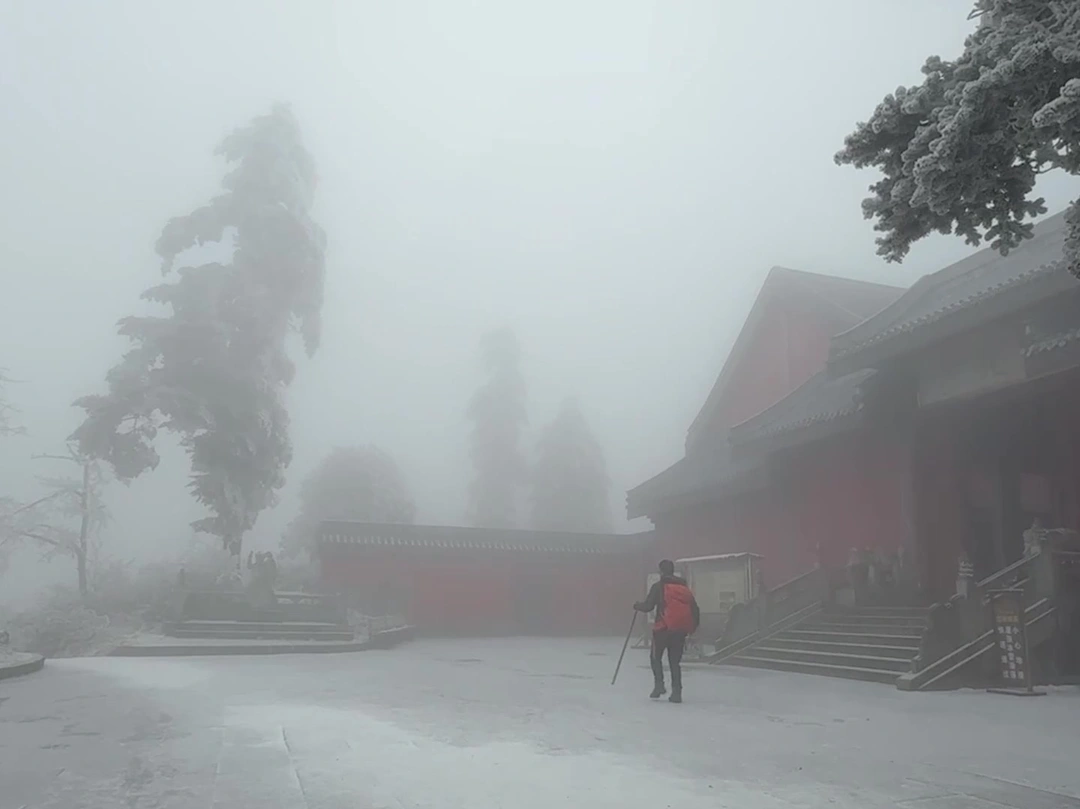
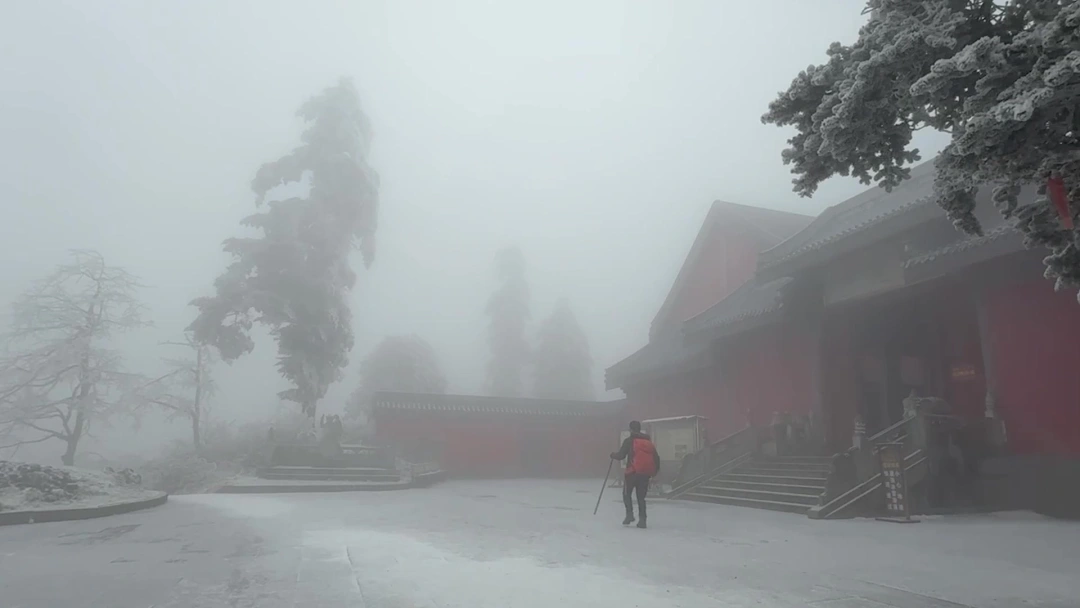
When altitude approached 2,000 meters, we entered a fairyland. Fog and snow blended together. Visibility dropped dramatically. Our crampons finally proved their worth.
Xixiang Pond: Moonlight Over the Elephant Bathing Pond
At 11:52 AM, we reached Xixiang Pond at 2,100 meters. Legend says Bodhisattva Samantabhadra once bathed his white elephant here. The frozen pond reflected the pale winter sky like a mirror of eternity.
Essential Mount Emei Winter Hiking Tips
What to Pack for Winter Climbing

- Crampons (non-negotiable above snow line)
- Waterproof boots with good ankle support
- Layered clothing (base layer, fleece, waterproof shell)
- Headlamp with extra batteries
- High-calorie snacks (nuts, chocolate, dried meat)
- Thermos with hot tea or soup
- Tent (if planning to camp at Xianfeng Temple area)
Where to Stay on Mount Emei
- Temple accommodation: 50-100 RMB per bed (basic but authentic)
- Camping: Permitted near certain temples (check conditions)
- Mountain hotels: Available at Golden Summit (book ahead in winter)
Best Time for Winter Pilgrimage
January-February offers the most dramatic snow scenery but requires preparation. April-October provides milder conditions but fewer "Buddha's light" appearances.
Frequently Asked Questions About Mount Emei Hiking
How long does it take to hike Mount Emei from Baoguo Temple?
The full hike from Baoguo Temple to Golden Summit takes 16-26 hours depending on fitness level and stops. Most pilgrims complete it over 2-3 days.
Is Mount Emei dangerous in winter?
Winter hiking requires proper preparation but is manageable with crampons, warm clothing, and reasonable fitness. Stick to main trails and check weather conditions before starting.
What is the "Buddha's Light" phenomenon?
The Buddha's Light (or "Emei Light") is a rare optical phenomenon where hikers see their shadow surrounded by a rainbow halo on clouds below. It's most common in the afternoon at Golden Summit.
Can beginners climb Mount Emei?
Yes, but beginners should choose the bus + cable car option or start from Wannian Temple. The full Baoguo Temple route is strenuous even for experienced hikers.
What is the cost of climbing Mount Emei?
Expect to spend 400-800 RMB total including transportation (Guangzhou to Leshan train ~400 RMB), park entrance (160 RMB), accommodation (60-200 RMB/night), and food.
Conclusion: The Dream Fulfilled
Standing at Golden Summit after 26 hours of hiking through snow and sacred silence, I understood why Mount Emei had waited. Some pilgrimages aren't about checking boxes—they're about the transformation that happens when you push your body to its limits while your spirit finds its center.
The Four Sacred Buddhist Mountains of China are now complete in my memory. But Mount Emei holds a special place—the one that demanded everything and gave back even more.
Your pilgrimage awaits. Whether you're completing the sacred circle of China's Buddhist mountains or beginning your first spiritual journey, Mount Emei in winter offers an experience no other season can match.
[Link: How to Plan a Multi-Day China Sacred Mountains Pilgrimage] [Link: Complete Guide to China's Four Sacred Buddhist Mountains] [Link: Winter Hiking Gear Essentials for Chinese Mountains]
Ready to walk the path of the Bodhisattva? Start planning your Mount Emei winter pilgrimage today. Book your train to Leshan, pack your crampons, and prepare for 26 hours that will change how you see the world.
Have you climbed Mount Emei or any of China's sacred mountains? Share your experience in the comments below.
You may also like