Meeting Gongga Again, Minya Konka! — A Highland Trek of Healing and Reunion
Meta Description: Experience the transformative power of the Gongga snow mountain trek in this SEO-optimized guide. From overcoming altitude sickness to witnessing golden sunsets at Yuzixi Pass, discover why Minya Konka is a must for highland hiking enthusiasts. Plan your healing journey today.
Introduction: Why Gongga Snow Mountain Calls Trekkers Back
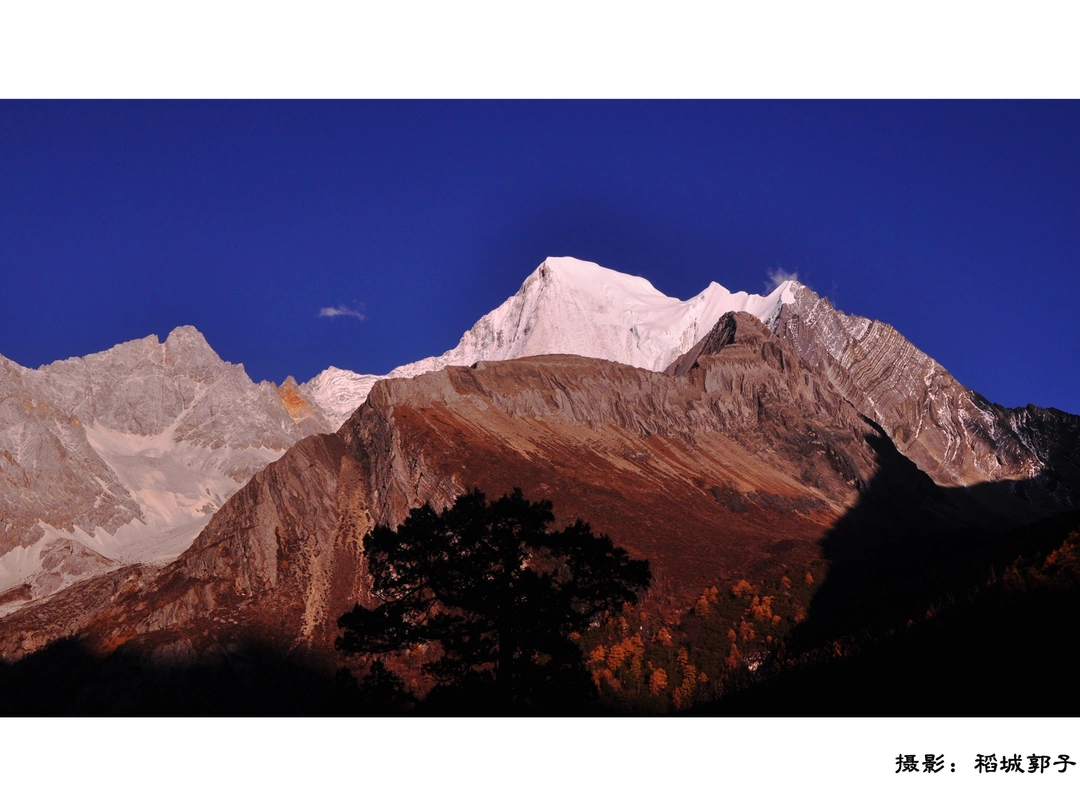
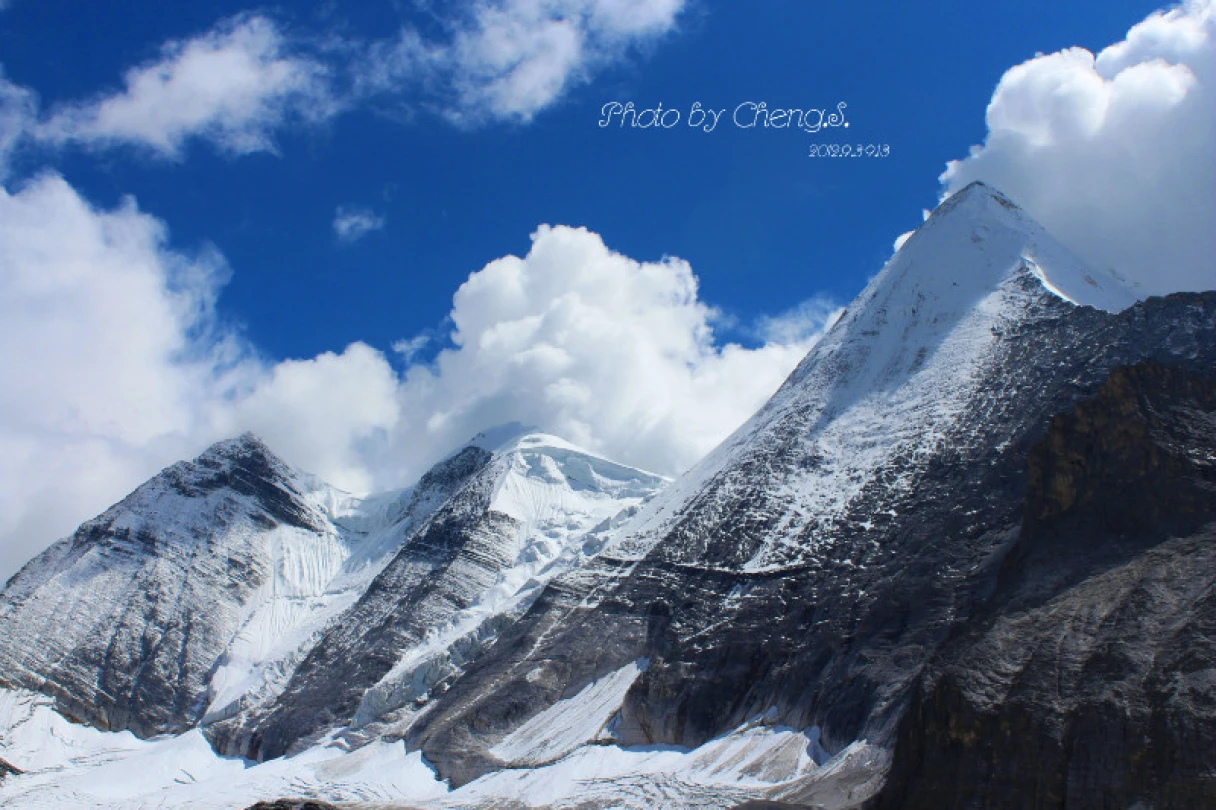
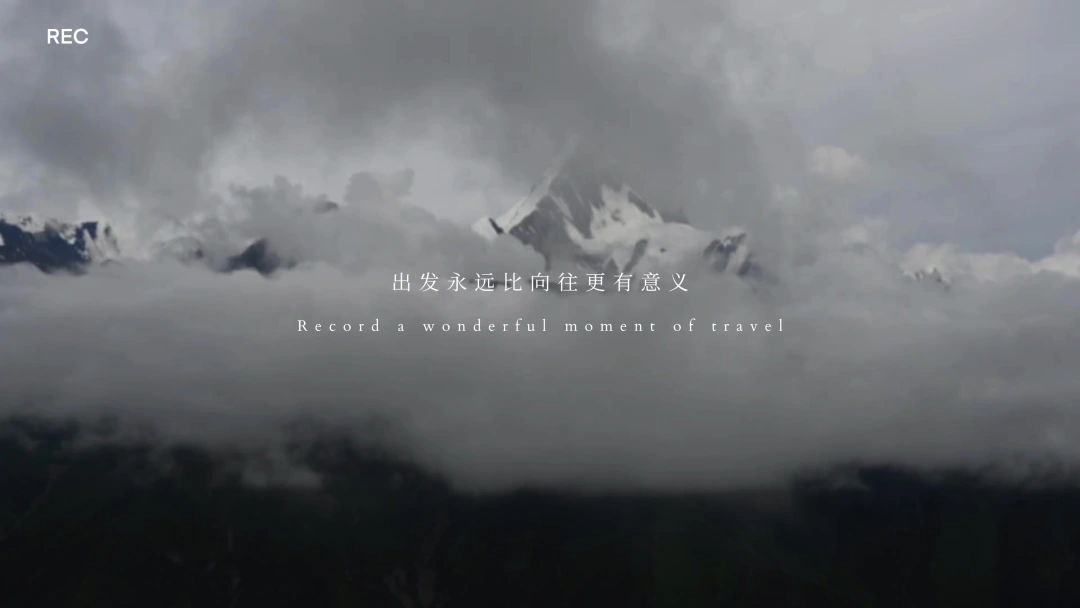
In the world of highland trekking, few names evoke as much reverence and challenge as Minya Konka, also known as Gongga Snow Mountain. Towering at 7,556 meters, this sacred peak in Sichuan's Garzê Tibetan Autonomous Prefecture is not just a mountain—it's a pilgrimage for those seeking both physical endurance and spiritual healing.
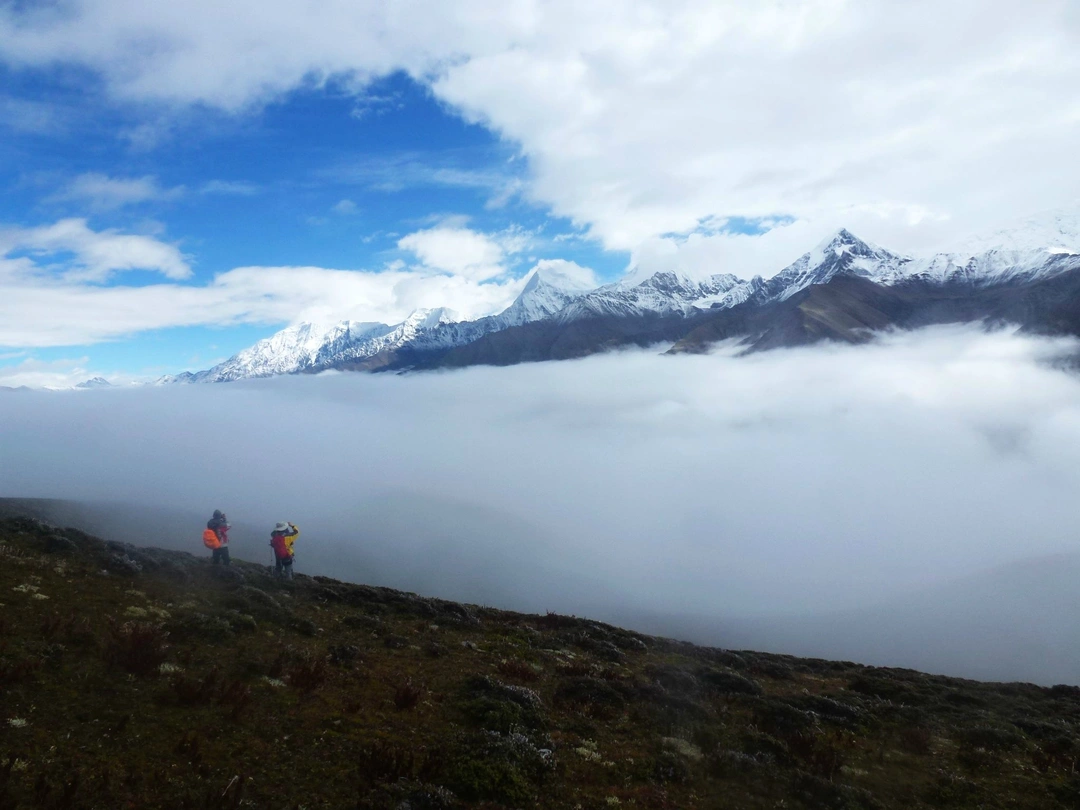
For one group of seasoned trekkers, the call of Gongga became an obsession seven years after a brutal, storm-ravaged attempt. What began as a shadow of trauma transformed into a journey of reunion, resilience, and rediscovery. This article chronicles that 2025 expedition—from the chaotic traffic jams of National Road 318 to the serene shores of Lenggaco Lake—and offers practical insights for anyone planning their own Gongga Grand Loop trek.
The Origin Story: Healing the Shadow of 2018
A Brutal First Encounter
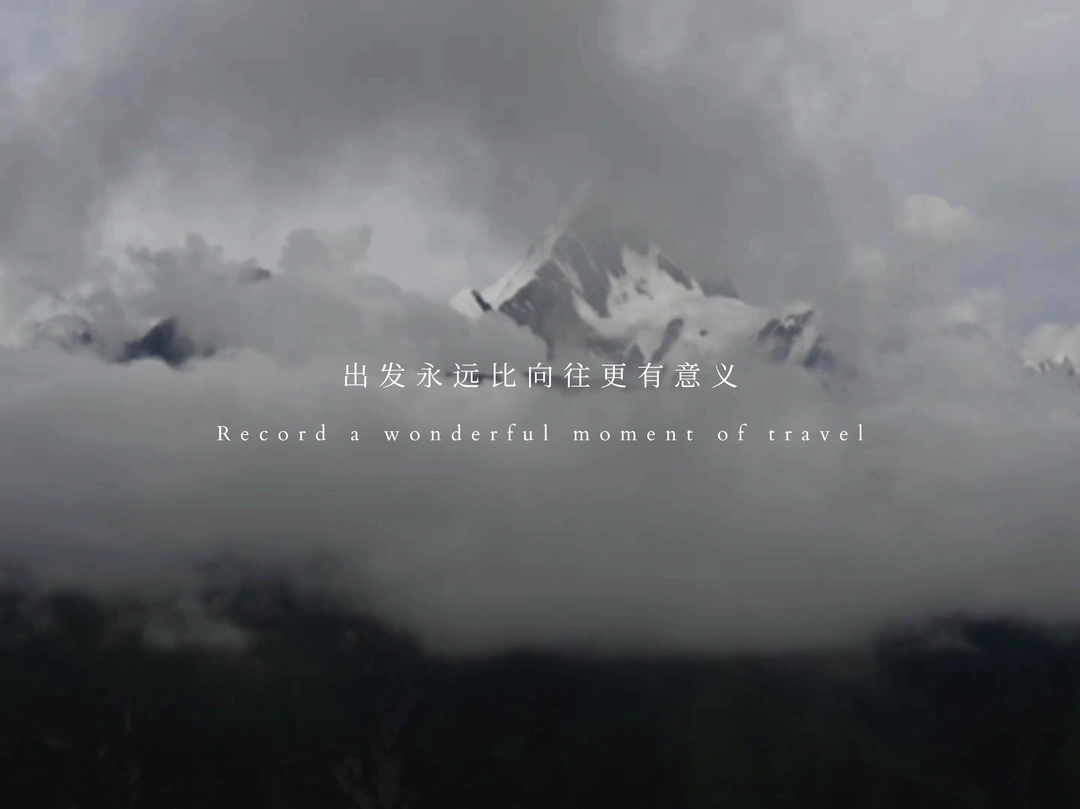
In 2018, a group of hikers attempted the Gongga Grand Loop trek during a snowy National Day holiday. The experience was nothing short of harrowing:
- Continuous snowstorms that reduced visibility to near zero
- A terrifying horse fall that could have ended tragically
- Debilitating altitude sickness that forced many to retreat
- Muddy, treacherous trails that tested every ounce of determination
Some companions swore off highland hiking forever. But for others, that scar became a challenge—a chance to reclaim the mountain on their own terms.
The Power of Second Chances
"When the group decided to take this route again, a thought arose within me: perhaps I could use a visually stunning Gongga trip to heal the shadow of that past experience," one trekker reflected.
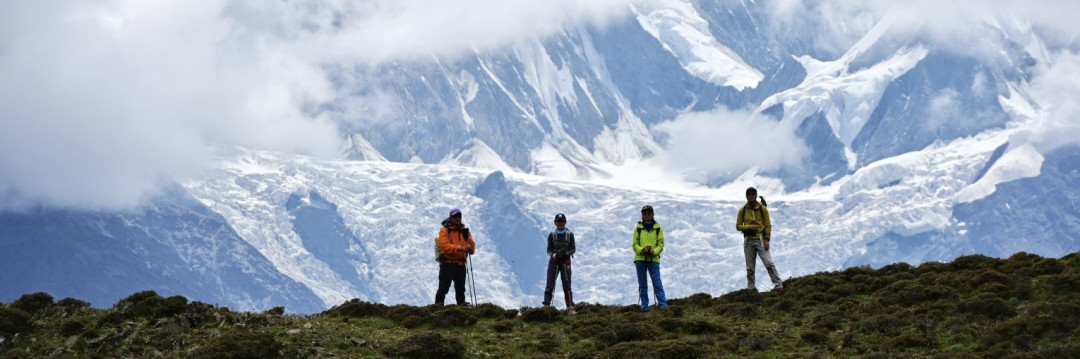
The team that formed was anything but random. Of the ten members:
- Six had endured the 2018 ice and snow
- Five had walked together on the Shishapangma trek in 2020
- Two were new faces, bringing fresh energy
This was a team with 默契 (unspoken understanding)—the kind that only shared hardship can forge.
Day 1: Chengdu's Warmth and the Farewell Feast
Date: August 2, 2025
Weather: Sunny, 38°C
Elevation: 500 meters
Pre-Trek Preparations in Chengdu
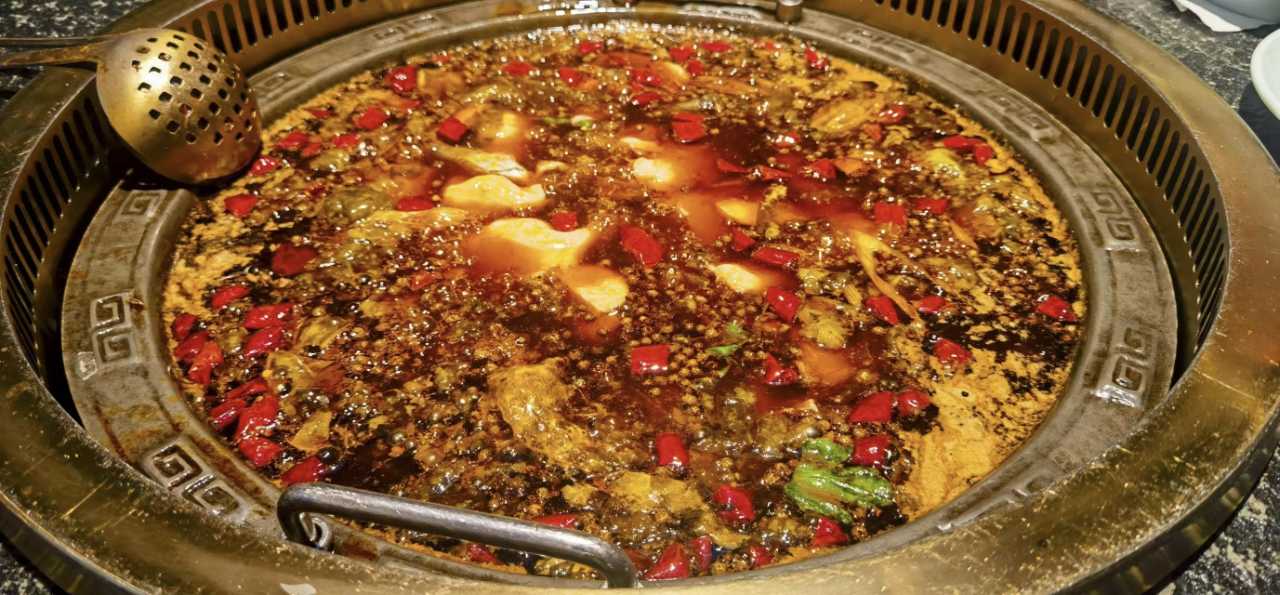
The adventure began in Chengdu, where the temperature matched the team's excitement. Friends Brother Li and Sister Li treated the group to Wang Baoqi Fish Head, a fiery Sichuan-style fish hotpot that seemed to inject energy for the highland journey ahead.
The team stayed at the Vantone Hotel, a newly renovated property with spacious rooms. While its location in an electronics market made finding nearby food inconvenient, for trekkers about to embark on a 15-hour drive, comfort was the priority.
The Farewell Dinner and Pre-Trip Meeting
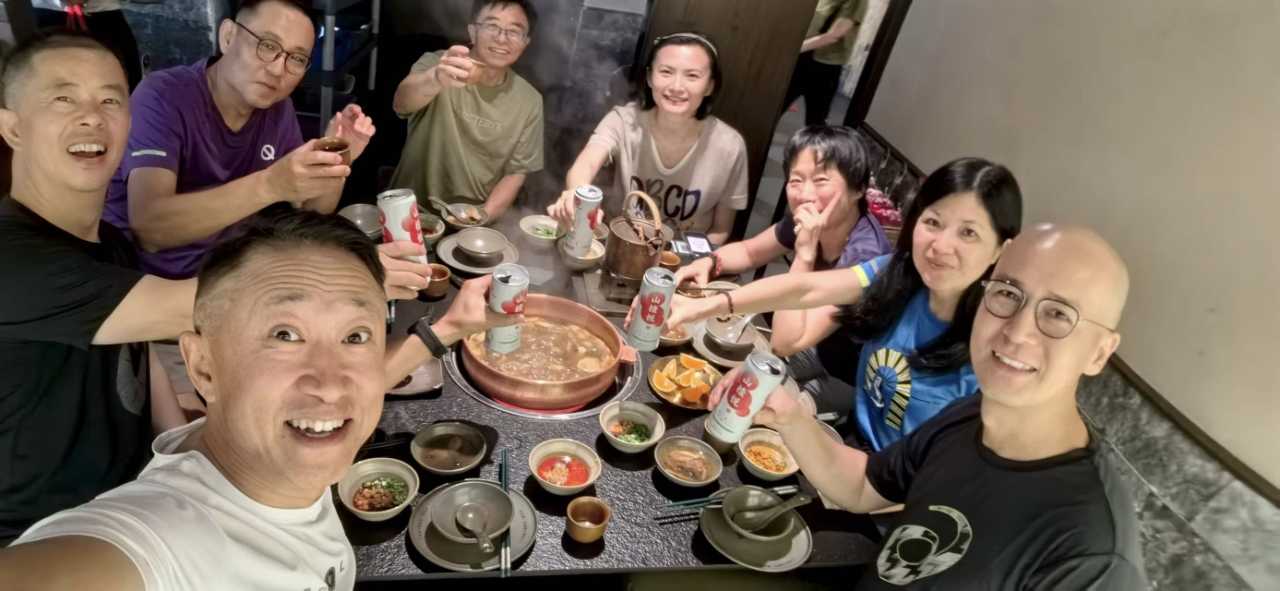
At the Kaide Plaza, 1.3 kilometers from the hotel, the team shared a steaming pot of wild mushroom hotpot. Two members—Zeng Jia and Wu Tiao—were still missing. After dinner, the group strolled back for the 8:30 PM pre-trip meeting.
Guide Shan You arrived directly from Tianfu Airport, fresh off a Wutai Mountain hike. His tanned face and stubbled beard told stories of countless trails. He had led the team's 2022 Genye Yamotso Lake trek, so trust was already established. No small talk needed—just straight to business: breakfast at 7:00 AM, departure at 7:30 AM, destination Xinduqiao.
Day 2: 15 Hours of Traffic Jam, Just for a Glimpse
Date: August 3
Weather: Sunny
Plan: 9-hour drive to Xinduqiao (elevation 3,450 meters), sunset at Yuzixi Pass
The Thoughtful Gift That United the Team
Before 7:00 AM, everyone gathered in the breakfast hall. The biggest surprise was Zhao Ge's gift: custom white T-shirts printed with:
- "Meeting Gongga Again, We Are Together"
- "One Life, One Gongga, One Lifetime of Waiting"
Each of the ten team members got one, perfectly sized. These shirts became a symbol of the journey—a visual reminder that this was more than a trek; it was a reunion.
Surviving the Traffic Nightmare on National Road 318
The journey started smoothly but quickly turned into a test of patience. After passing the Tianquan service area, the team hit a traffic jam so severe that drivers began using oncoming lanes. Construction crews had given up, and chaos reigned.
Enter Zeng Jia, who transformed into a temporary traffic controller. With calm persistence, he directed cars one by one, asking those in the correct lane to squeeze over. When asked how he got so many drivers to listen, he smiled: "Stay calm, keep smiling, and just ask one question—'Do you want to get moving?' If they say yes, everyone gives way."
Near Luding, the team stopped at a roadside noodle shop with only two choices: egg noodles or shredded pork noodles. When you're hungry, fewer choices are better.
The Golden Sunset That Made It All Worthwhile
At 7:30 PM, the team finally reached the viewing platform near Kangding Airport. The full view of Gongga Snow Mountain unfolded before them. The setting sun bathed the peaks in gold, creating a moment so stunning that the 15-hour drive seemed almost irrelevant.
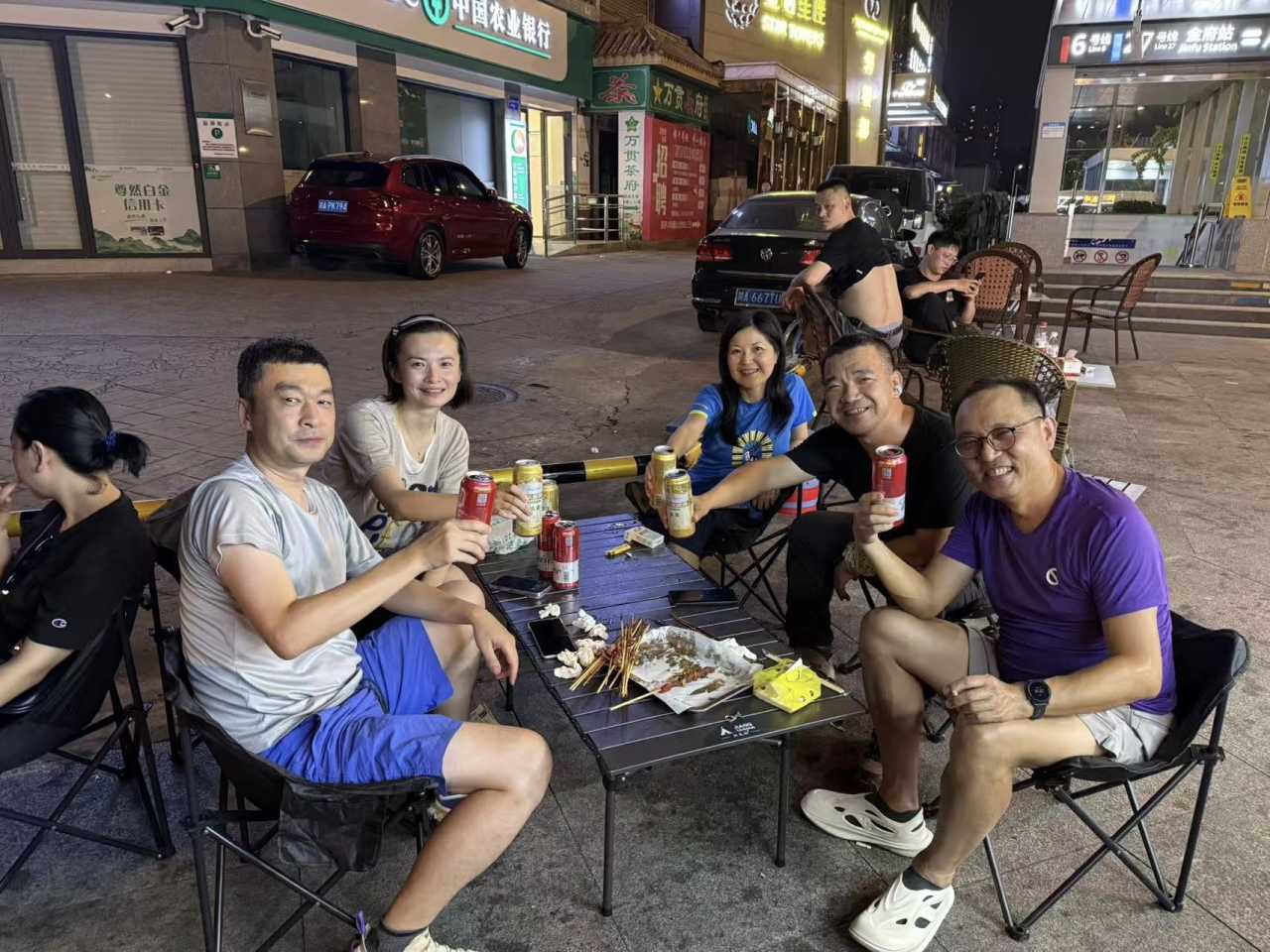
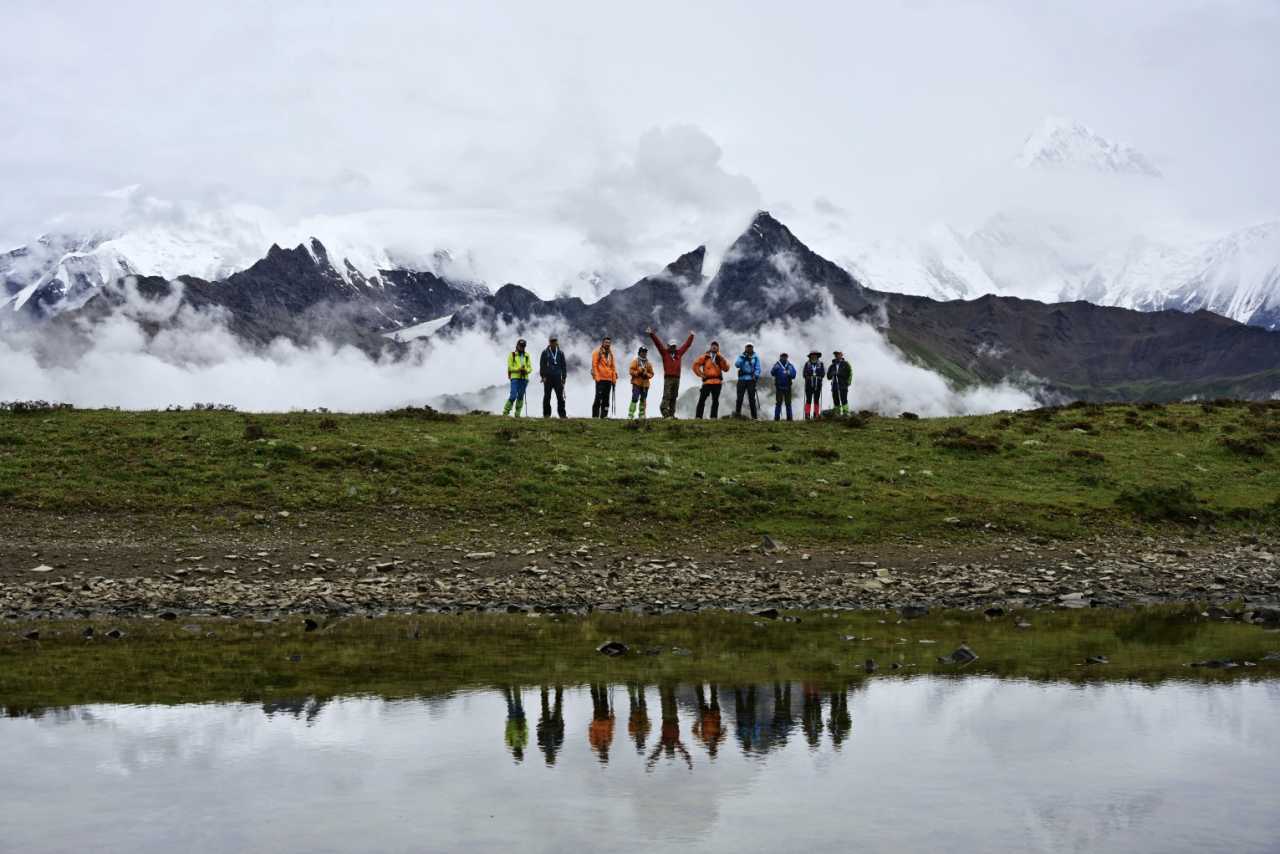
Dressed in their custom T-shirts, the team took a group photo and even tried grilled skewers from a platform vendor.
But the sunset at Yuzixi Pass remained out of reach. Navigation showed 8 kilometers of severe traffic ahead. Finally, four people got out and walked, while the rest abandoned the car too. At 11:05 PM, they arrived at the Tangute Hotel in Xinduqiao.
From 7:45 AM departure to 11:05 PM arrival—a full 15 hours. Long, exhausting, but also full of stories.
Day 3: Lenggaco Lake and Close Encounters with Marmots
Date: August 4
Weather: Partly cloudy
Plan: Wake at 5:00 AM, depart at 5:30 AM, drive 3 hours to Shangmuju Dengba Inn (elevation 3,750 meters), hike 4 kilometers to Lenggaco Lake
Acclimatization and Tibetan Hospitality
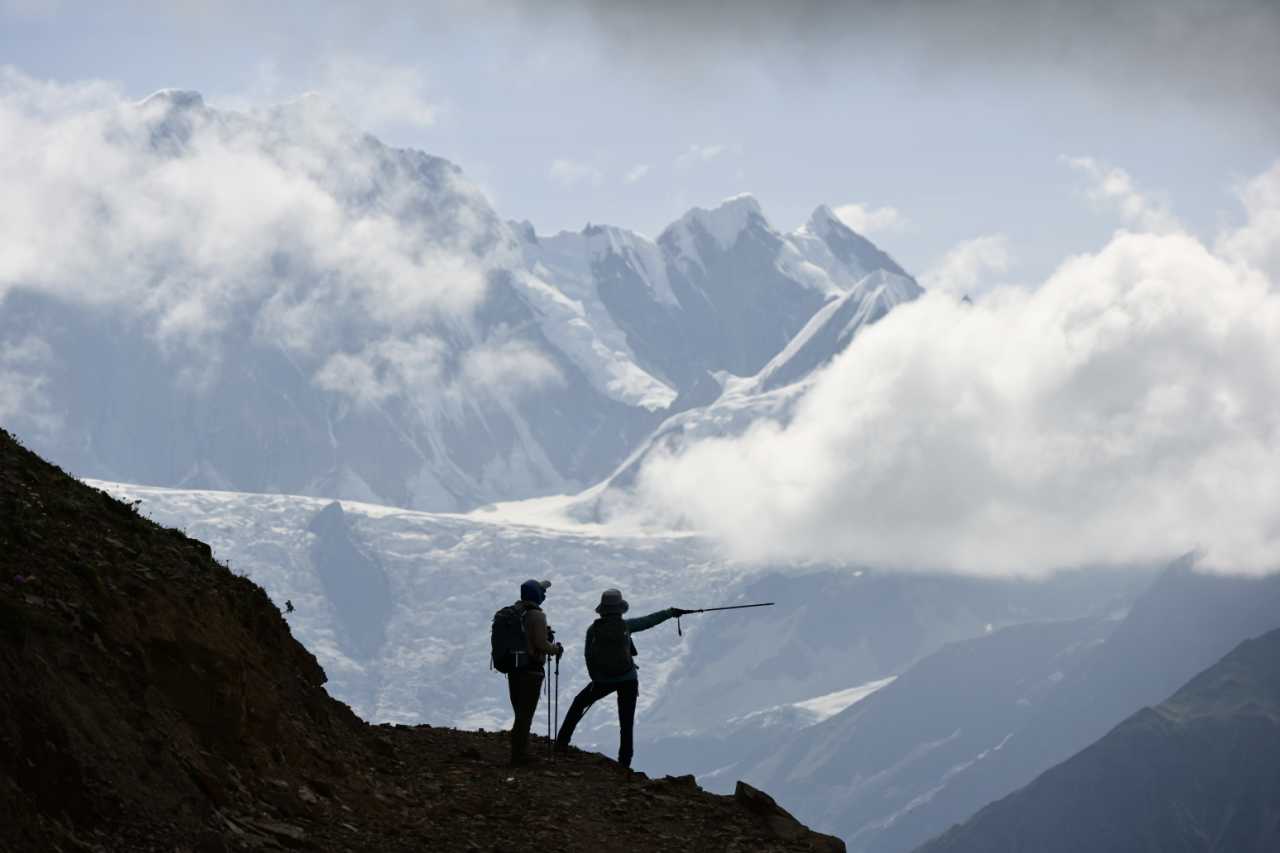
Sleep-deprived and still acclimatizing, the team set off while it was still dark. At 8:45 AM, they arrived at the Shangmuju Dengba Inn. The rooms weren't ready, so they rested in a typical Tibetan-style living room that also served as a kitchen and dining area.
An elderly Tibetan woman sat by the window—likely the inn owner's mother. The cabinets held neatly arranged cookware, a testament to the region's warm hospitality.
When sunlight finally streamed in, the soft, fluffy bedding was irresistible. Lunch at the Sichuan-Chongqing Restaurant inside the inn was supposed to be simple—just a few bowls of noodles. But teammates kept adding dishes until the table was full. The tomato and egg noodles that arrived last were superfluous; two people sharing one bowl still left leftovers.
The Hike to Lenggaco Lake
The road to Lenggaco Lake was bumpy, with only the last two kilometers paved. Now a scenic area, entry costs 30 RMB. Local Tibetans had horses tied up in the square for those who didn't want to walk.
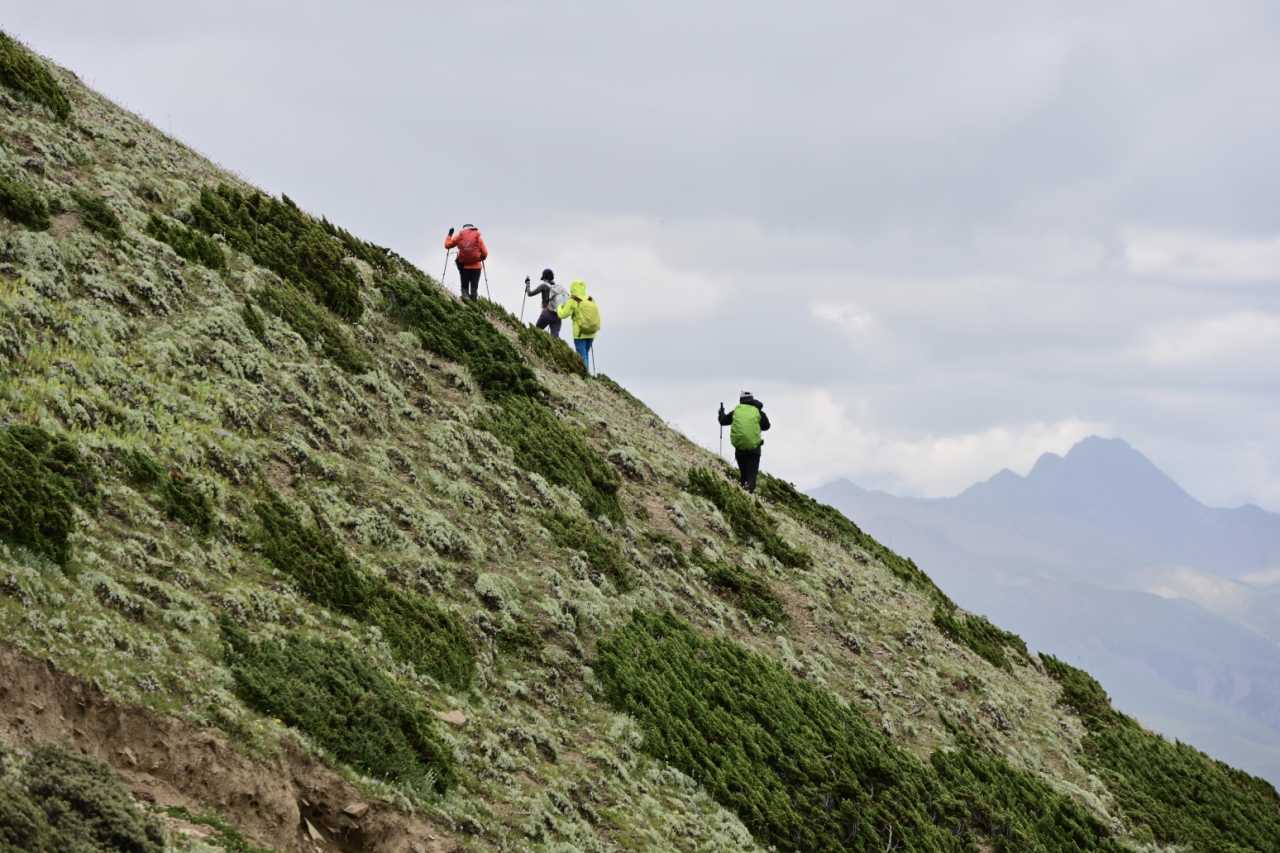
The trail started on the left slope of the square. Though not steep, it was a continuous climb. Before starting, one team member, Jiao Yue, was seen vomiting. She smiled and said it would be fine after throwing up.
For the author, altitude sickness typically struck on the third day above 3,000 meters. Today was the second day, and while no vomiting occurred, weakness and shortness of breath were present.
Using a Huawei watch to track the route: - Starting elevation: 4,000 meters - Lenggaco Lake elevation: 4,500 meters
[Link: Altitude Sickness Prevention Tips]
The highlight of the trail was the close encounter with Himalayan marmots—fat, curious creatures that seemed as interested in the hikers as the hikers were in them.
Essential Tips for Your Gongga Trek
Best Time to Visit Gongga Snow Mountain
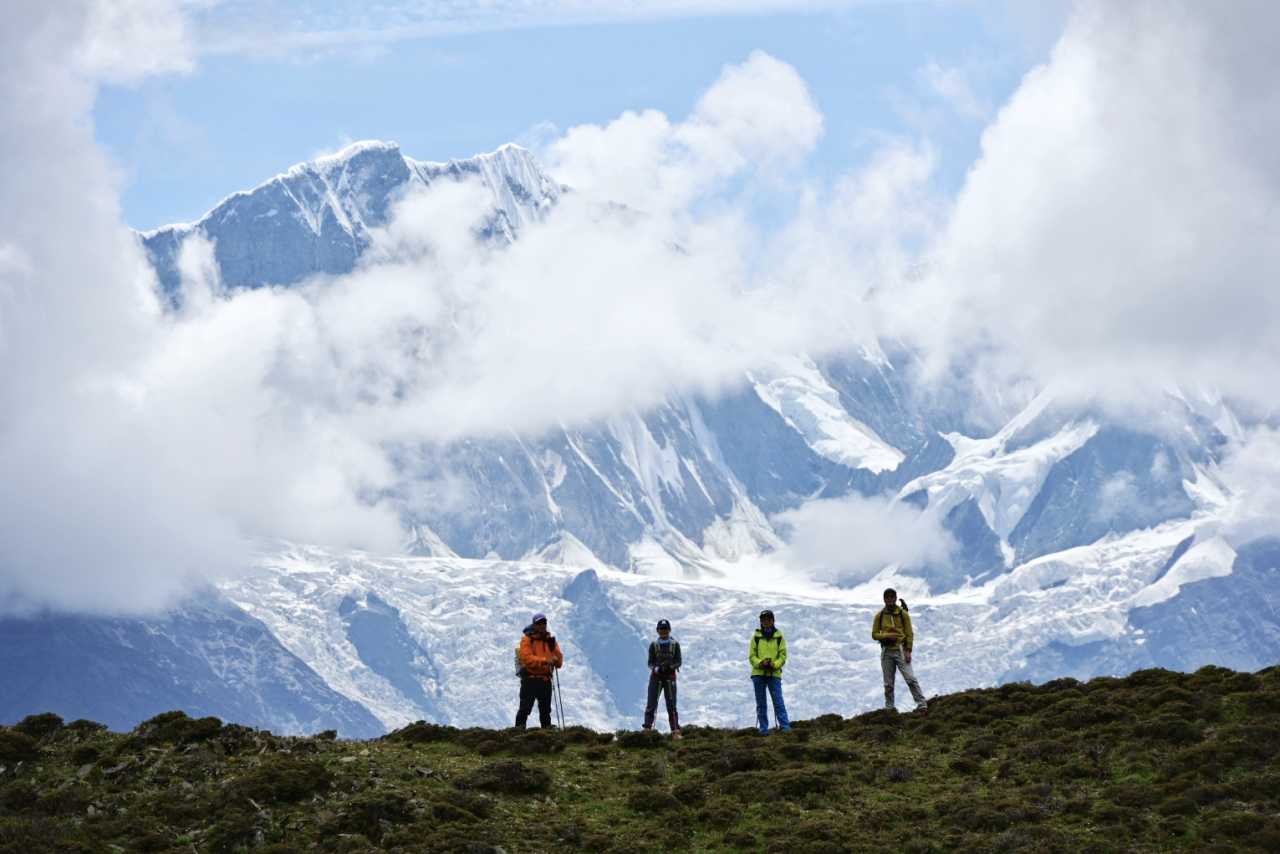
The ideal months for a Gongga Grand Loop trek are August through October. August offers warmer temperatures and clearer skies, while September and October provide stunning autumn colors. Avoid the rainy season (June-July) and winter (November-March) when trails become treacherous.
What to Pack for High-Altitude Hiking
| Item | Purpose |
|---|---|
| Custom T-shirts (team bonding) | Group morale and photos |
| Layers (base, mid, outer) | Temperature regulation |
| Altitude sickness medication | Prevention and relief |
| Waterproof boots | Muddy trails |
| Energy snacks | Quick fuel |
| Sun protection (hat, sunscreen, sunglasses) | UV protection at high elevation |
[Link: Best Hiking Gear for Snow Mountains]
How to Handle Traffic on National Road 318
- Leave early: Before 6:00 AM to avoid peak congestion
- Pack patience: Expect delays, especially during holidays
- Stay flexible: Be prepared to walk if traffic is severe
- Carry snacks and water: You might be stuck for hours
FAQ: Your Questions About the Gongga Trek Answered
1. Is the Gongga Grand Loop suitable for beginners?
No. This is a strenuous high-altitude trek requiring prior experience with altitude sickness, long hiking days, and unpredictable weather. Beginners should start with lower-elevation treks and gradually build up.
2. How do I prevent altitude sickness on a Gongga trek?
- Ascend gradually (no more than 300-500 meters per day above 3,000 meters)
- Stay hydrated (3-4 liters of water daily)
- Take acclimatization days
- Consider medication like acetazolamide (Diamox)
- Listen to your body—descend if symptoms worsen
3. What is the best way to reach the Gongga region?
Most trekkers fly into Chengdu and drive to Xinduqiao (about 9 hours). Alternatively, you can take a bus or hire a private driver. The drive on National Road 318 is scenic but can be congested.
4. Can I hire a guide for the Gongga trek?
Yes, and it's highly recommended. Local guides like Shan You (featured in this article) provide invaluable knowledge about routes, weather, and altitude management. They also handle logistics like permits and accommodation.
5. What wildlife might I encounter on the trek?
The region is home to Himalayan marmots, blue sheep, snow leopards (rare), and various bird species. The marmots at Lenggaco Lake are particularly friendly and photogenic.
Conclusion: Your Gongga Journey Awaits
Seven years after a brutal first attempt, the team returned to Minya Konka—not to conquer, but to heal. They found that the mountain doesn't care who comes. As someone joked: "Gongga doesn't speak; it treats passersby like straw dogs."
But for those who return, the mountain speaks volumes. It speaks through the golden sunset at Yuzixi Pass, the playful marmots at Lenggaco Lake, and the shared laughter over wild mushroom hotpot. It speaks through the 15-hour traffic jams that become stories, and the altitude sickness that reminds us of our limits.
Are you ready to write your own Gongga story?
Whether you're healing from a past shadow or seeking a new challenge, the Gongga Grand Loop trek offers an experience that transforms. Start planning today:
- Book your guide for expert navigation
- Train your body for high-altitude endurance
- Pack your spirit for the journey of a lifetime
Share your Gongga story with us in the comments below. What draws you to this sacred mountain? What healing do you seek?
[Link: Best Time to Visit Gongga Snow Mountain] [Link: Altitude Sickness Prevention Tips] [Link: Best Hiking Gear for Snow Mountains]
Article by an SEO content strategist. Source: MaFengWo travel diary. All factual details preserved.
You may also like