The Ultimate Guide to a Self-Guided Trip to Daocheng Yading: A Five-Year Veteran Trekker’s Private Route Book
Meta Description: Plan your self-guided Daocheng Yading trip with insider routes, transportation tips, and accommodation hacks from a five-year veteran trekker. Discover hidden gems and practical advice for this sacred Tibetan paradise.
Introduction: Why Daocheng Yading Deserves a Spot on Your Bucket List
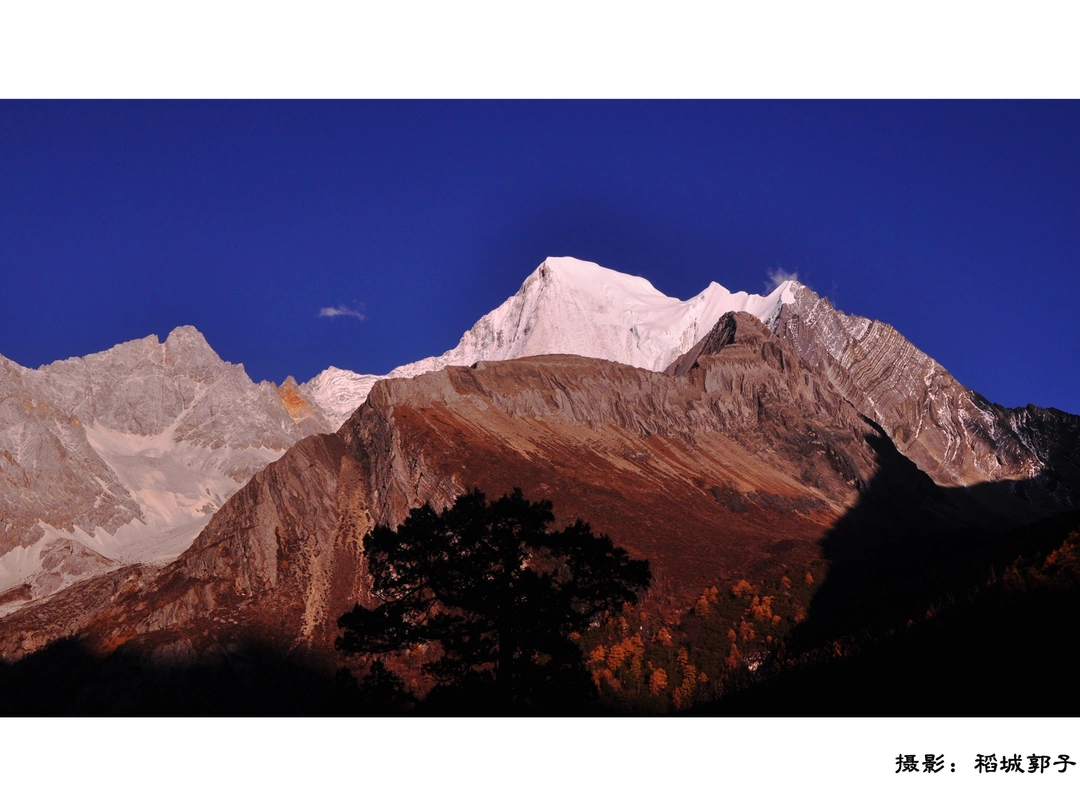
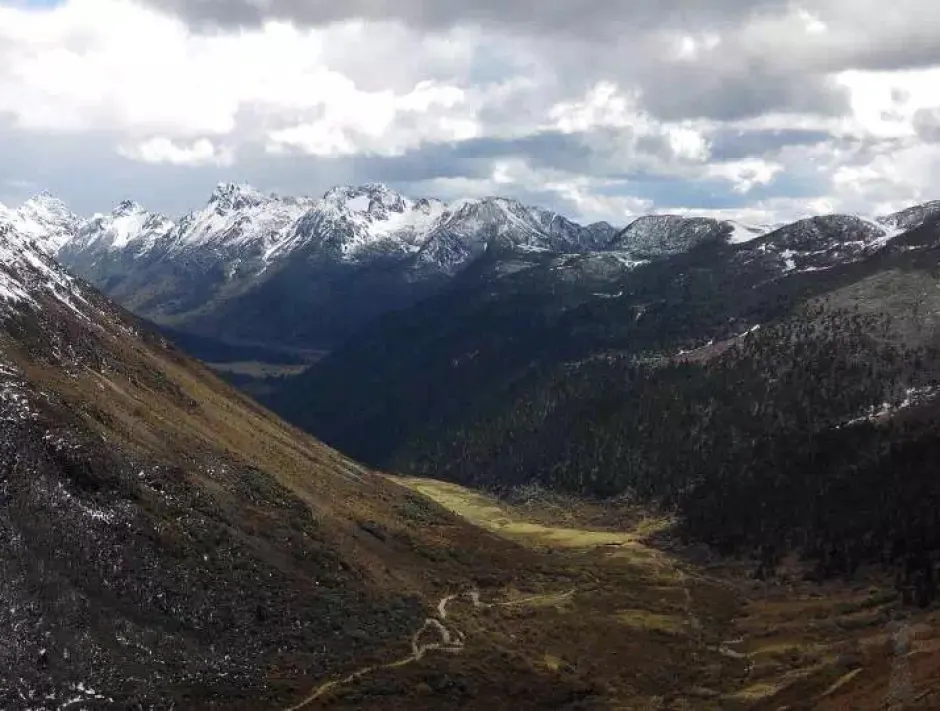
Nestled in the heart of Sichuan’s Garzê Tibetan Autonomous Prefecture, Daocheng Yading is often called the "Last Pure Land on Earth." With its snow-capped peaks, alpine lakes, and pristine forests, this UNESCO World Heritage site offers an unparalleled trekking experience. But navigating the region—especially as a self-guided traveler—requires insider knowledge.
I spent five years exploring every corner of this sacred land. From solo backpacking to running inns and leading expeditions, I’ve seen the joy and confusion in travelers’ eyes. This guide consolidates my hard-earned expertise into a practical roadmap for your Daocheng Yading self-guided trip.
1. How to Get to Daocheng Yading: Transportation Routes Compared
From Shangri-La County, Yunnan (3 Routes)
Route 1 (Bus-Friendly): Zhongdian → Geza Township → Small Snow Mountain Pass → Wengshui Township → Big Snow Mountain Pass → Ranwu Township → Xiangcheng → Sangdui → Daocheng
Best for budget travelers. Paved roads for most sections, but expect gravel from Big Snow Mountain Pass to Xiangcheng.

Route 2 (Scenic Detour): Zhongdian → Benzilan → Derong → Ciwu Township → Reda Township → Ma’an Mountain → Xiangcheng → Sangdui → Daocheng
Avoid this route. Road construction from Benzilan to Derong makes it impassable for most vehicles.
Route 3 (Off-Road Adventure): Zhongdian → Geza → Shenchuan Copper Mine → Langdu → Sizigong → Kasi Village → Shangri-La Town (Yading Scenic Area Visitor Center)
Only for experienced off-road drivers. 180 km total, but 60 km of gravel road. Impassable during rainy season (June–September).
Pro Tip: Most travelers choose Route 1 for reliability. If you’re driving, check road conditions at local police stations before departure.
From Chengdu, Sichuan (3 Routes)
Route 4 (Bus Route): Chengdu → Ya’an → Tianquan → Erlang Mountain → Luding → Kangding → Xinduqiao → Yajiang → Litang → Daocheng
The standard bus route. Overnight stop in Kangding. Total time: ~2 days.
Route 5 (Self-Drive Southern Route): Chengdu → Ya’an → Shimian → Luding → Kangding → Xinduqiao → Yajiang → Litang → Daocheng
Slightly faster than Route 4. Uses Ya’an-Xichang Expressway to skip Erlang Mountain traffic.
Route 6 (Self-Drive Northern Route): Chengdu → Dujiangyan → Yingxiu → Balang Mountain → Rilong → Xiaojin → Danba → Tagong → Xinduqiao → Yajiang → Litang → Daocheng
Scenic but longer. Gravel roads near Balang Mountain and Bamei. Best for photographers.
From Lugu Lake, Lijiang (3 Advanced Routes)
Route 7 (Off-Road Self-Drive): Lugu Lake → Qiansuo → Wujiao → Wachang → Muli Grand Temple → 915 Viewing Platform → Shuiluo → Yongning → Eya Naxi → Dongyi → Kasi → Shangri-La Town
Only for 4x4 vehicles. Dry season only (March–April, October–November).
Route 8 (Lugu-Yading Highway): Lugu Lake → Qiansuo → Wujiao → Cangduo → Yiji → Shuba → Eya Naxi → Dongyi → Kasi → Shangri-La Town
Newly paved from Shangri-La Town to Eya. Widening ongoing; full asphalt expected by September 2017.
Route 9 (Hiking Route): Lugu Lake → Lijiazui → Wujiao → New Kal’er Pasture → Qiongyin → Shuiluo → Dongla Substation → Dulu → Gold Mine → Galuo → Xiannairi Pass → Chonggu Temple → Yading Village
Multi-day trek. Requires guide and camping gear. Stunning but challenging.
Bus Schedules & Tickets
| Route | Departure | Frequency | Price (RMB) | Duration |
|---|---|---|---|---|
| Shangri-La → Daocheng | 7:30 AM | 1 bus/day (suspended Nov 20–Apr 1) | 112 | ~8 hours |
| Chengdu → Daocheng | 10:00 AM | Daily (overnight in Kangding) | 245 | ~2 days |
| Daocheng → Shangri-La Town | 7 AM, 9 AM, 2 PM, 5 PM | 4 buses/day | 50 | ~2 hours |
| Daocheng → Chengdu | 6:00 AM | Daily | 245 | ~17 hours |
| Daocheng → Kangding | 6:00 AM | 2 buses/day | 135.5 | ~7 hours |
| Daocheng → Shangri-La County | 6:00 AM | Daily | 112 | ~11 hours |
[Link: How to book bus tickets in Sichuan]
2. Where to Stay in Daocheng Yading: Accommodation Tips
Staying in Yading Village (Inside the Scenic Area)
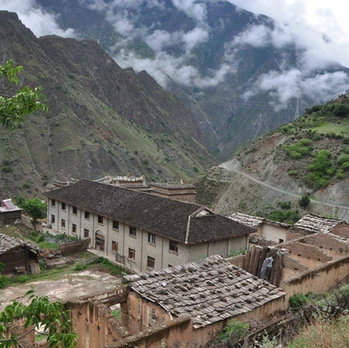
Yading Village offers the most convenient access to the main attractions—Xiannairi, Yangmaiyong, and Xianuoduoji peaks. However, accommodation is limited and fills up fast during peak season (May–October).
What to Expect: - Basic guesthouses with shared bathrooms - Prices: 150–300 RMB/night - Book at least 2 weeks in advance for summer/autumn - No luxury hotels; focus on minimalism
Staying in Shangri-La Town (Outside the Scenic Area)
Shangri-La Town (also called Riwa) is the main gateway. It has more options, from budget hostels to mid-range hotels.
Recommendations: - Budget: Daocheng Yading International Youth Hostel (dorm beds from 60 RMB) - Mid-Range: Shangri-La Town Inn (private rooms from 200 RMB) - Luxury: Yading Holy Land Hotel (from 600 RMB)
Pro Tip: If you’re on a self-guided trip, staying in Shangri-La Town gives you flexibility. You can take the scenic area shuttle bus (20 minutes, 50 RMB round-trip) to the entrance.
Staying in Daocheng County
Daocheng County is 78 km from the scenic area. It’s cheaper but requires a 1.5-hour drive each way.
Pros: Lower prices (80–150 RMB/night), more dining options
Cons: Wasted travel time, altitude sickness risk (3,700m vs. 4,100m at Yading Village)
[Link: Altitude sickness prevention tips for Daocheng Yading]
3. Best Time to Visit Daocheng Yading
| Season | Months | Pros | Cons |
|---|---|---|---|
| Spring | April–May | Fewer crowds, wildflowers | Unpredictable weather, some trails closed |
| Summer | June–August | Green landscapes, all trails open | Rainy season, landslides possible |
| Autumn | September–October | Golden leaves, clear skies | Peak tourist season, higher prices |
| Winter | November–March | Snow-capped peaks, solitude | Extreme cold, many roads closed |
Insider Tip: Mid-October is the absolute best time. The autumn colors peak, and the weather is stable. Book accommodation 1–2 months ahead.
4. Must-See Attractions in Daocheng Yading
The Three Sacred Peaks
- Xiannairi (6,032m) – "Avalokiteshvara" – The most accessible peak. Hike to Chonggu Temple for the best view.
- Yangmaiyong (5,958m) – "Manjushri" – Requires a 10-km trek from Luorong Pasture. Stunning alpine lakes en route.
- Xianuoduoji (5,958m) – "Vajrapani" – The most challenging. Only for experienced trekkers with proper gear.
Other Highlights
- Five-Color Lake (Wuse Hai) – A sacred lake at 4,700m. Hike from Luorong Pasture (2 hours one-way).
- Milk Lake (Niu Nai Hai) – Turquoise waters surrounded by snow peaks. Easier hike than Five-Color Lake.
- Chonggu Temple – A 14th-century Tibetan Buddhist monastery with prayer flags and mountain views.
- Luorong Pasture – A flat, grassy area perfect for rest stops and picnics. Horse rental available.
5. Essential Packing List for Daocheng Yading
Clothing: - Thermal base layers (wool or synthetic) - Fleece or down jacket - Waterproof shell (rain jacket + pants) - Hiking boots (broken-in, waterproof) - Wool hat, gloves, scarf
Gear: - Trekking poles (essential for steep descents) - Daypack (20–30 liters) - Water bottle (1L minimum) + purification tablets - Headlamp with extra batteries - First-aid kit (bandages, antiseptic, pain relievers)
Health: - Altitude sickness medication (Diamox recommended) - Sunscreen (SPF 50+) and lip balm - Sunglasses (UV protection) - Rehydration salts
Documents: - ID card (passport for foreigners) - Scenic area ticket (book online in advance) - Travel insurance (covers high-altitude trekking)
[Link: Altitude sickness prevention and treatment]
6. Frequently Asked Questions (FAQ)
Q1: Do I need a guide for a self-guided trip to Daocheng Yading?
No, but it’s recommended for first-time visitors. The main trails are well-marked, but weather can change rapidly. If you’re trekking beyond the main area (e.g., the Lugu-Yading hiking route), hire a local guide.
Q2: What is the altitude of Daocheng Yading, and how do I prevent altitude sickness?
The scenic area ranges from 3,700m (Shangri-La Town) to 4,700m (Five-Color Lake). To prevent altitude sickness: - Ascend gradually (spend 1–2 days in Daocheng County at 3,700m) - Stay hydrated (3–4L water/day) - Avoid alcohol and heavy meals - Consider Diamox (consult your doctor)
Q3: Can I visit Daocheng Yading in winter?
Yes, but with limitations. From November to March, many roads close, and temperatures drop to -15°C. Only the main trails are open. Bring extreme cold gear and check road conditions daily.
Q4: How much does a self-guided trip to Daocheng Yading cost?
Budget 1,500–2,500 RMB for a 5-day trip (excluding flights): - Bus from Chengdu: 500 RMB round-trip - Accommodation: 300–800 RMB (5 nights) - Scenic area ticket: 266 RMB (entrance + shuttle bus) - Food: 200–400 RMB - Miscellaneous: 200–500 RMB (horse rental, snacks, souvenirs)
Q5: Are there ATMs or card payments in the scenic area?
Limited. Shangri-La Town has a few ATMs, but Yading Village has none. Carry enough cash for 3–4 days. Most hotels and restaurants accept WeChat Pay or Alipay.
7. Internal Linking Suggestions
As you plan your trip, check out these related guides:
- [Link: Complete guide to Sichuan bus routes]
- [Link: How to acclimatize to high altitude in Tibet]
- [Link: Best trekking gear for the Himalayas]
- [Link: Tibetan Buddhist etiquette for travelers]
- [Link: Packing checklist for multi-day treks]
Conclusion & Call to Action
Daocheng Yading is more than a destination—it’s a pilgrimage into nature’s purest form. With the right planning, you can experience its magic without the crowds or confusion.
Your next step:
1. Choose your route (I recommend Route 1 from Shangri-La for first-timers).
2. Book accommodation at least 2 weeks ahead for autumn visits.
3. Download offline maps and weather apps.
4. Pack smart, stay safe, and respect the local culture.
Ready to explore? Start planning your Daocheng Yading self-guided trip today. Share your itinerary in the comments below, and I’ll give you personalized tips!
Safe travels, and may the sacred peaks guide your journey.
You may also like


