May Day Liangshan Double Suomahua Sea Self-Drive & Hiking Tour: Finding Joy in "Small Full" After "Big Full" Disappointment
Meta Description: Discover the Liangshan Double Suomahua Sea self-drive & hiking tour—a 4-day, 1,800-km adventure through Puge, Huili, and Leibo. When peak bloom fell short, we found unexpected joy. Plan your May Day trip now!
Introduction: When Plans Change, Adventures Begin
The May Day mini-holiday in China is synonymous with peak travel season—and for flower enthusiasts, it's the prime window to witness the breathtaking Suomahua (Rhododendron) bloom across Liangshan Prefecture. But what happens when a meticulously planned "big full" itinerary—complete with perfect weather, peak blossoms, and flawless execution—falls through?
You discover the joy of "small full": the unexpected beauty of imperfect moments, the warmth of local cuisine after a long drive, and the quiet satisfaction of adapting to nature's rhythms.
This is the story of our Liangshan Double Suomahua Sea self-drive & hiking tour: a 4-day, 1,800-kilometer journey through Puge Haikou Pasture, Huili Longzou Mountain, and Leibo Ma Lake. It's a tale of recovery from illness, last-minute itinerary changes, and finding magic where we least expected it.
Pre-Trip: An Adventure After Serious Illness
Nerves and Excitement Before Departure
The May Day holiday arrives precisely when Suomahua flowers in Liangshan reach their vibrant peak. My friend—an experienced tour leader—had locked in this "Liangshan Double Suomahua Sea Self-Drive & Hiking Tour" with a meticulously detailed itinerary. However, just over half a month before departure, a sudden severe cold (suspected Influenza A) knocked me flat. The medication cycle stretched to its maximum length; I only stopped medicine four or five days before departure.
Looking at the itinerary marked with "maximum altitude approximately 3,200 meters" and "planned hiking for several hours," my heart pounded with doubt. Could my body, just recovering from serious illness, handle it? I gritted my teeth and performed a self-assessment of my physical fitness. Though anxious, the deep-seated desire for the unknown journey won out. Packing enough medication, I set off on what would become an extraordinary trip.
Itinerary Overview: 4 Days, 4 Nights, 1,800 Kilometers of Suomahua Flower Chasing
Theme and Route
Theme: 4-day self-drive tour of Puge Haikou Pasture, Huili Longzou Mountain, and Leibo Ma Lake in Liangshan Prefecture
Time: April 30, 2026 (evening) – May 4, 2026 (4 days + 1 night)
Vehicle: SUV or off-road vehicle recommended
Route: Chongqing → Mabian → Puge → Huili → Leibo → Chongqing, total distance approximately 1,800 kilometers
Accommodation Arrangements
| Date | Location | Hotel Name |
|---|---|---|
| D0 | Mabian | Quanyi Light Luxury Hotel |
| D1 | Huili | Huacheng Hotel |
| D2 | Zhaojue | Hongxiang International Grand Hotel |
| D3 | Leibo | Fisherman's Wharf Hotel |
Cost Breakdown
- Self-driving participants: 1,380 RMB/person
- Non-driving participants: 1,380 RMB/person + 500 RMB/person (car-pooling fee covering fuel, tolls, parking, maintenance)
- Children's fee: 580 RMB/person (under 10 years old, no bed); 400 RMB/person (car-pooling fee); children over 10 charged as adults
D0: Chongqing → Mabian – A Taste Bud Pre-Heat
Departure: Crossing from City to Mountain Wilderness

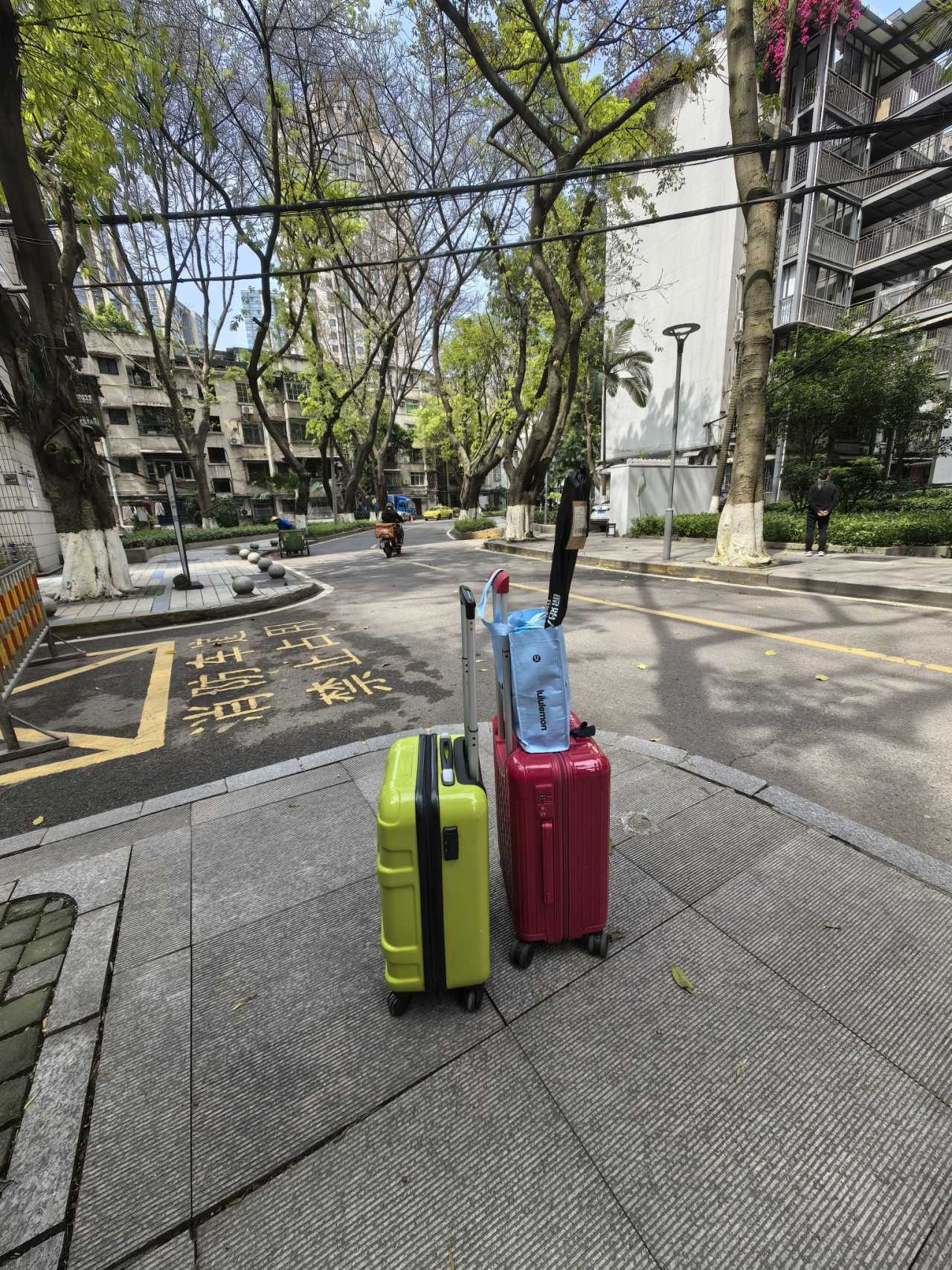
At 3:20 PM on April 30th, my sister and I—as car-poolers—settled our luggage into our friend's car and departed from downtown Chongqing. Following the Inner Ring Road → Yin-Kun Expressway → Chengdu-Chongqing Ring Line → Le-Xi Expressway, the 385-kilometer journey gradually shrank beneath the wheels. At 7:50 PM, we arrived at Mabian County—an Yi Autonomous County under Leshan City, where the Yi ethnic group makes up over half the population, offering a unique cultural atmosphere.
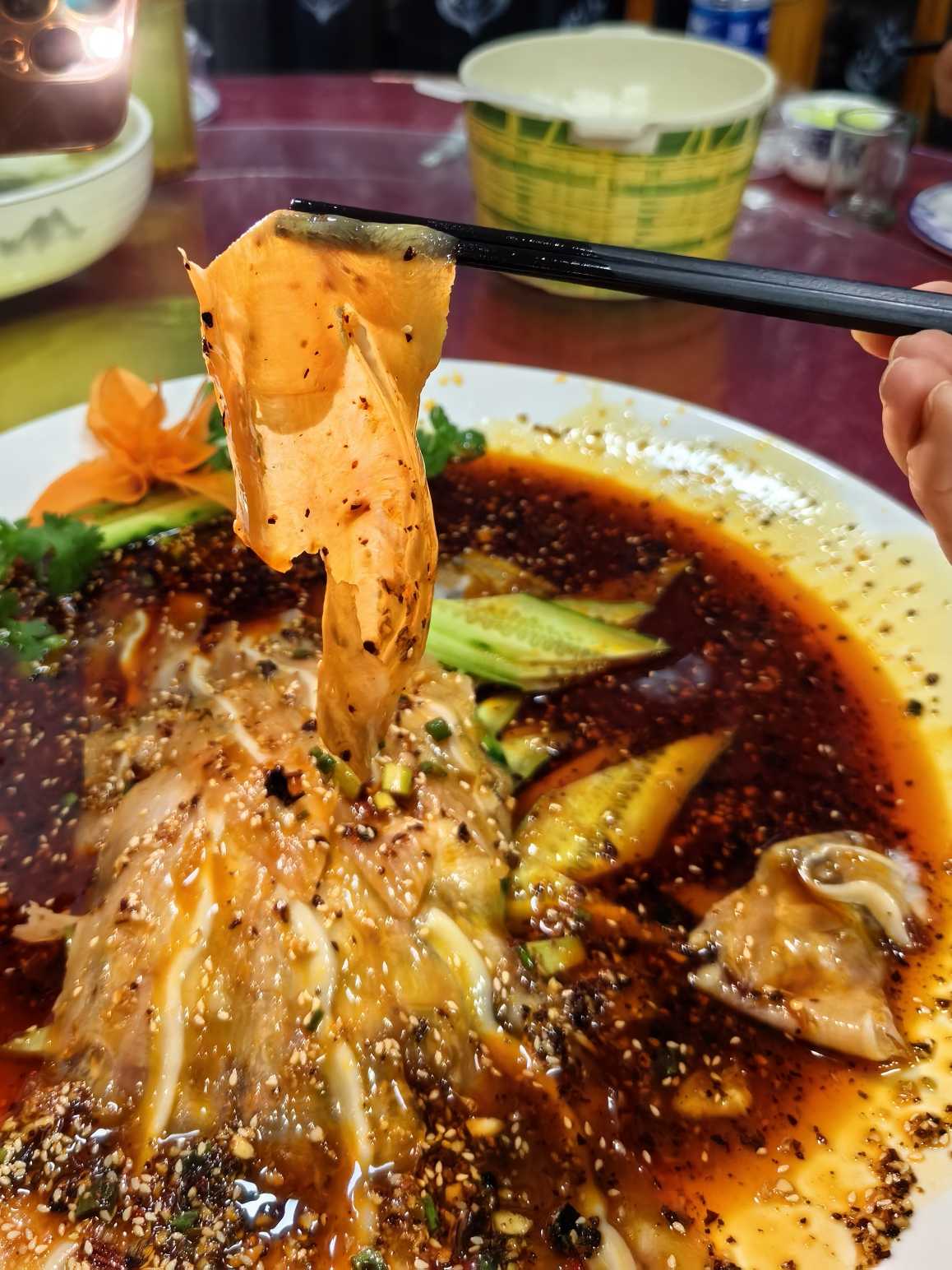
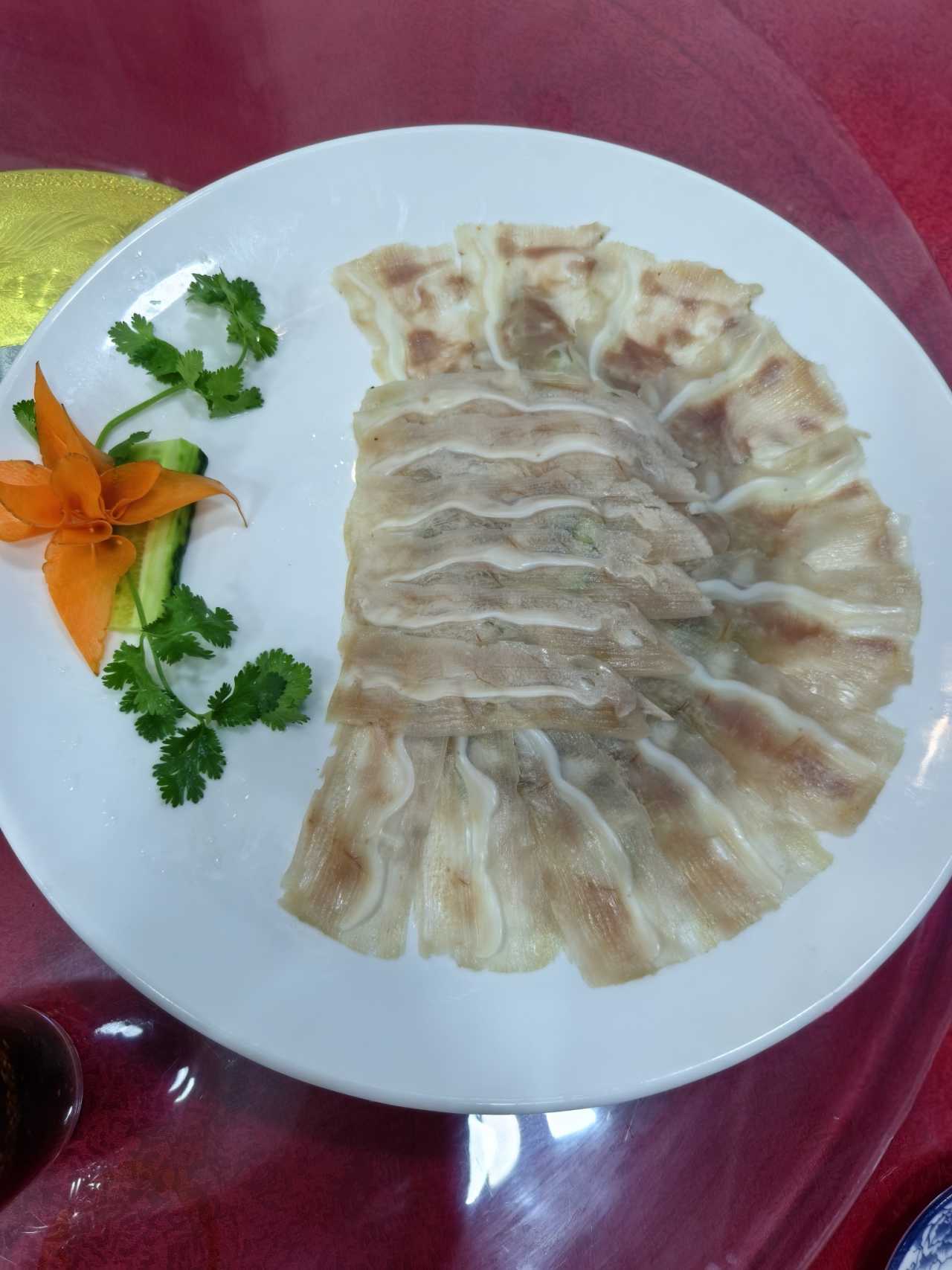
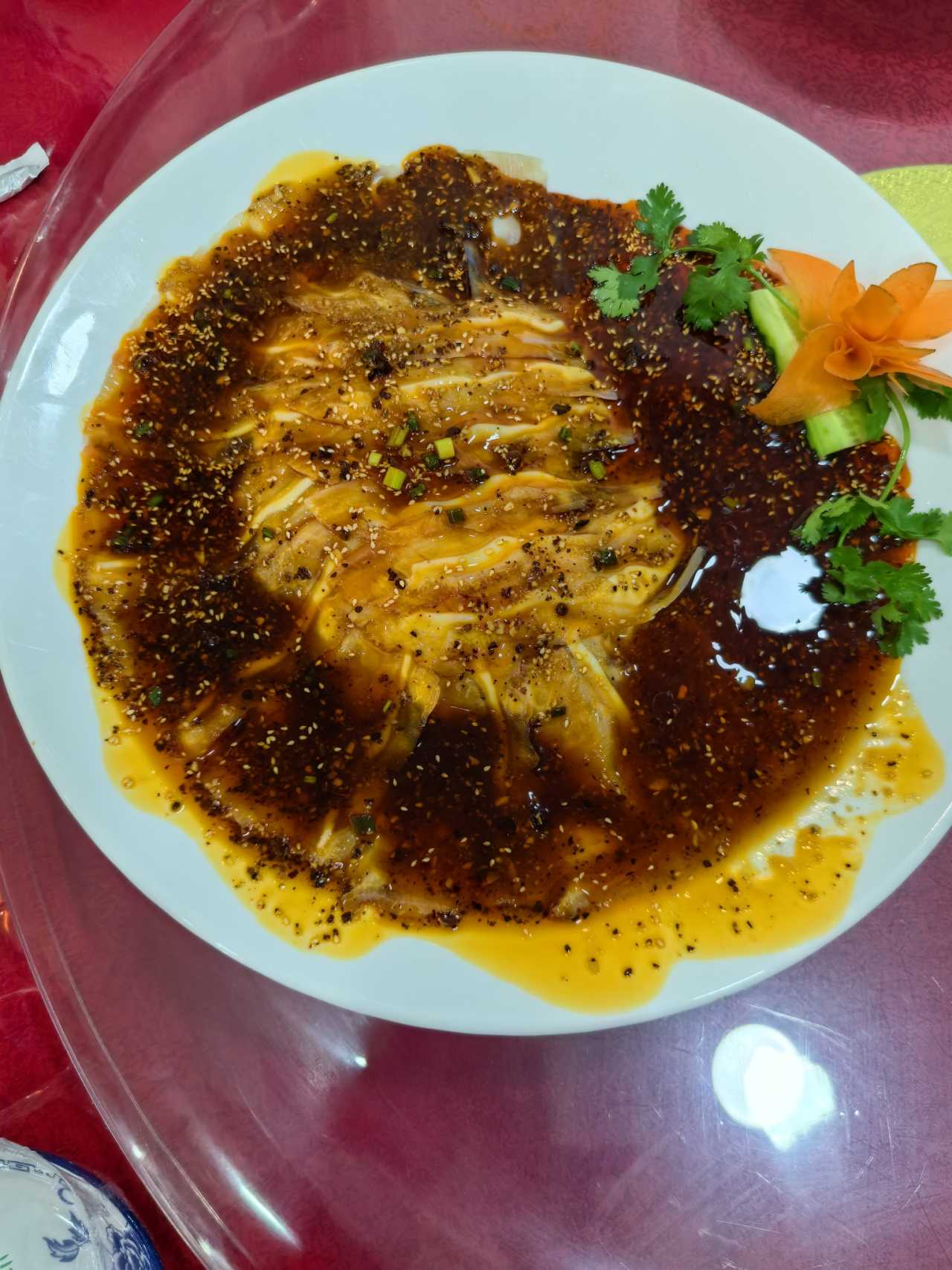
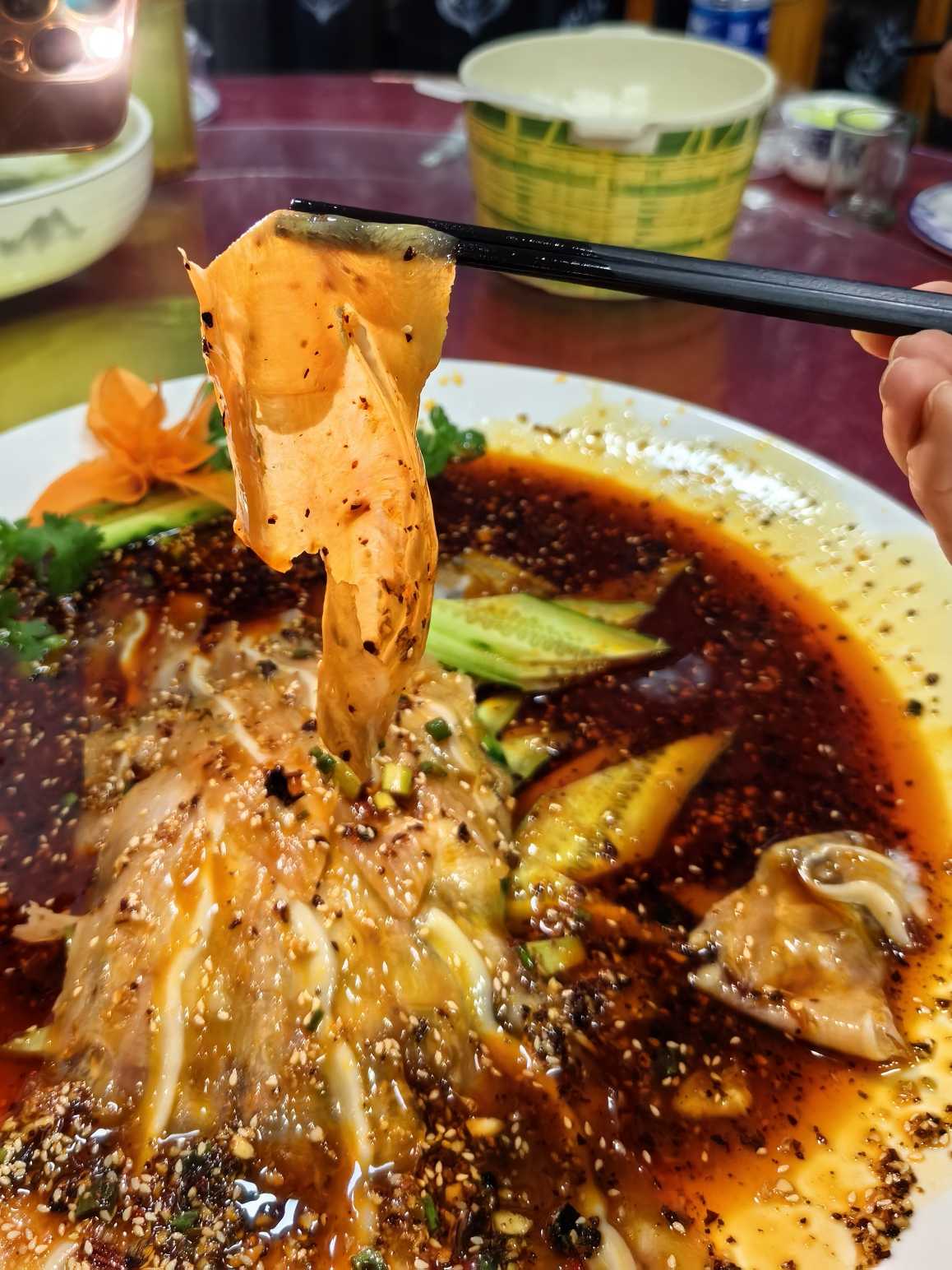
One of Mabian's Three Culinary Treasures: The Stunning Mei Ertou (Pickled Pig's Ear)
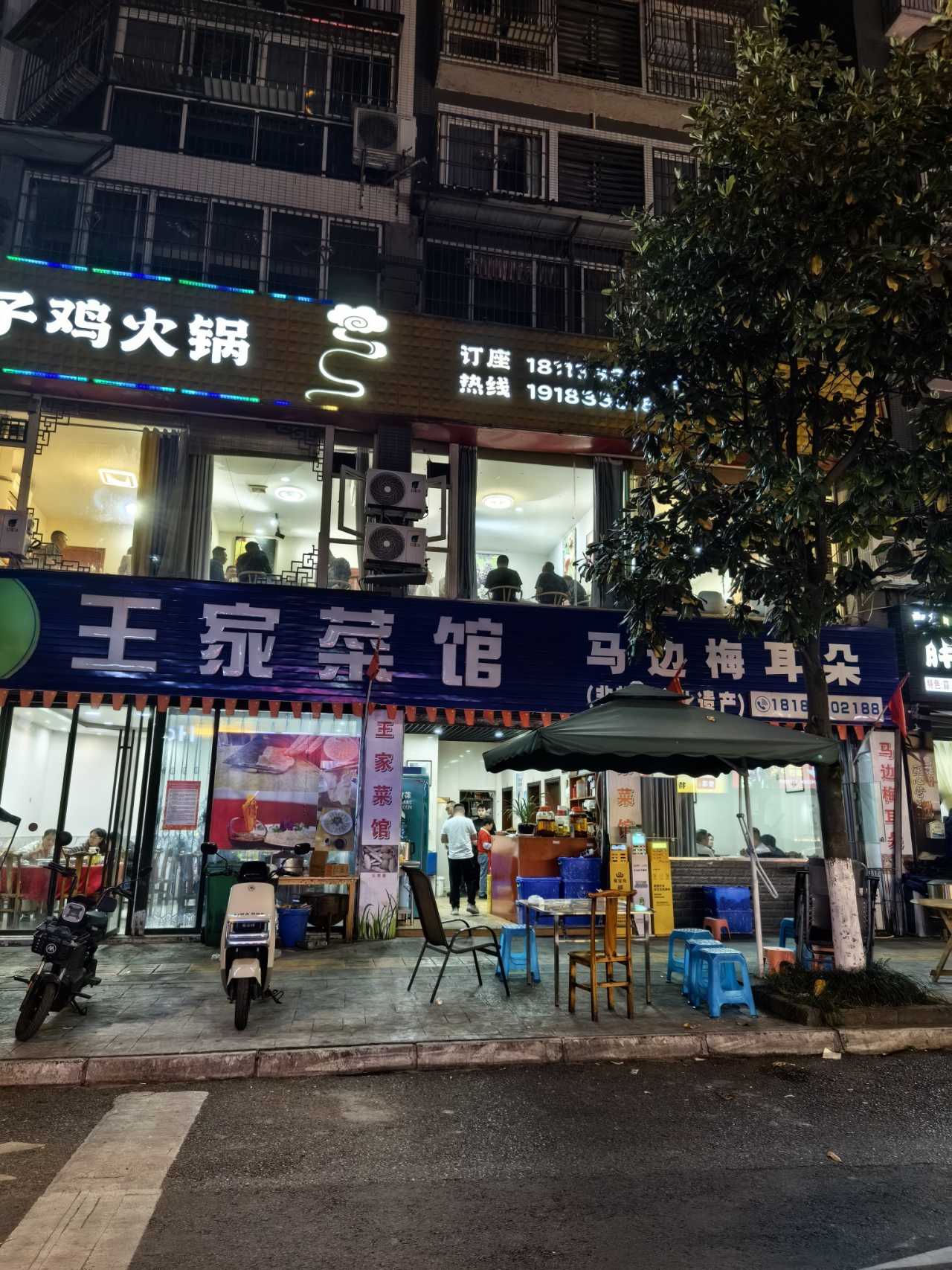
After checking in and dropping off luggage, we headed straight for the locally renowned "Wang Family Restaurant · Mabian Mei Ertou." Ordering is an art form—luckily, our foodie friend volunteered, ordering each dish perfectly.
Our Menu: - Mei Ertou (signature pickled pig's ear) - Sweet Potato Noodles with Twice-Cooked Pork - Stir-fried Wild Greens (Sixianjiu wild chive) with Eggs - Bitter Bamboo Shoot and Pickled Vegetable Soup
With the first bite, our mouths filled with fragrance—every dish was stunning. Truly living up to its reputation, this meal left us completely satisfied.
Wang Family Restaurant · Mabian Mei Ertou
Address: 294 Binhe East Road, Phase 2 of East Time Glory
Business Hours: 09:00–20:00
Phone: 0833-4519099
Longing for Mabian Chicken
Knowing we'd leave early the next morning and miss tasting "Mabian's Second Treasure"—Mabian Chicken—I couldn't stop thinking about it. After dinner, we strolled to the shop's door, already closed for the day, and took a photo to save the memory. I left myself a little wish: next time in Mabian, I'll definitely fulfill this craving.
Mabian Chicken Shop
Address: 44, 1st Floor, Building 1, Lang Bridge, Binhe East Road
Business Hours: 10:00–20:00 (may close early if sold out)
Phone: 15228199991
Mabian Nightscape: A Little Poem
The evening breeze led me across South Bridge,
The Rainbow Bridge shook starlight into the river;
The Mabian River cradled the lights, gently rocking.
Fort Cannon Mountain lay as a silent shadow,
I stepped on the golden staircase of lights,
Looked back—
The small town's night, with a click, was captured.
Accommodation Recommendation: Quanyi Light Luxury Hotel
A newly opened light luxury hotel in 2025, with clean, spacious rooms, attentive service, and excellent value for money—boasting a 4.8 rating.
Address: 168 Yanjiaba Road, Mabian Yi Autonomous County, Leshan City
Phone: 133 9825 2275
D1: Mabian → Puge Haikou Pasture – A Date with the Suomahua on the Plateau
Morning Ritual: Yang Wontons
The hotel doesn't offer breakfast—perhaps on purpose, to let travelers experience authentic local flavor on an empty stomach. Mabian's third treasure—Yang Wontons—has a history of over 60 years. A local saying goes: "If you haven't eaten a bowl of Yang Wontons, you've wasted your trip to Mabian."
Personal opinion: The taste was just average, not really comparable to Quanzhou's thin-skinned wontons or Chongqing's beef wontons. But the sense of ritual was a unique memory of a Mabian morning.
Yang Wontons
Address: 318 Yanjiaba Road
Business Hours: Around 07:00–14:00
Phone: 13036590333
Through the Tunnel Cluster: Light and Shadow in the Greater and Lesser Liangshan
Departing at 8:20 AM, we headed from Mabian to Puge Haikou Pasture—a journey of about 320 kilometers. From Mabian to the Suba section, it was a misty, drizzly drive. This expressway, cutting deep into the heart of the Greater and Lesser Liangshan Mountains, has a bridge-to-tunnel ratio of 82%. We shuttled between light and darkness, as if traveling through a corridor of time—at the exit of every tunnel, a new landscape awaited.
The lights inside the tunnels varied in color, alternating between warm and cool. These differences weren't accidental; they resulted from scientific considerations, safety needs, and human-centered design.
As we emerged from the last tunnel, the view opened up: the sky over Gudui had cleared. Continuing on, around 2:30 PM, we entered Haikou Pasture.
Haikou Pasture: The Suomahua Secret Realm on the Plateau
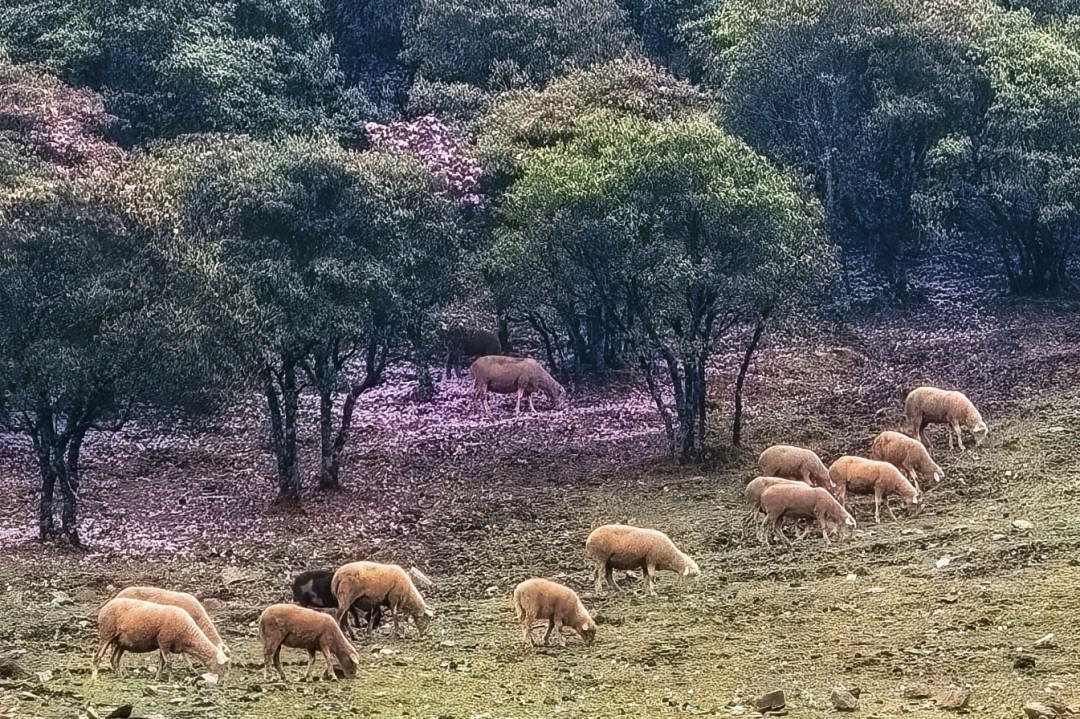
Puge Haikou Pasture is located in the southern section of the Luoji Mountain range in Puge County, Liangshan Prefecture, at an altitude of about 3,200 meters. Its Yi name is "Rishiboken," meaning "a grassy place with water." This area boasts 67,000 mu (approx. 11,000 acres) of meadow, 36,000 mu (approx. 5,900 acres) of Suomahua forest, and a crescent-shaped alpine lake nestled in between. Yaks and flocks of sheep graze peacefully; wind turbines turn slowly in the breeze.
Every year from late April to mid-May, the Suomahua flowers bloom across the mountains—a riot of pink and crimson complementing the lake and grassland. However, when we arrived, the temperature hovered around 8°C (46°F), snow had fallen just a few days prior, and most of the flowers had already withered and fallen. The original plan was to hike a full loop around the lake, but cold, strong winds, and muddy mountain trails forced us to switch to a scenic drive instead. We'd stop whenever we saw a beautiful view, hop out, and snap some photos.
Personal insight: This was our "big full" falling through moment. But the joy of "small full" emerged: the quiet beauty of mist-shrouded meadows, the sight of yaks grazing peacefully, and the camaraderie of adapting together as a group.
D2: Puge → Huili Longzou Mountain – Chasing Suomahua at Higher Altitudes
The Drive: Winding Through Liangshan's Heart
Leaving Puge early morning, we headed toward Huili Longzou Mountain—another renowned Suomahua viewing spot. The drive took us through winding mountain roads, with elevation gradually increasing. The landscape shifted from pastoral meadows to dense forests and rocky outcrops.
Longzou Mountain: A Different Suomahua Experience
Huili Longzou Mountain, at approximately 3,000 meters elevation, offers a different Suomahua experience from Haikou Pasture. Here, the flowers grow among rocky terrain and pine forests, creating a more rugged, wild aesthetic. While peak bloom had passed here too, we found scattered patches of late-blooming Suomahua—vibrant pink and crimson clusters against gray rock faces.
Hiking note: The trails here are moderately challenging, with some steep sections. Proper hiking boots and trekking poles recommended. [Link: Best hiking gear for plateau terrain]
Evening in Huili: A Taste of Southern Liangshan
Huili County, known for its mild climate and rich agricultural produce, offered a welcome respite. We checked into Huacheng Hotel and explored the local night market, sampling grilled fish, roasted lamb skewers, and fresh seasonal vegetables.
D3: Huili → Zhaojue – Cultural Immersion in Yi Heartland
The Journey East
Day 3 took us eastward to Zhaojue County, deeper into Liangshan's Yi cultural heartland. The drive offered stunning views of terraced fields, traditional Yi villages, and snow-capped peaks in the distance.
Zhaojue: Gateway to Yi Culture
Zhaojue is known as the "Cradle of Yi Culture." We visited a local Yi village, learning about traditional silver jewelry making, observing intricate embroidery patterns, and tasting buckwheat cakes and sour lamb soup.
Cultural tip: The Yi people are known for their warm hospitality. A small gift or simple greeting in Yi language ("Kushe" for hello) goes a long way.
Hongxiang International Grand Hotel: Comfort in the Mountains
This hotel proved a pleasant surprise—clean, well-maintained, with excellent hot water and heating (essential at 2,500 meters elevation). The attached restaurant serves authentic Yi cuisine.
D4: Zhaojue → Leibo Ma Lake – The Final Suomahua Stop
Ma Lake: A Hidden Gem
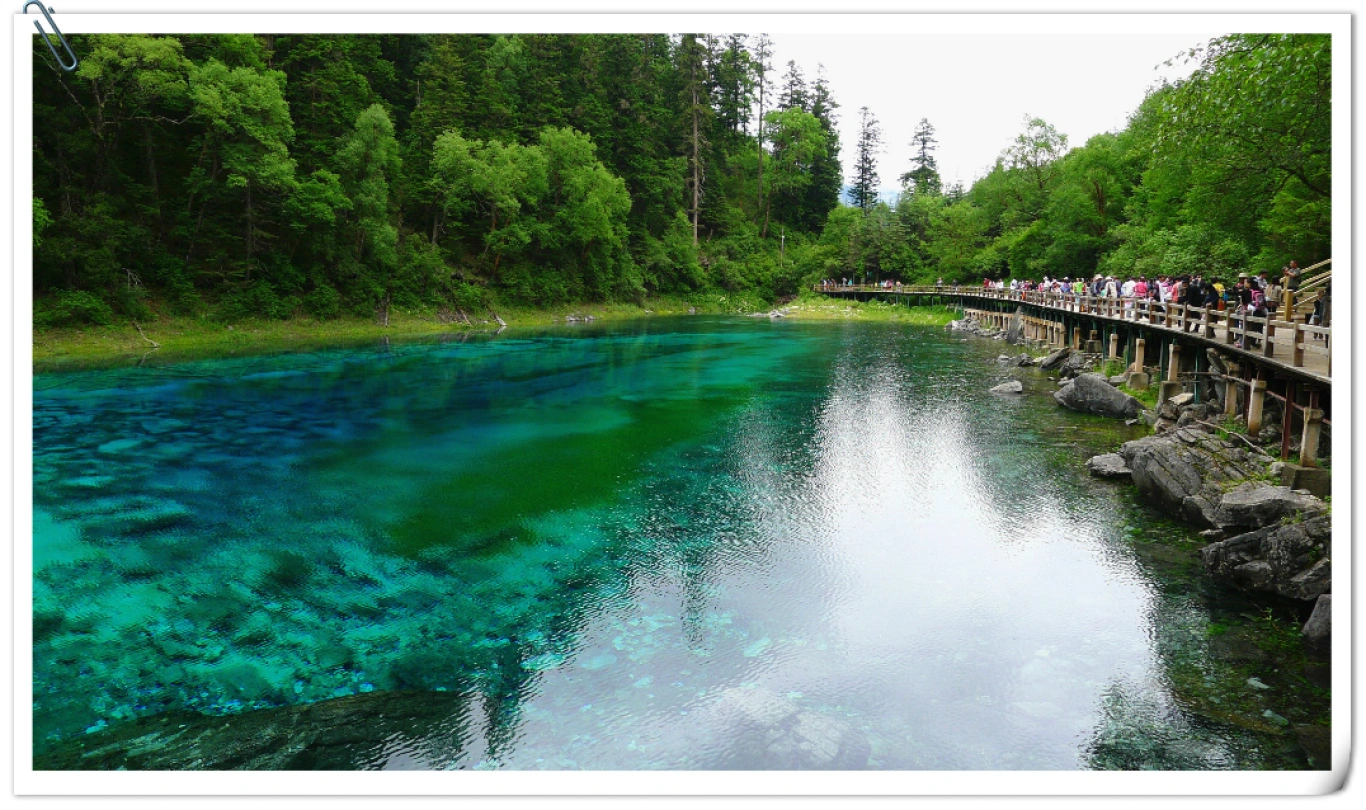
Leibo Ma Lake sits at approximately 2,800 meters, surrounded by dense Suomahua forests. Unlike the open meadows of Haikou Pasture, Ma Lake offers a more intimate setting—the lake reflecting surrounding peaks and flower-covered slopes.
The surprise: While most Suomahua had finished blooming, we discovered a microclimate area near the lake where flowers were still in full bloom. The sight of pink rhododendrons mirrored in the emerald lake was worth the entire journey.
Fisherman's Wharf Hotel: Lakeside Serenity
Our final night was spent at Fisherman's Wharf Hotel, offering direct lake views and fresh fish caught from Ma Lake. The sunset over the water, with distant mountains silhouetted against orange sky, provided a perfect ending to our flower-chasing adventure.
D5: Leibo → Chongqing – The Return Journey
Bidding Farewell to Liangshan
The final day involved a 400-kilometer drive back to Chongqing. We stopped at roadside stalls selling dried mushrooms, wild honey, and Suomahua flower tea—perfect souvenirs.
Reflection: This trip taught me that "small full" often surpasses "big full." The imperfect bloom, the last-minute changes, the shared meals and laughter—these created memories more lasting than any perfectly timed flower display.
FAQ: Liangshan Suomahua Self-Drive Tour
Q1: When is the best time to see Suomahua flowers in Liangshan?
The peak bloom period runs from late April to mid-May. However, bloom timing varies by altitude and microclimate. For best results, check local flower forecasts 1-2 weeks before your trip. Higher elevations (above 3,000 meters) may bloom later than lower areas.
Q2: What vehicle is recommended for this self-drive tour?
An SUV or off-road vehicle is strongly recommended. Many roads in Liangshan are unpaved or have rough sections, especially in Haikou Pasture and Longzou Mountain areas. Standard sedans may struggle with steep inclines and muddy conditions.
Q3: How physically demanding is the hiking portion?
The planned hiking is moderate to challenging. Altitudes range from 2,500 to 3,200 meters, with hiking durations of 2-4 hours per day. Those with health concerns or low fitness levels should consult a doctor before attempting. Acclimatization days are recommended.
Q4: What should I pack for a Liangshan Suomahua tour?
Essentials include: warm layers (temperatures can drop to 5°C even in May), waterproof hiking boots, rain gear, sunscreen, altitude sickness medication, snacks, plenty of water, and a first-aid kit. Don't forget camera gear for the stunning landscapes!
Q5: Can I visit Liangshan Suomahua spots independently, or do I need a tour group?
Independent travel is possible, but a tour group offers advantages: local knowledge of bloom conditions, vehicle support for remote areas, and shared costs. If traveling independently, ensure your vehicle is properly equipped and carry offline maps (cell service is unreliable).
Conclusion: Embrace the "Small Full" Journey
The Liangshan Double Suomahua Sea self-drive & hiking tour taught me that the best adventures often deviate from the plan. When the "big full" of perfect peak bloom fell through, I discovered the joy of "small full": the warmth of shared meals, the beauty of misty meadows, the thrill of discovering a hidden flower patch, and the satisfaction of completing a challenging journey despite health setbacks.
Ready to plan your own Liangshan Suomahua adventure? [Link: Best self-drive routes in Liangshan Prefecture]
Whether you're a seasoned hiker, a flower enthusiast, or simply someone seeking escape from city life, this 4-day, 1,800-kilometer journey offers an unforgettable experience. Book your trip during late April to mid-May for optimal bloom conditions, pack for variable weather, and come with an open mind—ready to embrace whatever "small full" moments await.
Your next adventure starts now. Start planning your Liangshan Suomahua self-drive tour today!
You may also like