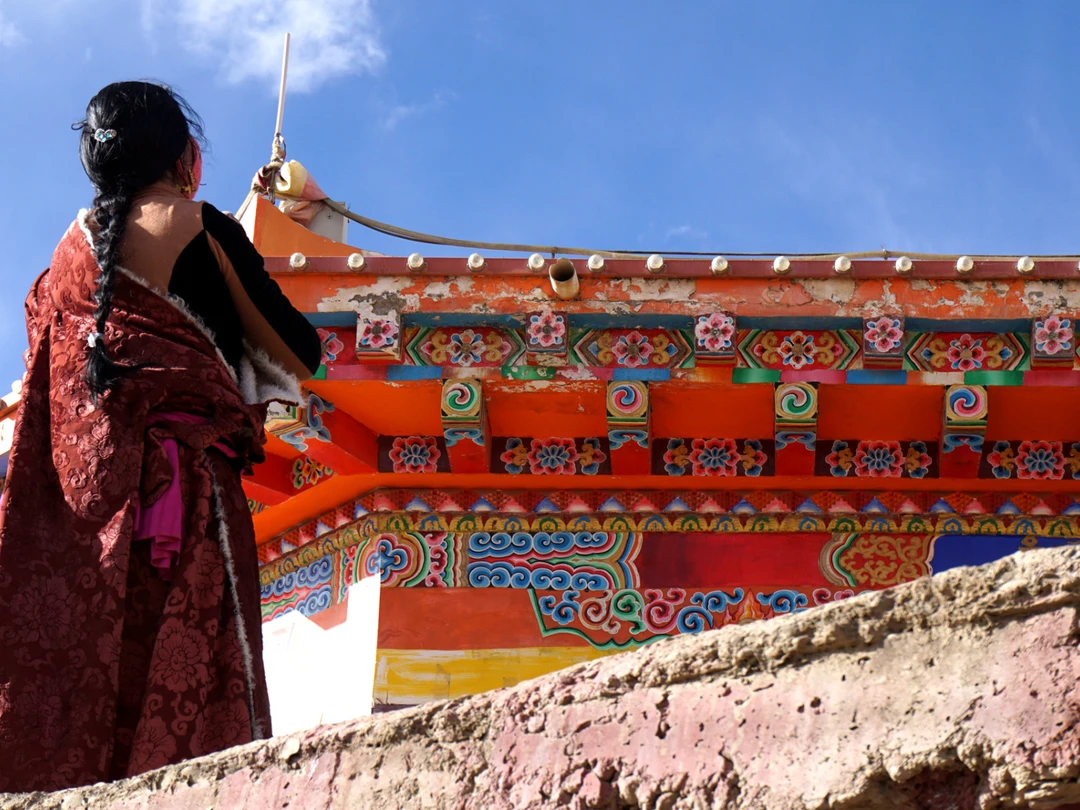
Longchang: An Underrated Little City in Southern Sichuan, Hiding Timeless Beauty Carved by Time

Meta Description: Discover Longchang, Sichuan's hidden gem near Chongqing. Explore 400-year-old stone archways, ancient post roads, and timeless beauty on a solo trip from Chengdu. Perfect for off-the-beaten-path travelers.
Introduction: Why Longchang Deserves a Spot on Your Sichuan Travel Bucket List
As the 2024 calendar turned to its final page, I sat in my office, staring at the gray sky outside the window. Suddenly, a line from the Japanese drama Classic Cupcake popped into my head: "Why do children always feel time passes slowly, while adults feel it flies by?" The answer is simple—when we're kids, every day is a new adventure. As adults, days blur into repetition, and before we know it, another year has slipped away.
This year, like most "workhorses," I'd let my enthusiasm drain away in the daily grind. But I didn't want 2024 to end on such a flat note. So, on a mid-December weekend, I gave myself a "willful" solo trip—destination: Longchang, an underrated little city in southern Sichuan.
A name that sounds like it belongs to Chongqing, but actually hides in Neijiang, Sichuan. Why Longchang? Simple: the name itself was too beautiful to resist. The first time I saw "Longchang" on a ticketing app, I was inexplicably drawn to it. When I checked the map, I realized it's actually closer to Chongqing—even its landscape and climate carry echoes of that mountain city. This "accidental" connection made the trip feel full of surprises from the very start.
Getting to Longchang: A Solo Traveler's Guide from Chengdu
The two biggest headaches of solo travel: a stomach that's too small, and no one to take your photo. The first I accepted—faced with good food, I could only blame my own lack of appetite. The second? Well, if you're not socially anxious, you can grab any passerby on the street for help. If you're like me—wanting souvenir photos but too shy to ask—then just bring a tripod and call it a day.
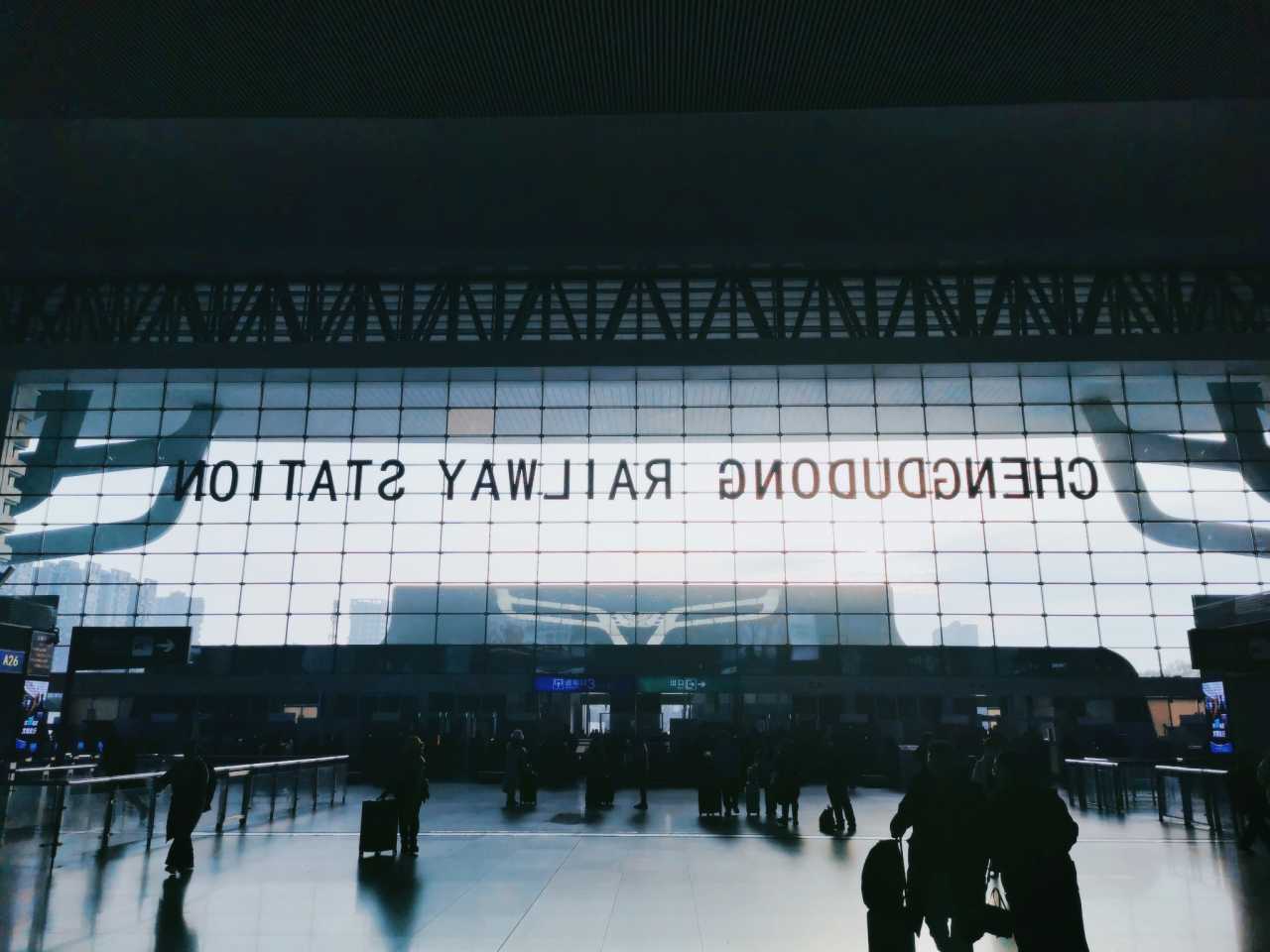
Three hours before departure, I was still debating whether to catch the 8 a.m. or 9 a.m. train. In the end, my bed won—sleep in a little longer. I left the house at 7:50 sharp and arrived at Chengdu East Station by 8:30. That day was the first truly clear, sunny day in Chengdu since December began. The whole city seemed to be celebrating, with people pouring out of their homes carrying braised meats, sodas, and picnic blankets. And I, of all people, chose that day to go against the grain—by the time I reached Longchang, I found it shrouded in a gloomy overcast. Well played, Mother Nature. I get your sense of humor.
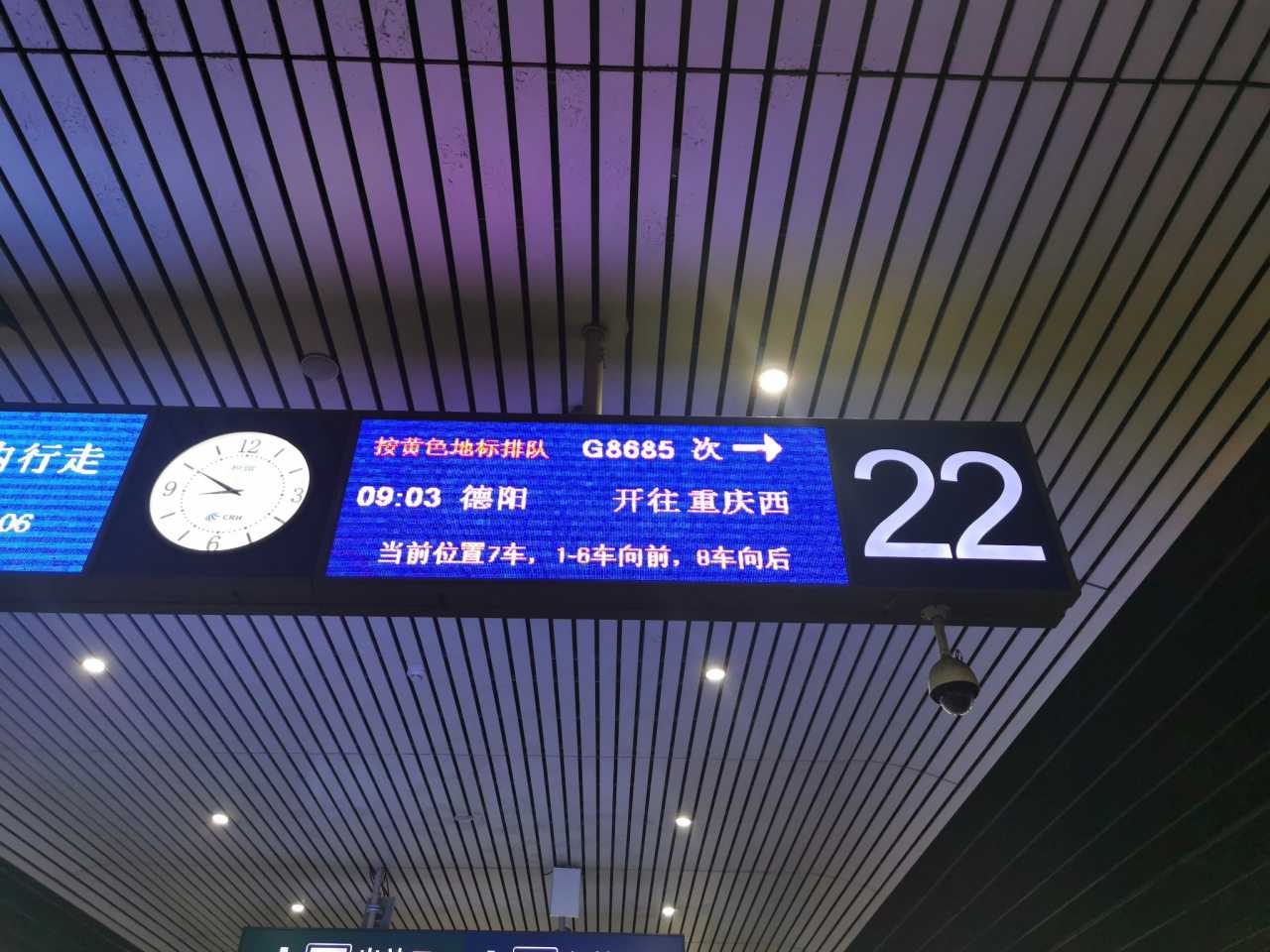
At 9:03 a.m., the train departed Chengdu East Station on time. The carriage was nearly empty—this train from Deyang to Chongqing West had less than half its seats filled. The train rolled slowly past fields and villages, the scenery shifting from the flat plains of Chengdu to the rolling hills of southern Sichuan. Fifty-five minutes later, at 9:55 a.m., we arrived at Longchang North Station.
Pro tip for solo travelers: Book a morning train to maximize your day. The high-speed rail from Chengdu to Longchang takes under an hour—perfect for a day trip or weekend getaway. [Link: Best day trips from Chengdu]
The History Behind the Name: Longchang's 1,300-Year Legacy
The name "Longchang" carries an auspicious ring—"prosperous and bright." Digging into its history, I found it runs far deeper than I imagined.
Longchang's establishment as a county dates back to the fourth year of the Wude era of the Tang Dynasty (621 AD), when it was called "Laifeng County," with its seat at Shuangfengyi. The name "Longchang" itself began in the first year of the Longqing era of the Ming Dynasty (1567 AD)—originally known as Longqiao Post, meaning "prosperous and bright." Interestingly, Longchang was established and abolished as a county multiple times throughout history, only officially becoming a city in 2017, when it was designated as a county-level city directly under Sichuan Province, administered by Neijiang City. From the Tang Dynasty to today, this land has witnessed over 1,300 years of history.
Today's Longchang covers an area of 794.41 square kilometers, governs 11 towns and 2 subdistricts, and has a registered population of 740,000. It borders Rongchang in Chongqing to the east, Luxian in Luzhou to the south, Zigong to the west, and Dongxing District in Neijiang to the north. It's 210 kilometers from Chengdu and 138 kilometers from Chongqing—no wonder I mistakenly thought it belonged to Chongqing; it really is closer to that mountain city.
[Link: Historical cities in Sichuan worth visiting]
Southern Pass Stone Archways: A Three-Dimensional History Book on an Ancient Post Road
Stepping out of Longchang North Station, I headed straight for the bus stop. Following my pre-planned itinerary, I took the "Longchang High-Speed Rail Express Bus" to the central bus station, then transferred to Route 13 Inner Loop, getting off at Southern Pass Stone Archway Station. The whole trip took about 40 minutes and cost just 2 yuan.
The moment I got off the bus, I froze. Before me stretched an ancient street lined with buildings of gray bricks and black tiles. But what truly captivated me were the stone archways standing tall in the middle of the road. They looked like silent giants, solemn and majestic under the overcast sky.
The Longchang Stone Archways, designated a national 4A-level tourist attraction in 2013, are a key national cultural heritage site. Seventeen stone archways and four stone tablets survive today, scattered across the city's Northern and Southern Pass areas—six at Southern Pass, seven at Northern Pass, and four more in surrounding villages. Built during the Ming and Qing dynasties, they range from 100 to over 400 years old. Unlike the occasional stone archway found elsewhere, Longchang's archways form a concentrated, categorized group, exquisitely crafted and well-preserved—a rarity nationwide.
I chose to start at Southern Pass to avoid backtracking. The Southern Pass Stone Archway Scenic Area is free to enter. I arrived early, with almost no other visitors, giving me the chance to slowly savor the story behind each archway.
Key Archways at Southern Pass
Starting with Archway No. 12, the "Jueluo Guohuan Benevolent Governance Archway," built in 1871, I moved forward. This archway was erected by local people to honor Su Qing, the magistrate of Longchang during the Xianfeng era of the Qing Dynasty. Su Qing was an incorruptible official who worked for the people's welfare. Grateful for his kindness, the locals voluntarily donated funds to build this archway in his honor. The carvings on it are exquisite—dragons, phoenixes, flowers, and human figures so lifelike, every chisel mark reflecting the craftsman's devotion.
Next came Archway No. 11, the "Li Jishou Benevolent Governance Archway" (built 1855); Nos. 10 and 09, the "General Chastity and Filial Piety Archways" (built 1878 and 1855 respectively); and No. 08, the "Shu Chengshi Centenarian Archway" (built 1880). The coin-shaped patterns on No. 08 are particularly rare, said to symbolize "both blessings and longevity."

The most striking was Archway No. 07, the "Guo Yuluan Merit Archway" (built 1887). This one is grand in scale, a classic "charity and virtue" archway. The guide told me it narrowly escaped demolition several times during the Cultural Revolution. It survived only because a local farming family used its two main pillars to reinforce their own house. Today, two iron pillars still stand beside it as support, as if telling the story of that perilous time.
At Southern Pass, I also encountered a group of tourists who had hired a guide. Shamelessly, I tagged along and listened to their explanations, learning the stories behind each archway: some were "benevolent governance" archways honoring upright officials, others were "chastity and filial piety" archways commemorating virtuous widows, and still others were "centenarian" archways for those who lived to be a hundred. These archways form a three-dimensional history book, recording the cultural and social changes of the Bashu region during the Ming and Qing dynasties.
[Link: Top cultural heritage sites in Sichuan]
Northern Pass Stone Archways: In Search of the "Bell Archway"
After exploring Southern Pass until noon, my stomach started protesting. Following my guide, I found a rice noodle shop near Southern Pass and ordered a bowl of sour soup shrimp dumpling hot pot rice noodles for 13 yuan. The place was full of students—clearly a local favorite. When the noodles arrived, the sour-and-spicy aroma hit me—a perfect fuel for the next leg of my journey.
After lunch, I made my way to Northern Pass, where seven more stone archways await. The Northern Pass archways are slightly more spread out, but they offer a quieter, more contemplative experience. The most famous here is the "Bell Archway," named for the bell-shaped carvings that adorn its top. Local legend says that ringing the bell brings good fortune—though I didn't see any bell, the name alone adds a layer of mystique.
The Northern Pass area also features several centenarian archways and chastity archways, each with its own unique story. One particularly moving archway honors a widow who raised her children alone after her husband's death, never remarrying. The carvings depict scenes of filial piety and virtue, offering a glimpse into the moral values of Qing Dynasty society.
[Link: Sichuan off-the-beaten-path attractions]
Local Food in Longchang: What to Eat on a Budget
Longchang's food scene is a hidden gem in itself. While the city isn't famous for a single dish, its southern Sichuan cuisine offers bold flavors at unbeatable prices. Here are my top recommendations:
- Sour Soup Shrimp Dumpling Hot Pot Rice Noodles (13 yuan) – Found near Southern Pass, this is a student favorite. The broth is tangy, spicy, and deeply satisfying.
- Longchang Tofu Pudding – A local specialty, silky tofu served with a spicy chili oil and pickled vegetables.
- Braised Pork Belly with Preserved Vegetables – A classic Sichuan comfort food, slow-cooked until melt-in-your-mouth tender.
- Street-side Grilled Fish – Fresh fish grilled over charcoal, seasoned with cumin and chili—perfect for a quick dinner.
[Link: Best budget eats in Sichuan]
FAQ: Planning Your Longchang Trip
1. How do I get to Longchang from Chengdu?
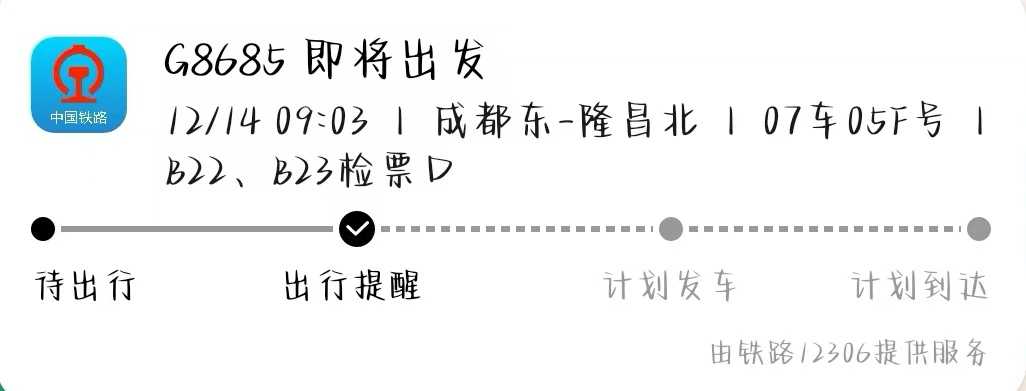 Take the high-speed train from Chengdu East Station to Longchang North Station. The journey takes about 55 minutes, and trains run frequently throughout the day. From the station, take the "Longchang High-Speed Rail Express Bus" to the city center.
2. Is Longchang worth visiting for a day trip?
Absolutely. The Southern Pass and Northern Pass stone archways can be explored in 4-5 hours. Add lunch and a stroll through the ancient streets, and you have a fulfilling day trip. For a deeper experience, consider an overnight stay.
3. Are the stone archways free to visit?
 Yes, the Southern Pass Stone Archway Scenic Area is free. Some areas at Northern Pass may have a small fee, but it's minimal.
4. What's the best time to visit Longchang?
The best time is spring (March-May) and autumn (September-November) when the weather is mild. Winter can be overcast and chilly, but the archways look dramatic under gray skies. Summer is hot and humid.
5. Can I visit Longchang as part of a larger Sichuan itinerary?
Yes. Longchang is located between Chengdu and Chongqing, making it a perfect stopover. You can combine it with visits to Zigong (dinosaur museum), Luzhou (old town), or Neijiang (historical sites).
[Link: 3-day Sichuan itinerary]
Conclusion: Why You Should Visit Longchang Now
Longchang may not be on every traveler's radar, but that's precisely its charm. In an age of overtourism, finding a place where history whispers rather than shouts is rare. The stone archways of Longchang are not just monuments—they are storytellers, each chisel mark a chapter in a 1,300-year narrative.
As I boarded the train back to Chengdu, the gray sky finally broke, casting a golden light over the hills. I realized that Longchang had given me exactly what I needed: a reminder that beauty doesn't always announce itself. Sometimes, it hides in plain sight, waiting for those willing to take the road less traveled.
Ready to discover Longchang for yourself? Book your train ticket from Chengdu East Station, pack your camera and tripod, and prepare to step back in time. The stone archways are waiting—and they have stories to tell.
Plan your trip now: [Link: Book Chengdu to Longchang train tickets] | [Link: Find hotels in Longchang] | [Link: Explore more Sichuan hidden gems]
Have you visited Longchang or another underrated Sichuan city? Share your experience in the comments below!
You may also like