Let's Go, West Sichuan: Finding Your True Self Between Snowy Peaks and Starry Skies
Meta Description: Embark on an 11-day West Sichuan road trip from Suzhou to Yading. Discover snowy peaks, starry skies, and hidden gems in Kangding, Xinduqiao, and Tagong. Your ultimate guide to self-discovery on the Sichuan-Tibet Highway.
Introduction: The Call of the Western Sichuan Plateau
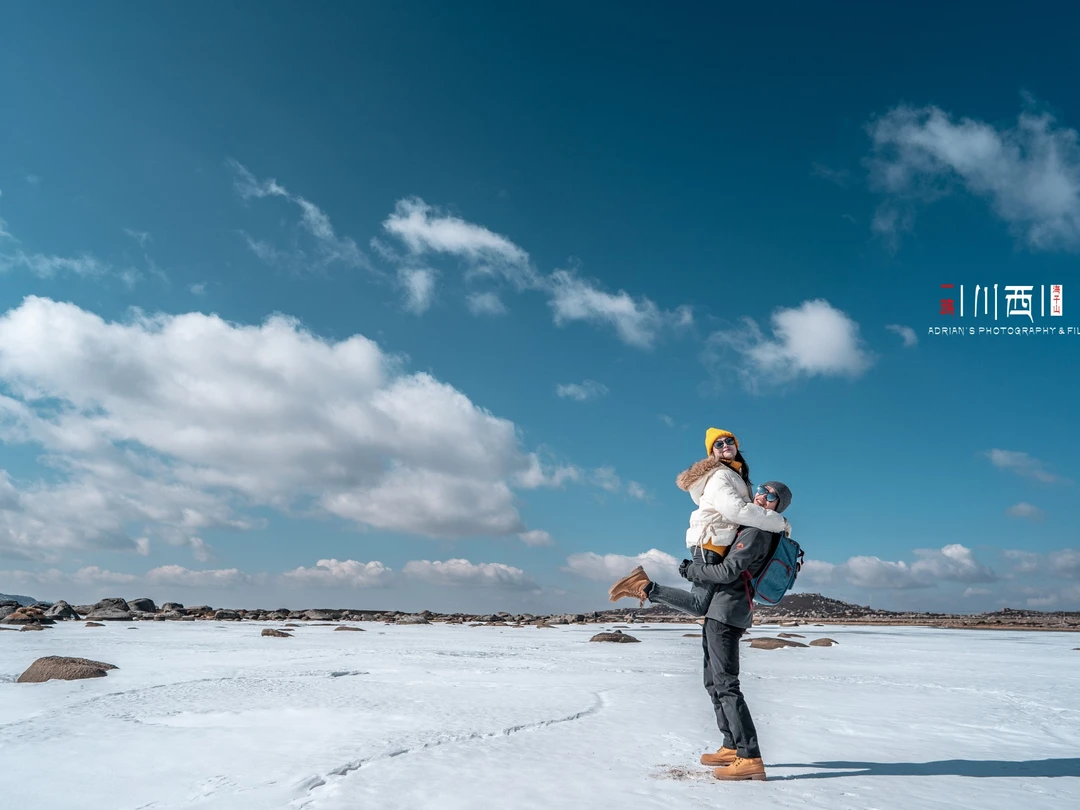
Some say the two most precious things in life are the people you love and the landscapes you've seen. When you pack both into one journey, every road you've traveled, every wind you've braved, and every drop of sweat you've shed becomes the brightest star in your memory. In March 2021, I set out on a West Sichuan adventure with three friends—11 days, from Suzhou to Chengdu, then westward from Kangding through Zheduo Mountain, Litang, and Daocheng, finally arriving at Yading. This wasn't a spontaneous whim, but a long-planned reunion.
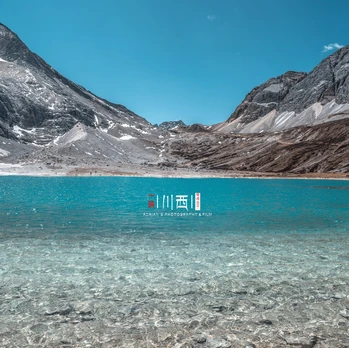
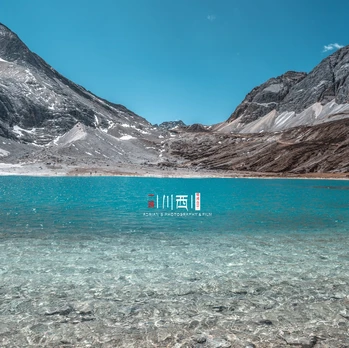
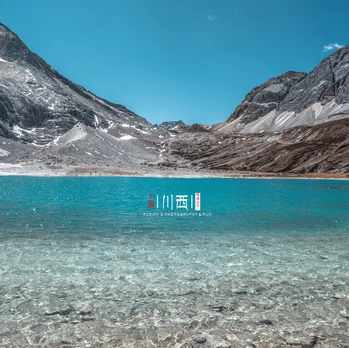
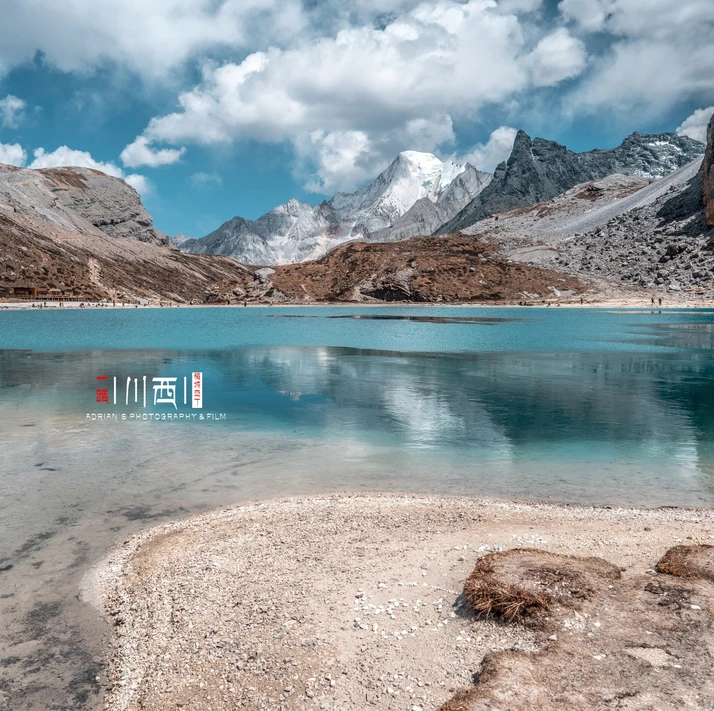
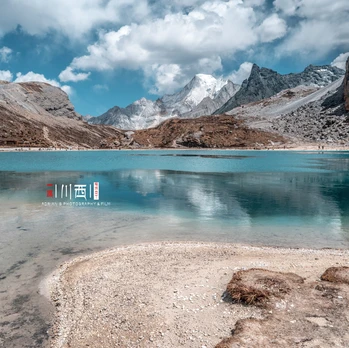
West Sichuan—a name repeated endlessly by travelers—is like a poison that hooks you and a cure that heals all exhaustion. From east to west, from plains to plateaus, every inch of this land tells the story of majestic mountains and rivers. You might find yourself battered by snow and wind, or tear up under a canopy of stars. But no matter what, when you stand at the foot of Yangmaiyong Peak and gaze at the turquoise Milk Lake, you'll understand—every hardship is just a prelude to the scenery.
Why West Sichuan Should Be Your Next Road Trip Destination
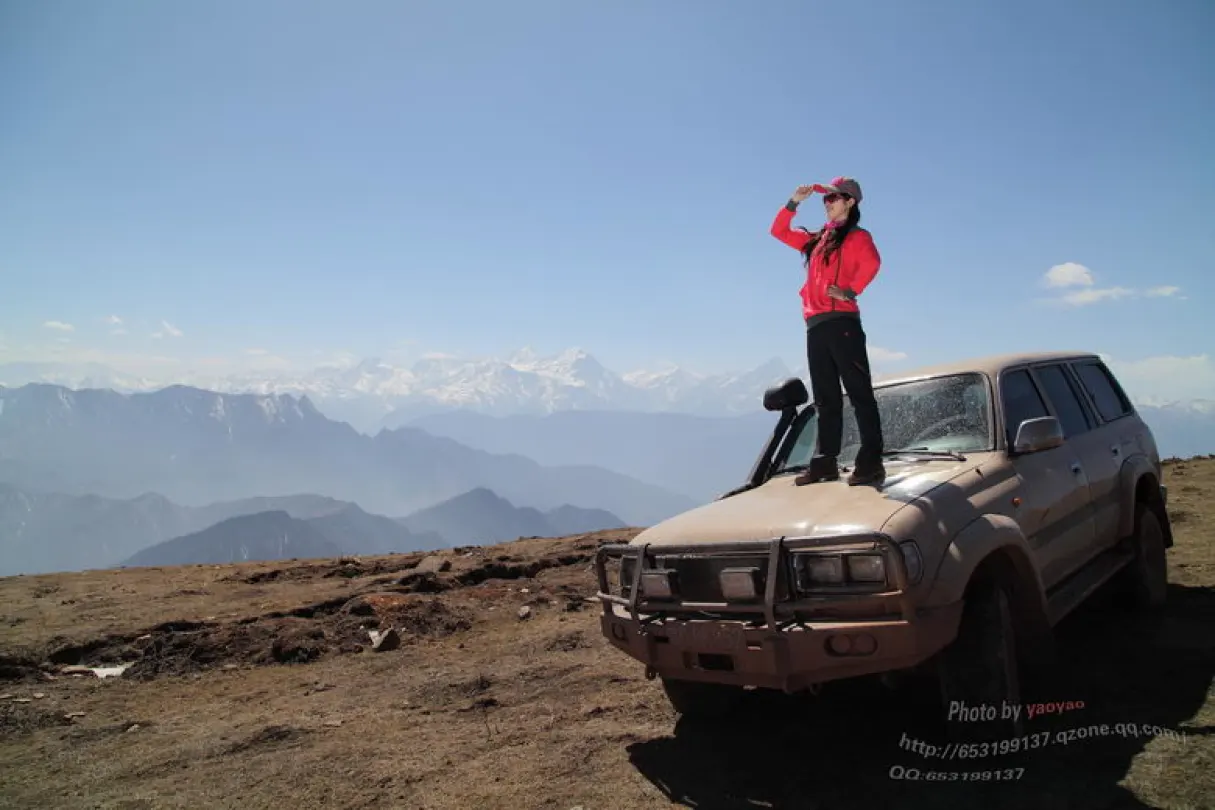
West Sichuan is not just a travel route; it's a pilgrimage for the soul. Unlike the crowded tourist hubs of Lhasa or Jiuzhaigou, this region offers raw, unfiltered beauty. The Sichuan-Tibet Highway (National Highway 318) winds through dramatic landscapes—from lush valleys to barren high-altitude deserts. Here, you'll find:

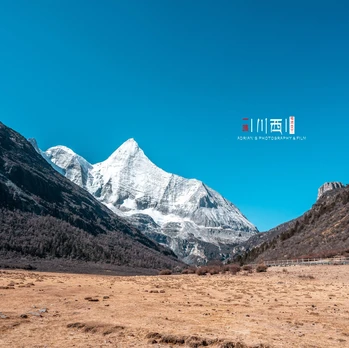
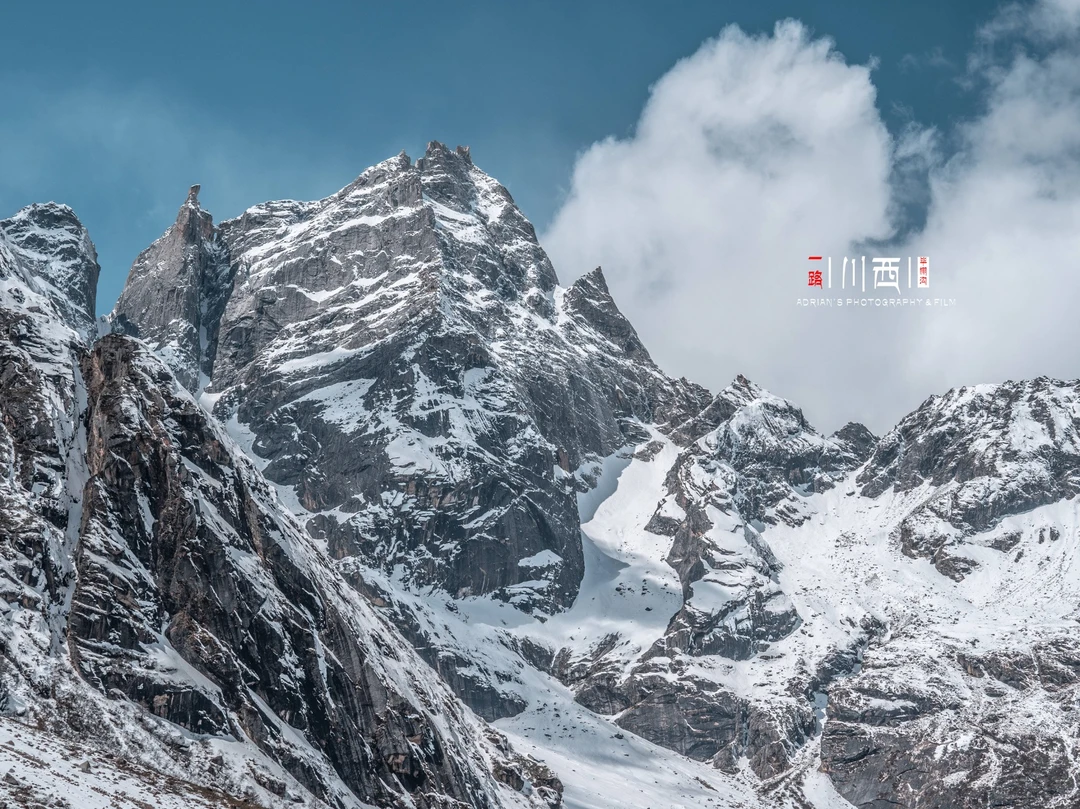
- Snow-capped peaks like Gongga Mountain and Yala Snow Mountain
- Starry skies at Yuzixi Stargazing Camp
- Tibetan culture in monasteries like Tagong Monastery
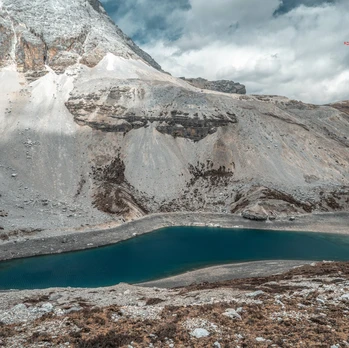
- High-altitude lakes such as Milk Lake and Five-Color Lake in Yading
Whether you're a seasoned traveler or a first-time explorer, West Sichuan offers a transformative experience that stays with you long after you return home.
Departure: From Misty Jiangnan to Highland Gales
Goodbyes and Setting Off from Suzhou
In early spring, Suzhou was wrapped in a fine drizzle. The morning birds sang especially crisp and clear. Little Prince—my son—got up early to see us off. Since starting elementary school, his time has been consumed by homework and soccer, leaving fewer chances for long trips. Though it was only a ten-day separation, I couldn't help worrying: Could he finish his homework independently? Would his soccer game go well? Thankfully, with his grandparents providing "logistical support," we could hit the road with peace of mind.
Whenever I travel far, I prefer departing from Wuxi Airport—fewer crowds, faster processing, and rarely delayed. I chatted with the driver all the way about international affairs, from Sino-American relations to China's rapid development. As a Chinese person, I felt a swell of pride.
The plane pierced through thick clouds into the stratosphere. Long-lost sunlight streamed through the window, almost blinding me. I'd deliberately chosen a left-side window seat, hoping to catch a glimpse of Gongga Snow Mountain, but below was nothing but an endless sea of white clouds. Even when we landed in Chengdu, the sky remained gray, visibility extremely low.
Heading West: The New G4218 Expressway to Kangding
Xiao Wu had rented a car right by the airport—super convenient. Our group of five—me, Xiao Wu, Xiao Yan, Yang Er, and Brother Tong, who couldn't join due to work—pressed on westward without pause. Since our friends had found new life priorities, opportunities to travel together had grown scarce. That we made this trip happen was thanks to the persistence of the ladies.
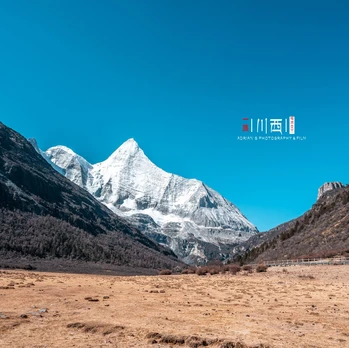
Yading—a name we'd talked about for so long—was finally on our itinerary. Though it wasn't the best season, just being able to go was the best outcome.
Rain came and went as we wound through mountains. I thought we'd still be on the old National Highway 318, but a freeway had already been built all the way to Kangding. The 13.5-kilometer Erlang Mountain Tunnel amazed my companions—the G4218 Ya'an-Yecheng Expressway, stretching from Ya'an in Sichuan to Yecheng in Xinjiang, would become another miracle of China's highway construction.
I told my friends about my 2012 rear-end collision on the Erlang Mountain section of Highway 318. It felt like yesterday, but nine years had passed. Luckily, it was a close call—the car was badly damaged, but we were fine, though my neck hurt for days.
[Link: Best time to drive Highway 318 in Sichuan]
Kangding: The Love Song City in the Valley
Arriving in Kangding, we opened the car door to a blast of frigid wind. We quickly ducked inside to layer up. Though I'd passed through before, this was my first time truly stopping. "On the running horse-lit mountain, there's a running horse-lit cloud"—everyone knows the Kangding Love Song, but listening to it, you'd think Kangding sits on a grassland. In reality, it's a small town nestled in a valley, hugging a stream.
The streets weren't crowded, but the shops were clean and tidy, lights softly glowing. A small eatery's yak meat hotpot filled our hungry bellies with pure bliss. Yang Er, a local, was traveling with us for the first time. Meeting Xiao Yan, also a Sichuan native, they immediately launched into animated Sichuan dialect, leaving us Mandarin speakers struggling to join in. Brother Tong wasn't there, and Zheng couldn't muster much drinking enthusiasm, but everyone was still full of anticipation for the journey ahead.
Xinduqiao: Unexpected Delights Amid Wind, Flowers, and Snow
The Ice and Snow Trial of Zheduo Mountain
Morning in Kangding: mist swirled around the mountains, a clear stream meandered by. Street-side shops had already lit their stoves, offering soy milk, fried dough sticks, porridge, and steamed buns as standard fare. But to our surprise, Zheng ordered a bowl of beef noodles—not Lanzhou-style, but the Sichuan kind that looks spicy enough to make your stomach ache. So there she was, left hand holding a bowl of soy milk, right hand wielding chopsticks for the spicy noodles—a scene so harmonious it reminded me of characters from Water Margin.
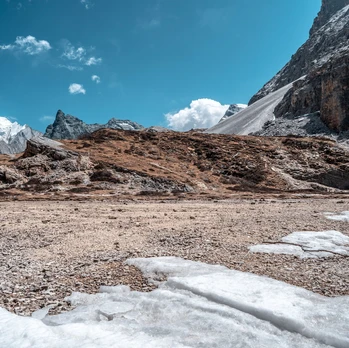
The weather showed no signs of improving, but at least it wasn't raining, and the road was dry. Our navigation pointed toward Yuzixi Stargazing Camp (Qumogong), and we drove up toward Zheduo Mountain. Bend after bend, the altitude climbed from 2,400 meters to 2,700, then 3,100, then 3,500. Gradually, visibility blurred, and roadside vegetation was cloaked in a silver "wedding dress." Occasionally, brave cyclists struggled forward through the thick fog.
When we reached the 4,298-meter Zheduo Mountain Pass, the temperature had dropped to minus 6 degrees Celsius. Opening the car door, a bone-chilling wind hit us. My companions shivered, ice crystals quickly forming on their hats. Despite it all, everyone was overjoyed, jostling to take photos with the landmark stone. A nearby cool motorcycle became the perfect prop. Once again, we missed Gongga Snow Mountain—even just a distant glance.
The Disappointment of Yuzixi and the Luck of Tagong
Heading downhill, my right foot finally got a break. The weather gradually improved, with occasional glimpses of sunlight. Near Xinduqiao, we turned right, crossed a small bridge, and headed toward Yuzixi. The road was decent, until the last ten kilometers turned into a concrete slab path barely wide enough for one car. Gentle yaks ambled in herds, forcing us to slowly experience "traffic jams."
Six kilometers from our destination, a barrier hung with heavy stones blocked our way. A Tibetan woman on duty told us that from October 1 to May 1, the forest fire prevention season meant no entry was allowed. Reluctantly, we turned back, planning our next move in Xinduqiao.
Xinduqiao's Tibetan-style inn had great ambiance—wooden beams, colorful decorations. Following the front desk girl's suggestion, we decided to visit Moshí Park (Stone Ink Park) and Tagong Grassland first. I'd passed through nine years ago and remembered the beauty of Tagong Grassland and Yala Snow Mountain. Though the sky remained overcast, my heart was full of hope.
Turning north from Highway 318 onto Highway 248, we headed toward Tagong and Bamei. The road surface had been stripped away, leaving potholes and gravel. The car jolted and slowed. Soon, wild winds whipped up, and yellow dust howled toward us. Sand and small stones pelted the windows. Sparse snowflakes turned into a blizzard. We could see nothing in the distance, so we scraped the windshield frantically and followed the car ahead at a crawl.
Unsurprisingly, when we reached Tagong, all we could see were the red walls of Tagong Monastery. The grassland was battered by flying snow, let alone distant Yala Mountain. Staff had already closed the viewing platform. We had to give up on Moshí Park and head back.
Then, the drama...
[Link: Top 10 things to do in Xinduqiao]
Frequently Asked Questions (FAQ)
1. What is the best time to visit West Sichuan?
 The best time is May to October, when weather is mild and roads are clear. However, March offers fewer crowds and a chance to see snow-covered landscapes. Avoid the winter months (November to February) due to heavy snow and road closures.
2. Do I need a special permit to visit Yading?
 Yes, you need a ticket and a permit to enter Yading Nature Reserve. Book online in advance, especially during peak season. Also, carry your passport or ID card for verification.
3. How do I deal with altitude sickness in West Sichuan?
 - Acclimatize slowly: Spend a day in Kangding (2,600m) before heading higher. - Stay hydrated: Drink at least 2-3 liters of water daily. - Avoid alcohol: It worsens symptoms. - Medication: Consider Diamox (acetazolamide) after consulting a doctor.
4. Is it safe to drive the Sichuan-Tibet Highway in March?
 Yes, but be cautious. Roads can be icy, and visibility may drop due to snow. Use 4WD vehicles and carry snow chains. Check weather forecasts and road conditions before departing.
5. What should I pack for a West Sichuan road trip?
- Warm clothing (down jacket, thermal layers, gloves, hat)
- Sunscreen and sunglasses (UV is strong at high altitudes)
- Snacks and water (limited options in remote areas)
- First-aid kit with altitude sickness medication
- Camera for stunning landscapes
Conclusion: Your West Sichuan Adventure Awaits
West Sichuan is more than a destination—it's a journey of self-discovery. From the misty streets of Kangding to the snowy peaks of Zheduo Mountain, every mile brings you closer to nature and yourself. Whether you're seeking solitude under starry skies or the thrill of high-altitude trekking, this region delivers.
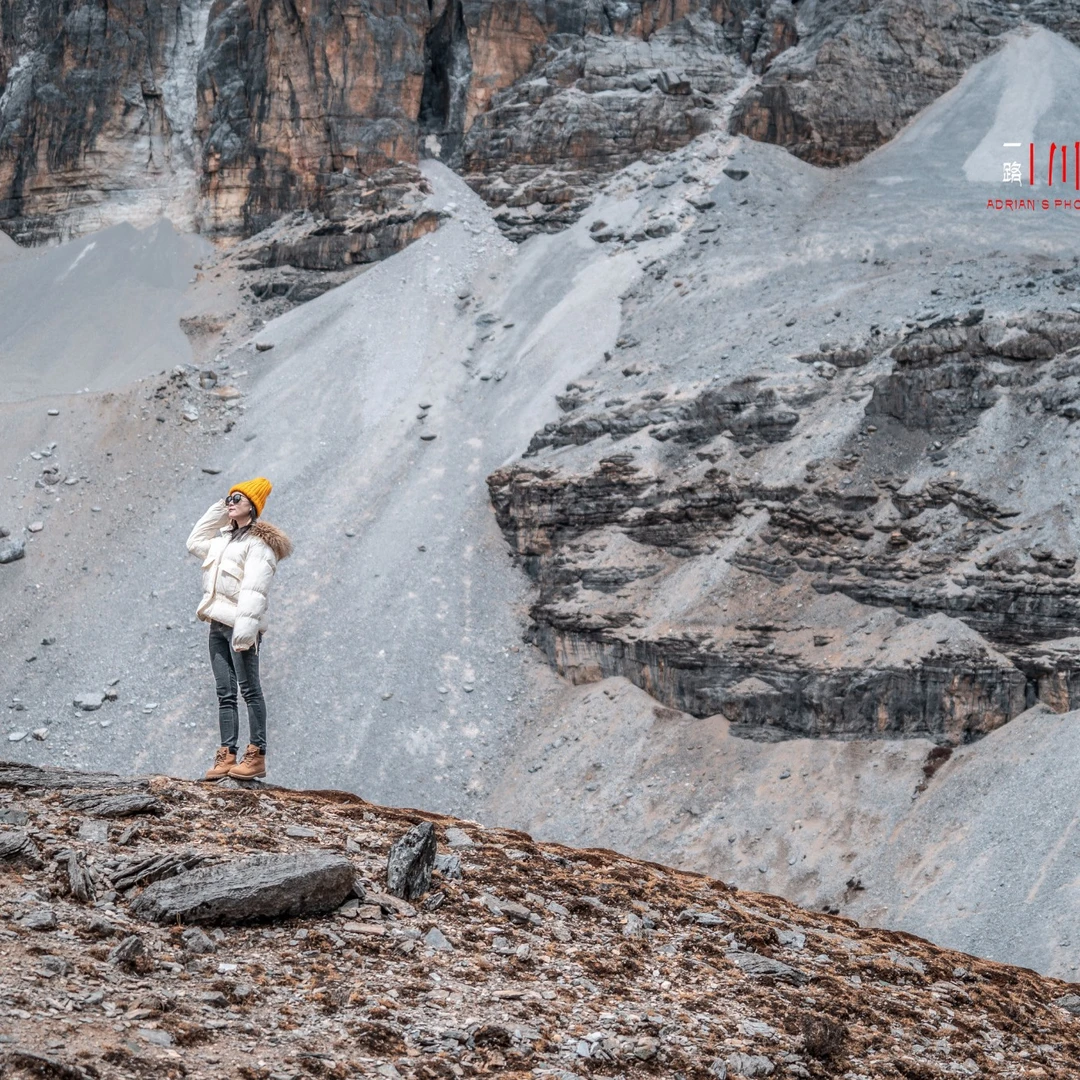
Ready to plan your trip? Start by booking your flights to Chengdu and renting a reliable 4WD vehicle. Don't forget to check road conditions and pack for all weather. Your West Sichuan adventure begins now.
Call to Action: Share your West Sichuan travel stories or questions in the comments below. For more tips on Sichuan road trips, subscribe to our newsletter or follow us on social media. Let's go, West Sichuan!
[Link: Sichuan travel guide for first-time visitors]
[Link: Top 10 road trips in China]
[Link: Yading hiking trails map]