Journey to Western Sichuan: 4 Days, 3 Nights – Rediscovering the Warmth of Travel Among Snowy Peaks and Wildlands
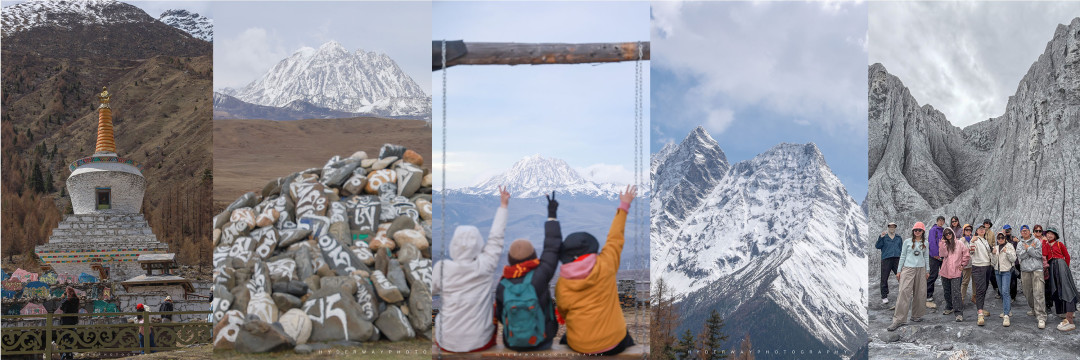
Meta Description: Discover the magic of a 4-day Western Sichuan itinerary from Chengdu to Mount Siguniang, Yala Snow Mountain, and beyond. Experience authentic Tibetan food, plateau camping, and the joy of group travel in this SEO-optimized travel guide.
Introduction: Why Western Sichuan Deserves a Spot on Your Bucket List
Western Sichuan is one of China's most breathtaking travel destinations, offering a stunning mix of snow-capped peaks, alpine lakes, Tibetan culture, and untouched wilderness. For years, I dismissed group tours as restrictive and superficial. But a recent 4-day, 3-night journey through Western Sichuan changed everything. From the gentle slopes of Mount Siguniang to the dramatic heights of Yala Snow Mountain, this trip proved that travel—whether solo or with a group—still holds the power to surprise, connect, and inspire.
In this comprehensive Western Sichuan travel guide, I'll share our itinerary, practical tips for first-timers, and why this region is perfect for a short but unforgettable escape.
Before You Go: Planning Your Western Sichuan Trip
Best Time to Visit Western Sichuan
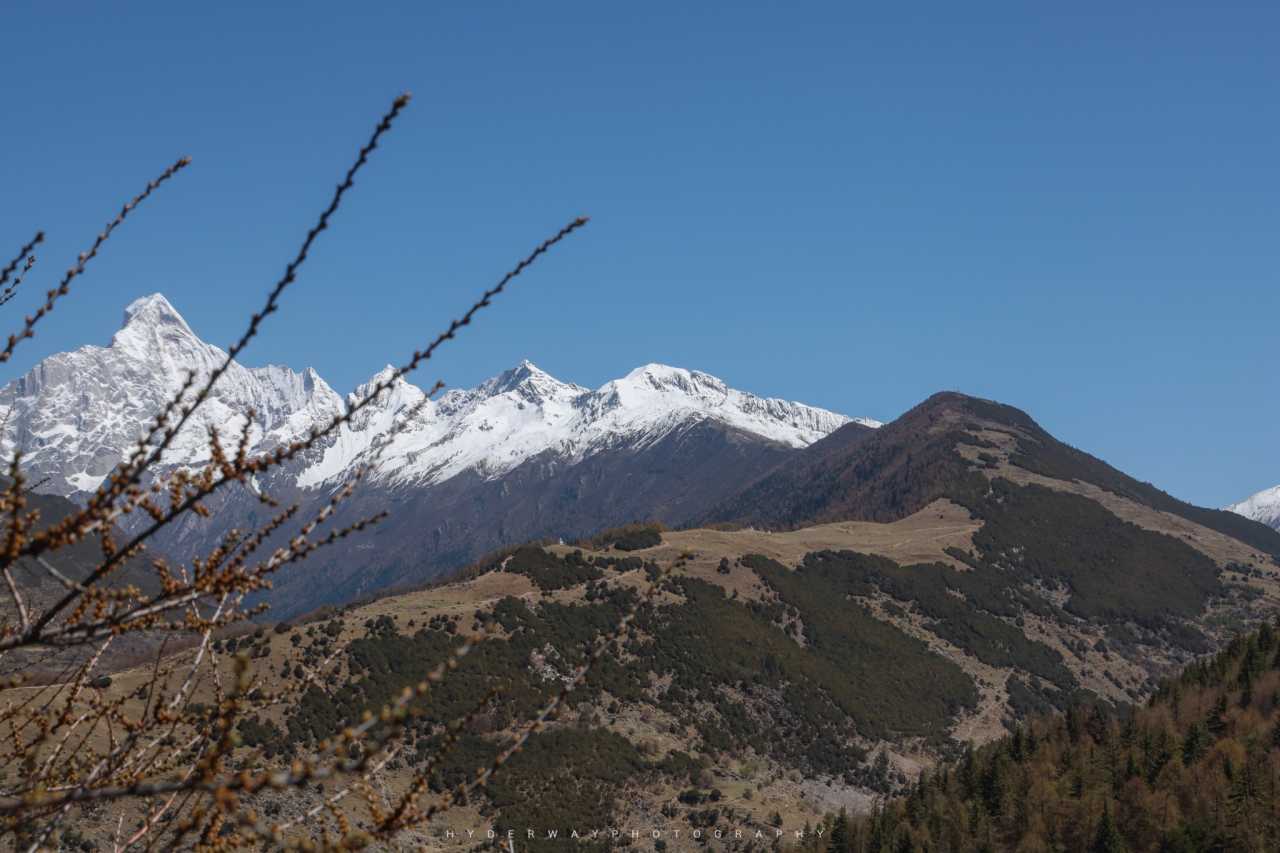
April offers a unique "premium gray" palette—cool, stark, and elegantly wild. While summer brings lush greenery, spring offers fewer crowds and a raw, unfiltered beauty. For photographers, the overcast skies create dramatic backdrops for snowy peaks.
What to Pack for Western Sichuan in Spring
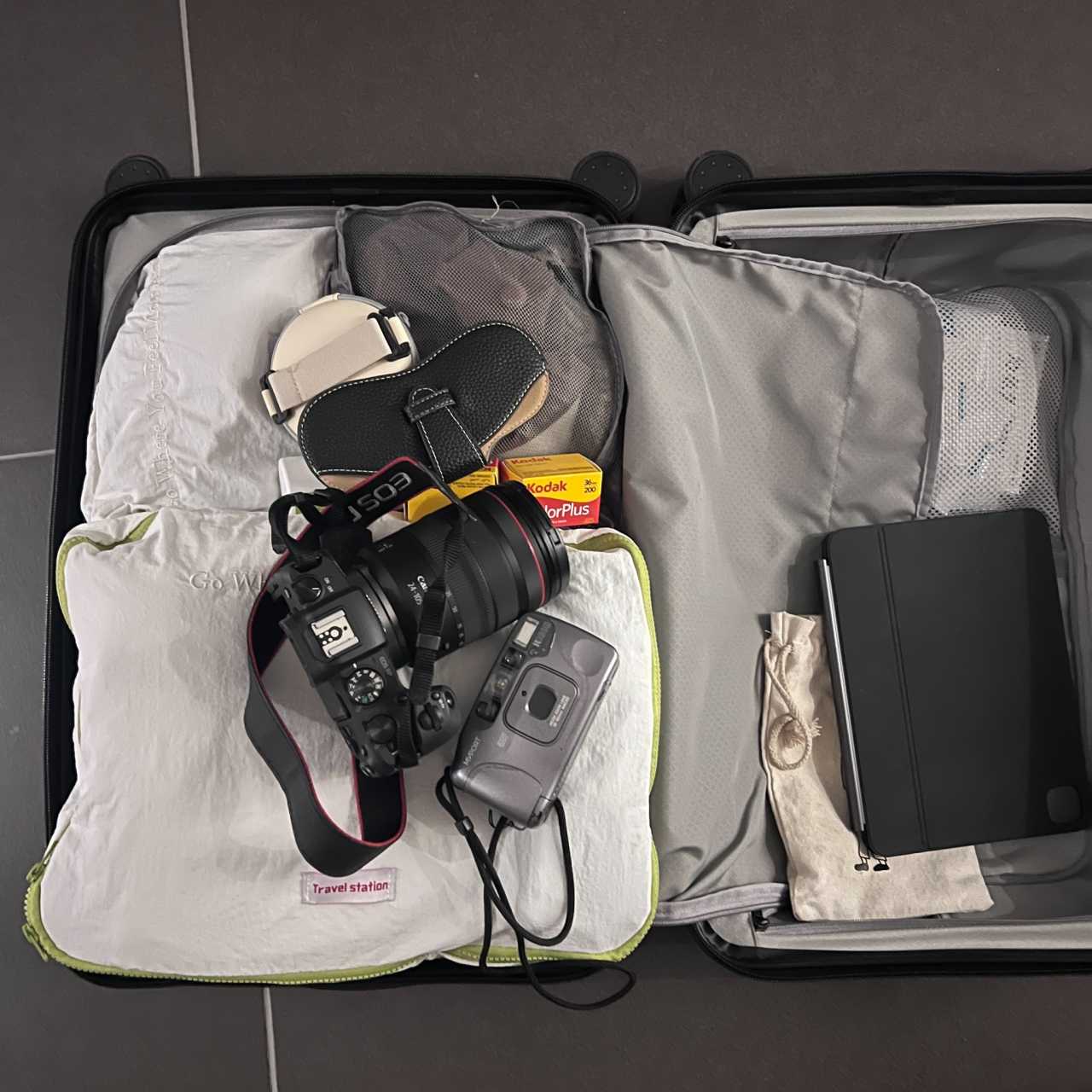
Packing for Western Sichuan in April means preparing for all four seasons in one day. Here's what you'll need:
- Layered clothing: Thermal base, fleece, windproof jacket
- Comfortable hiking shoes: You'll be walking on wooden boardwalks and uneven terrain
- Altitude sickness remedies: Oxygen canisters, ginger tea, and plenty of water
- Sun protection: Sunglasses, sunscreen, and a hat—even on cloudy days
- Snacks: Local fruits like 耙耙柑 (easy-peel mandarins) are perfect for the road
Motion Sickness Warning
If you're prone to motion sickness, get plenty of rest before entering the plateau. The winding mountain roads leading to Mount Siguniang can be challenging. Bring motion sickness medication or ginger candies.
Day 1: Mount Siguniang – First Taste of the Plateau
Cat's Nose Ridge: An Accidental TV Moment
Our first stop was Cat's Nose Ridge, a scenic viewpoint along the mountain road. The winding ascent left me dizzy, but luck was on our side—we stumbled into a live broadcast by CCTV13. When the camera swept our way, I thought: Well, I guess I've been on national TV now.
Pro tip: If you're traveling during a holiday, expect crowds at popular viewpoints. Arrive early for the best experience.
Shuangqiao Valley: The Heart of Mount Siguniang
Exploring Mount Siguniang is simple: take the scenic bus straight to the highest peak, Redwood Forest—a 40-minute ride. But April isn't peak season, and the snow at the summit hadn't fully melted, so we admired the Four Sisters Mountains from the foothills.
Sigunacuo Lake is the largest body of water here. The weather was overcast, the wind strong enough to knock you over. Honestly, after seeing Jiuzhaigou, it's hard for any other lake to impress me. But there's a stunning road here that's perfect for photos. Our guide, Huajiao, snapped away, capturing some great shots.
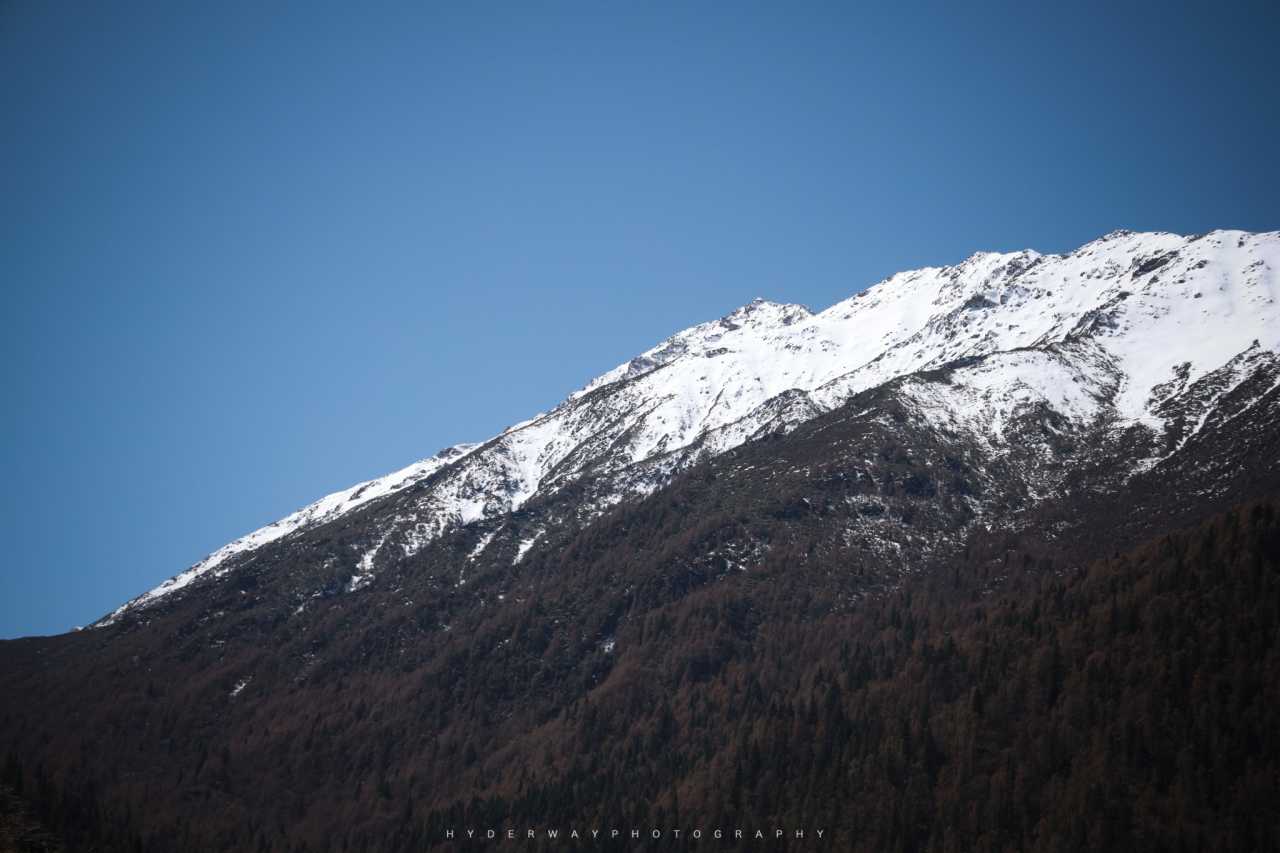
Nianyuba Hiking Trail is incredibly beginner-friendly—all wooden boardwalks, almost no elevation gain, and just 30 minutes to complete. We strolled along, munching on chicken feet and lotus root that Shasha had carried all the way, surrounded by a river valley framed by snowy peaks. Huajiao said it's even more beautiful in summer, but April's Western Sichuan has a kind of "premium gray" palette—a stark, cool elegance.
[Link: Best hiking trails in Western Sichuan for beginners]
Danba County: A Small Town You'd Want to Live In
That night, we settled in Danba County. My room had a spectacular view—overlooking the Dajinchuan River, and at night, I could hear the square-dance music drifting up from below.
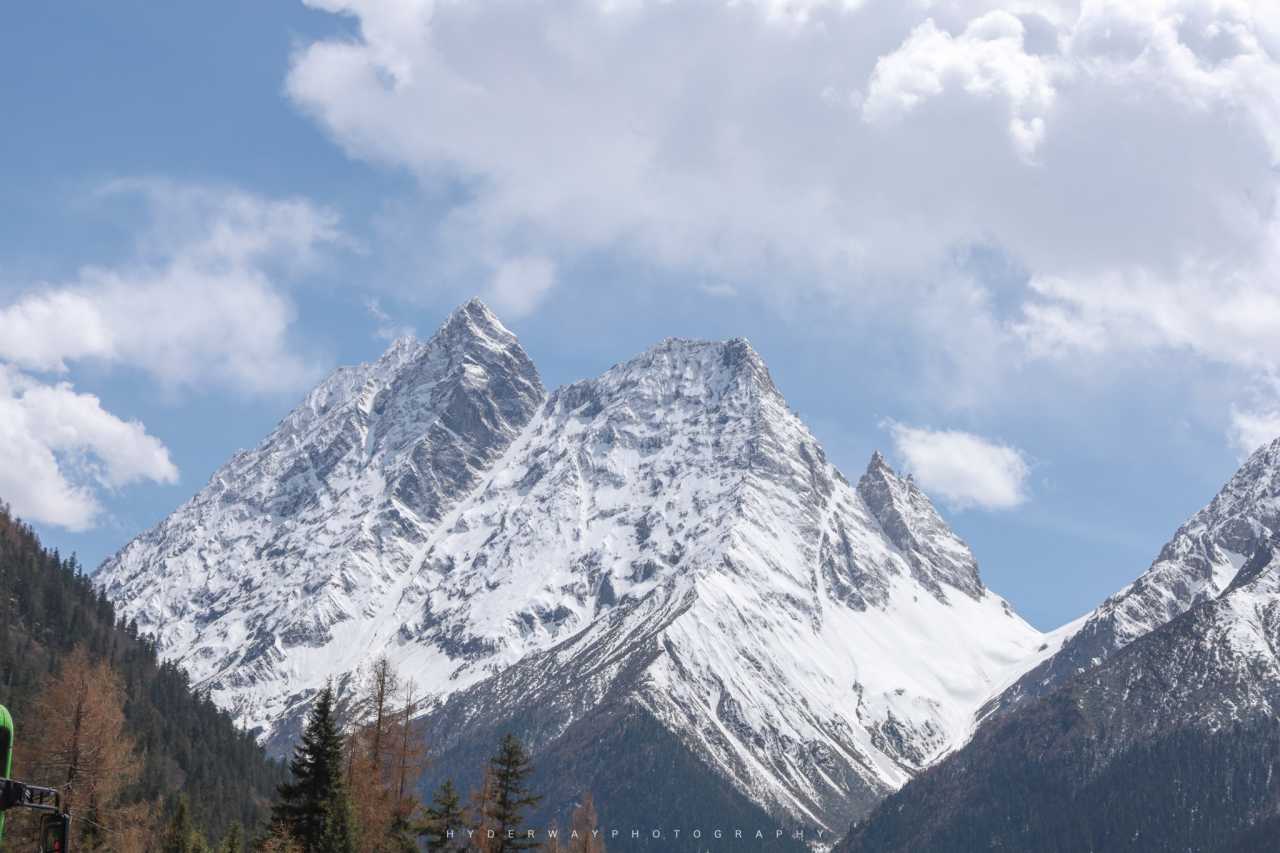
Dinner recommendations: Yak meat skewers and beef brisket fat. A bit too salty for our Guangxi palates—we prefer sweet-and-sour flavors. But the bowl of black chicken rice noodles that followed was an absolute lifesaver. Fragrant, warming, and comforting—I could've gone for another bowl, maybe with pickled pepper flavor.
Local fruit tip: Every day, we bought 耙耙柑 (pāpā gān, a type of easy-peel mandarin). Easier to peel than honey oranges, seedless, and bursting with juice—our daily vitamin C fix. The vendor said his crop wasn't selling, so he'd trucked in a load. We bought five for just three yuan.
Danba reminded me a lot of Yangshuo, especially those dark, looming mountain shadows. If you have megalophobia, Danba takes it up a notch.
Day 2: Yala Snow Mountain, Moshí Park, and Balangshengdu Sunset
Yala Snow Mountain: A Reunion After 13 Years
This day was packed—every stop a highlight.

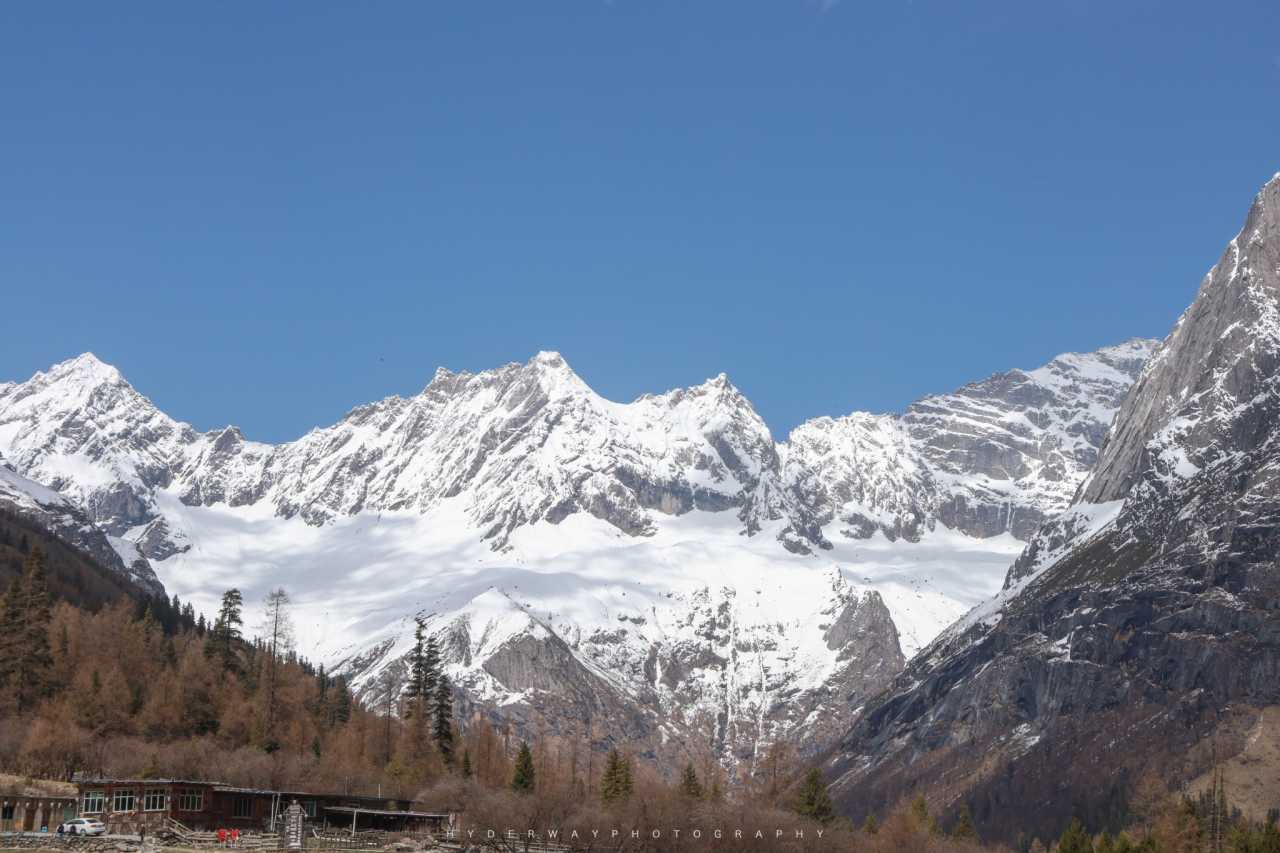
Thirteen years later, I saw Yala Snow Mountain again. This time, it was clearer, more complete, fully revealed before me. Our guide handed each of us a bundle of prayer flags (隆达, lóngdá), and we tossed them into the sky toward the mountain, making wishes.
The best guides and travel companions—within just two days, we'd already bonded like old friends. That's the magic of travel.
[Link: Tibetan culture and prayer flag traditions in Western Sichuan]
Zhumu Kitchen: The Best Tibetan Food in Bamei Town
For lunch, we ate at "Zhumu Kitchen" in Bamei Town—rumored to be the best Tibetan restaurant in town. The beef buns were like soup dumplings; we ordered two rounds. The Tibetan-style milk tea was savory and delicious. I ordered the signature dish, "iced beef slices"—dipped in sauce, it tasted a bit like salmon, though the large pieces were tough to chew. The 糌粑 (zānba, roasted barley dough) was both beautiful and tasty, though it stuck a bit to the roof of my mouth.
Must-try dishes: - Beef buns (soup dumpling style) - Tibetan milk tea (savory) - Iced beef slices (signature dish) - 糌粑 (roasted barley dough)
Moshí Park: Where Rocks Change Color
In the heat of the afternoon, we arrived at Moshí Park. The wind was still strong—traveling to Western Sichuan in April means packing clothes for all four seasons, constantly layering and peeling off.
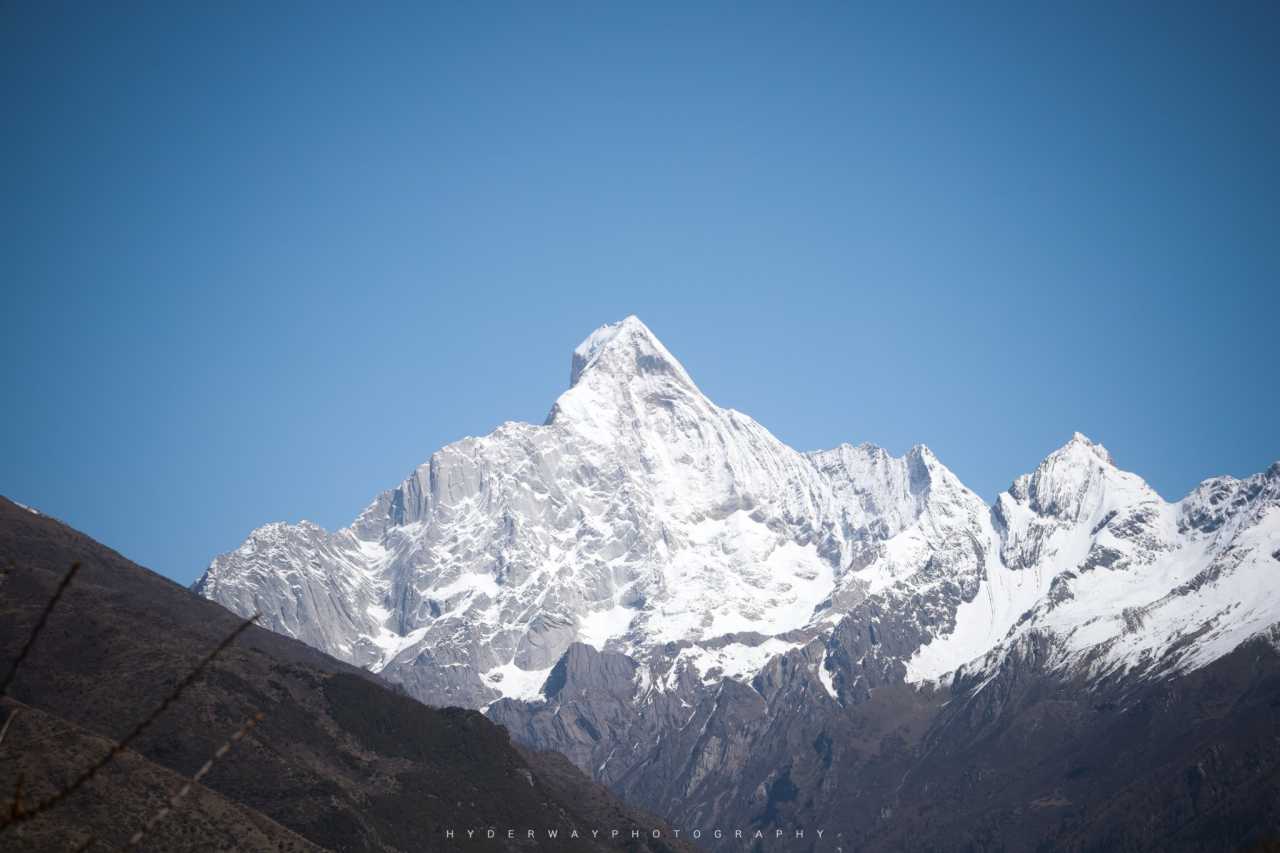
The park wasn't crowded. I heard the rocks turn jet-black in the rain and grayish-white in the sun. We stumbled upon a mountain shaped like a cat's head, and I couldn't resist pinching its "ears."
The funniest moment? Nimo's shoe started "smiling" (splitting open) right in the middle of the park. She said it wasn't part of the plan—she'd expected a different pair to fall apart first. By the time we finished, the entire sole had detached, leaving the whole car in stitches.
Pro tip: Bring sturdy, well-worn hiking boots. Cheap shoes won't survive the rocky terrain.
Camping at Gunong Village and Sunset at Balangshengdu
We stayed that night at a guesthouse in Tagong Town, at an elevation of about 3,400 meters. The room had an oxygen machine that, when turned on, effectively lowered the altitude to around 2,900 meters. I skipped showering and washing my hair, just did a quick wash-up and lay down. Turned out to be the best night's sleep of the whole trip.
The weather was good, so we headed out to camp at Gunong Village. Huajiao, Fanqie, and Pipi set up the gear while we snapped photos like crazy. Even though it wasn't the most beautiful season, the photos turned out great. Everyone sat in a circle chatting, gazing at the distant snowy peaks and the nearby prayer stone mounds (玛尼堆, mǎní duī), with grass just beginning to sprout.
Shasha, feeling the effects of altitude sickness, rested—and naturally became our photography subject.
Sunset at Balangshengdu was the perfect end to the day. The golden light hitting the snowy peaks created a scene that felt almost surreal.
Day 3: Tagong Grassland and the Road Back to Chengdu
Morning on the Tagong Grassland
Waking up at 3,400 meters is an experience in itself. The air is thin, the sky is impossibly blue, and the silence is broken only by the wind. We spent the morning exploring the Tagong Grassland, a vast expanse of rolling hills dotted with yaks and prayer flags.
Photography tip: Early morning light is best for capturing the golden hues on the grass and the distant mountains.
The Return Journey
The drive back to Chengdu takes about 6-7 hours, winding through mountain passes and river valleys. We stopped at a few viewpoints along the way, including a quick visit to a local Tibetan village.
Snack recommendation: Grab some 耙耙柑 and local dried yak meat for the road.
Day 4: Reflections and Final Thoughts
Why This Trip Changed My Mind About Group Travel
For years, I thought group tours were cages—restrictive, superficial, utterly devoid of surprise. But this Western Sichuan itinerary proved me wrong. The guides were knowledgeable and caring. The group dynamic was warm and supportive. And the destinations? Absolutely stunning.
Key takeaways: - Group travel can be flexible and personalized - Good guides make all the difference - Shared experiences create lasting bonds
Budget Breakdown for 4 Days in Western Sichuan
| Item | Estimated Cost (per person) |
|---|---|
| Tour package (4D3N) | 1,500-2,500 CNY |
| Meals | 200-400 CNY |
| Snacks and drinks | 100-200 CNY |
| Souvenirs | 100-300 CNY |
| Total | 1,900-3,400 CNY |
FAQ: Western Sichuan Travel Tips
1. Is Western Sichuan safe for solo travelers?
Yes, Western Sichuan is generally safe for solo travelers, especially if you join a reputable tour group. The local Tibetan communities are welcoming, and the roads are well-maintained. However, altitude sickness is a real concern—always carry oxygen and drink plenty of water.
2. What is the best time of year to visit Western Sichuan?
The best time is May to October, when the weather is warmer and the landscapes are lush. April offers fewer crowds and a unique "premium gray" aesthetic, but expect cold temperatures and strong winds. Winter (November to March) is for experienced travelers only.
3. How do I prevent altitude sickness in Western Sichuan?
- Ascend gradually—don't rush from Chengdu (500m) to high-altitude areas
- Stay hydrated (drink at least 2-3 liters of water daily)
- Avoid alcohol and heavy meals
- Use oxygen canisters or portable oxygen machines
- Get plenty of rest—skip showers on the first night
4. What should I eat in Western Sichuan?
Must-try dishes include: - Yak meat skewers - Tibetan milk tea (savory) - 糌粑 (roasted barley dough) - Iced beef slices - Beef buns (soup dumpling style) - 耙耙柑 (easy-peel mandarins)
5. Can I visit Western Sichuan without a tour group?
Absolutely. Many travelers drive or take public buses to popular destinations like Mount Siguniang and Tagong. However, having a local guide adds immense value—they know the best viewpoints, restaurants, and cultural practices.
Conclusion: Your Western Sichuan Adventure Awaits
Western Sichuan is more than just a destination—it's a feeling. The wind on your face at Yala Snow Mountain. The warmth of shared cake at 3,000 meters. The laughter when a friend's shoe falls apart in Moshí Park. These are the moments that remind us why we travel.
Ready to plan your own Western Sichuan itinerary? Whether you choose a group tour or go solo, this region will leave you breathless—literally and figuratively.
Book your Western Sichuan adventure today and rediscover the warmth of travel among snowy peaks and wildlands.
[Link: Top 10 Western Sichuan tour packages for 2025] [Link: How to choose the best travel guide for Western Sichuan]
Have you visited Western Sichuan? Share your experience in the comments below!
You may also like


