In Liangshan, Sichuan, I Found "God's Back Garden" — More Beautiful Than Switzerland
Meta Description: Discover Liangshan, Sichuan's "God's Back Garden" — a hidden paradise more breathtaking than Switzerland. Explore Muli County, Lugu Lake, Kangu Monastery, and Shangri-La Lake on this unforgettable Sichuan travel guide.
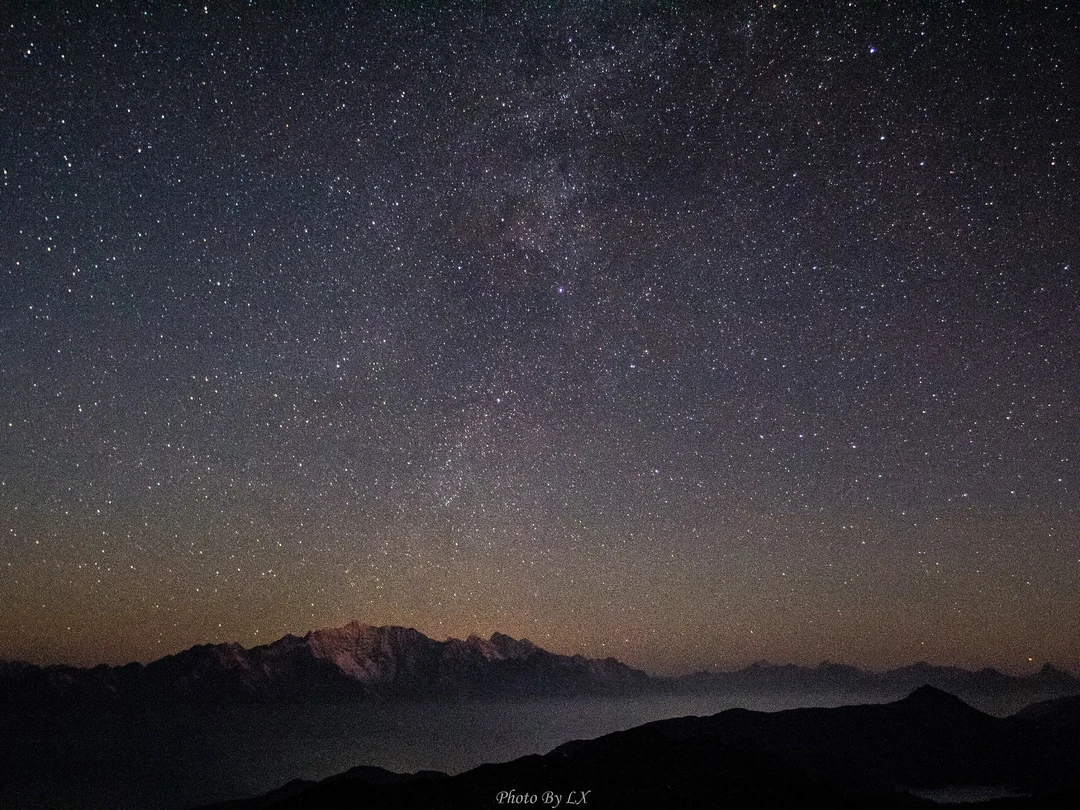
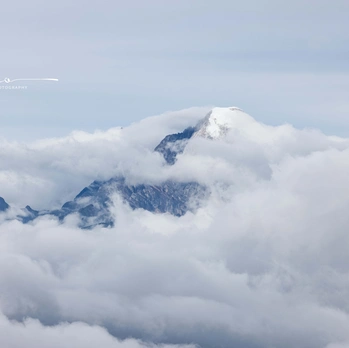
Have you ever imagined standing at an altitude of 4,300 meters, with a line of snow-capped mountains stretching before you and a sea of clouds rolling like cotton beneath your feet? Or sitting on a morning pasture, watching a Tibetan mother milk her yaks, drinking butter tea made from 3,000 strokes of churning? This isn't Switzerland, and it isn't New Zealand. This is Liangshan, Sichuan — a forgotten treasure hidden in time.
Over a hundred years ago, American explorer Joseph Rock called this place "God's Back Garden" and firmly believed it was the true heart of Shangri-La. Today, while Daocheng Yading is flooded with tourists, Liangshan's Muli County still lies quietly in a corner of western Sichuan, waiting for those willing to slow down and discover it.
Why Liangshan, Sichuan Should Be Your Next Destination
When people talk about western Sichuan travel, most think of Garzê and Ngawa. But Sichuan has three autonomous prefectures for ethnic minorities — Garzê, Ngawa, and Liangshan Yi Autonomous Prefecture. The first two have long been famous, while Liangshan remains like a dust-covered pearl, so understated it almost breaks your heart.

There's a saying: "Of the nine hundred miles of Shangri-La, eight hundred lie in Liangshan." Many places in China call themselves "Shangri-La," but the one in Rock's heart was here in Liangshan. In 1928, Rock set out from Muli, crossed through Daocheng and Yading, ventured deep into the Gongga Ridge area, and blazed a world-class hiking route — the "Rock Trail". To this day, no vehicles can traverse this path; only on foot can you cross it. And precisely because of that, it has preserved its most pristine character.
I decided to set foot in this "God's Back Garden" before Liangshan becomes discovered by the masses.
[Link: Best time to visit Liangshan Sichuan]
Lugu Lake: Half in Yunnan, Half in Sichuan — The Quieter Side

Mention Lugu Lake travel, and most people's first reaction is Yunnan. In reality, the lake straddles two provinces — the western shore belongs to Lijiang, Yunnan, and the eastern shore belongs to Liangshan, Sichuan. What's even more surprising is that the Sichuan side accounts for three-quarters of the lake, and because there are fewer tourists and less development, it's actually quieter and more relaxing.

Crossing from Yunnan into Sichuan, you'll pass a sculpture — a Sichuan young man gazing at a Yunnan girl. Beyond this point lies Lugu Lake in Yanyuan County, Liangshan.
The water of Lugu Lake is an impossible shade of blue. When the sun shines brightly, the surface sparkles like diamonds scattered across it. The lake belongs to the Jinsha River system, with a structure similar to Xinjiang's Sayram Lake, making it exceptionally clear. On the Sichuan side, Lugu Lake preserves traditional Mosuo culture — the grass sea, the Walking Marriage Bridge, the pig-trough boats... every element makes you feel like you've traveled back a hundred years.
Must-Do Experiences at Lugu Lake
Taking a pig-trough boat to Princess Island is a must-do experience. This small island, set like a gem in the lake, was once the residence of Xiao Shuming, the "Last Mosuo Princess." Married off from Ya'an at just 16, she spent her entire youth on this island. She taught the Mosuo people to read, built schools, and pacified bandits, earning the title "Contemporary Wang Zhaojun."

The boatman rows through the grass sea, where tiny white flowers float on the water — locals call them "水性杨花" (literally "watery and fickle"), scientifically known as Ottelia acuminata. August is peak bloom season, and the petals sway in the shimmering light, so beautiful you can't bear to blink.
The Walking Marriage Bridge stretches over 300 meters across the grass sea. Its surface, made of lime mixed with earth, is covered with worn footprints. These footprints bear witness to countless Mosuo young men and women running for love. Mosuo culture reveres the mother as the center of the family, with the grandmother as the head. Here, the father's role is replaced by the maternal uncle, and property is inherited through the maternal line.
[Link: Mosuo culture and walking marriage traditions]
Kangu Monastery: The Bell That Saved a Caravan
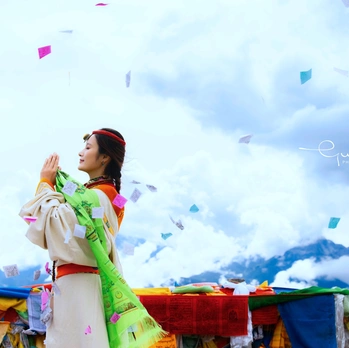
About an hour's drive from Muli County town, you'll reach Kangu Monastery. The road leading to the temple is lined with prayer flags, like a devout pilgrimage path. The monastery itself looks somewhat simple, but its status in the hearts of Muli's people is supremely sacred.
Legend has it that one year, heavy snow blocked the mountains, and a caravan was nearly buried alive. Just as despair set in, the bells of Kangu Monastery rang out. The sound seemed to give the caravan immense spiritual strength, and the horses buried in the snow stood up resolutely and continued on. From then on, the bells of Kangu Monastery took on a legendary aura.
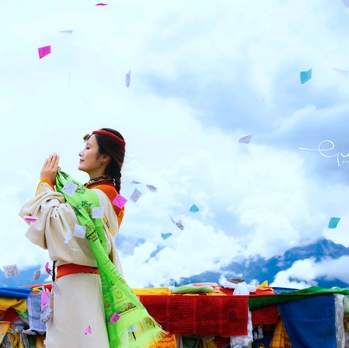
Even more moving is the fact that over a hundred years ago, when Rock entered Muli, he was received here by the King of Muli. Not far from the monastery lie ruins from over four hundred years ago. Standing before the broken walls, you can almost imagine the grandeur of the Muli Kingdom at its peak.
For the best photo of Kangu Monastery, head to the grassland on the road to Muli Monastery. There, you'll find meadows, cattle and sheep, and in the distance, the golden temple against a blue sky and white clouds — like an oil painting.
[Link: Muli County attractions guide]
Shangri-La Lake: Not in Shangri-La, But in Muli
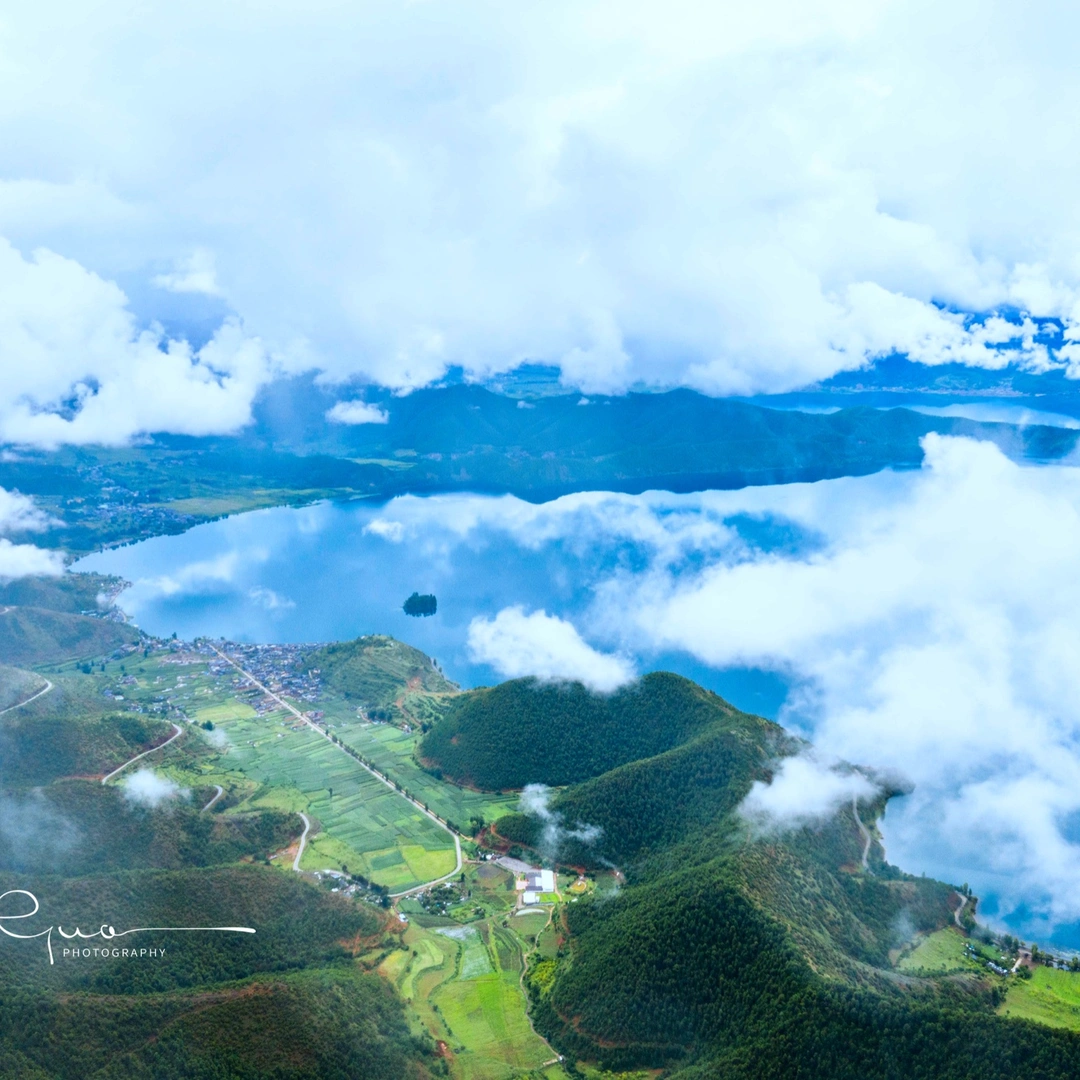
Shangri-La Lake isn't in Shangri-La County — it's in Muli, Liangshan, Sichuan. Locals prefer to call it "Long Haizi" (Long Lake) . It's the largest alpine lake in Muli, sitting at over 3,400 meters atop Kangu Mountain. From Kangu Monastery, it's the next stop.
The biggest attraction of Long Lake is its "floating islands" — patches of meadow drifting on the water's surface, like tectonic plates on Earth. Unlike other wetlands, these meadows move. With the seasons and changing winds, they slowly drift, their patterns shifting. In summer, these floating islands bloom with colorful flowers, breathtakingly beautiful. Locals say, if you have the strength, you can even stand on a floating island and use a long pole to punt yourself across the lake like a raft.
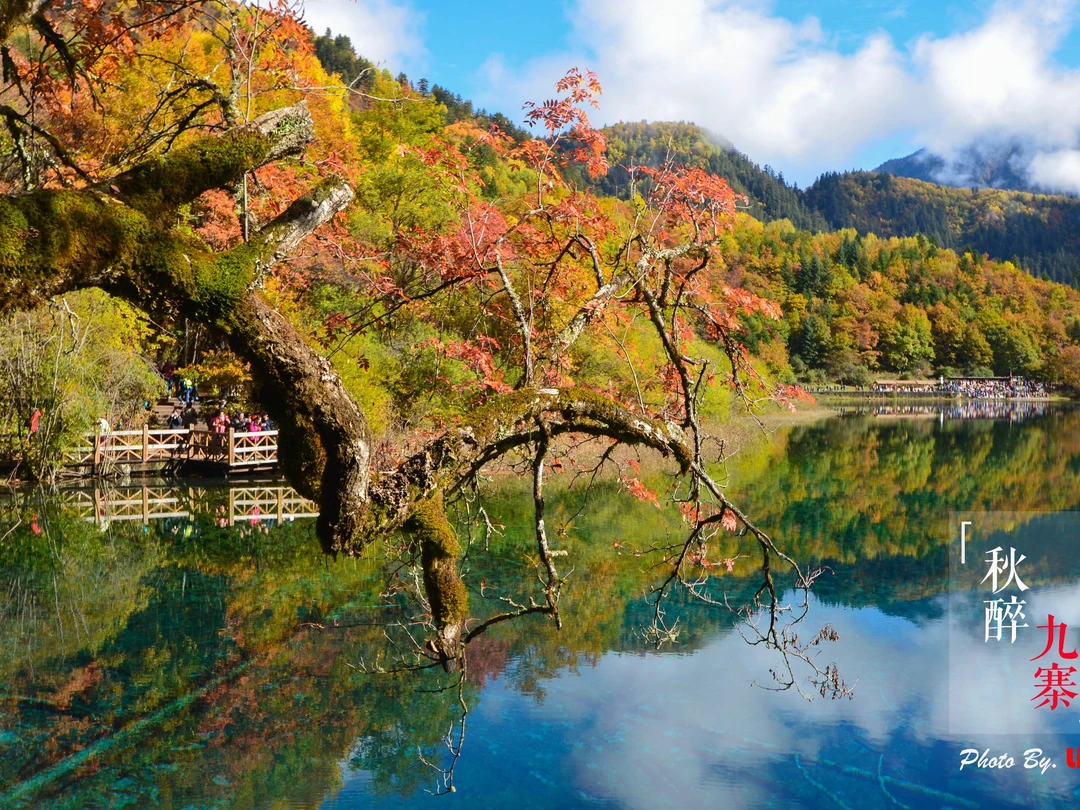
Long Lake offers different scenery in different seasons. Summer brings emerald green; autumn turns it golden. The lake reflects the blue sky, green grass sways in the water, and brown mountains stand in the distance — a combination of colors you can only truly appreciate with your own eyes.
[Link: Alpine lakes in Sichuan]
Kangu Pasture: I Found "Little Switzerland"
The Kangu Pasture next to Shangri-La Lake was the biggest surprise of the trip. Climb to the highest point of the pasture, and you can overlook the entire Shangri-La Lake. Before you stretches a vast, flat basin — grasslands, lakes, hillsides... countless yaks, cattle, goats, sheep, and horses dot the meadow like stars.

Calling it "Little Switzerland" is no exaggeration. There's no admission fee, no tourists — just the pasture that local Tibetans rely on for their livelihood. That's how it is in Muli — drive wherever you want, stop whenever you like, and everywhere is a scenic view.
This is the kind of Sichuan hidden gem that makes you question why more people don't visit. The air is crisp, the silence is profound, and the connection to nature is immediate. If you're seeking an off-the-beaten-path Sichuan itinerary, Kangu Pasture should be at the top of your list.
Muli Monastery: Become a Tibetan Princess for a Day
Muli Monastery is one of the largest temples in the Kham Tibetan region and was once the religious and political center of the Muli Kingdom. It was here that Rock received help from the King of Muli to complete his expedition to Yading.
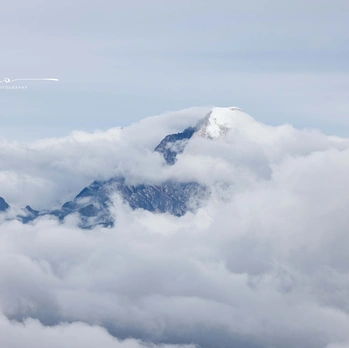
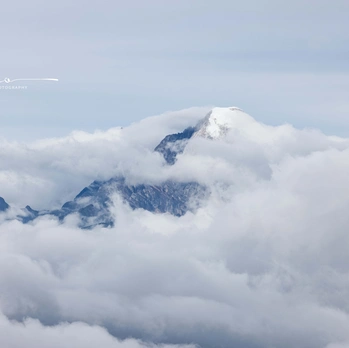
The road to Muli Monastery winds in S-curves up the mountain, so narrow that only one car can pass at a time. If you meet an oncoming vehicle with no place to pull over, you're stuck staring at each other. But when you stand before the temple and see the lamas in their red robes chanting and walking, all the bumpy ride becomes worth it.
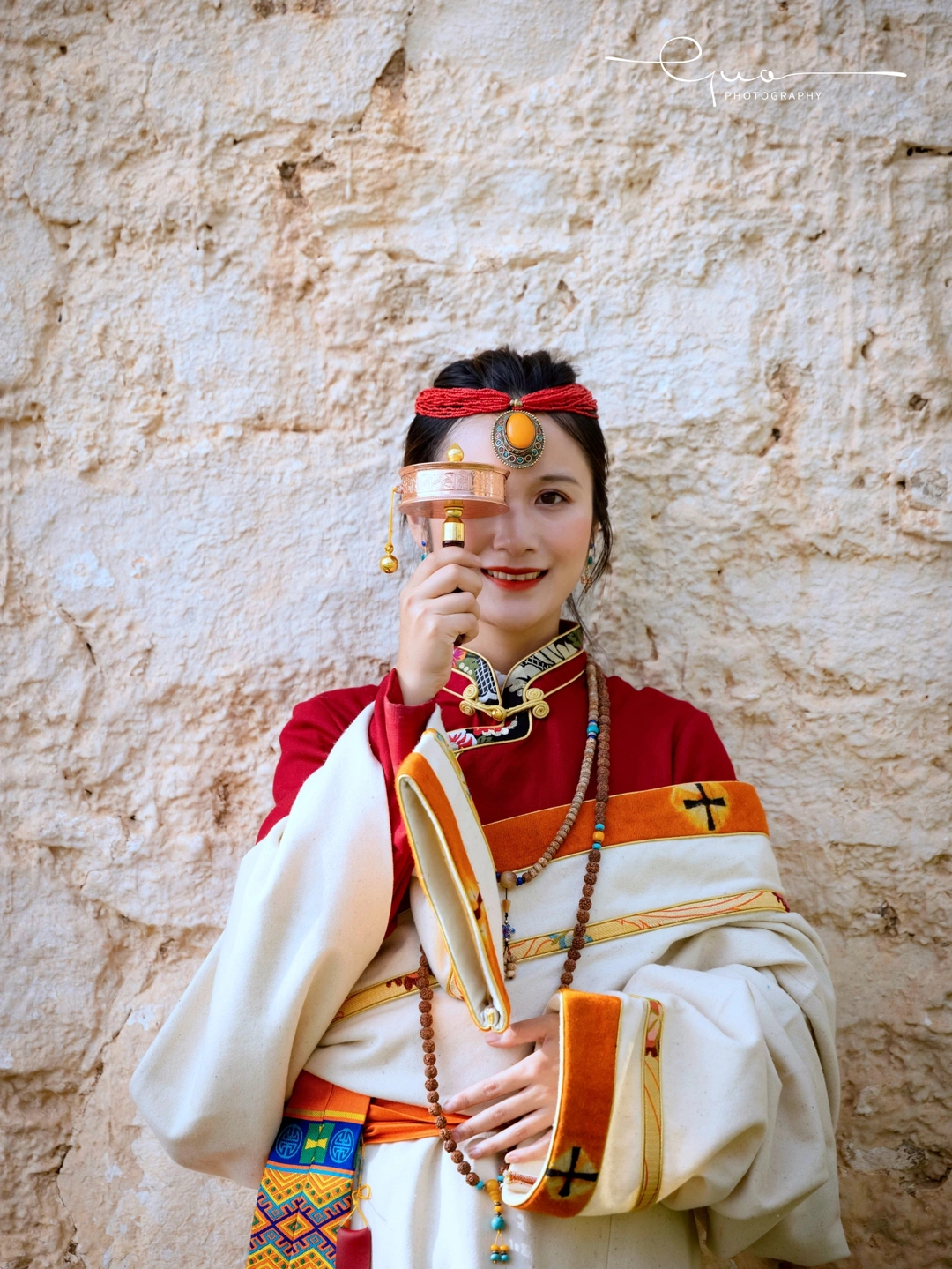
You don't need to fly to Lhasa to get a Tibetan costume photoshoot — you can do it right at Muli Monastery. The lamas after morning prayers are a sight in themselves, and the golden rooftops against the blue sky create the perfect backdrop for unforgettable photos.
[Link: Tibetan monasteries in Sichuan]
Frequently Asked Questions About Liangshan, Sichuan Travel

1. When is the best time to visit Liangshan's Muli County?
The ideal time is May to October, with August being peak season for wildflowers and the famous "水性杨花" blooms on Lugu Lake. Summer offers emerald green pastures and clear skies, while autumn (September-October) brings golden landscapes. Winter can be harsh with heavy snow blocking mountain passes.
2. How do I get to Liangshan from major Chinese cities?

By air: Fly to Xichang Qingshan Airport (XIC), then take a 5-6 hour drive to Muli County.
By train: Take a high-speed train to Xichang, then rent a car or join a tour.
By road: From Chengdu, it's approximately 8-10 hours by car via the Ya'an-Xichang Expressway.
3. Is Liangshan suitable for solo travelers?
Yes, but with preparation. Muli County is remote with limited English signage. It's recommended to hire a local guide or join a small group tour, especially for the Rock Trail and high-altitude areas. Solo travelers should be comfortable with basic Mandarin and have good physical fitness for high-altitude hiking.
4. What are the altitude considerations for visiting Shangri-La Lake and Kangu Pasture?

Shangri-La Lake sits at 3,400 meters, and Kangu Pasture is around 3,600-4,000 meters. Acclimatize in Xichang (1,500m) or Muli town (2,300m) for 1-2 days before heading higher. Bring altitude sickness medication, stay hydrated, and avoid strenuous activity on the first day.
5. What should I pack for a trip to Liangshan?
Pack layered clothing (temperatures can drop to 5°C at night even in summer), sturdy hiking boots, sunscreen, sunglasses, a hat, rain gear, and a reusable water bottle. For the Tibetan monastery visits, bring a scarf or shawl to cover shoulders. Don't forget your camera — the landscapes are breathtaking.
Why You Should Visit Liangshan Before Everyone Else Does
Liangshan, Sichuan, is not just another travel destination — it's a time capsule of pristine nature and ancient culture. While Switzerland offers manicured landscapes and crowded viewpoints, Liangshan offers raw, untouched beauty. While Daocheng Yading has become a tourist hotspot, Muli County remains a peaceful retreat where you can hear your own heartbeat.
Here, you can: - Stand on floating islands at Shangri-La Lake - Walk the same paths as the legendary Mosuo lovers - Hear the bells that saved a caravan at Kangu Monastery - Become a Tibetan princess for a day at Muli Monastery - Find your own "Little Switzerland" at Kangu Pasture — without the crowds
This is "God's Back Garden" — and it's waiting for you.
Ready to discover Liangshan? Start planning your trip today. Book your flights to Xichang, arrange a local guide, and prepare for an adventure that will change how you see Sichuan forever.
Have you visited Liangshan or any hidden gems in western Sichuan? Share your experience in the comments below!
Follow us for more off-the-beaten-path travel guides to China's most beautiful destinations.
[Link: Sichuan travel itinerary planner]
[Link: Tibet and Kham cultural tours]
[Link: High-altitude travel safety tips]