Chengdu in Winter: The Ultimate Solo Backpacking Guide for a 5-Day, 4-Night Adventure
Meta Description: Planning a solo winter trip to Chengdu? Discover the perfect 5-day itinerary covering pandas, ancient temples, Dujiangyan, and local cuisine. Expert tips for first-time backpackers.
A city where you never want to leave, and a story of wandering alone yet returning with a full heart
In February 2018, while bitter northern winds still raged, I packed my bag and flew alone to that legendary city where "people come and never want to leave" — Chengdu. For five days, I drifted like a fallen leaf through every corner of this thousand-year-old city. No noisy travel companions, no rigid itinerary — just a heart eager to explore and a camera to capture the beauty.
Looking back now, that spontaneous trip still fills me with warmth. Chengdu — I came alone in haste, yet left with reluctance.
Why Choose Chengdu for a Winter Solo Trip?
Chengdu in winter offers a unique charm: fewer crowds, lower prices, and a chance to experience Sichuan culture without the peak-season rush. The city's mild winter temperatures (averaging 5-12°C) make it ideal for walking tours, while indoor attractions like museums and teahouses provide cozy escapes from the occasional chill.

For solo backpackers, Chengdu is exceptionally safe, with excellent public transportation and a thriving hostel culture. Whether you're a first-time solo traveler or a seasoned wanderer, this city welcomes you with open arms.
Pre-Trip Preparation: Essential Tips for Your Chengdu Winter Journey
Weather and Packing Guide
Winter in Chengdu is a challenge for northerners. Indoors is colder than outdoors — you can see your breath in the air. Locals often say "蜀犬吠日" (Sichuan dogs bark at the sun) — sunshine is a rare guest here. I was lucky; most days were sunny, but an umbrella is still essential.
Packing checklist: - Warm layers (thermal underwear, fleece, waterproof jacket) - Comfortable walking shoes - Umbrella or rain jacket - Power bank and universal adapter - Reusable water bottle
How to Get Around: The Chengdu Transit Card
I highly recommend getting a Chengdu public transit card! It has two functions: a ride card and an electronic wallet.
- Ride Card: For city buses only, 1 yuan per ride, free transfers within two hours
- Electronic Wallet: For metro and suburban buses, with a discount
I topped up 15 yuan on the ride card and 20 yuan on the electronic wallet — and still had money left after five days! You can purchase the card at any metro station or convenience store.
Connectivity and Accommodation
I bought a 3-yuan-per-day, 1GB data package from China Mobile on Taobao, which was more than enough. Attractions like Jinsha Site Museum, Sichuan Museum, and Wuhou Shrine all have free WiFi. As for accommodation, I stayed with my uncle, but locals say Chengdu's hostels are excellent and worth experiencing.
[Link: Best hostels in Chengdu for solo travelers]
Your 5-Day Chengdu Winter Itinerary: Five Routes, Five Faces of Chengdu
Day 1: Northern Route — From Cute Creatures to Zen
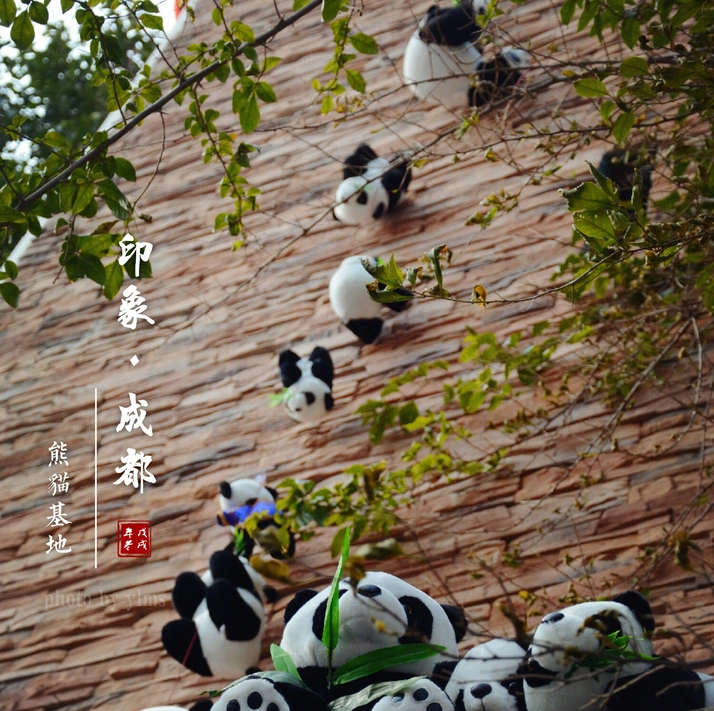
Morning: Panda Base
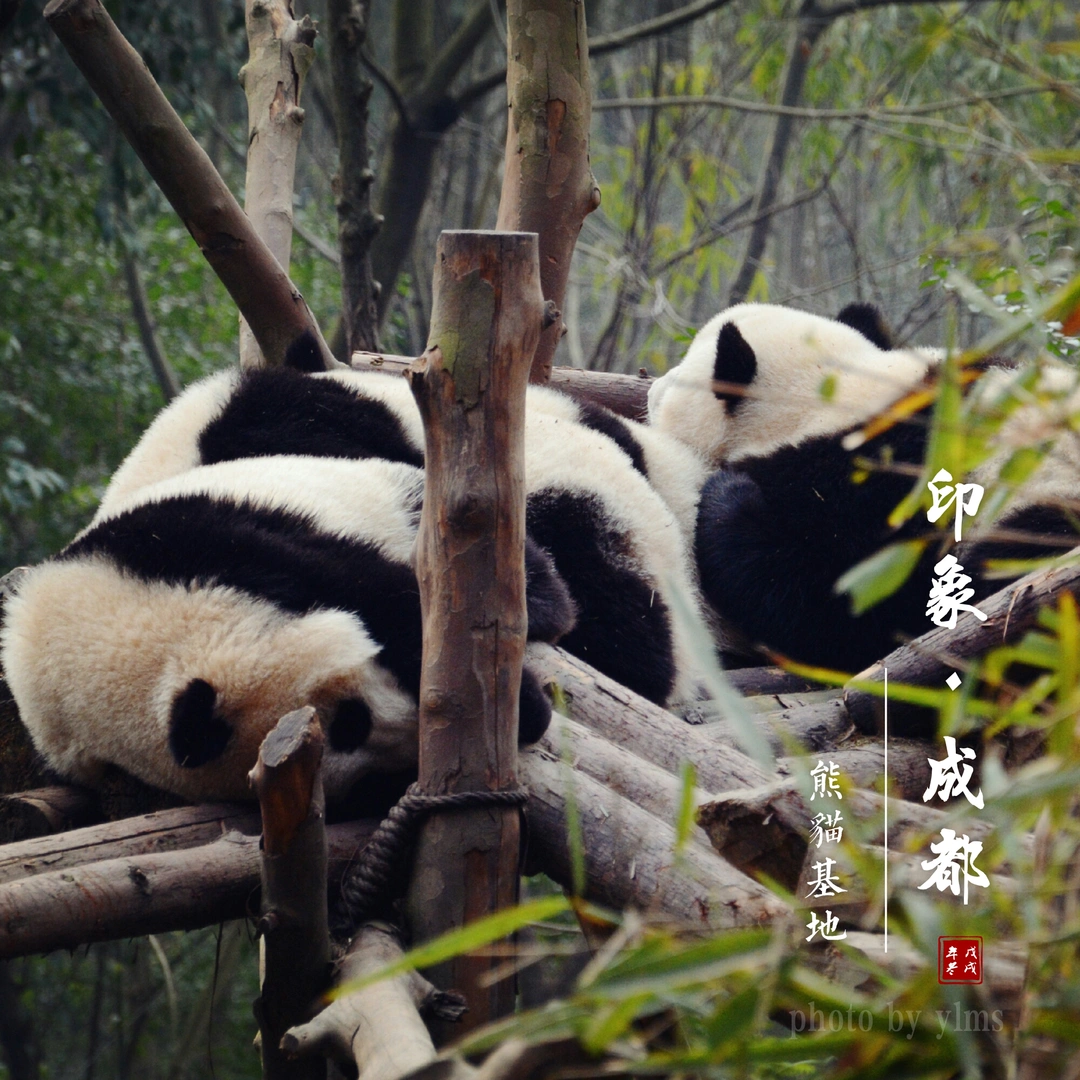
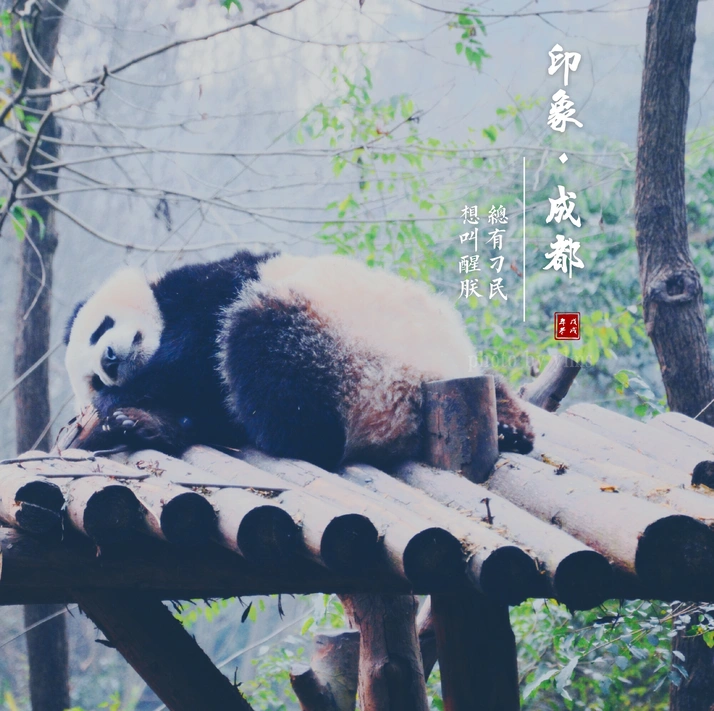
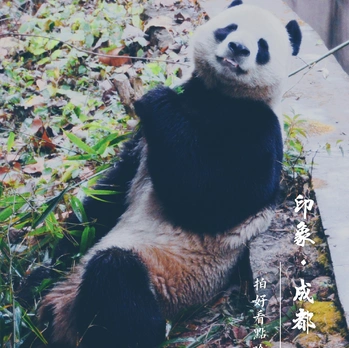
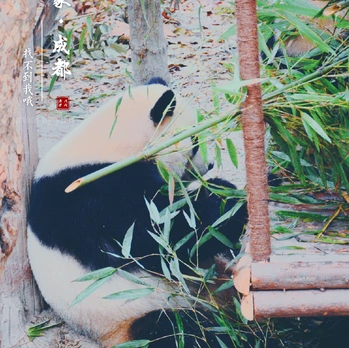
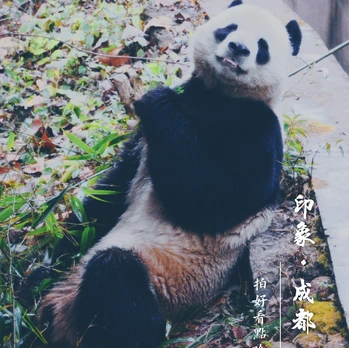
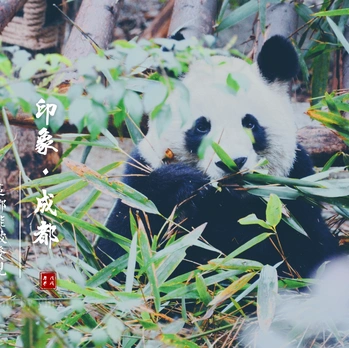
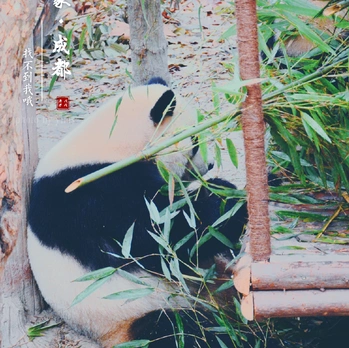
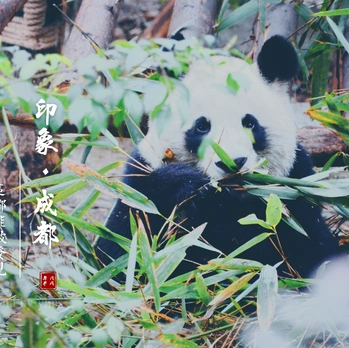
Panda Base was my first stop. Arriving at 8:30 AM is ideal because pandas start napping after 11. I recommend buying a tram ticket right at the entrance (10 yuan round trip) to go straight to the Moonlight Nursery at the far end, then work your way back against the crowd. Behind the Moonlight Nursery and Villas No. 1 and No. 2, there are outdoor areas with giant pandas — fewer people, better views, and you can take your time watching them.
Pro tip: Visit during weekdays to avoid weekend crowds. The base opens at 7:30 AM in winter.
Afternoon: University of Electronic Science and Technology of China & Wenshu Monastery
University of Electronic Science and Technology of China was a personal sentimental stop, but it might not be thrilling for ordinary tourists. However, Wenshu Monastery and Daci Temple are absolutely worth visiting — both are free.
Wenshu Monastery covers over 200,000 square meters, with five main halls in sequence: the Heavenly Kings Hall, the Three Great Bodhisattvas Hall, the Mahavira Hall, the Dharma Hall, and the Sutra Depository. Walking in, you feel a devout and serene atmosphere. Devotees pray silently, and I managed to capture a photo of a devout Tibetan young man. The area around Wenshu Monastery is full of delicious food — check Dianping (a local review app) for recommendations.
Evening: Daci Temple & Taikoo Li
Daci Temple sits near the bustling Chunxi Road. Legend has it that the monk Xuanzang once studied Buddhism here. The cartoon-style little monks inside are playful and cute, creating an interesting contrast with the solemn temple halls.
Coming out of Daci Temple, you step right into Taikoo Li. It feels like moving from a tranquil Buddhist sanctuary into a vibrant, colorful world — the chanting still lingers in your ears while the bustling city life pulls you in. With a cup of matcha latte, I sat by the street, watching the flow of people and feeling the city's pulse.
[Link: Best cafes in Taikoo Li for solo travelers]
Day 2: Western Route — Touching the Pulse of the Ancient Shu Kingdom
Morning: Jinsha Site Museum
Jinsha Site Museum is one of the highlights I recommend most. Buying tickets online gives you a discount. There's free WiFi inside, and scanning a QR code with WeChat lets you listen to audio guides. This convenient system helped me dive deep into the history of the ancient Shu kingdom. The Sun Bird pattern is everywhere in Chengdu, and its origin is right here. I suggest setting aside 3-4 hours to explore slowly.
Ticket tip: Online tickets cost 66 yuan (regular price 70 yuan). The museum is closed on Mondays.
Afternoon: Du Fu Thatched Cottage & Sichuan Museum
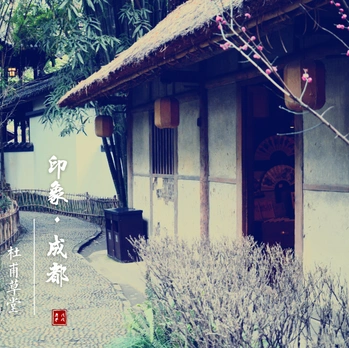
Du Fu Thatched Cottage is another popular spot. I recommend entering through the back gate, exiting through the front, and then circling back to the back gate. Online tickets might not be exchangeable on-site, but buying at the entrance costs only 30 yuan (thanks to a city government promotion offering half-price tickets during the off-season). A live guide costs 10 yuan per person, with tours every half hour. The guide mentioned that the audio devices lose signal in two spots — whether it's a trick or not, cultural sites like this really need a guide; otherwise, you're just walking through a garden.
"The floral path has not yet been swept for visitors, the thatched gate is now open for you" — the plum blossoms and bonsai at the cottage are worth photographing carefully. Unfortunately, my skills were limited, and I wished I could capture the beauty perfectly. I recommend spending 1-2 hours here.
Sichuan Museum is within walking distance of the cottage. Enter for free with your ID card. Since I spent too much time at Jinsha, I only had an hour to rush through it — a regret I'll make up for next time.
Evening: Qingyang Palace & Kuanzhai Alley
Qingyang Palace is the number one Taoist temple in western Sichuan, with an entrance fee of 10 yuan. Taoism feels more down-to-earth than Buddhism. I listened to a few Taoist nuns chanting — the Taoist melodies had a unique charm. Coincidentally, I ran into a colleague who was on her honeymoon there — thousands of miles from home, what a serendipitous encounter.
Kuanzhai Alley consists of Wide Alley, Narrow Alley, and Well Alley. I tried ear cleaning (a local experience) — 60 yuan for 5 minutes, a bit of a splurge. Later I saw it for only 30 yuan at Jinli, but I believe you get what you pay for.
[Link: Top 10 things to do in Kuanzhai Alley]
Day 3: Dujiangyan-Qingcheng Mountain Day Tour
With limited time, I booked a no-shopping day tour on Mafengwo for 238 yuan, including lunch (the "Four Delicacies of Qingcheng"). The driver contacted me between 7 and 9 PM the night before to confirm pickup. I got on the bus at 6:20 AM, and we all gathered at Qintai Road metro station to board the main coach.
On the bus, I paid an additional 150 yuan for the cable car, shuttle bus, Yulei Pavilion, and boat tickets. The boat ride was a bit unnecessary, but there was no shopping pressure throughout the trip — worth commending.
Dujiangyan: The Ancient Irrigation System
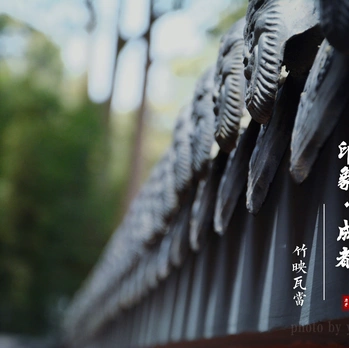
From Lidui Park to Baopingkou (Bottle-Neck Channel), Feishayan (Flying Sand Weir), Yuzui (Fish Mouth Levee), then to Anlan Bridge and Erwang Temple, and finally climbing Yulei Pavilion for a panoramic view. The wisdom of Li Bing and his son over 2,000 years ago created the "Land of Abundance" (the fertile Chengdu Plain). Half a day is enough to cover the essentials.
Qingcheng Mountain: Winter Wonderland
In winter, the mountain was cloaked in silver, with snow hanging from every branch. With only half a day, I could only take the cable car up and down the main route on the front mountain. It wasn't as satisfying as I'd hoped, but feeling the Taoist detachment in the snow was unforgettable.
Pro tip: Wear waterproof boots and bring gloves. The cable car runs from 8:00 AM to 5:00 PM in winter.
[Link: How to visit Dujiangyan and Qingcheng Mountain independently]
Day 4: Southern Route — History and Hot Pot
Morning: Wuhou Shrine
Wuhou Shrine is dedicated to Zhuge Liang, the legendary strategist of the Three Kingdoms period. The shrine complex includes the Tomb of Liu Bei and the Three Kingdoms Museum. Entrance fee is 60 yuan (half-price in winter). Allow 2-3 hours to explore the beautiful gardens and historical exhibits.
Afternoon: Jinli Ancient Street
Adjacent to Wuhou Shrine, Jinli Ancient Street is a pedestrian-only street lined with traditional Sichuan architecture. It's perfect for souvenir shopping, street food sampling, and people-watching. Try the local snack "san da pao" (three big cannon) — a glutinous rice ball coated in sesame and sugar.
Evening: Hot Pot Experience
No trip to Chengdu is complete without hot pot. Head to Huangcheng Laoma or Shu Jiuxiang for an authentic experience. As a solo traveler, you can order a single-person hot pot set. Don't forget to try "maocai" (spicy boiled vegetables) and "dandan noodles."
[Link: Best solo-friendly hot pot restaurants in Chengdu]
Day 5: Eastern Route — Art and Culture
Morning: Chengdu Contemporary Art Museum
Located in the Eastern Suburb Memory area, this museum showcases cutting-edge Chinese contemporary art. Admission is free, and the exhibitions change regularly. The surrounding area has converted factory buildings now housing galleries, cafes, and design studios.
Afternoon: People's Park
People's Park is the heart of Chengdu's local life. Spend an afternoon at the Heming Teahouse, watching locals play mahjong, practice tai chi, and socialize. The park also has a small lake with paddle boats and a memorial to the city's martyrs.
Evening: Final Dinner and Departure
For your last night, try Chen Mapo Tofu for authentic Sichuan cuisine. The restaurant has been serving since 1862 and is famous for its mapo tofu (spicy tofu with minced pork). After dinner, take a final stroll along the Jin River before heading to the airport.
[Link: Best Sichuan restaurants near Chengdu city center]
Frequently Asked Questions About Solo Winter Travel in Chengdu
1. Is Chengdu safe for solo female travelers?
Absolutely. Chengdu is one of China's safest cities for solo travelers, including women. The city has excellent street lighting, reliable public transportation, and a friendly local population. Use common sense precautions like avoiding poorly lit areas at night and keeping valuables secure.
2. What is the best time to visit Chengdu in winter?
Late January to early February offers the best combination of fewer tourists and mild weather. Chinese New Year (late January/early February) can be busy but festive. Avoid the week of Chinese New Year if you prefer quieter travel.
3. How much does a 5-day solo trip to Chengdu cost?
Budget approximately 2,500-3,500 yuan ($350-$500 USD) for a comfortable solo trip, including accommodation, food, transportation, and attraction tickets. Hostels cost 50-100 yuan per night, while mid-range hotels cost 200-400 yuan.
4. Do I need to speak Mandarin to travel in Chengdu?
While basic Mandarin helps, you can get by with English in tourist areas. Download translation apps like Google Translate or Pleco. Major attractions have English signage, and younger locals often speak some English.
5. What should I pack for winter in Chengdu?
Pack layers: thermal underwear, fleece or sweater, waterproof jacket, comfortable walking shoes, umbrella, scarf, gloves, and a hat. Indoors can be cold as central heating is less common than in northern China.
Final Thoughts: Why You Should Book Your Chengdu Solo Trip Today
Chengdu in winter is a hidden gem waiting to be discovered. From the adorable pandas at the base to the ancient wisdom of Dujiangyan, from the serene temples to the bustling hot pot restaurants — this city offers a perfect blend of culture, nature, and adventure for solo travelers.
Don't wait for the perfect moment. Pack your bag, book your flight, and let Chengdu surprise you.
Start planning your winter solo trip to Chengdu today. Check flight deals, book your hostel, and download offline maps. The Land of Abundance is calling — answer it.
[Link: Book your Chengdu solo travel package now]
Have you traveled solo to Chengdu? Share your experience in the comments below!
You may also like


