In Anyue, I Made a Silent Deal with a Thousand-Year-Old Stone: Discovering Sichuan's Hidden Cave Temple Kingdom
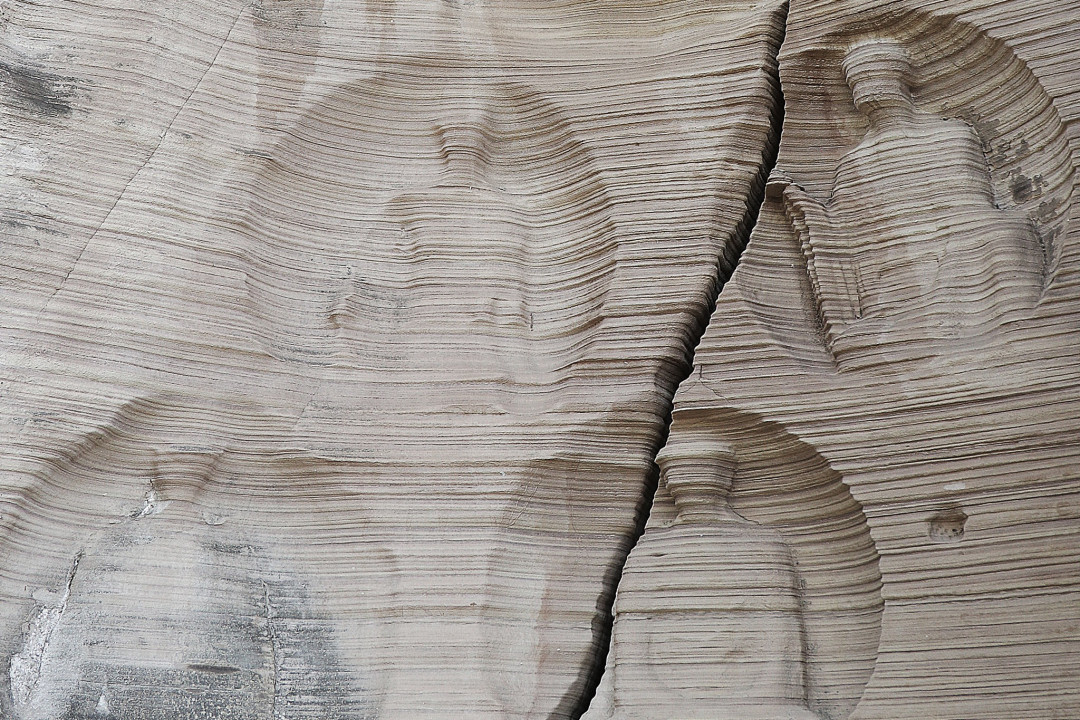
Meta Description: Explore Anyue's 1,000-year-old stone carvings—an underestimated treasure of Chinese cave art. From Sleeping Buddha to Perfect Enlightenment Cave, discover why this Sichuan gem rivals Dazu. Plan your visit now.
The March wind still carried a hint of chill as I set out from Chengdu, spending two full hours on a bus heading south into the heart of the Sichuan Basin toward a small city called Anyue. To be honest, before I left, I knew almost nothing about this place—only that it was in Sichuan. Where exactly? I couldn't say. It wasn't until someone told me, "It's right next to Dazu," that people across the country nodded in sudden recognition.
But when I finally stood before those stone carvings scattered across the hills and fields, I understood: Anyue doesn't need to borrow anyone else's spotlight. It is a light all its own.
This is the story of my silent deal with a thousand-year-old stone—a journey into one of China's most underestimated cave temple kingdoms.
Why Anyue? An Underestimated Kingdom of Cave Temples
Anyue, this unassuming little county in Sichuan, hides one of the most undervalued treasures in the history of Chinese cave art. The stone carvings here don't have the worldwide fame of Dunhuang, nor the grand majesty of Yungang or Longmen. They are scattered across farmland, between mountain cliffs and ravines—some even sitting right behind villagers' houses, as if they are a natural outgrowth of this land.
If the cave temples of the north are the palatial art of imperial grandeur, then Anyue's carvings are the faith of the common people—simple, vivid, infused with the smoke of daily life. They began to be chiseled during the Tang Dynasty, continued through the Five Dynasties, the Northern and Southern Song, all the way to the Ming and Qing—spanning a thousand years.
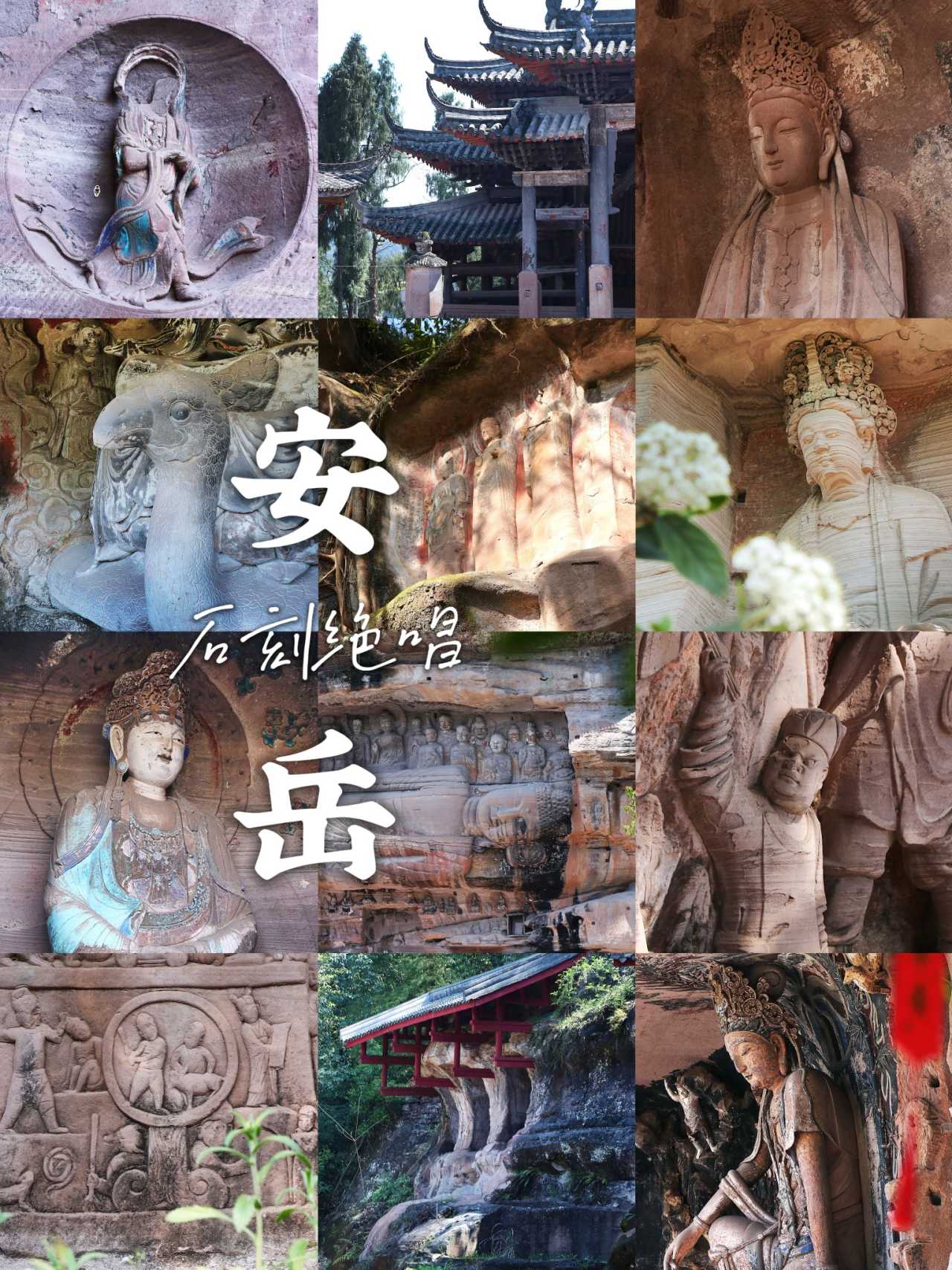
According to incomplete statistics, Anyue County now contains over 230 cliff-side carving sites, with more than 100,000 statues distributed across 69 townships. It's a staggering number that rivals any major cave temple complex in China.
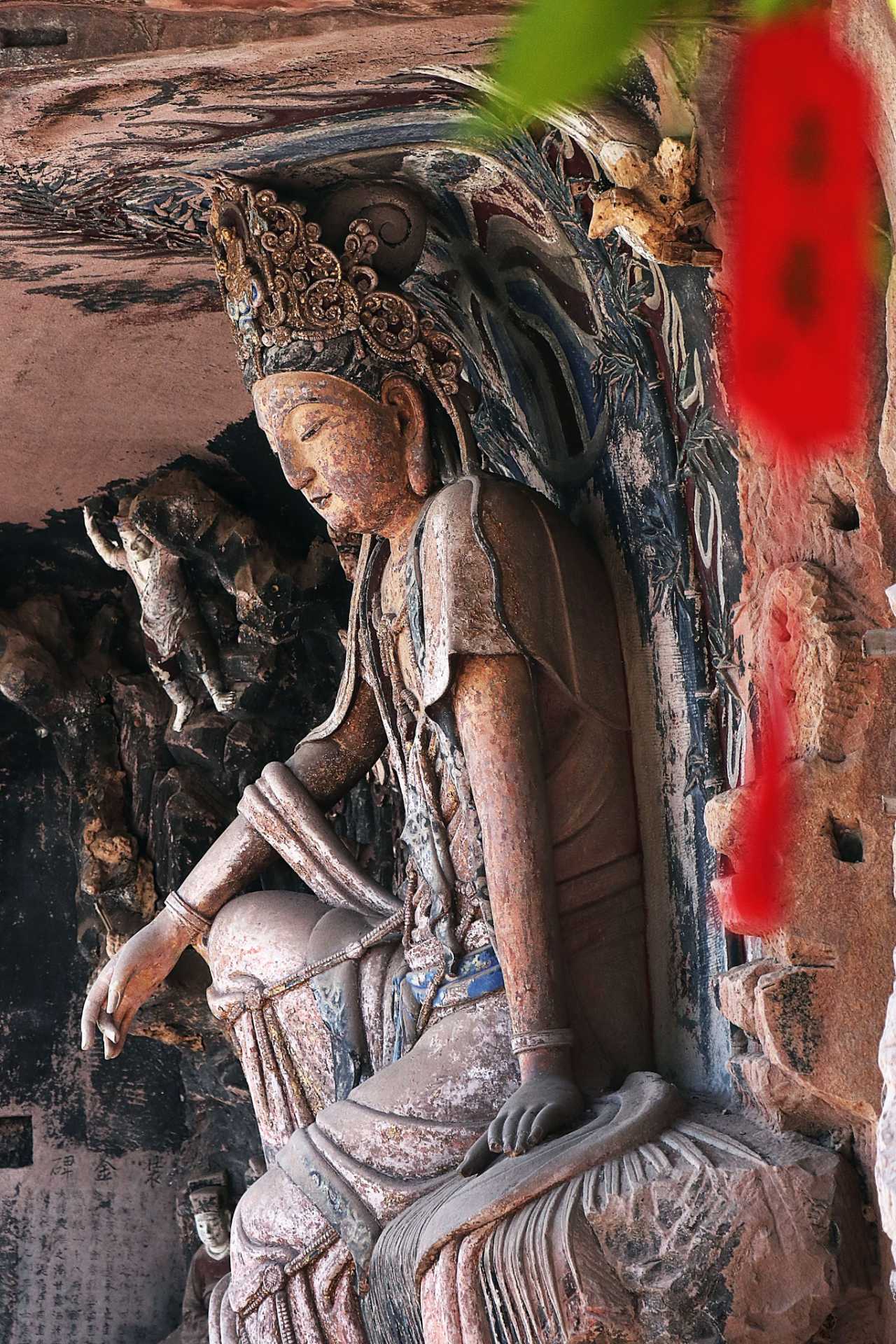
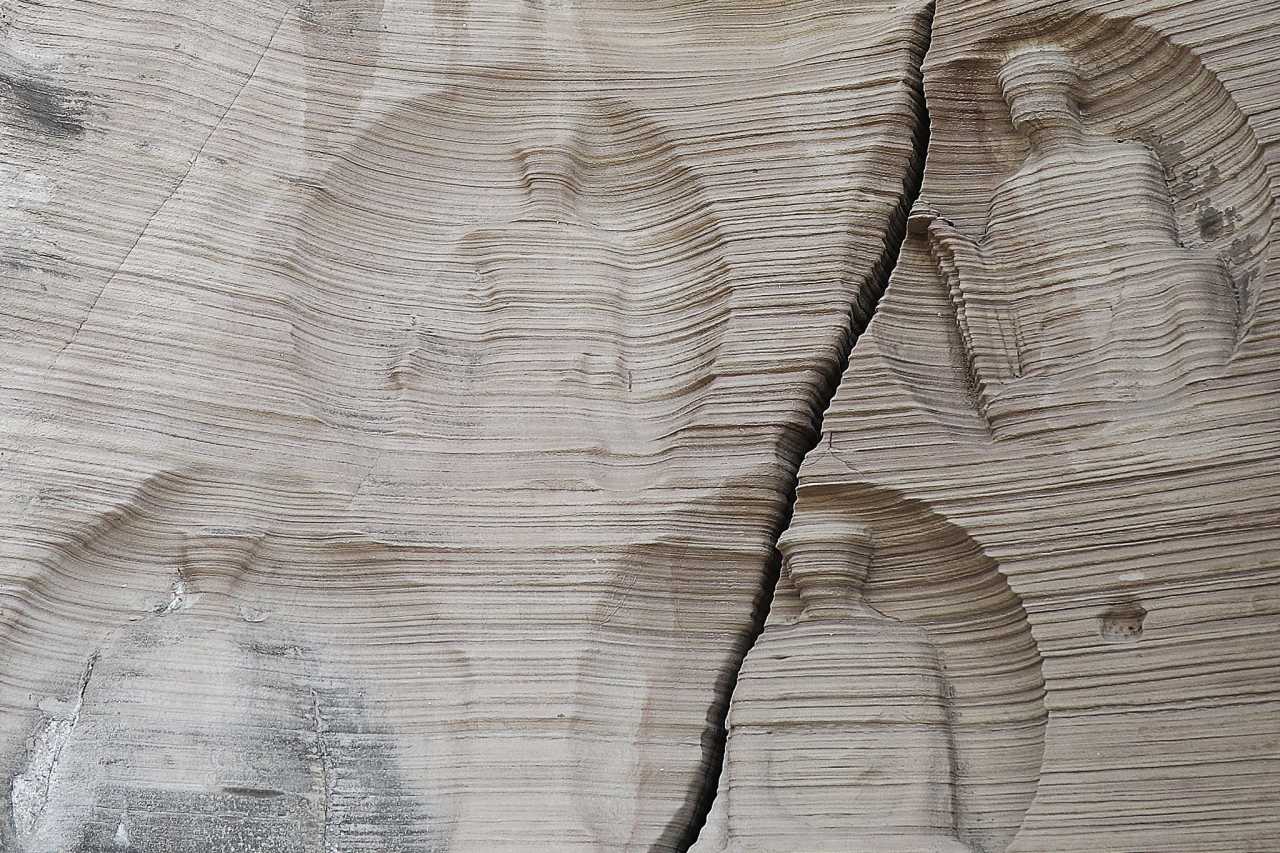
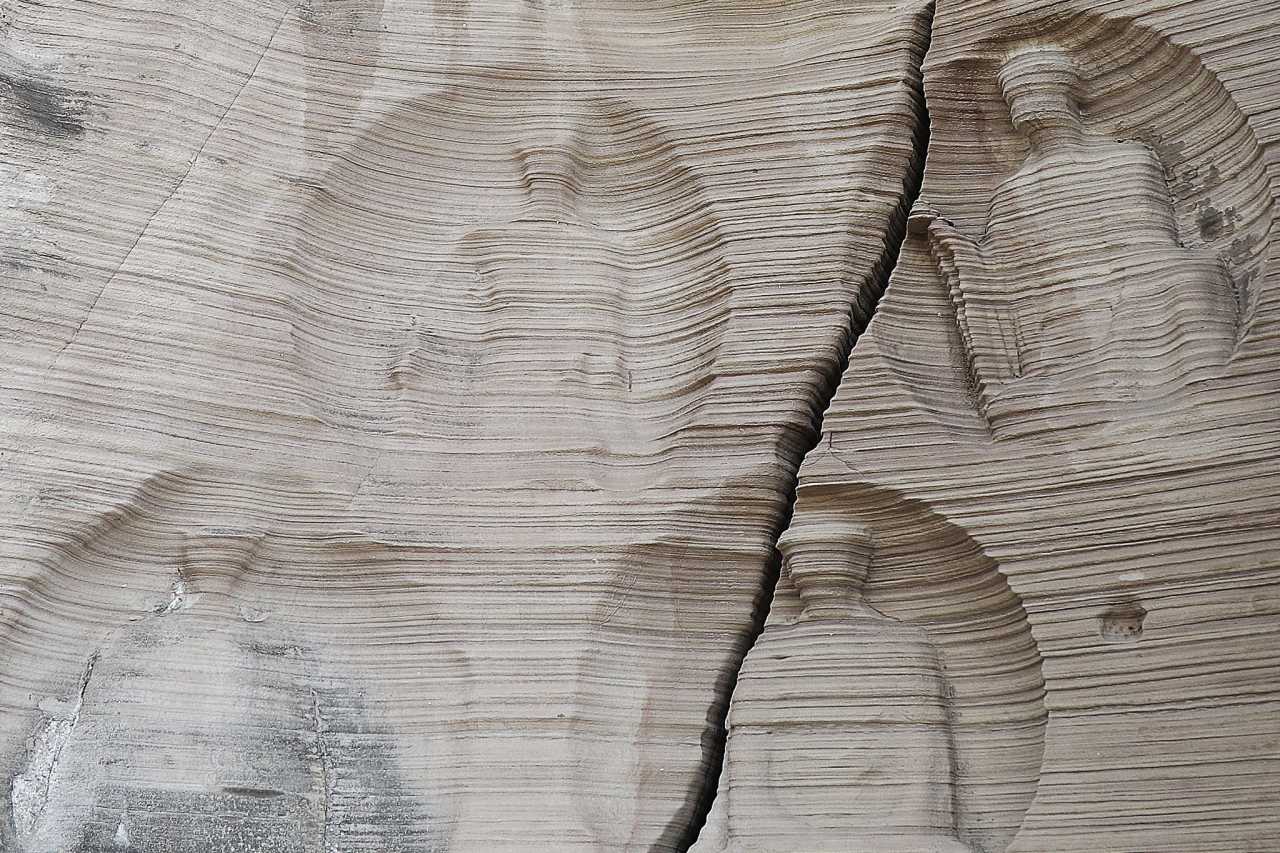
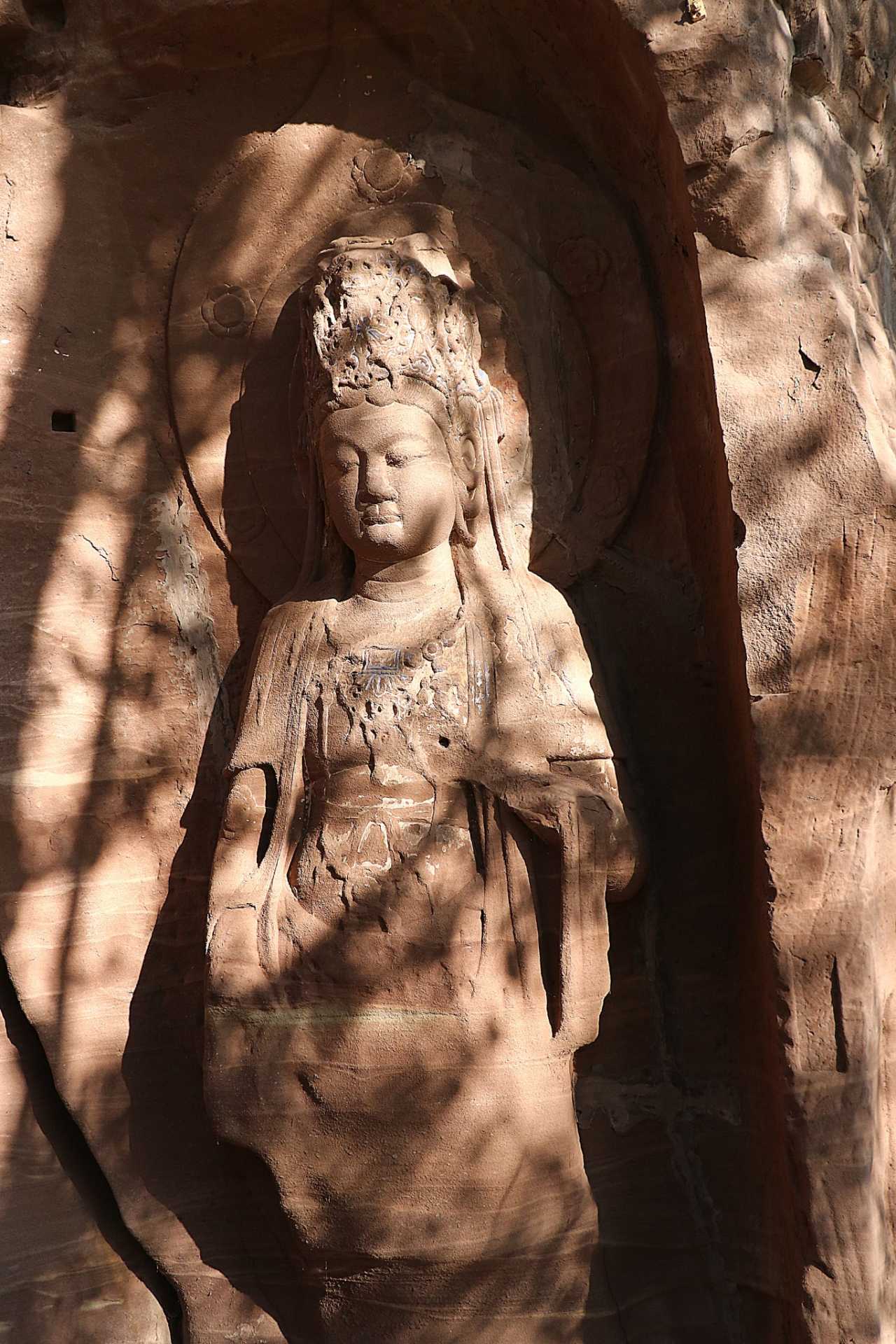
Overcast skies are the norm in Anyue, with moisture perpetually hanging in the air. But the heavens gave me a surprise—during my visit, I was lucky enough to encounter rare sunny days. Sunlight filtered through the treetops, spilling onto stones weathered for a millennium. That dappled light and shadow made every Buddha statue seem to come alive.
[Link: Best time to visit Anyue stone carvings]
My Anyue Journey: From the Northern Route to the Southern Route, a Race Against Time
Anyue's stone carvings are widely dispersed, generally divided into a northern route and a southern route. The northern route centers on Anyue's county seat, while the southern route is anchored by Shiyang Town. I started from Chengdu, arriving first at the county seat, so naturally I began with the northern route; if you're coming from the direction of Chongqing's Dazu, you'd start with the southern route.
Exploring the Northern Route: From Sleeping Buddha Valley to Thousand Buddha Stockade
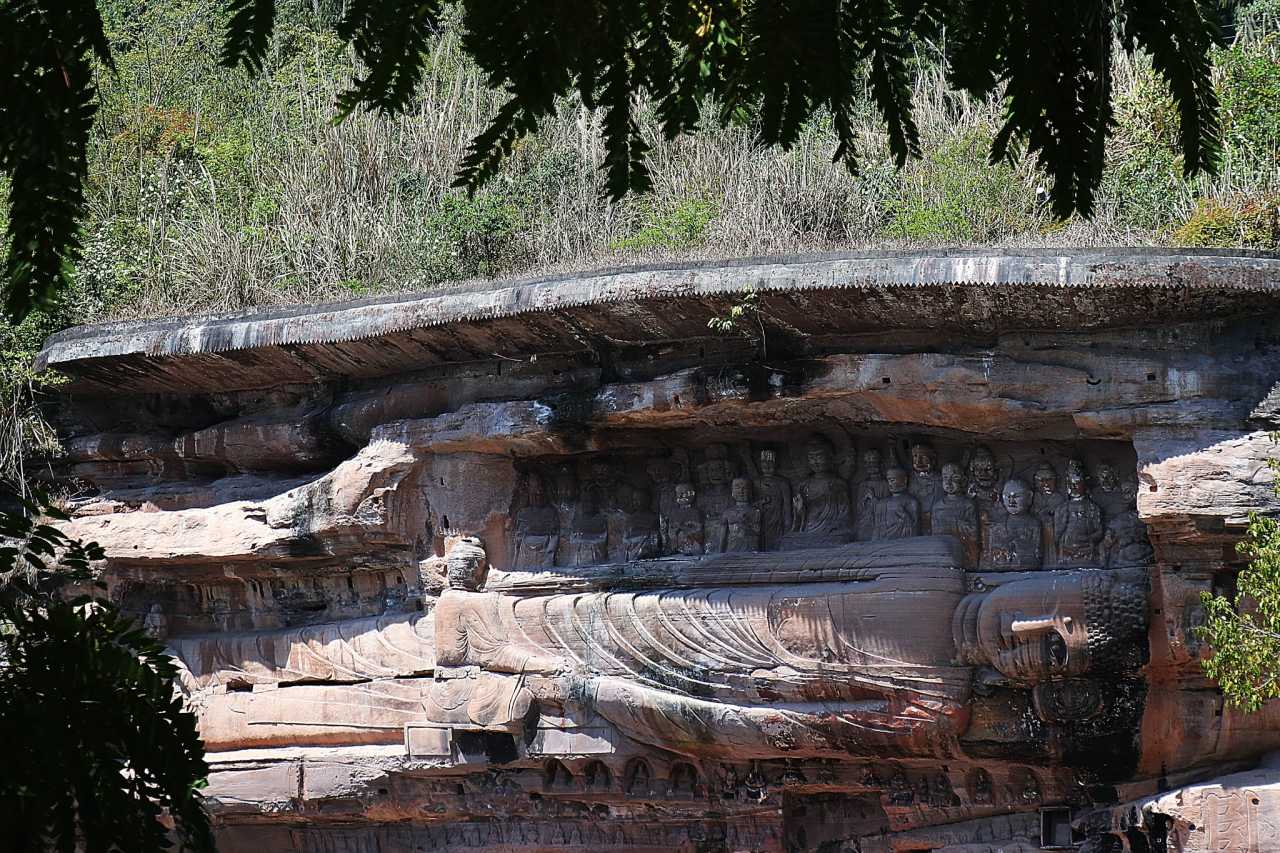
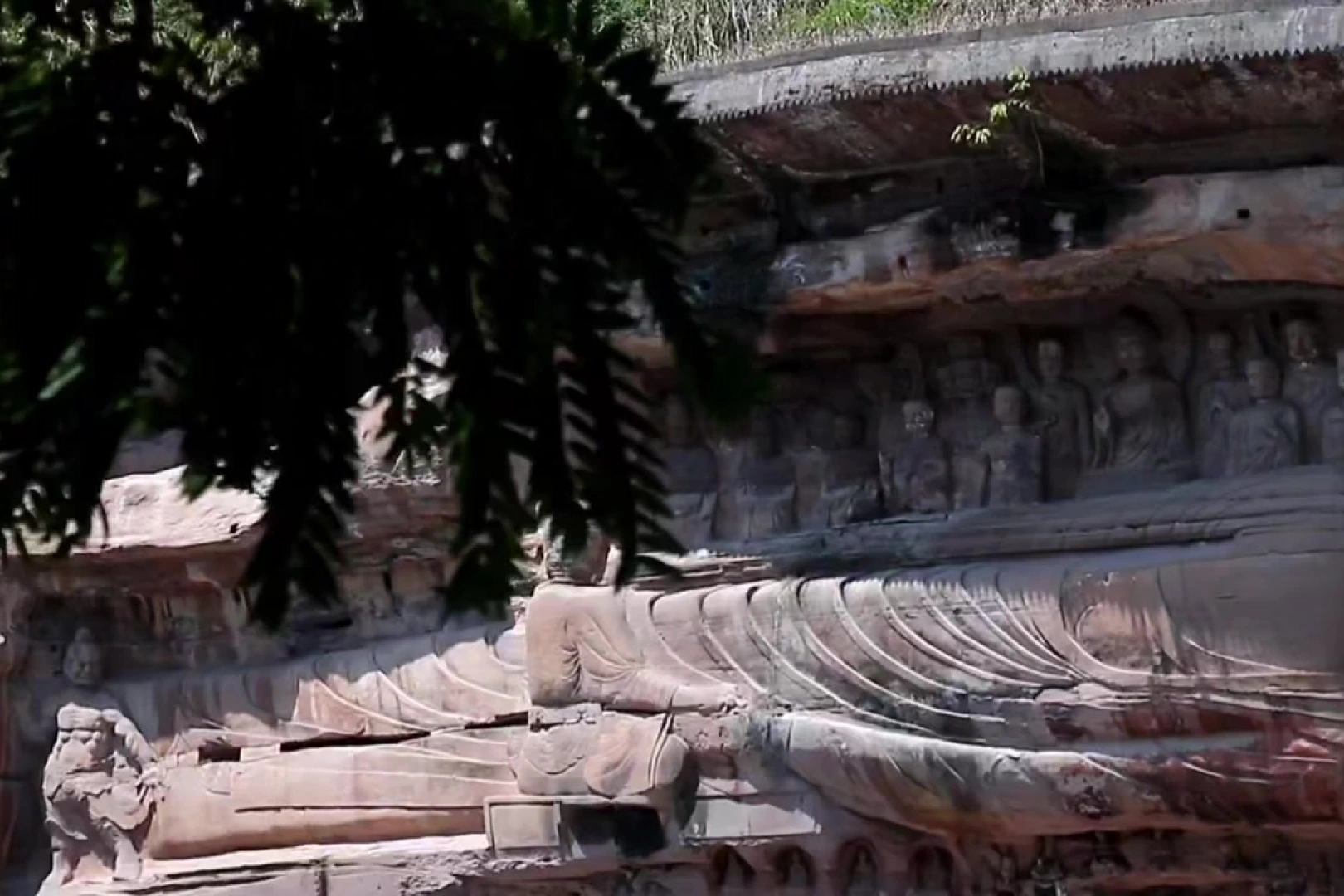
Sleeping Buddha Temple: The Great Buddha Who Ate Eighty-Eight Pumpkins
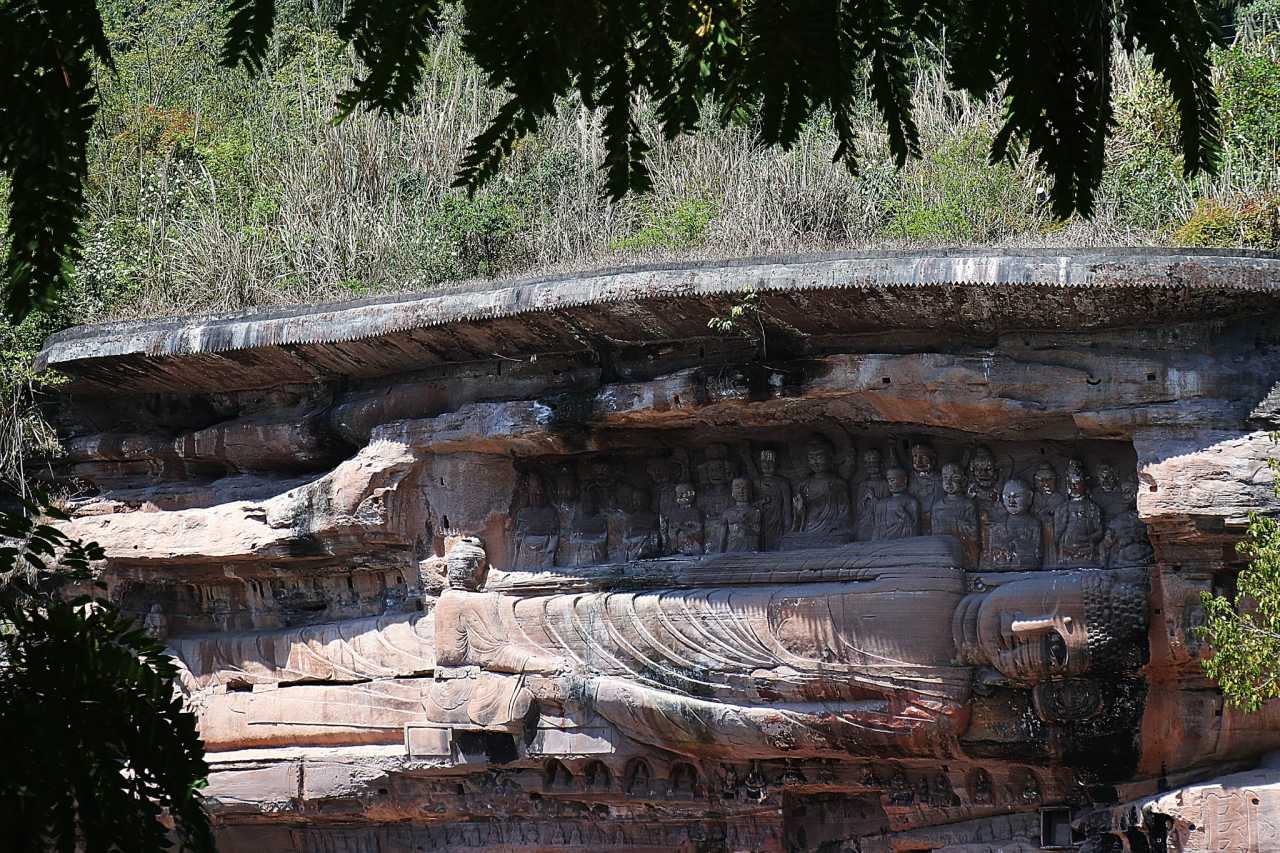
My first stop was the northernmost Sleeping Buddha Temple. Before setting out, I heard an amusing legend: local villagers say there's a giant Buddha in the mountain valley who once ate eighty-eight jin of rice and eighty-eight pumpkins in a single meal, only to eventually starve to "death."
This tale made me chuckle and piqued my curiosity. The Sleeping Buddha Temple was built during the Tang Dynasty, and its most famous feature is the colossal Nirvana statue of Shakyamuni. Entering the site, I first saw large and small cave chambers stacked one above another, vaguely reminiscent of a miniature Longmen. A few caves had newly built red eaves outside—not exactly jarring, but carrying a certain modern feel.
What struck me most was the standing statue of the Thousand-Armed Guanyin in Cave 45. The face was already destroyed, the chest and hands severely damaged. Apart from six arms done in relief, the remaining thousand arms were all incised into the back wall of the shrine. Below, figures of the poor and hungry ghosts awaited alms—an imagination-rich design. Beside it stood a Five Dynasties stone sutra pillar, exquisitely crafted and arguably the finest of its kind in the country.
From a distance, the reclining Buddha lay on its side within the rock face—its face round and full, its expression serene, the flowing lines of its gauze robe graceful. Standing beneath the statue, I felt its immense scale, making me hold my breath involuntarily. Above and below the Buddha were carved bodhisattvas and guardians in various poses, including one disciple taking the Buddha's pulse—so lifelike it seemed he might speak at any moment.
[Link: Dazu Rock Carvings vs Anyue Stone Carvings]
Wooden Gate Temple: The Lived-In Feel of Timber Architecture
Leaving Sleeping Buddha Temple, I headed to nearby Wooden Gate Temple. This was one of the most moving stops on my Anyue trip. Built during the Ming Dynasty, Wooden Gate Temple was constructed in memory of the Chan master Wuji. Today, only the Grand Buddha Hall and the Patriarch Hall remain.
What makes it special is its architectural form: first a pagoda was built, then a pavilion around it, then a hall around that—layer upon layer, ultimately creating a unique structure of "a hall containing a pavilion, a pavilion containing a pagoda." The outermost triple-eaved, hip-and-gable roof Patriarch Hall was rebuilt in the ninth year of the Yongzheng reign of the Qing Dynasty; the middle layer, a four-cornered, pyramidal-roofed stone pavilion, was commissioned by Emperor Yingzong of the Ming Dynasty (Zhu Qizhen) and designed by the eminent Ming architect Kuai Xiang—yes, the same man who designed the Forbidden City in Beijing; and the innermost layer is the stone pagoda housing Wuji's relics.
The lived-in feel of the timber structure made me linger—even the pickled vegetables drying in the air gave off a fragrant scent. An elderly man shuffled over and enthusiastically explained every corner to us. In that moment, I suddenly felt that these cultural relics were more than just stone and wood. They had warmth.
Perfect Enlightenment Cave: A Smile That Crossed a Millennium
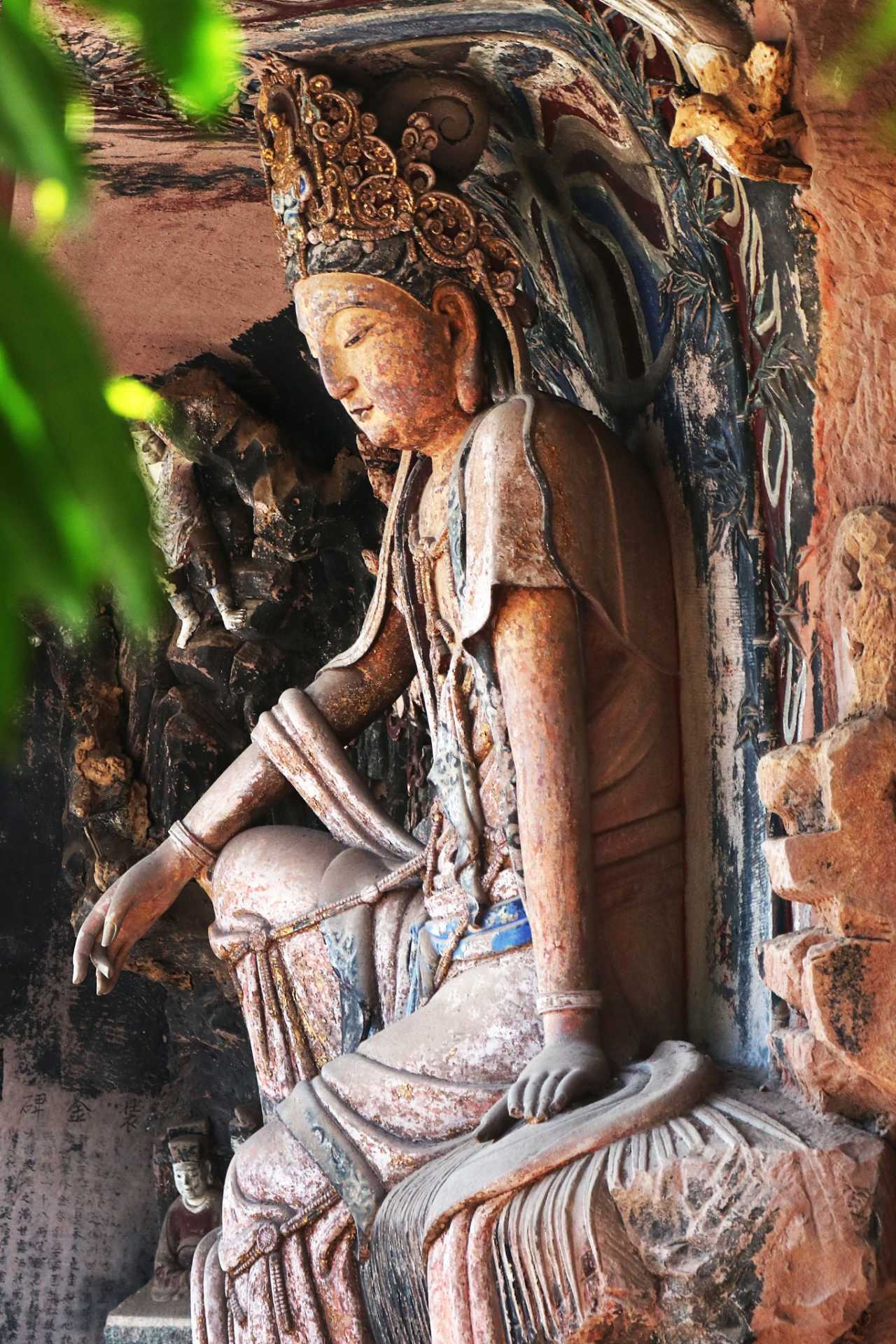
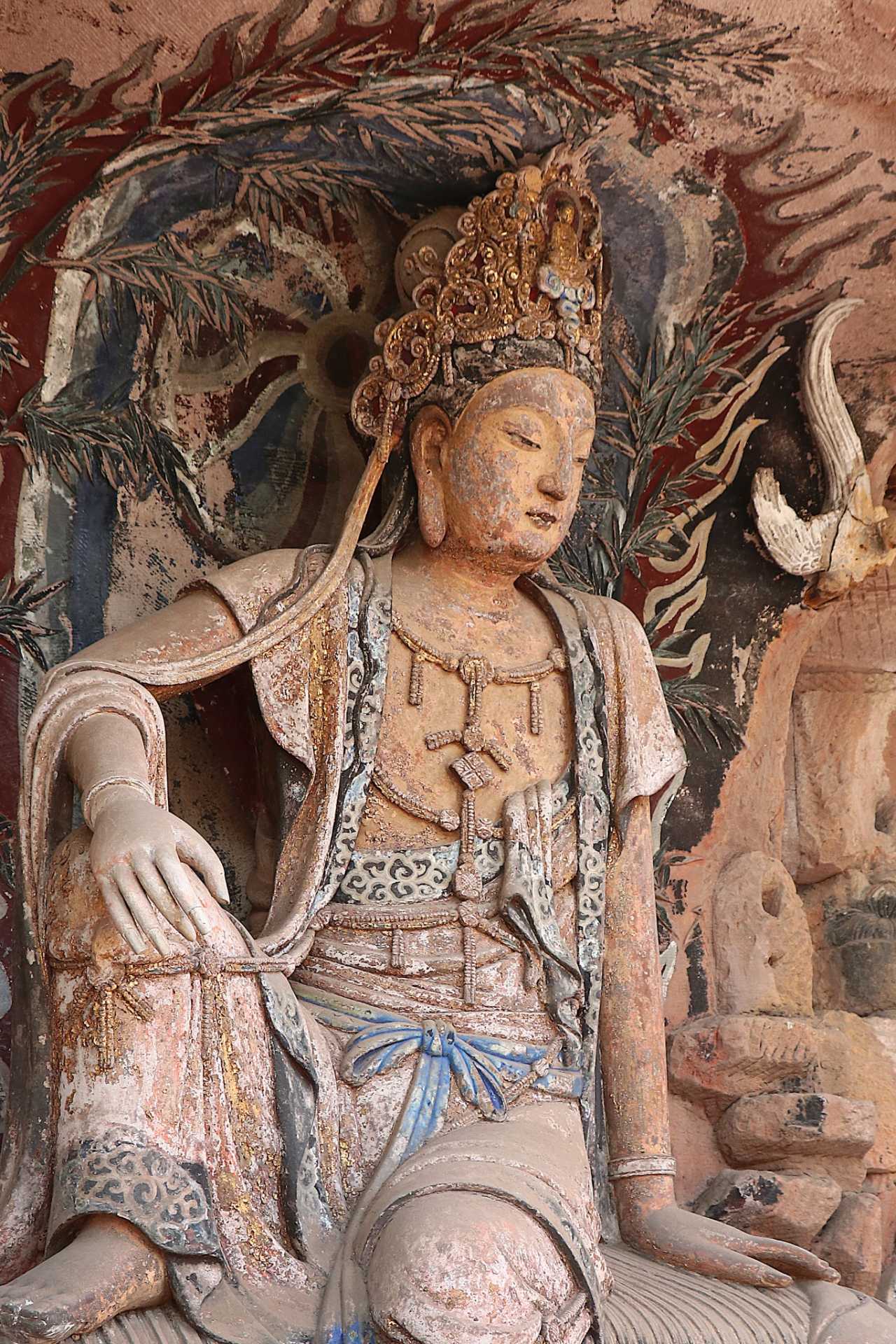
Perfect Enlightenment Cave sits on Mount Yunju within Anyue's county seat—the most accessible of all the caves. Countless times I'd scrolled through images online of the bodhisattva holding an inverted vase, the Buddha with a subtle smile, the plump and graceful apsaras. Today, I finally saw them in person.
"The Smile Holding a Flower" is a classic koan of Chan Buddhism: Shakyamuni ascended the Vulture Peak to preach. The Great Brahma King offered a golden flower. Shakyamuni held up the flower, showing it to the assembly. All the gods were bewildered, but only Mahakashyapa broke into a smile. The group of statues at Perfect Enlightenment Cave presents this koan in a direct artistic form—Shakyamuni, with snail-shell curls on his head, pinches a golden flower between his right thumb and forefinger, his head tilted to the right, eyes looking downward, a smile on his lips, echoing Mahakashyapa on the right wall below, who stands with palms joined and head raised in reverence.
The carvings on the northern cliff of the site are well-preserved, with "Perfect Enlightenment Cave," "One Buddha, Two Guanyins," and a stupa concentrated here. The uniquely designed inverted vase—a creative solution for weight distribution—has remained unbroken for a thousand years, a true marvel.
[Link: Buddhist cave art in Sichuan province]
Thousand Buddha Stockade: A Feast of Tang Dynasty Light and Shadow
I'd heard that the sunset at Thousand Buddha Stockade was beautiful, so I hurried to Mount Dayun with high expectations. The carvings here span a long period, passing through several centuries with vastly different styles—some rough and minimalist, others intricate and elaborate; some crude and damaged, others national treasures.
Because the game Black Myth: Wukong filmed scenes here, the badly damaged statues at the entrance were fenced off. Countless temples across China are named "Thousand Buddhas," but most don't live up to the name. Only here is the title truly deserved—the entire mountain is covered, with dense rows of small Buddha niches spreading across the cliff face.
Passing several niches with heavily damaged faces, I climbed the stone steps. In the distance, the setting sun cast golden light across the weathered stone faces—a feast of Tang Dynasty light and shadow that felt both sacred and deeply human.
The Silent Deal: What the Stone Taught Me
Standing before these thousand-year-old carvings, I realized I had made a silent deal with the stone. I gave it my time, my attention, my reverence. In return, it gave me something far more valuable: a glimpse into the faith, artistry, and daily life of people who lived centuries ago.

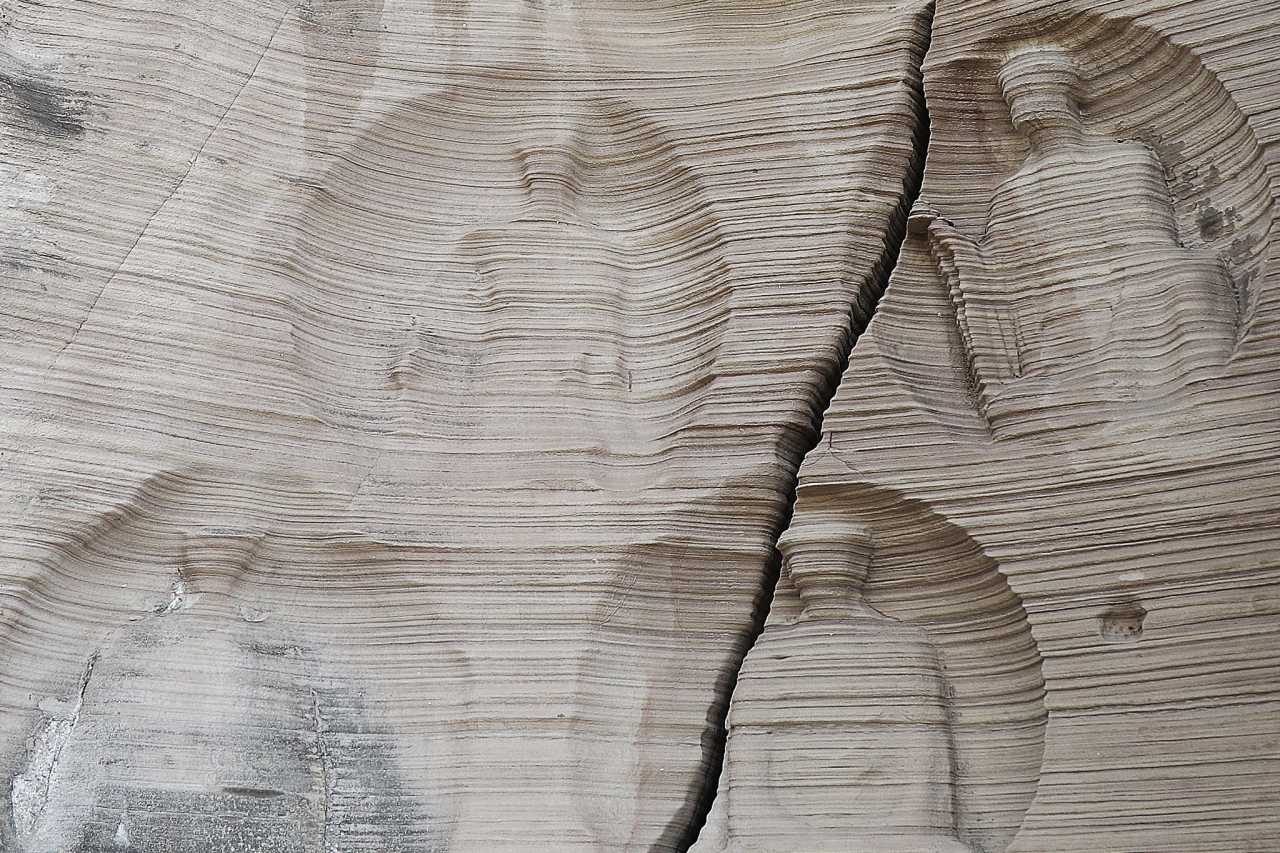
These statues weren't carved for tourists or for fame. They were expressions of devotion—chiseled by anonymous artisans who likely never imagined strangers from another millennium would stand before their work in awe. The damaged faces, the weathered hands, the missing limbs—these aren't flaws. They're records of time itself.
Anyue doesn't compete with Dunhuang or Longmen. It doesn't need to. It offers something different: intimacy. You can stand alone in a field, surrounded by rice paddies, and face a Buddha who has watched the seasons change for a thousand years. That's a deal worth making.
Frequently Asked Questions About Anyue Stone Carvings
1. How do I get to Anyue from Chengdu?
The most convenient way is to take a direct bus from Chengdu's East Bus Station to Anyue County. The journey takes approximately 2 hours. Alternatively, you can take a high-speed train to Ziyang and then transfer to a local bus to Anyue.
2. What is the best time of year to visit Anyue's stone carvings?
Spring (March to May) and autumn (September to November) are ideal. The weather is mild, and you're more likely to encounter sunny days. Summer can be humid and rainy, while winter is cold and overcast.
3. How many days should I spend exploring Anyue?
A minimum of 2 full days is recommended: one day for the northern route (Sleeping Buddha Temple, Wooden Gate Temple, Perfect Enlightenment Cave) and one day for the southern route (centered around Shiyang Town). If you want to visit all 230+ sites, you'd need weeks—but the major highlights can be covered in 2-3 days.
4. Are the Anyue stone carvings accessible for visitors with mobility issues?
Some sites, like Perfect Enlightenment Cave on Mount Yunju, are relatively accessible. Others, like Thousand Buddha Stockade, require climbing stone steps. The carvings are scattered across hills and farmland, so comfortable walking shoes are essential.
5. Can I visit Anyue and Dazu Rock Carvings in one trip?
Absolutely! Anyue is located between Chengdu and Dazu (Chongqing). A popular itinerary is: Chengdu → Anyue (northern route) → Anyue (southern route) → Dazu Rock Carvings → Chongqing. This route can be done in 3-4 days.
[Link: Sichuan travel itinerary for cultural heritage]
Ready to Make Your Own Deal with a Thousand-Year-Old Stone?
Anyue is not a tourist trap. There are no souvenir shops at every corner, no crowds jostling for selfies. What you'll find is something rarer: authenticity. These carvings are still living their quiet lives, as they have for centuries, surrounded by the rhythms of rural Sichuan.
If you're tired of the polished, over-commercialized attractions, if you crave a deeper connection with history, if you want to stand face-to-face with art that was made for faith rather than fame—then Anyue is calling.
Pack your bags. Take the bus from Chengdu. And when you stand before that thousand-year-old stone, make your own silent deal.
You won't regret it.
Have you visited Anyue's stone carvings? Share your experience in the comments below, or tag us in your photos on social media. For more off-the-beaten-path travel guides in China, subscribe to our newsletter.
You may also like