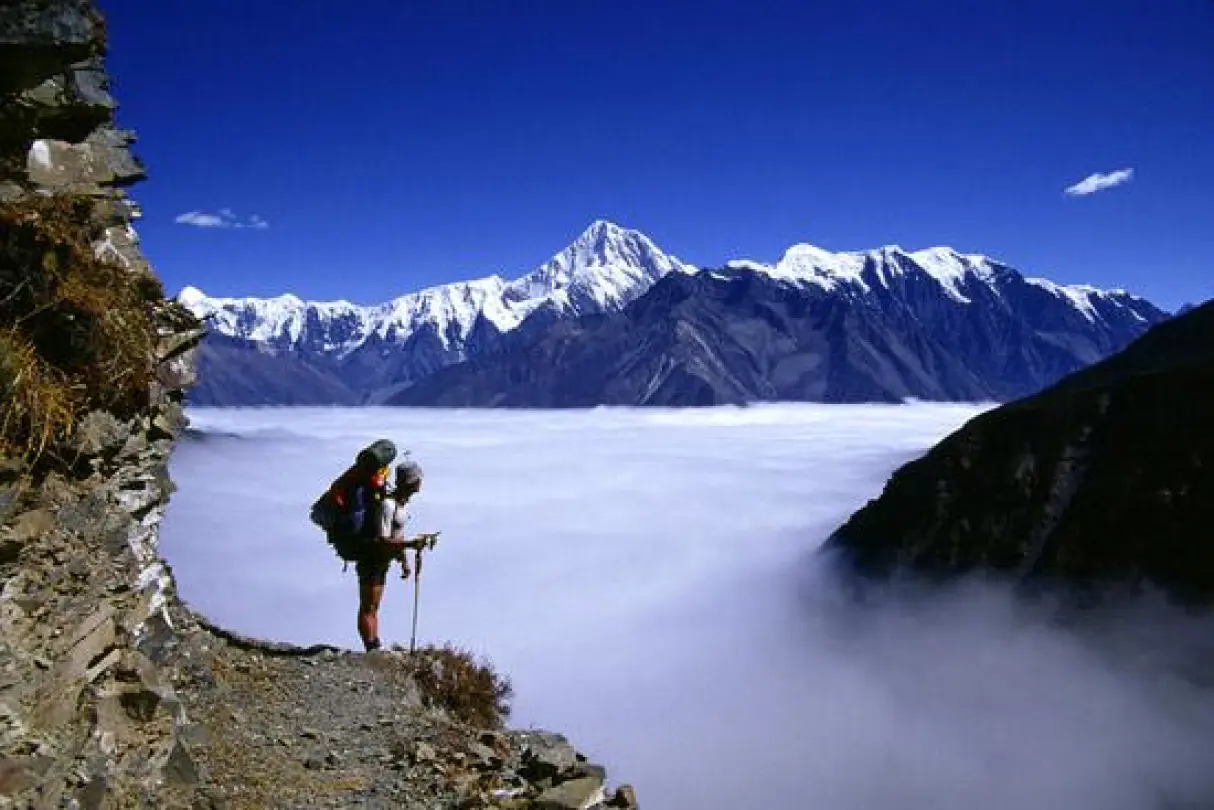
"I Only Fear That Life Is Too Short to Climb More Snowy Peaks" — A Record of Climbing Mount Siguniang's Big Peak
Here is the SEO-optimized, rewritten article based on your source material. It is designed to rank for keywords related to "Mount Siguniang Big Peak climbing," "beginners snowy mountain trekking," "Siguniangshan Dafeng guide," and "life is too short climbing."
"I Only Fear Life Is Too Short to Climb More Snowy Peaks" — A Complete Guide to Climbing Mount Siguniang’s Big Peak (Dafeng)
Meta Description: Conquer your first 5,000m peak! Read a personal account of climbing Mount Siguniang’s Big Peak (Dafeng). Tips on altitude sickness, the "Golden Mountain" sunrise, and why life is too short to wait.
Introduction: The Call of the Snowy Mountains
At 3:40 AM, at an altitude of 4,300 meters, the wind cuts like a knife. The stars pour down like a waterfall. I strap on my crampons, take a deep breath of the thin air, and take my first step toward the summit of Mount Siguniang’s Big Peak (Dafeng) . Behind me, the scattered lights of my teammates resemble a pilgrimage procession, slowly advancing through the darkness toward our goal of 5,025 meters.
A month earlier, I was tapping away at a keyboard in a city office building. A thought struck me: Go climb a snowy mountain. A seasoned hiking friend warned me, "You have no trekking experience. Starting with a snowy mountain might be a bit tough." But some impulses can’t be explained by reason. I just wanted to see a sunrise over the snow. I wanted to see the "Golden Mountain at Sunrise" (Rizhao Jinshan).
This is the story of that journey—a journey that proves life is too short to wait for the "perfect" moment to climb your first snowy peak.
Why Mount Siguniang’s Big Peak is the Perfect Beginner Snowy Mountain

Mount Siguniang (四姑娘山), located in Sichuan, China, is often called "China’s Alps." It consists of four peaks: Big Peak (Dafeng - 5,025m), Second Peak (Erfeng), Third Peak (Sanfeng), and the stunning Youngest Sister Peak (Yaomei Feng).
For beginners, Big Peak is the ideal choice. It is a trekking peak rather than a technical climbing peak. While you need crampons and basic gear, you don’t need advanced rope skills. It offers a genuine high-altitude experience without the extreme technical danger of higher peaks.
The "Death Waiver" and the First Jingle
Upon arrival at the town of Mount Siguniang, you sign a "death waiver" at the mountaineering management center. It sounds dramatic, but it is a standard acknowledgment of the risks of high-altitude trekking. You receive a red trekking pole—a small token of the resolve you’ll need.
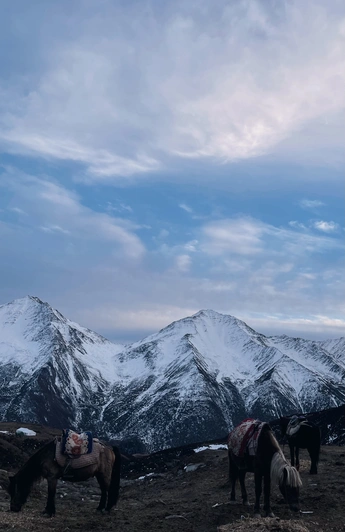
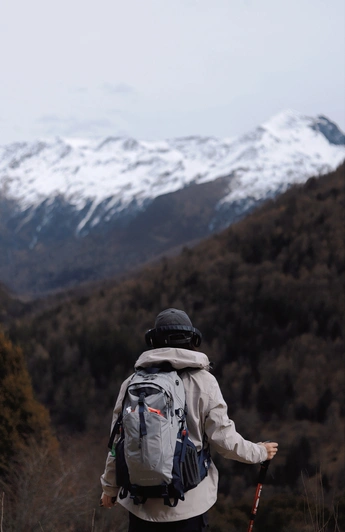
The journey begins. Artificial boardwalks, muddy mountain trails, and winding roads lead you upward. The path is shared with horses, whose bells jingle like the heartbeat of the plateau. After 14 kilometers and 6 hours, we reached the base camp at 4,300 meters. Thanks to aerobic training, my stamina held up. I was still bouncing around, taking photos, and complaining about the "primitive" pit toilets.
The Reality Check: Altitude Sickness and the Starry Sky
The Punishment of Altitude Sickness
After a long trek, lying down triggers altitude sickness. It punishes everyone who talks tough. A throbbing headache surged in like a tide. The cold sleeping bag wrapped around my body but couldn’t contain the rising nausea.
Unable to sleep, I decided to look at the stars.
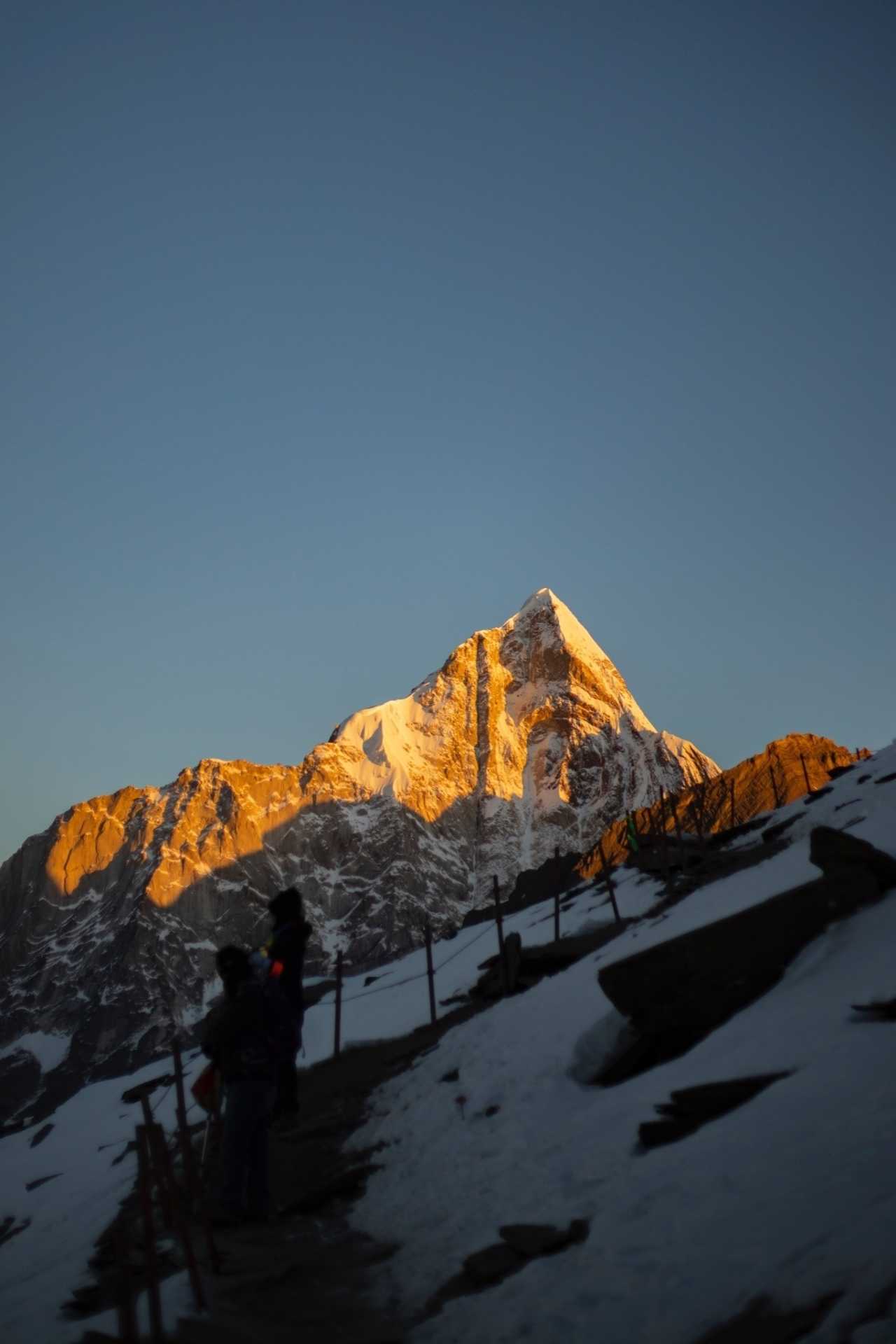
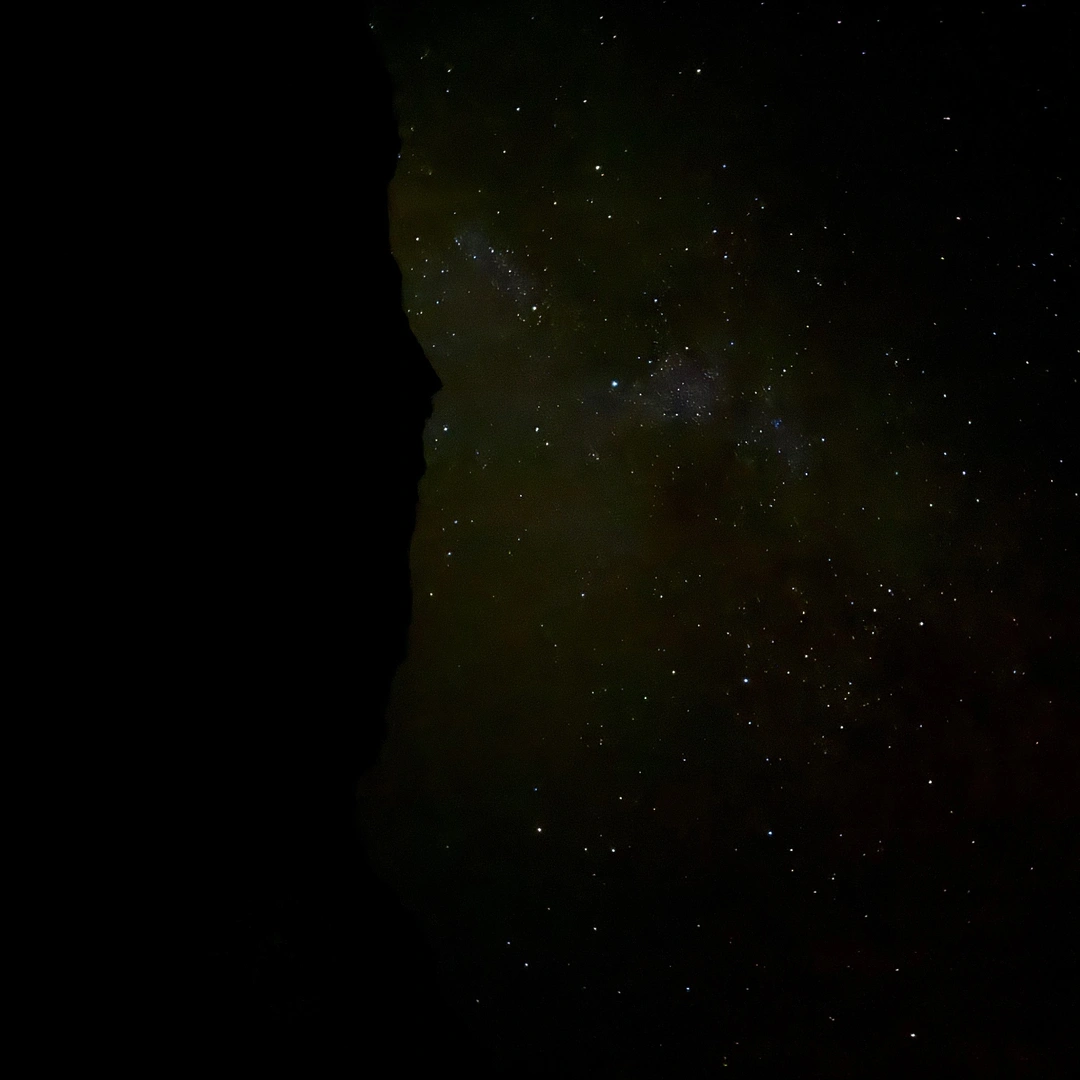
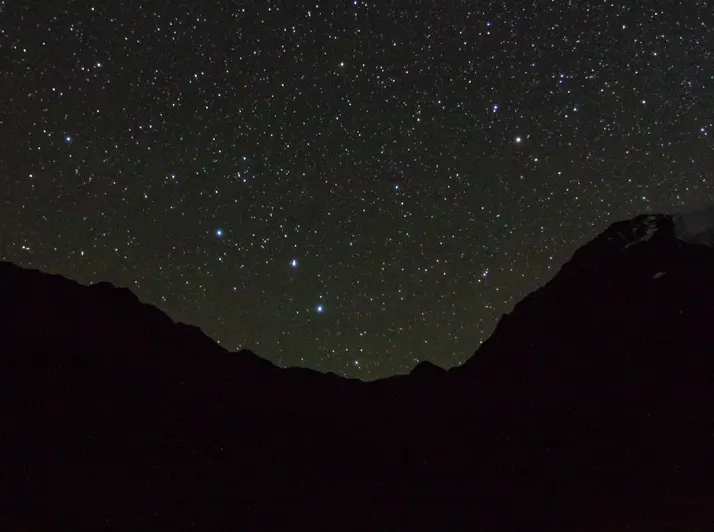
At 2 AM, the sky was filled with stars. The snowy mountain across stood silently. The horses’ bells still jingled—apparently, they couldn’t sleep either. I sat on a frozen rock and said to my friend, "Because of the Big Bang, the universe is accelerating in its expansion. Hundreds of years from now, humans might not be able to see stars anymore."
The starry sky and the snowy mountains—both are things I love deeply. In that moment, I thought, If I were to die right here, would that count as tragic and yet complete?
SEO Tip: Altitude sickness is the most common fear for first-time climbers. [Link: How to prevent altitude sickness on Mount Siguniang]
Summit Day: Finding Light in the Darkness
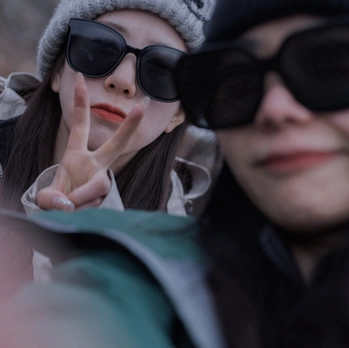
The Slopes of Despair
Why do we set out at night? The guide said, "If you saw the mountain clearly during the day, you wouldn’t be able to climb it." Ignorance is courage. You charge ahead.
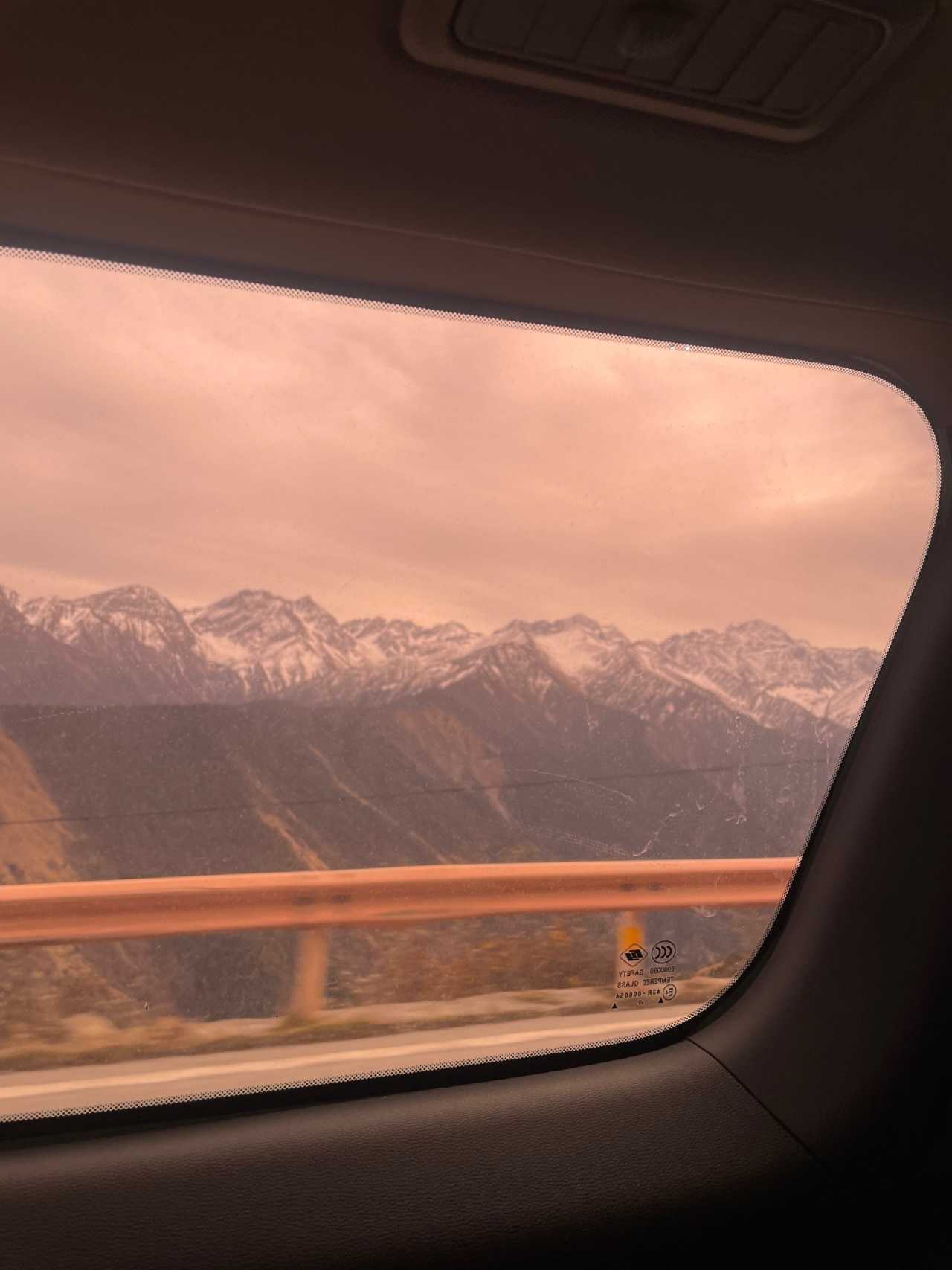
- The Small Slope of Despair
- The Big Slope of Despair
- The Pass
- The final 400 meters to the summit
Every step felt like negotiating with gravity. On a steep slope over 4,000 meters, carrying a load meant taking only a few steps before gasping for air. I couldn’t help but blame myself: Why am I here paying money to suffer?
The guide coaxed us: "If we get there early, we won’t have to queue for photos at the summit."
Push forward. Climb. Could I turn back? No. The thought of retreat never crossed my mind.
The Golden Light at 7:30 AM
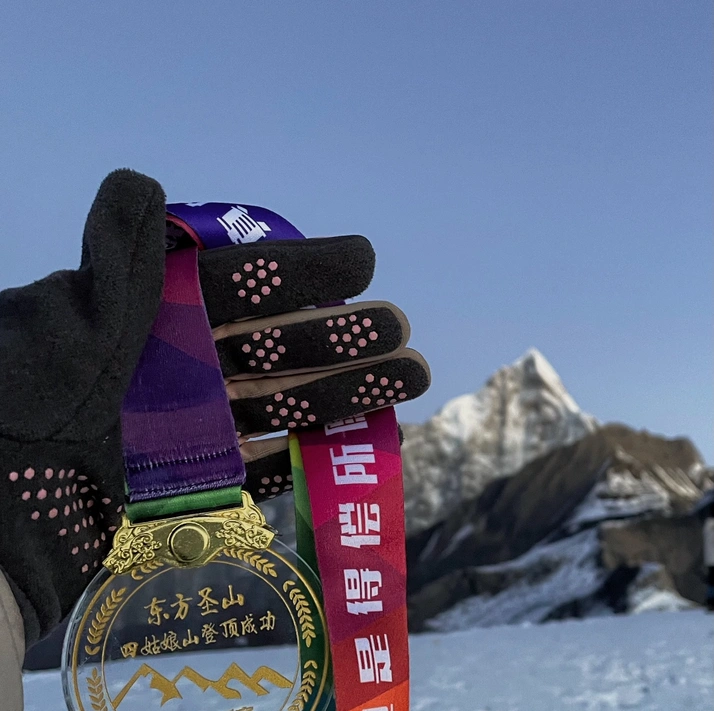
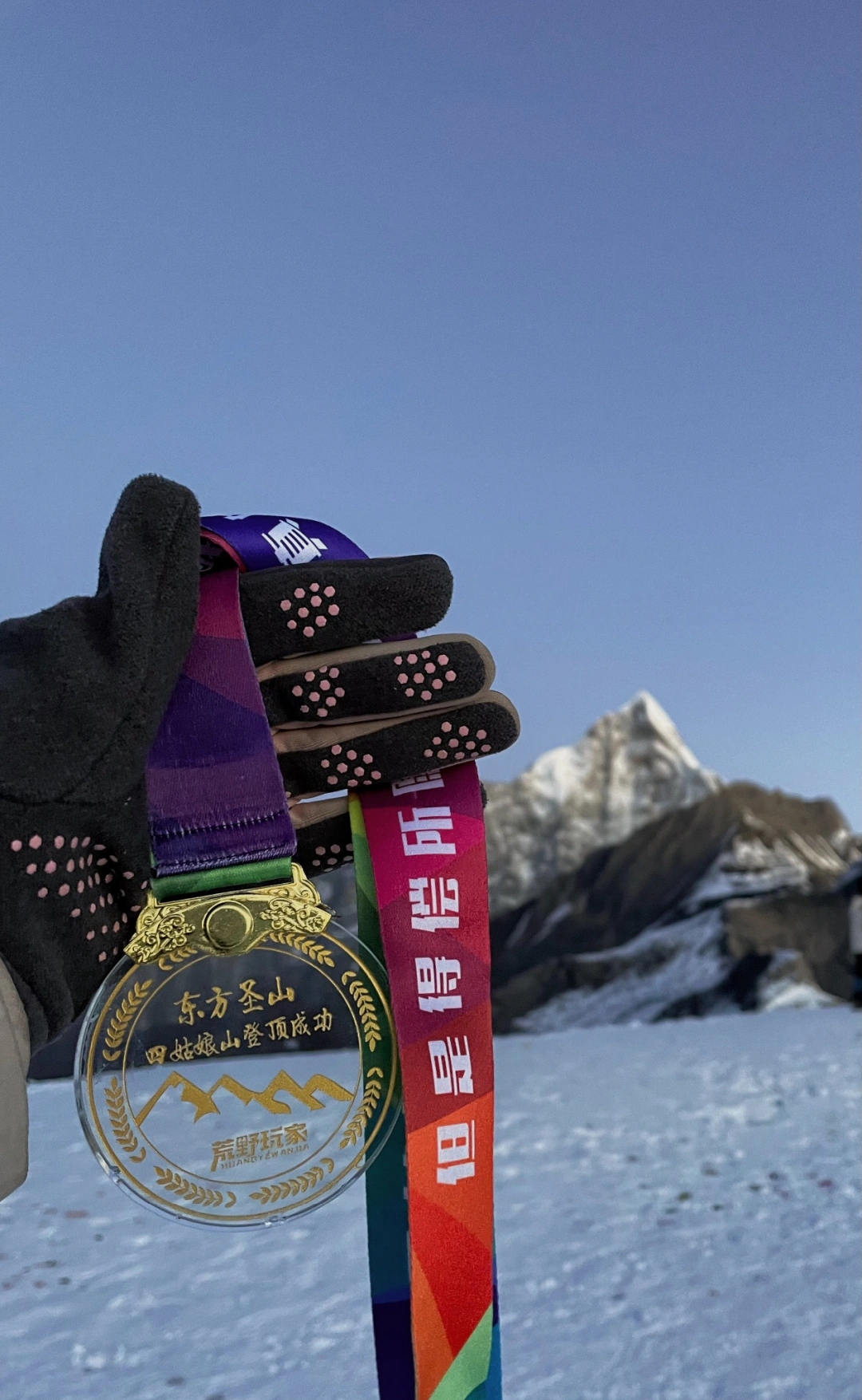
At 6:30 AM, we were among the first to reach the summit. We collected our medals and took a pitch-black group photo—you couldn’t see anyone’s face, but everyone was smiling.
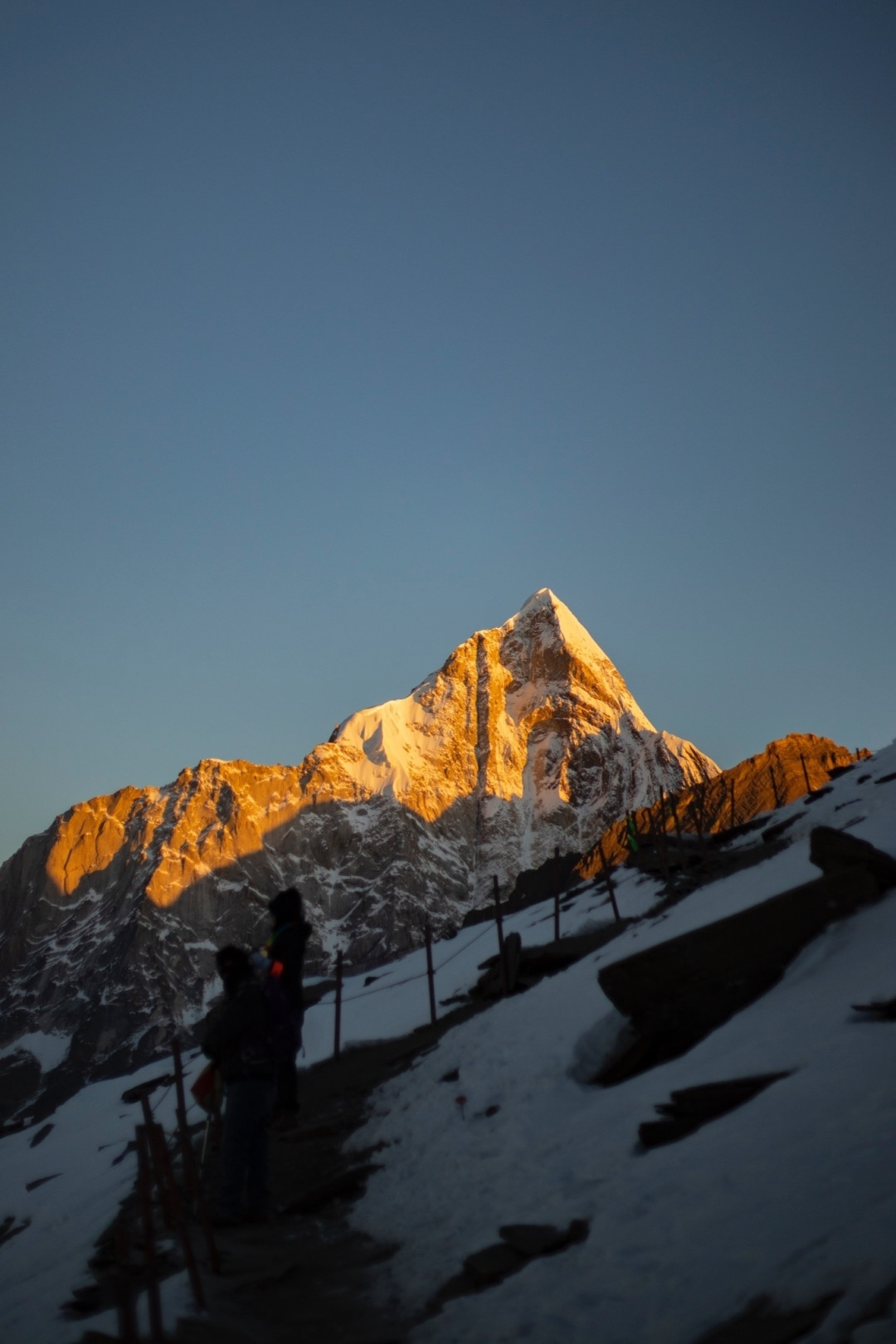
On the way back down to the platform, the golden sunrise was brewing. The mountains glowed with a blue-purple halo. I was already getting excited: With this weather, the chances of seeing the Golden Mountain at sunrise are very high.
At 7:30 AM, the golden rays slowly spread across the snowy peaks. A wish fulfilled. After hardship comes good fortune.
It lasted only about ten minutes—not long, but long enough for me to capture it and pack it away into my memory. At this time yesterday, I was at the foot of the mountain. Today, I was standing here, in the closest place to them, finally seeing their true faces.
SEO Tip: The "Golden Mountain" sunrise is a major draw for photographers. [Link: Best photography spots for Mount Siguniang sunrise]
The Return: Why Descending is Harder than Ascending
A Deflated Balloon
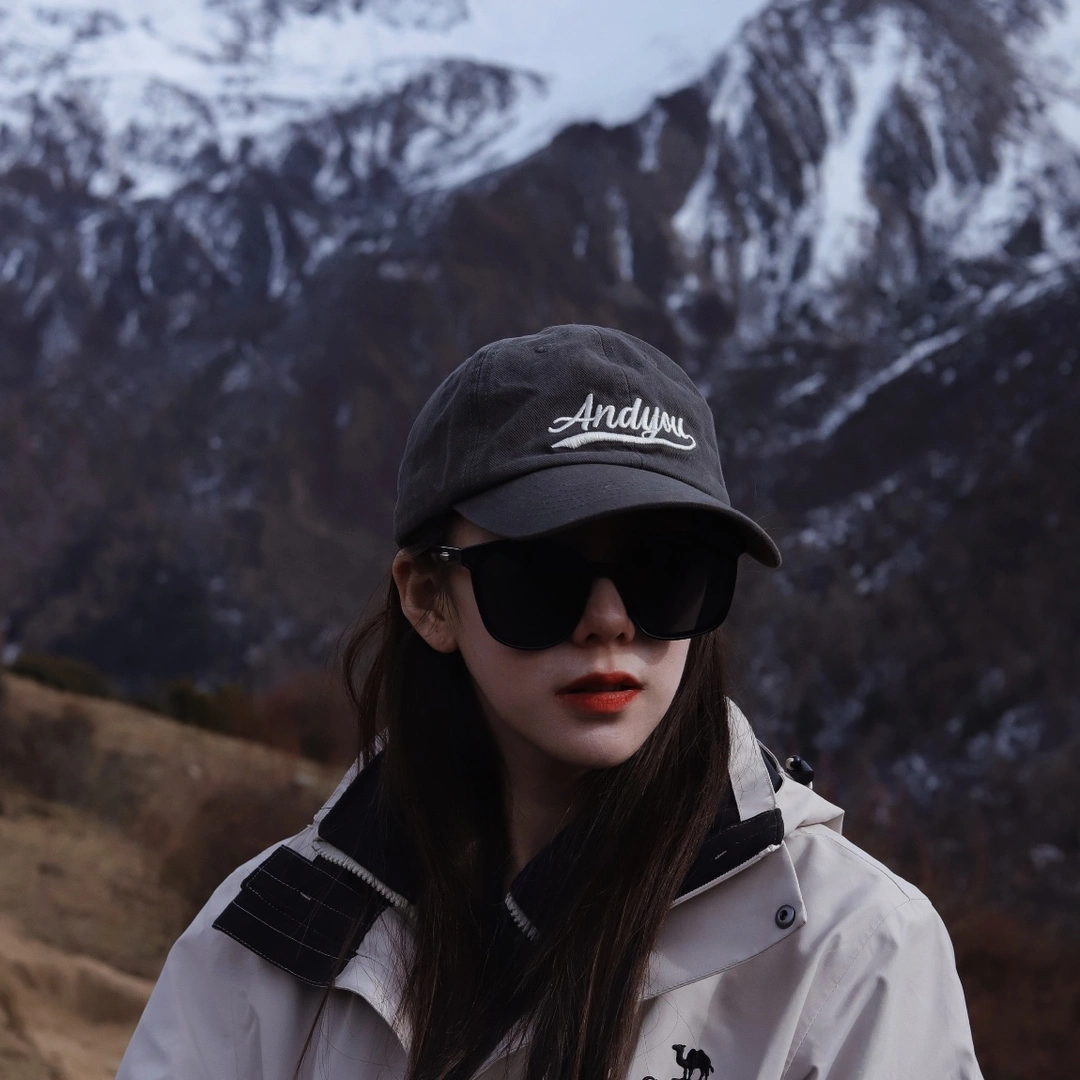
On the way down, I was like a deflated balloon. The willpower that drove me to "complete a mission" had finished its job. But what lay ahead was 4 kilometers of rugged summit trail and 14 kilometers of downhill path.
I suddenly realized the real challenge was just beginning. Why was it so far? Tired and sleepy, toes swollen, knees aching, eyes glazed over, spirit scattered. So the saying "going up is easy, going down is hard" isn’t wrong.
Six Hours of Grit
I forced myself to complete the entire journey. Led by the guide, after more than six hours, our small hiking squad finally made it back to town at 4:30 PM. Everyone said that this round-trip trek of 36 kilometers was something we could brag about for years.
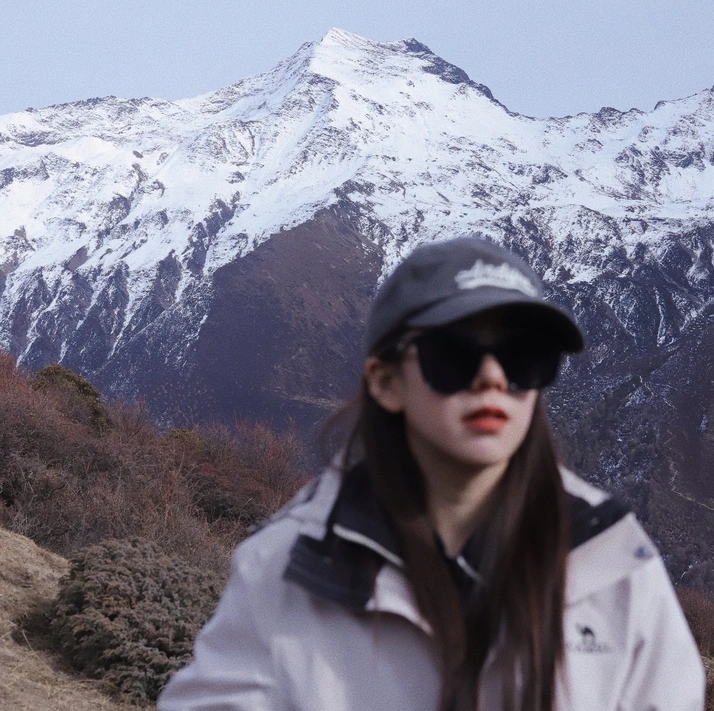
"Never again. This damn mountain. Not coming back at all," we all said.
But I know I’ll be back. Maybe tomorrow, I’ll come to climb the more challenging Second Peak (Erfeng) . Just wait.
FAQ: Climbing Mount Siguniang’s Big Peak
1. Is Mount Siguniang’s Big Peak suitable for beginners?
 Yes. Big Peak (Dafeng) is considered a trekking peak and is the easiest of the four peaks. It requires no technical climbing skills, but you must be prepared for high-altitude trekking (5,025m).
2. How long does the climb take?
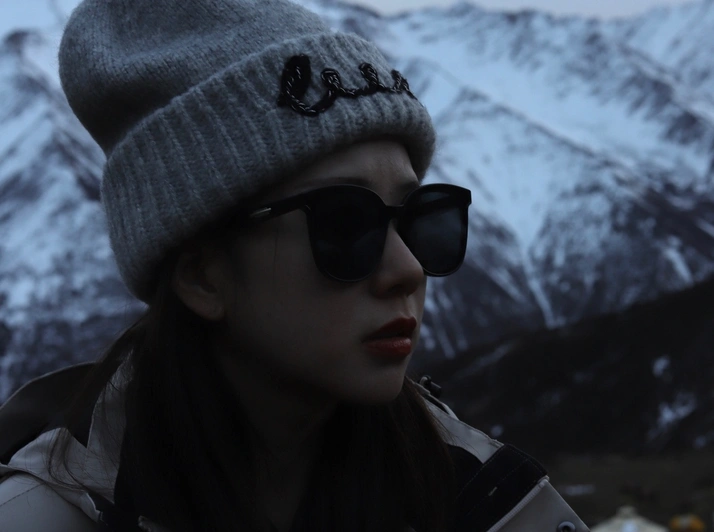 Most itineraries are 3 days and 2 nights: - Day 1: Drive to town and hike to base camp (4,300m). - Day 2: Summit attempt (early morning start) and return to town. - Day 3: Recovery and travel home.
3. What is the biggest challenge?
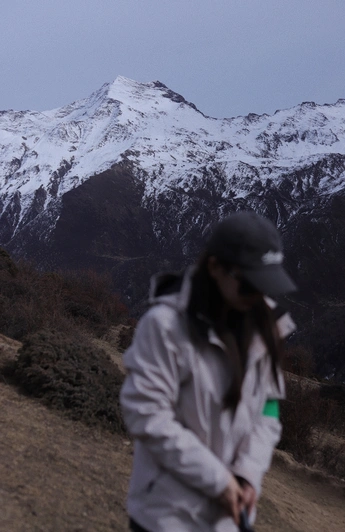 Altitude sickness. The headache, nausea, and fatigue are real. Also, the descent is physically demanding on the knees. Proper training and pacing are essential.
4. What gear do I need?
 You need crampons, a headlamp, warm layers (down jacket), trekking poles, and a sleeping bag rated for sub-zero temperatures. [Link: Essential gear checklist for high-altitude trekking]
5. When is the best time to climb?
The best months are July to October when the weather is most stable. Winter climbs are possible but much colder and more challenging.
Conclusion: Meaning Beyond Meaning
Three days and two nights left me with a sunburned face, bloodshot eyes, and a lingering memory of severe altitude headaches that took two days to recover from. The dishevelment of not washing my face or showering for two days, the pain in my feet and legs, my whole body feeling like it had fallen apart, and a pile of dirty clothes to wash.
"So, what profound truth about life did you learn from this trip?" a friend asked me.
I paused. I learned that life is too short to wait for the "right time." The mountain doesn’t care if you are ready. It just waits. And if you want to see the golden sunrise over the snow, you have to be willing to suffer the darkness first.
Ready to Climb Your First Snowy Peak?
Don’t let fear hold you back. Mount Siguniang’s Big Peak is waiting for you. Whether you are a seasoned hiker or a city desk worker with a dream, the summit is achievable.
Book your guided trek today and discover why so many climbers say: "I only fear that life is too short to climb more snowy peaks."
[Link: Best guided tours for Mount Siguniang Big Peak] [Link: Beginner training plan for high-altitude climbing]
Keywords naturally integrated: - Mount Siguniang Big Peak climbing - Dafeng summit guide - beginner snowy mountain trekking - Siguniangshan altitude sickness - Golden Mountain sunrise photography - life is too short to climb
You may also like