Hong Kong Photography Guide: Urban Poetry Through the Lens and Hidden Instagram-Worthy Spots
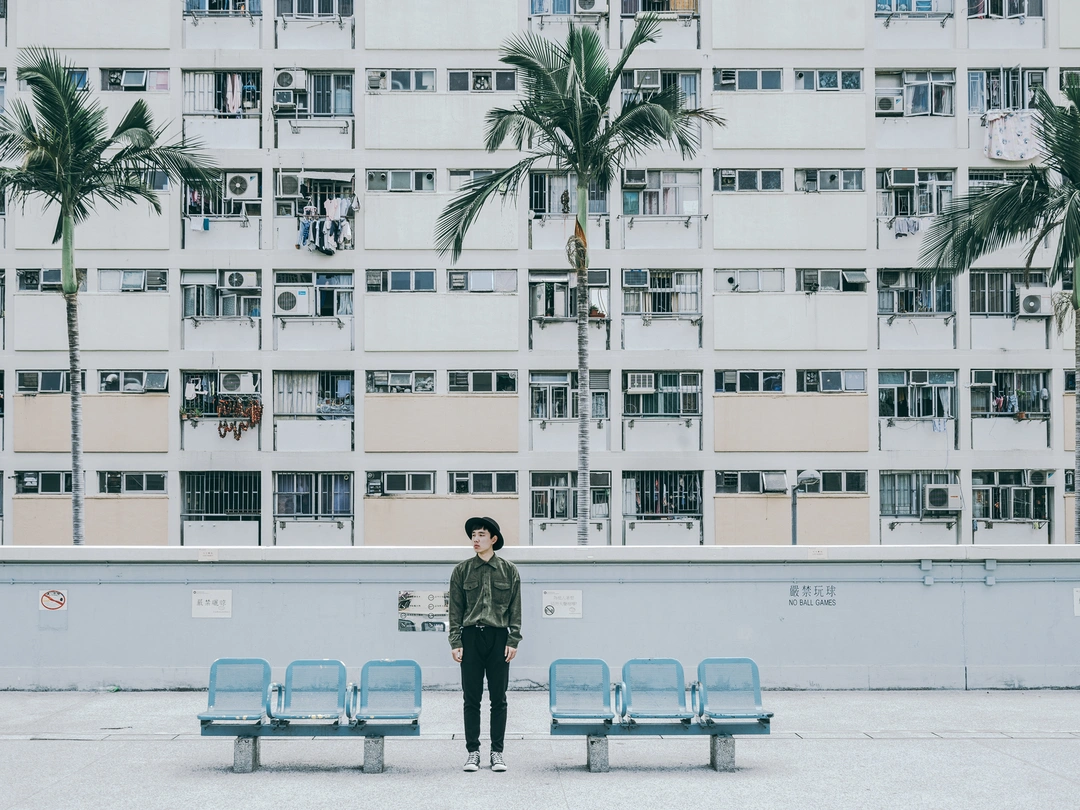
Meta Description: Discover Hong Kong's most photogenic hidden gems with this SEO-optimized photography guide. From Choi Hung Estate's rainbow basketball court to Chungking Mansions' global chaos—capture urban poetry through your lens.
Introduction: Why Hong Kong Is a Photographer’s Paradise
Hong Kong is a city of contradictions—and that’s exactly what makes it a dream for photographers. Towering residential blocks cast geometric shadows over neon-lit streets. A 1970s public housing estate doubles as a color-poem basketball court. A single alley can blend Cantonese street food, Indian spice shops, and British colonial architecture.
I first fell in love with Hong Kong through the black-and-white street photography of Fan Ho and the dense, repetitive high-rises captured by Michael Wolf. When I finally visited in April 2018 (six days, ~3,000 RMB per person excluding shopping), I found that every corner of this city offers a new frame—if you know where to look.
This Hong Kong photography guide will take you beyond the Victoria Harbour skyline to the city’s most Instagram-worthy spots, with practical tips to help you shoot like a pro.
Pre-Trip Essentials for Hong Kong Photo Walks
Before diving into locations, here’s what you need to know:

- Best time to visit: Spring (March–April) and autumn (October–November) offer mild weather and soft golden-hour light.
- Gear recommendation: A wide-angle lens (16–24mm) for architecture, a 50mm or 85mm for street portraits, and a tripod for low-light shots.
- Transport: MTR is fast and efficient; buy an Octopus card for convenience.
- Respect locals: Many spots are residential areas. Keep noise low, avoid blocking walkways, and ask before photographing people.
[Link: Best photography gear for travel]
1. Choi Hung Estate: Rainbow Basketball Court & Color Gradients
Location: Wong Tai Sin District, Kowloon
MTR: Choi Hung Station, Exit C (5-minute walk)
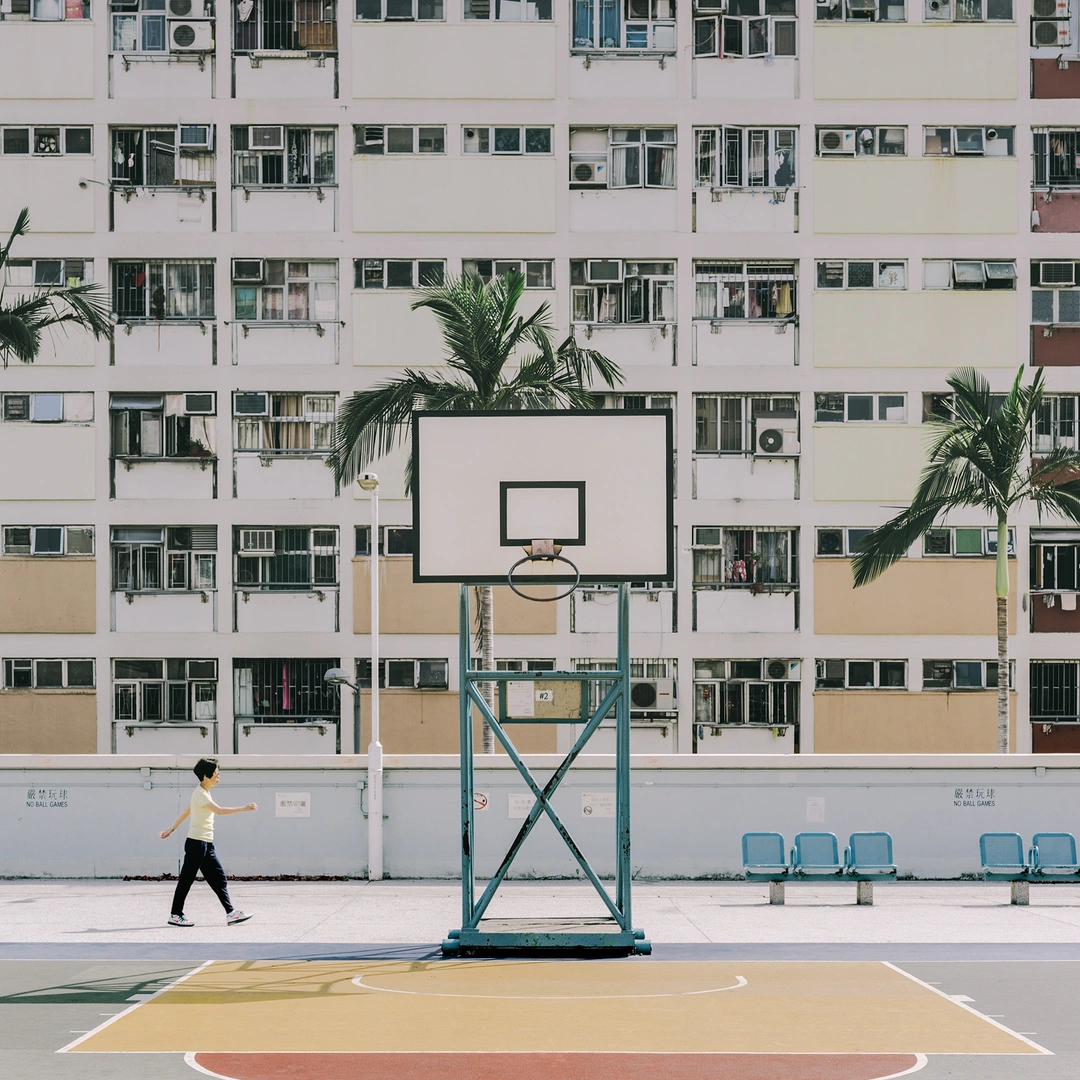
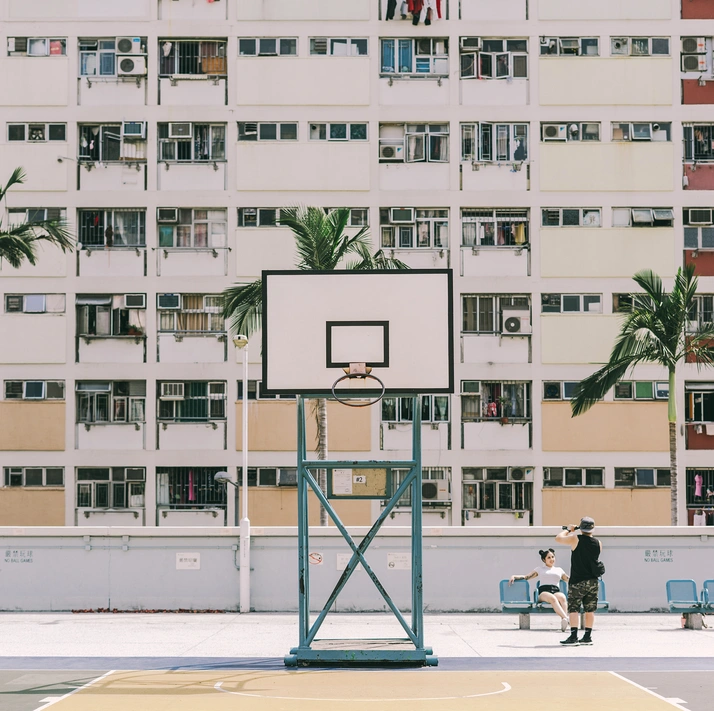
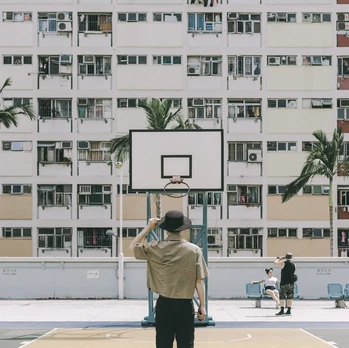
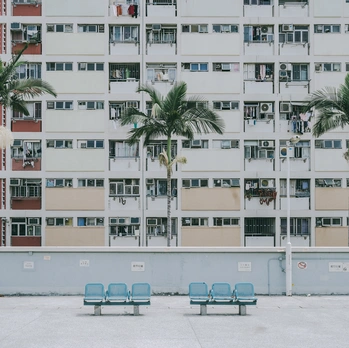
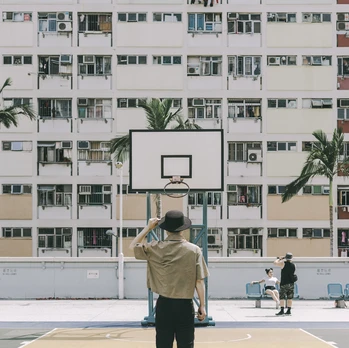
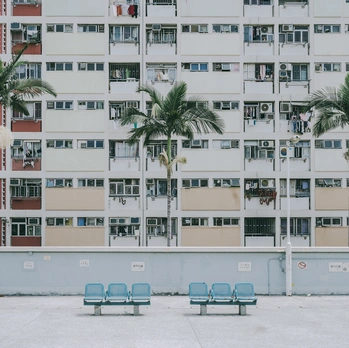
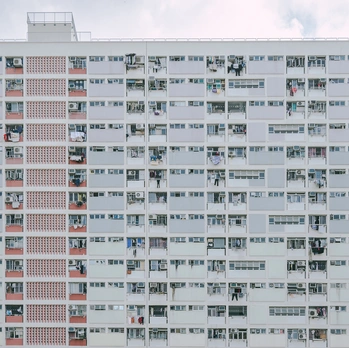
Choi Hung Estate is arguably Hong Kong’s most famous Instagram photo spot. Built in the 1960s, this public housing estate features a rooftop basketball court painted in vivid blue and orange, surrounded by buildings with rainbow-gradient facades.
What to shoot: - The basketball court from above (find the parking lot rooftop) - The gradient building exteriors as a backdrop for portraits - The bent basketball hoop—an accidental storytelling element
Pro tip: Visit at 7–8 AM or 4–5 PM for soft, saturated colors. Weekdays are less crowded. I visited three times during my trip—once to scout, twice to shoot. Avoid wide-angle shots if the court is busy; focus on tight compositions.
Respect note: This is a functioning residential estate. Keep your voice low and avoid blocking the court if locals are playing.
2. Ping Shek Estate: Vertical Oppression & Geometric Symmetry
Location: Kwun Tong District, Kowloon
Distance: ~1 km walk from Choi Hung Estate
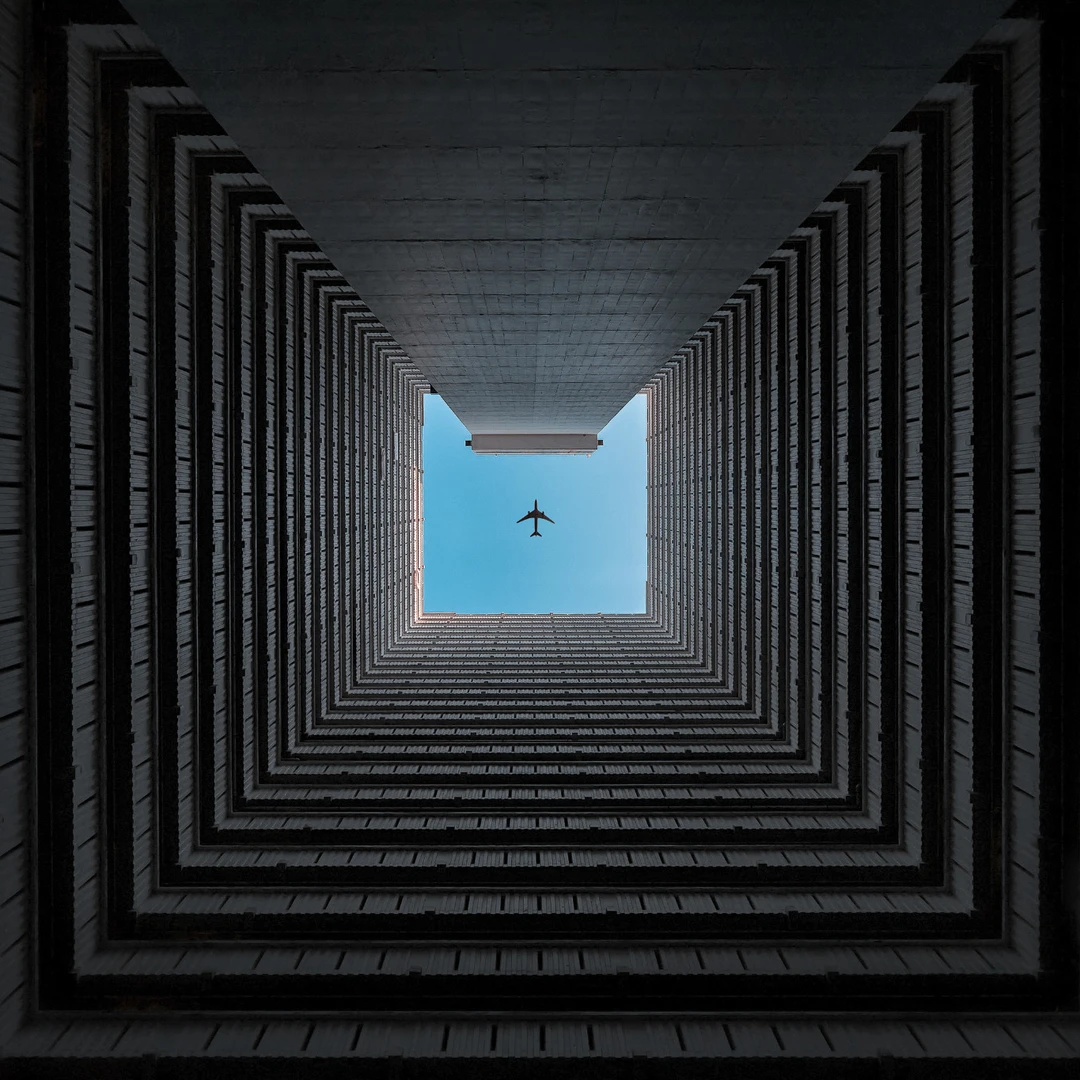
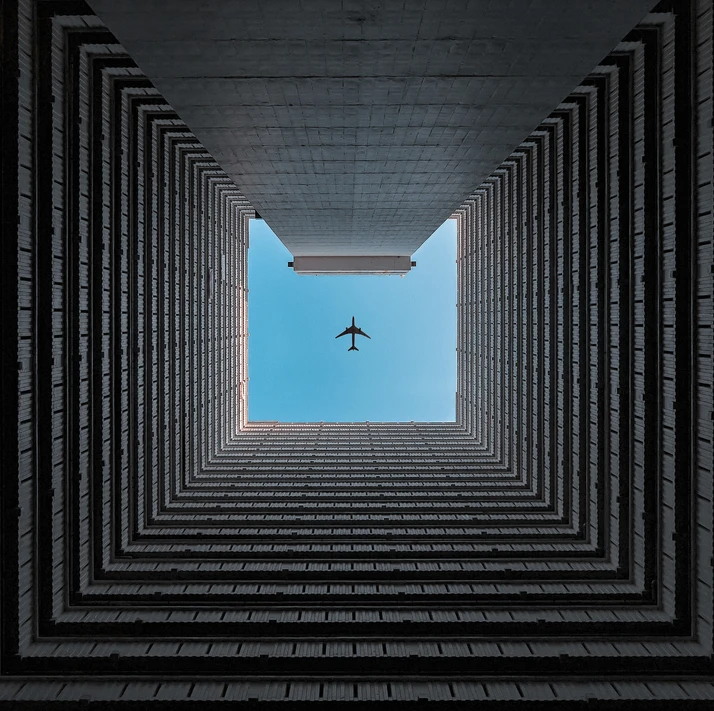
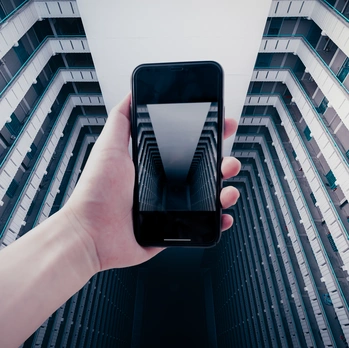
Built in the 1970s, Ping Shek Estate is a hidden photography spot that delivers a powerful sense of scale. Stand at the base of the building and look straight up—the towering structures create a dramatic courtyard effect, making you feel like a frog at the bottom of a well.
What to shoot: - Looking up from the central courtyard for a dizzying perspective - Top-down shots from higher floors for clean lines and symmetry - Contrast between old architecture and modern life (e.g., laundry hanging from windows)
Why it matters: This location captures Hong Kong’s residential density in a single frame—a key theme in urban photography.
3. Chungking Mansions: Global Chaos & Film Noir Vibes
Location: Tsim Sha Tsui, Kowloon
MTR: Tsim Sha Tsui Station, Exit E
Chungking Mansions is a legendary building complex—five interconnected 17-story towers housing budget hostels, curry shops, and phone stalls. Time magazine called it “the best example of globalization.” Wong Kar-wai’s Chungking Express made it a pilgrimage site.
What to shoot: - The third-floor platform for a “mini United Nations” crowd scene - Neon signs and narrow corridors for a film-noir aesthetic - Street portraits of vendors and travelers (ask politely)
Safety & etiquette: Wait in line for the elevator. Keep your camera discreet. The atmosphere can feel intense—that’s exactly what makes the photos compelling.
[Link: Street photography tips for busy markets]
4. Hong Kong Cultural Centre: Light & Shadow Geometry
Location: Next to Tsim Sha Tsui Star Ferry Pier
Distance: Walkable from Chungking Mansions
The Cultural Centre is a modern performing arts venue, but photographers come for the sloped corridor with repeating triangular pillars. On sunny days, sunlight streams through to create alternating bright and dark patterns—a geometric playground for composition.
Best time: Late afternoon (3–5 PM) for dramatic light-and-shadow play.
Combo tip: Pair this with Chungking Mansions in one afternoon. Walk from one to the other in under 15 minutes.
5. Oi Man Estate: Poetry in Oppression
Location: Ho Man Tin, Kowloon
MTR: Mong Kok Station + minibus
Oi Man Estate is the largest public housing estate in Kowloon City. It’s like Ping Shek’s bigger, bolder cousin—the same courtyard structure but with even stronger visual impact.
What to shoot: - The courtyard from inside any of the five blocks (Wai Man, Ka Man, Lai Man, Po Man, Kin Man) - A beam of light cutting through the buildings (I captured this on my visit—it felt like an airplane carrying hope) - Symmetry and repetition for minimalist abstract shots
Photography tip: Visit on a sunny day for best light penetration. Use a tripod for long exposures if the light is low.
6. Sham Shui Po: 3D Bear Mural & Old-Hong Kong Charm
Location: 180 Tai Nan Street, Sham Shui Po
MTR: Sham Shui Po Station
Sham Shui Po is one of Hong Kong’s oldest districts, retaining its 1960s character. It’s a food paradise, but the 3D Giant Bear mural by Spanish artist Okudart is the star for photographers.
What to shoot: - The colorful bear mural from the rooftop of the building across the street (stairs only—no elevator) - Contrast between the graffiti and adjacent yellow building - Street life: dai pai dong (open-air food stalls), neon signs, and old shops
Safety tip: Watch your step on the stairs. Shoot quietly and leave quickly—this is a residential area.
7. Nam Shan Estate: Arcs & Childhood Memories
Location: Sham Shui Po District, Kowloon
MTR: Shek Kip Mei Station
Nam Shan Estate’s claim to fame is the open platform above the old market—originally a children’s playground with semicircular climbing structures at varying heights. Surrounded by residential buildings with gradient walls, it’s a dream for Instagram-worthy architecture shots.
When to shoot: - Sunny days for soft shadows cast by the arcs - Rainy days for reflections on the ground - Early evening for lights-on magic
Pro tip: Visit just before sunset to capture both natural light and the transition to artificial lighting.
8. Chiu Yuen Estate: Hillside Color Symphony
Location: Lai King Hill Road, Kwai Chung, New Territories
MTR: Lai King Station + short walk
Chiu Yuen Estate is built on a hillside, creating a layered, multicolored facade that shifts with the sun. It’s less crowded than Choi Hung but equally photogenic.
What to shoot: - Long shots of the entire estate from the opposite hillside - Close-ups of the colorful building blocks - People walking through the estate for scale
Transport note: This is in the New Territories—allow 30–40 minutes from central Kowloon.
FAQ: Hong Kong Photography Tips
Q1: What’s the best time of day for Hong Kong street photography?
 A: Golden hour (sunrise and sunset) offers soft, warm light. For architecture, midday sun creates strong shadows that emphasize geometry. Night photography (especially in Tsim Sha Tsui and Mong Kok) captures neon-lit chaos.
Q2: Are these locations free to visit?
A: Yes—all the spots listed are public spaces. No entry fees required. Just respect residents and follow local rules.
Q3: How do I avoid crowds at popular spots like Choi Hung Estate?
 A: Visit on weekday mornings (7–9 AM). Avoid weekends and public holidays. Use tight compositions to exclude people—focus on details rather than wide shots.
Q4: Is it safe to photograph in Chungking Mansions?
 A: Generally yes, but stay aware. Keep valuables secure. Don’t photograph people without permission. The atmosphere is busy but not dangerous if you’re respectful.
Q5: What lens should I bring for Hong Kong architecture?
A: A wide-angle lens (16–24mm) is essential for capturing building scale and geometric patterns. A 50mm prime is great for street portraits and isolating details.
Conclusion: Capture Your Own Hong Kong Urban Poetry
Hong Kong is a city that rewards the curious photographer. From the rainbow basketball court of Choi Hung Estate to the oppressive symmetry of Oi Man Estate, every frame tells a story of density, diversity, and resilience.
Your next step: Pick 3–4 locations from this guide, plan a half-day photo walk, and let the city’s light and shadow guide your lens. Don’t just shoot the postcard views—look for the bent hoop, the beam of light between buildings, the reflection in a puddle. That’s where urban poetry lives.
Ready to start shooting? Bookmark this guide, pack your camera, and share your best Hong Kong shots with us in the comments below. Tag your photos #HKUrbanPoetry for a chance to be featured.
[Link: Best camera settings for architectural photography] [Link: Hong Kong travel itinerary for photographers]
Article originally inspired by Mafengwo user content. Updated and optimized for SEO in 2025.
You may also like


