Hidden Gems of Southern Sichuan by Car: A 5-Day Road Trip Through Time
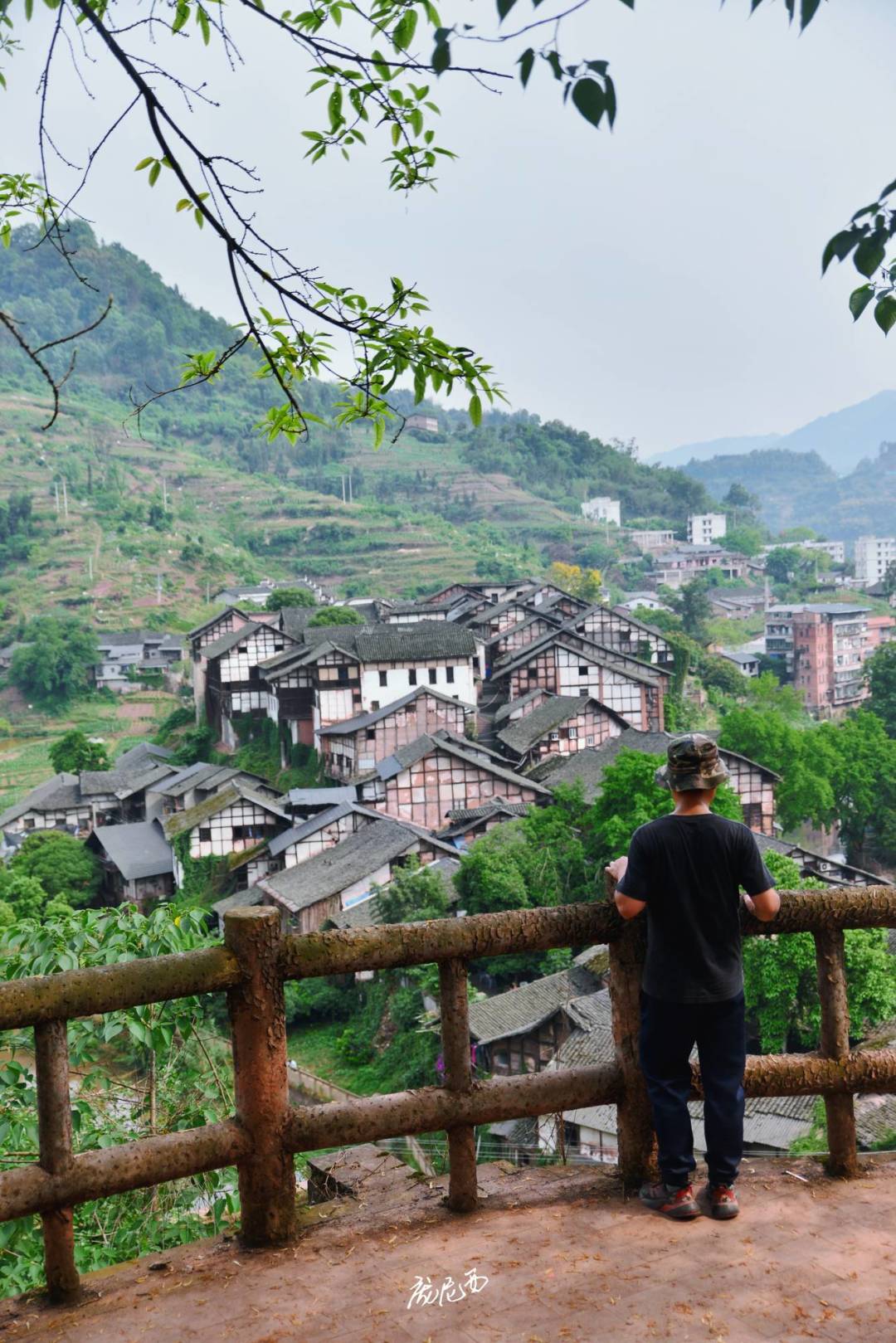
Meta Description: Discover Southern Sichuan's forgotten treasures on a 5-day road trip from Yibin to Luzhou. Explore ancient pagodas, Bo hanging coffins, and Ming dynasty relics—off the beaten path.
Introduction: Why Southern Sichuan Deserves a Second Look
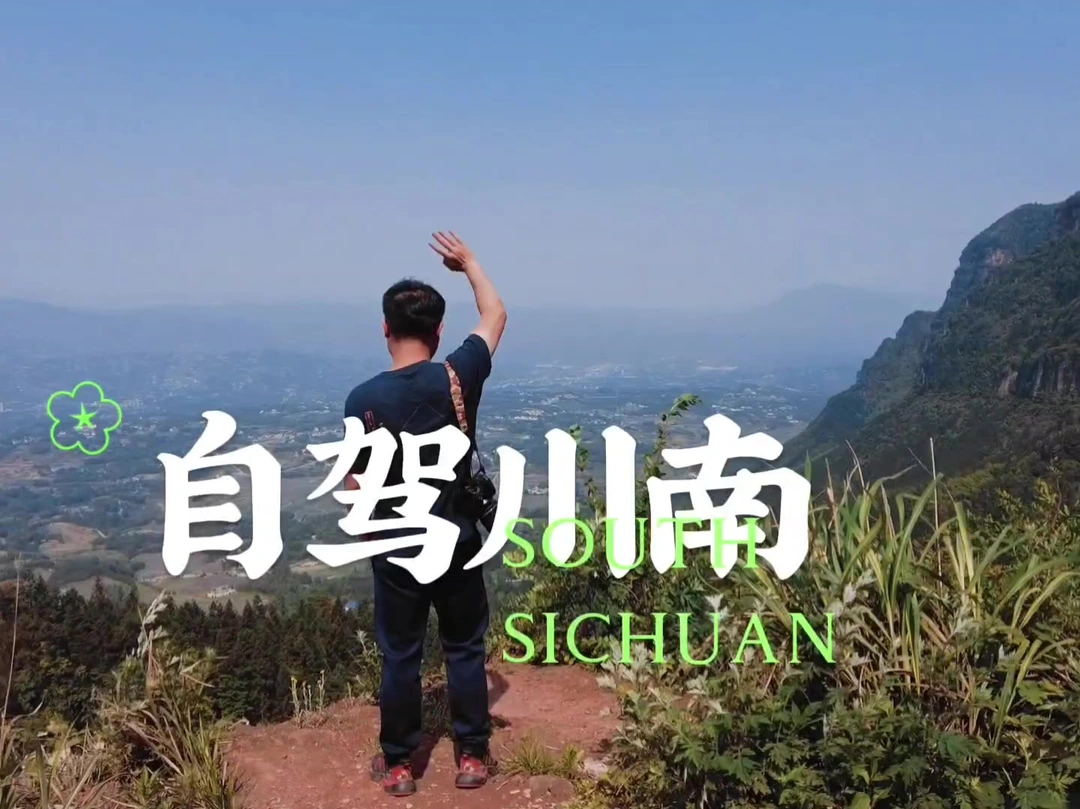
As a post-85s professional who traded cubicle life for mountain adventures, I've always been drawn to the spaces where urban energy meets ancient tranquility. Southern Sichuan—just a few hundred kilometers from Chengdu—feels centuries removed. Yibin and Luzhou, once "familiar strangers" to me, have become obsessions.
Before the high-speed rail, reaching these cities meant 4–5 hours of bumpy roads or overnight green-skinned trains. But their charm, like vintage wine, deepens with time. While most tourists flock to Wuliangye distilleries, Bamboo Sea, or Lizhuang Ancient Town, the real magic lies in the hidden gems of Southern Sichuan by car—remote pagodas, hanging coffins, and forgotten grottoes.
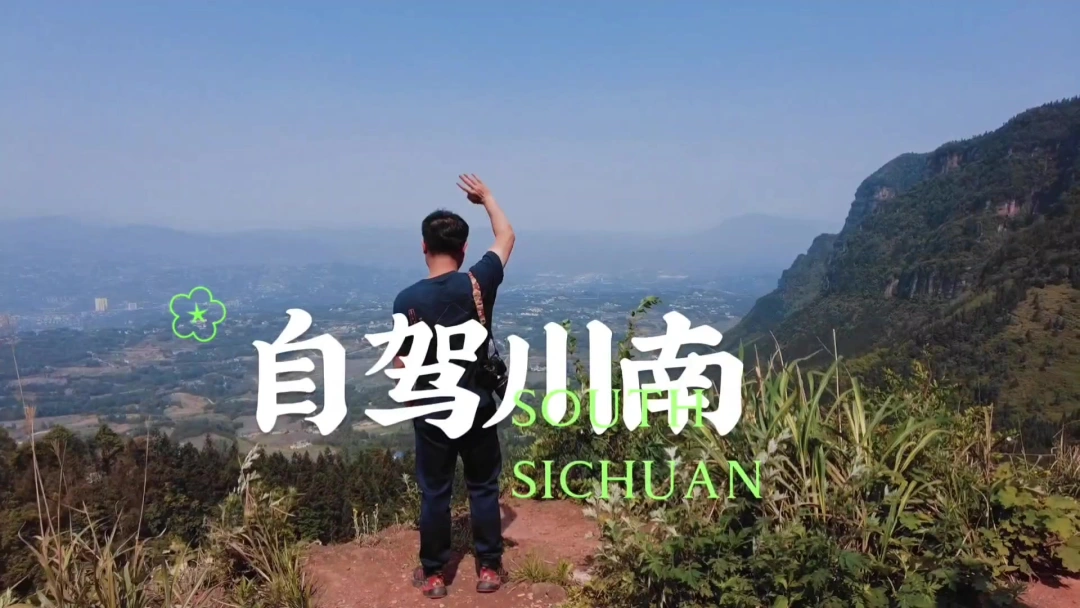
This 5-day, 4-night itinerary avoids crowds entirely. It starts with Yibin's ancient pagodas, ventures south to Gong County's Bo people secrets, passes through Yunnan, then loops north through Xuyong to Luzhou, ending in Hejiang's ancient towns. A dialogue with time itself.
Day 1: Chengdu → Yibin – Yangtze River Stories at the Museum
Yibin City Museum: "I Live at the Head of the Yangtze River"
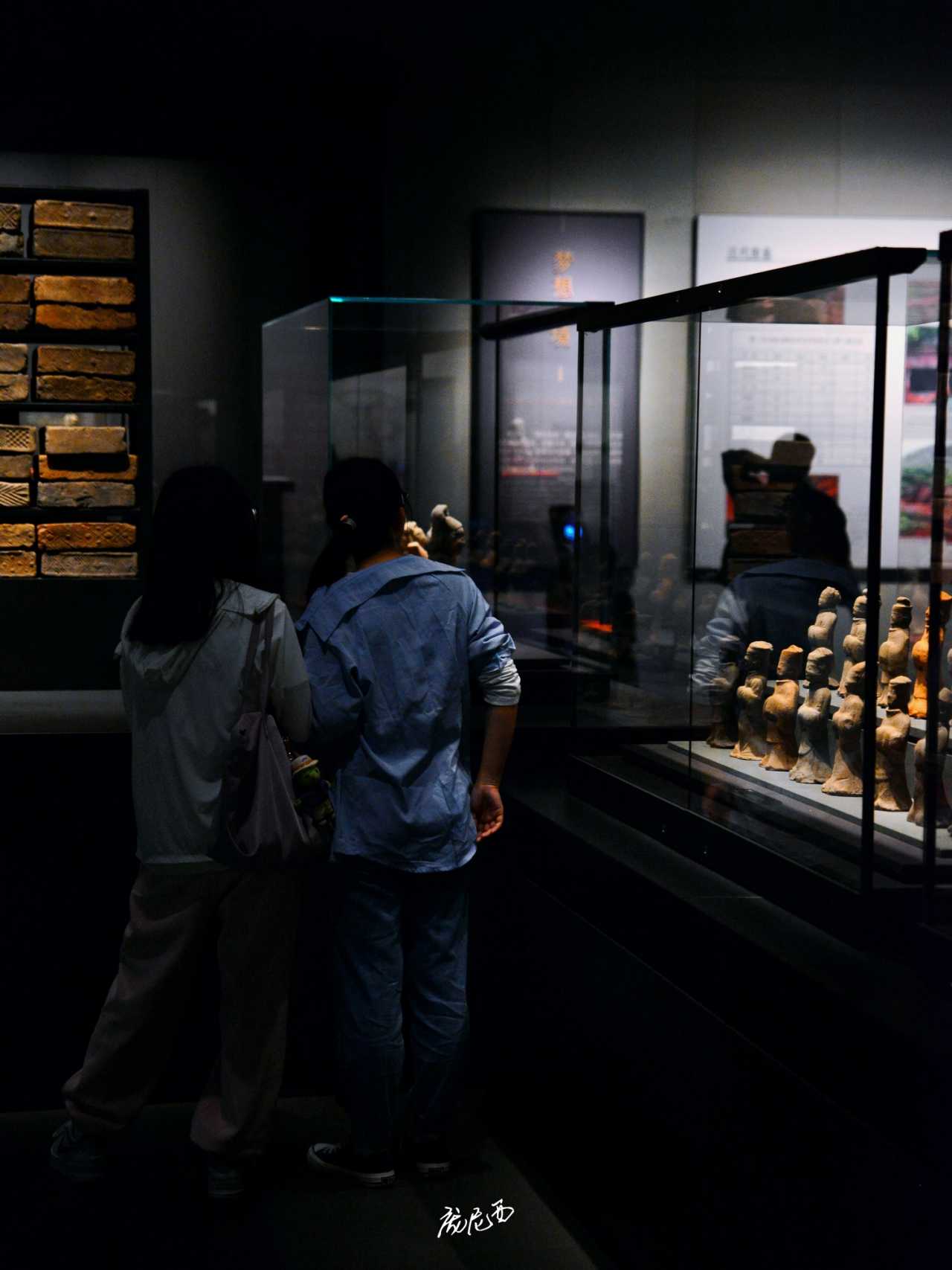
To understand a city, start with its museum. The Yibin City Museum (opened in recent years) sits in Sanjiang New District, 30 minutes from Wuliangye Airport. Underground parking is ample.
Honest take: The exhibition design surpasses Sichuan Provincial Museum, though artifact quality is slightly lower. No single "signature treasure" exists here—Luzhou Museum wins that round—but it's still the best gateway to Yibin.
Three floors, three highlights:
2nd Floor – "I Live at the Head of the Yangtze River"
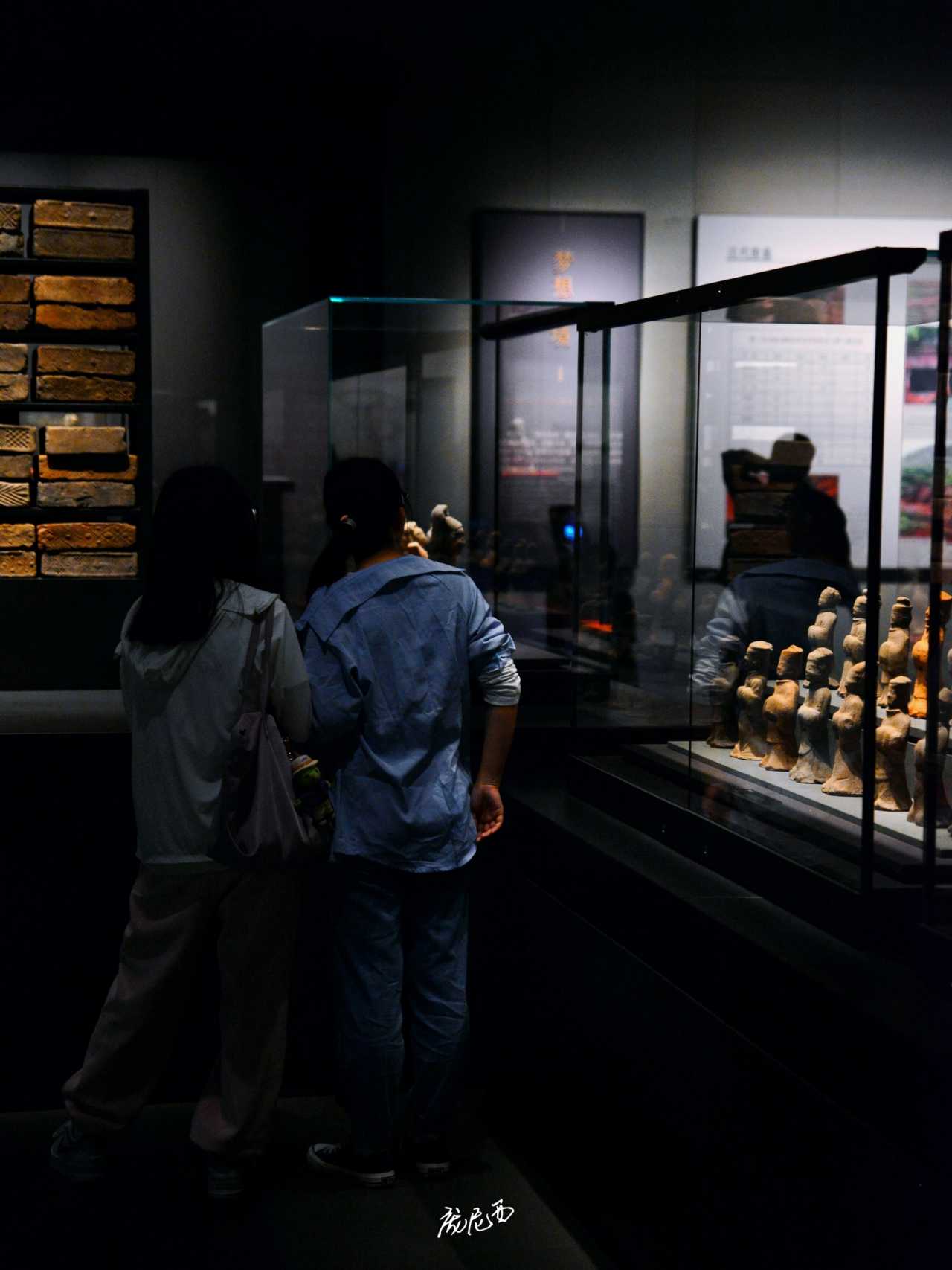
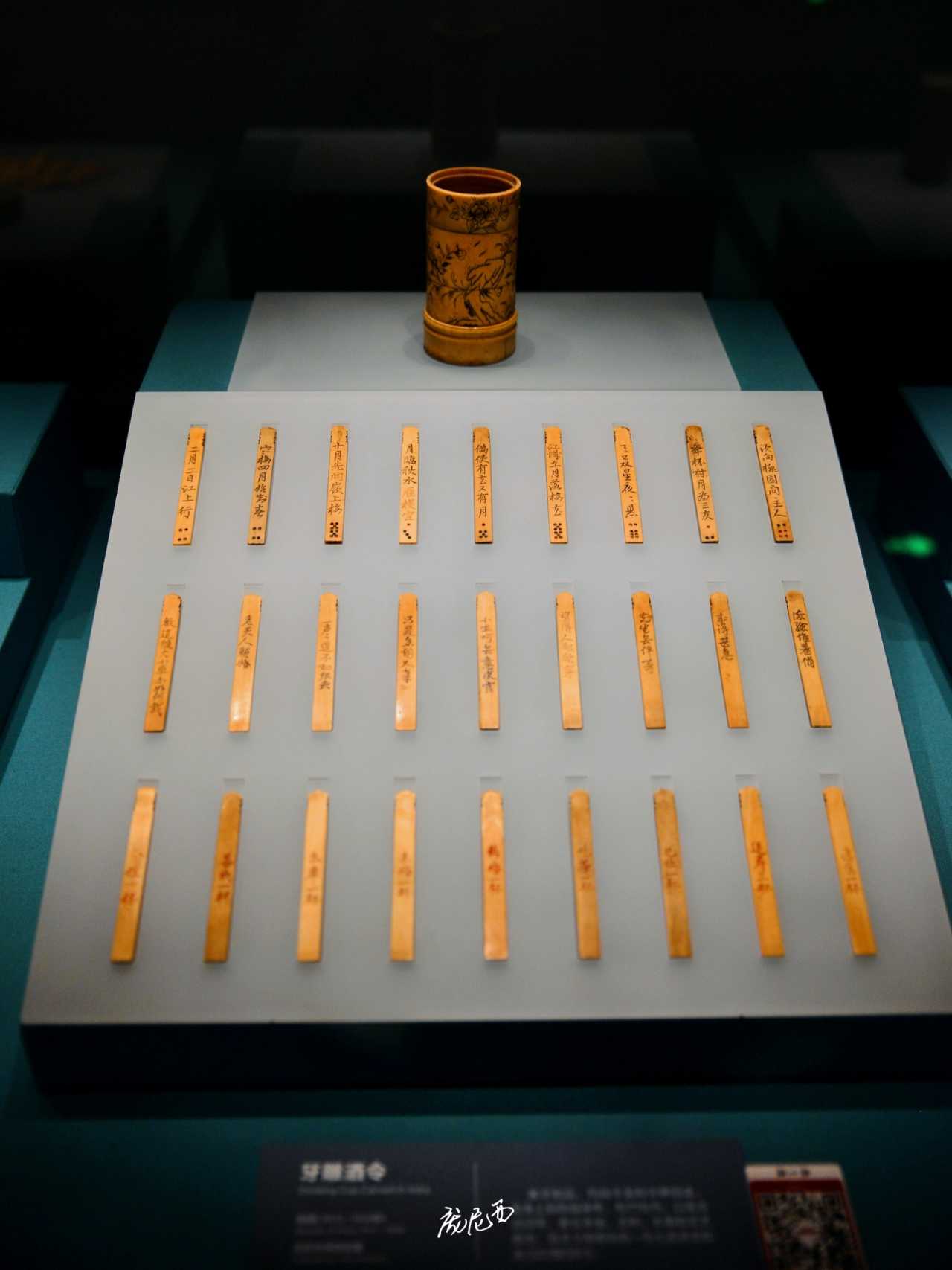
Themed around the river, this permanent exhibition covers six sections from ancient dwellers to modern metropolis. Key artifacts:
- Song Dynasty Tomb Reliefs: Southern Sichuan has the highest concentration of unearthed Song tombs. Yibin's collection is small but exquisitely carved. [Link: Song Dynasty art in Sichuan]
- Han Dynasty Ceramic Figurines: Heavily weathered but charmingly quirky.
- Bronze Drums: Resemble Yunnan/Guizhou styles, reflecting Miao cultural influence.
3rd Floor – "Wine City's Wine Culture"
Wuliangye's legacy dominates. The wall of liquor bottles and displays of 1st–8th generation Wuliangye are highlights. The older bottle designs? Far more character.
Day 2: Yibin → Gong County → Xuyong – Pagodas, Coffins & Mountain Secrets
Qixing Mountain Black Pagoda: A Ming Dynasty Pagoda with a White Hat
Yibin's three pagodas—Jiuzhou, White (East Mountain), and Black (Qixing Mountain)—are legendary. Local lore says they transformed from Li Jing's pagoda. History records: Jiuzhou dates to Song Dynasty; White and Black are Ming Dynasty.
Getting there: 20-minute drive up Qixing Mountain, but the road is narrow. After passing Fujiwara Tofu Shop, take an even tighter single-lane road. If busy, park near the tofu shop and walk—the panoramic view of Yibin is worth it.
The Black Pagoda itself: Built during Jiajing era (1522–1566), this hollow, multi-eave octagonal brick structure stands 30.7m with 7 stories. First impression? Disappointing. Originally iron-gray bricks gave it a dark hue, but restoration painted it entirely black, obscuring details. The white top looks jarring—legend says the White Pagoda and Black Pagoda swapped hats long ago.
Today: You cannot enter. Inside once held Buddha niches, relief carvings, and a spiral staircase. Outside the west gate, a few damaged circular dragon pillars survive—the last original details.
Jiuzhou Pagoda: A Song Dynasty Relic Surveyed by Liang Sicheng
The most historically significant of Yibin's three pagodas. First built in 1109 (Northern Song), it's one of Sichuan's few surviving Song pagodas. Architect Liang Sicheng personally surveyed it. Once standing majestically on the Min River banks, it created the famous scene "Jiuzhou at Sunset"—golden waves, sailing boats, birds returning home.
Current state: Ruins. Neglect has taken its toll. [Link: Preserving Sichuan's ancient architecture]
Gong County: Bo People's Hanging Coffins

Heading south, Gong County holds one of Sichuan's greatest mysteries: Bo people hanging coffins. These ancient burial sites cling to vertical cliffs, some over 2,000 years old. The Bo people vanished from history, leaving only these coffins as testimony.
Best viewing points: The Matangba and Sumawan areas offer accessible viewpoints. Binoculars help spot the coffins nestled in crevices. [Link: Ancient cliff burial cultures of China]
Xuyong: Mountain Secrets
Crossing into Xuyong County, the landscape shifts to karst mountains and dense forests. Xuyong's ancient tea horse road remnants offer hiking opportunities. Local temples, like Longhua Town, blend Ming and Qing architecture with stunning mountain backdrops.
Day 3: Xuyong → Luzhou – Liquor, Stone Carvings & Ancient Streets
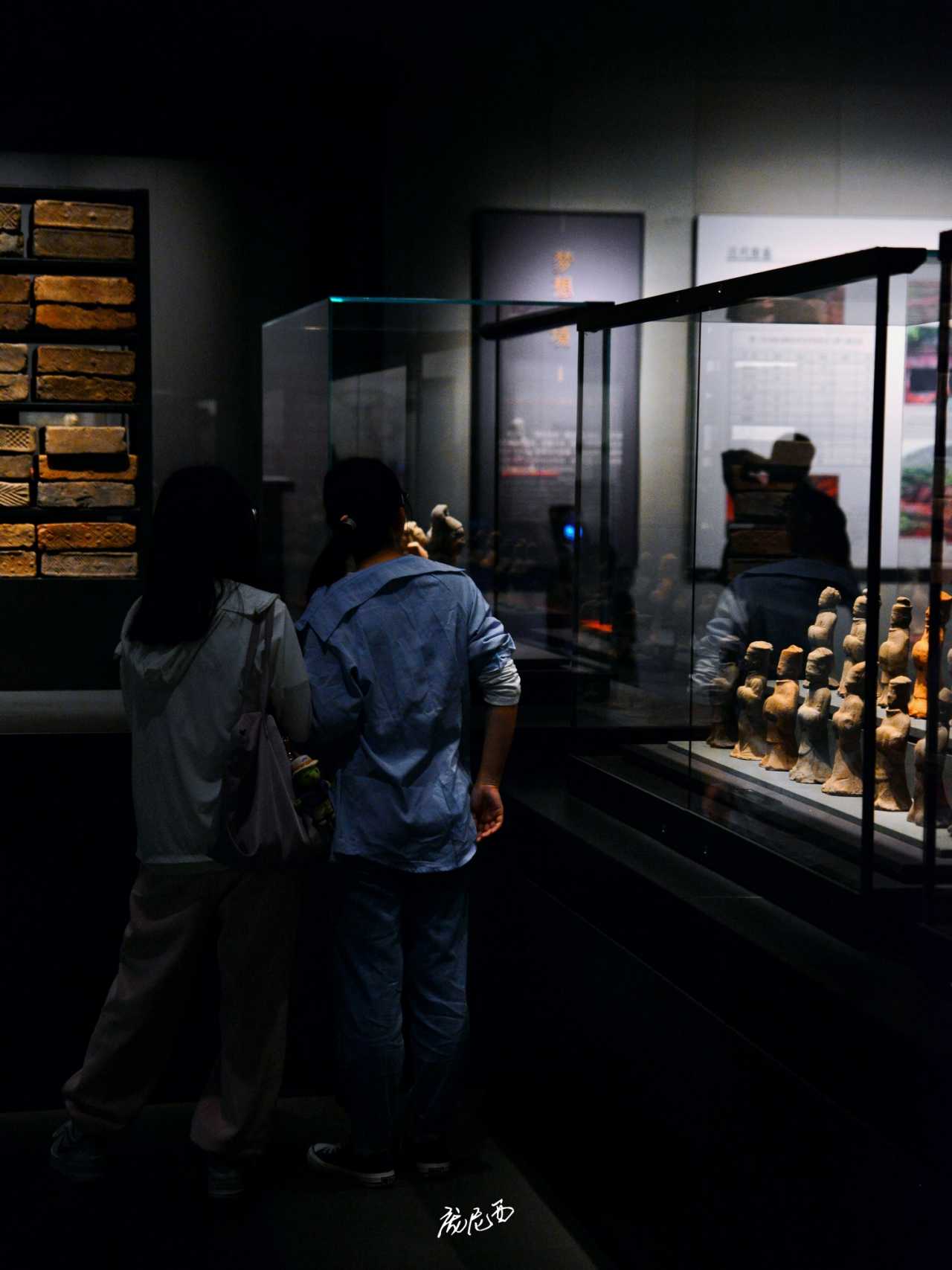
Luzhou Museum: Where Artifacts Shine
Compared to Yibin, Luzhou Museum holds stronger treasures. Its Han Dynasty stone carvings and Song Dynasty tomb reliefs are among Sichuan's finest. The museum's signature piece—a Han Dynasty pottery tower—is a must-see.
Key exhibits: - Han pottery figurines: More intact than Yibin's collection - Song tomb carvings: Detailed scenes of daily life and mythology - Liquor culture display: Luzhou Laojiao's history, including ancient brewing tools
Luxian Stone Carving Museum: A Hidden Gem
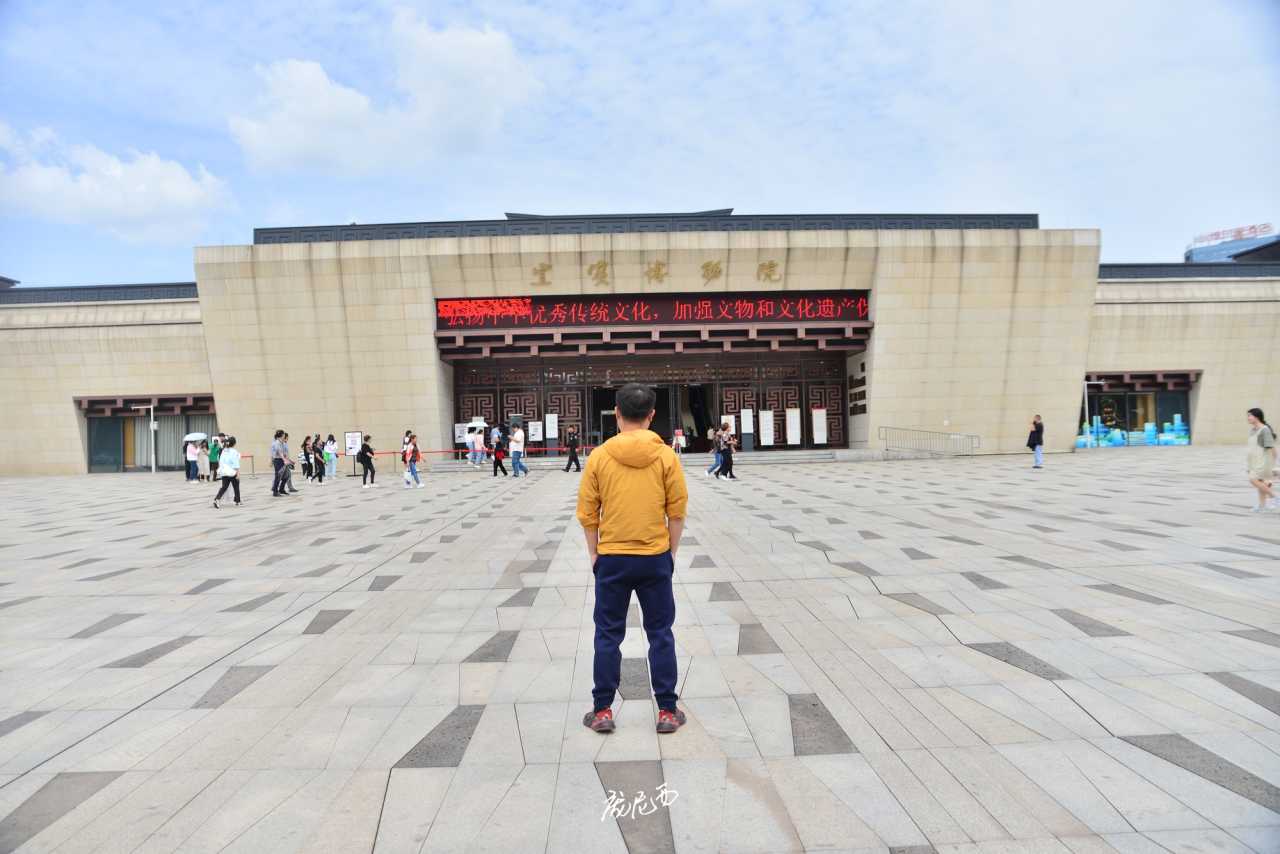
20 minutes from Luzhou city, this specialized museum houses Song Dynasty stone carvings rescued from local tombs. The collection rivals any in Sichuan. Look for the "musician relief" —a rare depiction of Song-era instruments. [Link: Chinese stone carving traditions]
Luzhou Ancient Town: Walking Through Ming Dynasty
Luzhou's old town retains Ming Dynasty street layouts. Binglang Street and Zhongshan Street feature preserved wooden shopfronts and stone-paved paths. Evening visits are best—lanterns illuminate the architecture.
Day 4: Luzhou → Hejiang – Ancient Towns, Temples & Grottoes
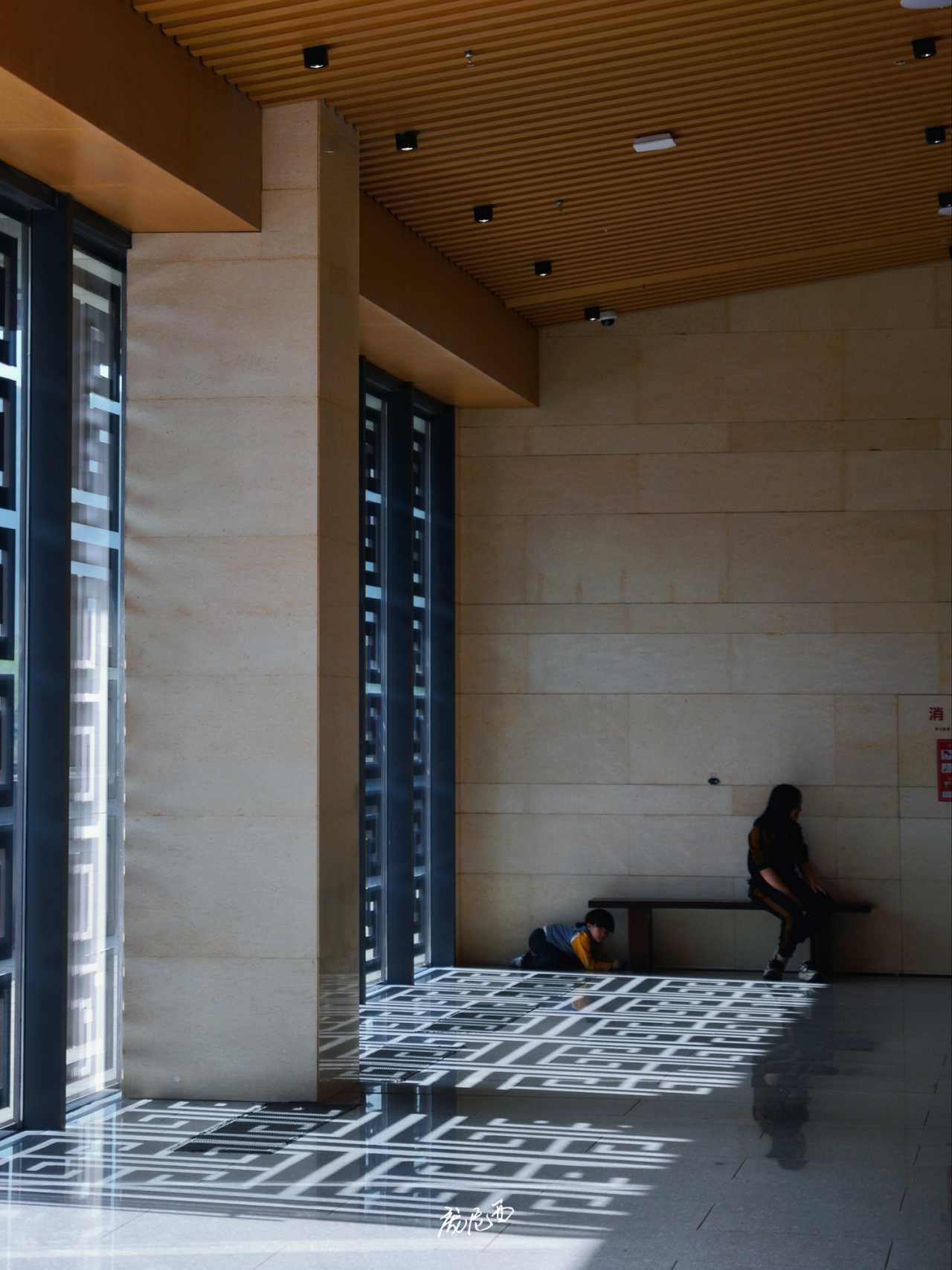
Hejiang County: A Treasure Trove
Hejiang, at the confluence of Yangtze and Chishui rivers, hides some of Sichuan's best-preserved ancient architecture.
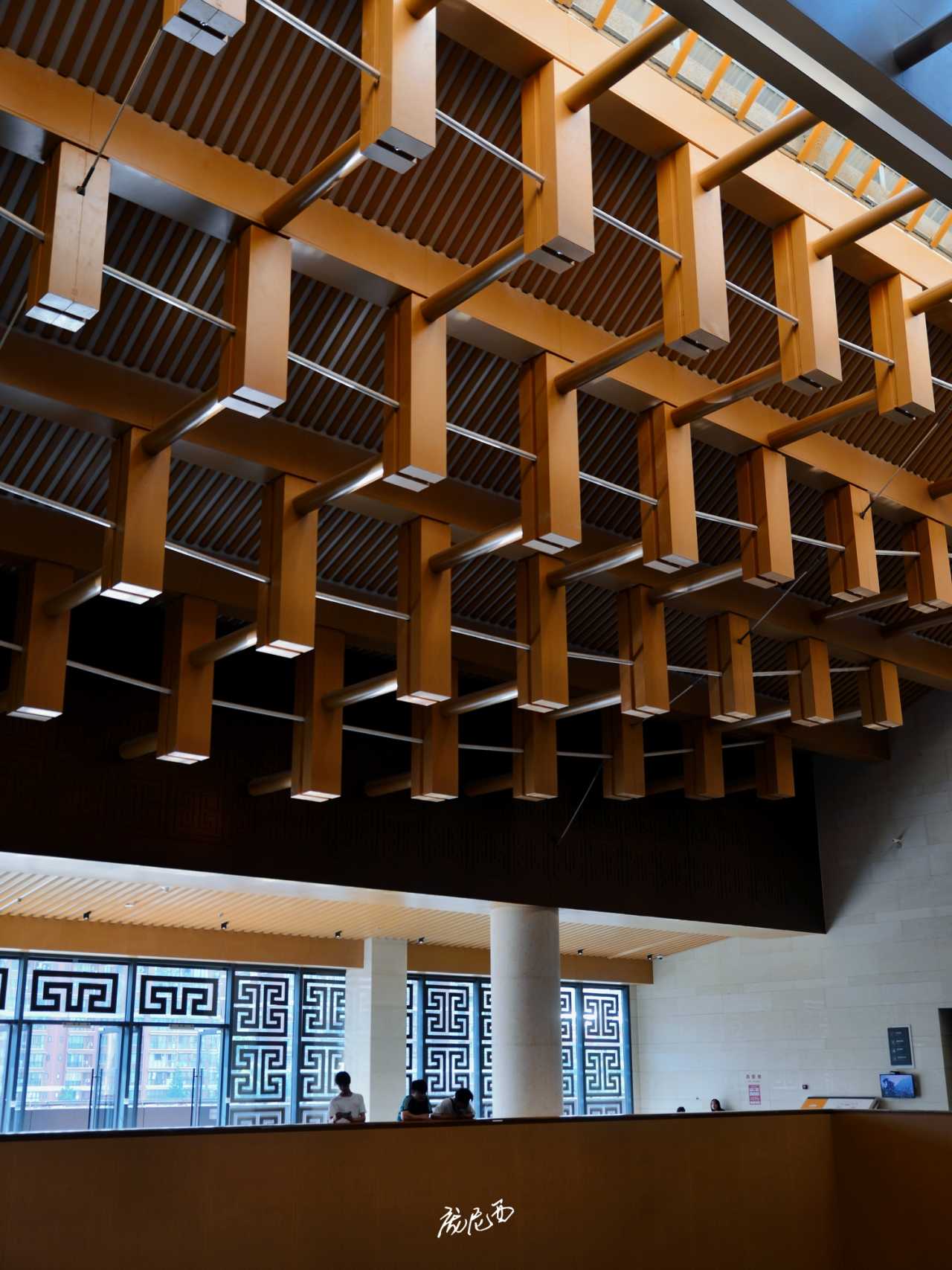
Fobao Ancient Town: A Ming Dynasty stronghold with intact city walls, temples, and residential compounds. Unlike commercialized ancient towns, Fobao feels alive—locals still live and work within its walls.
Longmen Grottoes: Lesser-known than Dazu, these Tang and Song Dynasty cliff carvings feature Buddhist and Taoist figures. The "Three Saints of the West" carving is particularly detailed. [Link: Buddhist grotto art in Sichuan]
Yao Damiao Temple: A Ming Dynasty temple complex with three halls and exquisite wood carvings. The dragon pillars at the main hall are masterpieces.
Day 5: Hejiang → Chengdu – Final Discoveries
Morning: Chishui River Views
Before heading back, take the Chishui River scenic drive. The river cuts through red sandstone cliffs, creating dramatic gorges. Stop at Yulin Bridge for panoramic photos.
Afternoon: Return to Chengdu
The drive back takes 3–4 hours via expressway. Consider stopping at Leshan for lunch—the giant Buddha is worth a quick visit if you haven't seen it.
FAQ: Southern Sichuan Road Trip
Q: When is the best time for this road trip?
A: Spring (March–May) and autumn (September–November) offer mild weather and clear views. Summer can be hot and humid; winter brings fog.
Q: Is a 4WD necessary?
A: No. Most roads are paved, though mountain roads to pagodas can be narrow. A standard sedan works fine.
Q: How difficult is the driving?
A: Moderate. Mountain roads require caution, especially near Gong County and Xuyong. Local drivers can be impatient on narrow roads.
Q: Can I visit all sites in 5 days?
A: Yes, with a packed schedule. Prioritize if you want more time at each site.
Q: Are entrance fees required?
A: Most pagodas and ancient towns are free. Museums charge 20–50 RMB. Hanging coffin viewing points may have small fees.
Q: Where should I stay?
A: Yibin and Luzhou have good mid-range hotels. For authentic experiences, try guesthouses in Fobao Ancient Town or Xuyong.
Final Thoughts & Call to Action
Southern Sichuan is a region that rewards the curious traveler. While most rush to famous attractions, the hidden gems of Southern Sichuan by car—from the white-hatted Black Pagoda to the cliff-hanging Bo coffins—offer something far more valuable: a genuine connection to history.
This 5-day road trip isn't just about seeing sights. It's about discovering treasures forgotten by time—places where you can stand alone with centuries-old stone carvings, hear wind through ancient pagodas, and taste the air of a land that time nearly passed by.
Ready to explore?
Start planning your Southern Sichuan road trip today. Pack your camera, download offline maps, and prepare for a journey that will change how you see this storied region.
Share your own hidden gem discoveries in the comments below—or tag us in your photos. The best treasures are the ones we discover together.
Internal linking suggestions:
- [Link: Best road trips in Sichuan]
- [Link: Ancient architecture preservation in China]
- [Link: Sichuan's minority cultures and cliff burials]
- [Link: Chinese liquor culture and distillery tours]
- [Link: Comparing Sichuan's grotto art: Dazu vs Longmen]
You may also like


