Golden Autumn 2017: A Soulful Journey Through Western Sichuan – The Ultimate Photography Road Trip Guide
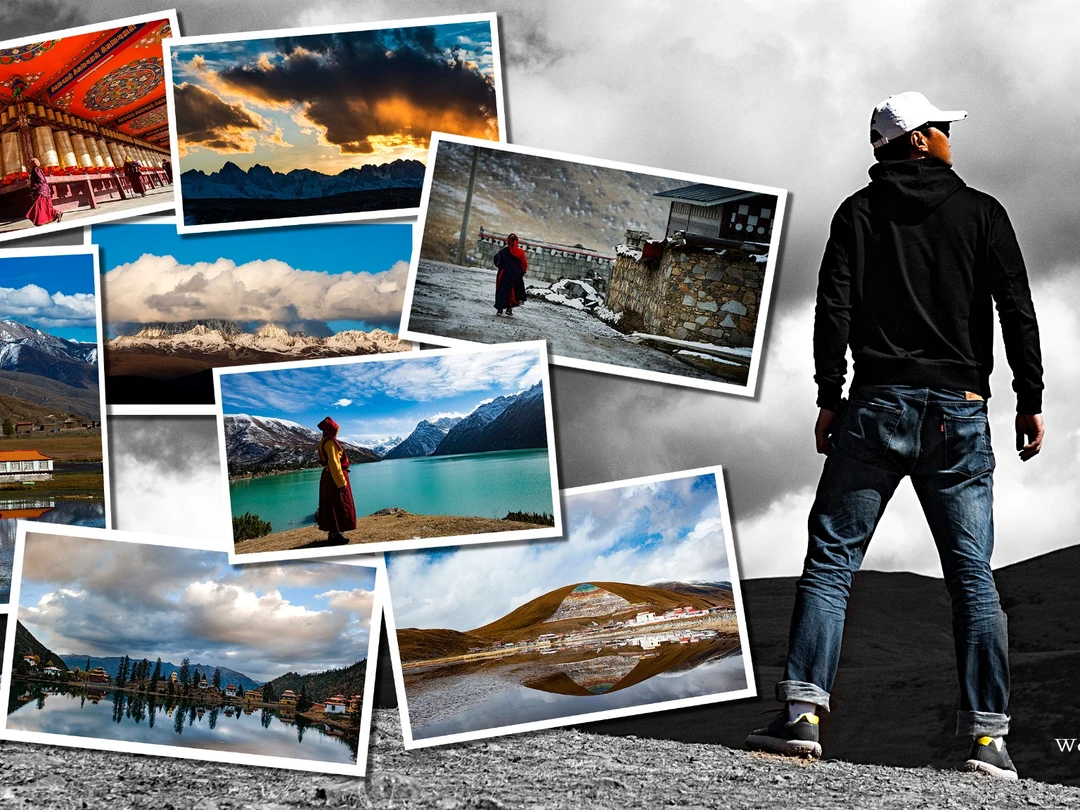
Meta Description: Discover the magic of Western Sichuan in autumn 2017. This 25-day, 4,000-km photography journey covers Xinduqiao, Tagong Grassland, Cuoka Lake, and more. Expert tips, hidden gems, and cultural insights inside.
Introduction: Why Western Sichuan in Autumn is Every Photographer’s Dream
When the autumn wind begins to paint the highland meadows gold and the first snow falls silently on Zheduo Mountain Pass, a transformation occurs. The land west of Chengdu—encompassing Aba, Garzê, and western Liangshan Prefecture—becomes a living canvas. Towering mountains, diverse ethnic cultures, and rugged roads converge to create one of China's most pristine natural and cultural landscapes.
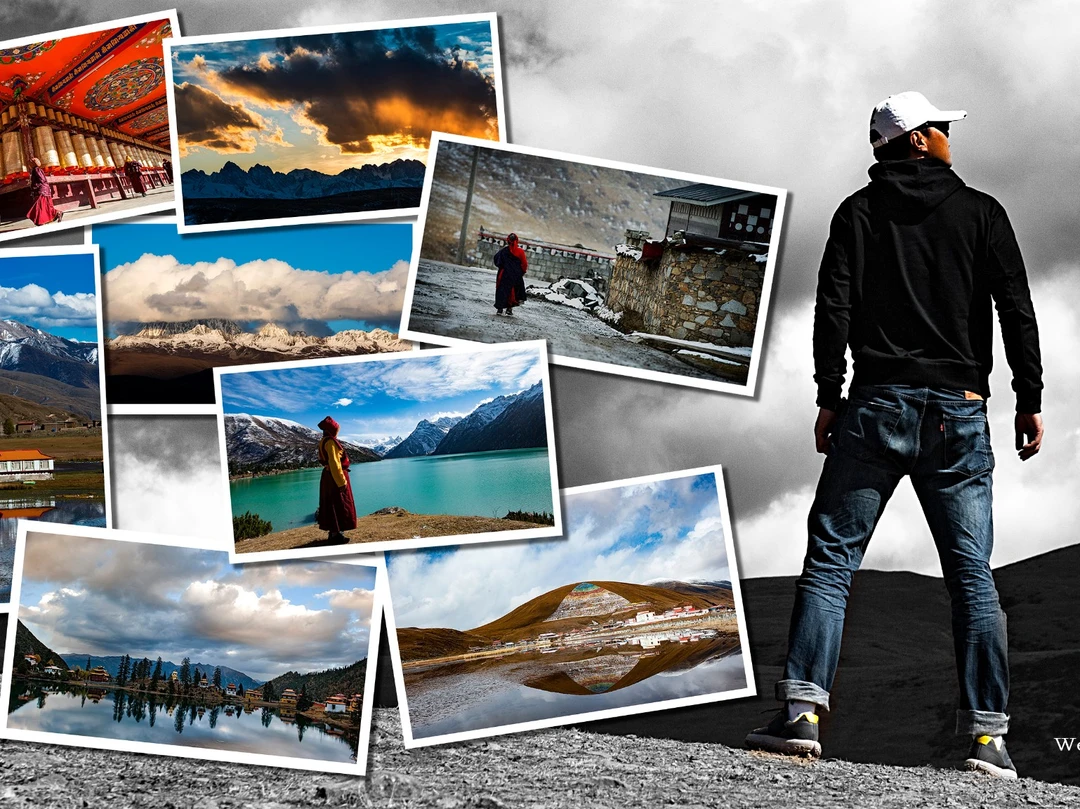
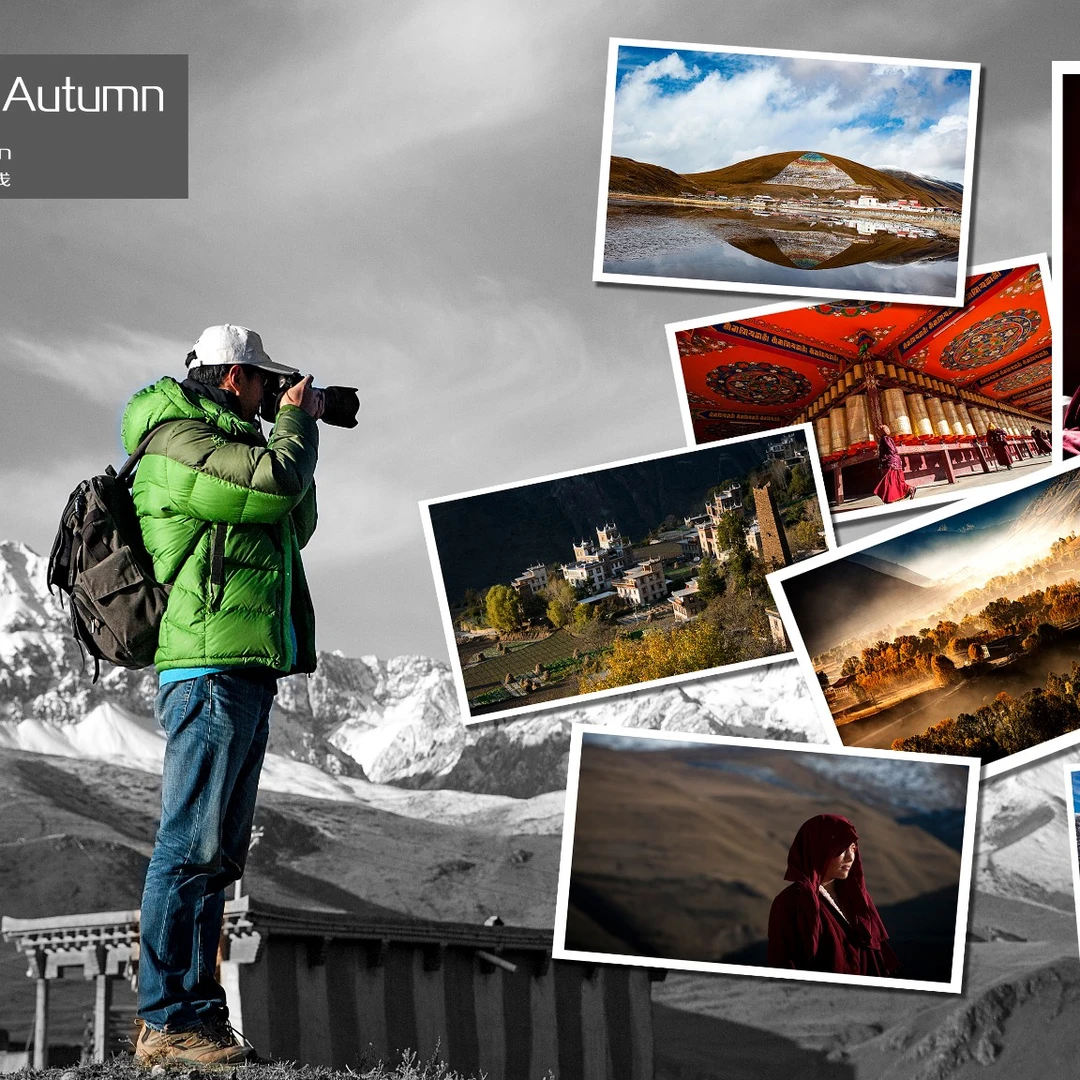
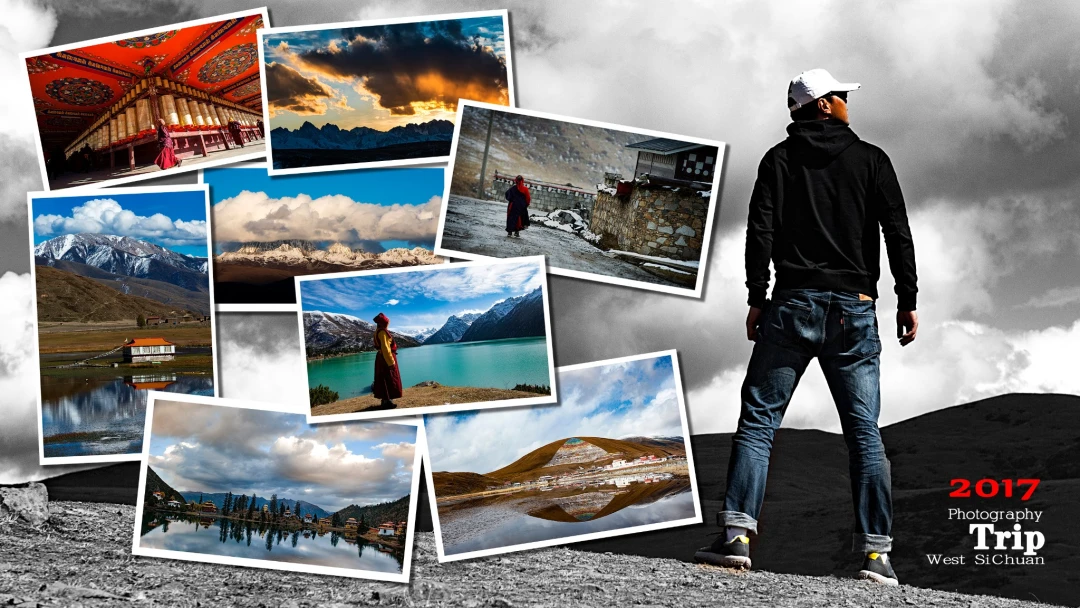
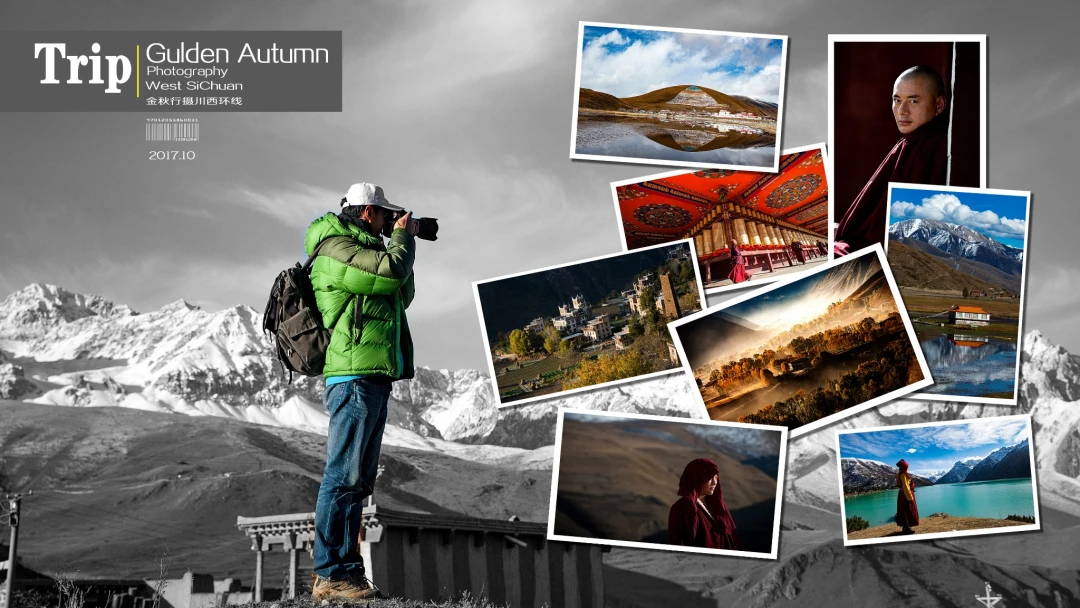
In October 2017, I embarked on a 25-day, 4,000-kilometer journey through Western Sichuan. This was no ordinary road trip. It was a deep visual exploration of a region often called a "photographer's holy land." If you're planning your own Western Sichuan autumn photography tour, this guide will help you navigate the iconic "Small Loop" route, uncover hidden gems, and capture the essence of this breathtaking region.
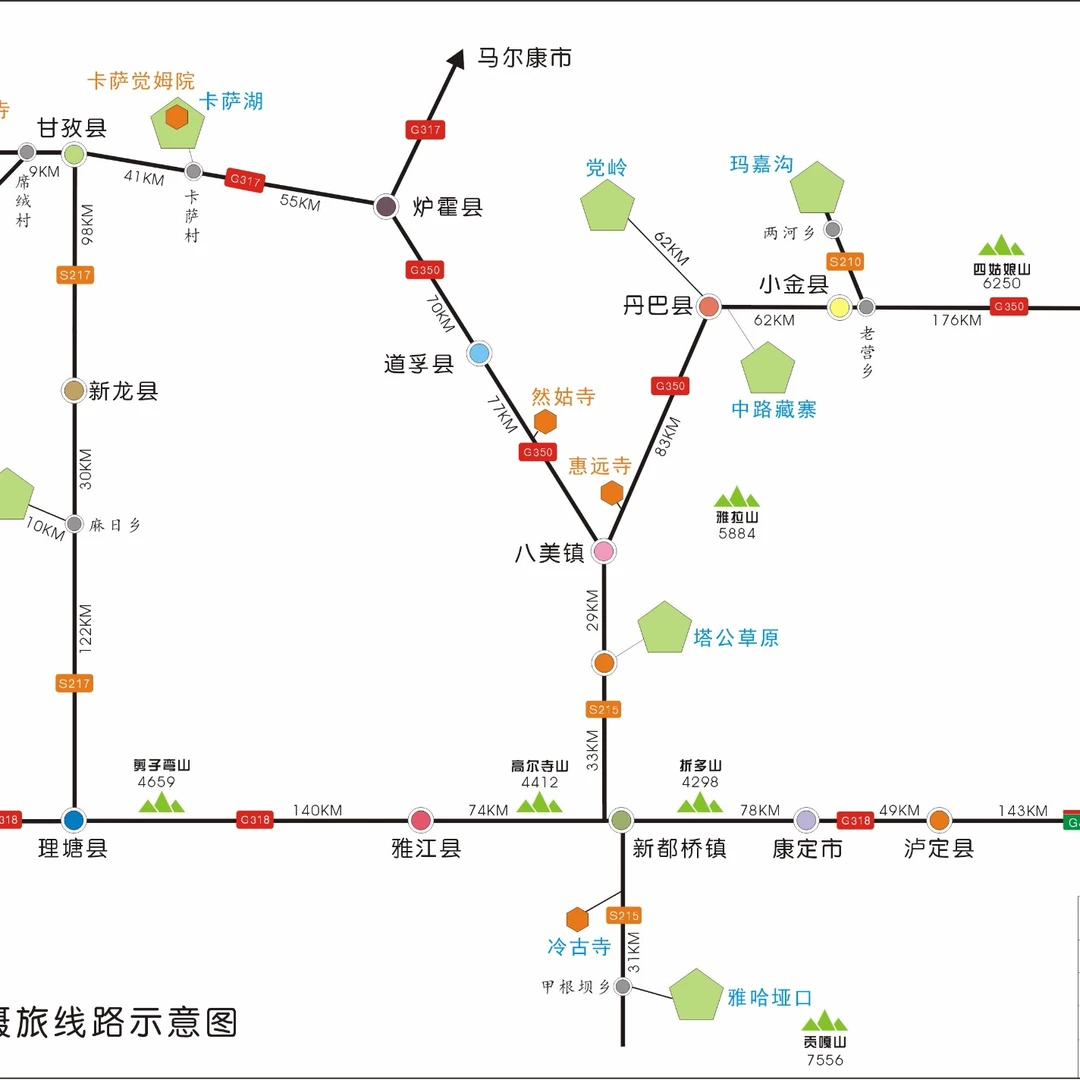
Western Sichuan Small Loop: The Ultimate Photography Itinerary
The classic "Small Loop" of Western Sichuan is not a route to rush. My approach was professional and methodical: using three core hubs as bases, I radiated outward, returning repeatedly to capture every sliver of light and shadow.
Core Hubs for Your Photography Base
| Hub | Key Attractions | Best For |
|---|---|---|
| Xinduqiao | Jiagenba Township, Tagong Grassland, Yala Sacred Mountain | Golden light, wide landscapes, Tibetan culture |
| Garzê County | White Stupa Grove, Cham Dance Festival, snow mountains | Cultural festivals, stupa photography, alpine scenery |
| Danba's Zhonglu Township | Ancient watchtowers, terraced fields, Tibetan villages | Ethnic architecture, rural life, sunrise/sunset |
Pro Tip: Book accommodations in advance during peak autumn (mid-October to early November). Xinduqiao's Kangzhu Inn and similar local guesthouses fill up quickly.
Zheduo Mountain: A Snowy Welcome to Western Sichuan
The first major challenge on National Highway 318 is Zheduo Mountain, standing at 4,298 meters above sea level. Its highest summit reaches 4,962 meters, towering 1,800 meters above Kangding city. Locals have a saying: "The Erlang Mountain scares you to death; the Zheduo Mountain kills you from exhaustion."

Zheduo, in Tibetan, means "winding"—a name that perfectly describes the treacherous switchbacks. On my first day, fresh snow had fallen, causing severe traffic jams. I made a quick decision to detour through Mugecuo, but thick fog reduced visibility to near zero before 5 p.m. Black clouds pressed down, and snow began accumulating on the roadside.
Safety Tip for Autumn Road Trips in Western Sichuan: - Check weather forecasts daily - Carry tire chains and emergency supplies - Start mountain crossings before noon to avoid afternoon storms - If visibility drops, find safe parking and wait—don't push through
Once past Zheduo, paradise awaits: Xinduqiao, the "Photographer's Paradise."
Xinduqiao: Surprises and Disappointments in the Photographer's Paradise
First Impressions: Managing Expectations
I arrived at Xinduqiao's Kangzhu Inn at 10 p.m., exhausted. The next morning, I stepped out full of anticipation—only to find trees lining Highway 318 were a mix of yellow and green, not the brilliant gold I had imagined. The innkeeper explained: after frost season, leaves that haven't turned yellow never will, and a gust of wind can strip them bare. The leap month in the lunar calendar had also delayed autumn's arrival.
Lesson Learned: Xinduqiao's famous golden trees peak mid-to-late October, but timing varies yearly. Check local forums or contact inns before departure.
Where to Find the Real Beauty
Xinduqiao's true treasures lie south, along Provincial Highway S215 toward Jiagenba Township. Here, blue rivers wind gently through hillsides, trees sway in shades of green and yellow, and warm autumn light dances across the landscape. This is where professional photographers set up their tripods.
Best Photography Spots in Xinduqiao: 1. S215 Road to Jiagenba – Rivers, trees, and rolling hills 2. Yaha Pass (if accessible) – Panoramic views of Gongga Snow Mountain 3. Lenggu Monastery – Hidden gem with Yala Sacred Mountain backdrop
A Chance Encounter with Prostrating Pilgrims
On the road, I encountered a group of devout pilgrims performing full-body prostrations. They had traveled from Gongga Township, heading for Tagong—a journey of nearly 200 kilometers. Step by step, they bowed and crawled forward.
Among them, a pair of eyes struck me deeply. No elaborate makeup, no deliberate adornment—just a gaze that was simple yet resolute. "Clear" was too shallow a word; "pure" was far too superficial. It was strength from within—not struggle, but testimony; not suffering, but light.
I put down my camera and sat beside them. The young leader, speaking halting Chinese, shared their goal. He was shy, quiet, and carried serene composure. In that moment, I understood: photography is not just about recording—it's about understanding.
Cultural Tip: Always ask permission before photographing pilgrims or religious ceremonies. A small offering of respect (money, food, or water) is appreciated.
Lenggu Monastery: An Unexpected Treasure
In Jiagenba Township, I planned to reach Yaha Pass for Gongga Snow Mountain views, but road construction blocked the way. This "accident" led me to Lenggu Monastery. Continuing south on S215, crossing a bridge, and turning onto a gravel road, I found the monastery nestled deep in mountains.
It was a holiday for the monks, and only two young lamas were on duty. They warmly welcomed us, showing the main hall and scripture rooms, and invited us to taste butter tea and tsampa (roasted barley flour). From the monastery courtyard, Yala Sacred Mountain stood majestically in the distance.
Photography Tip: Early morning or late afternoon light at Lenggu Monastery creates stunning silhouettes of the stupas against Yala Mountain.
Tagong Grassland: Watching Over Yala Sacred Mountain
Thirty-three kilometers north of Xinduqiao lies Tagong Grassland, where you can admire both Tagong Monastery and Yala Sacred Mountain (main peak: 5,820 meters). Tibetan ancient texts call Yala the "Second Shambhala."
Unfortunately, thick clouds obscured the summit on my visit. I waited patiently until sunset, finally capturing a fleeting moment when light illuminated the mountain's face.
Yala Sacred Mountain Viewing Guide:
| Viewpoint | Shape of Yala | Best Time |
|---|---|---|
| Bamei direction | Crown | Morning |
| Xinduqiao | Lotus flower | Afternoon |
| Tagong | Golden stupa vs snowy peak | Sunset |
Yala remains an unconquered virgin peak—no one has successfully summited it. That mystery is part of its charm.
[Link: Best Sacred Mountains to Photograph in Western Sichuan]
Cuoka Lake: Regret and Hope in a Fairyland
From Xinduqiao, I headed west on Highway 318, turned onto S217 through Litang, passed Xinlong County, and arrived in Garzê County. A detour to Mari Township led me to Cuoka Lake.
Before the trip, photos showed blue waters, red walls, and golden Buddhas. But when I arrived, Cuoka Lake appeared "as small as a puddle." The weather was uncooperative, and the lake had lost its vibrant colors.
That night, we stayed in a simple wooden cabin by the lake. The so-called "standard room" was two thick mattresses on a wooden floor. The night was freezing, and I couldn't sleep. But outside, the moon was bright, and the sky was filled with stars. I tried shooting star trails, but moonlight was too strong—I relied on post-processing.
Cuoka Lake Photography Tips: - Visit in late September to early October for peak colors - Bring a wide-angle lens for lake reflections - Stay overnight for potential clear skies before dawn - Pack warm sleeping bags—cabins are basic
The next day remained overcast. I bid farewell with reluctance and frustration, silently promising: next time.
Garzê County: White Stupas, Snow Mountains, and the Cham Dance Festival
The White Stupa Grove at Dagai Township
On the way to Garzê, I stopped at Dagai Township. Along Provincial Highway S217, a grand grove of white stupas creates one of Western Sichuan's most photogenic cultural landmarks. The stupas, arranged in orderly rows against a backdrop of snow-capped mountains, offer endless composition possibilities.
Photography Tips for the White Stupa Grove: - Visit early morning for soft light and fewer crowds - Use a polarizing filter to enhance stupa whiteness against blue sky - Frame shots with prayer flags for cultural context
Cham Dance Festival in Garzê County
If your timing aligns, the Cham Dance Festival in Garzê County is a cultural highlight. Monks in elaborate costumes perform ritual dances at local monasteries, accompanied by horns, cymbals, and drums. This is a rare opportunity to capture Tibetan Buddhist ritual art in motion.
Festival Timing: Cham dances typically occur during major Tibetan festivals (Losar, Saga Dawa, etc.). Check local monastery schedules before your trip.
Practical Tips for Your Western Sichuan Photography Road Trip
Essential Gear Checklist
| Category | Items |
|---|---|
| Camera | DSLR/mirrorless, wide-angle (16-35mm), telephoto (70-200mm), tripod |
| Protection | Weather-sealed camera bag, lens cloths, rain covers |
| Clothing | Thermal layers, waterproof jacket, warm hat, gloves, hiking boots |
| Health | Altitude sickness medication (Diamox), sunscreen, lip balm, first aid kit |
| Navigation | Offline maps (Gaode, Baidu), GPS device, paper backup |
Altitude Considerations
Most of Western Sichuan sits above 3,000 meters. Altitude sickness is a real risk: - Ascend gradually over 2-3 days - Stay hydrated (3-4 liters daily) - Avoid alcohol and heavy meals - If symptoms worsen (headache, nausea, dizziness), descend immediately
Best Time for Autumn Photography
| Location | Peak Autumn Color | Notes |
|---|---|---|
| Xinduqiao | Mid-October to early November | Trees turn gold; check lunar calendar for delays |
| Tagong Grassland | Late October | Grass turns golden; snow on Yala Mountain |
| Cuoka Lake | Late September to mid-October | Blue water reflections best in clear weather |
| Garzê County | Mid-October | Stupa groves and snow mountain backgrounds |
FAQ: Western Sichuan Autumn Photography Trip
1. Is Western Sichuan safe for solo travel in autumn?
Yes, but with precautions. Roads can be treacherous after snow, and altitude sickness is a concern. Join a group or hire a local driver if you're inexperienced with mountain driving. Always carry emergency supplies and a satellite phone in remote areas.
2. What is the best camera gear for photographing Western Sichuan?
A wide-angle lens (16-35mm) for landscapes, a telephoto (70-200mm) for mountain details and cultural portraits, and a sturdy tripod for low-light shots. A polarizing filter helps manage harsh mountain light.
3. How do I respect local Tibetan culture while photographing?
Always ask permission before photographing people, especially pilgrims and monks. Avoid photographing religious ceremonies without consent. Dress modestly, remove shoes before entering monasteries, and avoid pointing your feet at sacred objects.
4. Can I visit Cuoka Lake in winter?
 Cuoka Lake is accessible year-round, but winter conditions (November-March) bring heavy snow and road closures. Spring (April-May) and autumn (September-October) offer the best balance of accessibility and scenery.
5. How long should I plan for the Western Sichuan Small Loop?
A minimum of 10-14 days allows for a relaxed pace. My 25-day itinerary was for deep photography exploration. If you're short on time, prioritize Xinduqiao and Tagong Grassland as must-visit locations.
[Link: Complete Western Sichuan Road Trip Itinerary (7-14 Days)] [Link: Tibetan Culture Etiquette Guide for Travelers] [Link: Best Autumn Photography Spots in China]
Final Thoughts: Why This Journey Matters
Western Sichuan in autumn is not just a photography trip—it's a soulful journey through landscapes and cultures that transform you. From the snowy welcome of Zheduo Mountain to the hidden treasures of Lenggu Monastery, from the disappointment of Cuoka Lake to the hope of returning, every moment teaches something.
The pilgrims' eyes reminded me that photography is about understanding, not just recording. The monks' hospitality showed that the best discoveries come from detours. And the ever-changing light and shadow demonstrated that nature's beauty is fleeting—but worth chasing.
Your Turn: Have you experienced Western Sichuan in autumn? Share your favorite photography spots in the comments below. Or if you're planning your first trip, ask questions—I'll help you prepare for an unforgettable adventure.
Call to Action
Ready to plan your Western Sichuan autumn photography tour? Download our free checklist: "10 Essential Items for High-Altitude Photography in Western China" – including gear recommendations, altitude acclimation tips, and cultural etiquette guides.
[Get Your Free Checklist Now]
Or join our Western Sichuan Photography Community on Facebook, where photographers share real-time conditions, hidden gems, and travel tips. See you on the road!
Article originally published on Mafengwo. SEO-optimized and expanded for better search visibility and reader engagement.
You may also like


