From Western Sichuan to Western Yunnan: 3,400 Kilometers of Snowy Peaks, Rivers, and Alpine Lakes – A Winter-Exclusive Visual Feast
Here is the SEO-optimized, rewritten article based on your source material. It is structured for readability, keyword density, and user engagement, targeting approximately 1500 words.
Winter Road Trip Guide: Western Sichuan to Western Yunnan – A 3,400 km Visual Feast of Snowy Peaks and Alpine Lakes
Meta Description: Discover the ultimate winter self-drive itinerary from Western Sichuan to Western Yunnan. Explore 3,400 km of frozen alpine lakes, jade-green rivers, and snow-capped peaks. A visual feast waiting for you.
Introduction: Why Winter is the Best Time for a Western Sichuan to Western Yunnan Road Trip
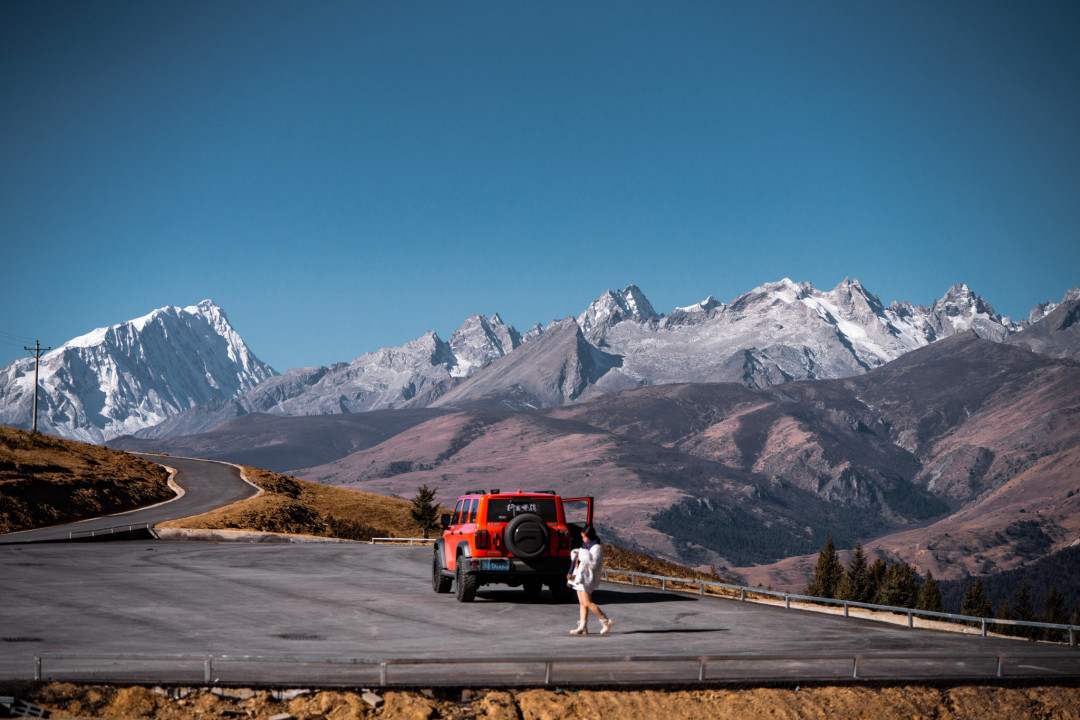
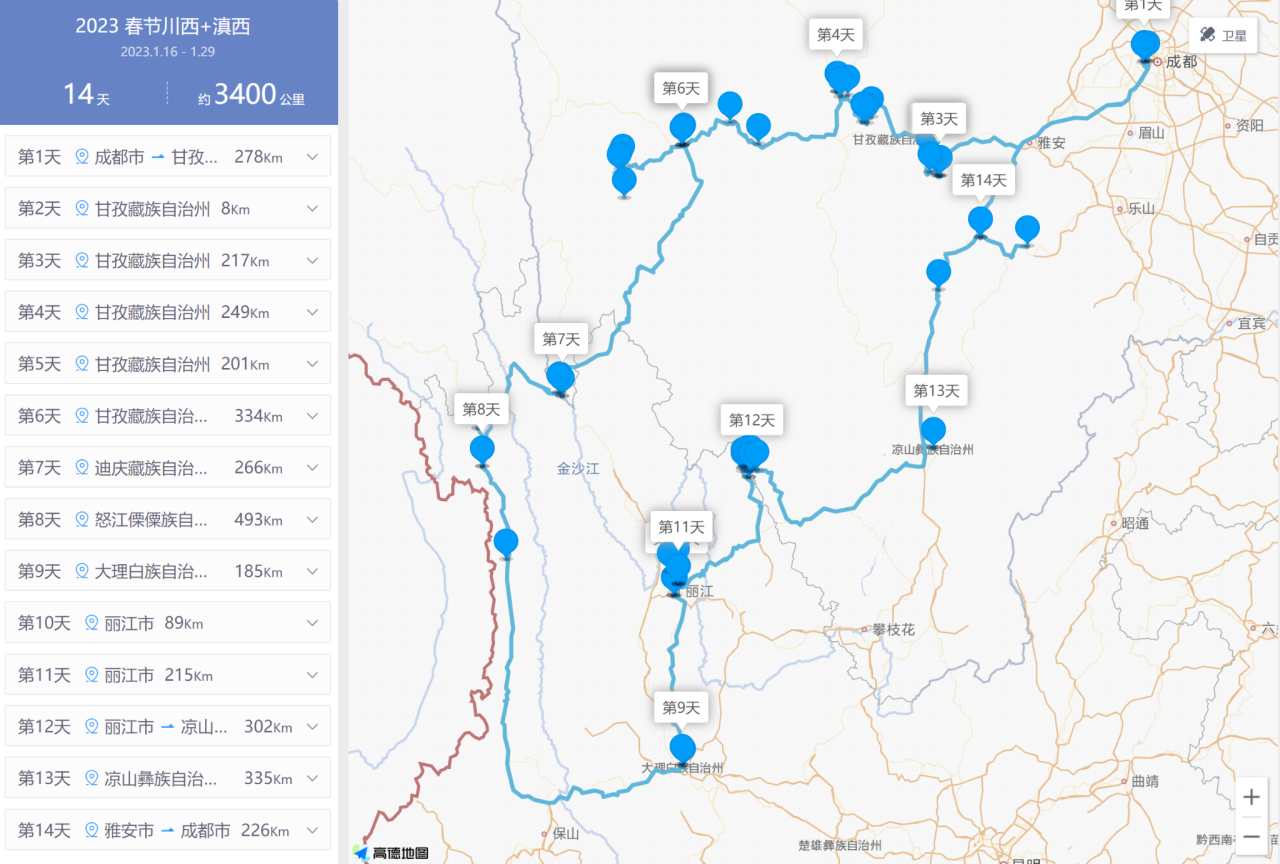
Staring at concrete and steel for too long makes you numb. For those who crave a sense of awe, the highlands of Western Sichuan and Western Yunnan offer the perfect escape. In January 2023, we embarked on a 14-day, 3,400-kilometer self-drive road trip—a counterclockwise loop from Chengdu through Ya’an, Kangding, and Litang, then into Yunnan via Diqing, Nujiang, Dali, and Lijiang, before looping back through Liangshan and Hanyuan.
Many travelers avoid the highlands in winter, citing cold temperatures, icy roads, and bare landscapes. However, winter in the highlands is a "limited edition" experience. The hillsides may be bare, but the snow-capped peaks stand out with sharper contrast. The rivers shed their muddy summer sediment, revealing a jade-green clarity. Best of all, the crowds vanish. Often, ours was the only car on the road.
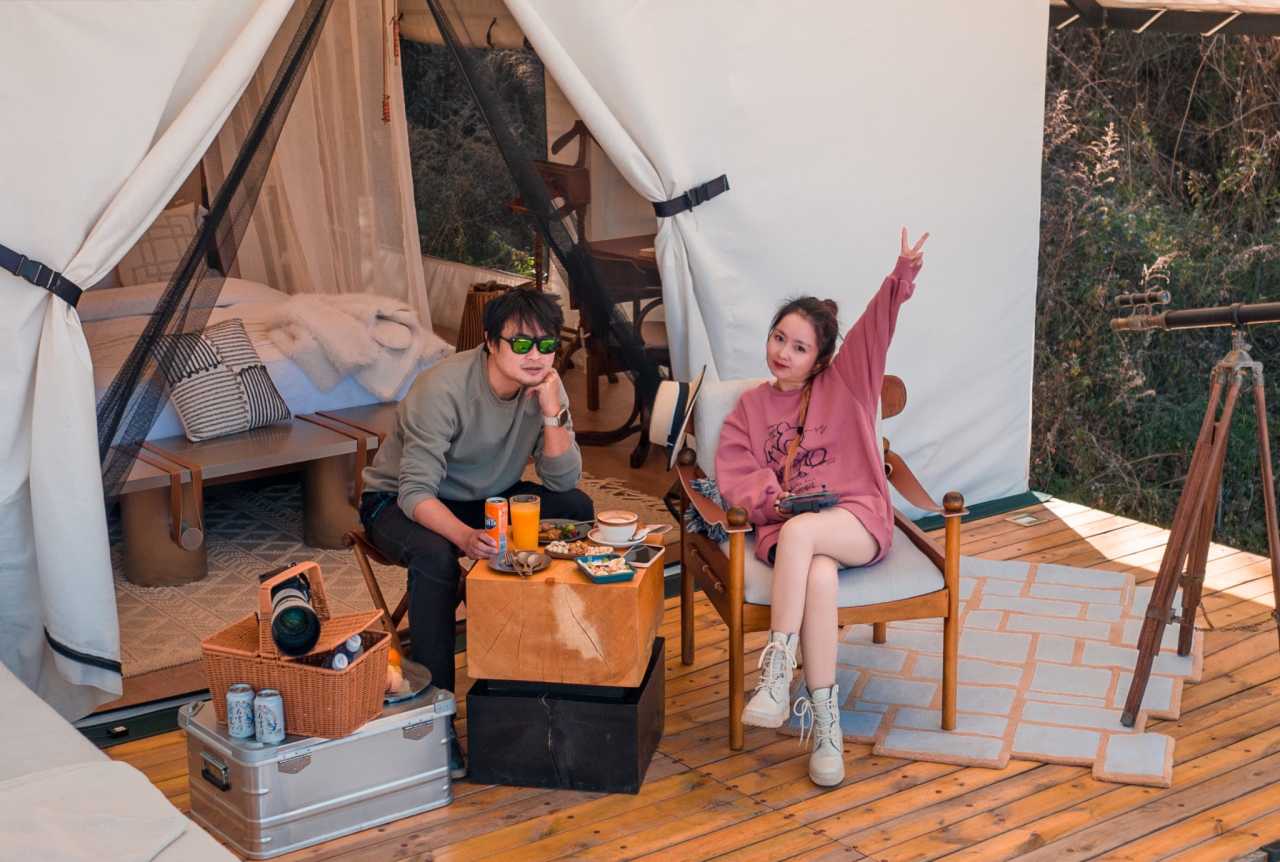
This journey was the farthest and longest we’d taken together in 12 years as a couple. It was a true test of endurance, patience, and the love of raw, untamed nature. [Link: Winter road trip safety tips]
Planning Your Winter Self-Drive Itinerary: Key Highlights

Luding Bridge: A Historical Marvel Over the Jade-Green Dadu River
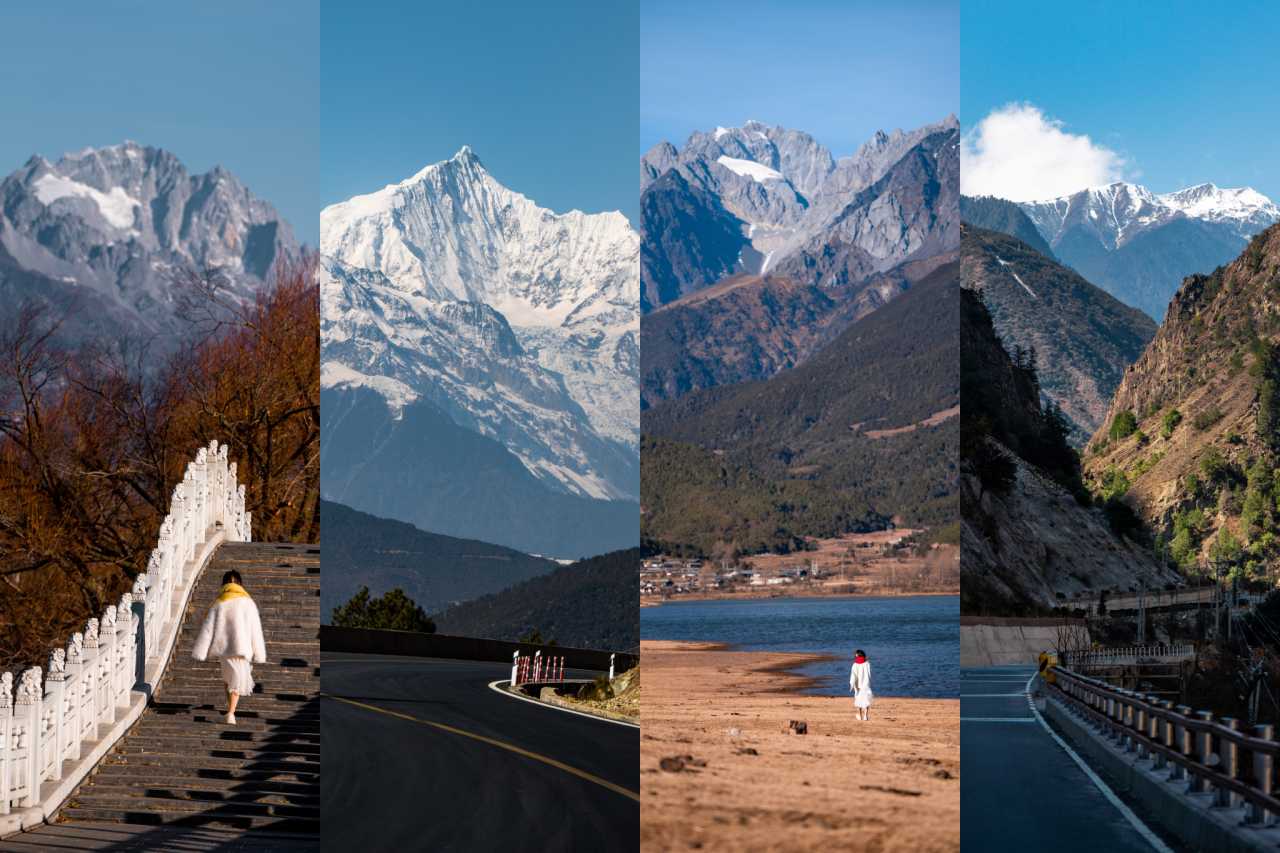
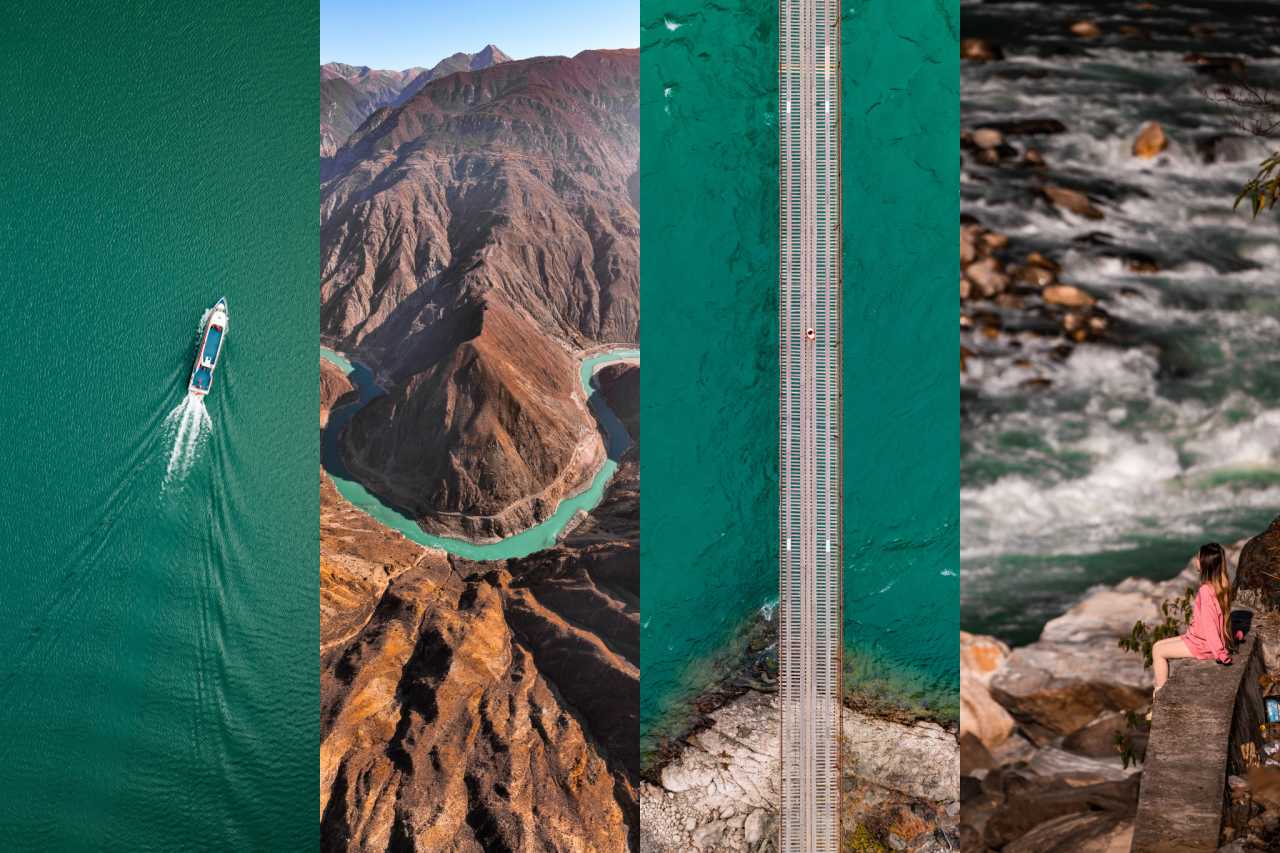
Emerging from the Erlang Mountain Tunnel, the first shock is the Dadu River. In winter, it flows like a giant piece of emerald jade—a saturation so high it looks filtered. This is a winter-exclusive visual feast; in summer, rain washes in sediment, turning the river murky.
Luding Bridge, built during the Kangxi era, is a 103.67-meter chain suspension bridge made of 13 iron chains and 12,164 interlocking rings. Walking on its swaying planks, with the biting wind howling past, you feel the weight of history.
Practical Tips for Visiting Luding Bridge in Winter: - Ticket: 10 RMB/person - Parking: 6 RMB/hour - Winter Gear: Bundle up! Gloves and a scarf are essential against the bridge’s strong winds. - Photography: Capture the 318 National Highway sign at the East Gate viewing platform before dark to avoid reflective lights ruining your shot.
Niubei Mountain: A Blind Date with Snowy Peaks
Niubei Mountain (Ox Back Mountain) is China’s largest 360-degree panoramic viewing platform, sitting at 3,666 meters. It’s famous for the "five wonders": sunrise, sea of clouds, sunset glow, starry skies, and snowy peaks. However, Niubei Mountain is entirely at the mercy of the weather.
After two cancellations due to COVID restrictions, we finally made it. But the day we arrived? Heavy snow and thick fog. Visibility was near zero. However, luck turned. The next morning, the snow stopped. The golden glow on the peaks arrived on schedule.
Accommodation Options on Niubei Mountain: - Xingpo Hotel: Container-style rooms and villas. - Xingchen Camp: Large dome tents (Room 101 offers a prime viewing spot, but the terrace can become a public viewing platform). - Xingyun Camp: Standard tents.
Important Tips: - Ticket: 160 RMB/person (purchase via WeChat official account). - Supplies: Bring your own water and snacks; supplies are limited. - Descent: Winter shuttle bus departure times are irregular; queue early.
The Scenic Highways: Provincial Highway 434 and the "Snowy Corridor"
Honghaizi (Red Lake): A Frozen Alpine Lake at 4,200 Meters
After descending from Niubei Mountain, we drove onto Provincial Highway 434 near Kangding Airport. This newly built road is in excellent condition, flanked by countless snow-capped peaks—Gongga, Yala, and Yemu.
Honghaizi is a high-altitude lake at 4,200 meters. In winter, it freezes solid into thick blue ice. Walking on its surface, watching the cracks beneath your feet, is both thrilling and terrifying. Note: This area is in a no-fly zone, so no drone shots are allowed.
The Airport Rainbow Road and Yemu Snow Mountain Viewing Platform
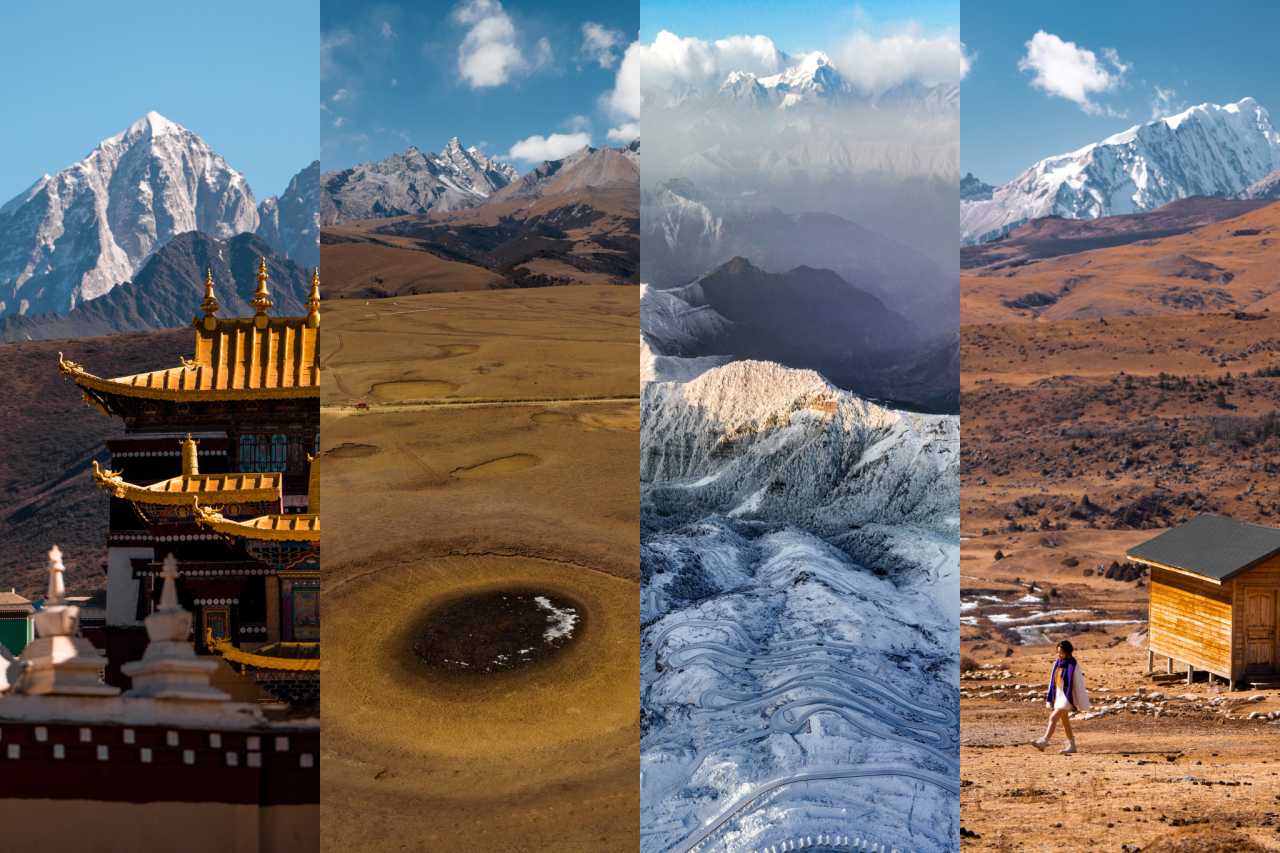
The Airport Rainbow Road is a winding S-curve where each turn reveals a different mountain silhouette. Photographers should climb the dirt embankment for an overhead shot, but watch out for traffic.
The Yemu Snow Mountain Viewing Platform is an obscure, unnamed spot that became a favorite. We parked on a hillside with no obstructions, facing Yemu Snow Mountain directly. Every shot was a masterpiece.
Hidden Gems: Gunong Village and the Yak Encounter
Gunong Village: A Morning Sunbathing with Yaks
In Gunong Village, we stayed at a small guesthouse called "Guanya Homestay," run by a warm-hearted Tibetan couple. It had only four rooms, but the front door directly faced Yala Snow Mountain.

The next morning, sunlight streamed through the windows. In front of the guesthouse was an open grassy field with a swing perfectly positioned facing the mountain. In the distance, herds of yaks descended from the hills, carefully picking their way across a frozen stream. At that moment, time seemed to stand still.
Why Gunong Village is a Must-Stop: - Authentic Experience: Small, family-run guesthouses offer genuine Tibetan hospitality. - Photography: The swing facing Yala Snow Mountain is an Instagram-worthy spot. - Wildlife: Yaks grazing in the morning light create a serene, pastoral scene.
Unexpected Joys: Iridescent Clouds and Winter-Exclusive Rivers
Beyond the grand snowy peaks and rivers, this trip was full of delightful surprises:
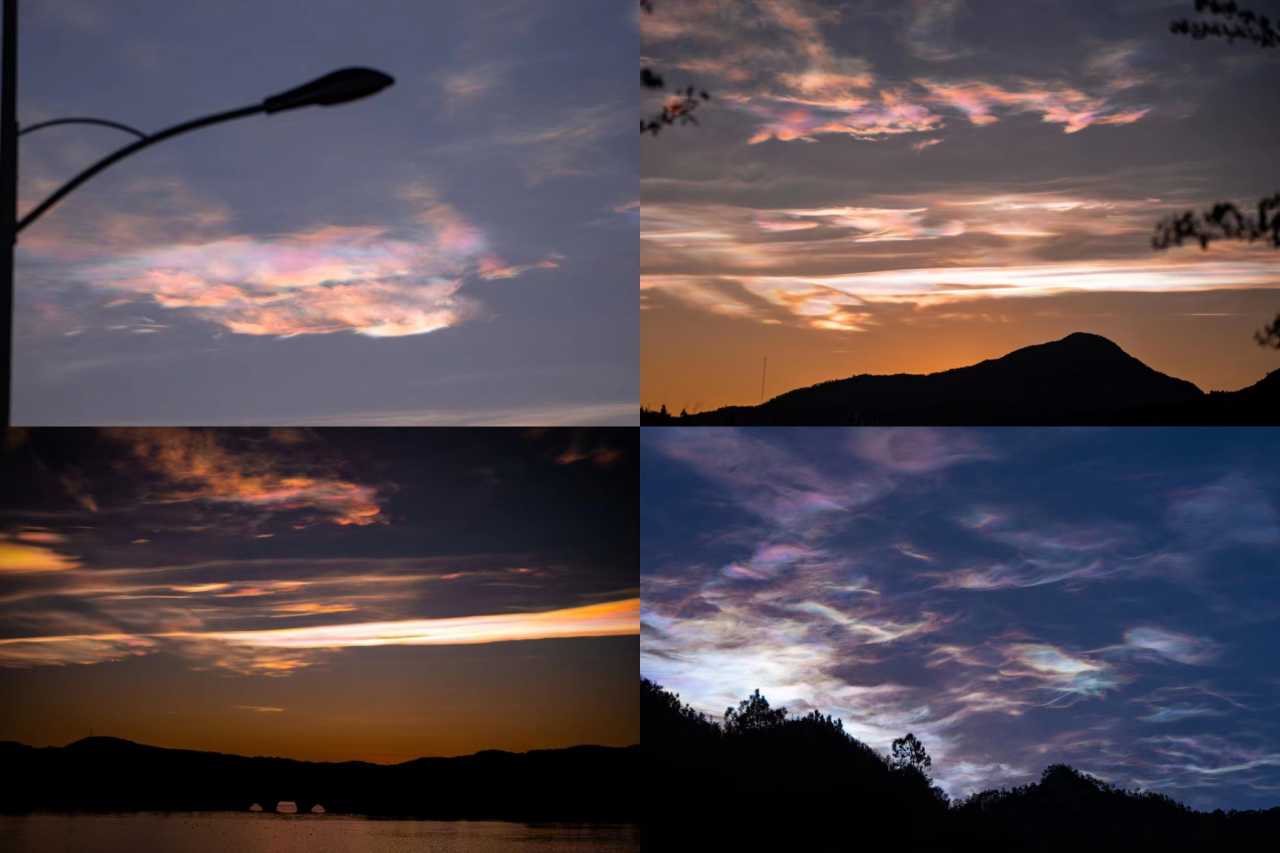
- Iridescent Clouds: We saw rainbow-colored clouds two days in a row—said to bring good luck.
- The Degong Highway: Baima Snow Mountain, Biluo Snow Mountain, and Meili Snow Mountain appeared in succession, like a beauty pageant of peaks.
- Winter-Exclusive Green Rivers: The Dadu, Jinsha, Lancang (Mekong), and Nujiang (Salween) rivers—only in winter do they show this pure, jade-like green.
FAQ: Winter Self-Drive in Western Sichuan and Yunnan
1. Is it safe to drive in Western Sichuan during winter?
 Yes, but with precautions. Roads can be icy, especially at high passes (4,000+ meters). Use winter tires or chains. Drive slowly, especially on curves. Check weather forecasts and road closures (often due to snow or fire season restrictions).
2. What is the best time for a winter road trip in this region?
January and February offer the clearest skies and the most intense "jade-green" river colors. However, expect cold temperatures (often -10°C to -20°C at night). The crowds are minimal, making it ideal for solitude seekers.
3. Do I need a 4WD vehicle?
 While a standard sedan can handle most paved roads (like Highway 434 and the Degong Highway), a 4WD or SUV with high clearance is recommended for unpaved sections or sudden snowstorms. [Link: Best vehicles for high-altitude road trips]
4. What should I pack for this trip?
- Clothing: Thermal base layers, fleece, down jacket, waterproof outer shell, gloves, scarf, and a warm hat.
- Gear: Sunglasses (snow glare is intense), sunscreen, lip balm, portable charger, and a first-aid kit.
- Vehicle: Tire chains, ice scraper, extra coolant, and a spare tire.
5. Are there any permits or restrictions?
Some areas (like Niubei Mountain) require advance ticket booking via WeChat. Fire season restrictions may limit access to certain forests or hiking trails. Always check local regulations before heading out.

Final Thoughts: Why You Must Travel from Western Sichuan to Western Yunnan
14 days, 3,400 kilometers. From Western Sichuan to Western Yunnan, we crossed snowy peaks, rivers, and alpine lakes—and we crossed seasons and states of mind.
People ask me why I’m so obsessed with trips like this. The answer lies in those moments: standing at a 4,800-meter pass, speechless before the majesty of Ge'nyen Snow Mountain; waiting through a night on Niubei Mountain and finally seeing the golden sunrise; driving along Highway 434 and sunbathing with yaks; walking across Luding Bridge and feeling the weight of history beneath your feet.
Your adventure awaits. The highlands are calling. Pack your bags, check your tires, and hit the road. This is a journey that will leave you breathless—in every sense of the word.
Ready to plan your own winter road trip? [Link: Download our free Western Sichuan road trip checklist] or [Link: Book a guided tour for a stress-free experience].
You may also like


