From Gazing to Reaching: My First Snow Mountain – A Beginner's Guide to Climbing Siguniang Dafeng
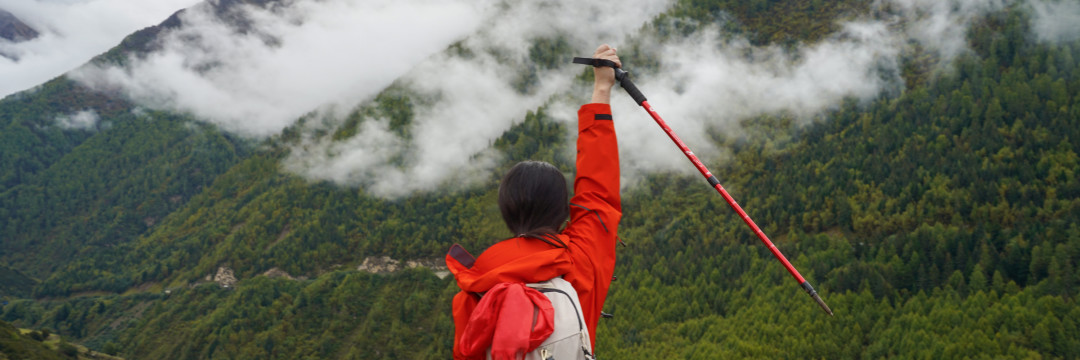
Meta Description: Discover what it truly takes to climb your first snow mountain. From training tips and altitude acclimatization to the emotional journey of summiting Siguniang Dafeng – a complete beginner's guide to high-altitude trekking.
Why Climb a Snow Mountain? The Answer Lies on the Trail, Not the Summit
"Because it's there." – George Mallory's legendary response has echoed through mountaineering history. But for first-time climbers, the question runs deeper: What drives ordinary people to trade comfort for uncertainty, to exchange flat screens for steep slopes?
The answer isn't simple. We're born with a curious gene – a need to know what lies beyond the clouds, beyond the monotony of daily life. In an age of information overload yet inner emptiness, perhaps what we're truly seeking isn't a distant peak, but the authentic self buried beneath routines and responsibilities.
Modern technology can stream 4K footage of snowy summits, but it cannot replicate the sensation of scorching sun on your skin, icy rain lashing your face, or the internal tug-of-war between giving up and pushing forward. Knowledge is easily acquired; experience must be lived.
If the mountain represents a goal, the climb itself is a metaphor for moving toward fulfillment. From narrow to open, from hesitant to resolute – in the steady rhythm of movement, we find grounded strength. Even if you never reach the summit, what you gain along the way genuinely belongs to you.
[Link: Benefits of high-altitude trekking for mental health]
No Unprepared Battles: A Beginner's Training Diary for Siguniang Dafeng
Online forums often claim: "You can climb Siguniang Dafeng as long as you have legs." I knew this wasn't aimed at someone like me – a desk-bound professional who rarely exercises. Before this trip, my only "achievement" was completing the long route at Yading once.
Out of respect for nature and a desire to prepare for the worst, I created a two-month training plan:
- Swimming: 2–3 times per week (full-body cardio)
- Hiking: One weekend trip per week (with elevation gain)
After about a month, I could clearly feel changes in my body. That sense of reward for effort was deeply reassuring. Yet my mindset kept oscillating between "I'm incredibly strong now" and "I'll definitely never make it." Sometimes I felt like I wasn't planning a trip but preparing for an exam.
Altitude Sickness: My Lesser Worry
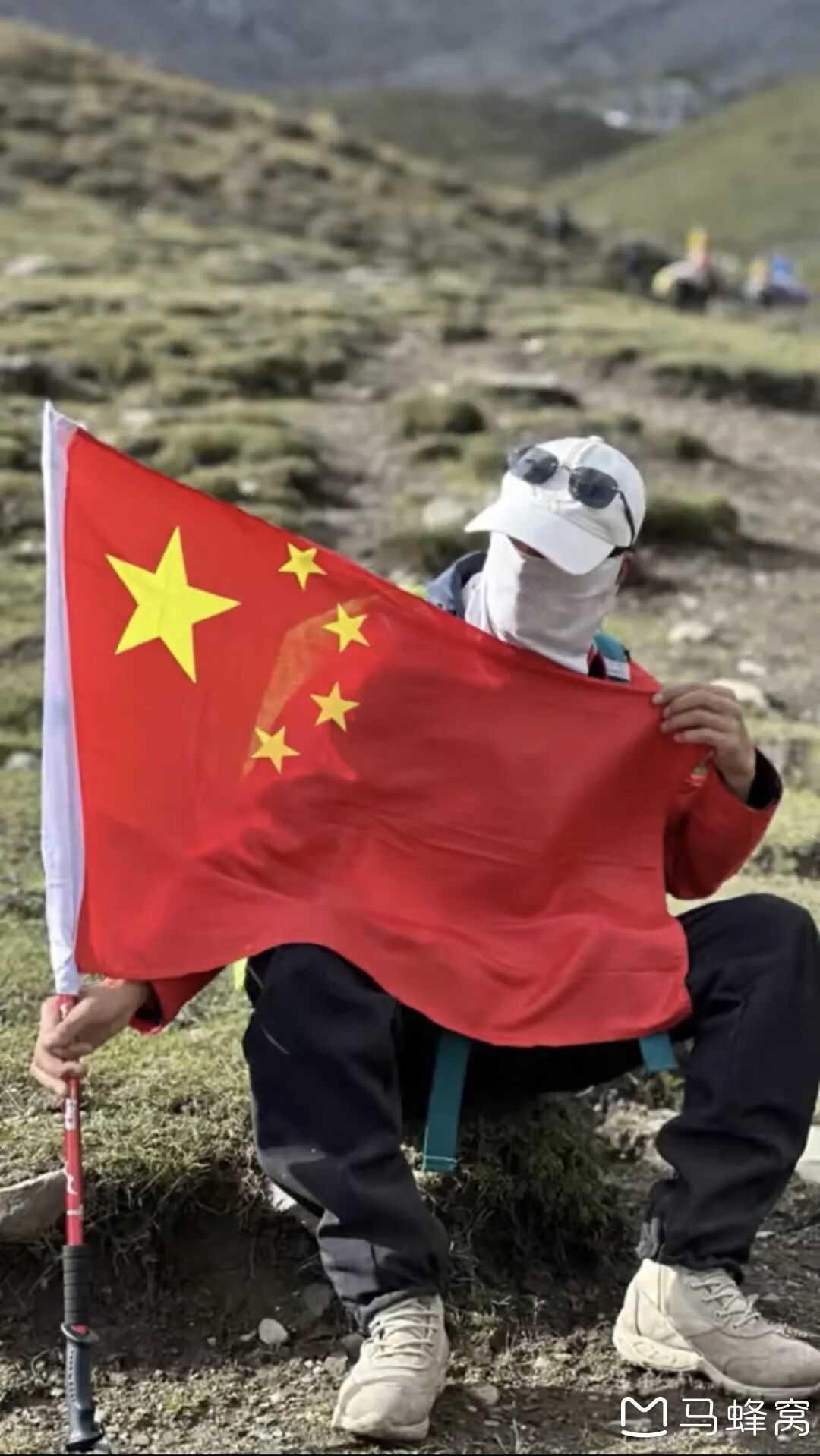
Ironically, altitude sickness wasn't my biggest concern. I've always adapted well to high altitudes. My only worry was whether my post-COVID recovery had diminished that ability. But even if altitude sickness struck, that would be normal – the elevation is significant. Relaxing, taking it slow, and drinking plenty of warm water are proven strategies.
Choosing a Guiding Company: Two Critical Factors
Services offered by guiding companies are largely similar – Wi-Fi at camp, food variety, etc. What truly matters are:
- Price – Compare packages carefully
- The Guide – One-on-one support on summit day can make or break your attempt
A good guide knows when to push you and when to pull you back. They've seen hundreds of climbers; trust their judgment.
[Link: How to choose a reliable mountain guide for beginners]
The Shuangqiao Valley Trial: Acclimatization Strategy That Paid Off
The standard itinerary spans three days:
| Day | Activity |
|---|---|
| Day 1 | Gather in Chengdu, drive to Siguniangshan Town |
| Day 2 | Hike to base camp |
| Day 3 | Summit and descend |
I arrived in town a day early – a decision that proved wise. This gave me time to explore Shuangqiao Valley while acclimatizing to the altitude.
Getting There
The drive from Chengdu to Siguniangshan Town took over five hours – much better than expected, especially considering National Day traffic jams in Sichuan. From town to Shuangqiao Valley, a yellow taxi costs 15 yuan per person to the entrance.
Hongshanping: The Highest Point

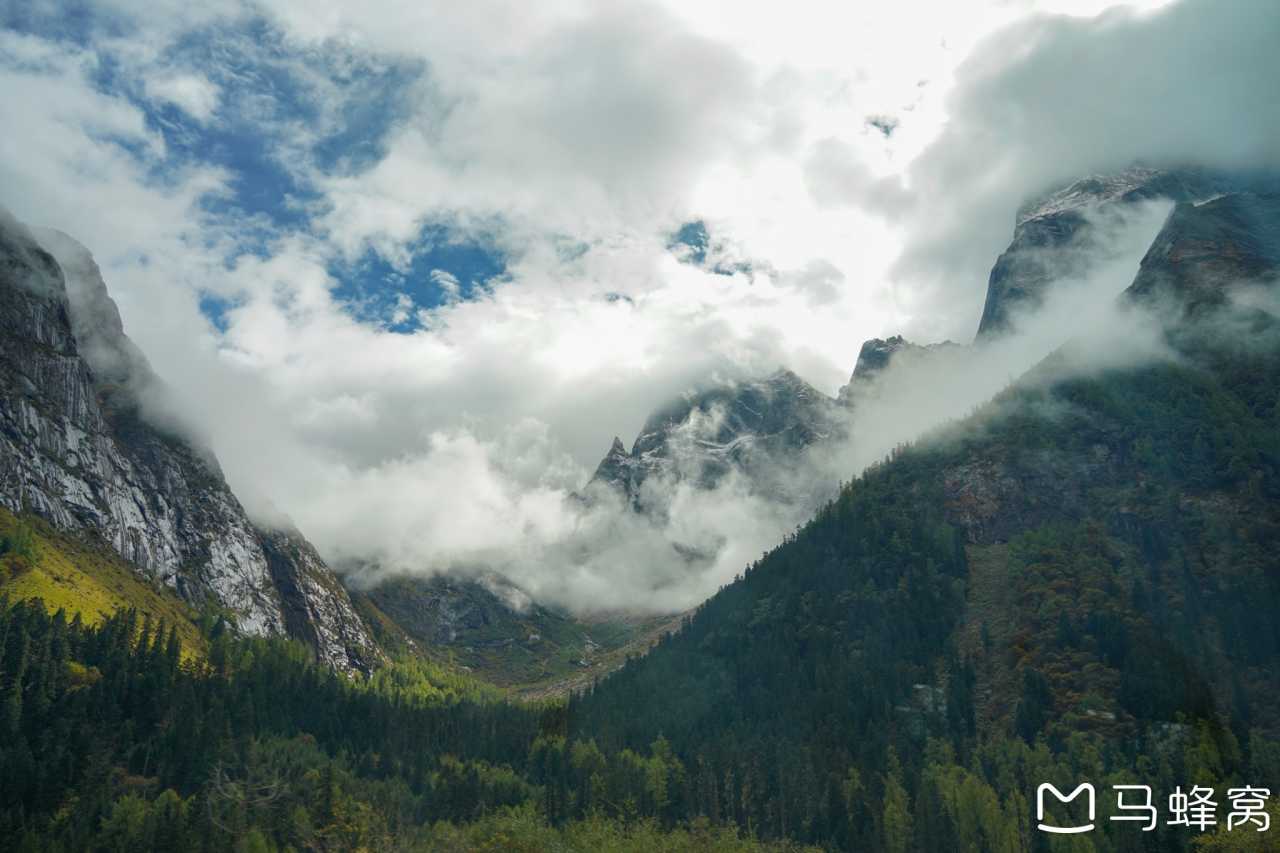
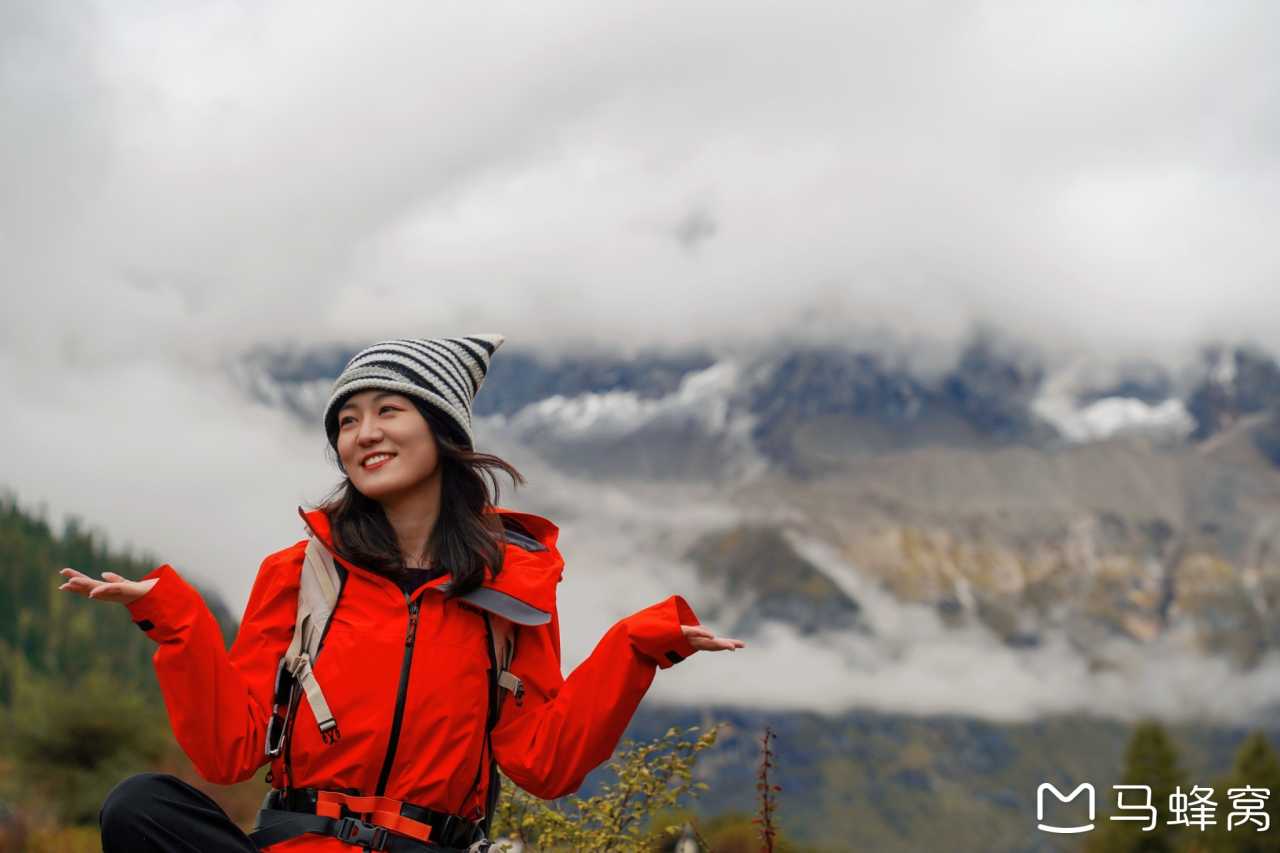
The shuttle bus goes straight to Hongshanping (Red Spruce Flat) at 3,840 meters. Surrounded by mountains on three sides, you can see distant glaciers and clouds clinging to snowy peaks. The Bdalafeng (Potala Peak) stop offers the most beautiful scenery – a perfect composition of road, boardwalk, meadows, and snow mountains.
Hidden gem: Walk along the wooden path toward Zhuganacuo (Zhugana Lake) – fewer tourists, stunning views.
Weather at High Altitude
High-altitude weather changes in an instant. Occasionally, sunlight strikes the cliff face, making the entire mountain glow like a warrior clad in silver armor. The entire Siguniangshan scenic area boasts 85 peaks above 5,000 meters – a veritable museum of snow mountains.
[Link: Best time to visit Siguniangshan for climbing]
Departing from Haizigou: When Perseverance Becomes a Choice
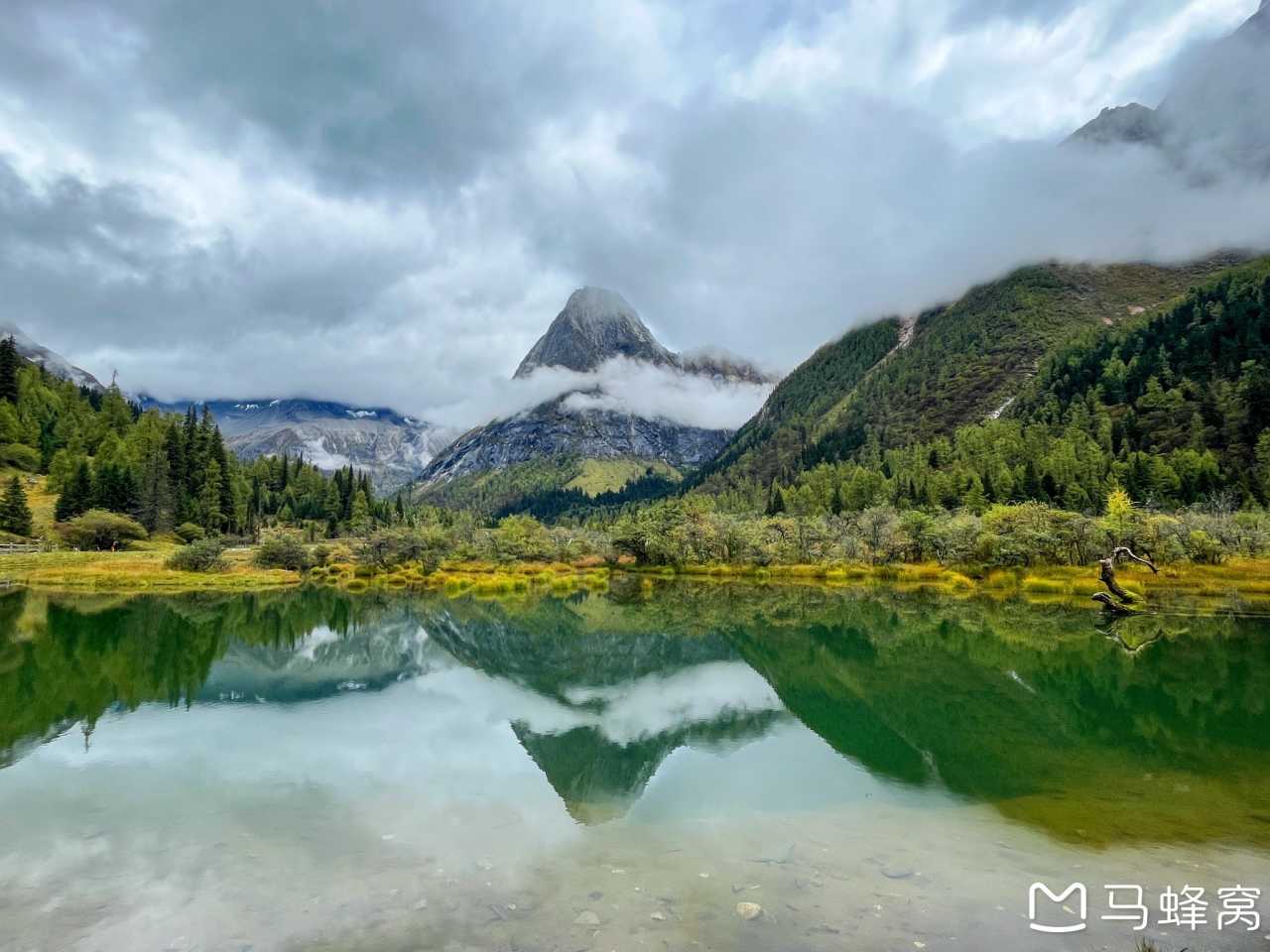
Siguniangshan consists of four peaks:
| Peak | Height | Difficulty |
|---|---|---|
| Yaomei Feng (Younger Sister) | 6,250m | Extreme |
| Sanfeng (Third Peak) | 5,355m | Advanced |
| Erfeng (Second Peak) | 5,276m | Intermediate |
| Dafeng (Big Peak) | 5,025m | Beginner-friendly |
Our target was the most accessible: Dafeng.
The Trail
At 8:30 AM on the second day, we set out from the inn, walking about 1.3 km to the entrance of Haizigou (Haizi Valley) . All Siguniangshan climbs begin through Haizigou – the most primitive of the three valleys. The trail starts with stone steps but quickly becomes dirt paths, muddy tracks, and loose gravel.
Zhaijieping: The Horse Decision
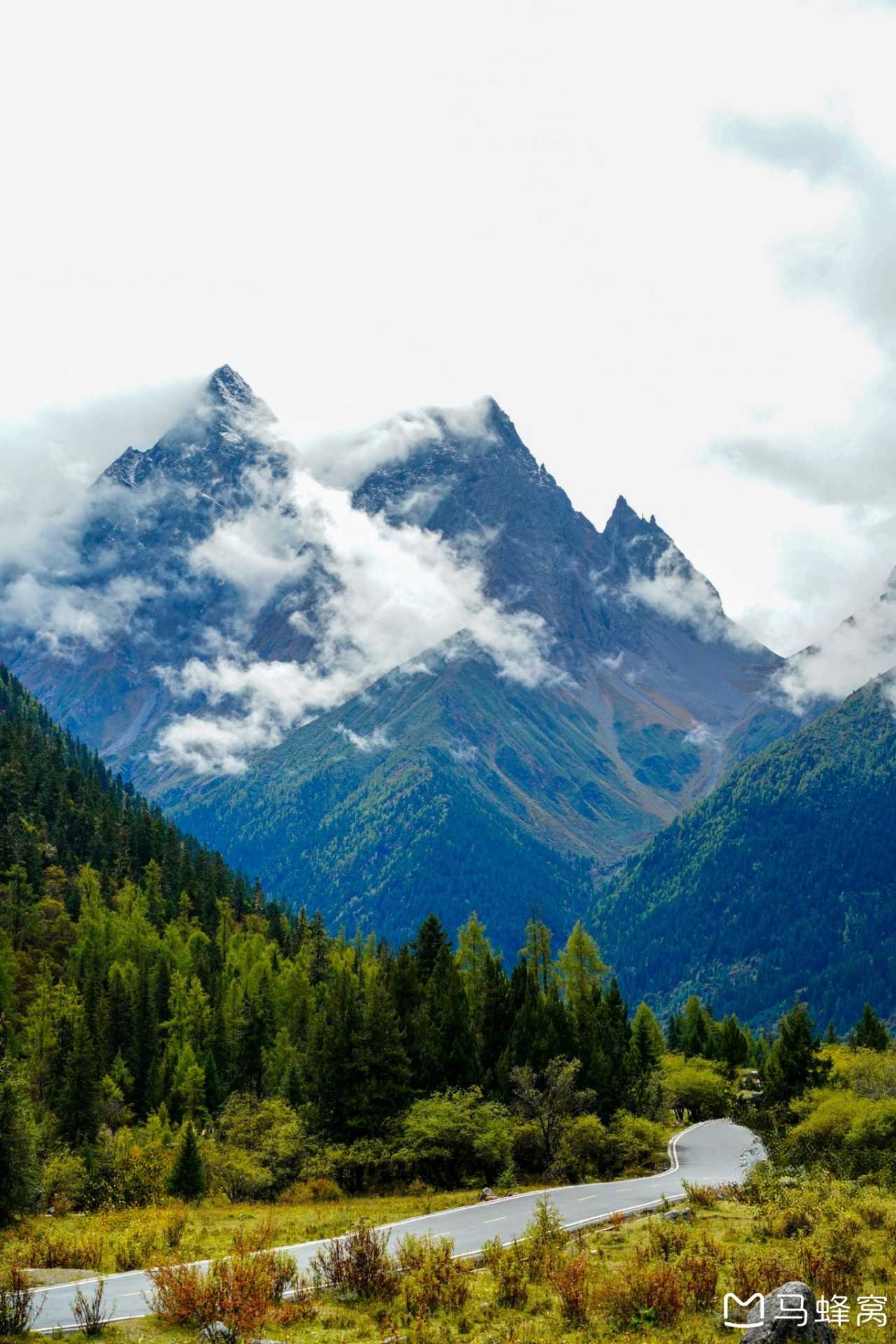
Around 10 AM, the group reached Zhaijieping (Fasting Flat) . Some less fit members began opting to ride horses. But my companion, Shao Qiqi, was full of confidence and insisted on walking.
From there to Dajianbao (Supply Station) , the terrain remained relatively gentle – alternating between open slopes and forest paths. The slopes offered expansive views of blue skies and white clouds. But the forest sections were unpleasant: humid, muddy trails that frequently overlapped with horse tracks, leaving the air thick with horse manure.
Dajianbao: The Fork in the Road
Dajianbao is the last supply station before base camp. We rested for 30–40 minutes. By then, we had covered 7–8 km and were starting to feel fatigued. Continuing on foot was possible, but I worried about exhausting myself before tomorrow's summit attempt.
For a moment, I wavered and considered taking a horse. But when I looked at Shao Qiqi, she was still chatting and laughing, seemingly never considering the option. So I thought: Let's keep walking. If she can do it, so can I.
Plot twist: Less than 15 minutes later, I saw Shao Qiqi on horseback, beaming and waving: "I caved and paid for the ride!"
The Steep Slope
After Dajianbao, the gradient steepened. Phone signal disappeared entirely – my phone now had only two functions: taking photos and telling time. Without the constant buzz of information, the world fell silent. I watched eagles glide effortlessly through the valley. I heard my own breathing, distinct and clear in the quiet valley.
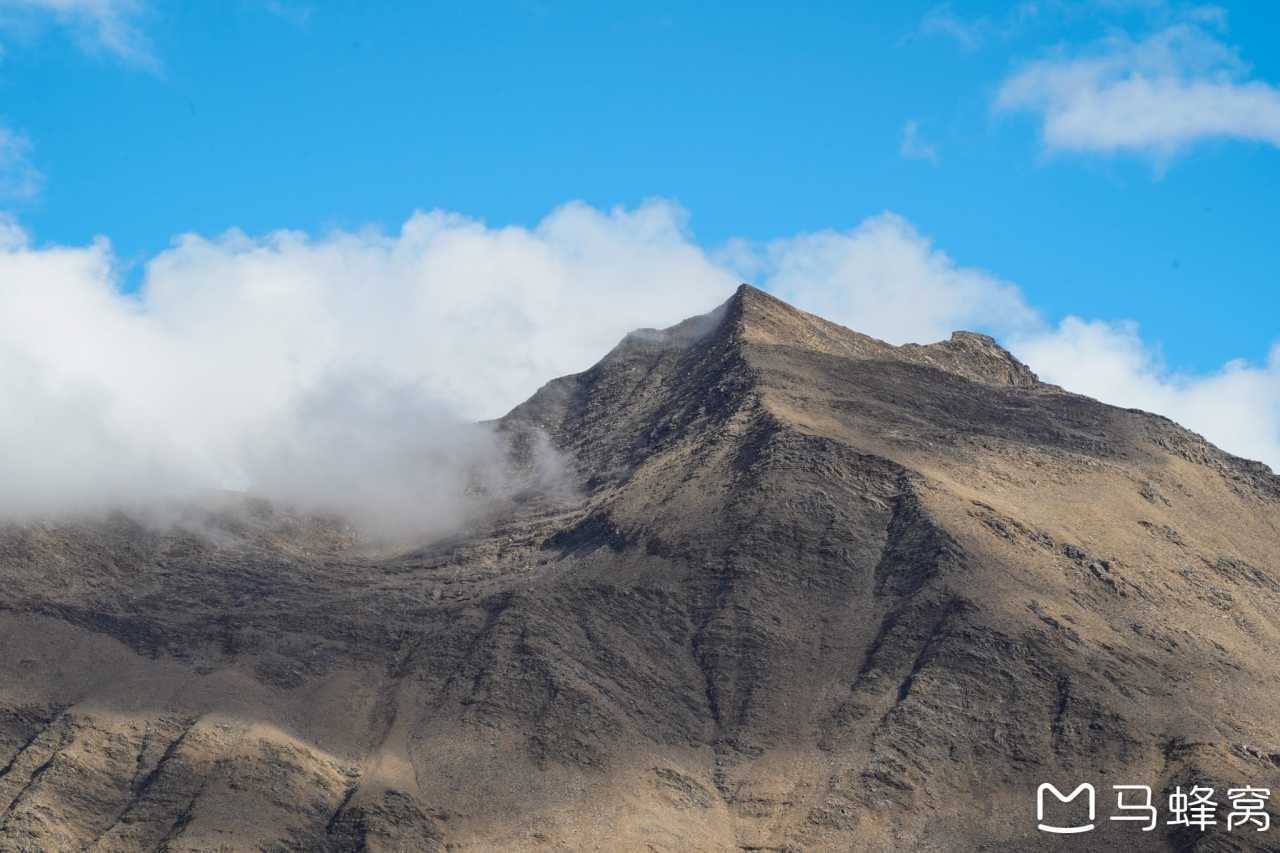
At a fork in the trail, we split off from the group heading to Erfeng. What had been a large group was now just six or seven people, facing a slope of nearly 50–60 degrees. This section was excruciating – my own heartbeat pounded in my ears. The last few steps were only possible because of my guide.
[Link: Essential gear for first-time snow mountain climbers]
FAQ: Your First Snow Mountain Climb
1. Do I need prior climbing experience for Siguniang Dafeng?
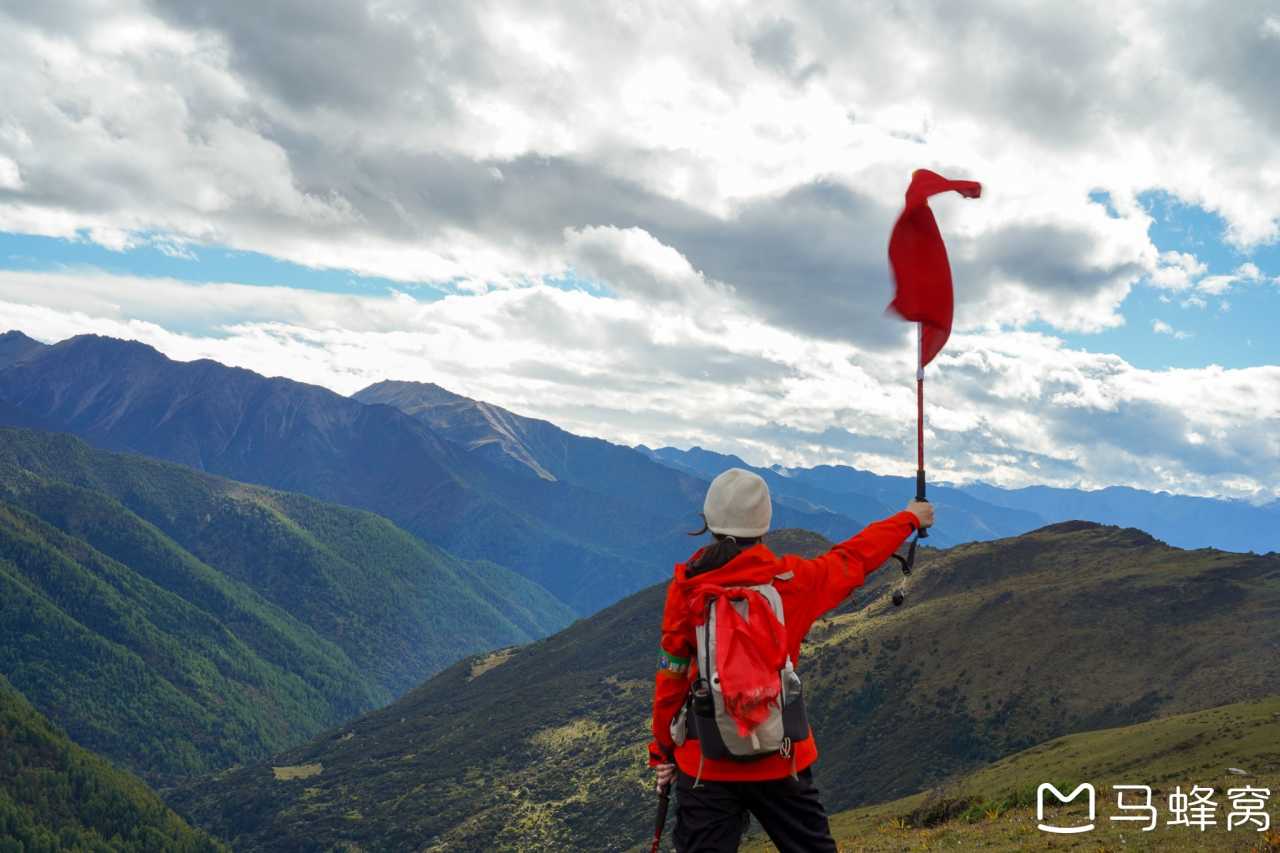
No. Dafeng is considered a beginner-friendly snow mountain. However, basic fitness (able to hike 8–10 km with elevation gain) and proper acclimatization are essential. Many first-timers summit successfully with preparation.
2. What's the best season for climbing?
May to October offers the most stable weather. Winter climbs (November–April) are possible but require more technical gear and experience. Avoid the rainy season (July–August) if possible.
3. How dangerous is altitude sickness?
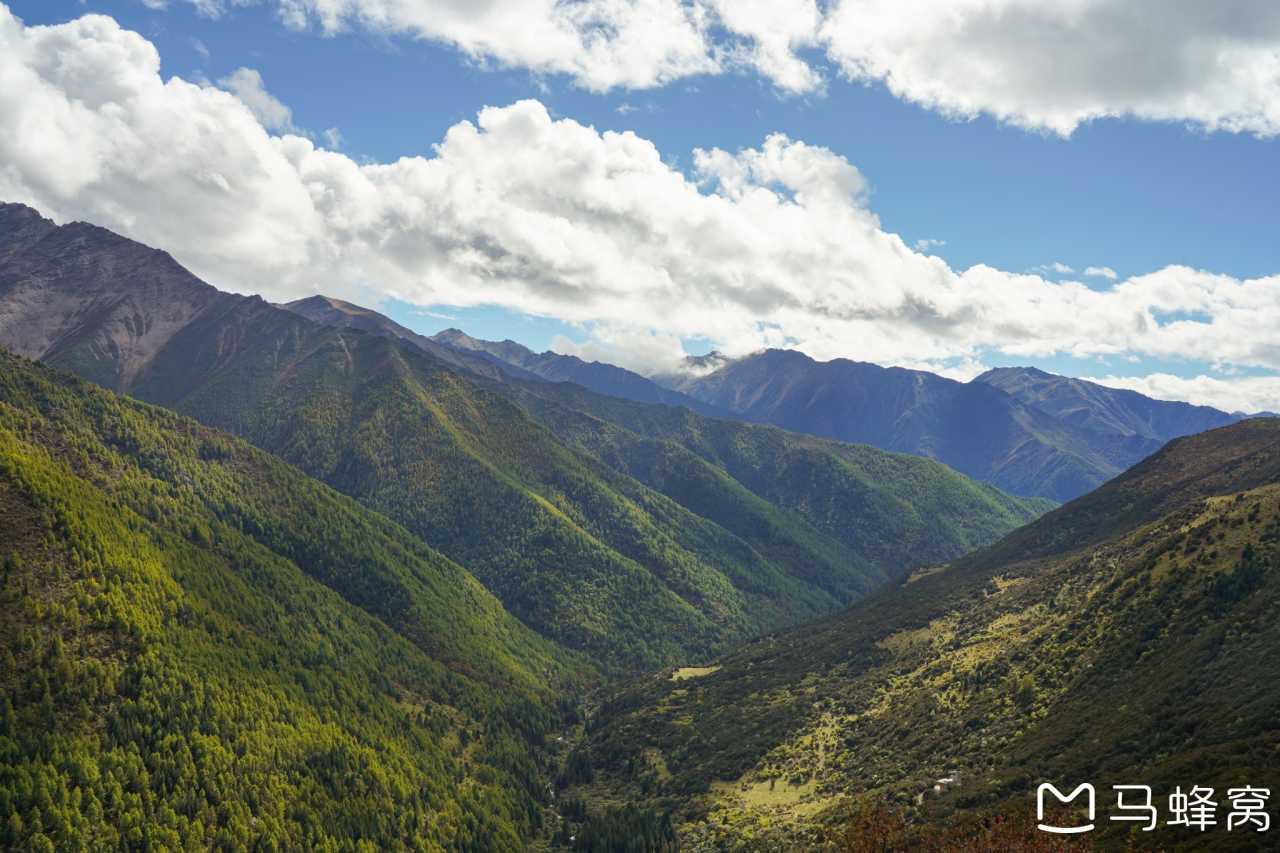
Altitude sickness is common but manageable. Symptoms include headache, nausea, and dizziness. Prevention strategies: ascend slowly, stay hydrated, avoid alcohol, and consider medication (Diamox) under medical advice. Descend immediately if symptoms worsen.
4. What gear do I absolutely need?
- Sturdy hiking boots (waterproof)
- Warm layers (base layer, fleece, down jacket)
- Waterproof shell (jacket and pants)
- Headlamp (for summit day)
- Trekking poles
- Sunglasses and sunscreen (snow reflection is intense)
- Hydration system (at least 2 liters)
5. Can I climb alone?
Professional guiding is highly recommended for first-timers. Guides provide safety, navigation, and emotional support. Many companies offer group packages with one-on-one summit support.
Your First Snow Mountain Awaits: Take the First Step
From gazing at photos to reaching for the summit – the journey begins with a single decision. Siguniang Dafeng isn't just a mountain; it's a mirror. It reflects your doubts, your strength, and the quiet resilience you didn't know you had.
The trail will test you. The altitude will challenge you. But when you stand at 5,025 meters, looking down at the clouds, you'll understand why people keep climbing.
Ready to write your own summit story? [Link: Book your guided Siguniang Dafeng climb] or [Link: Download our free beginner's training plan]
Have you climbed your first snow mountain? Share your experience in the comments below – we'd love to hear your story.
You may also like


