From Chongqing to Sichuan: The Ultimate 10-Day Self-Drive Adventure Through China’s Spice Heartland
Meta Description: Discover the ultimate Chongqing to Sichuan road trip itinerary. 10 days of spontaneous travel, fiery hotpot, ancient towns, and hidden gems. Your guide to China’s most flavorful journey.
Introduction: Where Spice Meets Spontaneity
Where there are people, there is jianghu—the sprawling, chaotic world of wanderers and warriors. Where there is jianghu, there is hotpot. And where there is hotpot, there we are.
That sentence, more or less, sums up why my friend and I embarked on this journey through Sichuan and Chongqing. Flying out of Shanghai, with car rental added on, the cost rivaled an overseas trip. But for that haunting, soul-stirring taste of "spice," we threw caution to the wind and chose Chongqing and Sichuan. Just like our trip to Malaysia earlier this year, this was another self-drive adventure—go where the road takes us, free and easy.
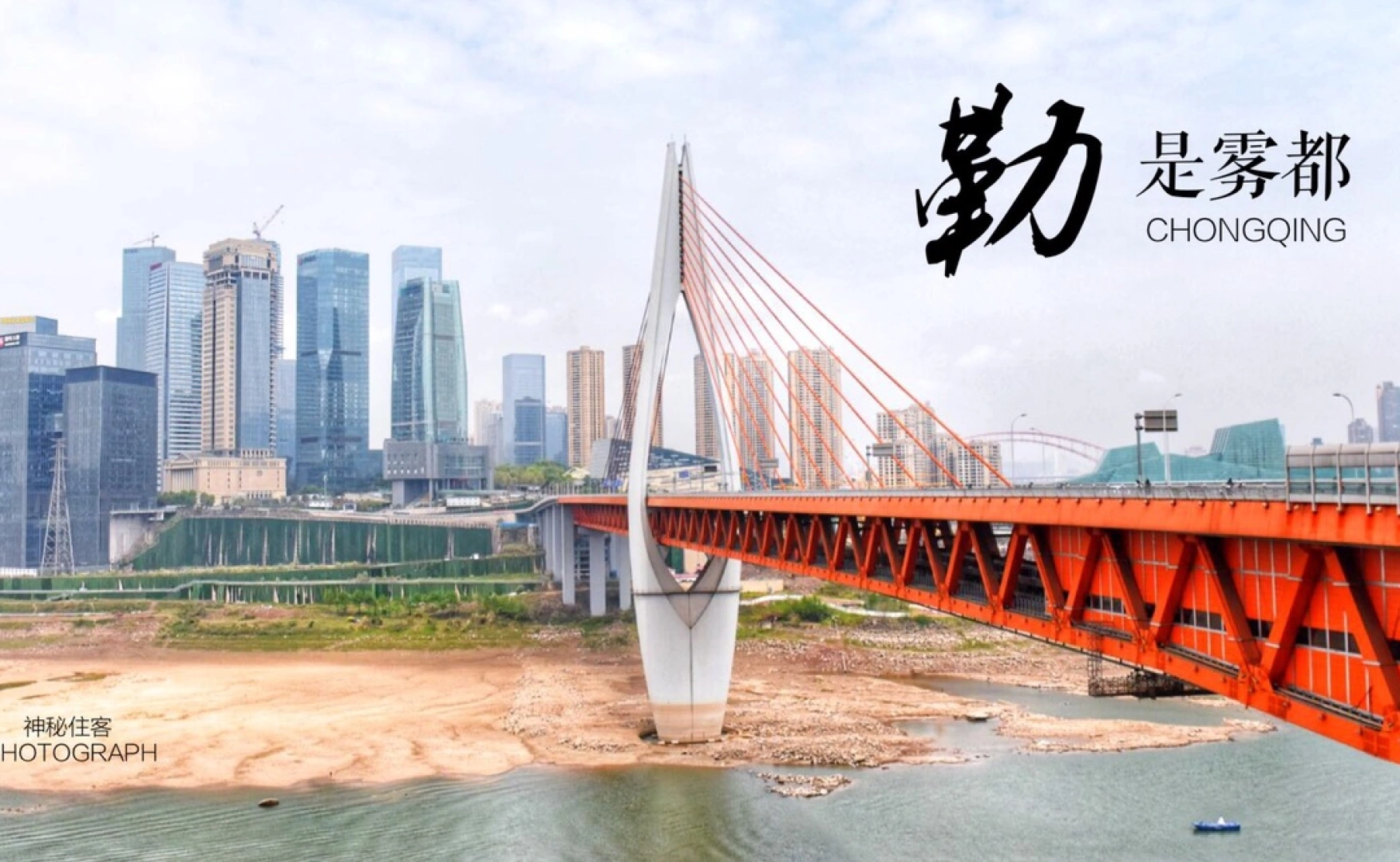
Chongqing is a city that constantly pops up in the news—the light rail that cuts through apartment buildings, the cable cars spanning the river, twenty-story buildings with no elevators, and the mind-bending architecture where one building's three entrances lead to three different streets. Then there are the fiery local girls and the addictive hotpot that you just can't quit. Isn't this exactly the kind of place travelers dream of—full of surprises? After arriving, it lived up to every expectation.
I've been to Sichuan a few times before, but there's always something new to discover. Chengdu's street snacks, the awe-inspiring beauty of Sêrtar, the crystal-clear waters of Yulong Lacuo (Jade Dragon Lake), the mysterious air of the Derge Sutra Printing House... this land is so vast, and there are still so many places I haven't seen. So this time, I wanted to cover as much ground as possible.
This trip took us from spring into winter, from mild spice to face-melting heat, from Chongqing's raw, swaggering energy to Sichuan's warm, smoky, everyday charm. For ten whole days, we were like two kids let loose, wandering randomly across the land of Sichuan and Chongqing.
Trip Overview: A "Random Mode" Ten-Day Wandering
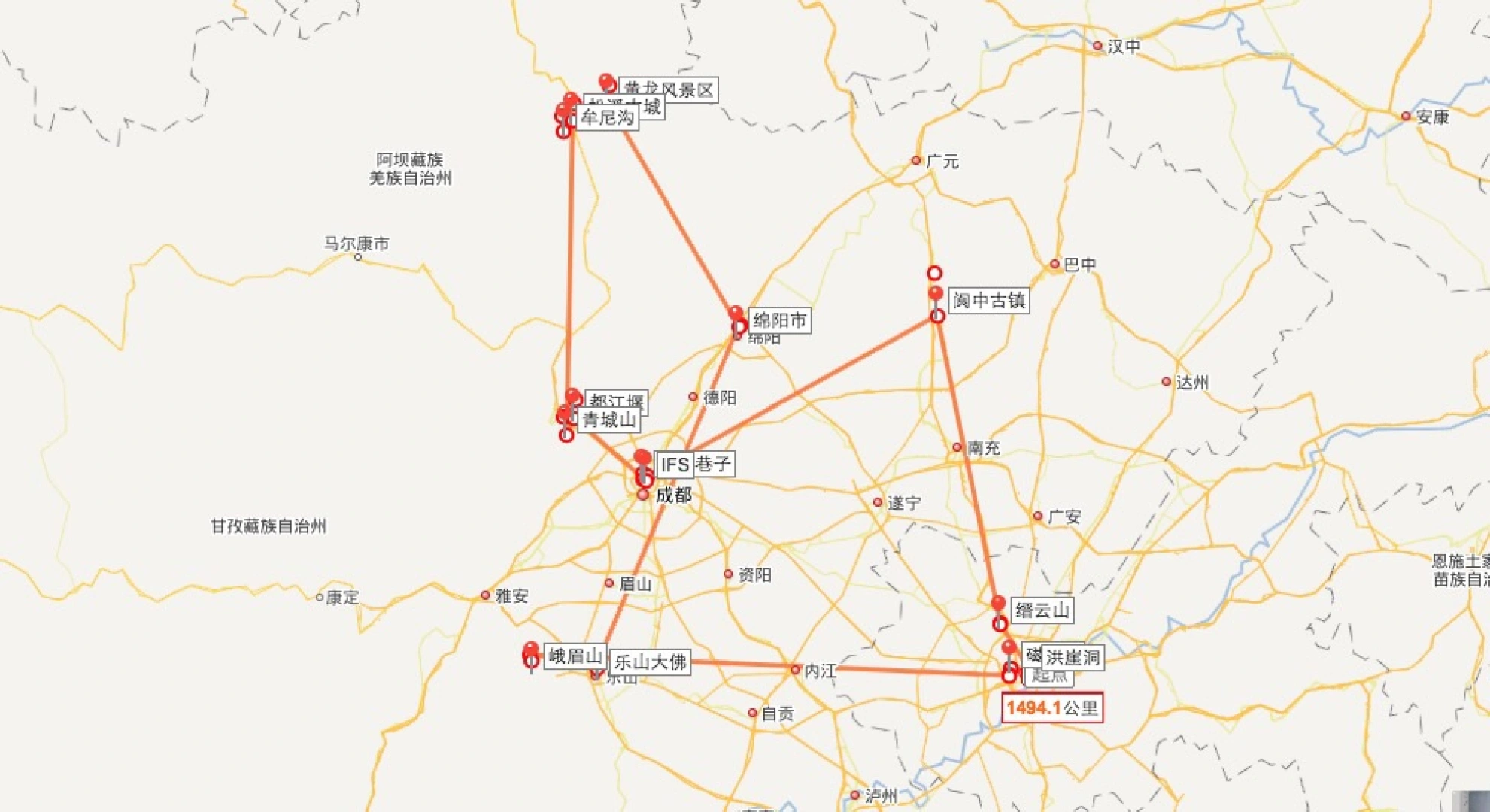
Our route went like this: Chongqing → Langzhong → Chengdu → Dujiangyan → Mount Qingcheng → Songpan → Huanglong → Leshan → Mount Emei → Chongqing.
Apart from the round-trip flights, which we booked in advance, everything else was completely improvised. Hotels, transport, sights... we just went with the flow. That's the true essence of independent travel. As for the food—hotpot, chuan chuan (skewers), xiaomian (Chongqing noodles), spicy chicken, yak meat hotpot, youshao (fried dough pockets), juhong (candied pomelo peel), bingfen (ice jelly), lianggao (cold rice cake), douhua (tofu pudding), xue moyu (snow konjac)—I'll get to all of them in the stories ahead.
Day One: First Sight of Chongqing – So This Is the Jianghu

Settling In at Ciqikou, Marinated in Hotpot Aroma
From Jiangbei Airport, we headed straight to Ciqikou, hailed as one of the "New Twelve Scenes of Chongqing." They call it an ancient town, but my first impression wasn't one of old-world charm. It was being hit square in the face by the overwhelming smell of hotpot. The air was thick with the pungent aroma of chili and Sichuan pepper. For a moment, I felt like a walking skewer, marinating in a pot of bubbling broth. Chongqing lives in its mountains, on its bridges, and most of all, in its hotpot and skewers.
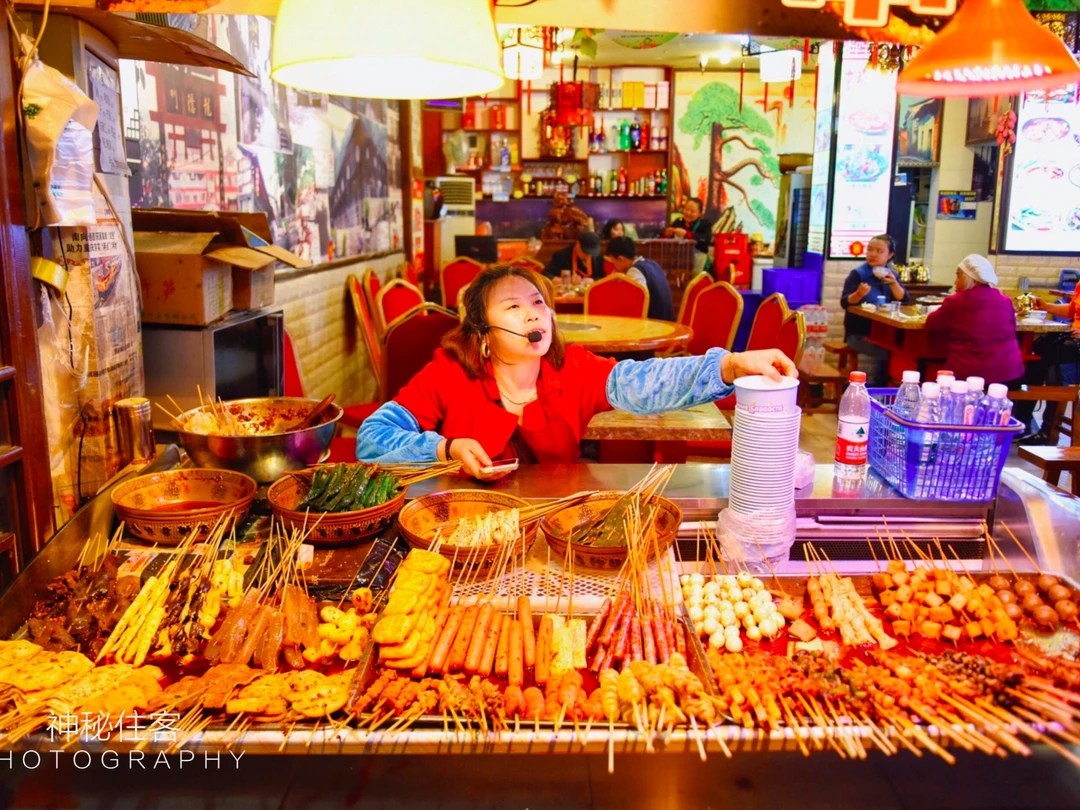
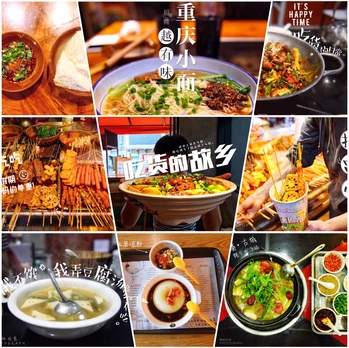
Before we even reached the entrance, the sheer scale of the skewer stalls blew me away. I had no idea skewers could be sold like this! The老板娘 (female shopkeeper) was yelling out her wares, and I couldn't help but stop. These skewers were like a super-spicy version of Japanese oden—pre-cooked, then zapped in a microwave to release their mouthwatering fragrance. Vegetable skewers were one yuan each, meat ones three yuan. The prices were so cheap it almost made you want to cry. But no matter how cheap, your stomach can only hold so much. I really wanted to tell the owner, "I'll buy the whole stall—just make me one skewer at a time, and I'll eat them as you go." It's that childhood dream of every foodie: owning a little snack shop.
A Bowl of Xiaomian, a Slice of Jianghu
I'm only half a foodie, because I've never been big on noodles. But I'd heard all about the legendary status of Chongqing xiaomian (small noodles). Even more telling, my best friend went back home and wouldn't stop talking about opening a Chongqing noodle shop himself. So how could I come here and not have a bowl? I found a random shop on the street, and it was delicious. Remember: the spicier, the better.
The stone mill at the shop entrance brought back childhood memories. Back then, douhua (tofu pudding) was still made by hand, and whether you liked it sweet or savory was a dead giveaway of whether you were from the south or the north. I've always thought douhua should be sweet. But this time, I ordered a savory bowl—and even added chili. Turns out the chef was in a bad mood and oversalted it. One bite, and I gave up. Lesson learned: us southerners should stick with the sweet option.
Hidden in the Streets, an Unmistakable Liveliness
Chongqing has so much food—xiaomian, dandanmian (dan dan noodles), suan la fen (hot and sour rice noodles), suan cai yu (pickled vegetable fish), chuan chuan (skewers), spicy hotpot, mahua (fried dough twists)... you could rattle them off like a rapid-fire comedy routine.
There's a chain called "Xianglong Zhua Zhua" (Conquering Dragon Chicken Claws), with branches in both Ciqikou and Hongyadong. I couldn't resist and ordered three chicken feet for ten yuan. They melted in your mouth, and the heat was just perfect.
The people of Chongqing have turned chili sauce into an art form—different levels of spice, different flavors, many of them stir-fried right in front of you. Compared to the one-note chili sauces back home, these have the numbing fragrance of Sichuan pepper. I think Sichuan pepper might just be Chongqing and Sichuan's own unique kind of romance.
But there's more to Chongqing than just spice. An old grandfather selling malt sugar—a bowl of sugar, two bamboo sticks—could take you back to a simpler time. The last time I had malt sugar was in the last century. Meeting it again felt like a trip back in time.
After all that spice, you're bound to get a little "heated." A bowl of bingfen (ice jelly) is the perfect antidote—smooth, bouncy, and refreshing, like a cross between pudding and grass jelly, but even more translucent. Ciqikou also has plenty of fruit stalls, cutting and selling fresh fruit right on the spot.
The Everyday Life of the Ancient Town
I'm not usually a fan of "Instagram-famous" spots, because they all start to feel the same. But Ciqikou is different. There's real life here. Vendors carrying baskets of vegetables they grew themselves. An old man playing the violin, standing out in the crowd. A white-haired grandmother who reminded me of my own.
Dogs bark in the alleys, roosters crow in the treetops. I also love taking pictures of other people's dogs, thinking of Hachi: A Dog's Tale and the loyalty that always moves me.
There were even vendors selling "bandit cigarettes," using the old TV show The Bandit Suppression in Wulong Mountain as a gimmick. Obviously unlicensed products, but I don't smoke anyway.
The bar street was starting to get lively, and everywhere you could hear Pu Shu's The Ordinary Road: "I've crossed mountains and seas, and walked through oceans of people..." There are always those heading home late, their footsteps hurried, while I lingered on the neon-lit streets.
Hongyadong at Night, Meeting Chihiro?
We chose to stay near Jiefangbei (Liberation Monument) specifically for the night view. Chongqing's skyline did not disappoint. I spotted a building that looked like the China Art Museum in Shanghai. I didn't know its name, but it was beautiful. Sometimes, just like meeting a stranger on the street, one sight can make your heart skip a beat.
With lights like blossoming silver flowers, Hongyadong is a real-life version of Spirited Away. The layered, stilted buildings glow against the dark river, and you half-expect Chihiro to appear around the next corner. It's a must-see for any Chongqing itinerary.
Day 2-5: From Ancient Towns to Chengdu’s Charms
Langzhong Ancient City: A Step Back in Time
Our next stop was Langzhong, one of China's best-preserved ancient cities. Unlike the touristy vibe of some old towns, Langzhong feels authentic. We wandered through narrow alleys, sampled local baoning vinegar (a famous Sichuan specialty), and ate zhang fei beef—a spicy, dried beef named after the legendary general. The city walls and Ming-Qing architecture make it a photographer's dream.
[Link: Best ancient towns in Sichuan for photography]
Chengdu: The City of Gastronomy and Pandas
Chengdu needs no introduction. We spent two days here, eating our way through the city. Must-tries include:
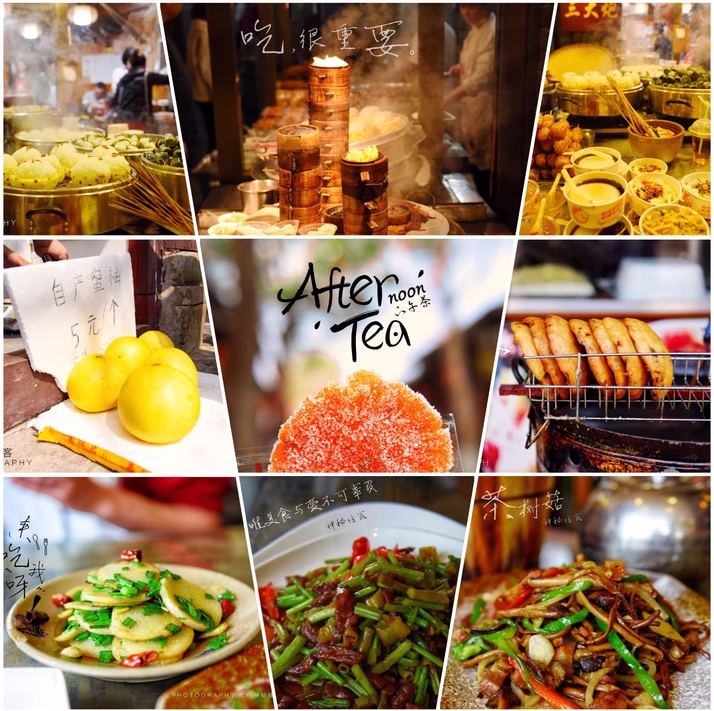
- Mapo tofu (the original, at Chen Mapo Tofu)
- Dan dan noodles (at a hole-in-the-wall on Kuanzhai Alley)
- Hotpot (go to a local chain like Haidilao or Shu Jiuxiang)
- Rabbit head (yes, it's a thing—and it's delicious)
We also visited the Chengdu Research Base of Giant Panda Breeding. Pro tip: go early (before 9 AM) to see the pandas active. Afternoon naps are real.
[Link: Complete Chengdu food guide for first-timers]
Dujiangyan and Mount Qingcheng: Water and Tao
Dujiangyan is an ancient irrigation system that still works today—a UNESCO World Heritage site. It's a short drive from Chengdu and perfect for a half-day trip. Nearby, Mount Qingcheng is one of the birthplaces of Taoism. The hike is moderate, and the temples are serene.
Day 6-8: Into the High Plateau – Songpan and Huanglong
Songpan: The Gateway to Jiuzhaigou
Songpan is a small town on the edge of the Tibetan Plateau. It's less crowded than Jiuzhaigou but equally stunning. We stayed in a local guesthouse and ate yak meat hotpot—rich, gamey, and perfect for the cold. The town's ancient walls and horse-trekking opportunities make it a hidden gem.
Huanglong: The Fairyland of Travertine Pools
Huanglong National Park is often overshadowed by Jiuzhaigou, but it's just as breathtaking. The Five-Color Pond and Flying Waterfall are highlights. The altitude (3,100–3,600 meters) can be a challenge—bring water and take it slow.
[Link: How to plan a Jiuzhaigou-Huanglong road trip]
Day 9-10: Leshan and Mount Emei – The Grand Finale
Leshan Giant Buddha: The World’s Largest Stone Buddha
The Leshan Giant Buddha is 71 meters tall and carved into a cliff face. You can view it from the river (take a boat tour) or walk the stairs down to its feet. The sheer scale is humbling.
Mount Emei: A Sacred Buddhist Peak
Mount Emei is one of the Four Sacred Buddhist Mountains of China. We took the cable car up to Golden Summit to see the sunrise and sea of clouds. The temple complex at the top is stunning. If you're feeling adventurous, hike down through the monkey zone—but hold onto your snacks!
FAQ: Chongqing to Sichuan Self-Drive Trip
Q1: Is it safe to drive from Chongqing to Sichuan? A: Yes, the highways are well-maintained. Be cautious on mountain roads (especially near Huanglong and Mount Emei) and watch for fog. A 4WD is recommended for winter trips.
Q2: What is the best time of year for this route? A: Spring (April-May) and autumn (September-October) offer mild weather and fewer crowds. Summer is hot and rainy; winter brings snow to the high-altitude areas.
Q3: How much does a 10-day self-drive trip cost? A: Budget around 5,000–8,000 RMB per person (excluding flights) for mid-range hotels, car rental, food, and entrance fees. Costs rise during holidays.
Q4: Do I need to speak Chinese? A: Basic Mandarin helps, especially in smaller towns. Google Translate works, but offline maps (like Amap or Baidu Maps) are essential.
Q5: Can I do this trip without a car? A: Yes, but it's less flexible. Trains and buses connect major cities (Chongqing, Chengdu, Leshan), but reaching Huanglong and Songpan is easier by car.
Conclusion: Your Spontaneous Sichuan Adventure Awaits
This ten-day journey from Chongqing to Sichuan was more than a trip—it was a taste of jianghu, a dance with spice, and a reminder that the best adventures are the ones you don't plan. From the neon chaos of Hongyadong to the serene peaks of Mount Emei, every mile delivered a new flavor, a new face, a new story.
Ready to plan your own spontaneous romp through China's heartland? Start by booking your flights to Chongqing, renting a car, and packing your appetite. The road is waiting—and so is the hotpot.
[Link: Best car rental companies in China for foreign drivers]
What's your favorite Sichuan dish? Share in the comments below!
Note: This article is based on a real traveler's experience. Prices and conditions may vary. Always check local travel advisories and book accommodations in advance during peak seasons.
You may also like


