From Beijing to Sichuan & Chongqing: A 24-Day Culinary & Panda Adventure Through 4 Cities
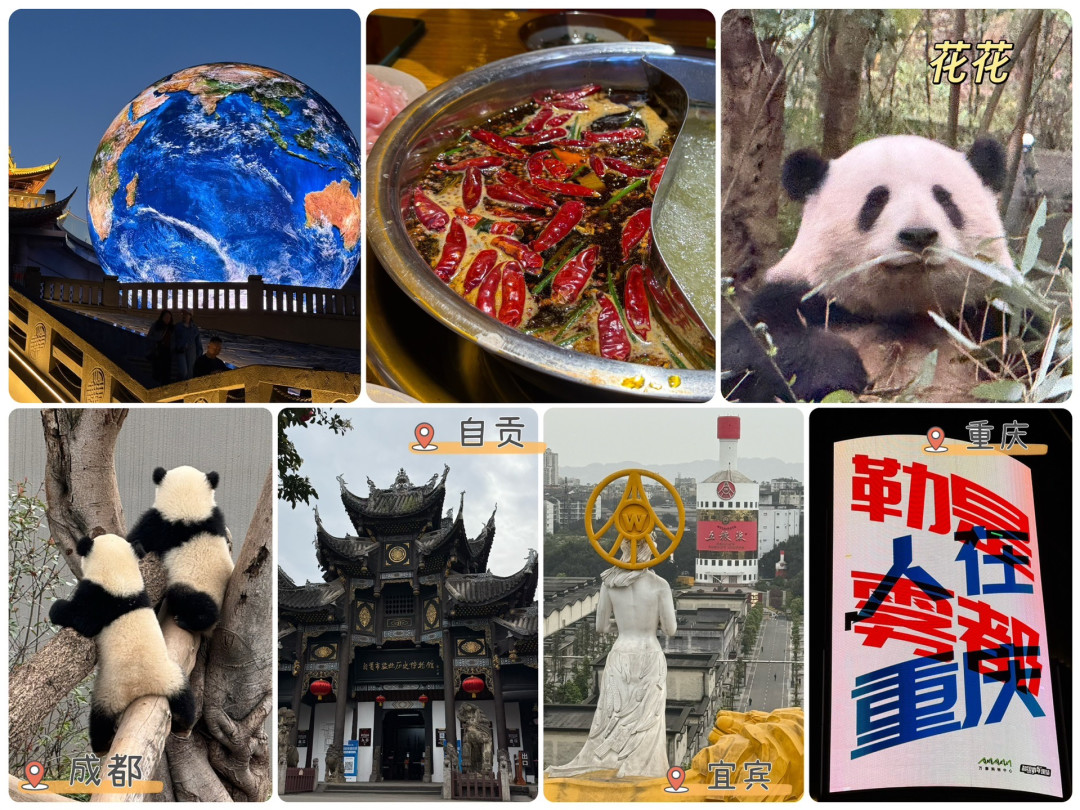
Meta Description: Craving authentic Sichuan cuisine and panda encounters? Follow this 24-day itinerary from Beijing to Chengdu, Zigong, Yibin, and Chongqing. Expert tips for seeing Hua Hua, hidden food gems, and off-the-beaten-path cultural sites.
Have you ever felt this way? Some places you visit once and want to return, visit three times and still find it's not enough. For me, the Sichuan-Chongqing region is exactly that. Not because of its breathtaking attractions, but because of the overwhelming sense of relaxation that hits you—people sipping tea by the roadside, playing mahjong in alleyways, walking their birds in the parks. Everyone seems to be telling you: life doesn't have to be rushed.
Just after the Spring Festival, the off-peak flight prices were too tempting to ignore. I casually browsed and found tickets from Beijing to Chengdu at ridiculously low prices. Without a second thought, I booked them. This time, I planned to visit four cities: Chengdu, Zigong, Yibin, and Chongqing, spanning 24 days, with a mantra of "go with the flow."
Chengdu Travel Guide: Fourth Visit, Still Full of Surprises
First Thing Upon Arrival: Choose the Right Airport
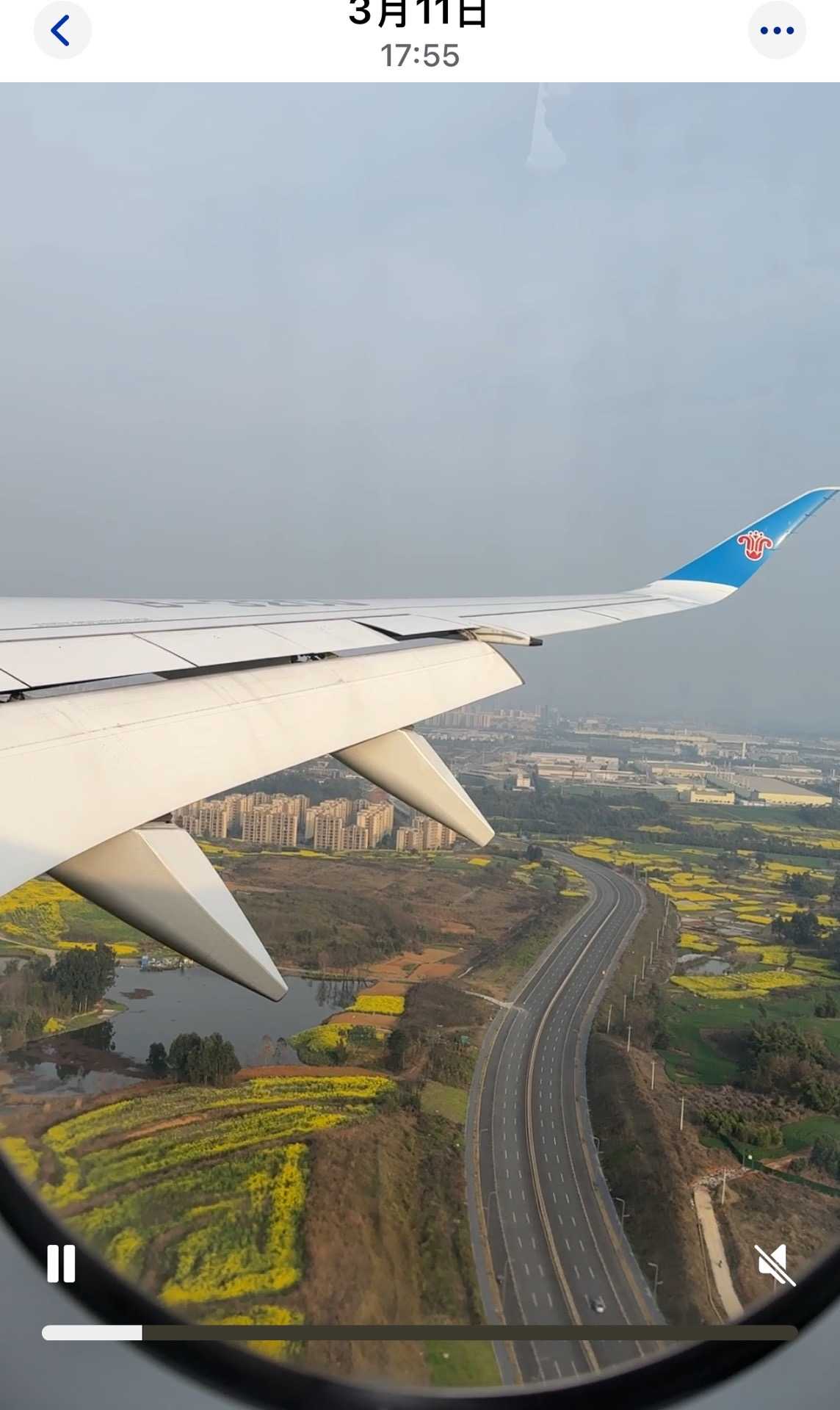
On March 11th, I departed from Beijing Daxing Airport and landed at Chengdu Shuangliu Airport. Here's a crucial tip: Prioritize Shuangliu Airport—it's much closer to the city center. Tianfu Airport, though newer, takes over an hour to reach the city, which significantly dampens the experience.
This time, I stayed at the same hotel as last year, near Taisheng South Road, directly accessible via Metro Line 4. The surrounding area is a paradise of street food—so many options that choosing becomes a delightful dilemma: tofu pudding, stuffed flatbread, sweet-skin duck, sweet noodles, hotpot, skewers, and cold-marinated chicken. You could eat something different every day for a week and never repeat.
[Link: Best street food in Chengdu – Taisheng South Road guide]
Chengdu Museum: A Cure for All Miseries
The next morning, I headed to the Chengdu Museum. I thought I'd be done in two hours, but four hours later, I still hadn't fully explored it. The "attention-grabbing" artifacts here are incredibly infectious—a Eastern Han Dynasty pottery comedic figurine with a hilariously exaggerated expression, like a living meme; a Warring States period boat coffin, mysterious and awe-inspiring. No wonder Chengdu's laid-back attitude is said to be inherited—their ancestors clearly knew how to enjoy life.
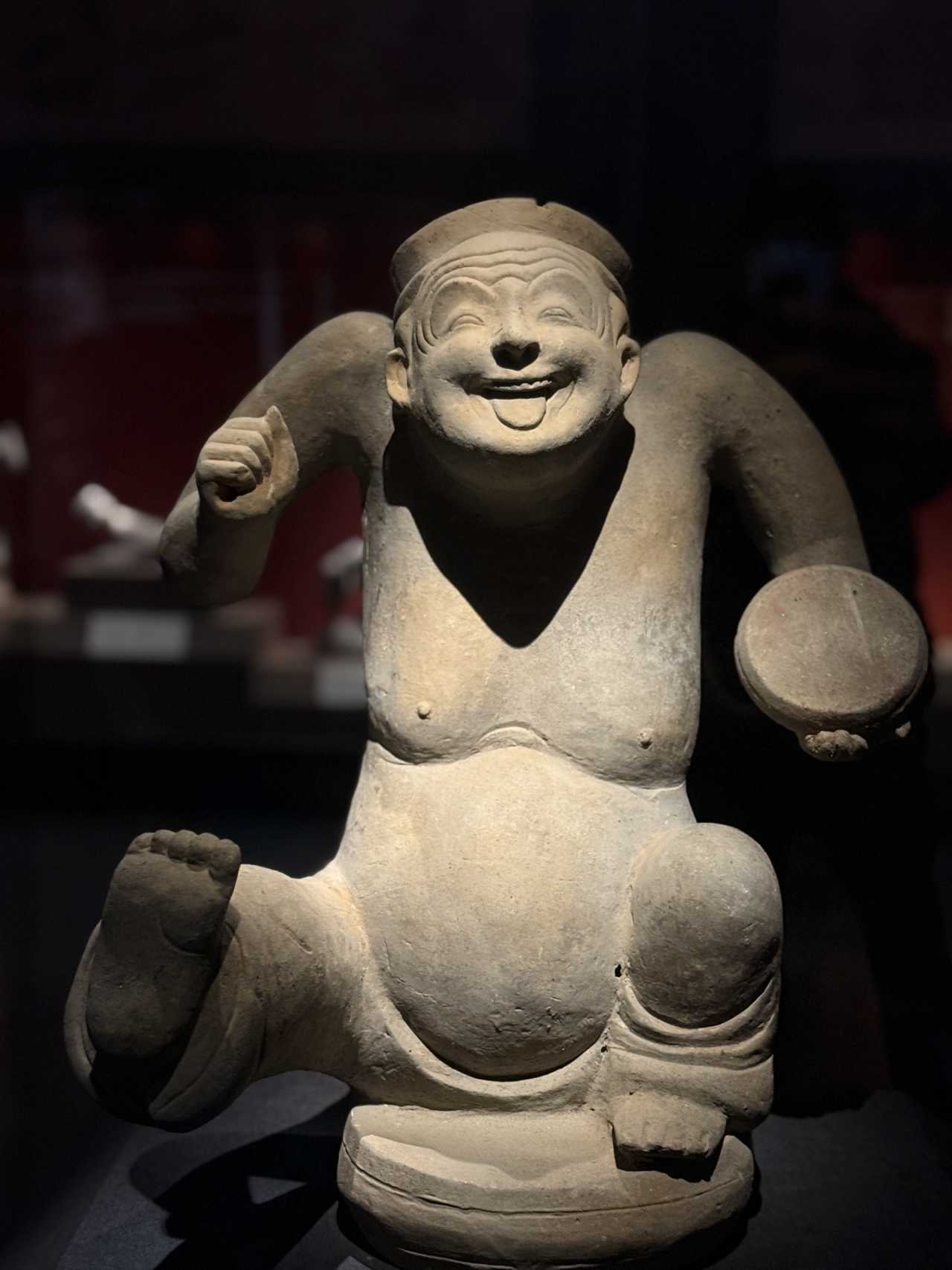
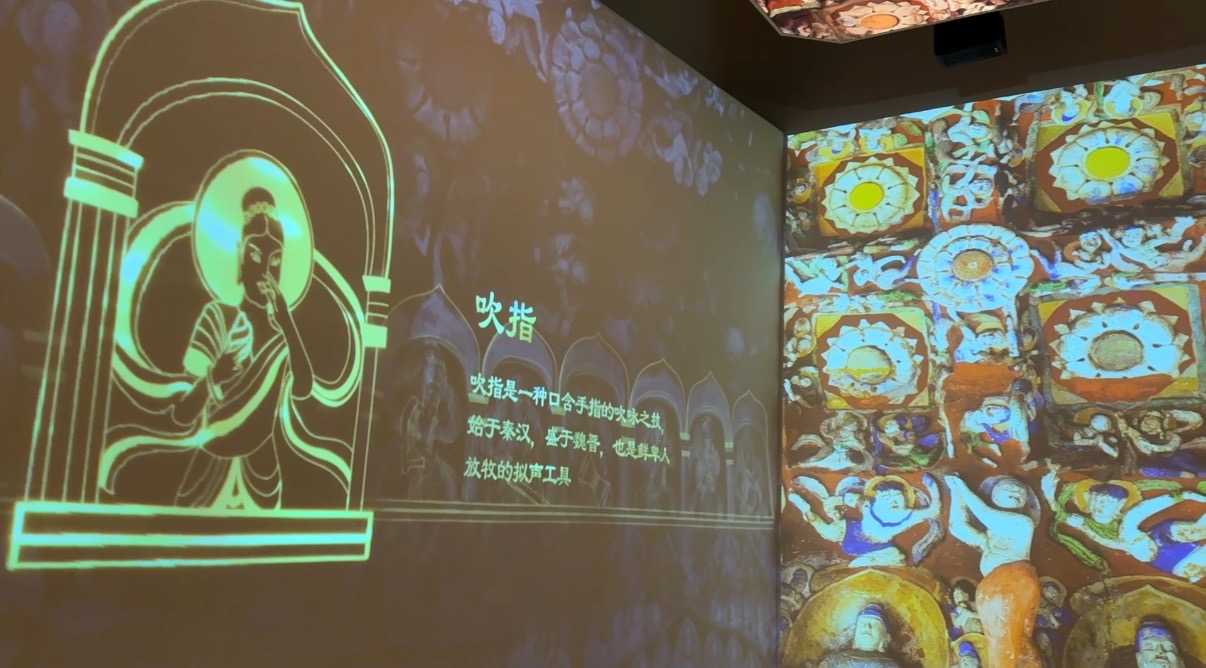
Quick Highlights by Floor: - B1: Behring Natural Exhibition, mainly animal specimens, great for families with kids - 1F: "Jincheng Silk and Music" special exhibition (runs until May 5th) - 2F: Chengdu Historical Overview – five museum treasures including bronze human head and Warring States boat coffin - 3F: Sui and Tang to Ming and Qing dynasties – treasure of openwork gilded incense pouch - 4-5F: Modern history, folk customs, shadow puppet exhibitions
After the museum, hunger struck, and I headed straight to Qinshanzhai. This is a must-visit restaurant every time I'm in Chengdu. Their signature dishes—blood curd with tripe, kung pao chicken, and chicken giblet noodles—are consistently excellent. After the meal, I strolled along the Fu River on Jiangxi Street, where flocks of egrets and night herons were foraging by the riverbank. I found a teahouse, sat down, and watched the birds while sipping tea—pure bliss.
[Link: Best restaurants in Chengdu – Qinshanzhai review]
Watching Hua Hua: The Early Bird Gets the Panda
On the third day, I woke up at 5:30 AM with one goal: to see the panda Hua Hua. Honestly, I was nervous before setting out—online guides all warn of two-hour queues for just three minutes of viewing, and you might even end up with nothing. But remembering my first visit to the Chengdu Giant Panda Breeding Research Base in 2015, where an early start made for an incredible experience—seven pandas eating together, with so few people I could watch as long as I wanted—I was hopeful.
Practical Tips for Panda Watching: - Transport: Take Metro Line 3 to Panda Avenue, then transfer to a direct bus (2 yuan) to the South Gate - Tickets: Purchase in advance through the official WeChat account. Enter with your ID card; no on-site ticket sales - Opening Hours: The gate opens at 7:30 AM sharp. Arrive before 7 AM - Route to See Hua Hua: Enter through the South Gate, go straight → turn right at the golden panda statue and go downhill → turn left at Swan Lake → follow the signs for Villa No. 5 → turn right into a small path → turn left and queue (Villa No. 6)
I joined the "Hua Juan Race"—the nickname fans have given to the line for Hua Hua. Everyone jogged uphill, slowing to a walk when out of breath, the atmosphere cheerful and lively. During the second round of queuing, I even spotted Grandpa Tan, who greeted everyone warmly. Reminder: Hua Hua rests every Monday, so don't make the trip for nothing.
The base is huge, with a long distance between the South and West Gates. I recommend buying a ticket for the sightseeing car. I took it five times and still walked over 20,000 steps—my legs were nearly dead. But seeing Hua Hua, He Ye, and the little golden dumpling hanging in a tree made it all worth it. The fluffy little balls perched on branches like panda toys—no one could walk away.
[Link: Chengdu panda base tips – best time to visit]
Hidden Gems in Chengdu
Daci Temple: Located in the bustling Chunxi Road area, this thousand-year-old temple is a true example of "the great hermit hidden in the city."
Wangjianglou Park: The most famous bamboo-themed park in China, with three to five hundred varieties of bamboo. Every shot you take looks like a professional photo.
Tangchang Ancient Town: Not overly commercialized. Visit on market days (even-numbered dates) for the grass market, and stop by the Pixian Doubanjiang Museum to buy a jar of five-year-fermented bean paste for making twice-cooked pork at home.
Counting the days, I spent eight days in Chengdu and still hadn't tried all the food or visited all the sights. But with the annual Sugar and Wine Fair about to open in Chengdu, and crowds about to flood in, we decided to move on to the next stop.
Zigong: The Thousand-Year-Old Salt City with Flavor

A 57-minute high-speed train ride from Chengdu brought me to Zigong. The city's name comes from two salt wells, "Ziliujing" and "Gongjing," and it was established around salt, a legacy spanning over two thousand years. It boasts "Three Great Wonders": well salt, dinosaurs, and colorful lanterns; and "Three Lesser Wonders": Gong fans, paper-cutting, and tie-dye.
Gongjing Old Street: A Living Museum of Ming and Qing Architecture
If you love authentic old streets, Gongjing Old Street will surprise you. It's free from commercialization and preserves a wealth of Ming and Qing dynasty buildings. Each ancient structure bears a black plaque reading "National Immovable Cultural Relic," detailing its past and present.
Must-See Highlights: - Nanhua Palace: A guild hall built by salt merchants from Guangdong during the Qing Guangxu era, featuring exquisite wood carvings, stone carvings, and painted decorations - Anti-Japanese Donation Memorial Hall: Zigong donated over 120 million yuan during the war, ranking first in the country—a city of heroes - Chen Family Ancestral Hall: A Qing dynasty ancestral hall hidden in a narrow alley, with soaring eaves, carved corners, and a full array of wood, stone, and brick carvings - Stone Buddha in the Water: A late Tang dynasty statue by the Xushui River, fully visible during the dry season
I planned to finish in an hour but ended up spending over four hours. Every corner holds history, every building is ancient, and friendly locals eagerly share stories and directions. This immersive city walk was far more satisfying than any tourist attraction.
Unmissable Experiences in Zigong
Shenhai Well: A working ancient salt well that's been in operation for nearly 200 years. Watch salt workers demonstrate traditional extraction methods and taste the famous Zigong well salt.
Zigong Dinosaur Museum: One of the world's most important dinosaur fossil sites. The massive excavation pit is still active, and you can see paleontologists at work.
Zigong Food Tour: The city is famous for its salt-based cuisine. Don't miss Zigong rabbit (cold rabbit, hot pot rabbit), salt-baked chicken, and Zigong-style hotpot with a unique peppercorn broth.
[Link: Zigong food guide – must-try local dishes]
Yibin: Where the Yangtze Begins
Just an hour from Zigong by bus, Yibin sits at the confluence of the Min and Yangtze Rivers. This is where the Yangtze officially begins, and the city's identity is deeply tied to the water.
The Yangtze River Origin
Visit Hejiangmen Park for the best view of the river confluence. The water color changes dramatically where the two rivers meet—a natural phenomenon that's been noted for centuries. The park also features the Yangtze River Origin Monument, marking the official start of China's longest river.
Yibin's Culinary Scene
Yibin is famous for Yibin burning noodles (燃面), a dry noodle dish tossed in chili oil, Sichuan pepper, and crushed peanuts. The "burning" refers to the spicy sensation, not actual fire. Find the best bowls at Old Street Noodles near the riverfront.
Other local specialties include: - Li Zhuang white meat – paper-thin slices of boiled pork served with garlic chili sauce - Bamboo shoot hotpot – fresh bamboo shoots from the surrounding mountains - River fish – caught daily from the Yangtze
Li Zhuang Ancient Town
A 30-minute drive from downtown, Li Zhuang is one of the best-preserved ancient towns in Sichuan. Unlike overly commercialized tourist towns, Li Zhuang retains its Ming dynasty layout with actual residents going about daily life. The Diaojiaolou (stilted houses) along the river are particularly photogenic.
[Link: Yibin travel tips – best time to visit]
Chongqing: The Mountain City That Never Sleeps
From Yibin, it's a 2-hour high-speed train to Chongqing, the final stop on our journey. Known as the "Mountain City," Chongqing is built on steep hills, with buildings stacked on top of each other and metro lines running through residential towers.
Navigating Chongqing
Chongqing's geography is disorienting—you might enter a building on the 1st floor and exit on the 8th floor on the other side. Use public transport; taxis get stuck in traffic, and walking can be exhausting due to constant elevation changes. The Light Rail Transit (LRT) is the best option, especially Line 2 which runs along the Jialing River.
Must-Visit Spots
Hongya Cave: A 12-story stilted building complex that looks like a fairy-tale castle at night. It's touristy but worth seeing for the architecture and river views.
Jiefangbei: Chongqing's commercial heart, with shopping malls, street food, and the iconic People's Liberation Monument.
Eling Park: A peaceful escape from the city chaos, with panoramic views of the Yangtze and Jialing Rivers.
Chongqing Hotpot: This is the city's culinary soul. The broth is famously numbing and spicy, with a heavy hand on Sichuan pepper. Look for local hotpot chains like Qi Mu or Xiao Tian E for an authentic experience.
Chongqing Food Tour
Beyond hotpot, Chongqing offers: - Chongqing noodles (小面) – breakfast staple with chili oil and pickled vegetables - Spicy chicken (辣子鸡) – deep-fried chicken with dried chilies - Jianghu cuisine (江湖菜) – bold, rustic dishes from the "river and lake" tradition - Chongqing skewers (串串) – hotpot but on sticks, perfect for solo dining
[Link: Chongqing food guide – what to eat]
FAQ: Sichuan & Chongqing Travel Tips
1. What's the best time to visit Sichuan and Chongqing?
Spring (March-May) and autumn (September-November) offer the most pleasant weather. Avoid summer (June-August) when temperatures in Chongqing can exceed 40°C (104°F). Winter is mild but can be overcast.
2. How do I see Panda Hua Hua at Chengdu Base?
Arrive before 7 AM, enter through the South Gate, and be prepared to queue. Hua Hua rests every Monday. Check the official WeChat account for real-time updates on her schedule.
3. Is it safe to eat street food in Sichuan?
Yes, but choose busy stalls with high turnover. Stick to cooked foods and avoid raw items. The locals know the best spots—follow the crowds.
4. How many days do I need for this 4-city itinerary?
We recommend 7-10 days minimum. Spend 3-4 days in Chengdu, 1-2 days in Zigong, 1 day in Yibin, and 2-3 days in Chongqing. Adjust based on your interests.
5. What's the best way to get between these cities?
High-speed trains connect all four cities. Book tickets in advance via 12306.cn or the official app. The journey from Chengdu to Zigong takes 57 minutes, Zigong to Yibin 1 hour, and Yibin to Chongqing 2 hours.
Your Sichuan & Chongqing Adventure Awaits
This 24-day journey through Chengdu, Zigong, Yibin, and Chongqing proved that the Sichuan-Chongqing region is more than just a destination—it's a state of mind. From watching pandas munch bamboo to tasting burning noodles by the Yangtze, every moment reminded me why I keep coming back.
Ready to plan your own trip? Start by booking your flights to Chengdu Shuangliu Airport (not Tianfu!), and don't forget to reserve your panda base tickets early. Pack comfortable walking shoes, an appetite for adventure, and an open mind for the chaos and charm of China's most flavorful region.
[Link: Book your Sichuan tour package] [Link: Download our Sichuan food checklist]
Have you visited Sichuan or Chongqing? Share your favorite food and panda stories in the comments below!
You may also like


