From Anyue to Dazu: A Four-Day Pilgrimage Through Four Centuries of Stone Carvings
Meta Description: Discover the hidden treasures of Anyue and Dazu stone carvings in this SEO-optimized guide. Four days, four centuries of Buddhist art. Includes itinerary, FAQs, and expert tips for your Sichuan pilgrimage.
Introduction: Why Anyue and Dazu Matter for Chinese Stone Carving Art
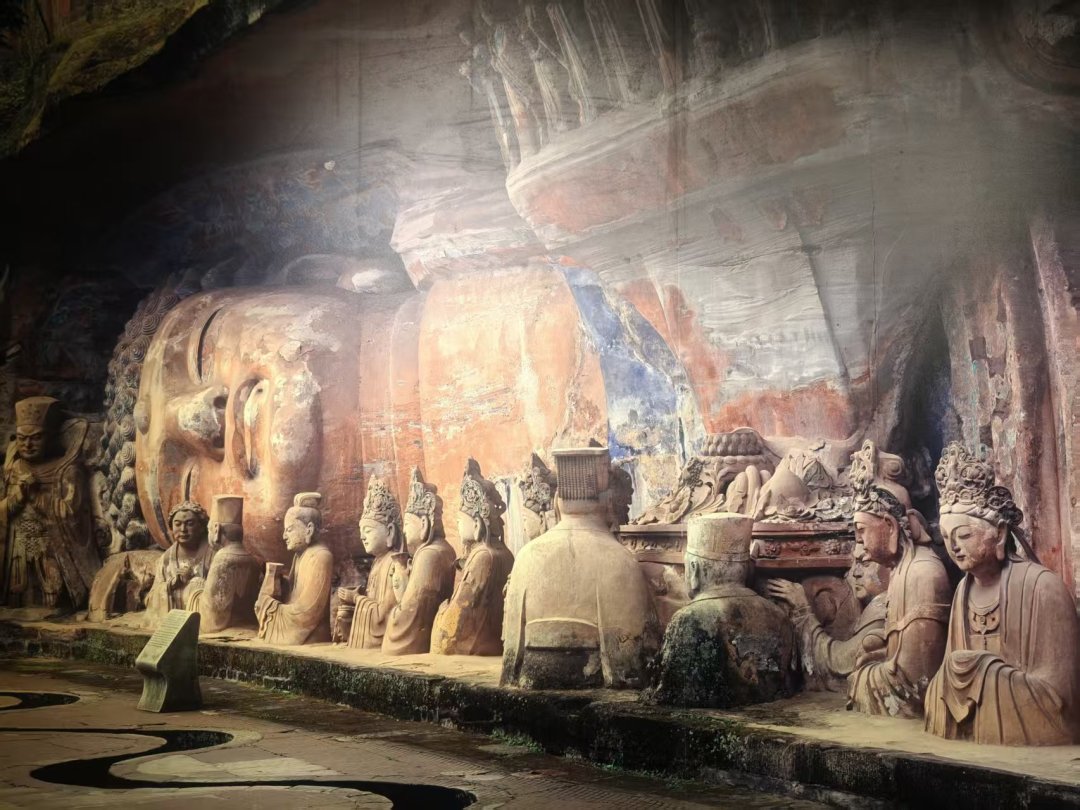
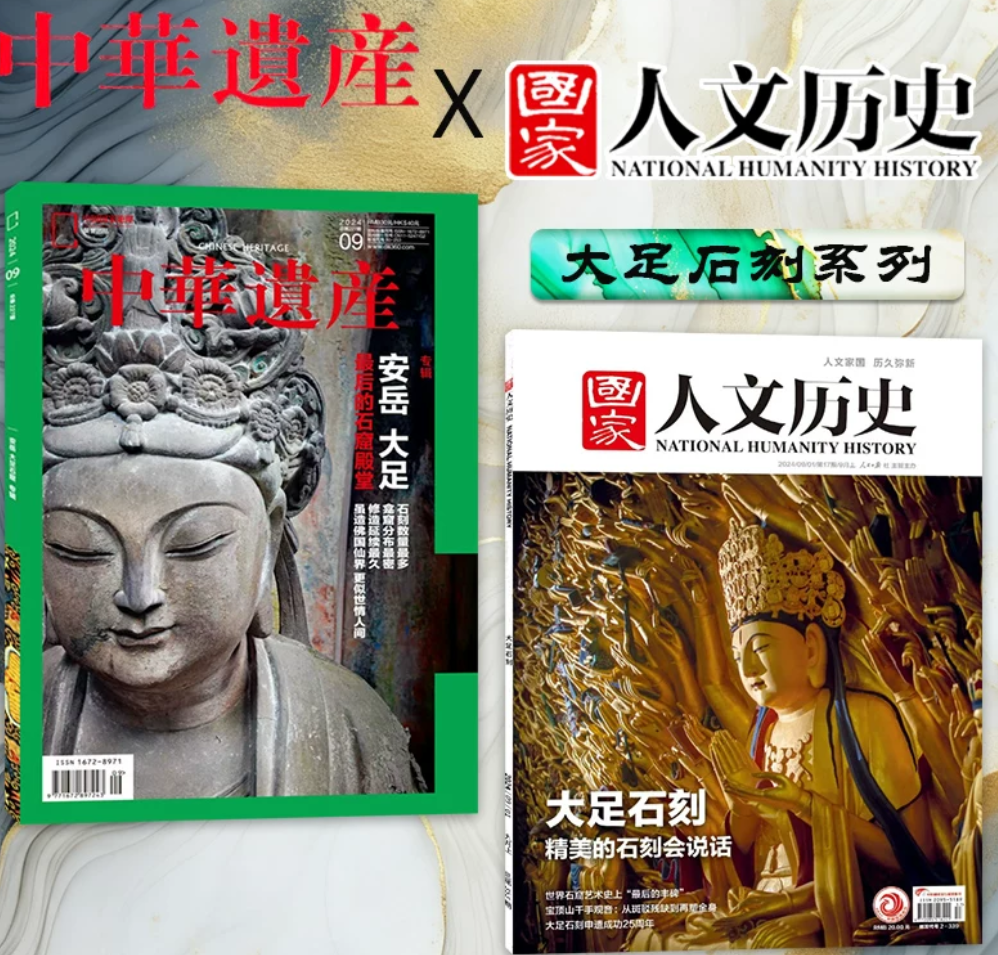
Some journeys are for the scenery. Some are for history. And some are for the chance to touch the texture of time itself. The Anyue stone carvings and Dazu rock carvings represent the final glorious chapter of China's stone carving tradition—a period after which no large-scale stone sculptures of such magnitude were ever created again.
During the May Day holiday, my wife and I embarked on a four-day pilgrimage through four hundred years of carving history, from the Tang to the Song dynasties. Many of the Buddha statues are now weathered and faded, but classics endure precisely because they withstand the erosion of time.
If you've already marveled at the flying apsaras of Dunhuang, the gentle smiles of Maijishan, the grandeur of Yungang, and the solemn majesty of Longmen, then Anyue and Dazu will surely pique your curiosity. They represent the "final act" of Chinese stone carving art—after them, no other large-scale, high-quality sculptural clusters ever appeared again.
The Hidden Gem of Sichuan: Anyue vs. Dazu
Why Anyue Deserves More Attention
Many travelers rush to Dazu and miss the nearby Anyue—which, in my opinion, is a great pity. The two are inseparable: Anyue came first, Dazu followed. Even though Dazu is more famous in terms of tourism, I believe it's merely the warm-up act. Anyue is the essence.
Three photographs that captured my heart—all from Anyue:
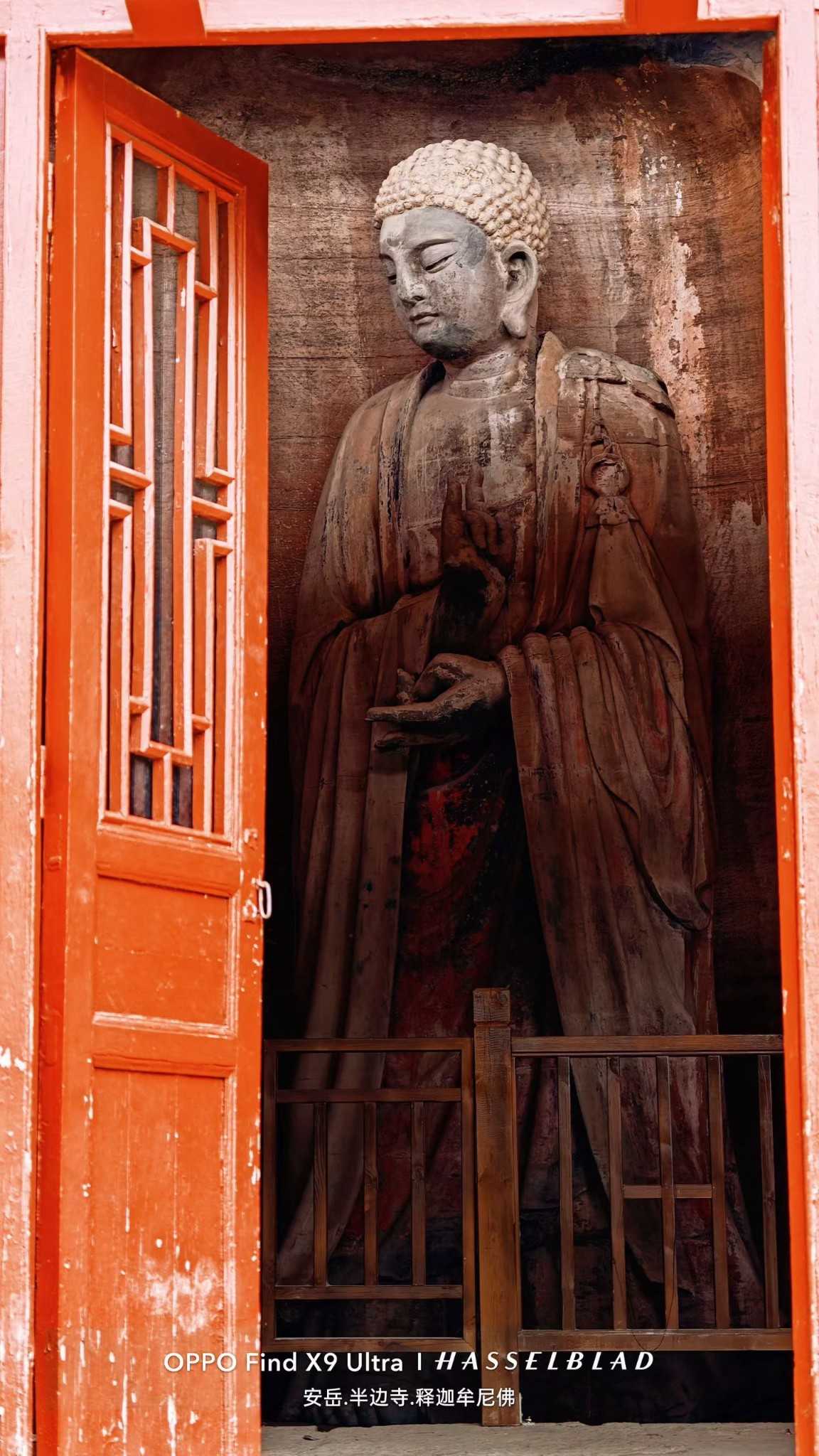
- The "Half-Buddha's Subtle Smile" at Banshan Temple – The Buddha's gaze is partially obscured by the doorframe, creating that "can be sensed but not expressed" blank space that makes Chinese aesthetics so deeply moving.
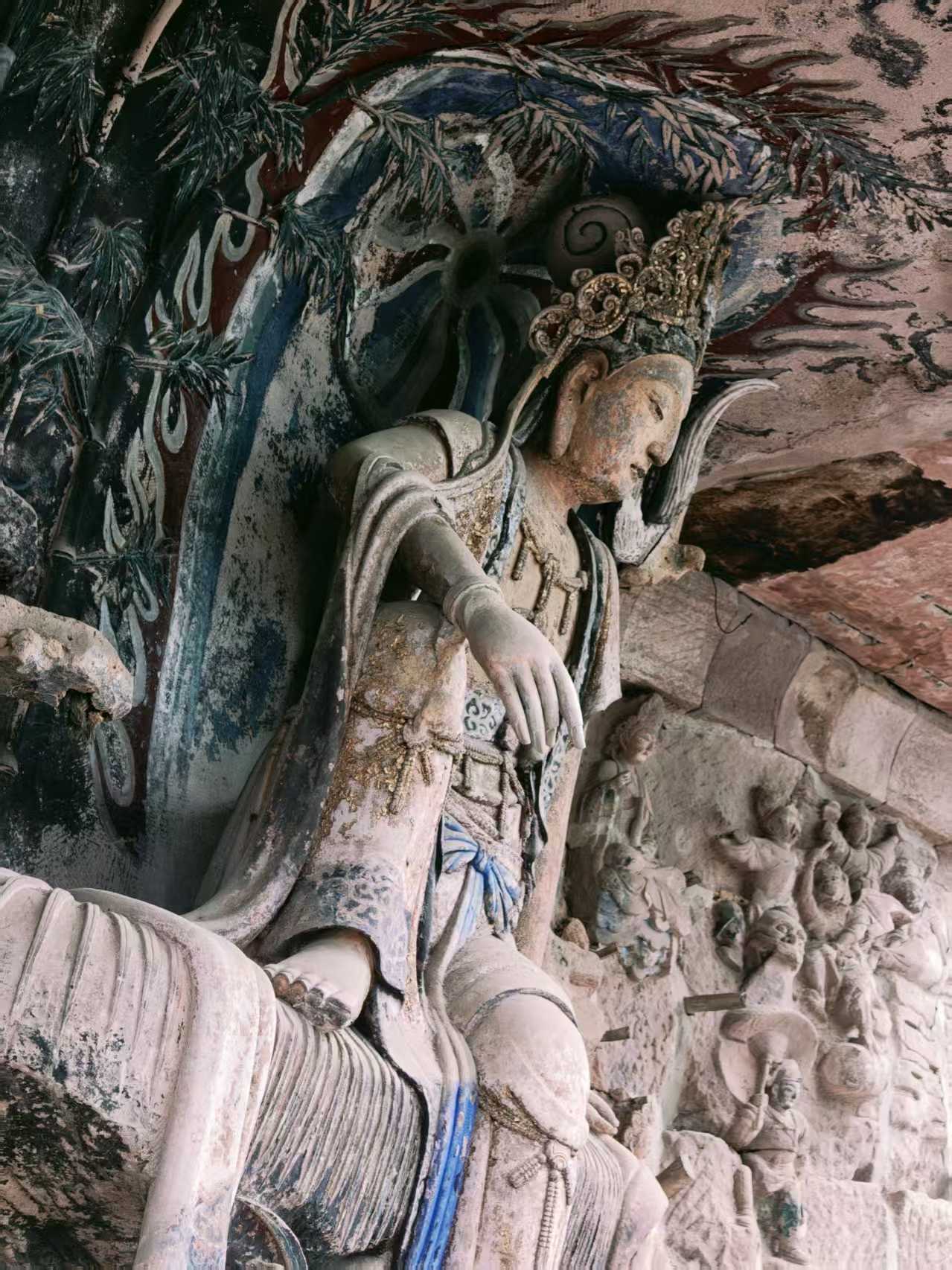
The Purple Bamboo Guanyin at Pilu Cave – A lotus pod supports her leg, and her raised leg in turn supports her arm, blending beauty and practicality perfectly. It's like watching a master artisan at work—beautiful to watch and deeply functional.
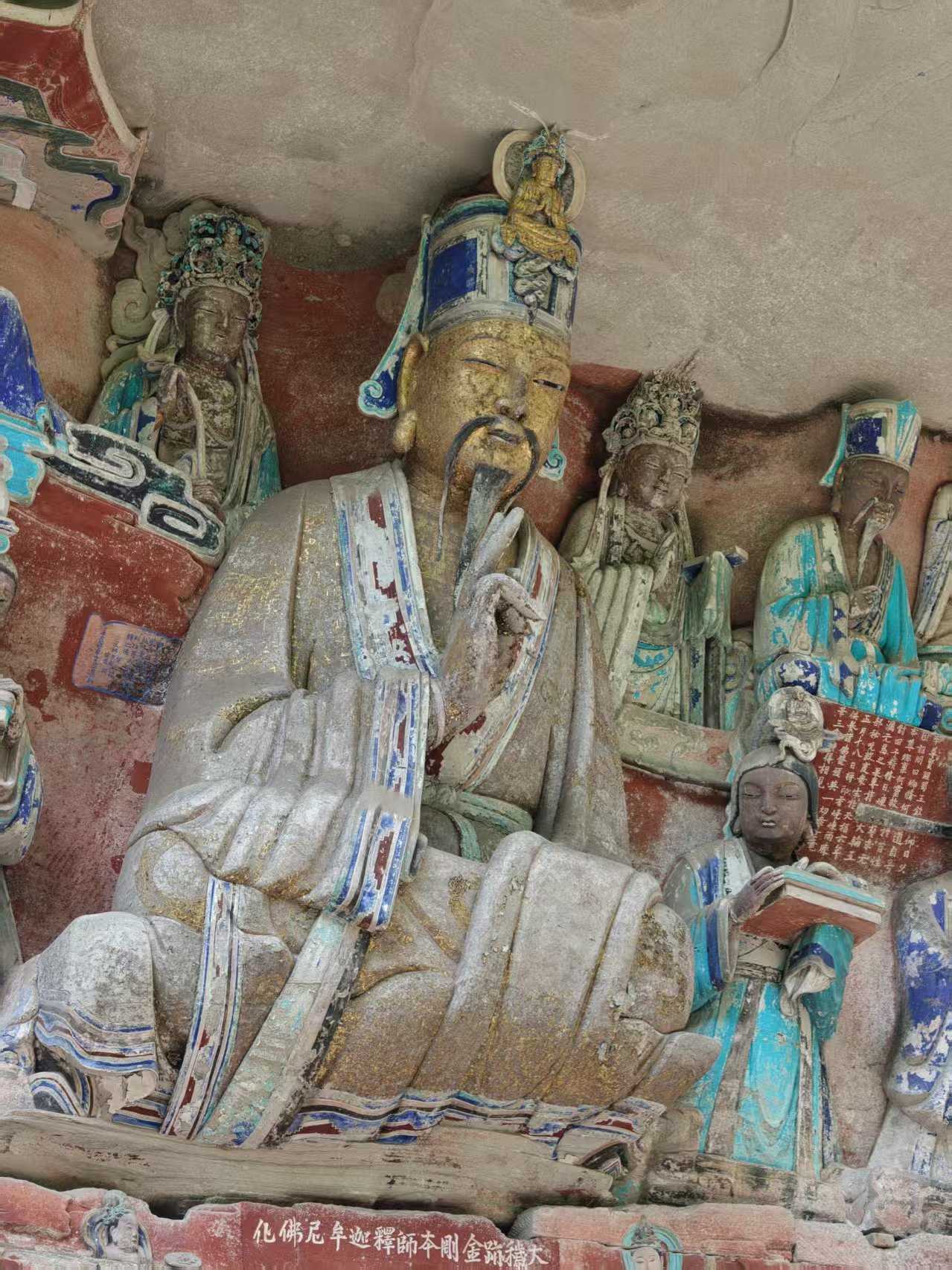
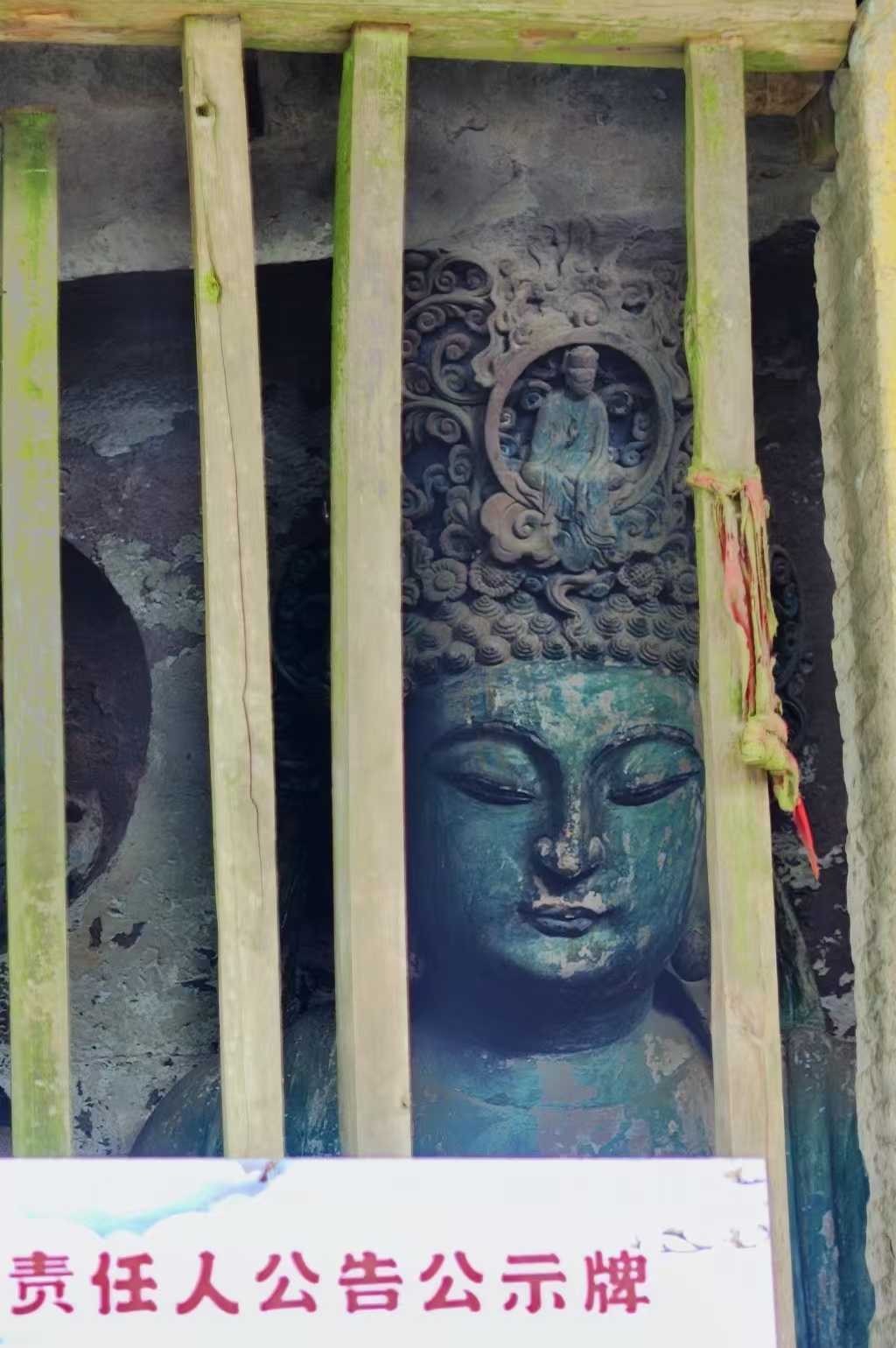
The Green Buddha at Dafo Temple in Baitaxiang – After several hundred years, the color still remains. The small statue of "Master Liu" (Liu Benzun) on the crown is a unique hallmark of Sichuan Esoteric Buddhism.
"The misty rain of Lushan and the tidal bore of Zhejiang, Until you've seen them, how your heart will pine! But once you're there, it's nothing special—Just the misty rain of Lushan and the tidal bore of Zhejiang." – Su Shi
The change in perception, the shift in your inner world—that is the true purpose of reading ten thousand books and traveling ten thousand miles.
Four Core Characteristics of Anyue and Dazu Stone Carvings
1. More Secular in Nature
The sculptures at Anyue still retain the solemnity and precision of traditional Buddhist iconography. But when you reach Dazu, especially at Baodingshan (Treasure Summit Mountain) , you'll notice the Buddha statues become more "down-to-earth." They tell stories like a comic strip—tales of punishment in hell, parental love, filial piety, and other worldly narratives.
This secularization is far more pronounced than at Yungang or Longmen. Why? Because the times were changing. People began to focus more on "humanity" itself. Calligraphy and painting shifted from anonymous works to signed masterpieces. Carving evolved from nameless craftsmen to recognized families like the Wen and Fu clans. The rise of individual value was, in itself, a sign of progress.
2. More Scattered in Distribution
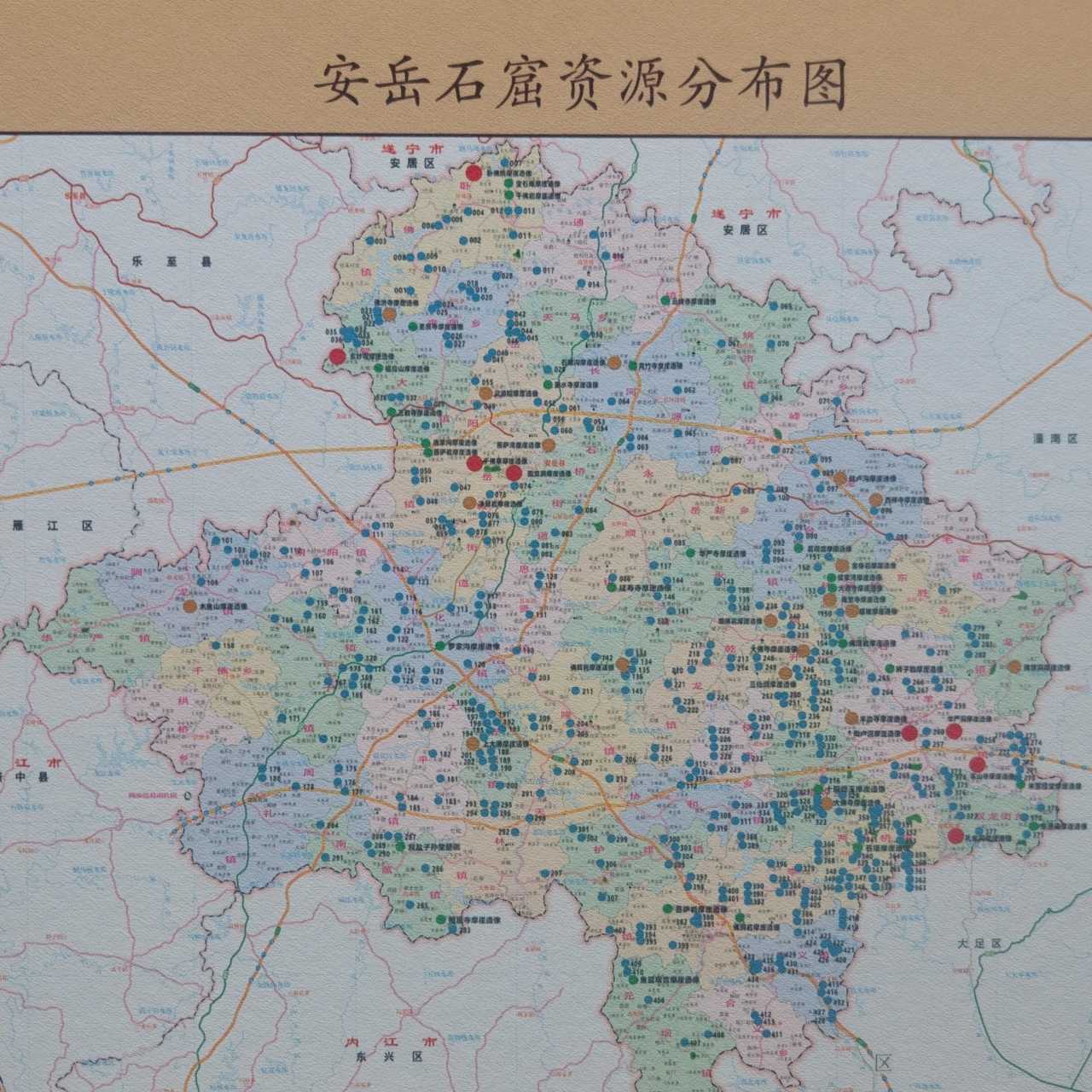
Because these carvings were not officially commissioned, they are extremely scattered. This poses significant challenges for preservation—both in terms of maintenance and theft prevention. But for visitors, it also means a greater sense of discovery and adventure.
In Anyue, many carvings are hidden in forests and beside farmland. They might be housed in a small, unassuming temple that contains breathtaking Buddha statues. You need to drive through winding mountain roads, searching among crisscrossing paths. Some places are virtually unknown to the public.
[Link: Best car rental options in Sichuan]
Practical advice: You'll need at least a car, a skilled driver, and ideally a professional guide. At some sites, the gate won't open unless the guide is there.
3. More Conducive to Refinement
Sichuan lies in a hilly region formed by the "Himalayan orogeny." The local red sandstone is relatively soft, making it easier to carve delicate and intricate statues. However, every coin has two sides—the softer stone also weathers more severely. The condition of carvings on windward and leeward sides can be dramatically different.
Some people prefer intact statues, while others are drawn to the weathered, time-worn look. It's a matter of personal taste.
4. More Localized to Sichuan
Sichuan Esoteric Buddhism (Chuan Mi) is the region's most distinctive feature. Master Liu (Liu Benzun), as one of the patriarchs of the Vajrayana Yoga section of Chuan Mi, is depicted in his "Ten Trials"—a subject you won't find anywhere else. Additionally, the Three Saints of the Avatamsaka Sutra (Huayan San Sheng) and the Thousand-Armed, Thousand-Eyed Guanyin are also unique to Chuan Mi. No other region has such a concentrated collection of these themes.
Four-Day Itinerary: From Anyue to Dazu
Why Start with Anyue?

Chronologically, based on the carving periods, it should be Anyue first, then Dazu—Anyue's carvings are concentrated in the late Tang and Five Dynasties periods, while Dazu's Baodingshan carvings are primarily from the Song Dynasty.
I'm starting with Anyue for two reasons: 1. I prefer Anyue. 2. I recommend Anyue more—don't let Dazu's fame overshadow Anyue's beauty.
A full tour requires at least two days. I suggest staying at the Vienna Hotel in Anyue county town.
Day One: Anyue's Hidden Treasures
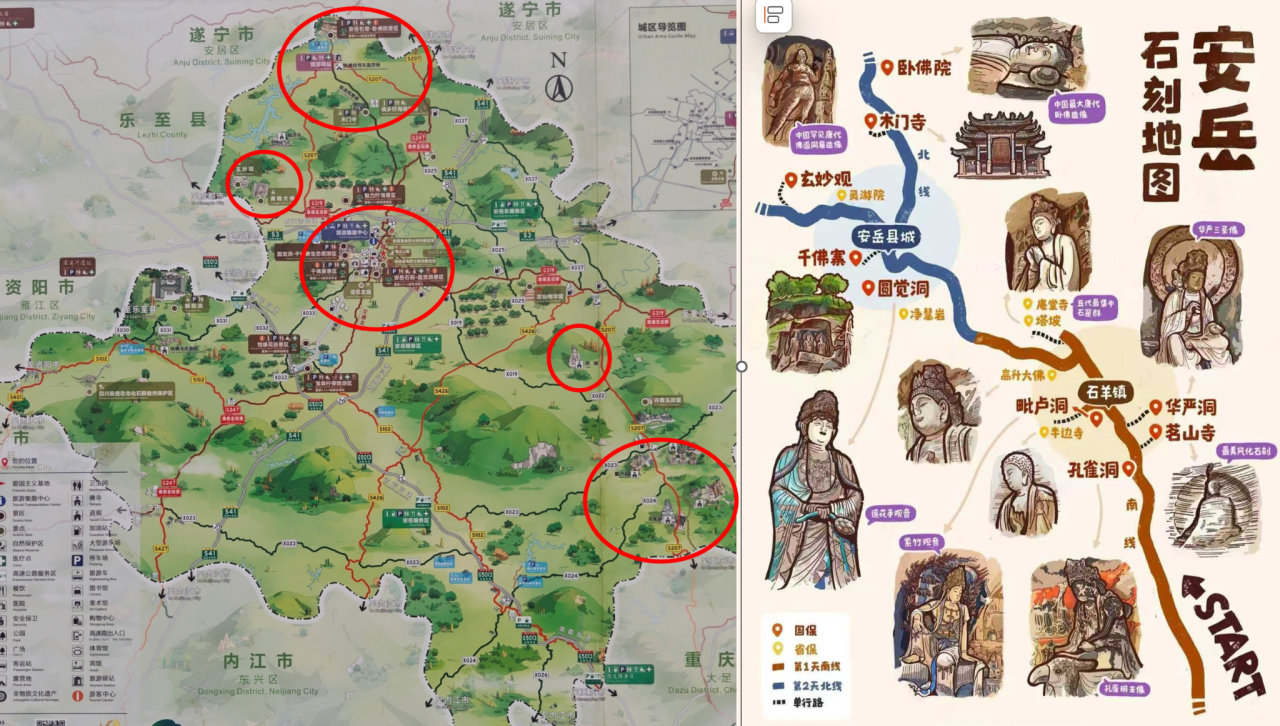
Route: Peacock Cave → Mingshan Temple → Huayan Cave → Pilu Cave → Banshan Temple → Baitaxiang (White Pagoda Township) → Tapo (Pagoda Slope)
- Peacock Cave – Marvel at the intricate carvings of the Peacock King
- Mingshan Temple – One of the best-preserved Tang dynasty sites
- Huayan Cave – Home to the stunning Huayan San Sheng
- Pilu Cave – Where you'll find the Purple Bamboo Guanyin
- Banshan Temple – The "Half-Buddha's Subtle Smile"
- Baitaxiang – The Green Buddha at Dafo Temple
- Tapo – Pagoda Slope's unique carvings
Day Two: Deeper Into Anyue
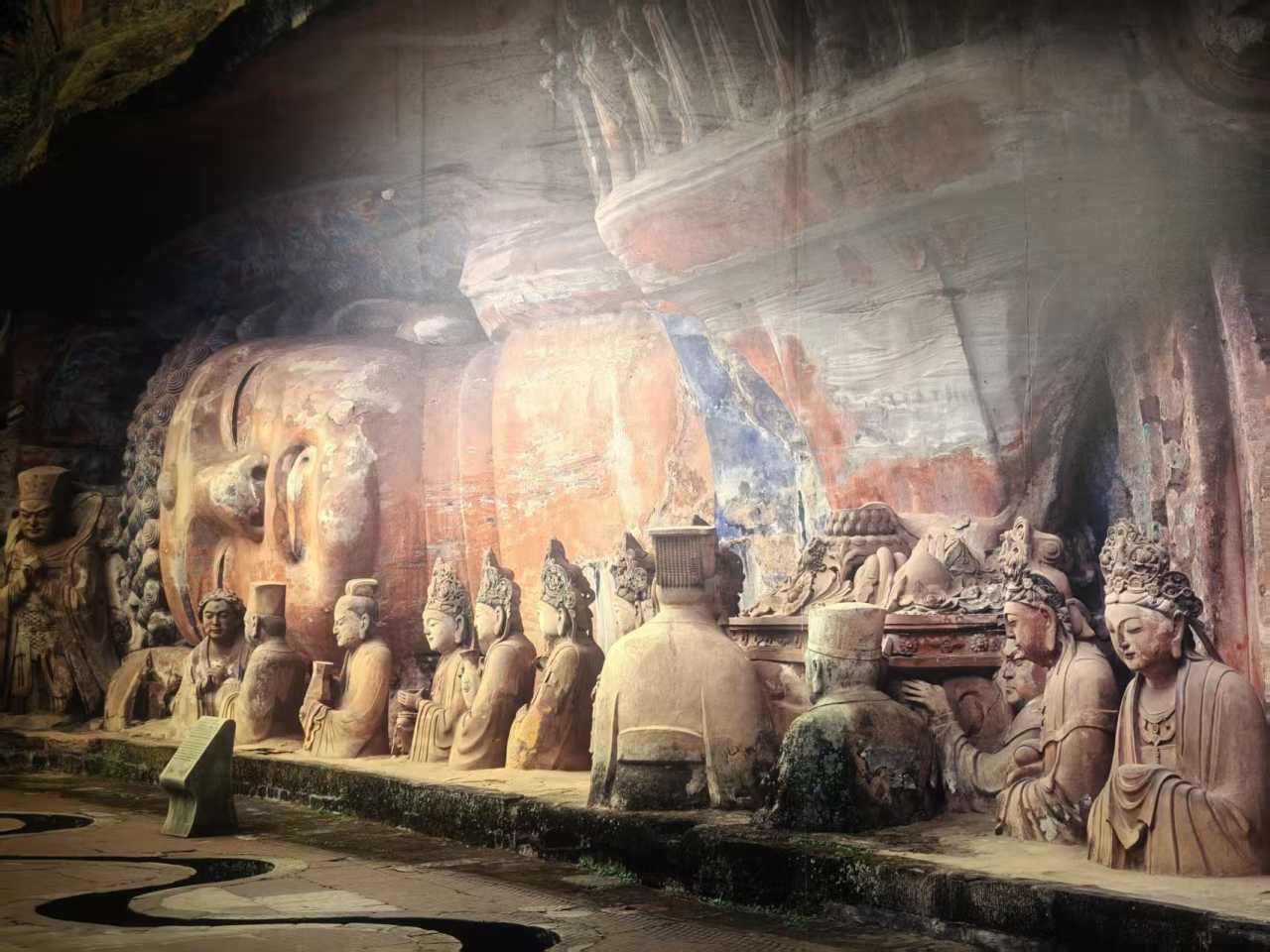
Route: Mumen Temple (Wooden Gate Temple) → Wofo Temple (Reclining Buddha Temple)
- Mumen Temple – Famous for its wooden gate and surrounding carvings
- Wofo Temple – The magnificent Reclining Buddha
Day Three: Dazu's Baodingshan
Route: Baodingshan (Treasure Summit Mountain) → Thousand-Armed Guanyin
- Baodingshan – The centerpiece of Dazu's carvings
- Thousand-Armed Guanyin – One of the most photographed statues in China
Day Four: Dazu's Lesser-Known Sites
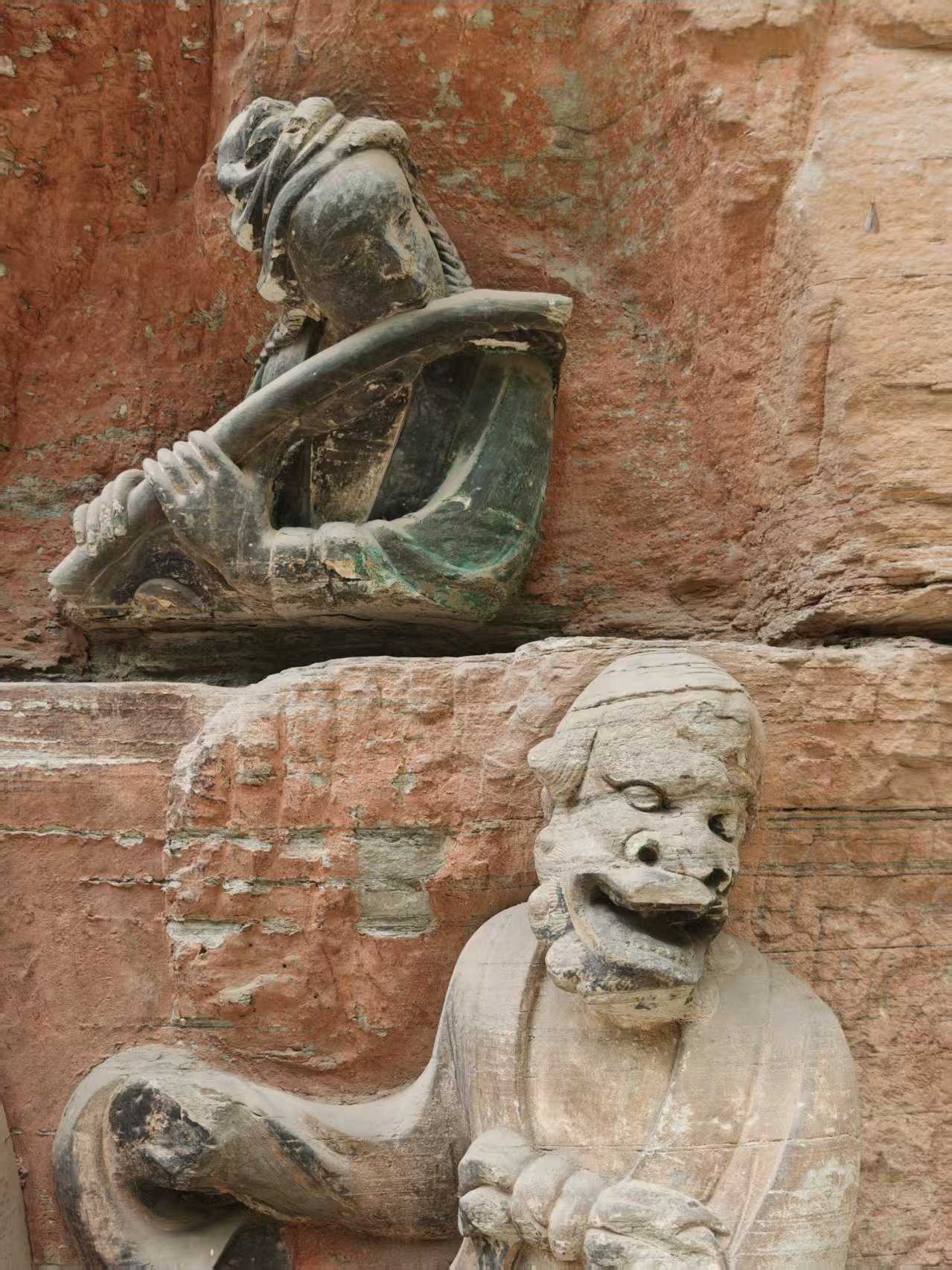
Route: Beishan (North Mountain) → Nanshan (South Mountain) → Shimen Mountain
- Beishan – Excellent Five Dynasties and Song carvings
- Nanshan – Less crowded, equally beautiful
- Shimen Mountain – Hidden gem with unique themes
Practical Tips for Your Pilgrimage
Best Time to Visit
- Spring (March-May) – Mild temperatures, blooming flowers
- Autumn (September-November) – Clear skies, comfortable weather
- Avoid summer – Hot and humid, with frequent rain
Transportation
[Link: How to get to Anyue from Chengdu]
- By car: 2.5 hours from Chengdu to Anyue
- By bus: Regular buses from Chengdu's main stations
- By train: High-speed rail to Dazu, then local transport
What to Pack
- Comfortable walking shoes
- Camera with zoom lens
- Water and snacks
- Sun protection
- Cash (some sites don't accept cards)
FAQ: Your Questions About Anyue and Dazu Answered
1. Are Anyue and Dazu worth visiting if I've already seen Dunhuang and Longmen?
Absolutely. While Dunhuang and Longmen represent earlier periods, Anyue and Dazu are the final masterpieces of Chinese stone carving. They offer a unique perspective on how Buddhist art evolved toward secularization and local expression.
2. How much time do I need for a comprehensive visit?
A minimum of four days is recommended: two days for Anyue and two days for Dazu. This allows you to explore the main sites without rushing. If you have less time, focus on Anyue for a more intimate experience.
3. Do I need a guide for Anyue?
Yes, highly recommended. Many carvings are hidden in remote locations, and some sites require a guide to open the gates. A knowledgeable guide can also explain the iconography and history behind each carving.
4. Are the carvings well-preserved?
The preservation varies significantly. Windward carvings show more weathering, while leeward carvings remain relatively intact. Some statues have been restored, while others retain their original weathered patina. Both conditions offer unique aesthetic experiences.
5. Can I visit Anyue and Dazu as a day trip from Chengdu?
It's possible but not recommended. A day trip would be rushed and you'd miss the essence of both sites. At minimum, plan for an overnight stay in either Anyue or Dazu.
Conclusion: Why This Pilgrimage Matters
The Anyue and Dazu stone carvings are not just tourist attractions—they are a testament to human creativity, spiritual devotion, and the passage of time. Walking among these weathered statues, you can feel the centuries slip away.
As the poet Su Shi wrote, the true value of travel lies not in seeing something "special," but in the shift in your inner world. Whether you find Anyue vastly superior to Dazu or simply appreciate both, you'll return home with a deeper understanding of Chinese Buddhist art and the culture that created it.
Ready to plan your pilgrimage? [Link: Book your Sichuan stone carving tour today]
Have you visited Anyue or Dazu? Share your experience in the comments below, or ask any questions you have about planning your trip!
You may also like


