Farewell to 2011: Saying Goodbye to the Last Ray of Sunlight on Mount Emei's Golden Summit
Here is the SEO-optimized, rewritten article based on your source material. It is structured for high readability, keyword density, and user engagement, targeting approximately 1500 words.
SEO Title: Farewell to 2011: A Last Sunrise & Travel Guide for Mount Emei’s Golden Summit
Meta Description: Relive a magical farewell to 2011 on Mount Emei’s Golden Summit. Discover the best off-season travel tips, sunrise views, and the sacred Golden Buddha. Plan your trip now.
Farewell to 2011: A Last Sunrise & Travel Guide for Mount Emei’s Golden Summit
Introduction: A Journey to End the Year
On the last day of 2011, as I slowly descended from the Golden Summit of Mount Emei, my phone buzzed with year-end summaries from friends. They used words, photos, and videos to freeze the past year. I chose a different path—a journey to put a full stop on 2011.
I am not a writer who can condense a year into elegant prose. So, instead of forcing a perfect review, I let my feet carry me. Mount Emei became my final stop for 2011. This was not an escape; it was a ritual. At an altitude of 3,099 meters, I personally held up the last sunrise of the year. This article serves as both a personal travelogue and a practical Mount Emei travel guide for those seeking a profound experience.
Why Mount Emei? The Story of a Sacred Mountain

As a native of Sichuan, Mount Emei feels like an old neighbor. But familiarity has never diminished its significance. This mountain is one of China’s Four Sacred Buddhist Mountains, standing alongside Mount Wutai, Mount Putuo, and Mount Jiuhua. It is the sacred site of Samantabhadra (Puxian Bodhisattva) . In 1996, it was inscribed alongside the Leshan Giant Buddha on the UNESCO World Natural and Cultural Heritage List.
The name "Emei" derives from the mountain’s shape—two peaks facing each other like delicate eyebrows. It is not a single peak but a range, including Greater Emei, Second Emei, Third Emei, and Fourth Emei. The main peak, Wanfoding (Ten Thousand Buddhas Summit) , stands at 3,099 meters. Geologists note this is a masterpiece of the Yanshan and Himalayan movements, with basalt from the Paleozoic Era protecting the rock layers below. This creates sheer cliffs like the One-Line-Sky and the Body-Sacrificing Cliff.
Along the climbing route, you pass through limestone caves, deep canyons, and finally step onto the lava platform of the Golden Summit. This diversity makes every step feel like flipping through a geology textbook. For travelers interested in Sichuan travel destinations, this is a non-negotiable stop.
Practical Tips: Off-Season is the Way to Go
Planning a Mount Emei trip? Keep this time window in mind: December 15 to January 15. This is the off-season for Mount Emei, when entrance fees and cable car fares are halved, and accommodation is significantly cheaper. Given its status as a UNESCO World Heritage site and a Buddhist sacred mountain, regular ticket prices are high. Taking advantage of the Mount Emei off-season allows you to save money while avoiding the crowds.
Seven in the Morning: Waiting Under the Starry Sky
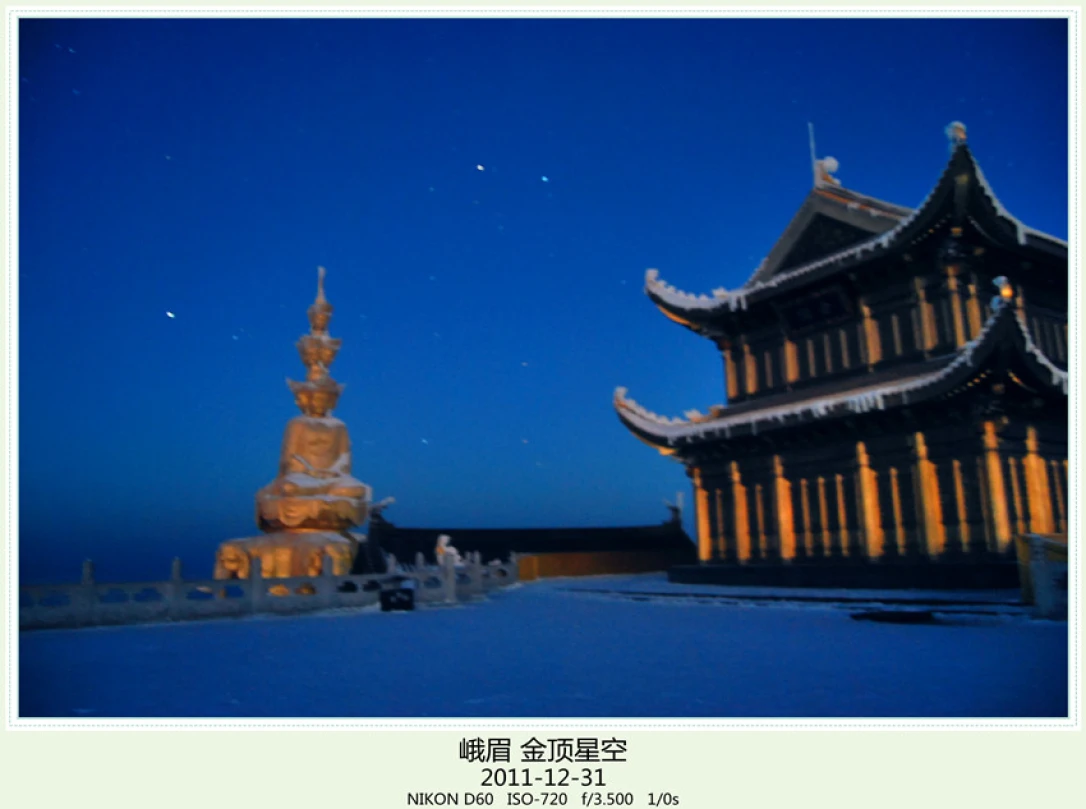
Our story begins at seven in the morning.
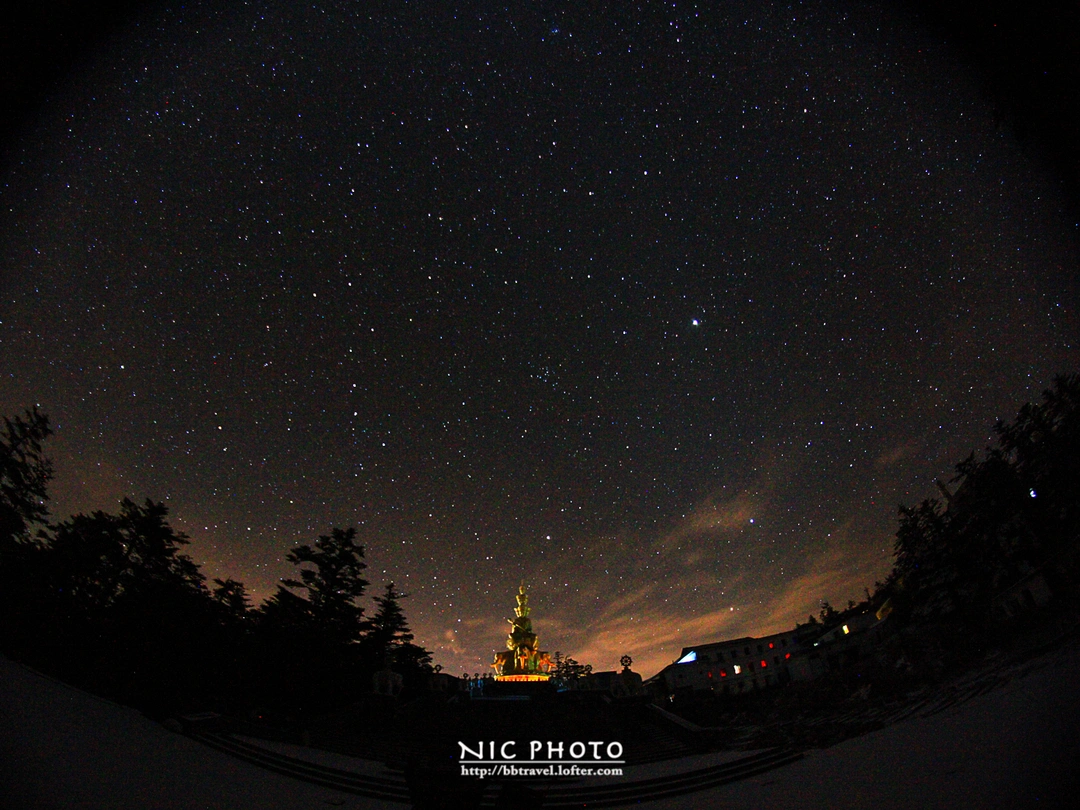
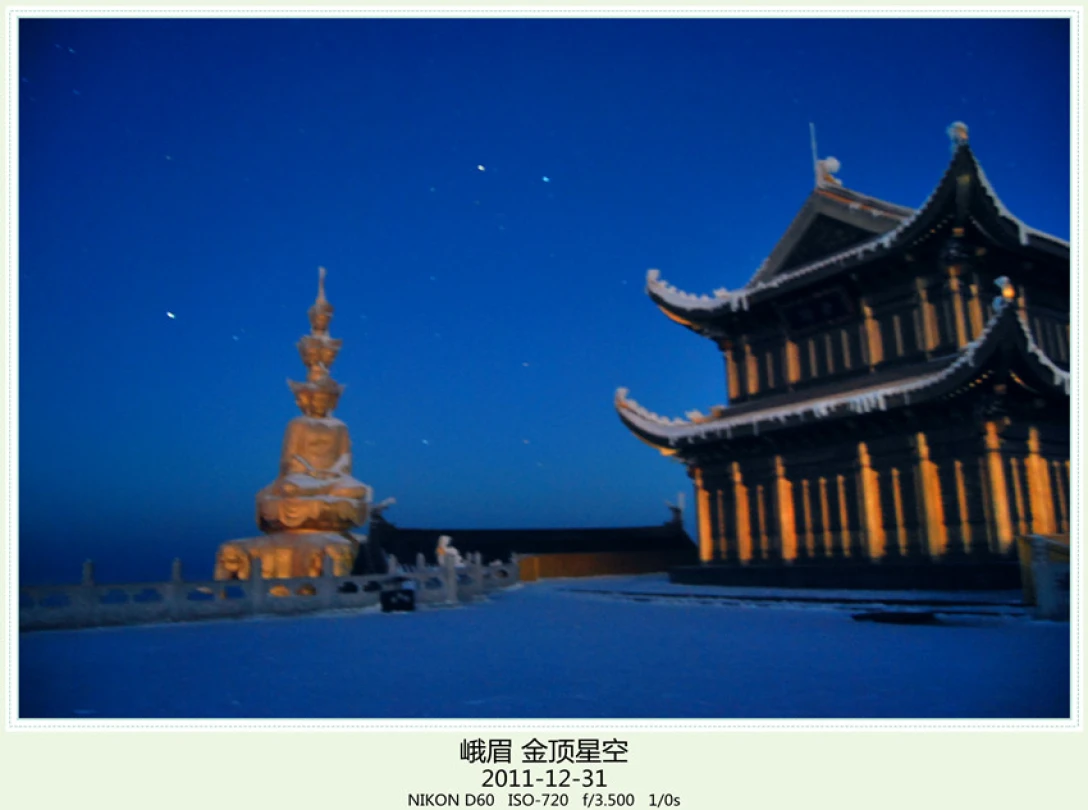
Before dawn, we were already waiting on the Golden Summit. Looking up, the starry sky was exceptionally clear. Free from city lights, the Milky Way stretched across the sky like a ribbon studded with diamonds. The stillness was breathtaking—a kind of awe that makes you forget to breathe.
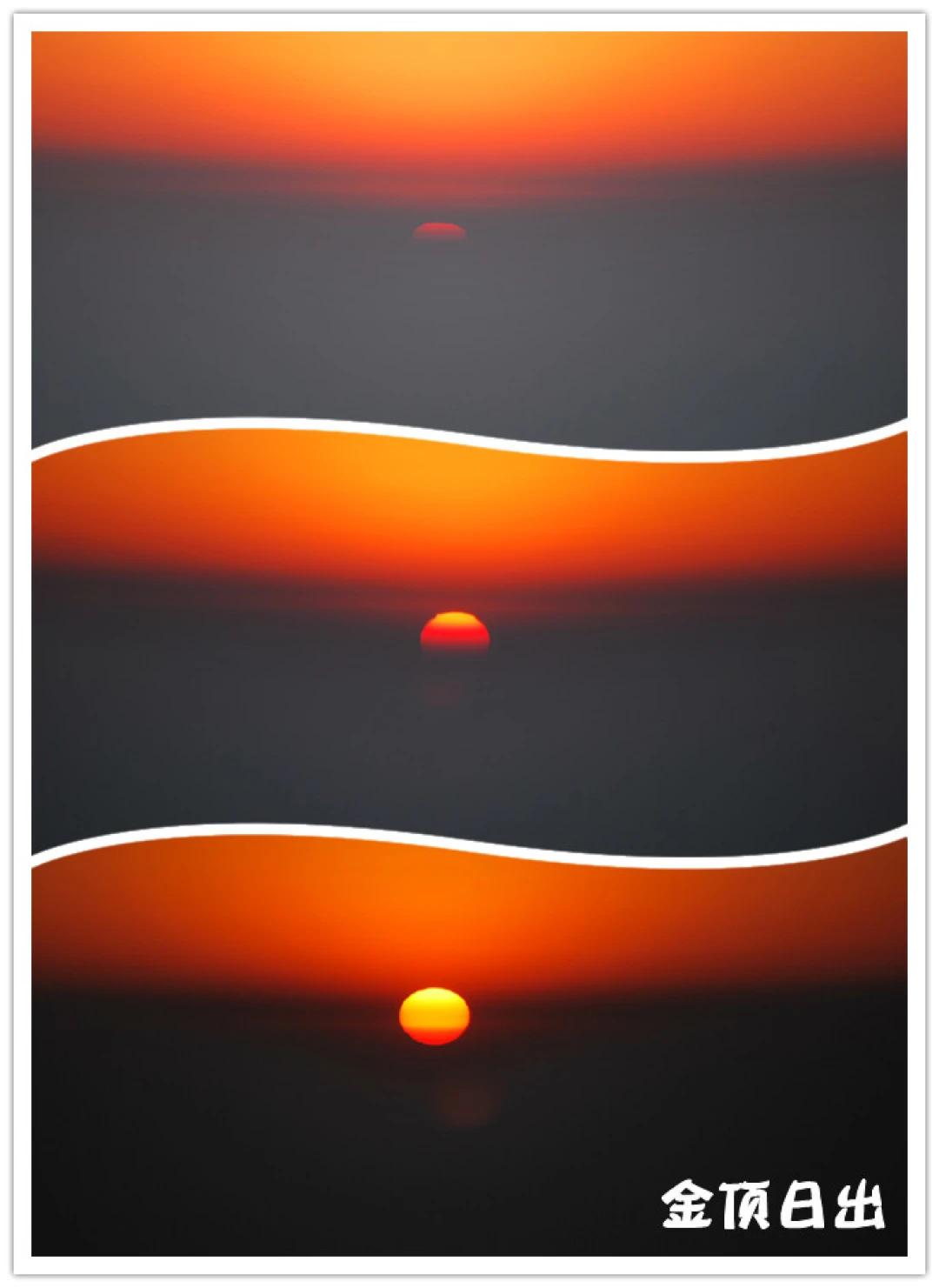
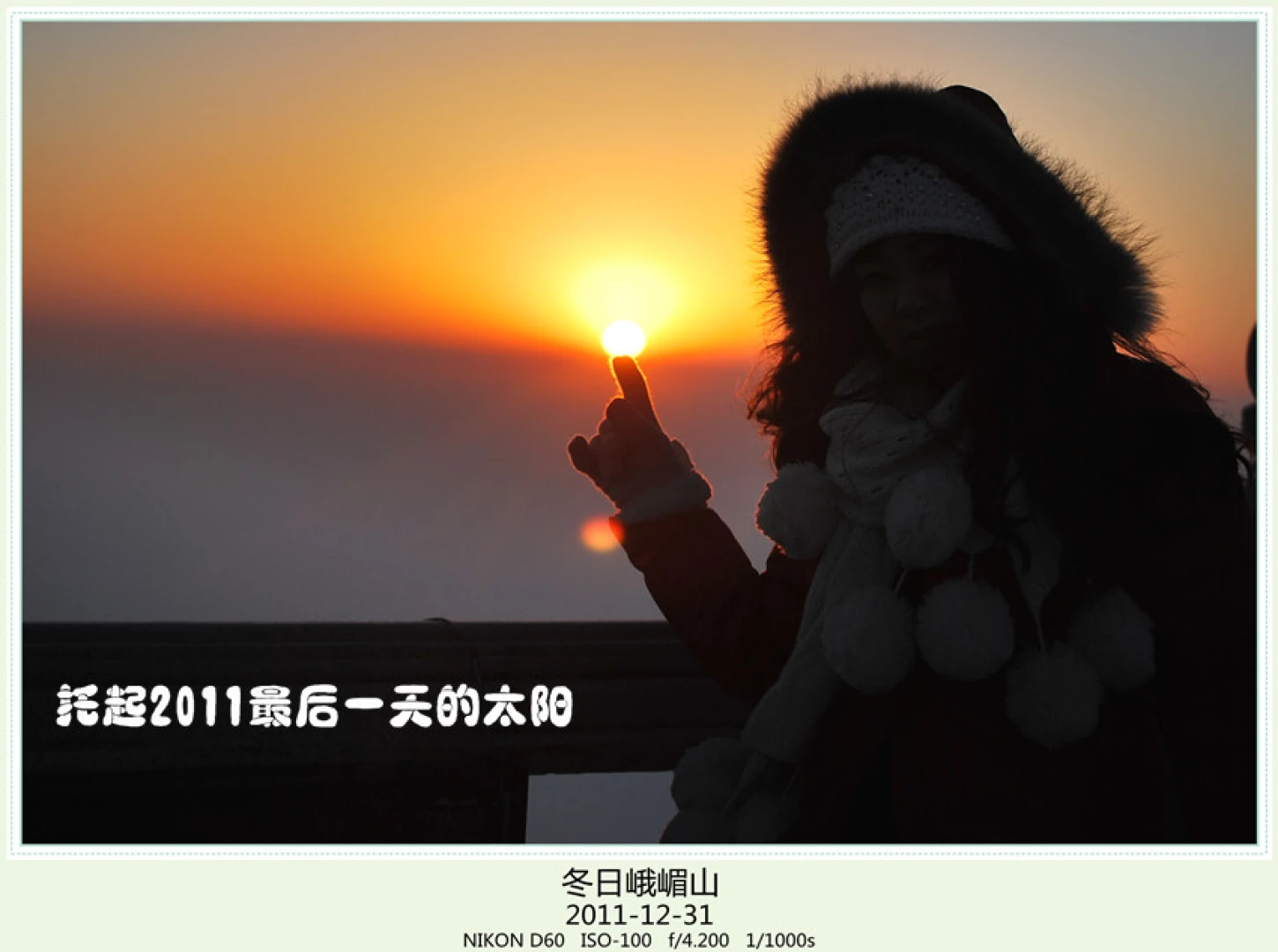
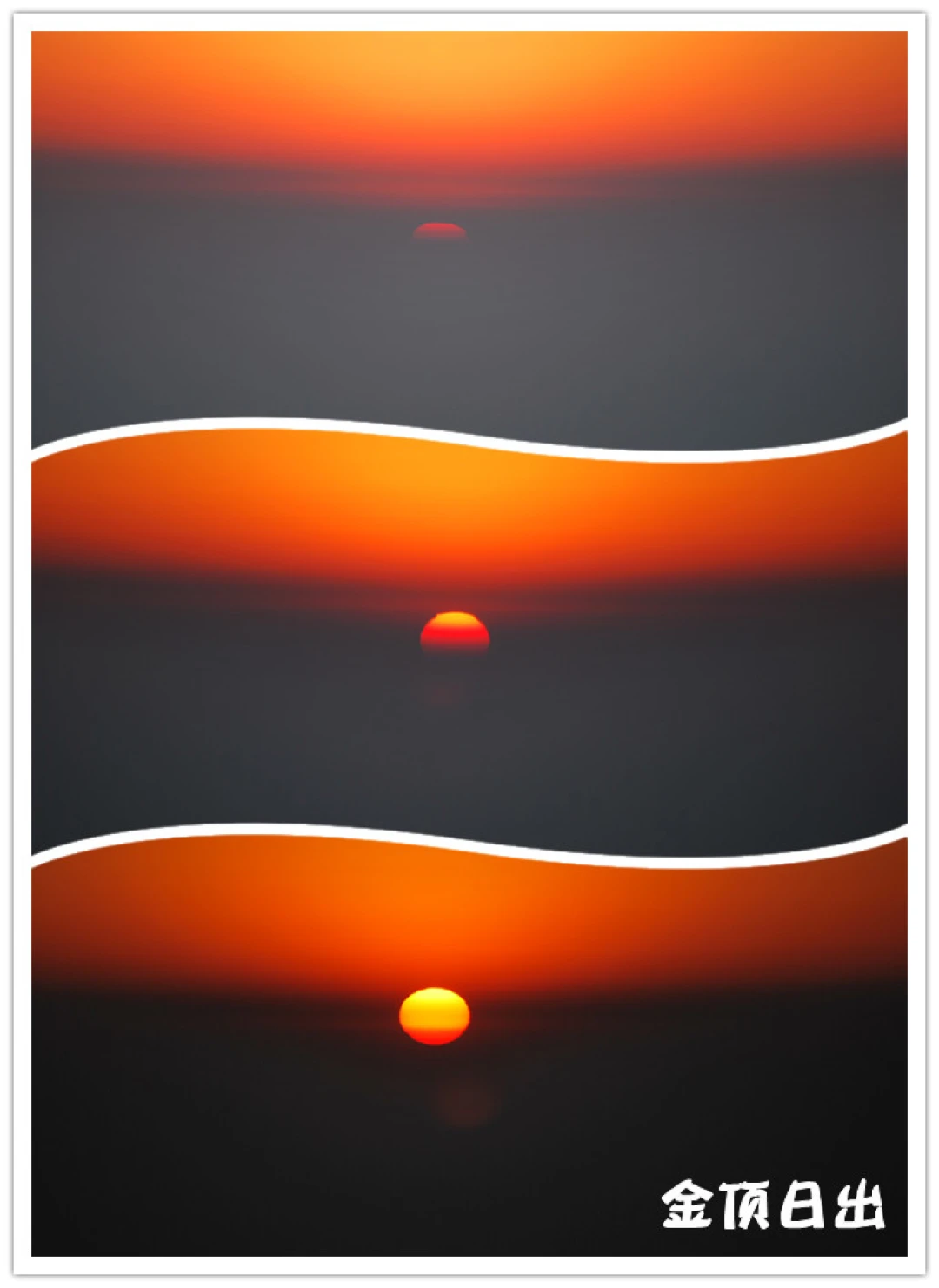
This was my first time watching the Mount Emei sunrise from the summit, and also the last of 2011. When the first ray of light pierced the darkness and dyed the sea of clouds crimson, I raised my hands. I felt as if I was truly holding up the final sun of the year. At that moment, all the fatigue, regrets, and unfulfilled wishes scattered with the sunlight.
On the Golden Summit: Golden Light and the Buddha’s Halo
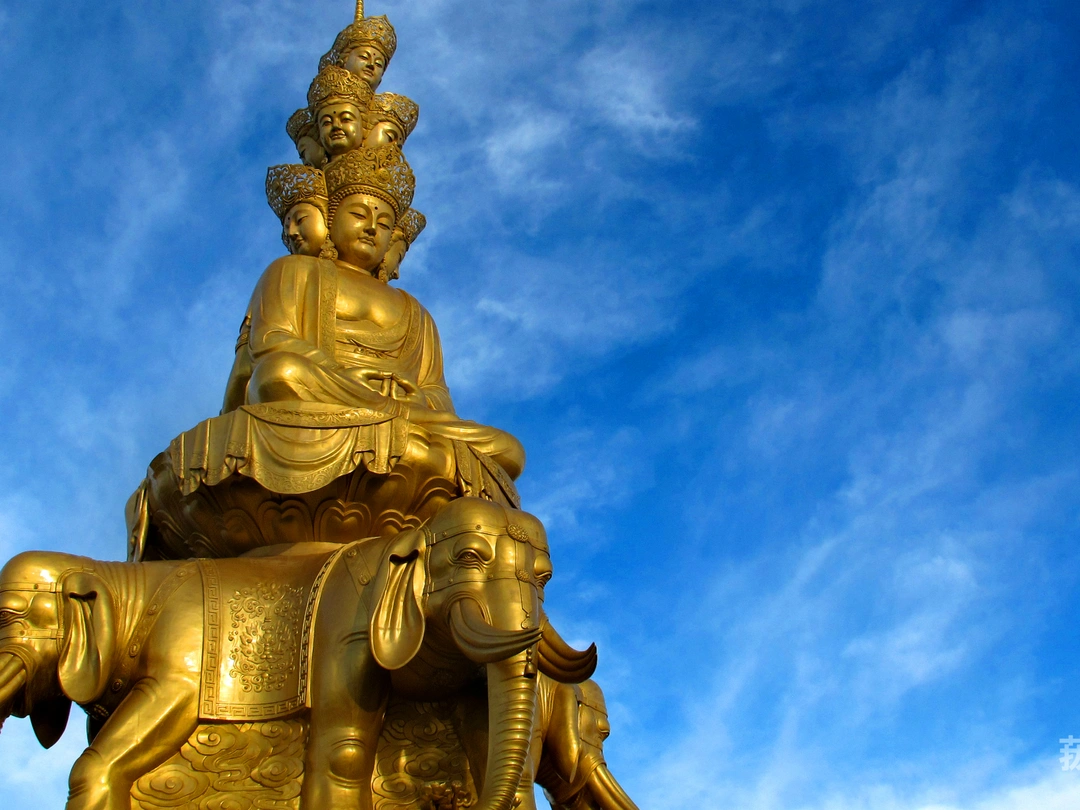
The Golden Summit is not called "Golden" without reason. Standing here, you understand what "shining with golden light" truly means. The golden statue of the Ten-Direction Samantabhadra gleams brilliantly under the sun. It is said to be the tallest golden Buddha in the world and the first artistic representation of the Ten-Direction Samantabhadra. The bodhisattva faces all ten directions, symbolizing wisdom and compassion.
What surprised me even more was catching sight of the King of Sichuan Mountains—the Gongga Mountain Range. Gazing at Gongga from the Golden Summit is a rare and fortuitous occurrence. It requires clear weather and parting clouds. Some call this a "stroke of good karma," but I prefer to think of it as a farewell gift from 2011.
The summit also features the Body-Sacrificing Cliff (Sheshen Cliff) . Standing at the edge, you see a bottomless gorge with clouds surging like tides. Legend has it that devotees once jumped from here to seek rebirth. Today, it is a prime photo spot—safety first, of course.
The Four Great Wonders: Sunrise, Sea of Clouds, Buddha’s Halo, and Sacred Lamps
The Golden Summit of Mount Emei boasts four great wonders: sunrise, sea of clouds, Buddha’s halo, and sacred lamps.
We had already witnessed the sunrise. The sea of clouds is a different kind of shock. Beneath your feet lies an endless expanse of clouds, like a white ocean, with mountain peaks emerging like islands. The Buddha’s halo is the most magnificent spectacle: sunlight refracts through water droplets in the clouds, creating a rainbow ring around your shadow. As for the sacred lamps, they are flickering points of light that drift through the valley at night—some say they are phosphorescent fires, others claim they are manifestations of the bodhisattva.
However, on our first day up the mountain, we weren’t so lucky. A thick fog covered the entire mountain, with visibility less than ten meters. It wasn’t until the next morning that the heavy fog cleared. So, when visiting Mount Emei, you must be patient—the weather is unpredictable.
Hiking vs. Cable Car: Two Experiences, One Devotion
The climbing route on Mount Emei stretches nearly a hundred li (about 50 kilometers). In recent years, a cable car has been built, allowing tourists to reach the summit with ease. But if you have the stamina and time, hiking Mount Emei is absolutely worth it. Along the way, there are dozens of Buddhist temples, each housing exquisite treasures. Many elderly devout Buddhists take over ten days to reach the summit.
We chose the cable car to save time, but we missed the temples along the way. Still, on an off-season morning, the cable car required almost no waiting. It took us from the base to the Golden Summit in just a few minutes.
Epilogue: Goodbye, 2011
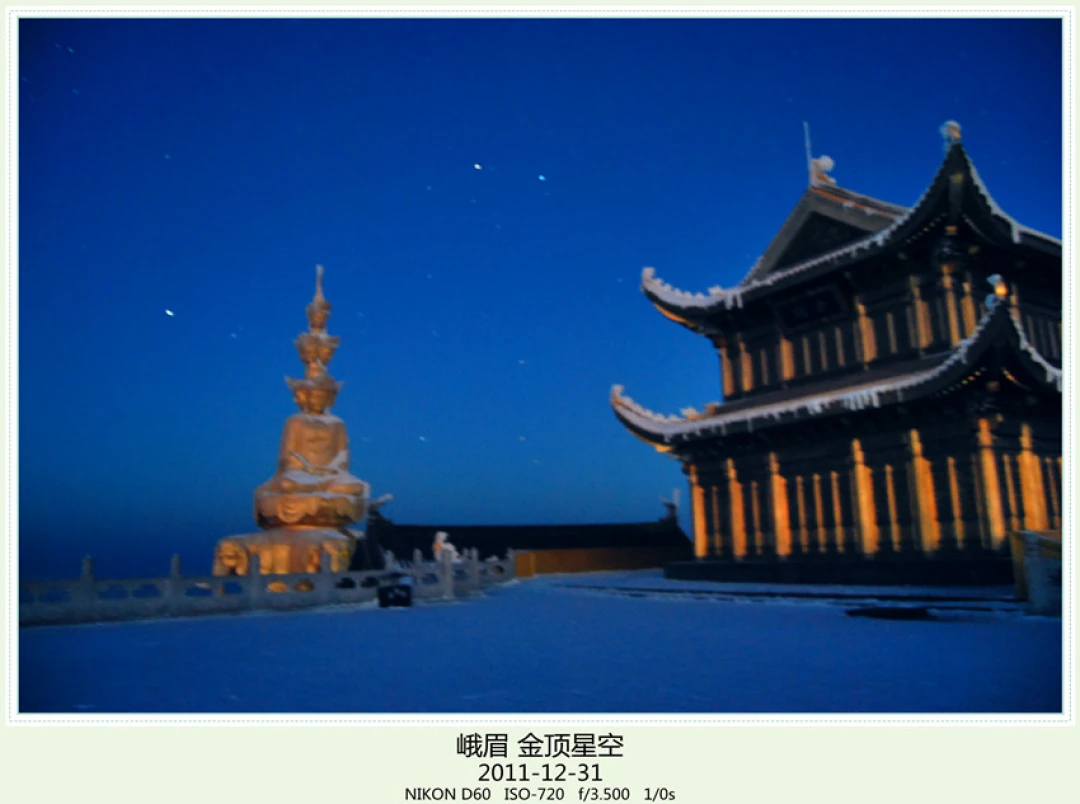
As I came down from the Golden Summit, there were only a few hours left in 2011. I didn’t write a year-end summary, but this journey itself was the best summary. I waited under the starry sky, held up hope in the sunrise, looked down on the past from the sea of clouds, and found peace before the golden Buddha.
2011 had regrets, gains, laughter, and tears. But standing on the Golden Summit, I realized that every ending is a new beginning. If you are looking for a way to say goodbye to an old chapter or welcome a new one, Mount Emei is waiting for you.
Frequently Asked Questions (FAQ)
Q: What is the best time to visit Mount Emei for sunrise? A: The best time is during the Mount Emei off-season (December 15 to January 15) for clear skies and fewer crowds. However, sunrise is visible year-round if weather permits. Arrive at the Golden Summit by 6:30 AM during winter.
Q: Is it better to hike or take the cable car to the Golden Summit? A: It depends on your fitness and time. Hiking Mount Emei offers a deep spiritual and scenic experience, passing many temples. The cable car is faster (5 minutes) and ideal for those short on time or visiting with elderly travelers.
Q: How much does a Mount Emei trip cost during the off-season? A: During the Mount Emei off-season (Dec 15 – Jan 15), entrance fees and cable car fares are halved. Accommodation also drops significantly, making it a budget-friendly Sichuan travel destination.
Q: What is the Buddha’s halo, and when can I see it? A: The Buddha’s halo is a rainbow-colored ring formed by sunlight refracting through cloud droplets. It is best seen in the morning on the Golden Summit when the sun is behind you and clouds are below.
Q: Can I see the Gongga Mountain Range from Mount Emei? A: Yes, on clear days, you can see the Gongga Mountain Range from the Golden Summit. This is considered a rare and lucky sight, often requiring a break in the clouds.
Internal Linking Suggestions
- [Link: Best Sichuan travel destinations for winter]
- [Link: How to plan a Buddhist pilgrimage in China]
- [Link: Top UNESCO World Heritage sites in China]
- [Link: Ultimate guide to hiking in Sichuan]
Call to Action (CTA)
Are you ready to say goodbye to the old year in the most unforgettable way? Plan your Mount Emei trip today. Book your off-season tickets, pack your warmest clothes, and head to the Golden Summit for a sunrise that will change your perspective. Start your journey now and create a farewell you will never forget.