Escape Earth Plan: Conquering Siguniangshan's Second Peak (5,276m) in the Rainy Season – A Pilgrimage of Self-Reconciliation
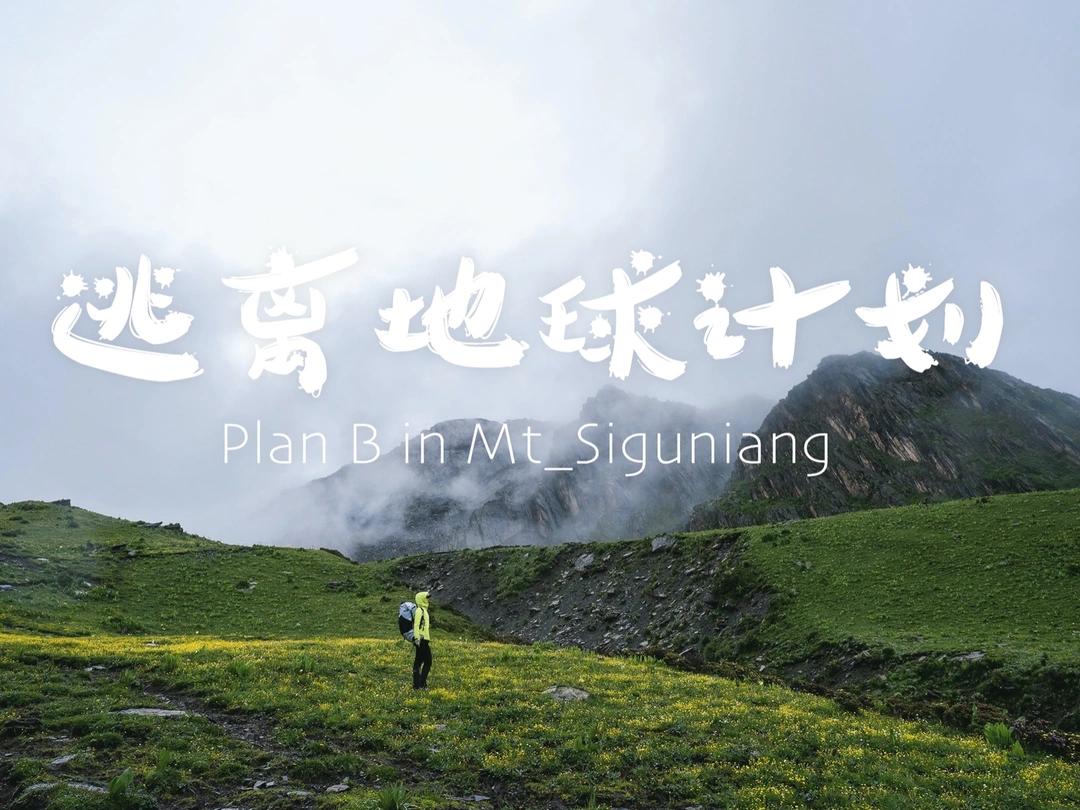
Meta Description: Experience the ultimate "Escape Earth Plan" at 5,276 meters. Conquer Siguniangshan's Second Peak in the rainy season, find self-reconciliation, and discover practical climbing tips for this life-changing Sichuan adventure.
Introduction: When Life Feels Like an Endless Rainy Season
Life can sometimes feel like an endless rainy season—damp, gloomy, suffocating. When a world on pause finally restarts, when a soul trapped in concrete and steel craves a complete release, I chose a path that led to a snow-covered mountain. This wasn't an ordinary trip; it was a long-meditated "Escape Earth Plan" —to find, at 5,276 meters above sea level on the summit of Siguniangshan's Second Peak, the version of myself that life had worn smooth.
The Siguniangshan climbing experience in the rainy season is not for the faint of heart. But for those seeking self-reconciliation through mountaineering, it offers something far more profound than a simple summit photo. This is the story of how one spontaneous decision transformed a travel disaster into a pilgrimage of the soul.
Prologue: When Plan A Met Its Waterloo
In July 2020, I set off on my first journey to western Sichuan in six months. As someone accustomed to being on the road, that half-year of stagnation had pushed my travel cravings to a boiling point. But reality delivered a harsh blow: in the rainy season, western Sichuan was plagued by mudslides, washed-out roads, and closed scenic spots. My Plan A was declared bankrupt on day one.
The original route was to start from Chengdu, passing through Lixian County's Floating Cloud Meadow (Fuyun Muchang), Bawang Mountain, and Liangtai Valley, then on to Siguniangshan, before looping back through Ya'an and Chongzhou. So what happened? Floating Cloud Meadow was closed for road construction, Liangtai Valley was shut down for renovations, and the access road to Bawang Mountain was washed away by floods. Even a last-minute detour to Litang via Yingxiu ended in navigational disaster—I drove for hours in the pouring rain, only to realize the hotel I'd booked was 400 kilometers away in the opposite direction.

That night, standing at the foot of Bawang Mountain with no phone signal, I tried every trick to find the way up, only to be blocked by floodwaters at the "place where dreams begin." Days of continuous rain turned this trip into a chaotic farce. A friend joked that I'd suffered my "first Waterloo in my travel career," and I accepted it with a wry smile.
But that's life—just when you think you've hit rock bottom, it throws you an unexpected surprise. In the town of Siguniangshan (Siguniangshan Zhen), the warmth of a Tibetan family's stove and their children's smiles warmed my heart. I casually complained, "It rains every single day. I just want one glimpse of the Four Sisters." My companion joked, half-seriously, "If the weather won't cooperate, are you going to climb the mountain to see them?"
That sentence hit me like an atomic bomb, igniting the dormant fire in my heart.
Chapter 1: A Spur-of-the-Moment Madness – The Birth of the Escape Earth Plan
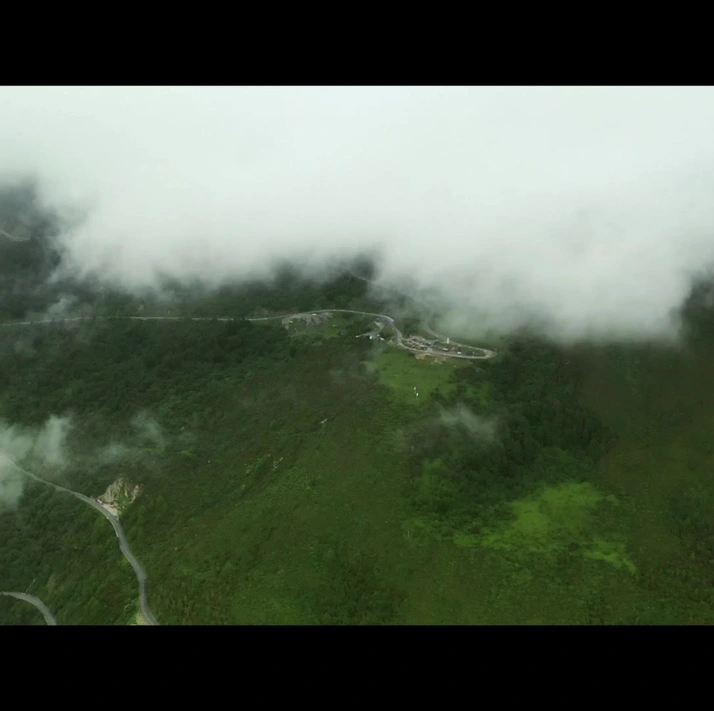
"Well then—let's climb it!"
Once this idea took hold, it spread like wildfire. We drove back to Chengdu that very night to retrieve our mountaineering gear for Siguniangshan. In that moment, all the bad luck and bad temper vanished, replaced by a joy born of pure spontaneity. This was the true beginning of the "Escape Earth Plan" —a decision that would lead to conquering Siguniangshan's Second Peak against all odds.
The Ascent Begins: Siguniangshan Town to Base Camp
On July 14, we officially began our ascent. Starting from Siguniangshan Town, we passed through Guozhuangping and Dajianbao, finally reaching the Second Peak Base Camp at 4,300 meters. The total hike was 16 kilometers, with an elevation gain of 1,100 meters. This was my first time back on a snow-covered mountain trail since my Everest Base Camp trek three years earlier.
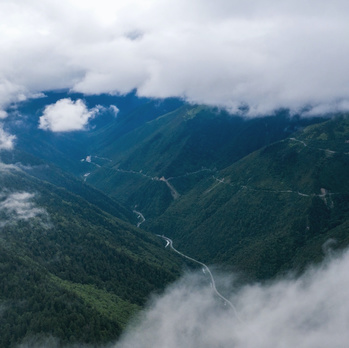
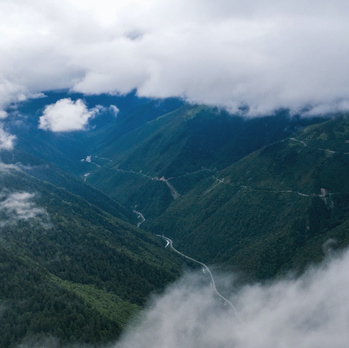
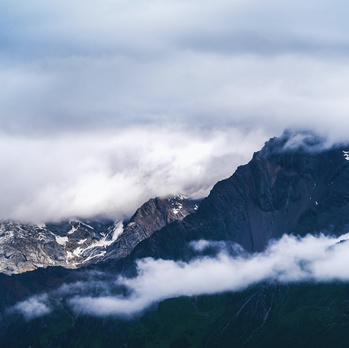
In July, Haizi Valley (Haizigou) was a sea of flowers, with yaks and horses grazing leisurely on the lush alpine meadows. The Four Sisters Mountain (Siguniangshan) appeared and disappeared through the moist clouds. Distant peaks became the path beneath my feet, and every ridge I crossed felt like climbing a wall of despair. The distant base camp was both hope and hopelessness—only each step underfoot was real and reliable.
Finding Peace at 4,300 Meters
Spending the night at base camp, cut off from the internet and electricity, I rediscovered a long-lost sense of peace. On that rainy night, even the stars had gone wandering. Lying in my tent, half-asleep, I "traveled across the entire galaxy" in my mind. I jotted down in my notes:
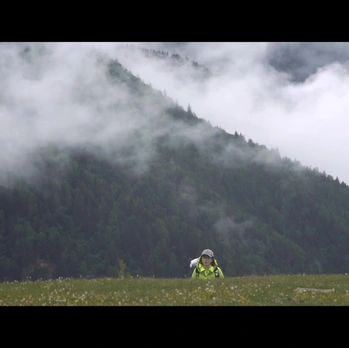
"I'm going to the universe. I'll come back and pick stars for you."
This Siguniangshan rainy season trek was already teaching me lessons I hadn't expected—about stillness, about presence, about the beauty of being disconnected from the digital world.
Chapter 2: 5.5 Hours to the Summit – Seeing Light in Despair
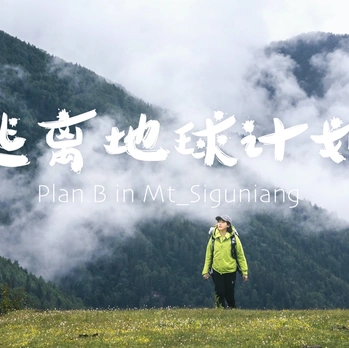
At 3 a.m. on July 15, our summit push began. Rainy night, low temperatures, lack of oxygen—these were scenarios I'd imagined the night before the climb. But when I actually found myself in them, I realized reality was far more brutal than any imagination.
The Brutal Reality of High-Altitude Climbing
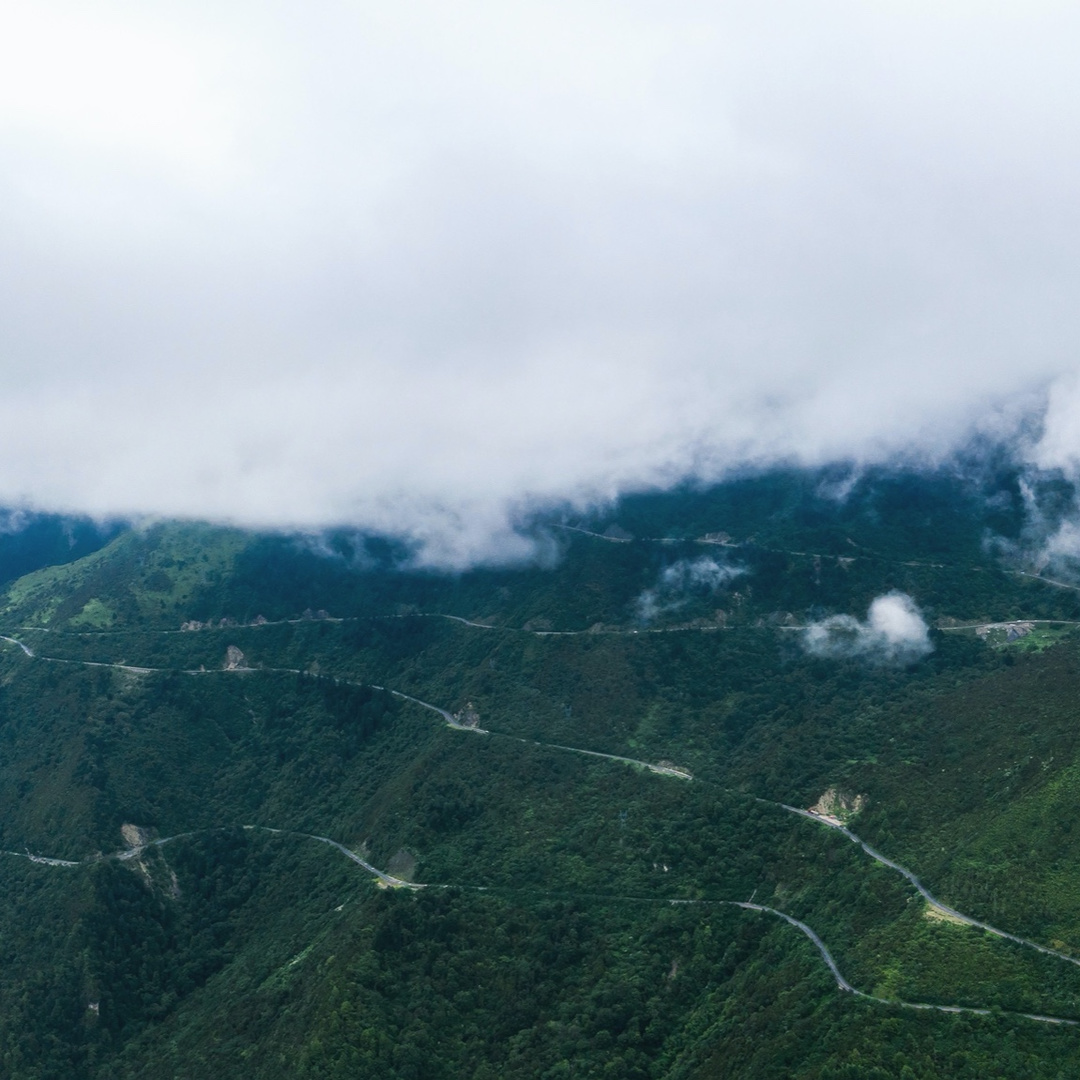
From base camp to the summit, the round-trip hike was only 6 kilometers, but the elevation gain was nearly 1,000 meters. The trail, slick with rain, made the scree slopes treacherously slippery in the rainy season. The darkness before dawn was impenetrable; the only light came from the faint headlamps of the team ahead—tiny points flickering on distant ridges, telling me where the next climb would be.
I think I'll always remember that scene: on an almost vertical ridge, icy rain soaking my shell jacket, exhaustion making every breath a struggle. The camera gear I carried on my back was barely touched. In that moment, I felt as if there truly existed "a light with no hope in sight."
The Summit: Finding Self-Reconciliation at 5,276 Meters
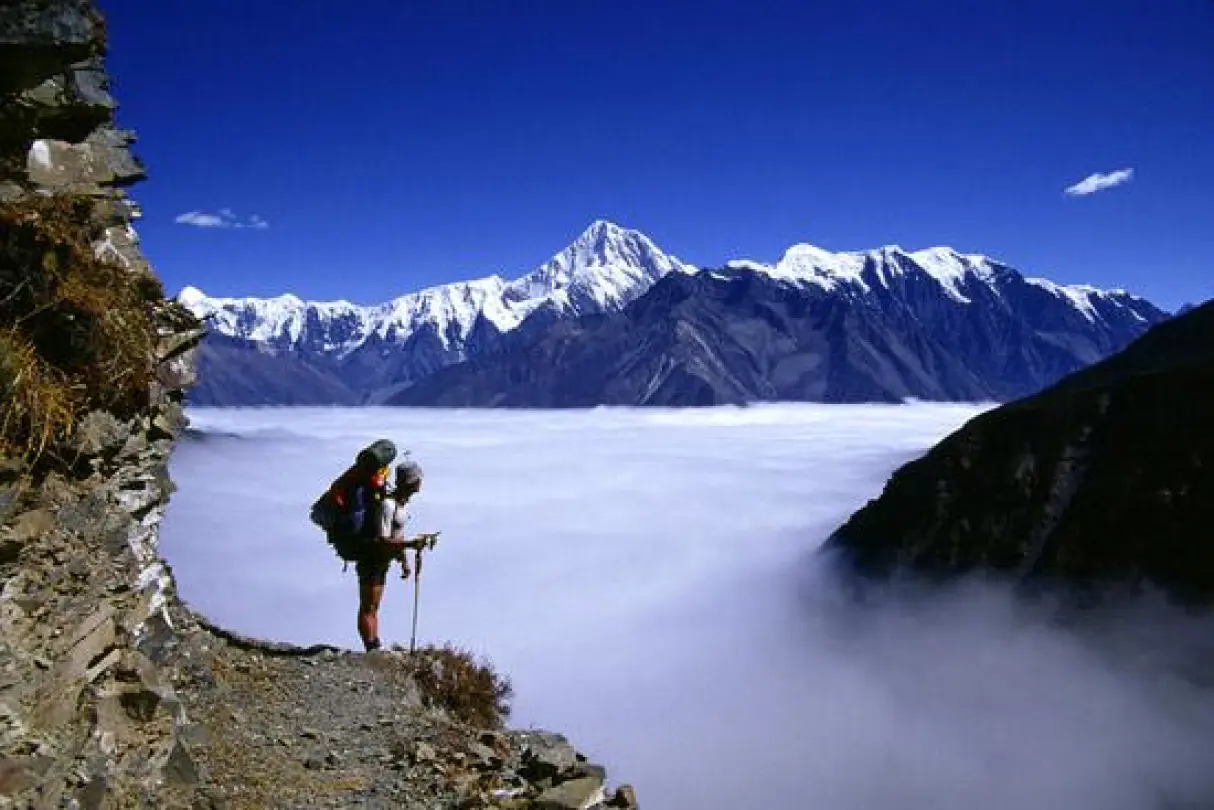
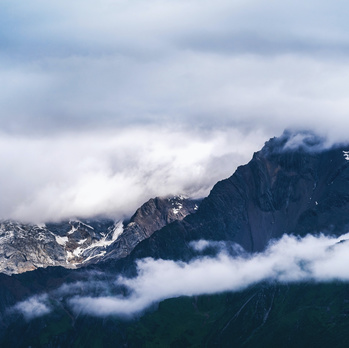
But dawn arrived, right on schedule. When the first rays of light pierced the clouds, when we stood at 5,276 meters on the summit of Siguniangshan's Second Peak, all the fatigue turned into pure elation. In that moment, I completed this "Escape Earth Plan" and successfully returned to a "lovely planet."
On the way back, I sat on a rock to rest. As I picked up my camera to shoot a video, I suddenly nodded off—in two minutes, four dreams flashed through my mind. When I woke up, I kept asking myself: Why do you climb a snowy mountain?
"Because it's there." That's someone else's answer. What's mine?
For me, the Siguniangshan Second Peak summit wasn't about conquering a mountain—it was about conquering myself. It was about finding self-reconciliation through mountaineering, about proving that even in the rainy season of life, there is always light waiting on the other side.
Chapter 3: Those Inhumanly Wonderful Moments – The Bond Between Companions
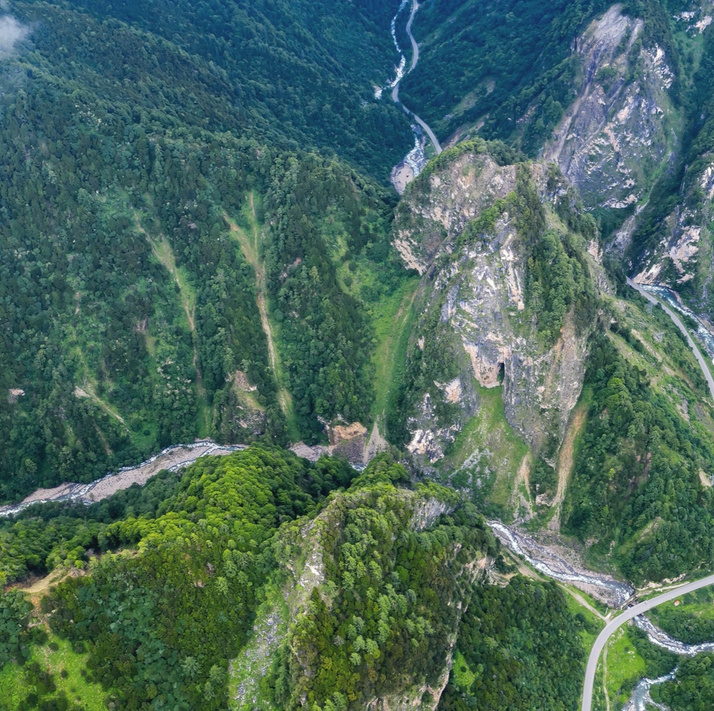
The summit push was too fast—rain, low pressure, low oxygen. I was afraid that if I didn't record it, my brain circuits would get lazy and help me forget the past ten hours.
What moved me most about this climb wasn't the sense of achievement from conquering a mountain, but the bond between companions. My brother—the one who always encouraged me—was struggling during the ascent. I'm used to walking ahead, while he always followed behind, watching over me. Diving, paragliding, flying through the sky and diving into the sea—I always thought he was a superman who didn't need my worry.
The Lesson of Looking Back
But that night, when I turned around and saw his light source and the guide's growing farther away, I realized for the first time: you need to look back often, to care about the people behind you.
In the second half, I turned into Hello Kitty, while Superman kept shouting encouragement from behind. Together, we completed the "Escape Earth Plan," and together we successfully returned to Earth. This "inhumanly wonderful and cool" experience will probably become the most precious memory between us.
This is the true meaning of Siguniangshan mountaineering—it's not just about reaching the top; it's about who you share the journey with, and how you grow together along the way.
Chapter 4: Practical Guide – Siguniangshan Second Peak Climbing Tips
Route Planning: Three-Day Climbing Itinerary
Day 1: Chengdu – Yingxiu – Wolong – Siguniangshan Town (approx. 230 km, 4–5 hours) - Elevation rises from 500m to 3,200m - Rest and acclimatize upon arrival - Guide briefs on safety precautions
Day 2: Siguniangshan Town – Guozhuangping – Dajianbao – Second Peak Base Camp (16 km hike, 1,100m elevation gain) - Depart at 9 a.m., hike light (gear transported by packhorses) - Break for lunch at Dajianbao around noon - Arrive at base camp around 4 p.m. - Important: Don't go to sleep immediately; it can trigger altitude sickness
Day 3: Second Peak Base Camp – Summit – Second Peak Base Camp – Return to Siguniangshan Town - Wake up at 2–3 a.m., start summit push at 3 a.m. - Summit ascent takes about 4 hours, descent about 3 hours - Anyone not summiting by 10 a.m. must descend immediately - Total hiking time exceeds 10 hours that day
Essential Gear for Siguniangshan Climbing
Clothing: - Shell jacket + fleece (daytime 5–20°C, nighttime -10–0°C) - Down jacket/down pants (for nighttime warmth) - High-cut waterproof hiking boots - Moisture-wicking base layers
Equipment: - Sleeping bag (rated for -10 to -15°C) - Crampons and trekking poles - Headlamp with extra batteries - 40-50L backpack for day hikes
Safety & Health: - Altitude sickness medication (Diamox recommended) - Sun protection (SPF 50+, lip balm, sunglasses) - First aid kit - Water purification tablets or filter
Best Time to Climb Siguniangshan Second Peak
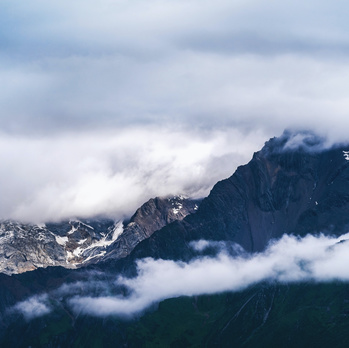
While the rainy season (June–August) presents challenges, it also offers unique rewards: - Lush alpine meadows in full bloom - Fewer crowds on the trail - Dramatic cloud formations around the peaks - A more authentic mountaineering experience
However, for optimal conditions, consider September–October for clearer skies and more stable weather.
[Link: Best time to visit Sichuan for mountaineering]
Frequently Asked Questions (FAQ)
1. Is it safe to climb Siguniangshan Second Peak in the rainy season?
 While the rainy season presents additional challenges like slippery trails and reduced visibility, it's still safe with proper preparation. Always hire an experienced guide, check weather forecasts, and be prepared to turn back if conditions worsen. The key is flexibility and respect for mountain conditions.
2. What fitness level is required for Siguniangshan Second Peak?
 This climb is suitable for intermediate to advanced hikers with good cardiovascular fitness. You should be comfortable with: - 6-8 hours of continuous hiking - Elevation gains of 1,000+ meters per day - High-altitude conditions above 4,000 meters - Steep, technical terrain
3. How do I prevent altitude sickness on Siguniangshan?
 - Acclimatize properly by spending a night at Siguniangshan Town (3,200m) - Ascend gradually—don't rush the summit push - Stay hydrated (3-4 liters of water daily) - Consider taking Diamox (consult your doctor) - Descend immediately if symptoms worsen
4. What permits or guides are needed for Siguniangshan climbing?
All climbers must register at the Siguniangshan Scenic Area Management Office. Hiring a certified guide is mandatory for safety reasons. Guides can be arranged through local agencies in Siguniangshan Town.
5. Can I climb Siguniangshan Second Peak without prior mountaineering experience?
While prior experience is recommended, first-time climbers can attempt this peak with proper training and a guide. However, we strongly recommend completing several high-altitude treks (e.g., Everest Base Camp, Annapurna Circuit) before attempting technical climbs.
Conclusion: Your Escape Earth Plan Awaits
The Siguniangshan Second Peak climbing experience is more than just a physical challenge—it's a pilgrimage of self-reconciliation. Whether you're escaping the rain of daily life or seeking to conquer your own personal mountains, this 5,276-meter summit offers a perspective that changes everything.
When the world feels heavy, when the rain won't stop, when Plan A fails—sometimes the best thing you can do is climb higher. The "Escape Earth Plan" isn't about running away; it's about finding yourself in the most unexpected places.
Ready to Start Your Journey?
- Book your guide: Contact local agencies in Siguniangshan Town
- Prepare your gear: Use our checklist above
- Train physically: Start hiking with elevation gains 3 months before
- Share your story: Tag us with #EscapeEarthPlan
The summit is waiting. Are you ready to answer the call?
Have you climbed Siguniangshan Second Peak or attempted another high-altitude trek? Share your experience in the comments below—we'd love to hear your story of self-reconciliation through mountaineering!
[Link: Other Sichuan mountaineering destinations] [Link: High-altitude trekking training guide] [Link: Best hiking gear for 2024]
You may also like