Eating Through Chengdu: The Ultimate 4-Day Food and Scenery Itinerary
Meta Description: Discover Chengdu's best attractions and street food in this SEO-optimized travel guide. From hotpot to pandas, Du Fu Thatched Cottage to Kuanzhai Alley—plan your perfect Sichuan adventure.
Chengdu—a city that seduces your senses and refuses to let go. What exactly makes this Sichuan capital so addictive? Is it the bubbling red oil hotpot, the communal warmth of chuanchuanxiang (skewer hotpot), the cool relief of bingfen (ice jelly), or the fiery embrace of dandanmian? Perhaps it's the ancient charm of Jinli, the everyday rhythm of Kuanzhai Alley, the poetic serenity of Du Fu Thatched Cottage, or the thousand-year loyalty of Wuhou Shrine. Then there's the giant panda climbing IFS, hidden taverns on Yulin Road, and lazy afternoons sipping gaibeicha (covered bowl tea) in People's Park.
Chengdu's charm is never one-dimensional. It's like a carefully simmered broth—each sip reveals a new flavor. Whether you're planning your first visit or returning for more, this Chengdu travel guide combines the city's must-see attractions with its legendary food scene.
Why Chengdu Should Be Your Next Travel Destination
Chengdu isn't just a city—it's an experience. As the capital of Sichuan province, it offers a unique blend of ancient history, modern creativity, and world-renowned cuisine. From UNESCO-recognized Chengdu food culture to giant pandas and ancient temples, this city has something for every traveler.
Key highlights include: - Sichuan cuisine: The birthplace of mapo tofu, kung pao chicken, and fiery hotpot - Cultural heritage: Wuhou Shrine, Du Fu Thatched Cottage, and ancient streets - Modern attractions: IFS panda, Eastern Suburb Memory, and creative warehouses - Nature and relaxation: People's Park tea houses and nearby panda bases
4-Day Chengdu Itinerary: Where Poetry Meets Everyday Life

Day 1: A Day Where Poetry and Everyday Life Intertwine
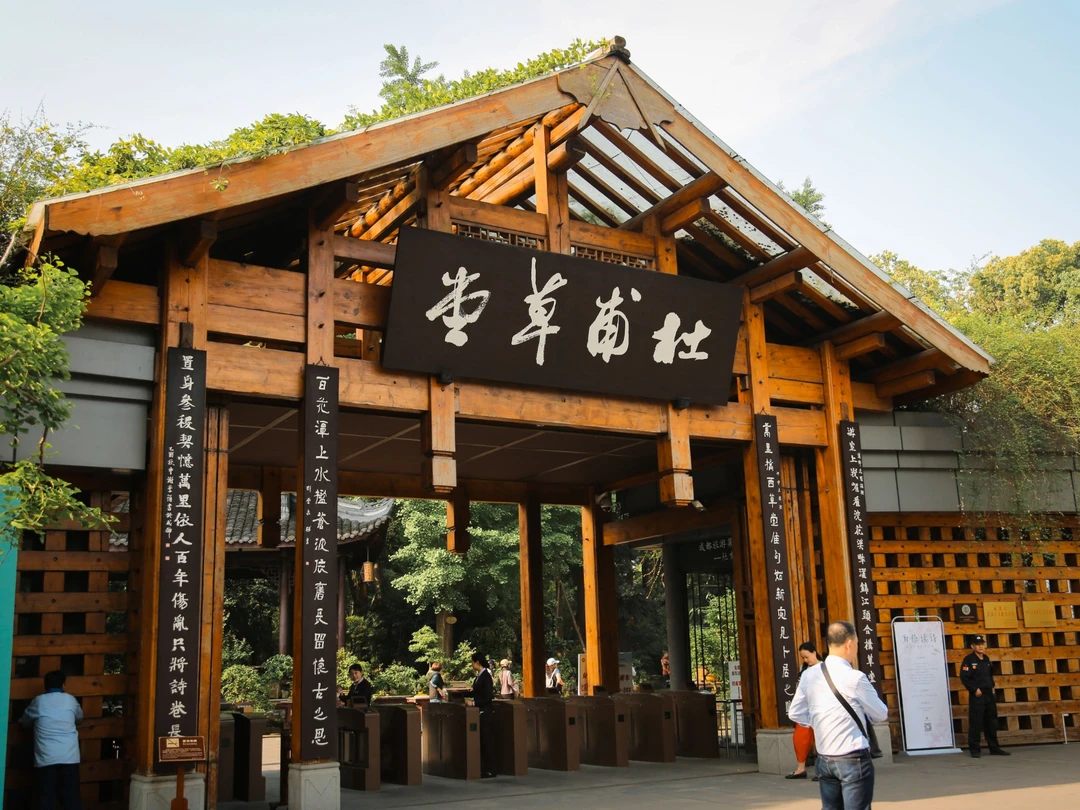
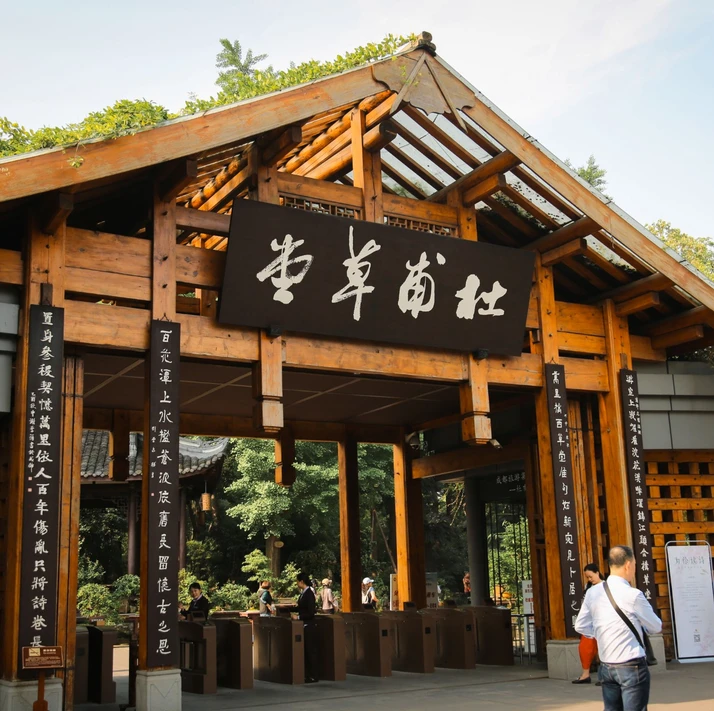
Du Fu Thatched Cottage: Finding a Poetic Sanctuary in a Bustling City
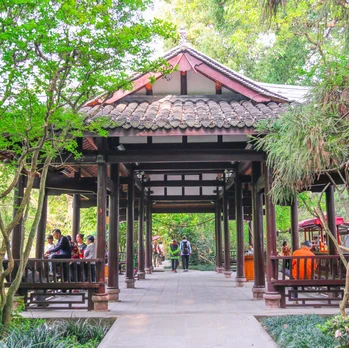
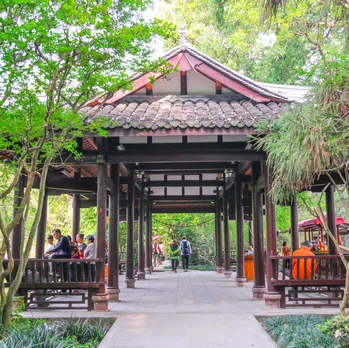
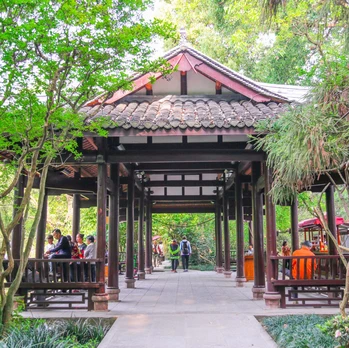
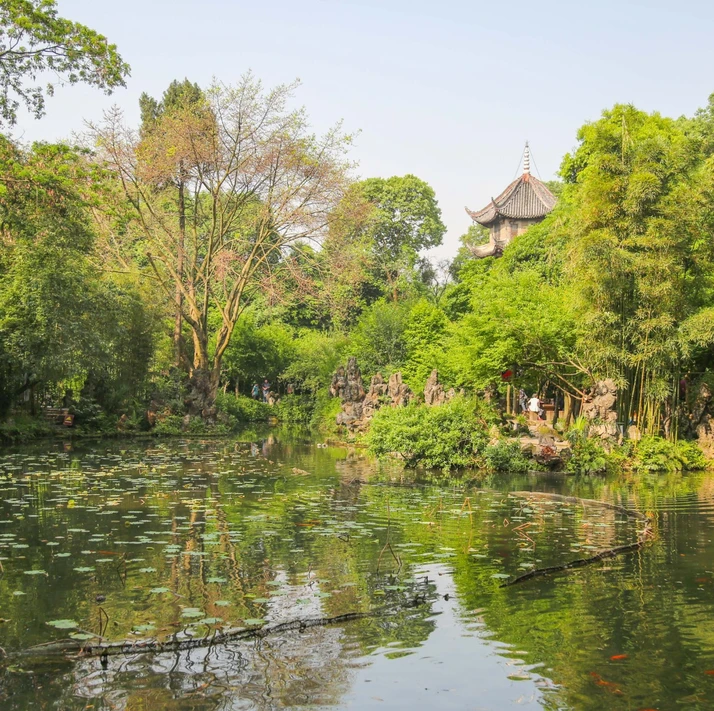
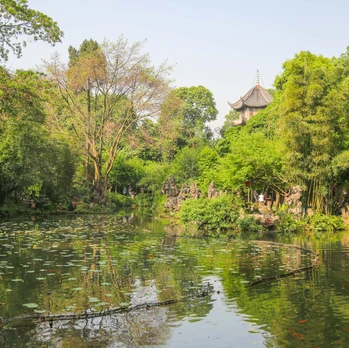
Chengdu's hustle and bustle are legendary, but Du Fu Thatched Cottage feels like an island forgotten by time. This is where the poet sage Du Fu lived while fleeing the An Lushan Rebellion, spending nearly four years here and writing over 240 immortal poems.
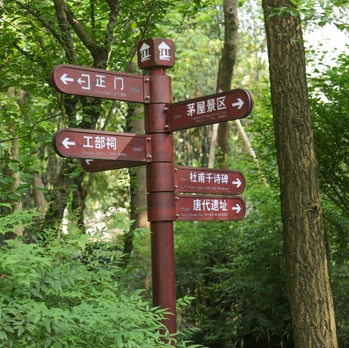
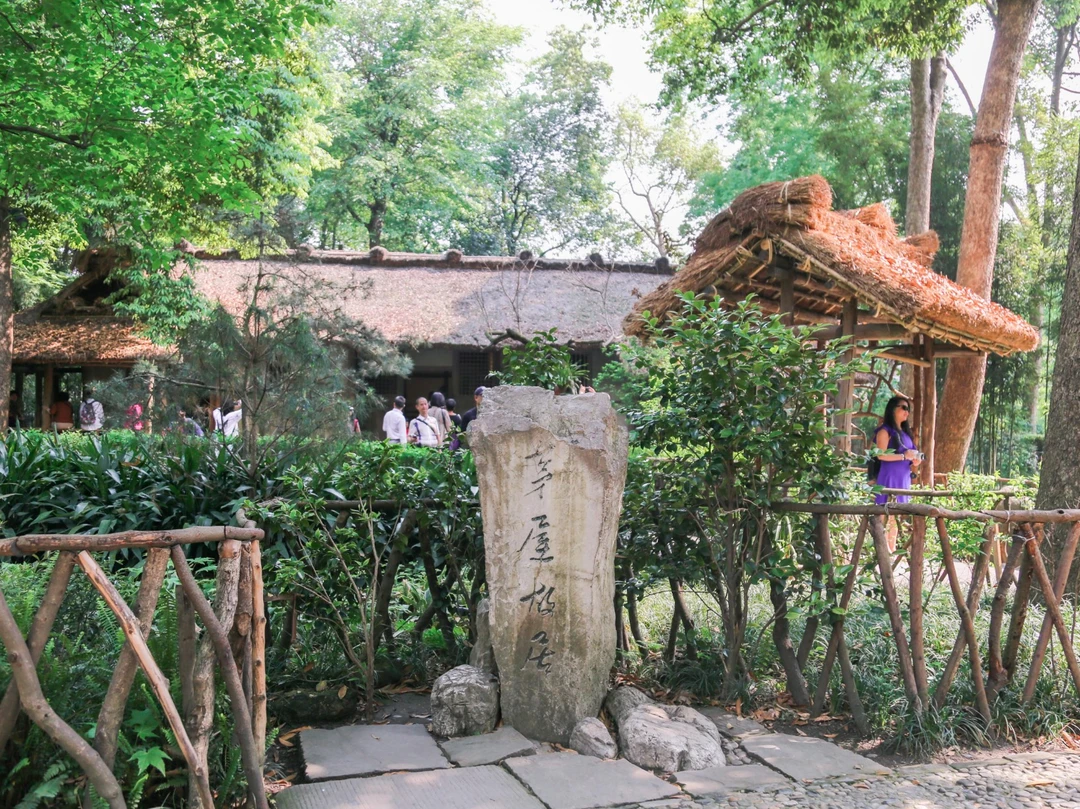
What to expect: - A 300-mu (50-acre) garden with ancient trees and pavilions - A refreshing coolness even on hot summer days—perfect for escaping the heat - Key attractions: Yilan Pavilion, Thatched Cottage, Shaoling, Southern Suburb, Flower Path, Bonsai Garden, Daya Hall, Poetry History Hall, and Ministry of Works Shrine
Must-see spots within the cottage:
- Ministry of Works Shrine: The core building housing a clay statue of Du Fu, flanked by statues of Huang Tingjian and Lu You
- Poetry History Hall: Displays poems Du Fu wrote during his Chengdu years, with a bronze bust telling stories of that era's hardships
- Flower Path: A pathway flanked by red walls—an iconic photo spot where Du Fu once wrote, "The flower path has never been swept for guests; my thatched gate is now open for you"
- Cottage Shadow Wall: Characters reportedly written by Qing official Zhou Zhujun using rice grains, later inlaid with Jingdezhen blue-and-white porcelain fragments
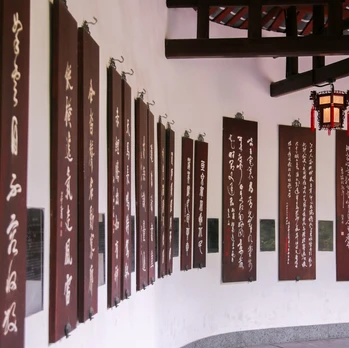
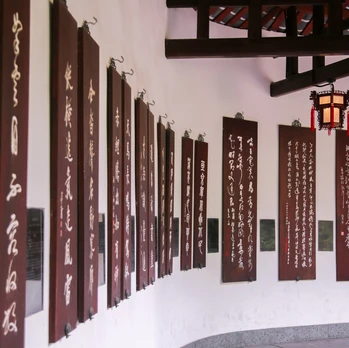
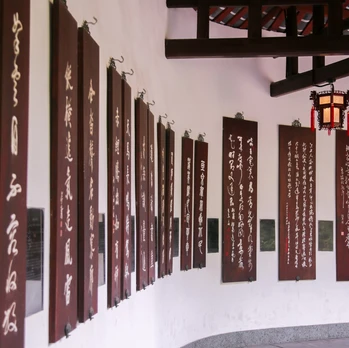
Best route: Enter from the North Gate → Yilan Pavilion → Thatched Cottage → Shaoling → Southern Suburb → Flower Path → Bonsai Garden & Calligraphy Wood Carving Corridor → Daya Hall → Cottage Shadow Wall → Flower Path → Grand Hall → Poetry History Hall → Ministry of Works Shrine → Fan Leaf Pavilion → North Gate
Pro tip: Visit early morning or late afternoon to avoid crowds and capture the best photos of the red walls and bamboo.
Chengdu Foodie: A Feast of New-Style Sichuan Cuisine
By the time you leave Du Fu Thatched Cottage, your stomach will be growling. Head to Chengdu Foodie, a super-popular internet-famous restaurant with branches on Kuixinglou Street and Zhimin Road. We recommend the Zhimin Road location—just minutes from Xin'nanmen Metro Station—with stylish decor and spacious seating.
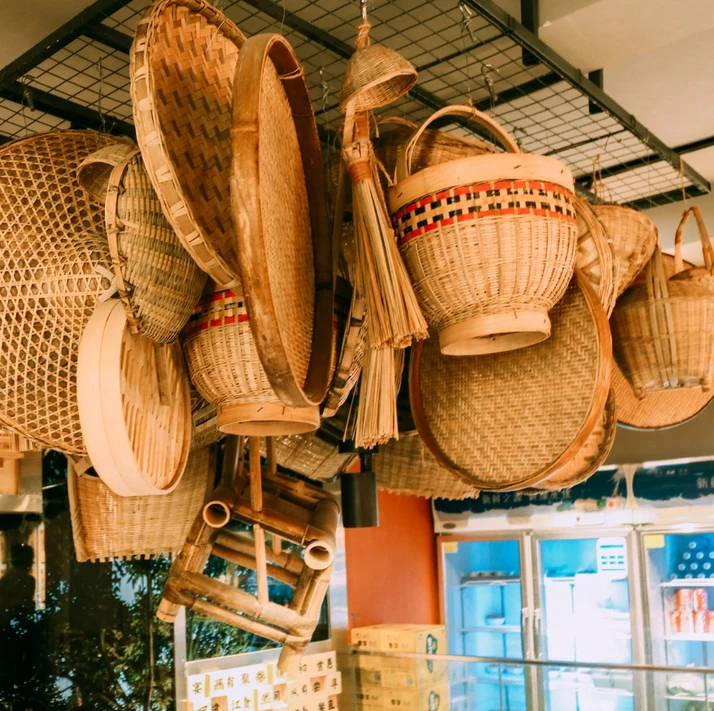
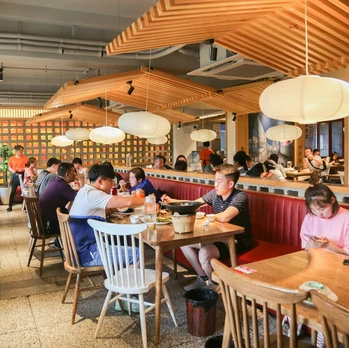
The experience: By mealtime, the queue can stretch for an hour or more. But for this Sichuan feast, it's worth the wait. The walls feature phrases like "Kuan Alley" and "Zhai Alley," along with authentic Sichuan dialect expressions like pa erduo (henpecked husband), bashi de ban (awesome), and shen cuo cuo (a bit crazy). Bamboo-woven chairs and hanging baskets evoke childhood memories.
Dish recommendations:
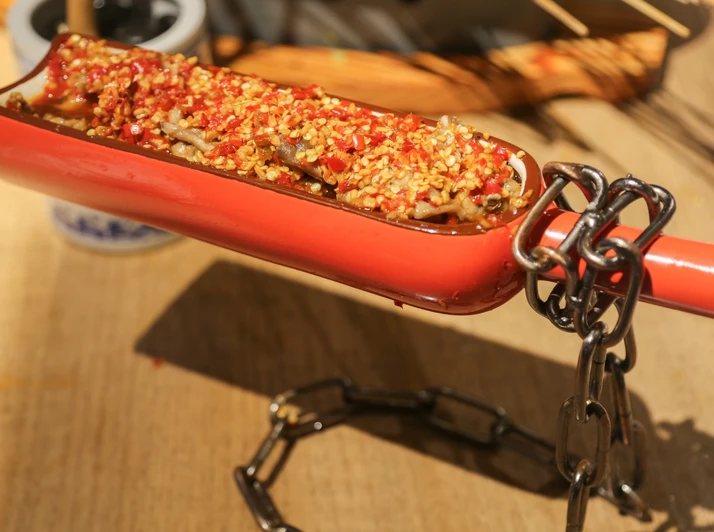
- Jueqing Wa (Heartless Frog): Served in a glass wine bottle held by a chain—the frog meat is tender, with soul-stripping spiciness from chopped chili
- Luoben Tuotuo Xia (Naked Shrimp Skewers): A signature must-order! Peeled shrimp threaded on bamboo skewers, with hot chili oil poured tableside. Don't miss the taro at the bottom—soft, flavorful, and falling apart
- Zhi Shang Ju Xian Bao (Paper-Wrapped Fresh Abalone Noodles): Noodles wrapped in paper—the fragrance hits as soon as it's opened. Fresh, springy abalone with slightly numbing, spicy broth elevates instant noodles to gourmet status
- Tengjiao Xiliu Pa Jizhua (Sichuan Pepper Soft Chicken Feet): Melt-in-your-mouth chicken feet with balanced numbing and spiciness
- Tesao Kaoyupian (Special Grilled Fish Slices): Fish slices grilled with pineapple—freshness meets sweet-and-sour kick, every slice deboned
- Tangyou Guozi (Fried Glutinous Rice Balls): Classic Sichuan street snack presented like a tree full of fruit. Eat hot for crispy exterior and chewy interior
- Kong Gan Fan (Pot-Simmered Rice): Diced cured meat, green beans, carrots, and peas simmered at the bottom—the aroma of rice and vegetables evokes childhood wood-fire meals
Pro tip: Arrive before 11:30 AM or after 1:30 PM to avoid the worst queues.
Eastern Suburb Memory: An Artistic Rebirth from Industrial Remains
In the afternoon, explore Eastern Suburb Memory (formerly "East District Music Park"). Transformed from Soviet-era office buildings, red-brick factories, train cars, and railway tracks, it's similar to Beijing's 798 Art District or Chongqing's Eling Erchang Factory.
What makes it special: - Giant music dolls with adorable goofy expressions - Graffiti walls perfect for edgy street-style photos - Central avenue ideal for nostalgic film looks - Red-brick factories offering literary, fresh aesthetics - Dongfanghong Steam Locomotive: Sichuan Province's first steam locomotive—black body, red wheels, retro charm for movie-like shots - Green train cars housing a café for breaks
Activities: Frequent music performances and art exhibitions. Celebrity fans will find a wall of handprints from stars like Jane Zhang, Li Yuchun, and Jiang Wen.
Photo opportunities: Every corner is Instagram-worthy. If you're an art lover, don't miss this spot.
U37 Creative Warehouse: A "Hidden Paradise" in the Urban Jungle
Compared to bustling Eastern Suburb Memory, U37 Creative Warehouse offers a quieter, more intimate artistic experience. This hidden gem in the city center features converted factory spaces with independent boutiques, cafés, and art studios.
Why visit: - Less crowded than Eastern Suburb Memory - Unique photo backdrops with industrial-chic design - Local artisan shops and pop-up galleries - Quiet corners for reading or sketching
[Link: Other creative spaces in Chengdu]
Day 2: Ancient Charm and Modern Energy
Jinli Ancient Street: A Walk Through Time
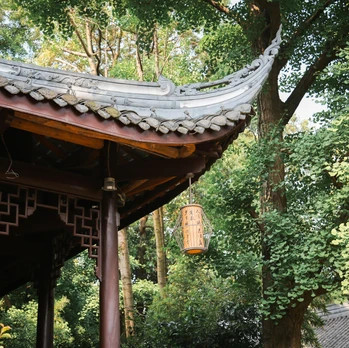
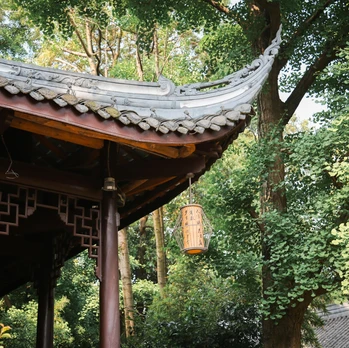
Jinli Ancient Street is Chengdu's most famous historical street, dating back to the Qin Dynasty. Today, it's a vibrant pedestrian zone filled with traditional architecture, street food stalls, and souvenir shops.
Must-try street foods: - Boboji (poached chicken skewers) with spicy dipping sauce - Bingfen (ice jelly) for a cooling treat - Dandanmian (Sichuan noodles with minced pork and chili oil) - Grilled skewers of all varieties
Photo tips: Visit early morning or late evening for fewer crowds and atmospheric lighting.
Kuanzhai Alley: The Everyday Rhythm of Chengdu
Kuanzhai Alley (Wide and Narrow Alley) consists of three parallel lanes—Kuan Alley (Wide), Zhai Alley (Narrow), and Jing Alley (Well). Each offers a different Chengdu experience.
- Kuan Alley: Wide, tourist-friendly with traditional teahouses and upscale shops
- Zhai Alley: Narrower, more intimate with local boutiques and street art
- Jing Alley: Quiet, residential feel with authentic Chengdu life
What to do: - Sip gaibeicha (covered bowl tea) at a traditional teahouse - Watch local musicians perform Sichuan opera - Browse handmade crafts and souvenirs - Sample chuanchuanxiang (skewer hotpot) at a street stall
[Link: Best teahouses in Chengdu]
Day 3: History, Pandas, and Nightlife
Wuhou Shrine: Thousand-Year Loyalty
Wuhou Shrine honors Zhuge Liang, the legendary strategist of the Three Kingdoms period. This temple complex is a must-visit for history buffs.
Highlights: - Main hall with statues of Zhuge Liang and other Three Kingdoms figures - The "Tomb of Zhuge Liang" and surrounding gardens - Calligraphy and inscriptions from various dynasties - Peaceful atmosphere for reflection
Best time to visit: Early morning to avoid crowds and heat.
Giant Panda Breeding Research Base: Meet China's National Treasure
No Chengdu travel guide is complete without pandas. The Giant Panda Breeding Research Base is home to dozens of pandas in a natural habitat.
What to see: - Panda cubs in the nursery (best in summer) - Adult pandas eating bamboo and playing - Red pandas in their enclosures - Educational exhibits about conservation
Pro tips: - Visit early (7:30 AM opening) for active pandas - Book tickets online in advance - Bring water and sunscreen
Jiuyanqiao Bridge: Dreamy Nightscape
As evening falls, head to Jiuyanqiao Bridge for Chengdu's most iconic night view. The bridge and surrounding buildings light up, reflecting on the river.
Activities: - Riverside walk with stunning photo opportunities - Dinner at one of the many riverside restaurants - Night cruise on the Jin River
Day 4: Local Life and Hidden Gems
People's Park: Slow Time Sipping Tea
People's Park is where Chengdu locals come to relax. Spend a morning here watching life unfold.
Must-do activities: - Drink gaibeicha at the Heming Teahouse - Watch locals practice tai chi or dance - Visit the "Matchmaking Corner" where parents post marriage ads for their children - Rent a paddleboat on the lake
Yulin Road: Hidden Taverns and Local Flavor
Yulin Road gained fame from the song "Chengdu" by Zhao Lei. Today, it's a hip neighborhood with hidden bars, boutique shops, and authentic eateries.
What to explore: - Small taverns serving craft beer and cocktails - Local restaurants specializing in mapo tofu and kung pao chicken - Street art and murals - Vintage clothing stores
Chengdu Food Guide: Must-Try Dishes
| Dish | Description | Where to Try |
|---|---|---|
| Hotpot | Boiling red oil broth with meats and vegetables | Any local hotpot chain |
| Chuanchuanxiang | Skewer hotpot with various ingredients | Kuanzhai Alley stalls |
| Dandanmian | Noodles with minced pork and chili oil | Jinli Ancient Street |
| Mapo Tofu | Silken tofu in spicy bean sauce | Yulin Road restaurants |
| Bingfen | Ice jelly with fruit and syrup | Street vendors |
| Boboji | Poached chicken skewers | Jinli Ancient Street |
Frequently Asked Questions About Chengdu
Q1: What is the best time to visit Chengdu?
 A: Spring (March-May) and autumn (September-November) offer mild temperatures and fewer crowds. Summer is hot but great for panda cubs, while winter is cool but less touristy.
Q2: How many days do you need in Chengdu?
 A: Four days is ideal for covering major attractions like Du Fu Thatched Cottage, Wuhou Shrine, Jinli Ancient Street, Kuanzhai Alley, and the Panda Base. Add two more days for day trips to Leshan or Mount Qingcheng.
Q3: Is Chengdu food too spicy for beginners?
 A: Not necessarily! Many dishes can be ordered "not spicy" (bu la). Start with milder options like dandanmian or mapo tofu and gradually work up to hotpot. Always carry a bottle of water or yogurt to cool your palate.
Q4: How do I get around Chengdu?
 A: The Chengdu Metro is efficient and affordable, covering most attractions. Taxis and ride-hailing apps (like Didi) are also widely available. Walking is best for areas like Kuanzhai Alley and Jinli.
Q5: What should I pack for Chengdu?
A: Comfortable walking shoes, light clothing for summer, a jacket for cooler months, sunscreen, and an umbrella (rain is common). Bring a reusable water bottle and wet wipes for spicy food.
Your Chengdu Adventure Awaits
Chengdu is more than a destination—it's a feeling. From the poetic serenity of Du Fu Thatched Cottage to the fiery excitement of hotpot, from ancient alleys to modern art spaces, this city offers experiences that linger long after you leave.
Ready to plan your trip? Start with our 4-day itinerary, book your flights and accommodation early, and prepare your taste buds for an unforgettable journey. Whether you're a foodie, history buff, or nature lover, Chengdu has something special waiting for you.
Don't wait—start planning your Chengdu adventure today! Share this guide with fellow travelers and let us know your favorite Chengdu experiences in the comments below.
[Link: Best hotels near Chengdu attractions] [Link: Day trips from Chengdu to Leshan Giant Buddha] [Link: Chengdu nightlife guide for solo travelers]
Did you find this guide helpful? Bookmark it for your trip and follow us for more China travel tips!
You may also like


