Datong: A Great City Forgotten by Time
Here is the SEO-optimized and rewritten article based on your source material. It has been expanded, restructured, and enhanced for search visibility while maintaining the original narrative and factual accuracy.
SEO Title: Datong Travel Guide: Exploring the Ancient Capital of the Northern Wei & Yungang Grottoes
Meta Description: Discover Datong, China's forgotten capital. Explore the majestic Yungang Grottoes, the surreal Datong Earth Forest, and the legacy of the Xianbei people. Your ultimate guide to Shanxi's hidden gem.
Datong: The Great Ancient Capital of Northern Wei You Need to Visit
In the vast tapestry of Chinese history, some cities shine like brilliant stars: Chang'an, Luoyang, and Beijing. Yet there is one city that once established a magnificent imperial pattern, only to be partially forgotten by the modern traveler. Datong, Shanxi is precisely such a city—both great and lonely.
It is lonely because the people who created its brilliance—the Xianbei nomads—have vanished. It is great because they left an unparalleled legacy for Chinese civilization. Over 1,600 years ago, this nomadic tribe rose from the Greater Khingan Range, unified the northern lands, underwent a cultural transformation with the courage of a moth diving into flame, and ultimately propelled Chinese civilization toward the splendor of the Tang Dynasty.
Today, Datong is a reborn ancient city. Whether you are a history buff, a Buddhist art enthusiast, or a photographer seeking unique landscapes, this travel guide will show you why Datong should be on your China itinerary.
Why Visit Datong? The "Forgotten Capital" of the Northern Wei
Most travelers flock to Xi'an or Beijing. But for those who dig deeper, Datong offers a raw, uncrowded glimpse into China's medieval past. It was the capital of the Northern Wei Dynasty (386–534 AD), a period of intense cultural fusion between nomadic steppe cultures and settled Han Chinese traditions.

The city is home to two major attractions: the Yungang Grottoes (a UNESCO World Heritage Site) and the lesser-known Datong Earth Forest. Combined with a rich local food culture, Datong is a perfect weekend getaway from Beijing (just a 2-hour high-speed train ride).
Yungang Grottoes: A Dynasty's Memory Carved in Stone
The "Fifth Century Pinnacle" of Chinese Art
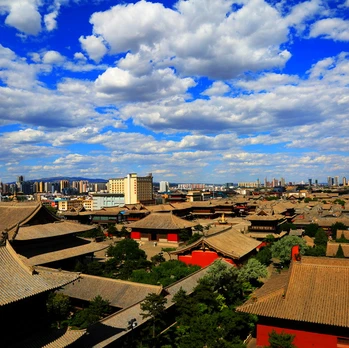
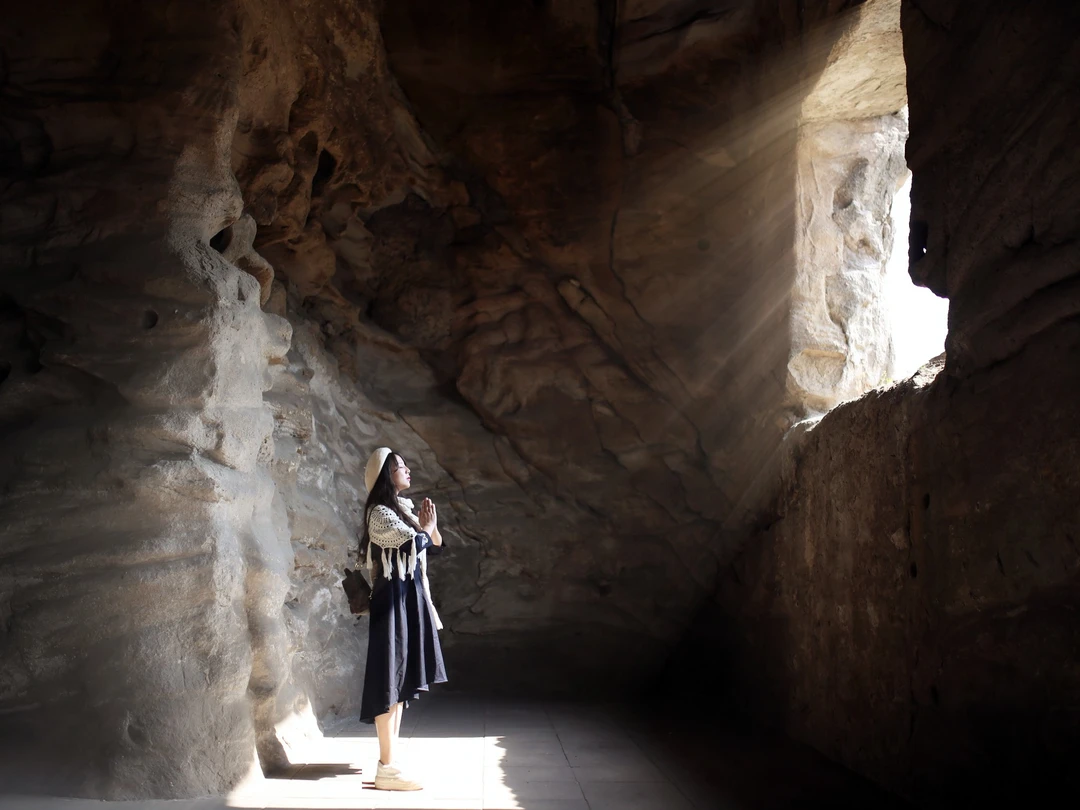
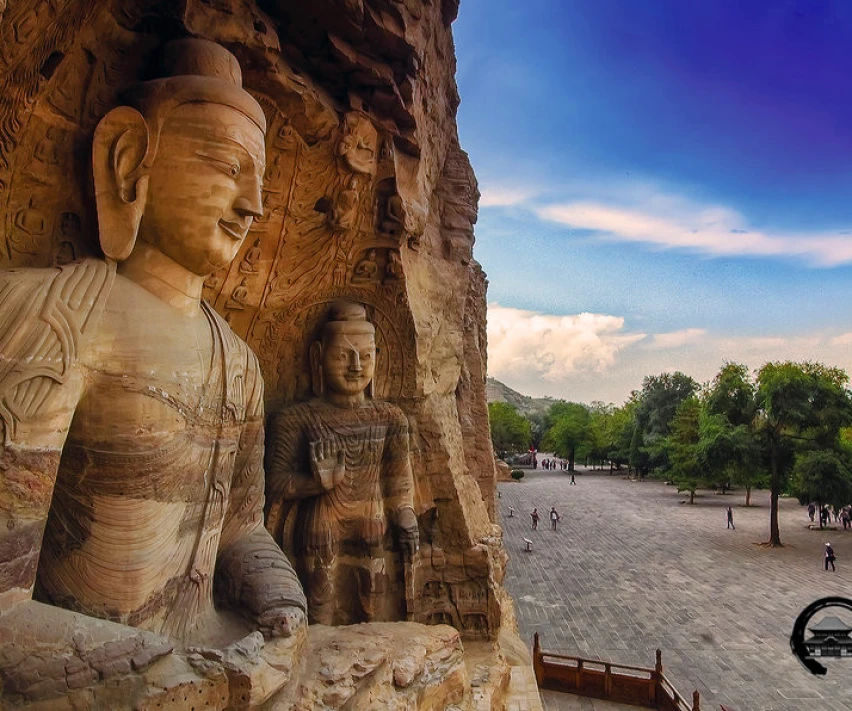
The Yungang Grottoes are one of China's four great grottoes, standing alongside the Mogao Caves in Dunhuang, the Longmen Grottoes in Luoyang, and the Maijishan Grottoes. Located 16 kilometers west of downtown Datong at the southern foot of Wuzhou Mountain, they were built over a period of 64 years.
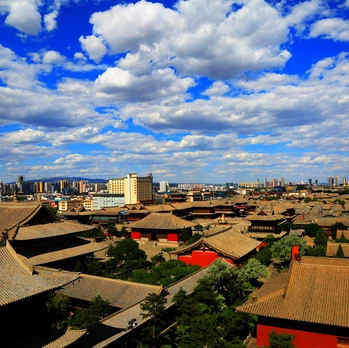
These statues are grand in scale and rich in content. Using the cliff face as paper and iron chisels as brushes, the Northern Wei artisans recorded a dynasty’s glory in stone.
Pro Tip: Visit during late afternoon. The golden hour light hitting the Jurassic sandstone creates a profound, spiritual atmosphere. At sunset, the statues seem to glow, tracing the trajectory of a dynasty from its peak to its decline.
The Story of Tan Yao and the Five Caves
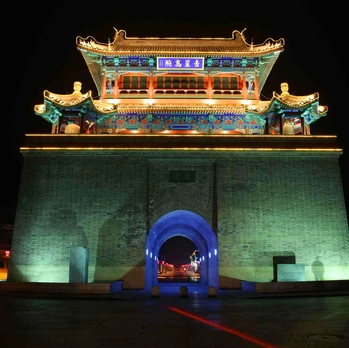
Upon entering the site, you will see a full-body statue of Tan Yao, the founder of the Yungang Grottoes. The "Five Caves of Tan Yao" are the oldest and most magnificent. They are majestic, exuding a rustic Western Regions charm (influenced by the Silk Road). These caves represent the first major attempt by the Xianbei rulers to legitimize their power through Buddhism.
The Genius of the Xianbei People
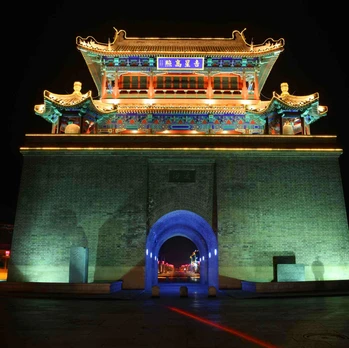
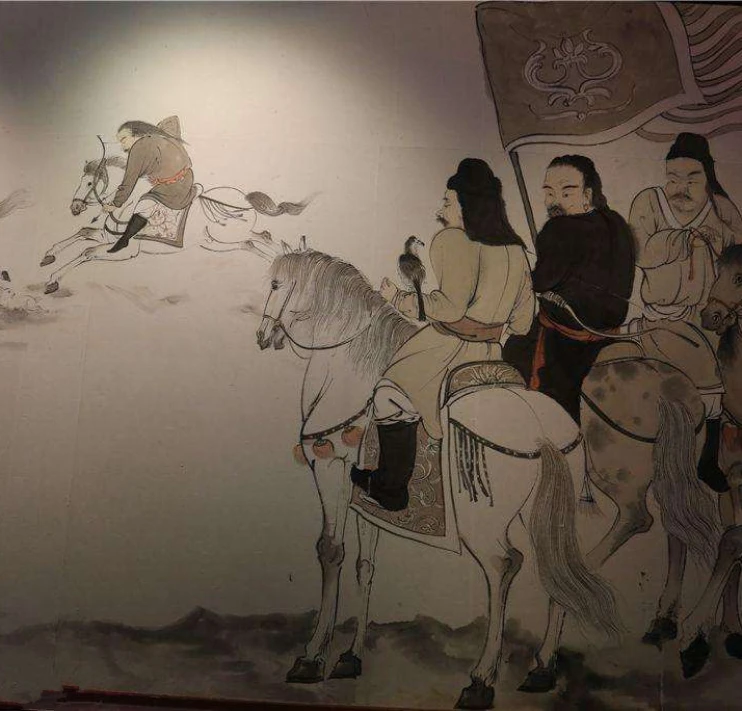
The Xianbei were a nomadic tribe known for archery. To rule a vast empire, they needed cultural recognition. So, they moved their capital to Pingcheng (modern-day Datong), relocated populations, and abandoned their nomadic culture. They replaced Hu clothing with Han attire, revered Buddhist culture, and admired Han civilization.
The Yungang Grottoes became the solid cultural node of this unification. Master Jingkong once said, "Buddhas are those who have come before; humans are future Buddhas." At Yungang, the emperors were carved as Buddhas—five emperors, five Buddha forms. This concept "used hard stone to build a thousand-year rainbow between humans and gods."
As the famous writer Yu Qiuyu inscribed on the stele at Yungang:
"From here, China stepped into the Tang Dynasty."
What to See at the Grottoes
- The Pagoda Pillar Cave: Inside the Jurassic sandstone, a three-dimensional "回" (hui) shape was hollowed out, featuring a two-story, fifteen-meter-tall pagoda pillar carved with stories of Shakyamuni Buddha.
- The Flying Apsaras: Look up at the ceiling to see celestial deities and flying spirits that appear to dance in the stone.
- The Yungang Grottoes Museum: Located opposite the cliff, this modern museum features white light strips recording every major event. It also houses artifacts retrieved from private collectors, including a famous raw material piece of a Buddha's eye.
Visitor Info: - Location: 16 km west of Datong city center - Best Time: Spring and Autumn (avoid winter extreme cold) - Time Needed: 3–4 hours
Datong Earth Forest: The Only "Devil's City" in North China
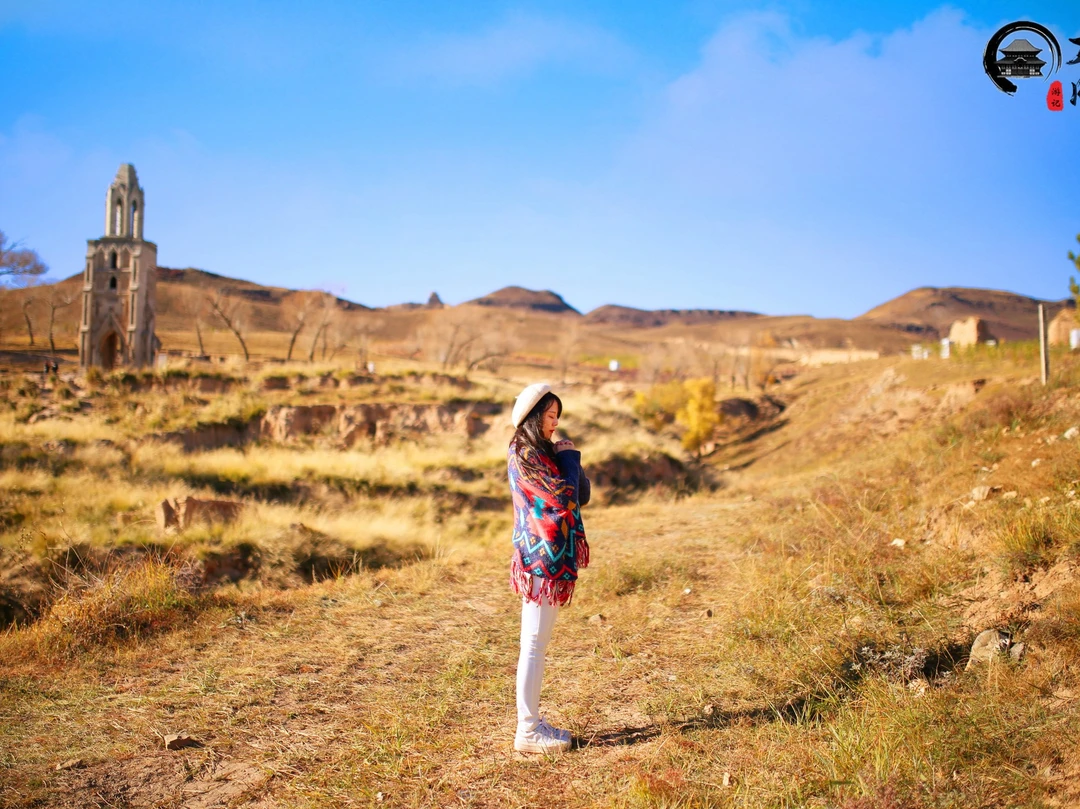
While the Yungang Grottoes are famous, the Datong Earth Forest is a hidden gem. Located at the junction of the Shanxi platform anticline, this area has been shaped by tectonic movements and erosion into a surreal landscape of cracked earth and deep fissures.
Locals call it a "Devil's City" due to the eerie shapes of the eroded clay pillars. Unlike the sandstone formations in Zhangye, the Earth Forest is made of compacted loess, creating sharp, jagged peaks.
Driving Tip: The highway is built amid ravines. To get close, you must take national or village roads. The drive itself is an adventure, with the late autumn scenery creating dramatic contrasts of yellow earth and blue sky.
Photography: The best light is at sunrise or sunset when the shadows emphasize the texture of the cracks.
The Legacy of the Xianbei: Ethnic Fusion in Stone
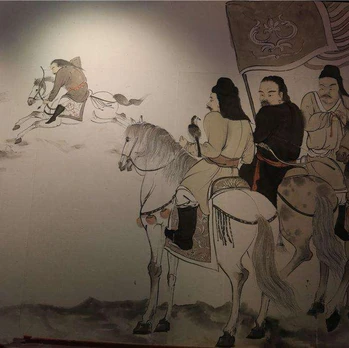
The Yungang Grottoes are more than just art; they are a genetic code of ethnic fusion. Over 1,500 years have passed. Splendor fades, and glory falls. But within the Yungang Grottoes, we find the genetic code of transformation and resilience.
The statues here are not gilded in gold. They are raw, weathered, and approachable. Standing before a statue, meeting the Buddha’s gaze, you feel mercy and calm. This raw authenticity is what makes Yungang more powerful than many gilded temples.
FAQ: Planning Your Trip to Datong
1. How do I get to Datong from Beijing? The high-speed train takes approximately 2 hours. Datong is well-connected to the national rail network. [Link: High-speed rail travel in China]
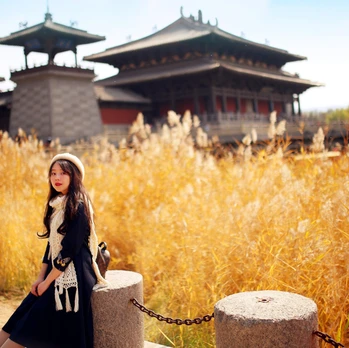
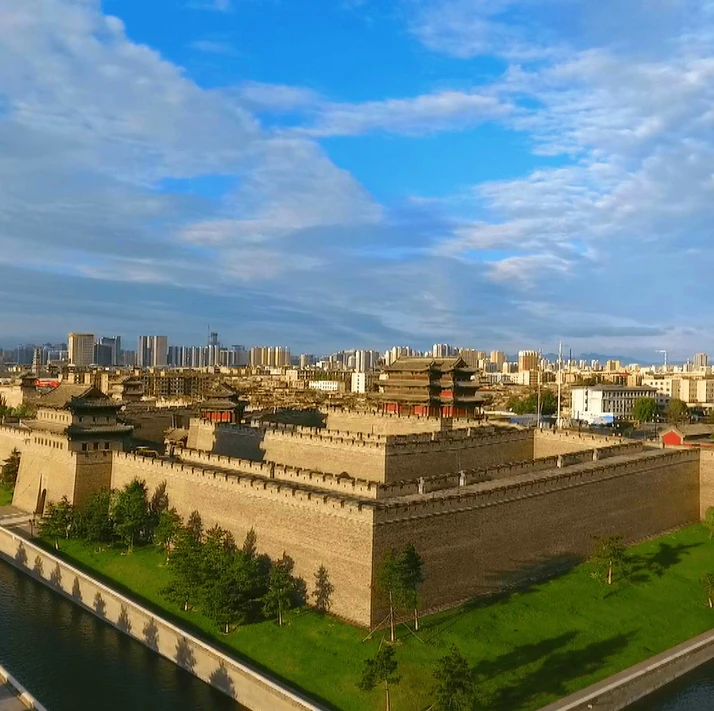
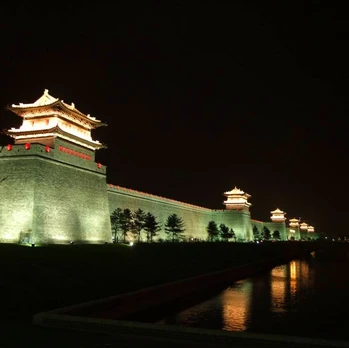
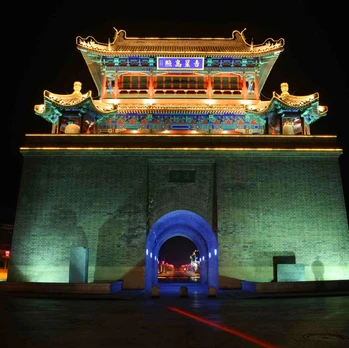
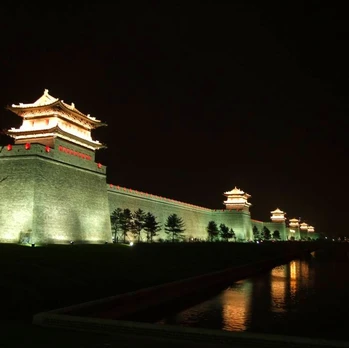
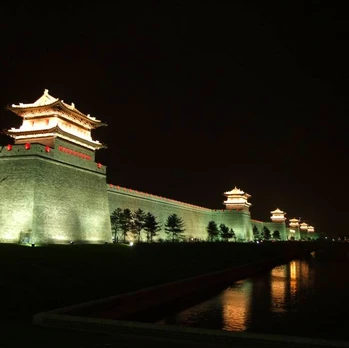
2. Is one day enough for Datong? It is tight but possible. Day 1: Morning at Yungang Grottoes, Afternoon at the Datong City Wall and Huayan Temple. If you want to see the Earth Forest, you need a full second day.
3. What is the best time of year to visit? Spring (April-May) and Autumn (September-October) are ideal. Winters are extremely cold and windy. Summers are hot but less crowded than Beijing.
4. Are the Yungang Grottoes accessible for elderly visitors? Yes. The main path is paved and flat. Electric carts are available for the long corridor from the entrance to the caves.
5. What local food should I try in Datong? Datong is famous for Dao Xiao Mian (knife-cut noodles) and Hun Yuan (a local soup with tofu and vermicelli) . The local lamb hotpot is also excellent due to the northern climate.
Conclusion: A City That Refuses to Be Forgotten
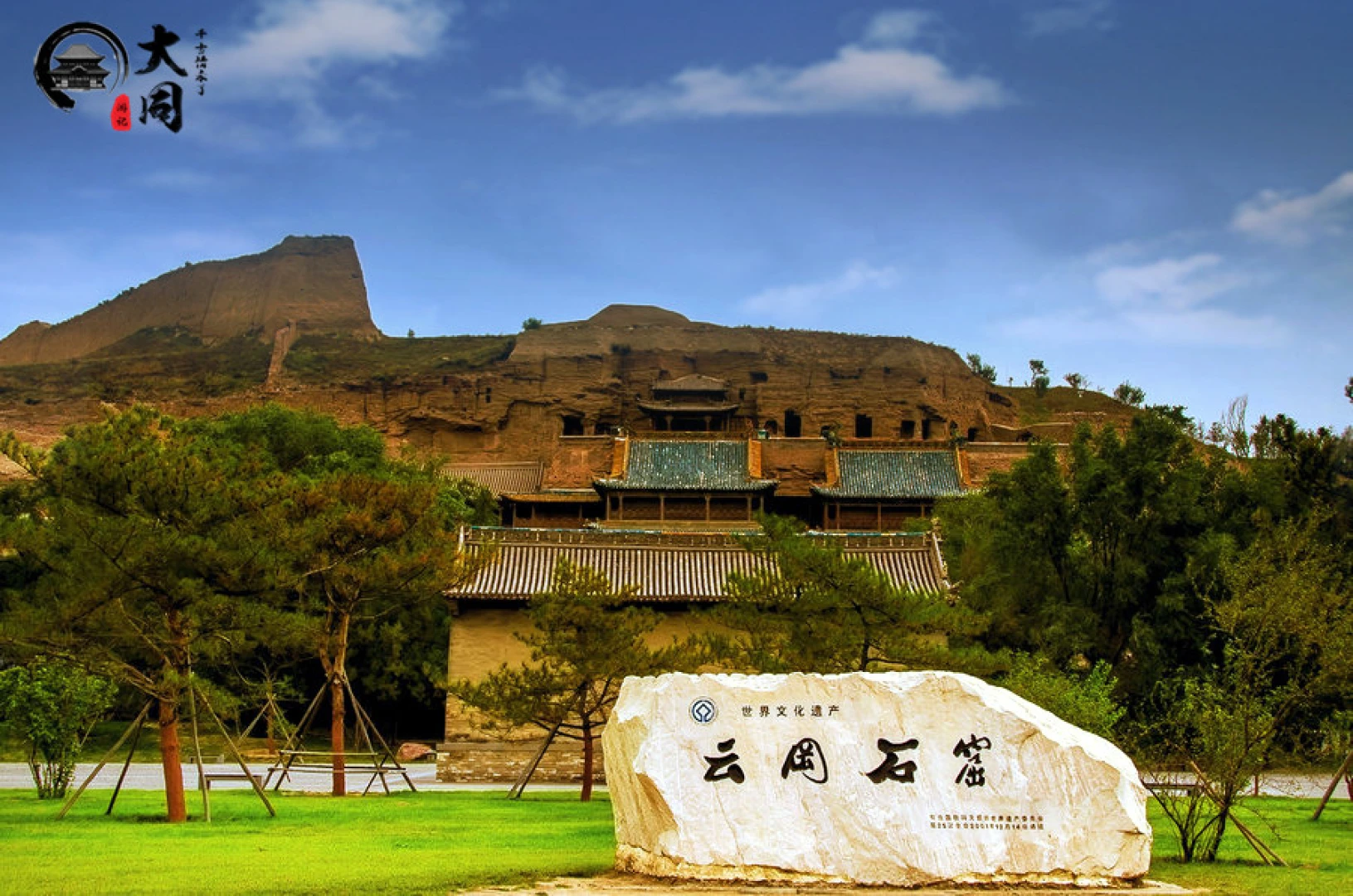
Datong is not just a "great city forgotten by time." It is a city that has been reborn. The Xianbei people are gone, but their legacy—carved into the cliffs of Wuzhou Mountain—remains.
Whether you are tracing the roots of the Tang Dynasty, marveling at Buddhist art, or driving through the surreal Datong Earth Forest, this city offers a depth of history that rivals any ancient capital in China.
Don't let Datong be forgotten. Book your trip today.
[CTA: Plan Your Datong Adventure Now!]
You may also like