Dali: A Growing "Ideal Life" Laboratory – Your Guide to Community, Trust, and Slow Living in Yunnan
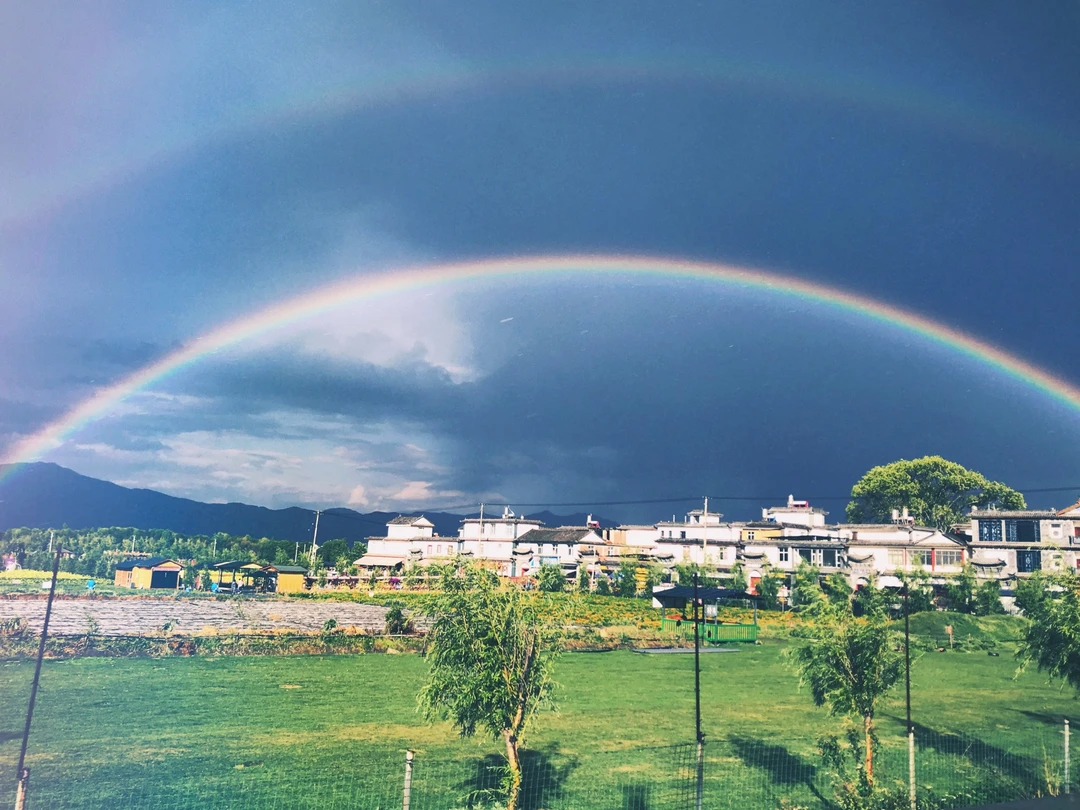
Meta Description: Discover why Dali, Yunnan is more than a scenic escape. Explore community-driven living at Pirate Wine Castle, Yushan Bakery's trust experiment, and Rainbow Farm's philosophy. Your guide to an "ideal life" in Dali.
Introduction: Why Dali Defies Easy Description
After living in Dali for six months, I realized I had never truly understood this place. At first, writing about Dali seemed simple—Cangshan Mountain, Erhai Lake, ancient alleyways, lazy café afternoons. But when I sat down to write, my Dali felt empty, like a mist I couldn't grasp.
Those landscapes are too beautiful—Cangshan is the backdrop you see every time you look up; Erhai is the wind on your morning run. They need no description, only experience. And the restaurants, shops, and farms I frequented—if I merely wrote a "checklist guide," how would it differ from the thousands of articles already online?
Then it hit me: when you hesitate to write about a place, perhaps it's because you've started to take it seriously. This article is not about tourist attractions. It's about the Dali community, trust-based living, and slow life philosophy—the real "ideal life laboratory" that grows here every day.
The Soul of Dali: A Community, Not a Scenic Spot

Why People Come—and Why Some Leave
A city's soul lies in the people it welcomes. After half a year, I began to truly understand Dali—more accurately, the people living in Dali. I've seen so many arrive with fantasies of "poetry and distant horizons," only to leave disappointed a few days later. They thought Dali was a scenic spot, not realizing it's a living, breathing community of like-minded individuals.
These people are like secrets hidden in Pandora's box—unremarkable from the outside, but when you tear away the wrapping, you discover a complete world inside. Everyone who comes and goes shares some mysterious link.
A friend once ran a guesthouse in Anhui. Every morning, she'd wake up and stroll through bamboo forests—it felt like a dream. But what drove them away wasn't the scenery—it was the people. "There," she said, "there was no group of like-minded friends to gather with. The people around were always busy making a living, unwilling even to share a meal or take a walk in the mountains."
For city dwellers, retreating to the mountains is a beautiful fantasy. But as social creatures, very few can truly enjoy solitude. Whether a place can keep people depends on whether it offers a sense of belonging. Dali attracts diverse yet like-minded people because of those pioneering "cultivators" who came before. They've tilled a unique cultural soil—inclusive, diverse, free, with fewer prejudices.
[Link: Best neighborhoods in Dali for expats and digital nomads]
Pirate Wine Castle: The "Community Canteen" of New Dali
A Space That Reflects the Owner's Soul
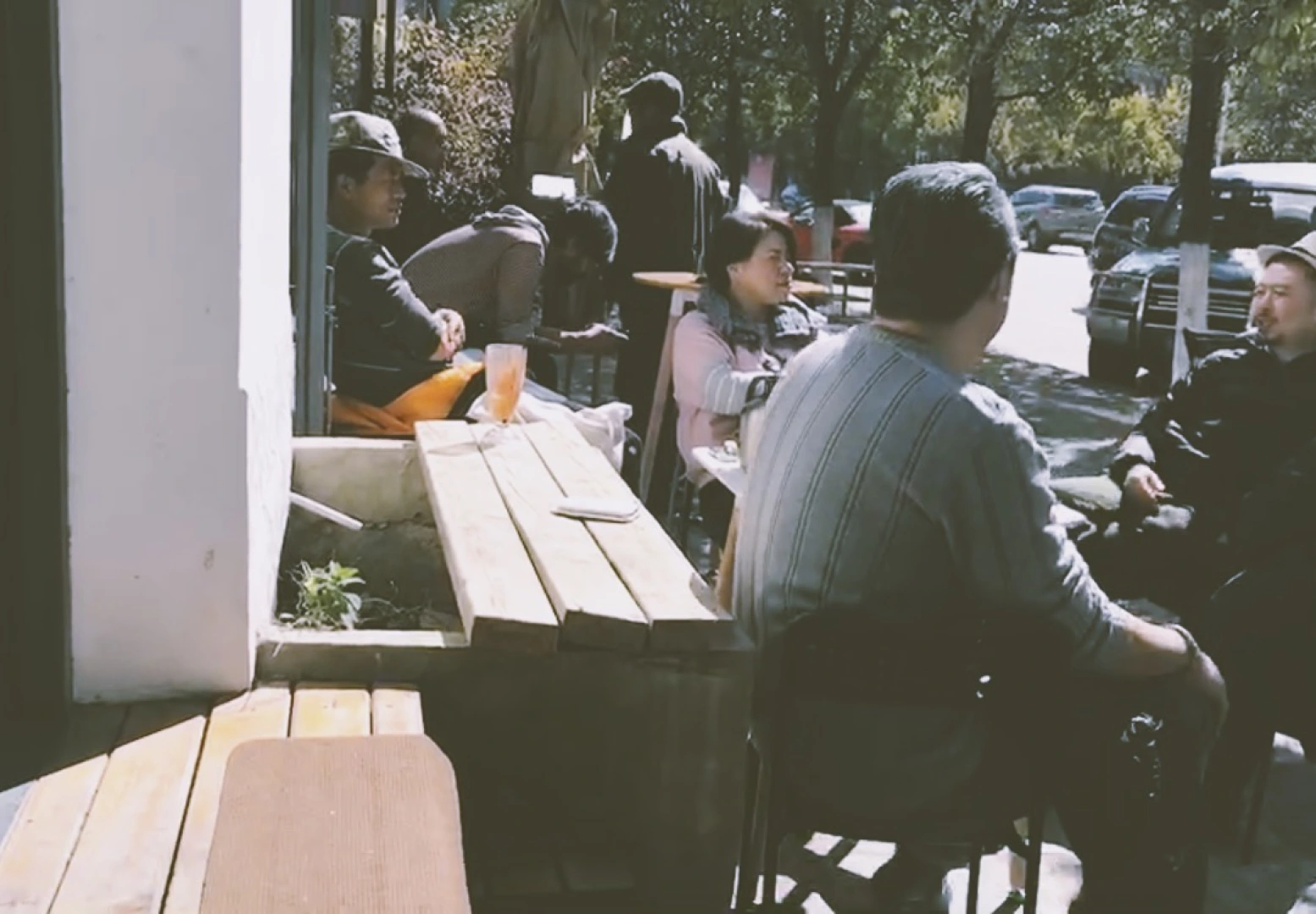
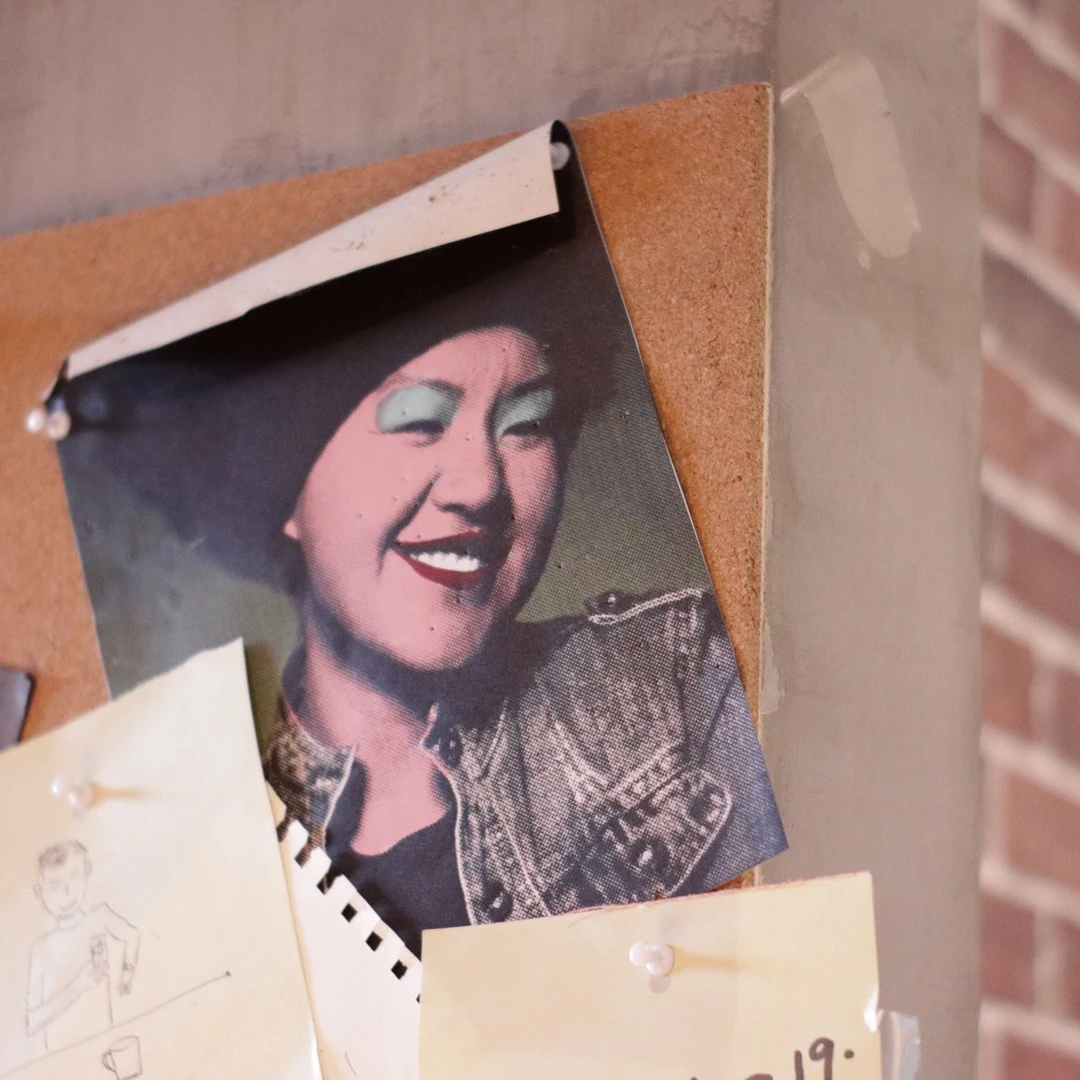
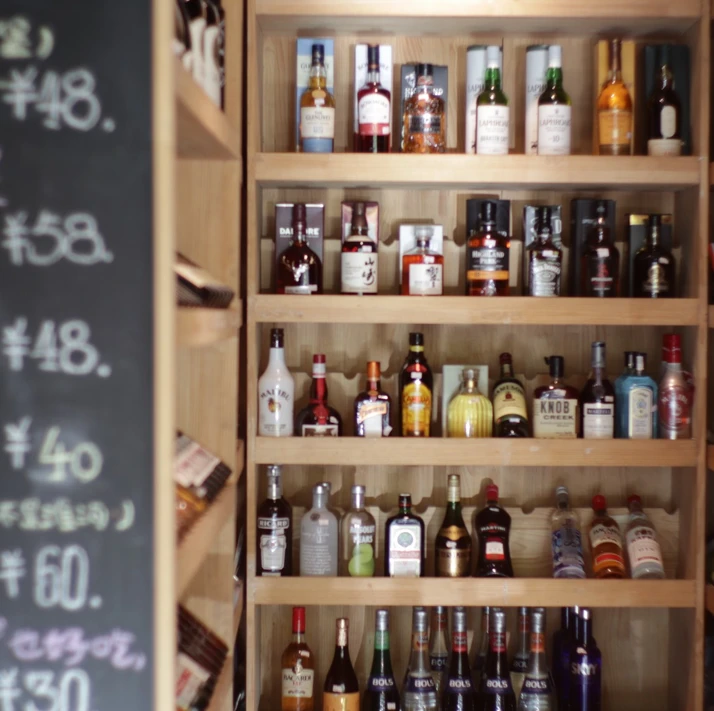
The first time I walked into Pirate Wine Castle, I was stunned by the food. Every brunch dish had its own distinctive style. Compared to overpriced, half-hearted Western meals in big cities, every plate here had an extra ingredient called "heart." The owner, Tina, loves photography, red wine, and laughter. The photos and paintings on the walls reveal her personality—a tiny wine cellar accidentally exposes her inner "wino."
"Pirate" Lao Wang said his "idle" days begin with standing at the shop door, drinking beer from morning on. Drinking regardless of day or night, working regardless of weekdays or weekends—that's the classic Dali state of mind.
Eventually, they discovered I was their new neighbor and warmly invited me upstairs to do laundry and take showers. Before I knew it, I'd infiltrated the local "little underworld" and nearly became one of those "people who couldn't walk away from Dali."
Rediscovering Community Culture
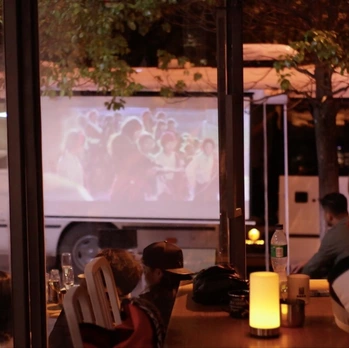
I began to understand Dali's community culture—a return from the elite lifestyle isolated by concrete walls back to the 80s and 90s era of greeting everyone you meet. One day on a whim, we set up a "bus outdoor cinema" outside Pirate Wine Castle. Passersby stopped to watch; neighbors came running. Nobody really watched the movie, but it stirred memories for many of sitting on little stools in courtyard compounds watching films as children.
A spontaneous idea, a simple experiment. Someone said, "I envy you." But isn't this just how life should be—something we've forgotten?
[Link: Top 10 community-run cafés and bars in Dali]
Yushan Bakery: A Trust Experiment in a "Staffless" Store
How Mutual Trust Replaces Surveillance
I'd heard about Yushan Bakery for a long time. The first time I walked into this shop on a hillside, it was empty. Only a note read: "Out for lunch. Please shop and pay yourself." I was at a loss. In this age of facial recognition and fingerprint payments, shouldn't a "staffless store" be full of high-tech gadgets?
The owner, Dacheng, was once an engineer in banking. Like many long-term Dali residents who focus on one thing, he radiates a gentle, peaceful energy. Even when he's in the shop, it often feels like a "staffless" operation. People choose their own bread, bag it, calculate the cost, and pay themselves, while Dacheng focuses on kneading his dough. This atmosphere of mutual trust—cultivated by him and the neighbors—amazes every newcomer.
The Daily Bread-Ordering Ritual
I later joined a daily bread-ordering group. Except Sundays, every morning someone would announce in the group chat, "Today's bread is available for order," and everyone would queue up, leaving messages and paying. Dacheng would pack the ordered bread in brown paper bags, ready for people to pick up on their way.
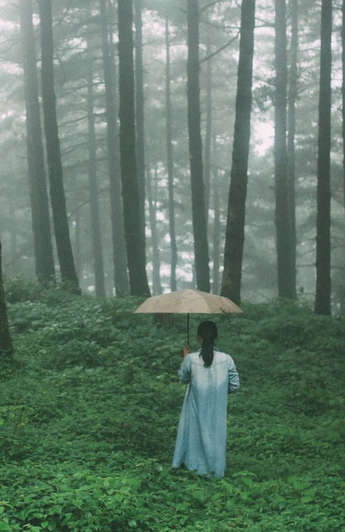
I asked Dacheng if anyone ever took bread without paying. "Only once," he said. That's a lower rate than supermarkets full of surveillance cameras. The problems that startups rush to solve with high technology are already running smoothly here—through trust-based commerce and community accountability.
[Link: How to find staffless stores and trust-based businesses in Dali]
Rainbow Farm: A Philosophy of Making Peace with Nature
From Jewelry Designer to Farmer
The first time I met "Farmer" Xiaoli at Rainbow Farm was to visit her courtyard. This former jewelry designer from Beijing, now dark and lean, has "deeply integrated" with Yunnan's climate and soil. Her courtyard is full of charm—bamboo mats hang on the second-floor terrace for sun-drying; the first-floor workspace is filled with various natural ingredients. She cooks private meals for friends at home, Southeast Asian style.
Once, Xiaoli posted on social media that her farm had free chives and garlic to pick. That evening, we drove to Rainbow Farm, bringing honey to trade. I said it was barter—I couldn't take things for free. When we arrived, several foreign friends were sitting around chatting. Their topic was "naturalness."
The Philosophy of Non-Interference
Xiaoli explained that farmers are used to fertilizing and spraying pesticides because crooked carrots won't sell and small garlic gets rejected. But she doesn't do things to make crops grow faster or bigger. The plants in her garden grow freely, without interference, living however they want. Her single-clove garlic was tiny but intensely pungent—one bite, and the flavor said it all.
I asked if she needed a teacher to start a farm from scratch. She said she'd never studied under any master—just trial and error. "What grows where depends on so many factors—the north or south side of a mountain, the east or west of a lake. You have to figure it out yourself. Nobody can teach you."
The day before, I'd been absorbed in Sapiens and its startling point: agriculture's essence was to increase efficiency, get more food, reduce risk. Instead, it bred endless human desire—produced more grain, expanded populations, but led to malnutrition. Mass production meant eating worse without making life easier. In short: social progress and personal happiness are unrelated.
Xiaoli reminds me of pre-agricultural foragers. She doesn't pursue advanced technology or rush to harvest. She protects her crops from overproduction, choosing quality over quantity. Her farm is a living example of sustainable agriculture and mindful living in Dali.
[Link: Volunteer opportunities at organic farms near Dali]
FAQ: Your Questions About Living and Visiting Dali
1. Is Dali just for tourists, or can you actually live there long-term?
 Dali is both. While many visit for the scenery, a growing community of digital nomads, artists, and entrepreneurs have made it their home. The key is connecting with the local community—through shared meals, trust-based businesses, and events like outdoor cinemas or farm gatherings.
2. How do I find like-minded people in Dali?
Start with community hubs like Pirate Wine Castle (for social events), Yushan Bakery (for trust-based interactions), and Rainbow Farm (for nature lovers). Join WeChat groups for daily bread orders, farm pick-ups, or volunteer opportunities. The Dali community is small but highly interconnected.
3. Is Dali affordable for long-term living?
 Yes, compared to major Chinese cities like Beijing or Shanghai, Dali is affordable. Rent for a courtyard apartment ranges from 1,500–4,000 RMB/month. Food costs are low if you shop at local markets or join community farms. The trade-off? Fewer career opportunities and a slower pace of life.
4. What's the best time of year to visit or move to Dali?
Spring (March–May) and autumn (September–November) offer the best weather—mild temperatures, clear skies, and fewer tourists. Winter can be cold (especially at night), but sunny days are common. Summer brings rain but also lush landscapes.
5. Can I start a business in Dali as a foreigner?
Yes, but it requires patience and local connections. Many expats run guesthouses, cafés, or art studios. The key is understanding Dali's community culture—trust and relationships matter more than formal contracts. Start by volunteering or collaborating before investing.
Conclusion: Your Invitation to Dali's "Ideal Life" Laboratory
Dali is not a destination you visit—it's a community you join. It's a place where trust replaces surveillance, quality trumps quantity, and human connection outranks convenience. It's a growing laboratory for the "ideal life"—one that questions the assumptions of modern living and experiments with alternatives.
If you're tired of the concrete jungle, the surveillance cameras, the endless pursuit of efficiency at the cost of happiness—Dali is waiting. Not as a scenic backdrop for Instagram photos, but as a living, breathing community that welcomes those who seek something more.
Ready to experience Dali beyond the tourist trail? Start your journey today. Book a stay at a local guesthouse, join a community farm day, or simply show up at Pirate Wine Castle with an open mind and a willingness to connect. The "ideal life" laboratory is open—and it needs you to grow.
[Link: How to plan a 2-week Dali immersion trip] [Link: Dali visa and long-stay guide for digital nomads]
Have you visited Dali or lived there? Share your experience in the comments below. What made you stay—or leave?
You may also like


