Crowds at Liu Wencai’s Manor, Mysterious Closure at the Frontline Battlefield Museum: A Travelogue from Dayi, Western Sichuan, Autumn 2025
Meta Description: Explore Anren Ancient Town in Dayi, Western Sichuan, autumn 2025. Discover the crowds at Liu Wencai’s Manor, the mysterious Frontline Battlefield Museum closure, and the complex history behind China’s “evil landlord” narrative. Plan your visit now.
Introduction: An Unexpected Journey of Reflection
In September 2025, I boarded a high-speed train from Ya’an to Dayi. In just over half an hour, the autumn landscape of the Western Sichuan plain unfolded before my eyes—golden rice paddies stretching to distant, ink-wash mountains. My destination: Anren Ancient Town, a small town steeped in legendary history from modern China’s tumultuous past.
I chose this place for two reasons: first, to see with my own eyes the estate of Liu Wencai, the man immortalized in textbooks as the archetypal “evil landlord”; second, to visit the Jianchuan Museum Cluster, especially the Frontline Battlefield Museum I had long dreamed of seeing.
But this trip gave me far more than sightseeing. It became a meditation on memory, truth, and the layers of history we rarely question.
How to Get to Anren Ancient Town: Dayi Travel Guide
From Ya’an to Dayi by High-Speed Rail
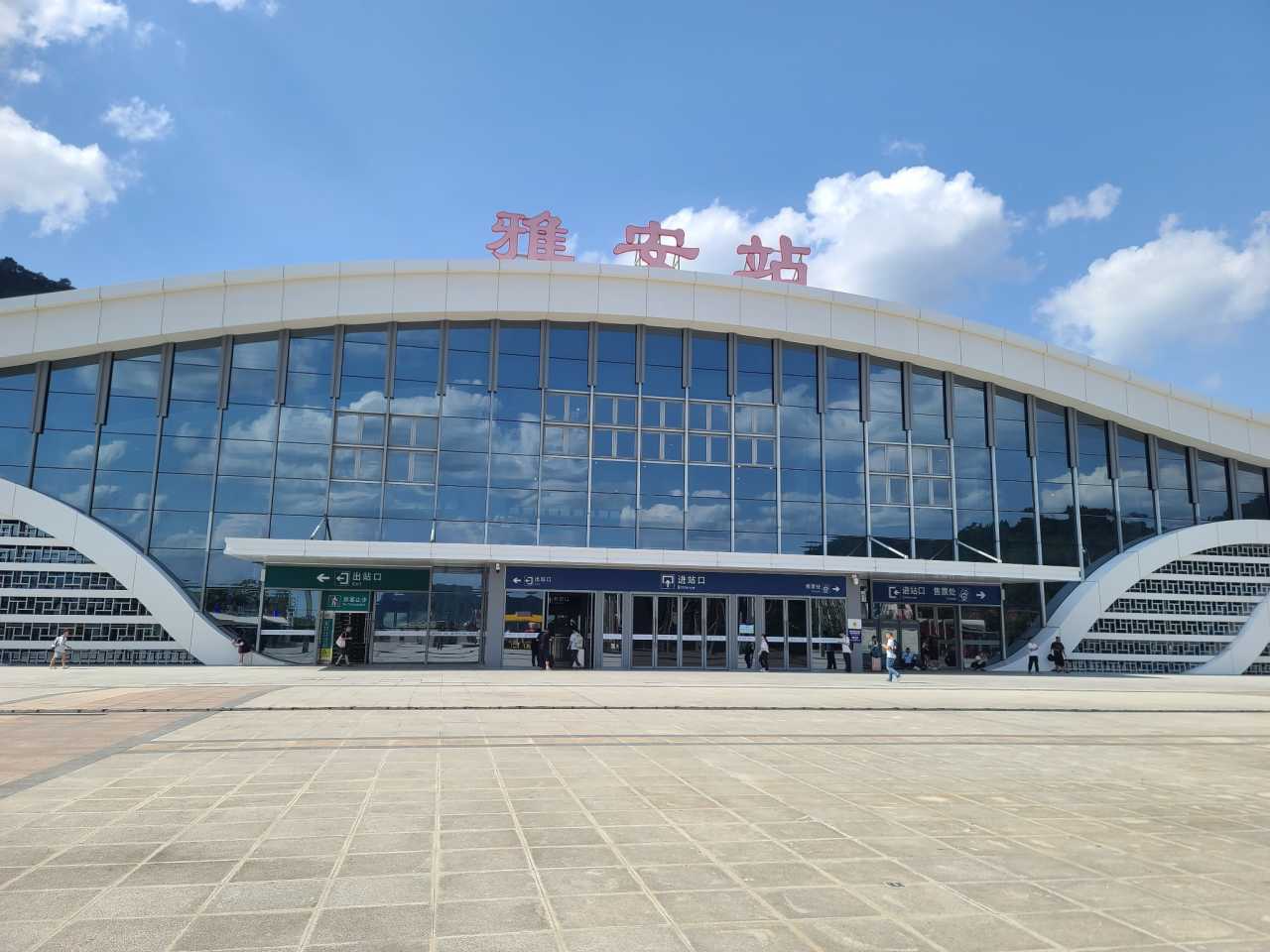
From Ya’an Station, the high-speed train reaches Dayi Station in just over 30 minutes. After exiting, walk left to the roadside, where you’ll find the bus stop for “High-Speed Rail Da’an Road Intersection.” Take bus routes 211, 213, or 215—fare only 2 yuan—and you’ll arrive directly at Anren Ancient Town. The route is clear and convenient, ideal for independent travelers.

Pro tip: If you’re coming from Chengdu, take the Chengdu-Ya’an high-speed line and alight at Dayi Station. Total journey time from Chengdu is about 40 minutes.
[Link: Dayi travel guide – top attractions and accommodation]
Liu Wencai’s Manor: The Real Story Behind the “Evil Landlord”
Landlords, Peasants, and the Complexity of History
For people of my generation, the “Four Evil Landlords” —South Tyrant Nan Batian, Liu Wencai, Huang Shiren, and Zhou Papi—are household names. But history is far more complex than the black-and-white narratives of our textbooks.
Nan Batian and Huang Shiren are fictional characters from plays, artistic creations symbolizing evil. As for Zhou Papi, his real-life prototype was a farmer named Zhou Chunfu from Northeast China. According to historical records, Zhou was a frugal, hardworking man who built his wealth through sheer effort. By the time of land reform, he owned 200 mu (about 33 acres) of land and was classified as a rich peasant. He treated his workers fairly, often heading to the fields before dawn himself. The famous “rooster crowing at midnight” story came from a novel by a hired laborer named Gao Yubao. It’s said that in his later years, Gao apologized to Zhou’s descendants—but decades of humiliation can’t be erased by a single apology.
Of the four, only Liu Wencai was a real historical figure.
The Rent Collection Courtyard and the Water Dungeon Myth
In 1965, teachers and students from the Sichuan Fine Arts Institute created the “Rent Collection Courtyard” clay sculpture group at Liu Wencai’s estate. 114 lifelike figures silently accused the landlord of “crimes.” Yet the 1999 book The Truth About Liu Wencai revealed another side: the so-called “water dungeon,” after years of investigation by the museum, had neither witnesses nor physical evidence. In 1988, authorities officially ordered the “water dungeon” to be restored to its original state as an “opium smoking room.”
The real Liu Wencai was both a rapacious exploiter and a generous patron of education and charity. He donated over 350 million yuan (old currency) to found Wencai Middle School. When a family refused to relocate for the school, he gave them 40 mu of land because he had no small plots available—a gift that later led to the family being classified as landlords, with tragic consequences.
We tend to sort people into simple categories of good and evil, but human nature is never black and white. Before the Reform and Opening-Up, landlords and rich peasants were labeled the worst of the “nine types of bad elements.” Their children, even those born after 1949, bore the stigma of “dog spawn,” facing discrimination in education, military service, and employment. This practice of judging people by birth now seems absurd.
[Link: The Rent Collection Courtyard – history and visitor guide]
Strolling Through Anren Ancient Town: Mansion Streets and Republican-Era Charm
Anren’s “Three Armies, Nine Brigades, and Eighteen Regiments”
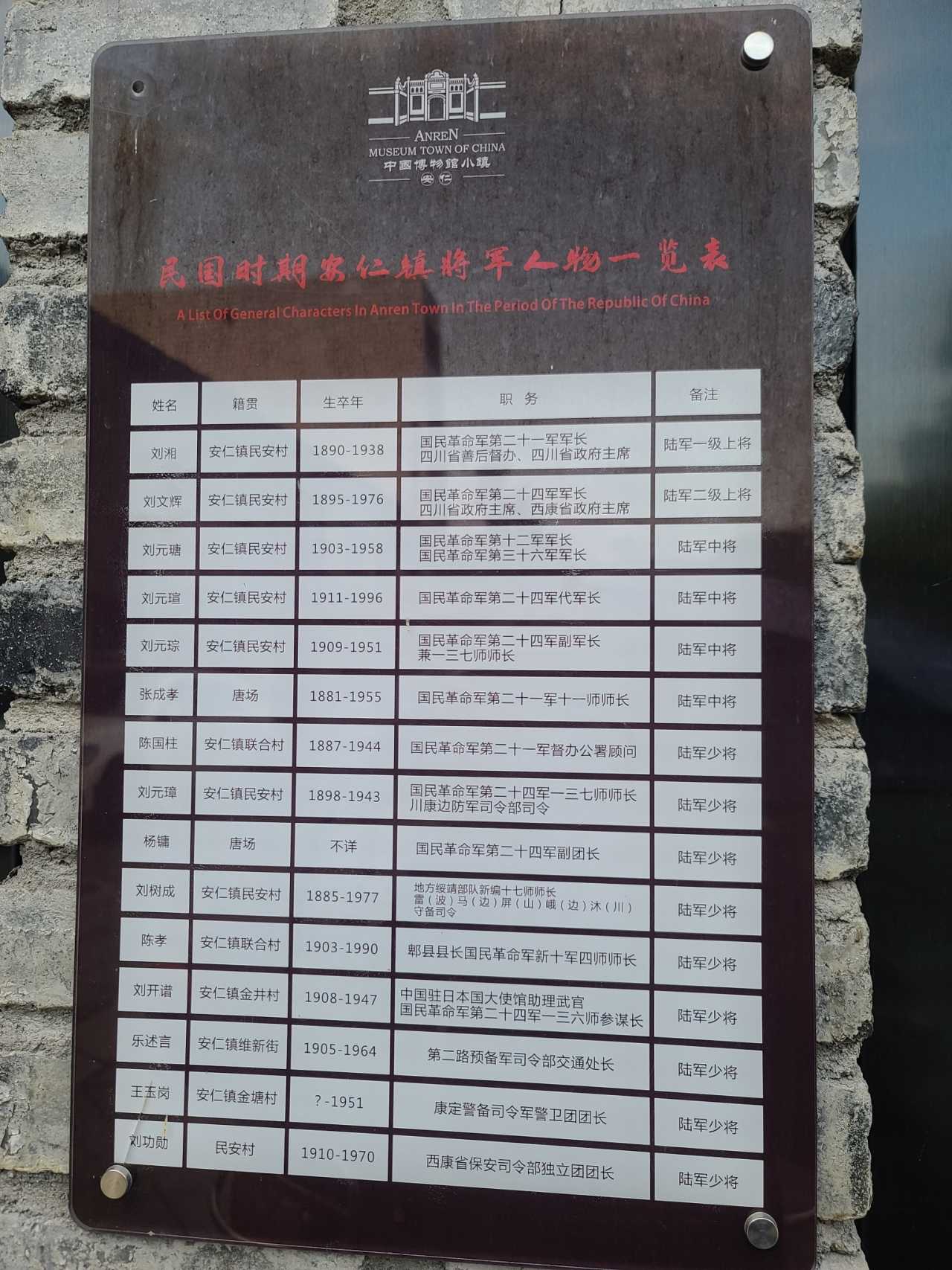
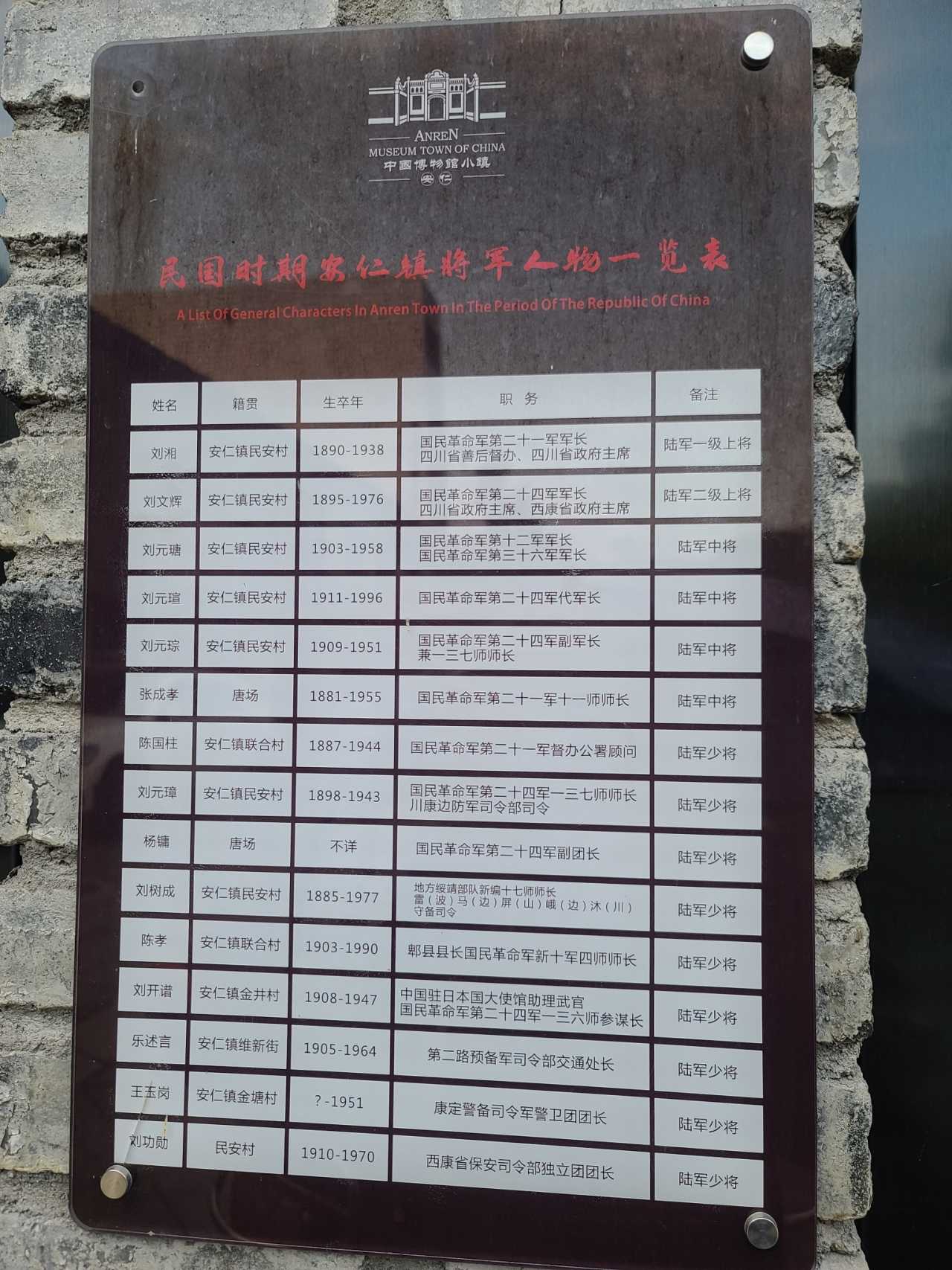
Tiny Anren produced two full generals, four lieutenant generals, and nine major generals during the Republican era. As the local saying goes, “Three armies, nine brigades, eighteen regiments—countless battalion and company commanders.” As the Liu family rose to power, one lavish mansion after another sprouted up.
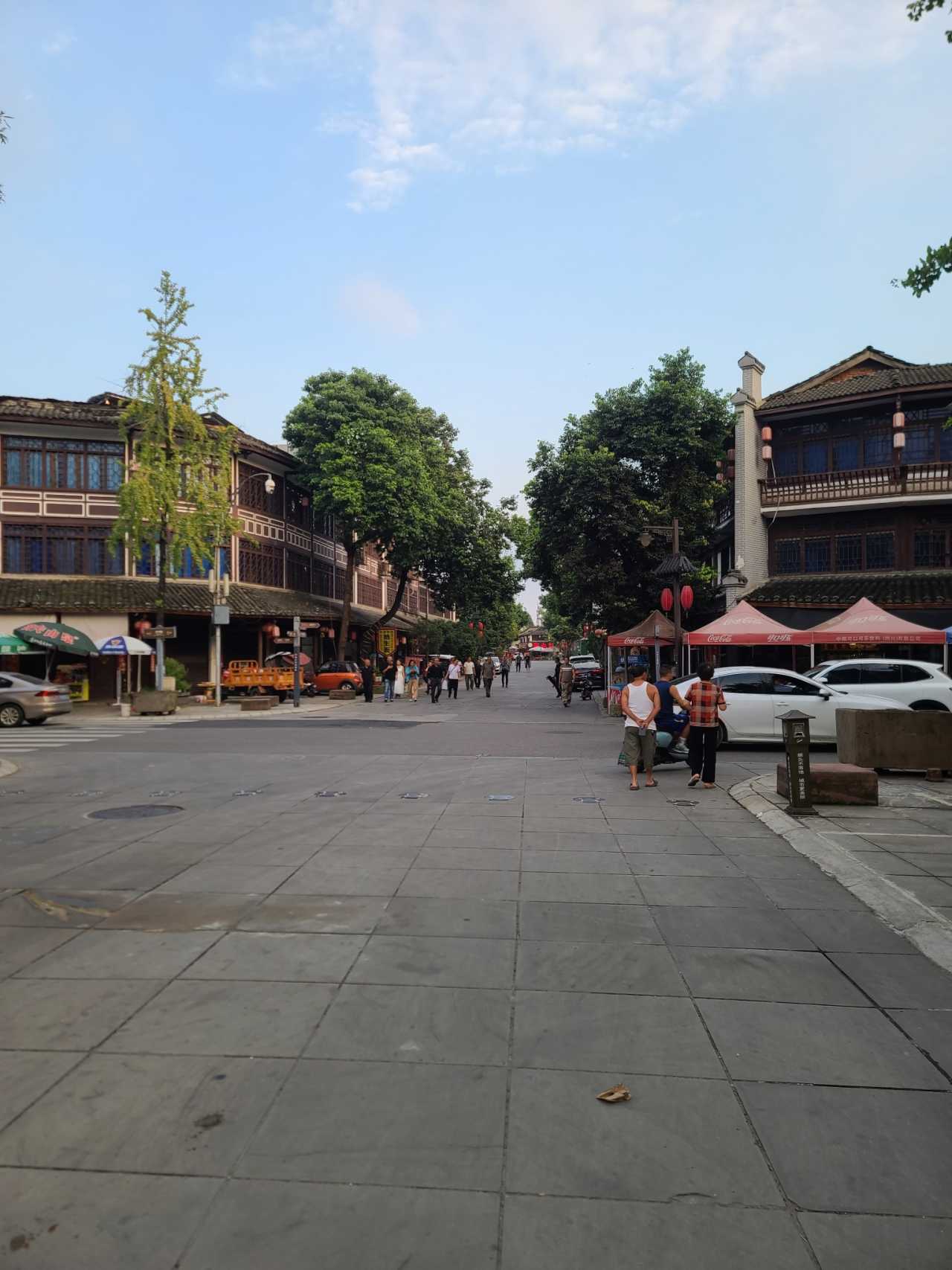
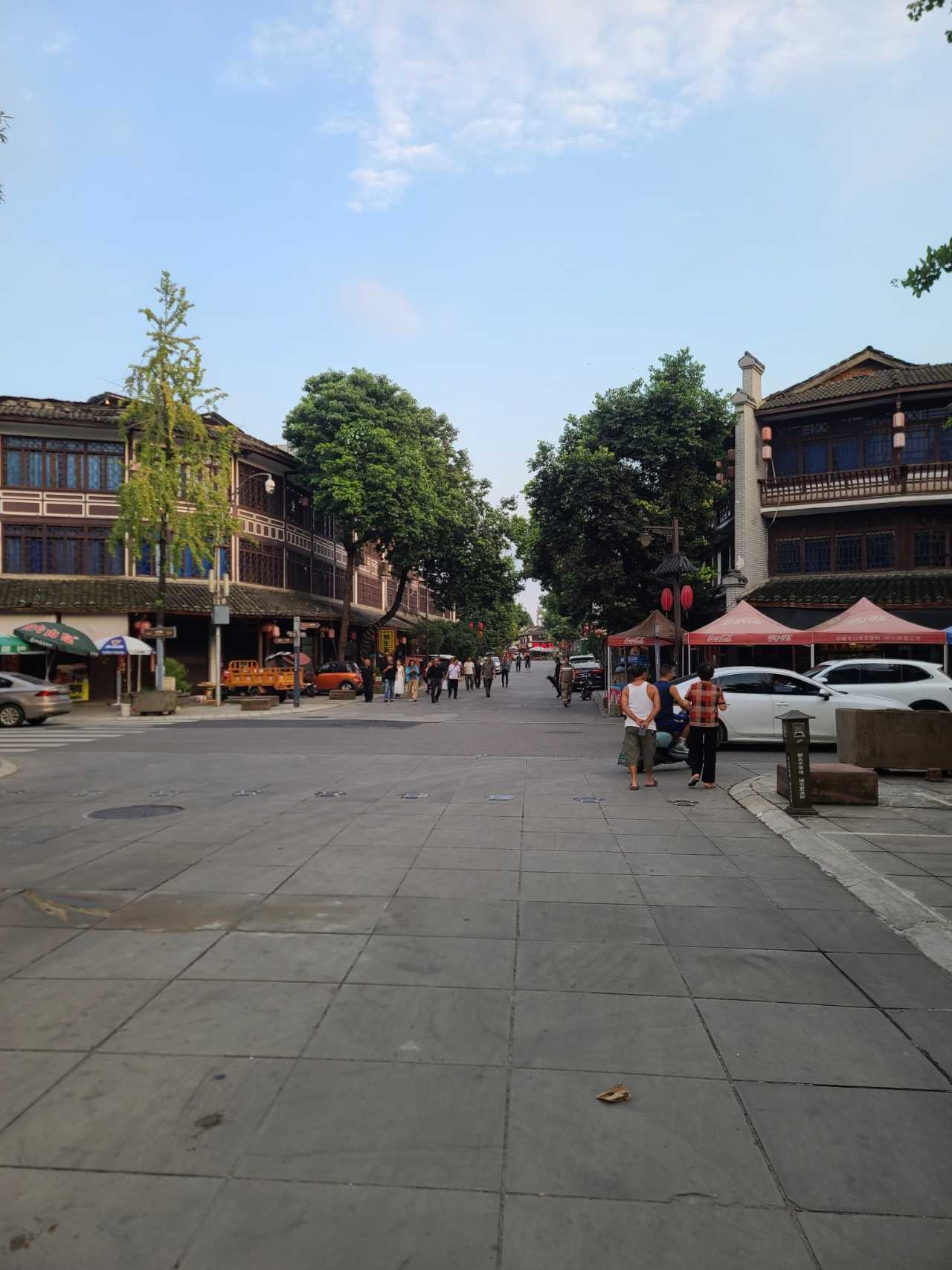
Today, the ancient streets paved with bluestone slabs are lined almost entirely with restaurants, each touting its “Landlord Noodles.” The word “landlord,” once a symbol of evil, now serves as a marketing gimmick—history’s irony at its sharpest.
The Vintage Tram: A Nostalgic Ride
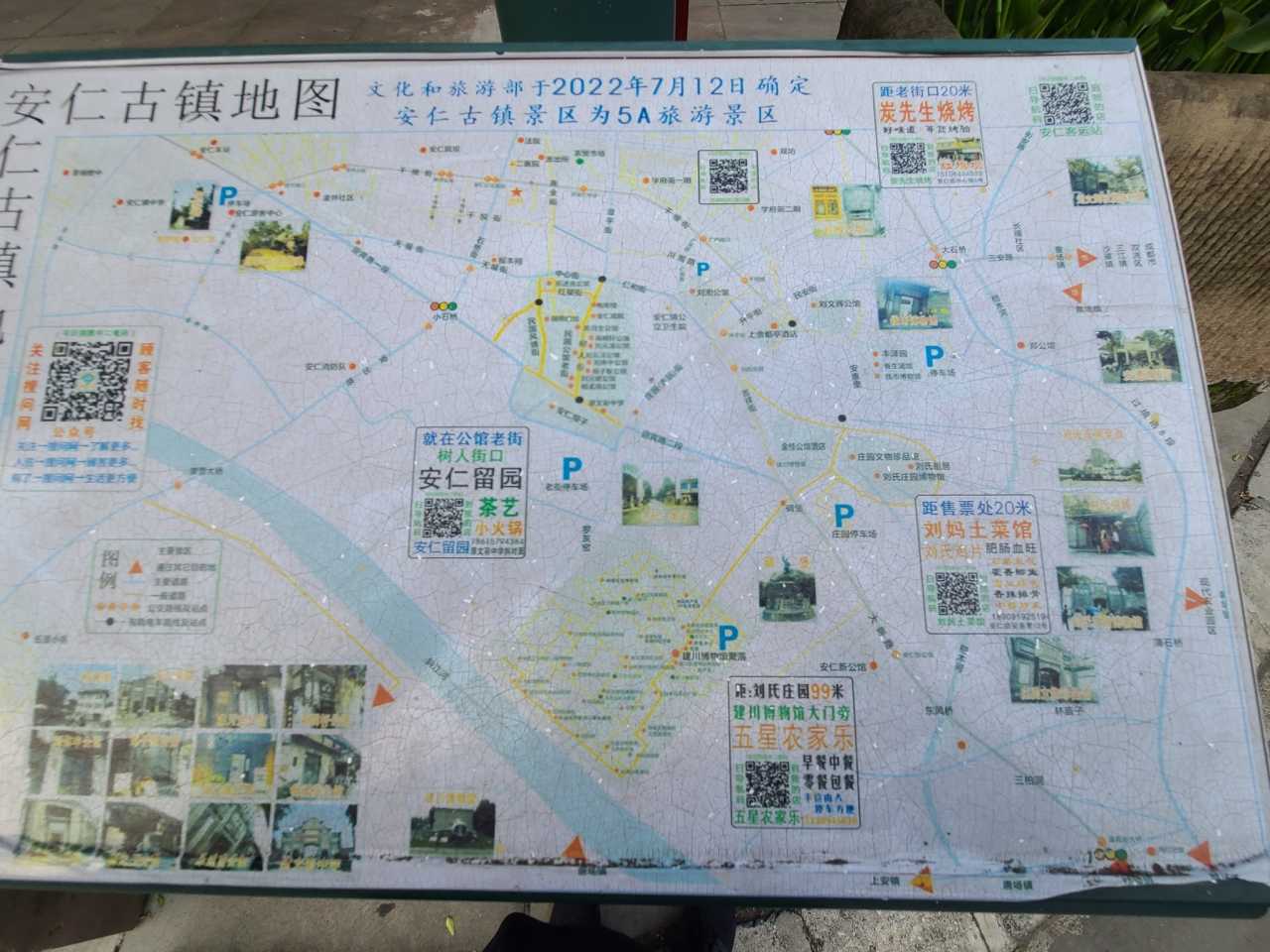
The town’s vintage tram, 1.8 kilometers long, is the first of its kind in Southwest China. It connects the visitor center, the Republican-era film district, Liu Xiang’s Mansion, Liu Wenhui’s Mansion, and the Landlord Manor Museum. A single ride costs 10 yuan (one trip) or 20 yuan (three trips), taking about 20 minutes—a wonderful way to soak in the town’s atmosphere.
The Mansions: Marks of Power and Time
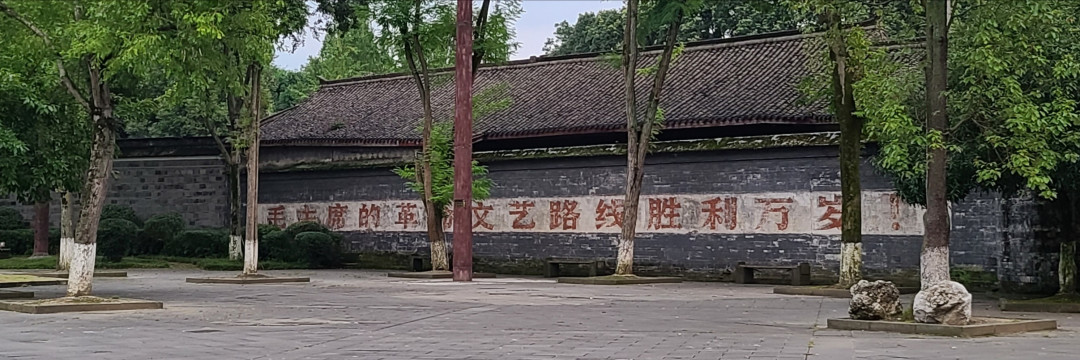
Wandering along Hongxing Street, Yumin Street, and Shuren Street, you’ll pass the mansions of Yang Menggao, Zheng Ziquan, Liu Tizhong, and Gao Mingxuan in succession. Most follow a “shop in front, residence behind” layout. The street-facing storefronts look ordinary, but behind them lie grand gates. Some still bear Cultural Revolution slogans—“Long Live Chairman Mao’s Revolutionary Literary Line” —a jarring time capsule.
Gao Mingxuan’s mansion has been converted into a book-themed inn called “Mingxuan Book Stack.” It features two courtyards, ten rooms named after books, and over a thousand volumes, both new and old, exuding scholarly elegance.
Wencai Middle School: A Landlord’s Other Face
Anren Middle School, originally named Wencai Middle School, was built with Liu Wencai’s personal donation of over 350 million yuan. The Dayi County Archives still hold the original receipts and commendations from the Nationalist Ministry of Education. Liu erected a stone tablet on campus declaring that all assets belonged to the school, not the Liu family—he retained only supervisory rights.
He knew nothing about education, but personally decided on tuition waivers and scholarships for poor students, and even bought a school bus for teachers and students. Today, the former Wencai Middle School has been renamed Chengdu Kangli School and is closed to visitors, but its history stands quietly.
[Link: Anren Ancient Town walking tour – top 10 mansions to see]
The Frontline Battlefield Museum: A Baffling Closure
The Grand Narrative of Jianchuan Museum Cluster
Leaving Liu Xiang’s Mansion, I headed straight for the Jianchuan Museum Cluster. Founded by private entrepreneur Fan Jianchuan, this museum complex covers 500 mu (about 83 acres) and houses over 10 million artifacts, including 329 national first-class relics. Its motto: “Collect war for peace; collect lessons for the future.” With 25 museums already open, it represents China’s largest private investment in museum construction.
The Anti-Japanese War series includes the Mainstay Museum, the Frontline Battlefield Museum, the Flying Tigers Museum, and the Unyielding POW Museum. This time, I only wanted to see the Frontline Battlefield Museum—not because the Mainstay Museum is unimportant, but because I’ve heard stories about the Communist-led Eighth Route Army and New Fourth Army since childhood. The Hundred Regiments Offensive, the Battle of Pingxingguan, tunnel warfare, landmine warfare… these have become the entirety of my war memory.
But the frontlines, where Nationalist troops fought bloody battles, were virtually erased from history before the Reform and Opening-Up. Even when mentioned later, it was always with hesitation, as if hiding behind a veil.
The Closure Notice and History’s Sigh
Entering the museum gate, I followed a path lined with green bamboo toward the exhibition area. At the ticket window, a notice made my heart sink:
“Due to exhibition hall maintenance, the Frontline Battlefield Museum is temporarily closed.”
Of all times, why now—during the 80th anniversary of the victory in the Anti-Japanese War? Meanwhile, museums across the country showcase the full spectrum of China’s wartime experience. The closure felt symbolic, as if some truths remain too uncomfortable to display.
I stood there, staring at the notice, wondering if the maintenance was real—or if some stories are still being edited.
[Link: Jianchuan Museum Cluster – complete guide to all 25 museums]
FAQ: Planning Your Dayi and Anren Ancient Town Visit
1. When is the best time to visit Anren Ancient Town?
Autumn (September–November) is ideal. The weather is mild, the rice paddies are golden, and the crowds are thinner than during National Day holidays. Spring (March–May) is also pleasant, with blooming flowers and comfortable temperatures.
2. Is Liu Wencai’s Manor worth visiting?
Absolutely. The manor itself is a stunning example of Sichuan-style architecture from the Republican era. The Rent Collection Courtyard clay sculptures are a masterpiece of socialist realism. But more importantly, the site forces you to confront the complexity of history—and that alone makes it worth the trip.
3. Why is the Frontline Battlefield Museum closed?
According to the official notice, it’s due to exhibition hall maintenance. However, the timing—during the 80th anniversary of the Anti-Japanese War victory—has raised questions among visitors. It’s best to check the Jianchuan Museum Cluster official website or call ahead before planning your visit.
4. How much time should I budget for Anren Ancient Town?
At least one full day. Spend the morning exploring Liu Wencai’s Manor and the Landlord Manor Museum, then the afternoon at the Jianchuan Museum Cluster. If you want to see all 25 museums, plan for two days and stay overnight at one of the town’s boutique inns.
5. What else is there to see in Dayi County?
Beyond Anren, Dayi County offers: - Xiling Snow Mountain – a ski resort and summer hiking destination - Huashuiwan Hot Springs – natural geothermal pools - Liujie Ancient Town – a lesser-known but charming historic town - Dayi County Museum – local history and cultural exhibits
[Link: Dayi County travel guide – top 10 attractions]
Conclusion: History Is Never Simple
This trip to Dayi, Western Sichuan, in autumn 2025, reminded me that history is never as simple as textbooks make it seem. The crowds at Liu Wencai’s Manor and the mysterious closure of the Frontline Battlefield Museum both tell the same story: we are still wrestling with the past.
Whether you come for the architecture, the history, or the unanswered questions, Anren Ancient Town offers a journey unlike any other in China. It’s a place where the ghosts of the 20th century still whisper—if you’re willing to listen.
Plan your trip today. Book your high-speed train to Dayi, pack comfortable walking shoes, and prepare to see history with new eyes.
Have you visited Anren Ancient Town or the Jianchuan Museum Cluster? Share your experience in the comments below. And if you found this guide helpful, consider sharing it with fellow travelers interested in China’s complex history.
You may also like