Complete Guide to the Western Sichuan Small Loop: 5-Day Self-Drive Tour from Snowy Peaks to Ancient Shu Civilization
Meta Description: Discover the ultimate Western Sichuan small loop itinerary—5 days from Yingxiu earthquake ruins to Sanxingdui. Includes Bipenggou, Dagu Glacier, Taoping Qiang Village, and practical tips for winter self-drive travel.
Why the Western Sichuan Small Loop Should Be on Your Bucket List
If you're searching for a road trip that packs the solemnity of an earthquake site, the mystery of a Qiang fortress, the purity of snow-capped mountains, the grandeur of glaciers, and the enigmatic allure of ancient Shu civilization into just a few days, look no further than the Western Sichuan small loop. By late November, when northern China is wrapped in silver, Western Sichuan's autumn colors may fade—but winter's purity and stillness strike every visitor in a different, profound way.
With three friends, I spent five days driving this classic loop: Yingxiu → Taoping Qiang Village → Bipenggou → Dagu Glacier → Ancient Qiang City → Sanxingdui. One car, four people, and a reasonable per-person budget. If you're longing for this route, this practical guide is worth bookmarking.
Day 1: From Tragedy to Mystery – Yingxiu and Taoping Qiang Village
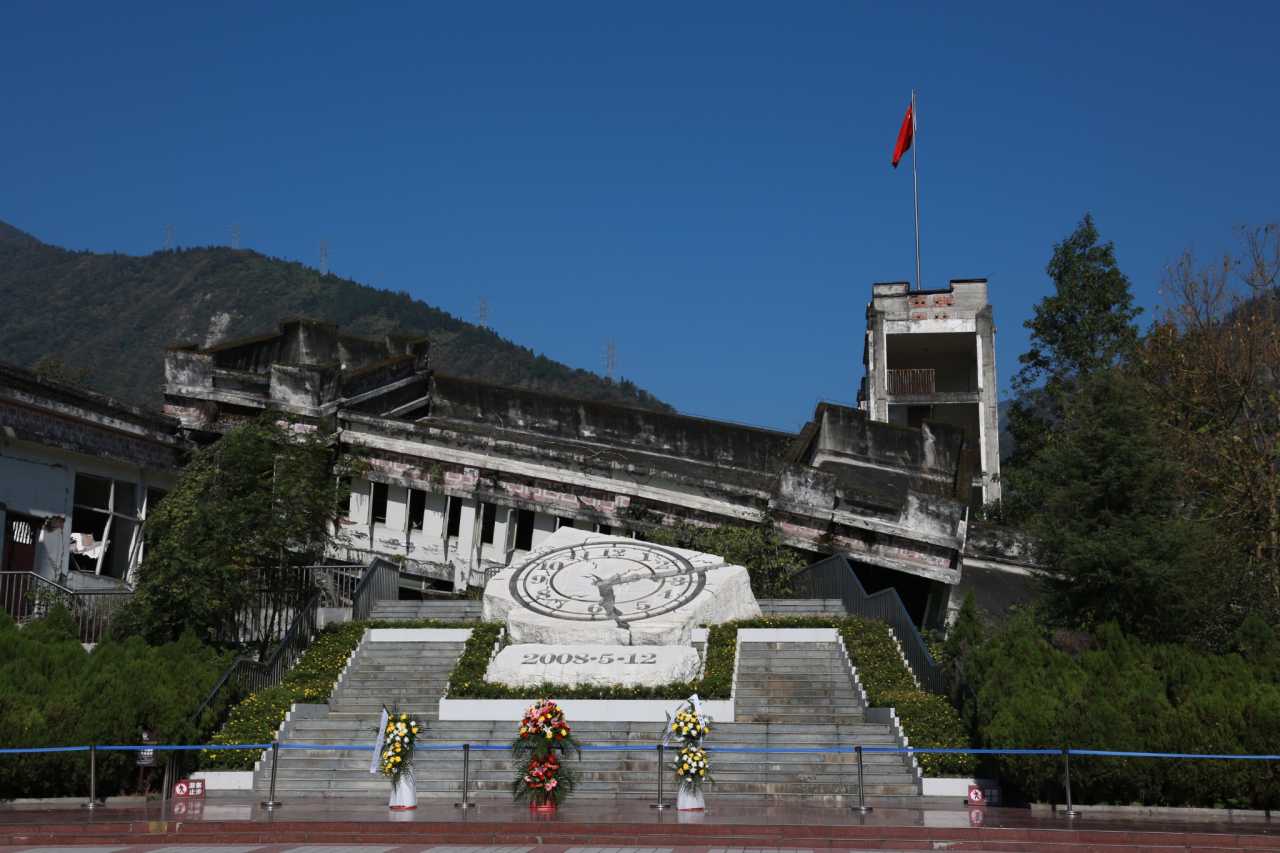
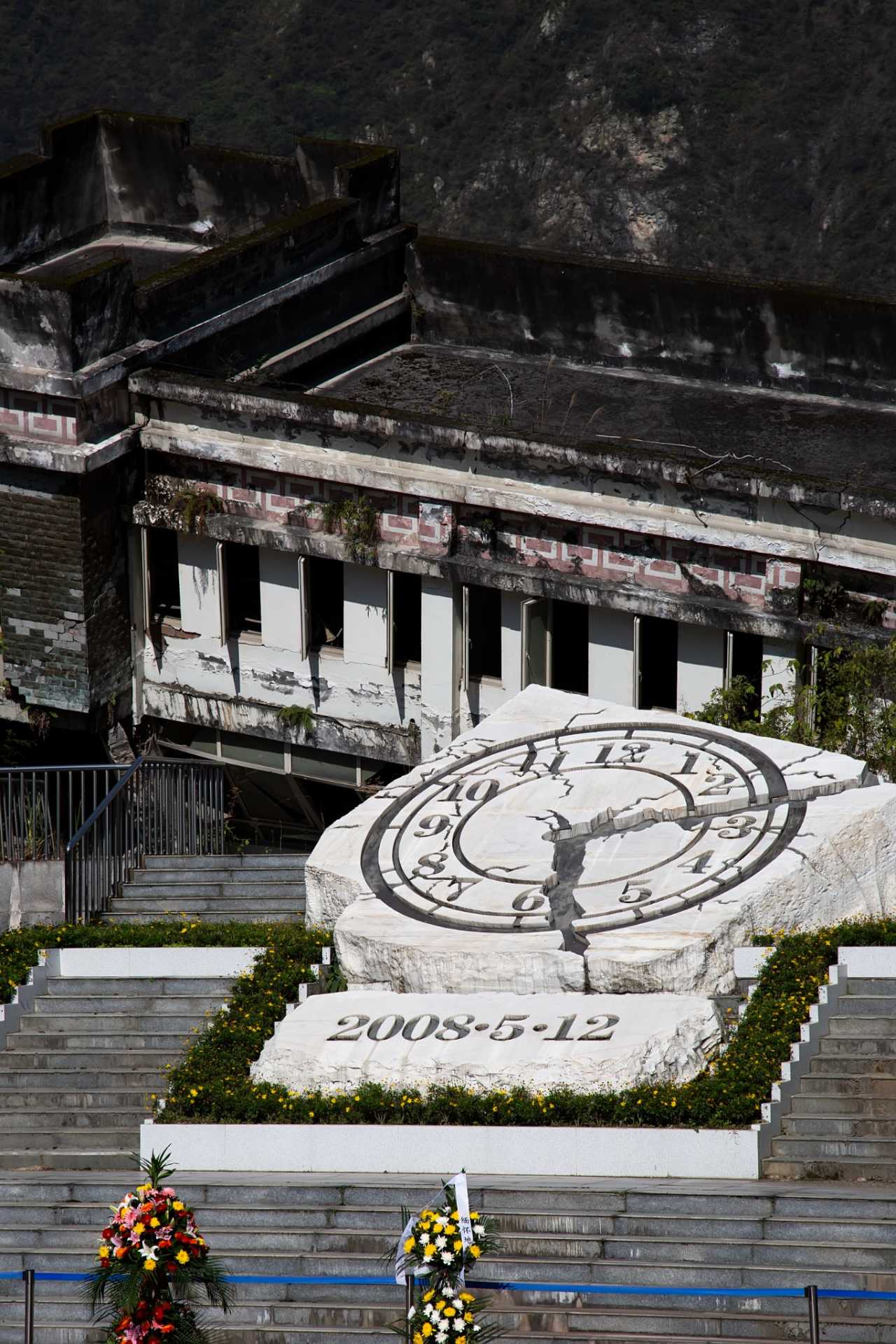
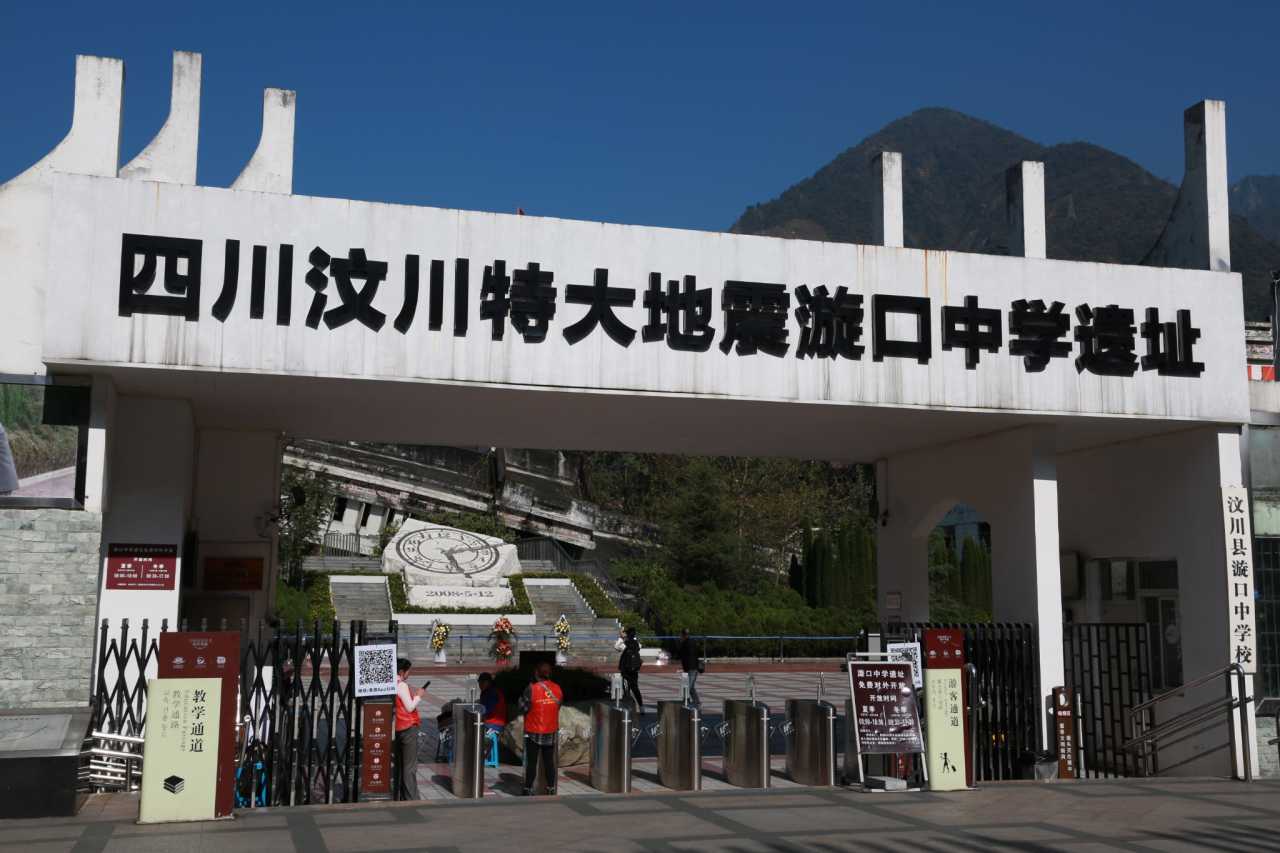
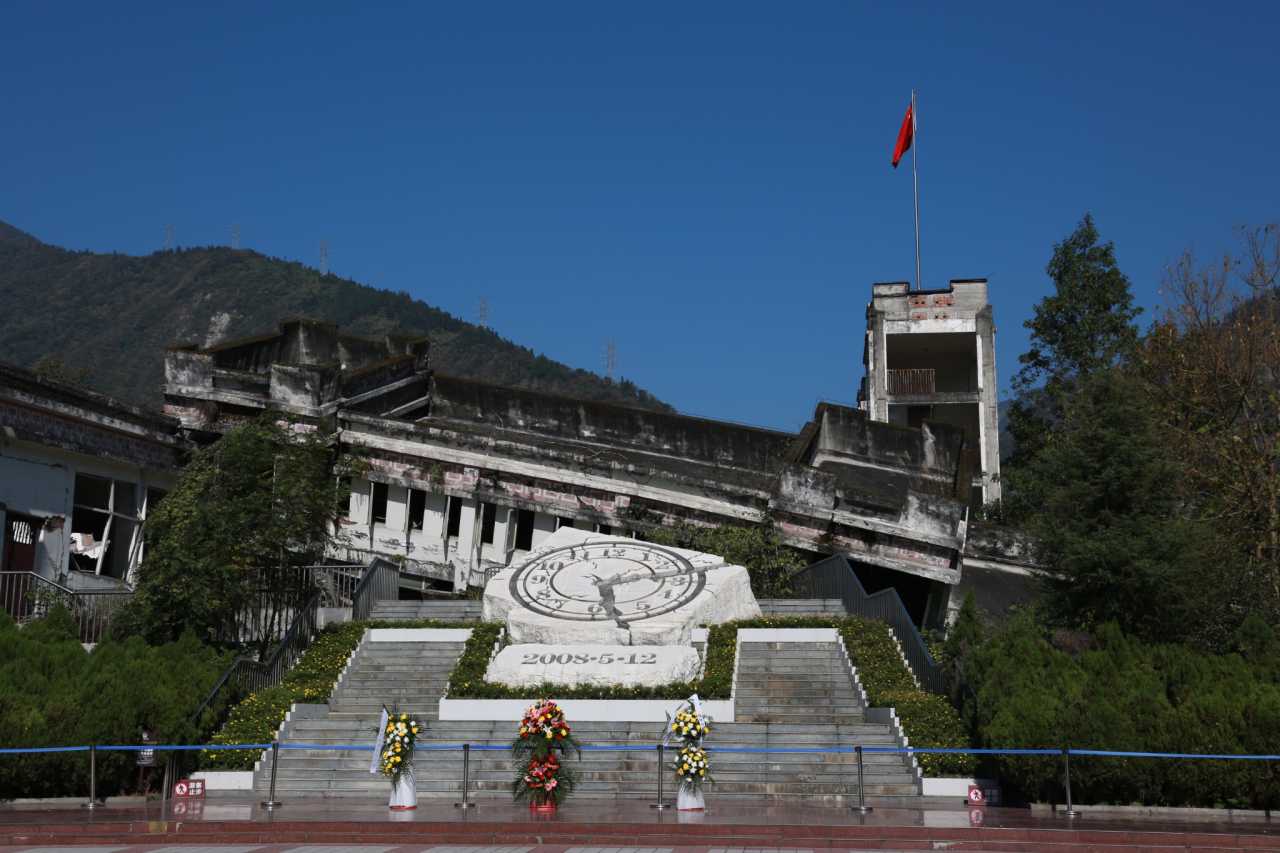
Yingxiu Earthquake Ruins: Frozen in Time
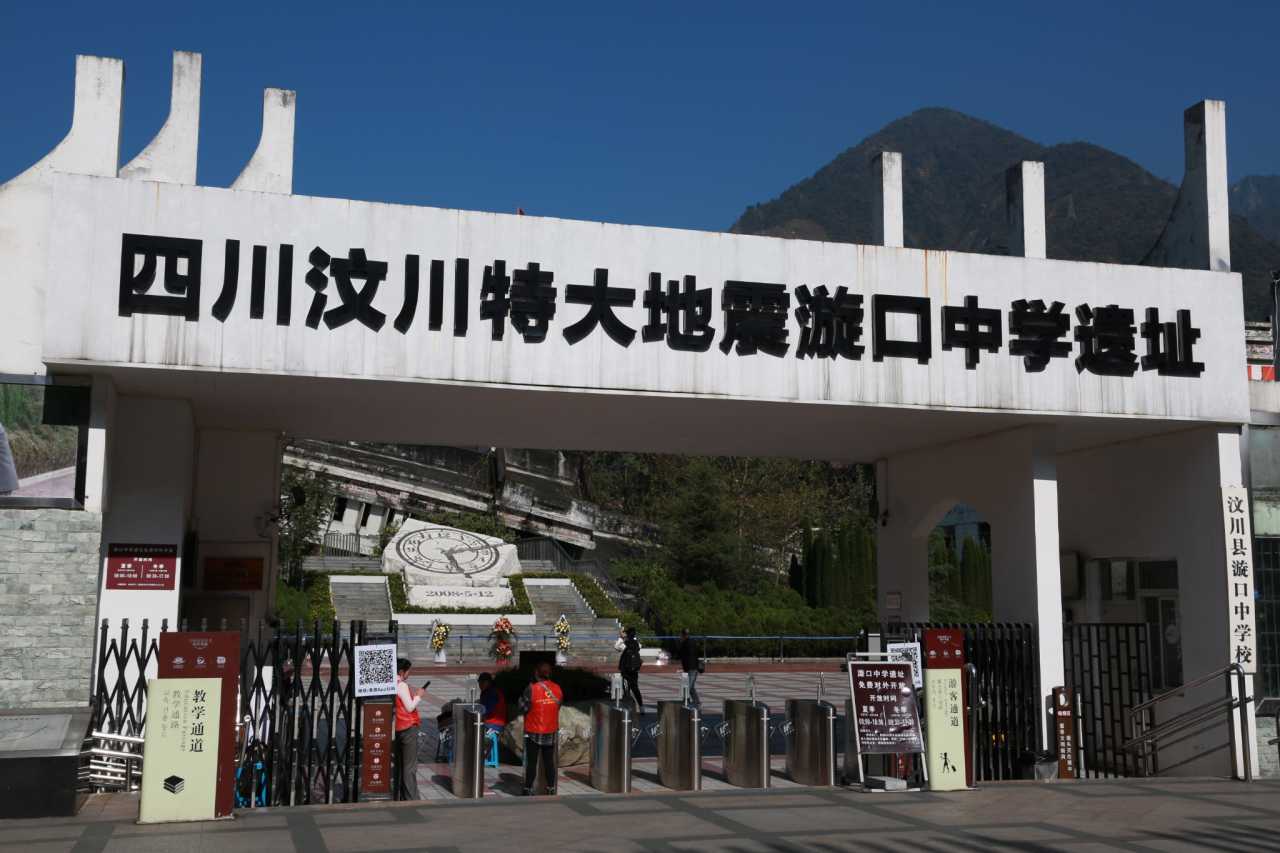
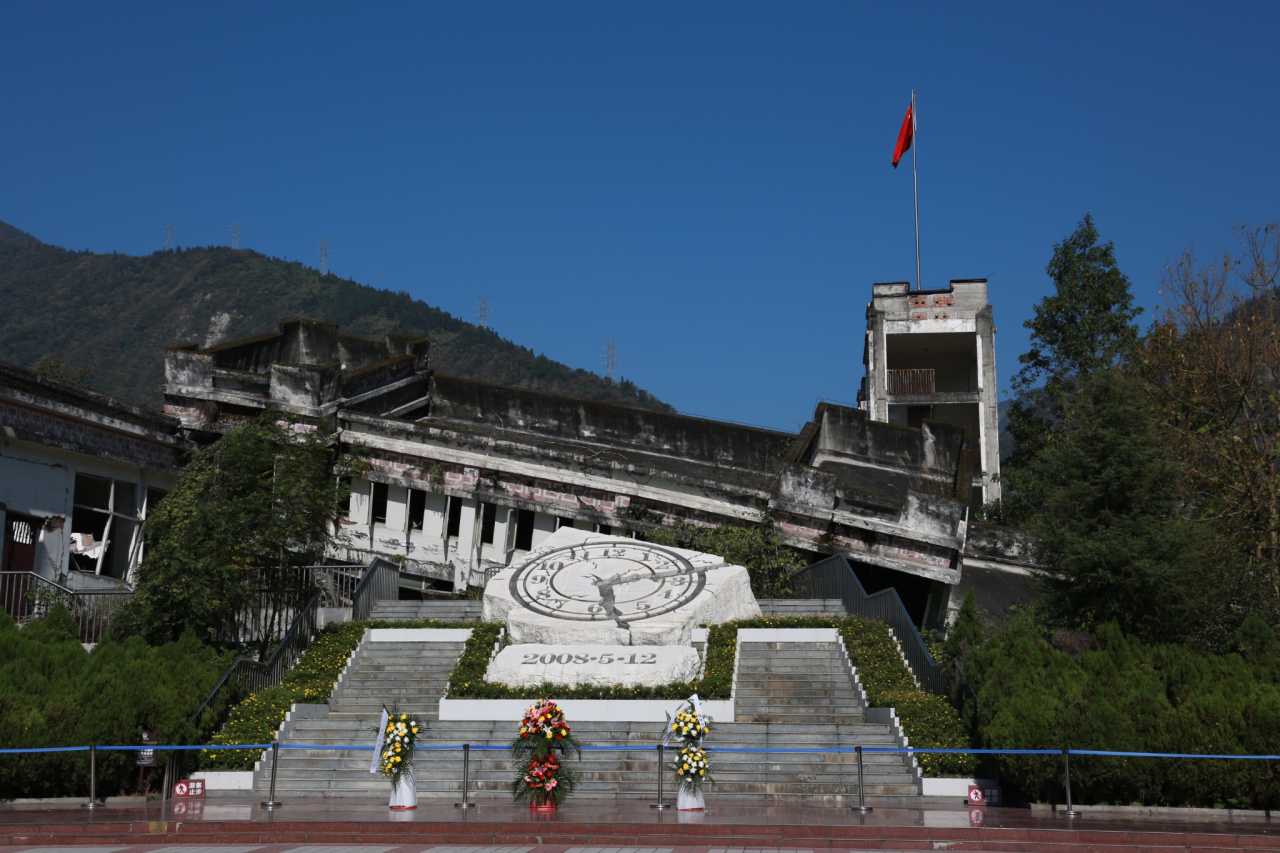
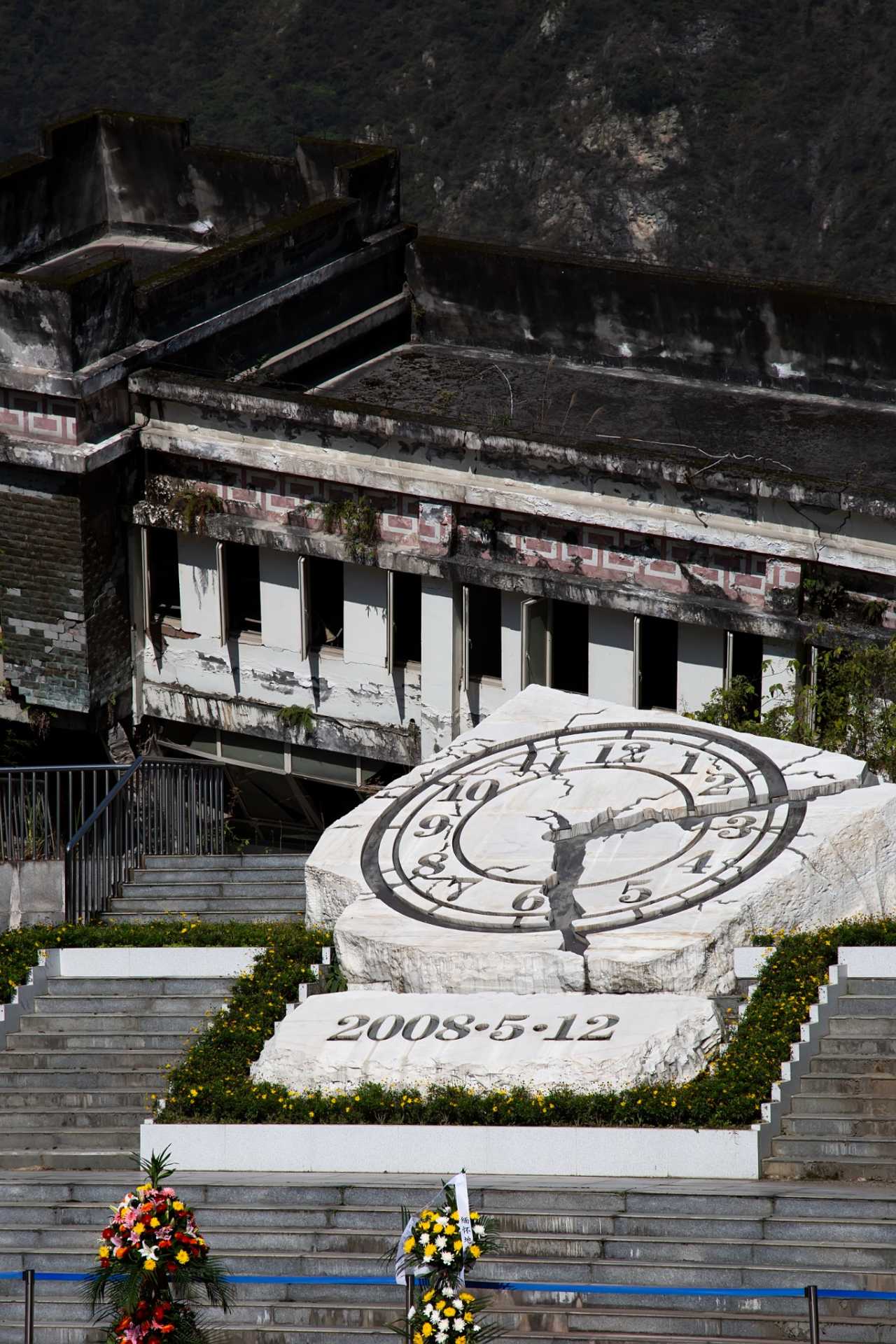
Picking up the car at Tianfu Airport, we drove 1.5 hours on the expressway straight to Yingxiu Town. Today's Yingxiu has been beautifully rebuilt—neat and tidy, showing no trace of its former devastation. But stepping into the earthquake ruins, a suffocating heaviness grips you instantly.
Practical Info: - Free admission; scan a QR code on-site to register - Maintain a solemn and respectful demeanor—many victims remain buried beneath the rubble, unrecoverable
Lunch was in Yingxiu Town, where prices are reasonable. Small restaurants, cafes, and markets are everywhere. We also stocked up on supplies for the next few days at the supermarket.
Taoping Qiang Village: A Labyrinth of Stone Fortresses
A one-hour drive brought us to the filming location of the movie Design of Death (starring Huang Bo and Yu Nan). This Qiang village, built into the mountain with glutinous rice and stone, has withstood three earthquakes of magnitude 7 or above—which is nothing short of a miracle.
Highlights: - No ticket required - The afternoon slanting light creates stunning photo opportunities - The village's alleyways are like a maze; every household is connected, serving both as homes and watchtowers - The underground tunnels, with their shifting light and shadow, are perfect for photography—you could spend an entire afternoon here
A quick tour takes about 2 hours. Then we drove 2 hours to Li County to check in.
Accommodation Recommendation: Lixian Horxiangkangsa Homestay (newly opened in 2023) - Located halfway up the mountain, opposite the Li County hiking trail - The owner is Tibetan and incredibly welcoming - Only a 30-minute drive from Bipenggou
Food Recommendation: Gaoyuan Hong Yak Offal Hotpot (高原红牦牛杂火锅) - Ranked #1 on Dianping (China's Yelp); ingredients are incredibly fresh - Many Chengdu locals make a special trip just for this - Must-order items: tender beef, yellow throat
[Link: Best homestays in Li County for Bipenggou access]
Day 2: Bipenggou – A Winter Fairytale at the Foot of Snowy Peaks
Best Season and a Touch of Regret
Honestly, visiting Bipenggou on November 20th was a bit late. The best time is from mid-October to early November, when colorful forests and white snow create a stunning contrast. By the time we arrived, the yellow leaves had fallen and the snow hadn't yet covered the ground. But if you happen to come right after a snowfall, this place transforms into a pure white wonderland.
How to Explore
Entry Tips: Once you enter the parking lot, look for a ramp on the right leading uphill. Drive up to the inner parking lot—it saves you a lot of walking.
Route: 1. Take the shuttle bus to Longwanghai (Dragon King Lake) and get off. Don't rush to take photos—walk a short distance to the left for a direct view of the snowy mountain reflection, away from the crowds. 2. Walk around most of the lake to the bus pickup point, then continue to the final stop, Shanghai (Upper Sea), where there's a visitor center with normal prices. 3. You can take an electric cart (20 RMB one way, 30 RMB round trip) or hike up to Panyang Lake. I recommend riding up and walking down.
From Panyang Lake to Yanzai Rock: Same option—electric cart (20 RMB one way, 30 RMB round trip). I chose to hike down, about 4-5 kilometers in an hour. Sunlight filtered through the trees, casting dappled shadows on the soft snow beneath my feet, with the snowy mountain looming close above.
Total Time: About 6 hours
Overnight in Heishui County
After the tour, we drove to Heishui County for the night. We stayed at the Kelieshanglin Hotel, located in the core area of Naizi Valley. The Tibetan owner offered us a cup of horse tea that instantly melted away our fatigue.
Important Notes: - To get from Bipenggou to Heishui, you must cross Yakexia Snow Mountain. Try to descend before dark. - The roads are narrow, with long steep slopes, possible ice in winter, and large trucks—drive with extreme caution. - Passing through Yangrong Hade at night, the lights were fully on, creating a stunning spectacle in the dark canyon.
[Link: Winter driving tips for Western Sichuan mountain roads]
Day 3: Dagu Glacier – An Ultimate Experience at 4,860 Meters
Preparation
Tickets: Regular price is 370 RMB (includes shuttle bus + cable car). On Douyin (TikTok China), you can find tickets for 340 RMB, but you need to book a day in advance. We bought tickets from a local villager at a roadside stall for 340 RMB—legitimate, with WeChat payment available. I think we could have bargained even more.
Must-Bring Items: - Ice cleats, warm hat, gloves, neck gaiter, sunglasses - Telephoto lens (don't skip it because of the weight—bring it!) - Dry food, instant noodles, self-heating hot pot (highly recommended! Each of us brought a pot of Haidilao)
Route
One-hour shuttle bus to the cable car base, with two stops: 1. Tibetan macaque feeding area (also home to Sichuan golden monkeys) 2. Dagu Lake—a frozen alpine lake facing the snowy mountain
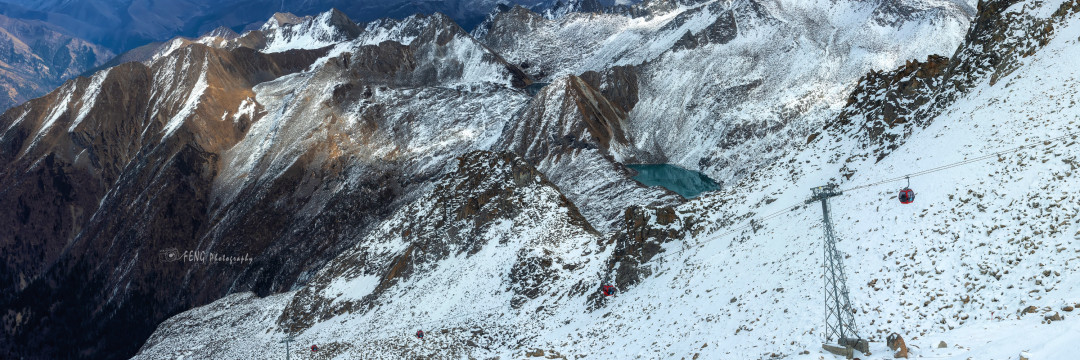
Cable Car Up: As soon as you board, the snow-covered mountains rush toward you. Reaching the summit at 4,860 meters, the view opens up—snow underfoot, snow in the distance, snow everywhere through telephoto, mid-range, and wide-angle lenses. For anyone from southern China, this is pure, ecstatic joy.
Things to Do at the Summit
Photo Spots: - The heart-shaped frozen alpine lake - The five-star red flag at the summit (this was the last snow mountain crossed by the Red Army during the Long March) - Instagram-worthy installations
Lunch Strategy: - First-floor snack shop: Bring your own instant noodles for 5 RMB hot water; buy theirs for 15 RMB including hot water - Second-floor café: Free hot water, but no instant noodles allowed inside - We brought our own self-heating hot pot. Not enough water? Just dig up some snow! - Eating spicy beef hot pot facing the snowy mountain—absolutely incredible
About the "9,000-Year Promise" Café: - The highest-altitude café in the world - Called "the loneliest café on Earth" by National Geographic - Americano: 58 RMB, Caramel Macchiato: 68 RMB, Tiramisu: 38 RMB - The quality is surprisingly good, and the unbeatable environment makes it worth every penny
Altitude Sickness Tips: I personally felt fine—just avoid running or jumping. Oxygen bottles are available at the summit, and you can rent an astronaut suit for photos (150 RMB per person). The staff is incredibly warm, constantly reminding visitors via loudspeaker to take precautions.
We stayed until the café closed at 4:00 PM before heading down. Then we drove 2 hours to Mao County for the night.
[Link: How to prevent altitude sickness in Dagu Glacier]
Day 4: Ancient Qiang City and Mao County's Food Scene
Waking Up Naturally at the Ancient Qiang City
After two exhausting days, we slowed down today. Staying at a homestay near the Ancient Qiang City, the owner snuck us in through the back door.
Highlights: - The daily 9:00 AM opening ceremony (we missed it, but locals say it's worth seeing) - Stone-paved alleys with watchtowers at every turn - Panoramic views of Mao County from the city walls - Small museums inside showcasing Qiang embroidery and traditional tools

Food Scene in Mao County: - Mao County Yak Hotpot: Multiple restaurants along the main street serve it. We tried one near the Ancient Qiang City gate—rich broth, tender yak meat, and fresh local vegetables. - Qiang-style Grilled Fish: A local specialty. The fish is marinated in spices and grilled over charcoal. Crispy skin, juicy meat. - Barley Wine: Try a small cup at a local shop. Sweet, low-alcohol, and warming.
Accommodation: We stayed at a homestay inside the Ancient Qiang City complex. Basic but clean, with heating. The owner's family served us breakfast—steamed buns, pickled vegetables, and yak milk tea.
[Link: Ancient Qiang City history and architecture guide]
Day 5: Sanxingdui – Unlocking the Mysteries of Ancient Shu
The Final Stop: Sanxingdui Museum
A 3.5-hour drive from Mao County brought us to Guanghan City, home of the Sanxingdui Museum. This is the crown jewel of the Western Sichuan small loop—a site that has rewritten the history of Chinese civilization.
What to Expect: - The museum is divided into two main halls: Comprehensive Hall (bronze artifacts) and Bronze Hall (the famous bronze masks and trees) - Must-see artifacts: Bronze standing figure (2.62 meters tall), bronze masks with protruding eyes, the bronze sacred tree (nearly 4 meters high) - The newly discovered sacrificial pits (2020-2022) have yielded thousands of artifacts—many on display
Practical Tips: - Tickets: 72 RMB (adult). Book online in advance—same-day tickets often sell out. - Audio guide: 30 RMB. Highly recommended for understanding the significance. - Time needed: 2-3 hours minimum
Why Sanxingdui Matters: The artifacts here date back 3,000-5,000 years and show no connection to any known Chinese dynasty. The bronze masks with exaggerated features, the lack of written language, and the sudden disappearance of this civilization remain one of archaeology's greatest mysteries.
Lunch Recommendation: Guanghan is famous for its "Sanxingdui Noodles" —a local specialty with hand-pulled noodles in a rich broth, topped with minced pork and preserved vegetables. Several shops near the museum serve it.
[Link: Sanxingdui vs Jinsha: Which ancient Shu site to visit]
FAQ: Western Sichuan Small Loop
1. Is the Western Sichuan small loop suitable for winter driving?
Yes, but with caution. Roads can be icy, especially crossing Yakexia Snow Mountain between Bipenggou and Heishui. Use winter tires, drive slowly (below 40 km/h on mountain roads), and descend before dark. Carry snow chains just in case.
2. What is the best time to visit Bipenggou?
Mid-October to early November for autumn colors. Late November to February for snow scenery. If you want both, aim for late October—you'll see colorful forests against white peaks.
3. How do I prevent altitude sickness at Dagu Glacier (4,860m)?
- Ascend gradually: spend a night at lower altitude (Heishui County, 2,350m) before going up
- Avoid running, jumping, or heavy exertion at the summit
- Bring oxygen cans (available at the cable car base and summit)
- Stay hydrated and avoid alcohol
- If you feel severe headache, nausea, or dizziness, descend immediately
4. Can I visit Sanxingdui without a guide?
Yes. The museum has excellent English and Chinese signage. An audio guide (30 RMB) is sufficient for most visitors. Guided tours are available but not necessary.
5. What is the total budget for this 5-day trip?
Per person estimate (4 people sharing a car and rooms): - Car rental + fuel: 800-1,200 RMB - Accommodation: 600-1,000 RMB (4 nights, budget to mid-range) - Tickets: 800-1,000 RMB (Bipenggou, Dagu Glacier, Sanxingdui) - Food: 400-600 RMB - Total: 2,600-3,800 RMB per person
Ready to Hit the Road? Your Western Sichuan Small Loop Awaits
From the frozen silence of earthquake ruins to the fiery mystery of Sanxingdui, this 5-day self-drive loop delivers a lifetime of experiences in under a week. Whether you're a photography enthusiast chasing snow-capped peaks, a history buff decoding ancient civilizations, or simply a traveler seeking the raw beauty of Western China, this itinerary has something for you.
Book your tickets in advance, pack warm layers, and bring your sense of adventure. The Western Sichuan small loop is waiting—and it will change how you see China.
Have questions? Drop them in the comments below, or share your own Western Sichuan travel tips!
[Link: Complete Western Sichuan road trip packing list] [Link: Best Western Sichuan loop itineraries for 3-7 days]
You may also like


