Chengdu Travel Guide: A Cinematic Journey Through Sichuan's Land of Abundance
Meta Description: Explore Chengdu, Mount Emei, and Leshan in this 5-day itinerary. From golden summit sunrises to giant pandas and spicy hotpot, discover why Sichuan is called the Land of Abundance.
"You come to this world once, you must see the sun, and walk down the street with your beloved." — Haizi
This line from the poet Haizi perfectly captures our five days in Chengdu. From the water towns of Jiangnan to the ancient kingdom of Shu, this city unfolds like a meticulously edited film, each frame striking the soul. This wasn't a long sojourn, but a concentrated "mini" adventure—yet the impression it left runs deeper than any extended trip.
Trip Overview: 5 Days in Chengdu, Mount Emei & Leshan
Destination: Chengdu (including Mount Emei and Leshan)
Travel Dates: May 13–17, 2019, 5 days
Travel Companions: Me and my partner
Highlights: Sunrise on Mount Emei, Leshan Giant Buddha, Giant Panda Base, Sichuan opera culture, food exploration
Why Visit Chengdu in Spring?

Spring in Chengdu offers mild temperatures, blooming mountain azaleas, and fewer crowds than peak summer. May is particularly ideal for Mount Emei sunrise viewing and exploring outdoor attractions like the Giant Panda Base and Leshan Giant Buddha.
[Link: Best time to visit Chengdu] [Link: Chengdu spring travel tips]
Chapter One: Unveiling the Veil of Mount Emei
Day 1: A Rapid Shift from City to Celestial Mountain
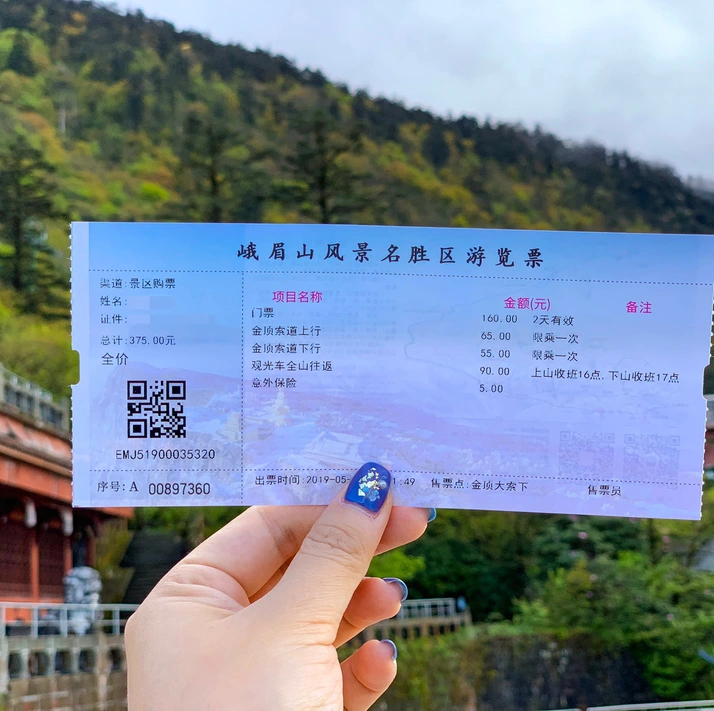
Flying from Suzhou to Chengdu Shuangliu Airport, the seamless high-speed rail connection amazed us—we took the train directly from the airport to Emeishan Station. Inside the station, we could purchase tickets for the scenic area, shuttle bus, and uphill cable car all in one go.
Important note: The shuttle bus ticket says "full mountain round trip," but each stop allows only one ride. That means if you go up one side, you must come down the other.
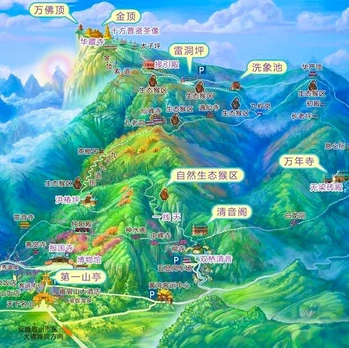
We chose to stay overnight at Leidongping. The drive from the high-speed rail station to Leidongping takes about two hours. To catch the sunrise, you absolutely must stay here or higher. After checking into our inn, we noticed the weather was decent and decided to scout the Golden Summit for sunset. We walked from Leidongping to Jieying Hall, climbing the winding stone steps known as the "Eighty-Four Turns" for about half an hour. The scenery along the way was the best energy boost.
Jieying Hall enshrines Amitabha Buddha. The temple looked a bit worn, but we heard the Mount Emei Buddhist Association is working on restoration. We thought about buying another round-trip cable car ticket, but were told the last downhill cable car runs at 6:00 PM, while sunset wouldn't come until 7:50 PM—meaning we'd have to hike down after sunset, about two hours. We decided to just wander nearby.
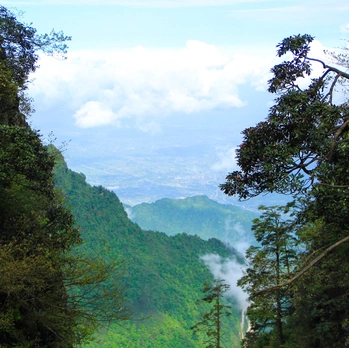
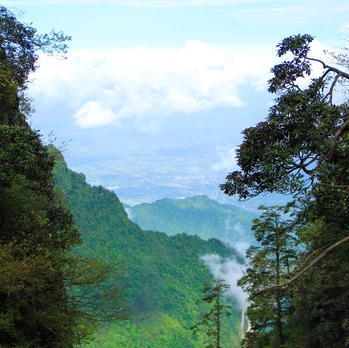
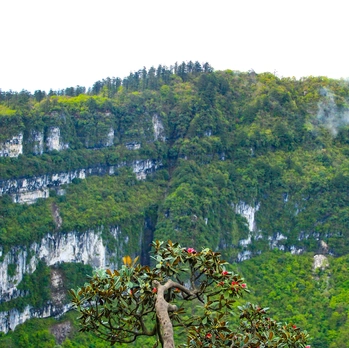
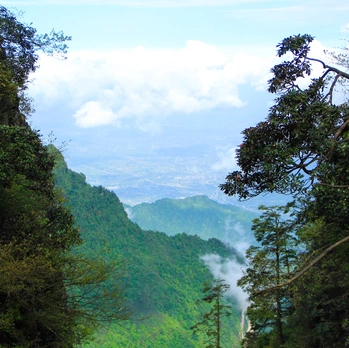
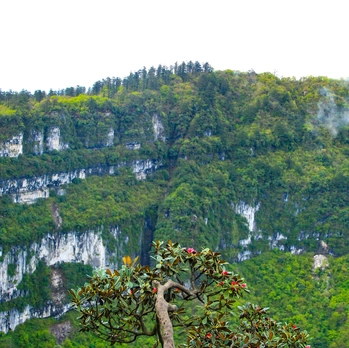
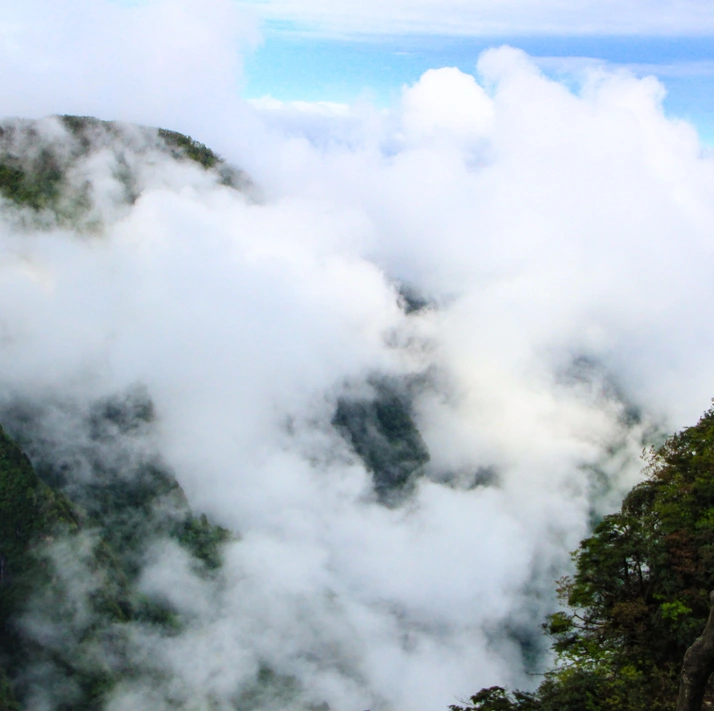
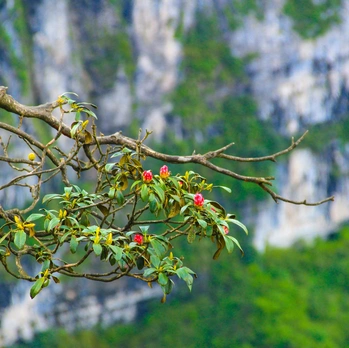
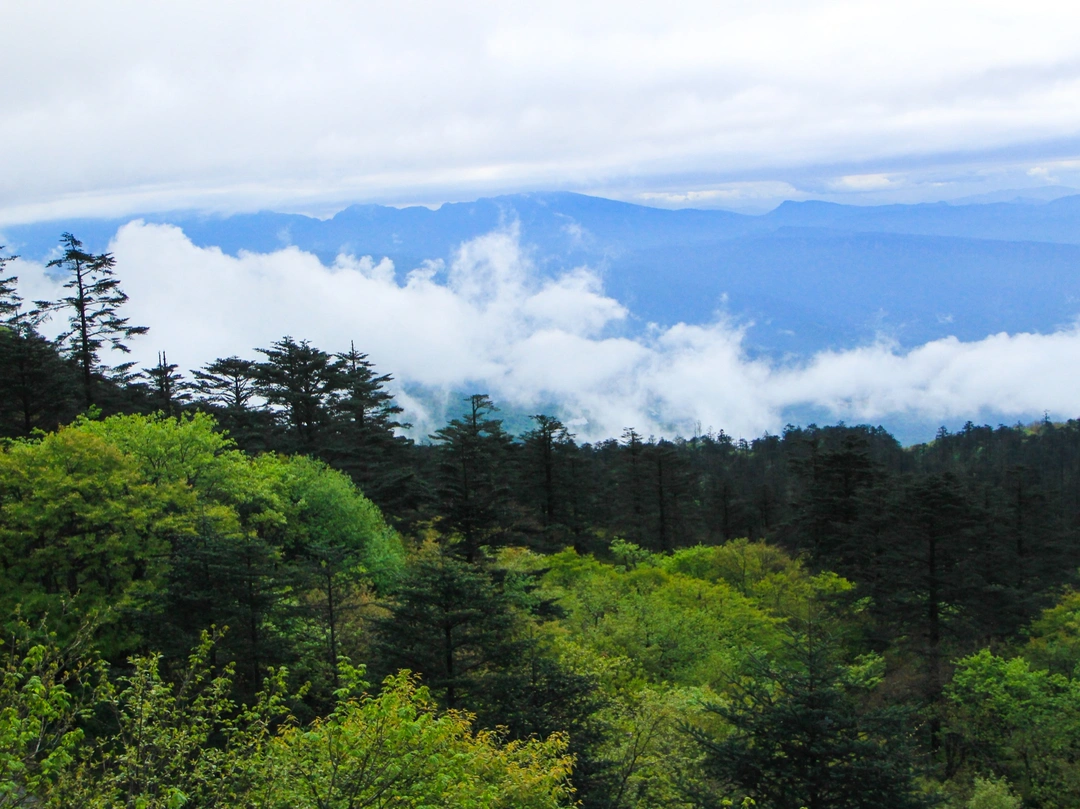
We ran into a fearless little wildcat that let us take photos, wearing an expression of utter indifference, like "Do whatever you want." Standing at Jieying Hall and looking down, clouds and mist swirled around us like a fairyland. The mountain azaleas were in full bloom.
That night we stayed at the Mount Emei Mingshan Hotel. Despite reading many reviews before choosing it, the experience was just okay. For a mountain lodge, the standards are different—expect basic amenities.
[Link: Mount Emei accommodation guide] [Link: Leidongping vs Golden Summit accommodation]
Day 2: "The Land of Shu Has Many Immortal Mountains, But Emei Stands Peerless"
We woke up at 4:00 AM to get ready. At 5:00 AM, the hotel owner woke us up on schedule. We set off at 5:05 AM. The sky was still pitch black, but there were already earlier hikers ahead. Everyone climbed in silent camaraderie.
We took the circulating cable car (six people per car), which starts running at 5:30 AM, while sunrise was at 6:15 AM. After the cable car, we still had to climb ten minutes to the Golden Summit.
Sunrise on Mount Emei: When two contrails crossed the sky, a red glow appeared beneath the clouds. Everyone gasped—the sunrise was happening! In that moment, I understood why Li Bai wrote, "The land of Shu has many immortal mountains, but Emei stands peerless." For him and for me, no other mountain could compare.
The Golden Summit, also known as Huazang Temple, sits at 3,079 meters above sea level and was first built during the Tang Dynasty. If you're lucky, you can witness four wonders: sunrise, sea of clouds, Buddha's halo, and holy lamps.
The most awe-inspiring sight was the Ten Directions Samantabhadra statue, standing 48 meters tall—representing Amitabha Buddha's 48 vows—making it the tallest golden Buddha in the world. Samantabhadra's ten faces are arranged in three tiers, each with a different expression, symbolizing ten states of mind. His mount is a six-tusked white elephant, and the pilgrimage avenue is flanked by ten pairs of elephants facing each other.
After descending, we visited:
- Qingyin Pavilion: The "Double Bridge and Clear Sound" spot is famous as the best photo point—"Double bridges like two rainbows, eternal as an ox's heart"—where the Black and White Rivers converge below Niuxin Pavilion.
- "Forget Worldly Worries" cliffside inscription: Personally penned by Emperor Kangxi. Moss had covered it, so workers were cleaning and restoring it.
- "A Thread of Sky": We decided not to go further—beyond that was the natural monkey zone.
- Heilong River: As someone from Heilongjiang Province, I had to take a photo with it.
- Baoguo Temple: The first temple on Mount Emei. Admission was 8 yuan, purchased separately. The temple faces east, and the main gate's "Baoguo Temple" plaque was inscribed by Emperor Kangxi. Two Ming Dynasty stone lions stood guard at the entrance.
[Link: Mount Emei sunrise tips] [Link: Mount Emei hiking routes]
Chapter Two: The Mountain Is a Buddha, the Buddha Is a Mountain
Day 3: The Awe of the Leshan Giant Buddha
We got up early to take the high-speed train to Leshan—my first time traveling without luggage, feeling wonderfully light. We chose to hike both the front mountain and the back mountain. The front mountain is where the Leshan Giant Buddha sits, while the back mountain houses the Eastern Buddha Capital, built in the late 1980s.
Leshan Giant Buddha hiking tips: Some people take a boat to see the panoramic view, but for a first-timer, I opted to hike the Nine-Turn Plank Road. This allows you to walk right next to the Buddha's feet—an experience that puts its massive scale into perspective.
The Leshan Giant Buddha is a 71-meter-tall stone statue carved into a cliff face, facing the confluence of three rivers. Construction began in 713 AD during the Tang Dynasty and took 90 years to complete. It was designed to calm the turbulent waters that had capsized many boats.
[Link: Leshan Giant Buddha vs boat tour] [Link: Leshan day trip from Chengdu]
Chapter Three: Chengdu City Highlights
Day 4: Pandas, Opera, and Food Exploration
Giant Panda Base: Arrive early—by 8:00 AM—to see the pandas most active during feeding time. The base is located about 10 kilometers north of downtown Chengdu. Pandas are most active in the morning when temperatures are cooler.
Sichuan Opera: Don't miss the face-changing performance, a traditional Sichuan art form where performers change masks in the blink of an eye. Many teahouses in Chengdu offer evening performances with dinner.
Chengdu food exploration: From spicy hotpot to dan dan noodles and mapo tofu, Chengdu's culinary scene is world-famous. Try local favorites at: - Jinli Ancient Street - Kuanzhai Alley (Wide and Narrow Alley) - Local food markets
[Link: Chengdu food guide] [Link: Sichuan opera in Chengdu]
Day 5: Final Explorations and Departure
Spend your last morning exploring Chengdu's parks and teahouses. The city's laid-back lifestyle is best experienced over a cup of jasmine tea in People's Park.
Frequently Asked Questions
1. How many days do you need for Chengdu, Mount Emei, and Leshan?
A minimum of 5 days is recommended: 2 days for Mount Emei, 1 day for Leshan, and 2 days for Chengdu city attractions including the panda base and food exploration.
2. What is the best time to visit Mount Emei for sunrise?
Spring (April-May) and autumn (September-October) offer the best weather for sunrise viewing. May is ideal with blooming azaleas and moderate temperatures. Winter can be too cold and cloudy.
3. Should I take a boat or hike to see the Leshan Giant Buddha?
For first-time visitors, hiking the Nine-Turn Plank Road offers a closer experience. The boat tour provides a panoramic view but doesn't allow you to stand at the Buddha's feet. Consider doing both if time permits.
4. Is Mount Emei suitable for beginners?
Yes, with proper planning. Use cable cars for the steepest sections and stay overnight at Leidongping to avoid rushing. The sunrise hike requires early rising but is manageable with good fitness.
5. What should I pack for a spring visit to Chengdu and Mount Emei?
Pack layers: a light jacket for Chengdu, and warm clothing for Mount Emei's summit (temperatures can drop near freezing at 3,079 meters). Comfortable hiking shoes, sunscreen, and a rain jacket are essential.
Final Thoughts: Why Chengdu Should Be Your Next Destination
Chengdu and its surrounding attractions offer a perfect blend of natural beauty, cultural heritage, and culinary adventure. From standing at the Golden Summit watching the sunrise over a sea of clouds to walking alongside the world's largest stone Buddha, every moment feels cinematic.
Plan your trip today. Whether you're a solo traveler, a couple, or a family, Chengdu's "Land of Abundance" lives up to its name. The memories of mountain azaleas, fearless wildcats, and steaming bowls of spicy noodles will stay with you long after you've returned home.
Ready to experience the Land of Abundance? Start planning your Chengdu itinerary now. Book your flights, reserve your Mount Emei accommodation, and prepare for a soul-stirring journey through one of China's most captivating regions.
[Link: Chengdu travel planning guide] [Link: How to get to Mount Emei from Chengdu] [Link: Best Chengdu hotels for every budget]
Have you visited Chengdu? Share your experience in the comments below!
You may also like


