Chengdu-Jiuzhaigou-Huanglong-Qingchengshan-Dujiangyan 6-Day, 5-Night In-Depth Tour: A Sincere Guide to Avoiding Pitfalls
Meta Description: Plan the perfect Sichuan adventure with our 6-day Chengdu-Jiuzhaigou-Huanglong-Qingchengshan-Dujiangyan itinerary. Avoid common travel traps, save money, and experience western Sichuan's stunning beauty. Expert tips inside.
Introduction: Why This Sichuan Tour Will Change How You See Nature
"After seeing Jiuzhaigou, no other water scenery compares." This saying became my absolute truth during my trip with my mother on October 8, 2019. To dodge the National Day crowds, we deliberately set off the day after the holiday, and unexpectedly stumbled upon an experience of stunning beauty with hardly any tourists around. On this journey, I was not only awed by the landscapes of western Sichuan but also fell into quite a few "travel traps." Today, I want to share this firsthand itinerary and the lessons I learned to help you save money and have a better time.
Whether you're a nature lover, foodie, or culture enthusiast, this Chengdu-Jiuzhaigou-Huanglong-Qingchengshan-Dujiangyan 6-day, 5-night tour offers an unforgettable deep dive into Sichuan's diverse wonders. Let's explore the route, the highlights, and the pitfalls you must avoid.
Tour Overview: The Ultimate 6-Day, 5-Night Western Sichuan Route
- Day 1: Xi'an → Chengdu (high-speed rail), Chunxi Road, Jianshe Road, hotpot
- Day 2: Chengdu → Jiuzhaigou (bus), Panda Valley, supermarket shopping (key pitfall to avoid)
- Day 3: Full-day Jiuzhaigou tour, Tibetan home-style hotpot
- Day 4: Huanglong Scenic Area → Return to Chengdu
- Day 5: Qingchengshan Back Mountain → Dujiangyan
- Day 6: Kuanzhai Alley → Chengdu → Xi'an (high-speed rail)
This itinerary combines urban exploration, wildlife encounters, alpine lakes, ancient Taoist mountains, and historic irrigation systems—all in one efficient trip.
Day 1: Arriving in Chengdu – Hotpot, Snack Streets, and Local Tips
Morning: High-Speed Rail from Xi'an to Chengdu
We departed from Xi'an North Station and arrived at Chengdu East Station after about 3.5 hours on the high-speed rail. By 1:30 PM, we checked into the Home Inn near Chunxi Road, costing 143 yuan per night—great value for money. After dropping off our bags, we headed straight to the Sino-Ocean Taikoo Li shopping district. With the IFS panda landmark, Wangfujing, Maoye, and Parkson, it's a paradise for shopaholics. But for someone like me, who's more into nature, it was just a quick glance.
Afternoon: Jianshe Road Snack Street – A Miss
We took a taxi for 17 yuan (about 10 minutes) to Jianshe Road Snack Street. I had planned to "conquer" the food scene, but instead, I left defeated. The street was nearly empty, and the stalls sold only run-of-the-mill snacks like crispy potato cubes, clams in foil, and grilled pig trotters—nothing uniquely Chengdu about them. In the end, my mom and I ordered just one portion of crispy potato cubes for 10 yuan and left disappointed.
Pitfall to avoid: If you want authentic Chengdu street food, head to Kuixinglou Street or Yulin Road instead. Those are the locals' real favorites. [Link: Best street food in Chengdu]
Evening: The Hotpot That Saved the Day
A hotpot dinner at Xiaolongkan near Chunxi Road saved our taste buds. The spicy beef tripe, tripe, crispy pork, brown sugar glutinous rice cakes, shrimp paste, and even their strawberry-flavored egg puff cake were all amazing. The three of us (including a high school friend living in Chengdu) spent 218 yuan in total—affordable and satisfying.
Recommendation: Hotpot restaurants are everywhere in Chengdu, but Xiaolongkan delivers solid quality and fair prices.
Day 2: Panda Valley + Supermarket Trap – First Lesson of Joining a Tour Group
Since Jiuzhaigou only reopened on September 27, 2019, and was exclusively accepting tour groups, I had to join one for the first time. Luckily, I chose a pure-tour group (no shopping stops, no forced purchases) for 1,180 yuan per person, and the experience turned out surprisingly good.
6:20 AM: Private Pickup
A private car picked us up from the hotel, and we officially departed at 8 AM.
First Stop: Panda Valley
Entry fee included in the tour cost. Here, we saw pandas, black bears, civet cats, and golden pheasants. After wandering through three sections, I felt it was pretty similar to the Chengdu Research Base of Giant Panda Breeding. If you're short on time, just pick one. [Link: Chengdu Panda Base vs. Panda Valley comparison]
Second Stop: The Supermarket Trap
The drive from Panda Valley to the Jiuzhaigou entrance took about 6–7 hours. Along the way, we passed through Yingxiu and Wenchuan, entering the Qiang and Tibetan tribal areas of Aba Prefecture. The guide shared fascinating stories about the Qiang people's matriarchal customs, Qiang embroidery, and Qiang watchtowers, as well as the differences between the Baima Tibetans and the Khampa Tibetans, which added cultural depth to the journey.
Key pitfall to avoid: About two hours from the Jiuzhaigou entrance, the guide strongly recommended a supermarket, claiming things were cheaper there than at the entrance and urging us to buy thick clothes and self-heating rice meals. But when we finally reached the entrance, we found that windbreakers there cost only 60 yuan, while the supermarket charged 168 yuan; self-heating rice meals were 15 yuan at the entrance compared to 20 yuan in the supermarket. Worse still, the Nuorilang Service Center inside Jiuzhaigou offers instant noodles (10 yuan per cup, including hot water) and boxed meals (20 yuan per portion, with rice and three side dishes), which are much more cost-effective and save you the hassle of carrying food all morning.
Remember: Don't buy anything at the guide's recommended supermarket. Wait until you reach the entrance, or simply eat inside the scenic area.
9:00 PM: Check-in

We checked into a hotel near the Jiuzhaigou entrance. The air conditioning worked well, and we slept comfortably.
Day 3: Full-Day Jiuzhaigou Tour – A Fairyland on Earth
8:00 AM: Departure
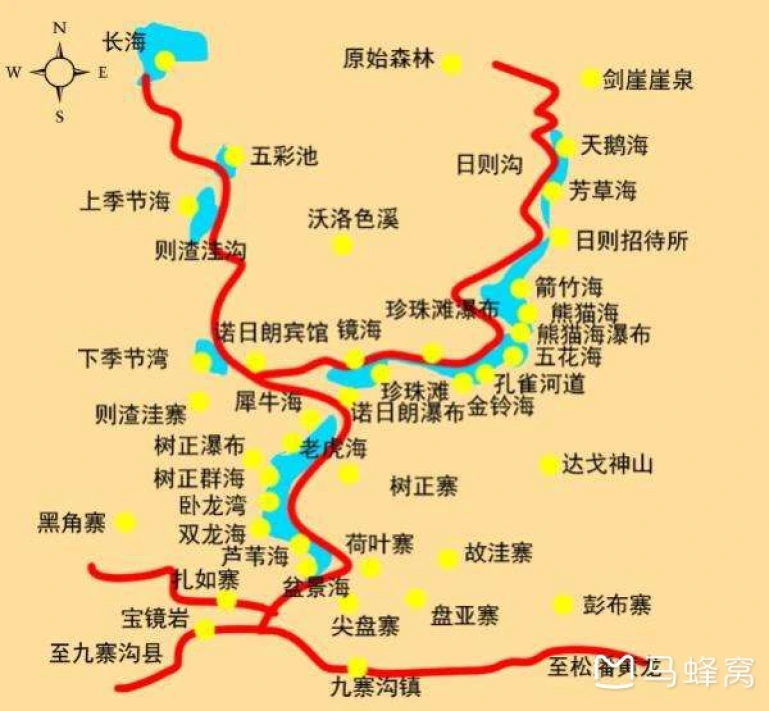
We set off, arriving at the scenic area entrance after a 20-minute drive. Jiuzhaigou's attractions are laid out in a Y-shape, divided into the Zechawa Gully and Rize Gully. I recommend this route:
1. Shuzheng Gully Section
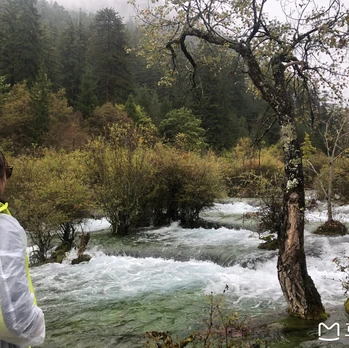
The sightseeing bus first stops at Shuzheng Village. Get off and walk along the boardwalk to see Shuzheng Group Lakes, Shuzheng Waterfall, Tiger Lake, and Rhinoceros Lake. After the rain, the mist and clouds made it feel like a fairyland. It took about an hour to complete.
2. Zechawa Gully Section
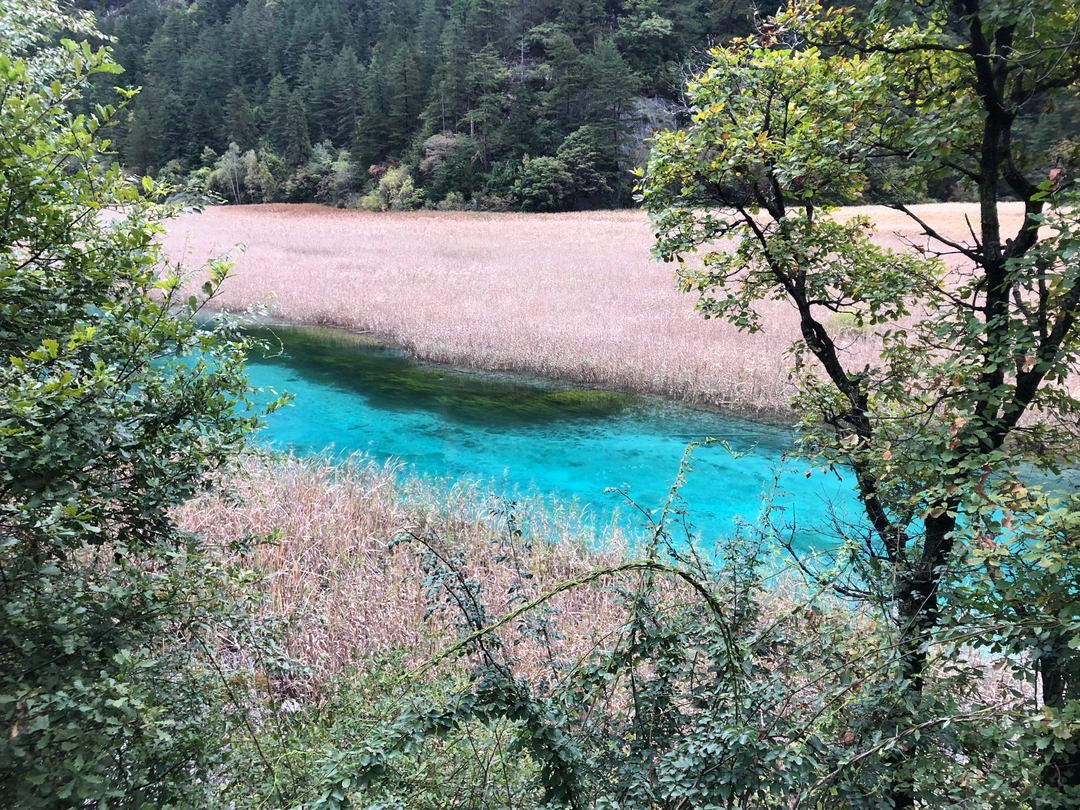
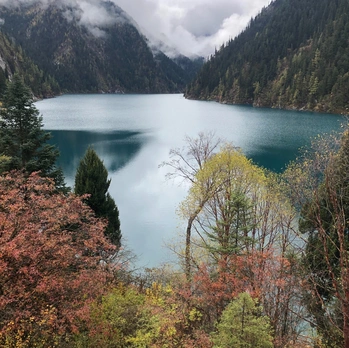
From Rhinoceros Lake, return to Tiger Lake and take the bus to the highest point of Zechawa Gully—Long Lake. The white clouds, green mountains, colorful forests, and turquoise waters created a stunning harmony. Autumn in Jiuzhaigou is breathtakingly beautiful. Then, take the bus to Five-Color Pond, where the water is crystal clear and a mesmerizing shade of blue. Under the sunlight, it shimmered with vibrant colors—this was my favorite spot.
3. Lunch at Nuorilang Service Center
Around 11:30 AM, we took the bus to the Nuorilang Service Center for lunch. The 20-yuan set meal and 10-yuan instant noodles were reasonably priced, so there's no need to bring your own food.
4. Rize Gully Section
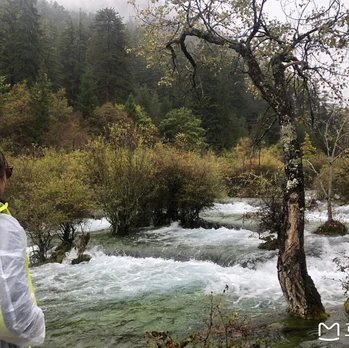
At noon, we took the bus to Pearl Shoal Waterfall—the most spectacular waterfall in Jiuzhaigou. The water cascaded down violently, creating a thunderous roar, and the boardwalk stretched out like a giant scroll painting. After that, we visited Mirror Lake, where the water was so clear and still it looked like a mirror, reflecting shades of blue and green. The final stop was Nuorilang Waterfall, which is said to be the widest in China, but I found it less impressive than Pearl Shoal.
5. Return
Around 2:30 PM, we took the bus to Heye Village, walked along the boardwalk to see Reed Lake, then headed to Bonsai Beach for the last stop—Zharu Temple (a classic Tibetan monastery). The group was supposed to gather at 4 PM, but I was 30 minutes late because I couldn't tear myself away from the scenery.
Evening: Tibetan Home-Style Hotpot
We joined a Tibetan home-style hotpot dinner. The Tibetan hosts sang and danced enthusiastically and even gave us free roasted yak meat, but we couldn't enjoy it—it was too tough to chew.
Reflection: Jiuzhaigou deserves at least four visits, one for each season. Its beauty is otherworldly and unique. [Link: Best time to visit Jiuzhaigou]
Day 4: Huanglong Scenic Area – Altitude Sickness Isn't That Scary
6:20 AM: Departure
We set off for Huanglong. It was colder and at a higher altitude than Jiuzhaigou. Along the way, the guide warned us about altitude sickness, and we even stopped at a health service station where staff came on board to "scare" us with horror stories about altitude sickness, trying to sell us oxygen cans and medication.
Pitfall to avoid: Altitude sickness is real, but most healthy adults can manage without extra oxygen. Bring Diamox (acetazolamide) from your doctor, drink plenty of water, and avoid alcohol. The oxygen cans sold at stations are overpriced and often unnecessary.
Huanglong Highlights
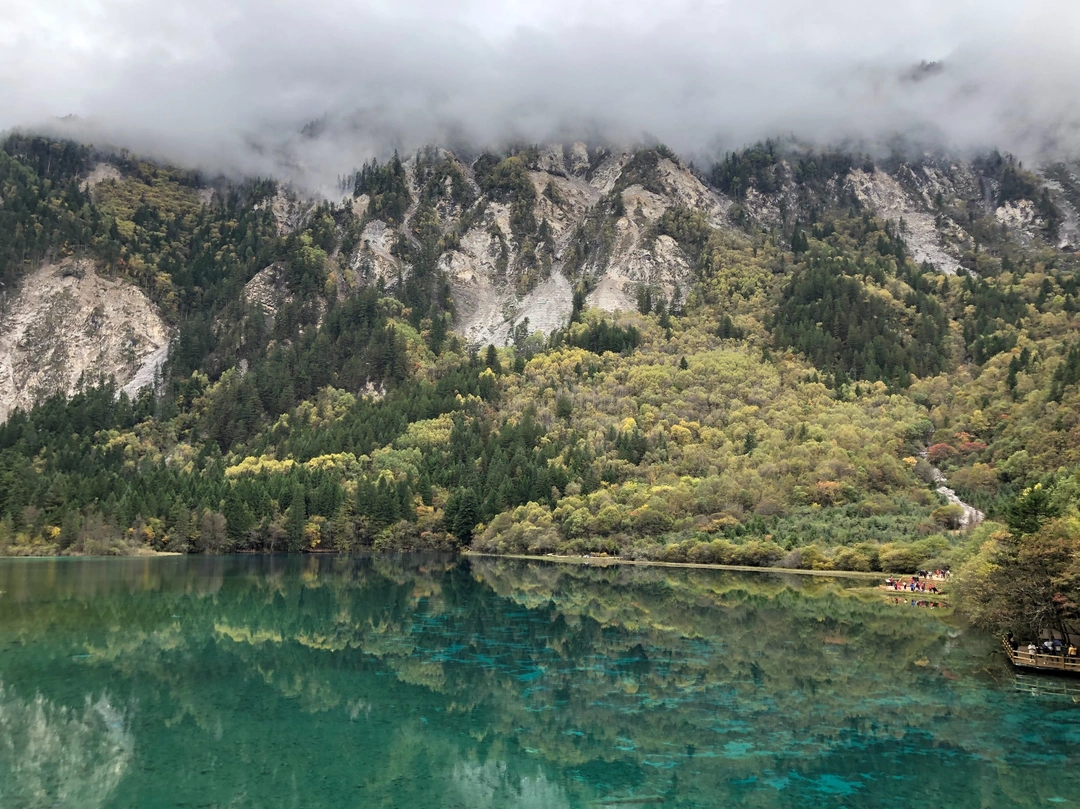
- Five-Color Ponds: The travertine pools shimmer in shades of blue, green, and yellow.
- Huanglong Temple: A serene Tibetan Buddhist temple at the top.
- Boardwalk: The 4.2 km walk is scenic but can be strenuous at high altitude. Take your time.
Tip: If you feel dizzy or nauseous, descend immediately. The symptoms usually subside once you reach lower elevations.
Day 5: Qingchengshan Back Mountain + Dujiangyan – Taoist Serenity and Ancient Engineering
Morning: Qingchengshan Back Mountain
Qingchengshan is one of the birthplaces of Taoism. The Back Mountain is less crowded and more naturally beautiful than the Front Mountain. We took the cable car up and hiked down, enjoying lush forests, ancient temples, and serene streams.
Recommendation: Allocate at least 4 hours for the Back Mountain. Wear comfortable shoes—the trails can be steep.
Afternoon: Dujiangyan Irrigation System
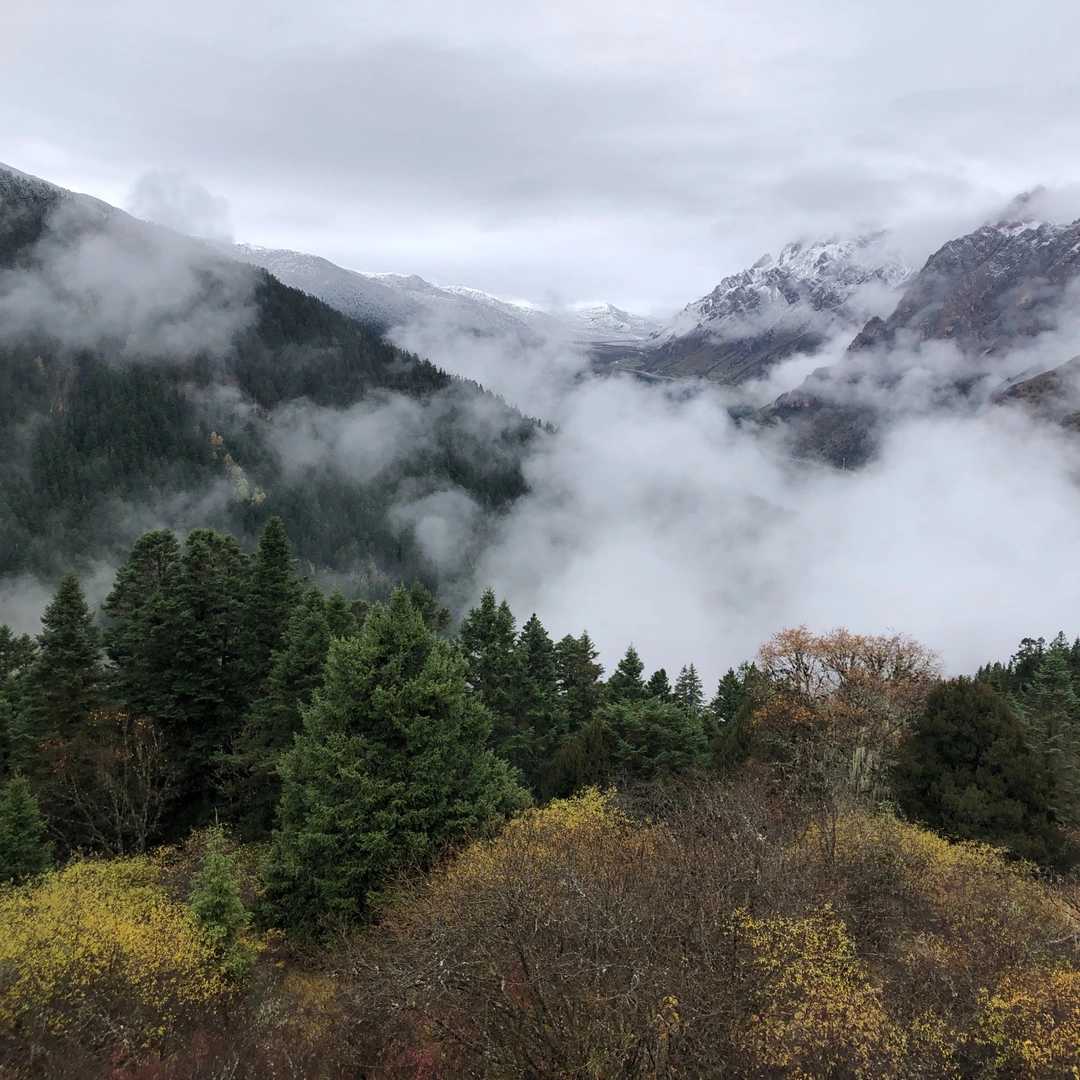
The Dujiangyan irrigation system, built over 2,000 years ago, is a UNESCO World Heritage site and a marvel of ancient Chinese engineering. The Fulong Temple, Anlan Suspension Bridge, and Fish Mouth Water-Dividing Dam are must-sees.
Tip: Hire a local guide or use an audio guide to fully appreciate the historical significance. [Link: Dujiangyan history and visiting guide]
Day 6: Kuanzhai Alley + Departure – Last Taste of Chengdu
Morning: Kuanzhai Alley
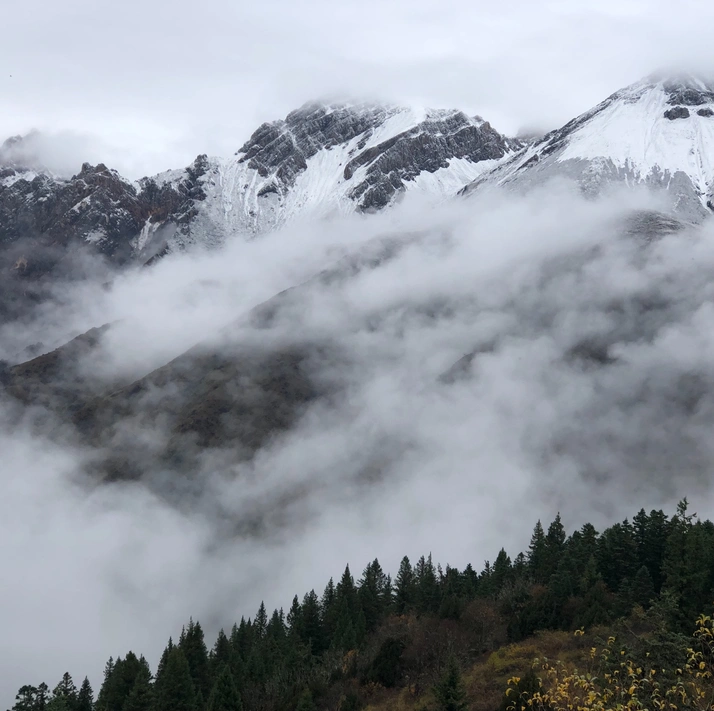
Kuanzhai Alley (Wide and Narrow Alley) is a restored Qing Dynasty-era neighborhood. It's touristy but charming, with teahouses, souvenir shops, and street performers. Grab a bowl of dan dan noodles or mapo tofu for a final Sichuan meal.
Afternoon: High-Speed Rail Back to Xi'an
We took the high-speed rail from Chengdu East Station back to Xi'an North Station. The journey was smooth, and we arrived home by evening.
FAQ: Your Chengdu-Jiuzhaigou Tour Questions Answered
1. What is the best time to visit Jiuzhaigou?
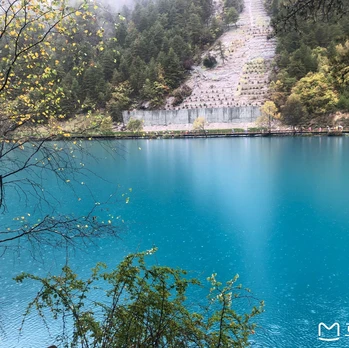
Autumn (October to November) is the most spectacular for fall foliage. Spring (April to May) offers blooming flowers, while summer (June to August) is lush but rainy. Winter (December to March) is cold but uncrowded, with snowy landscapes.
2. Do I need altitude sickness medication for Huanglong?
Huanglong's highest point is about 3,800 meters. Many travelers experience mild symptoms. Consult your doctor about Diamox. Drink plenty of water, avoid alcohol, and ascend slowly.
3. Is it worth joining a tour group for Jiuzhaigou?
If you're short on time or want hassle-free logistics, a pure-tour group (no shopping stops) is a good option. However, independent travel offers more flexibility. Compare prices and read reviews before booking.
4. How much does a 6-day Sichuan tour cost?
Budget around 3,000–5,000 yuan per person (including transportation, accommodation, meals, and entrance fees). Costs vary based on season, accommodation level, and whether you join a tour group.
5. What should I pack for western Sichuan in autumn?
Layers are key: thermal underwear, fleece jacket, waterproof windbreaker, comfortable hiking shoes, sunscreen, sunglasses, and a hat. Bring a reusable water bottle and snacks for long bus rides.
Conclusion: Your Sichuan Adventure Awaits
This Chengdu-Jiuzhaigou-Huanglong-Qingchengshan-Dujiangyan 6-day, 5-night tour is a perfect blend of nature, culture, and history. By following this guide, you'll avoid common travel traps, save money, and create unforgettable memories.
Ready to plan your trip? Start by booking your high-speed rail tickets and researching pure-tour groups. Share this guide with fellow travelers, and let us know in the comments which part of Sichuan you're most excited to explore!
[CTA: Book Your Sichuan Tour Now – Get Exclusive Deals on Hotels and Tours!]
Disclaimer: Prices and experiences are based on October 2019 travel. Verify current rates and policies before booking.
You may also like


