Chengdu: A Five-Day Slow Life Guide – Why This "Lazy City" Will Captivate You
Meta Description: Discover why Chengdu's slow life, spicy hotpot, and giant pandas make it irresistible. Our 5-day itinerary covers budget tips, top attractions like Kuanzhai Alley & Wuhou Shrine, and local secrets. Plan your perfect Chengdu trip now.
Why Chengdu? The City That Redefines "Slow Living"
When you think of Chengdu, what comes to mind? Is it the bubbling, spicy hotpot, the adorable giant pandas, or the ancient saying, "Don't enter Sichuan as a young man, don't leave as an old man"? For me, Chengdu had always been a destination tucked away in my heart—a place I longed to visit but felt required some special occasion to finally reach. This autumn, at last, my partner and I set foot on this land soaked in delicious food and leisurely living.
Our five-day, four-night trip cost around 7,000 RMB total (including flights, accommodation, meals, transport, and shopping). Round-trip tickets from Shanghai to Chengdu via Spring Airlines plus four nights' accommodation came to 3,280 RMB—not extravagant, but more than enough to enjoy ourselves. We arrived at 9 PM at Shuangliu Airport, and from the moment we smelled the spicy aroma wafting through the night air, we knew this would be a journey to remember.
Arriving in Chengdu: First Impressions in the Night
From Airport to Hotel: Navigating Chengdu's Ring Roads
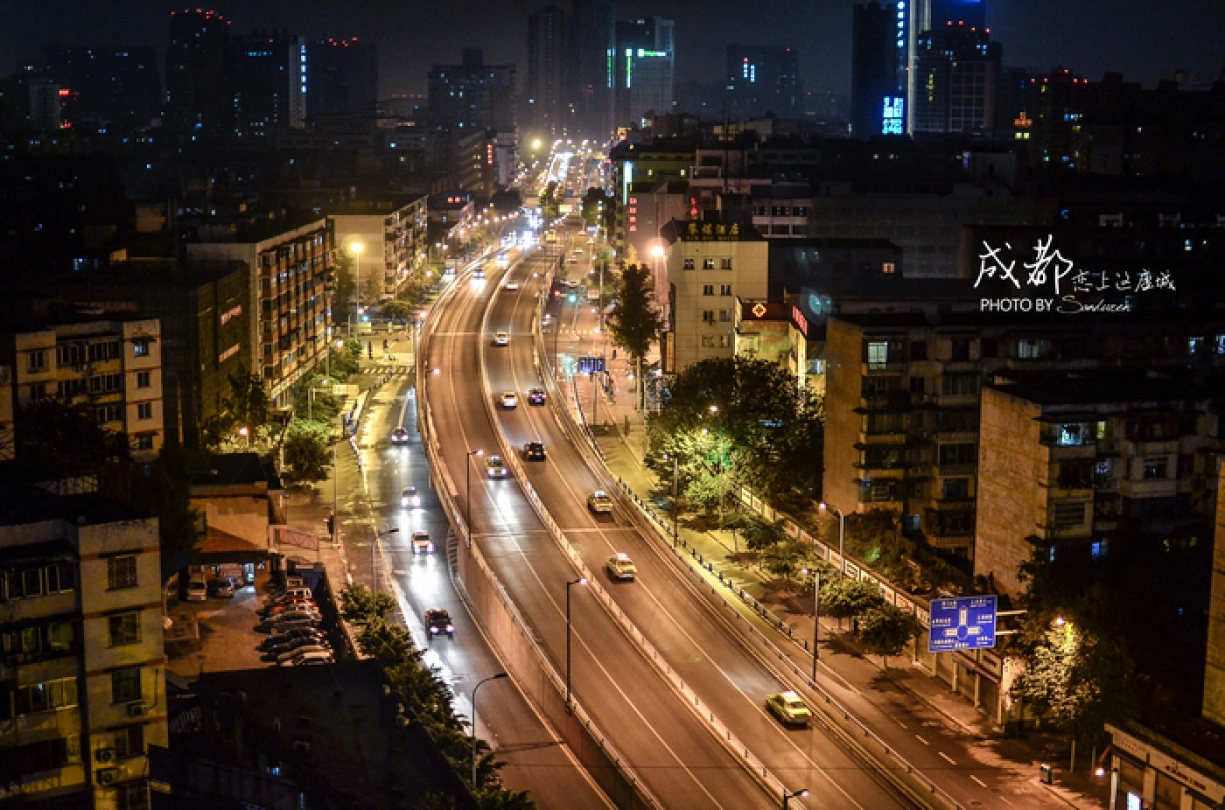
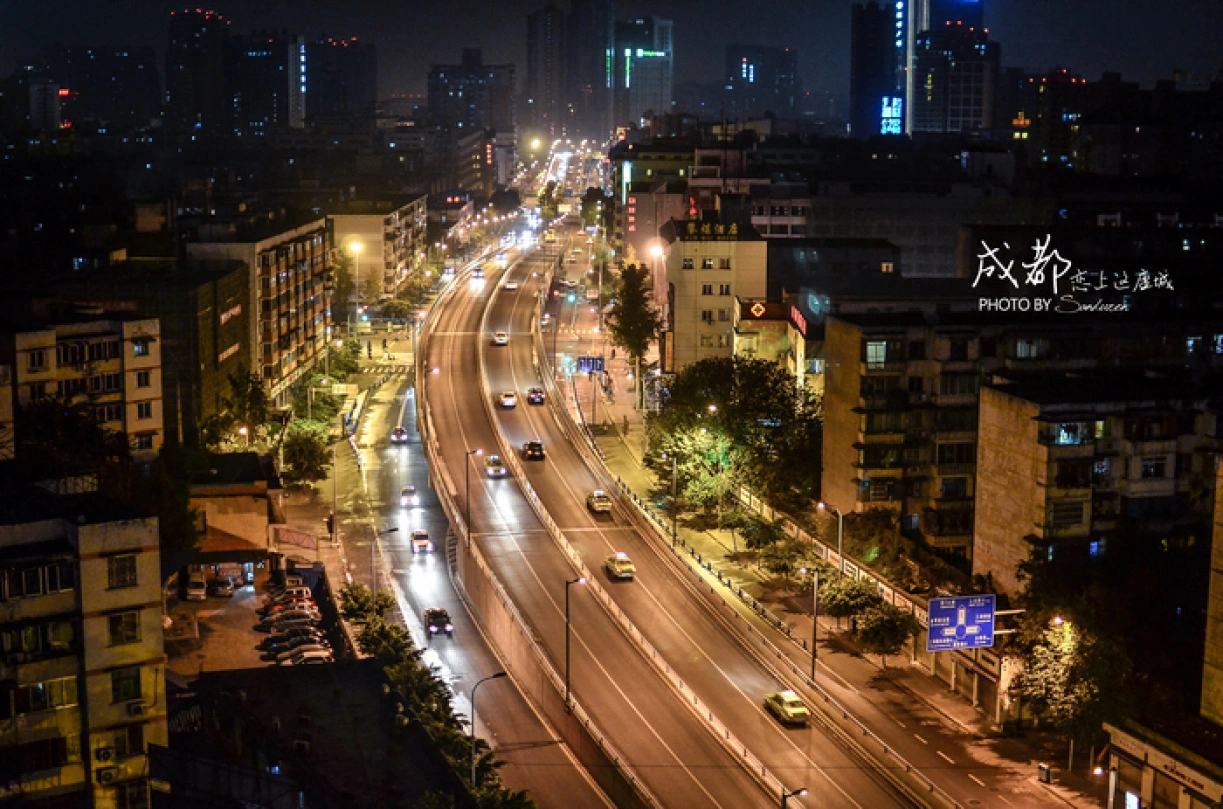
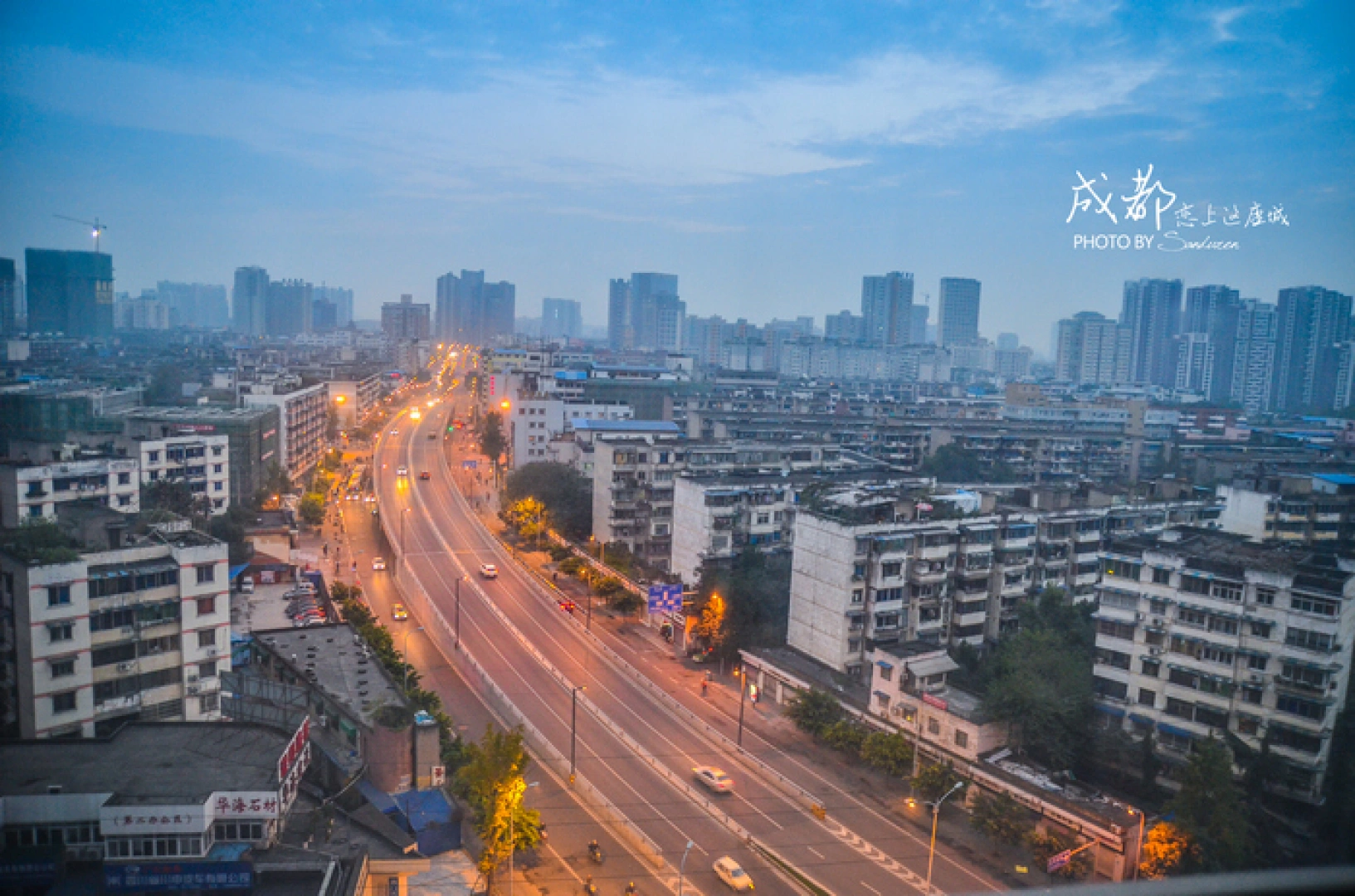
Chengdu's transport system revolves around three ring roads—First Ring, Second Ring, and Third Ring—each divided into eastern, southern, western, and northern sections. For example, our hotel, the Kaibin Hotel (Jiayuan branch), was on "First Ring Road, Western Section 3." This naming system seems complicated at first, but once you get it, you can easily find your way. Remember: When asking for directions in Chengdu, always specify which ring road section you're on.
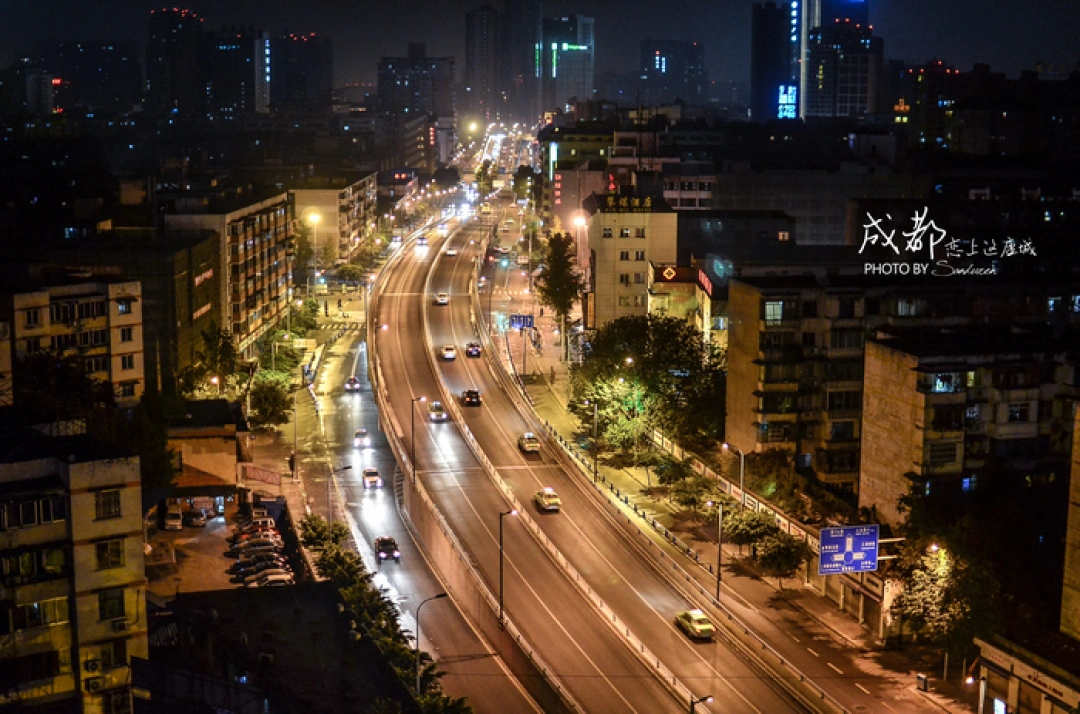
Our taxi from Shuangliu Airport cost about 70 RMB—though we later realized the driver took a detour, since a ride from Tianfu Square to the same area would cost less. Standing at the hotel window, watching the endless traffic on the First Ring Road below, a strange excitement welled up inside me: This is Chengdu—the city mentioned over and over in travelogues and food documentaries. I had finally arrived.
[Link: How to choose the best hotel in Chengdu's city center]
Day 1: From Taoist Temple to Alleys, From History to Everyday Life
Qingyang Palace: Morning Tranquility and Taoist Culture
At 7:30 AM, the sky over Chengdu still carried a hazy sleepiness—it gets light later than Shanghai, and dark later too. Our first stop was Qingyang Palace (Green Goat Temple), with an entrance fee of just 10 RMB. Known as the "Number One Taoist Temple in Western Sichuan," it offers a serene morning experience.

In the early morning, Qingyang Palace was exceptionally quiet, with almost no tourists. Stepping inside, you're greeted by an atmosphere completely different from a Buddhist temple. What struck me most was the appearance of the Taoist monks: both men and women wore their hair in topknots, like characters straight out of a martial arts novel. This was my first close encounter with Taoist culture. Without a guide to explain things, it felt a bit dry, but just soaking in the peace and solemnity was enough to calm the mind.
Pro tip: If you're interested in Taoist culture, hiring a guide is highly recommended. As the saying goes, "How beautiful a scene is depends entirely on the guide's storytelling."
[Link: Top Taoist temples to visit in Chengdu]
Kuanzhai Alley: Chengdu's Blend of Old and New
From Qingyang Palace, we walked to Kuanzhai Alley (Wide and Narrow Alleys), about 1.5 kilometers. The streets of Chengdu are lined with green trees, and the river water shimmered with a faint green hue, making you want to slow down.
Kuanzhai Alley is famous, but to be honest, it feels more like a carefully crafted "tourist product"—a mix of 45 late-Qing and early-Republican buildings combined with modern architecture, completed only in 2008. While it lacks some authentic historical flavor, the blend of old and new still has its charm.
Here, I did something I never thought I'd do—get my ears cleaned. 30 RMB for a session. A professional ear cleaner, wearing a headlamp, used various tools to "clean house" inside my ears. The sensation of earwax being scraped out and then removed with fine tweezers was both satisfying and thrilling. But doing it in a busy alley, with tourists constantly brushing past—I still get a bit nervous thinking about it.
Food recommendations: I tried fish-flavored tofu (spicy enough to make you question your life choices), pineapple rice (20 RMB, mediocre), and a noodle dish similar to dandan mian (also painfully spicy). Kuanzhai Alley has a wide variety of snacks, but quality varies a lot. I'd suggest looking around before you buy.
[Link: Best street food in Kuanzhai Alley]
Wuhou Shrine and Jinli: Three Kingdoms Culture and Street Life
Leaving Kuanzhai Alley, we bought tickets for Wuhou Shrine (60 RMB each) at a tourist bus stop near the exit. The ticket included free transport to the site.
Wuhou Shrine is China's only temple dedicated to both a ruler and his minister, honoring Liu Bei and Zhuge Liang. It's also the largest museum of Three Kingdoms relics in the country. Unfortunately, we didn't hire a guide—guides in Chengdu no longer use loudspeakers; instead, they give each visitor an earpiece for quiet commentary. As "independent tourists," we could only watch them gesture and explain while we remained clueless.
Still, the scenery at Wuhou Shrine was impressive. At the entrance, a beam of light streamed down from above, as if piercing through time, instantly immersing you in the world of the Three Kingdoms.
Jinli (Jinli Ancient Street) is right next to Wuhou Shrine. Legend says it's the oldest street in Western Shu. The food here is far more abundant than at Kuanzhai Alley, and the crowds are thicker. I tried beef jiao bing (crispy fried cake, 5 RMB each—crispy on the outside, soft inside, though I didn't actually taste any beef), ye'er ba (soft and sweet glutinous rice cakes), and various skewers soaked in chili oil—to be honest, I just looked and didn't dare try them.
The shop assistants at Jinli all wear late-Ming-style costumes, and the whole street is steeped in Three Kingdoms atmosphere. From the Zhuge repeating crossbow to Zhang Fei beef, every shop tells a story from that turbulent era.
[Link: Must-visit Three Kingdoms sites in Chengdu]
Tianfu Square and Chunxi Road: The "Minefield" of Commercial Streets
After visiting Wuhou Shrine, we took a taxi to Tianfu Square and Chunxi Road (about 10 RMB). And... we regretted it. These are just ordinary commercial streets, no different from Nanjing Road in Shanghai or People's Square. Unless you're specifically going to admire the beautiful women (Chengdu does have stunning women with amazing skin), I'd suggest skipping these places.
Day 2: A Group Tour Day—Pitfalls and Surprises
The Tour Trap: 280 RMB vs. 220 RMB
The night before, we picked up a flyer for a group tour from our hotel—every hotel has these, and people hand them out on the street too. We signed up for a tour at 280 RMB per person, covering tickets, transport, and lunch for Dujiangyan, Qingcheng Mountain, and Jiezi Ancient Town. Later, on the bus, we found out others had paid only 220 RMB for the exact same service.
Even more frustrating was the guide's terrible attitude. When she called to confirm our hotel address, I gave her the address from the hotel's customer service card. She didn't know it and snapped at me: "Ask the front desk!" The front desk gave me the same address, and the guide still didn't know it. Finally, she said angrily, "Give me the hotel's phone number—I'll call them myself!"
Lesson learned: Always compare prices before booking a group tour, and don't hesitate to negotiate.
[Link: How to avoid tour scams in Chengdu]
Dujiangyan: A Miracle of Hydraulic Engineering
At 6:50 AM, we waited for the bus near the hotel at a Texaco gas station. The sky over Chengdu was still dark—7 AM felt like 5 AM in Shanghai. But the destination was worth the early start.
Dujiangyan is an ancient irrigation system built over 2,000 years ago, still in use today. It's a UNESCO World Heritage site and a masterpiece of hydraulic engineering. The system diverts water from the Min River without the use of dams or locks, relying on natural forces and clever design. Walking along the riverbanks, you can see the Fish Mouth Levee splitting the river into inner and outer channels, the Flying Sand Weir controlling sediment, and the Bottle-Neck Channel regulating flow.
Our guide rushed us through, but even a quick visit left me in awe of ancient Chinese ingenuity. If you're a history or engineering buff, I recommend spending at least half a day here.
Qingcheng Mountain: A Taoist Retreat
After Dujiangyan, we headed to Qingcheng Mountain, one of the birthplaces of Taoism. The mountain is divided into Front Mountain (more touristy, with temples and cable cars) and Back Mountain (more natural, with hiking trails). Our tour took us to Front Mountain, and the cable car ride up was breathtaking—green peaks, misty valleys, and ancient temples clinging to cliffs.
The main temple, Jianfu Palace, dates back to the Tang Dynasty. Inside, Taoist monks in traditional robes chanted and burned incense. The atmosphere was serene, a stark contrast to the chaos of the city below. If you have time, consider staying overnight at one of the mountain guesthouses for a truly immersive Taoist experience.
Jiezi Ancient Town: A Hidden Gem
Our final stop was Jiezi Ancient Town, a well-preserved Qing Dynasty town with cobblestone streets, wooden houses, and a peaceful canal running through it. Unlike the commercialized Kuanzhai Alley, Jiezi feels authentic and lived-in. We wandered through the narrow alleys, stopped for a bowl of dan dan mian (15 RMB), and watched locals playing mahjong by the water.
Tip: Jiezi is less crowded than Jinli or Kuanzhai Alley, making it a great place to experience Chengdu's slow life without the tourist crush.
Day 3: Panda Paradise and Hotpot Heaven
Chengdu Research Base of Giant Panda Breeding: A Morning with Pandas
No trip to Chengdu is complete without seeing giant pandas. We visited the Chengdu Research Base of Giant Panda Breeding, about 30 minutes from the city center. The entrance fee is 55 RMB, and we arrived at 8 AM to catch the pandas during their most active feeding time.
The base is home to over 100 pandas, including red pandas. Watching them munch on bamboo, roll around, and nap in trees is pure joy. The Panda Nursery is a highlight—baby pandas in incubators, looking like fluffy black-and-white marshmallows.
Pro tip: Visit early (before 10 AM) to avoid crowds and see pandas at their most active. Also, don't miss the Moonlight Delivery Room, where newborn pandas are cared for.
[Link: Best time to visit Chengdu Panda Base]
Hotpot: The Ultimate Chengdu Experience
That evening, we had our first Chengdu hotpot at a local spot recommended by our hotel. We ordered the nine-grid pot (a traditional Chengdu style with different compartments for different ingredients), and the broth was bubbling with red chili oil, Sichuan peppercorns, and aromatics.
We dipped beef tripe, duck blood, tofu skin, and lotus root into the spicy broth, then into a bowl of sesame oil with garlic and cilantro. The combination of numbing and spicy flavors is addictive—I can see why Chengdu locals eat hotpot year-round, even in the summer heat.
Cost: About 120 RMB per person, including drinks and plenty of ingredients.
Day 4: Tea Houses and Sichuan Opera
People's Park: Chengdu's Living Room
On our fourth day, we visited People's Park, the heart of Chengdu's social life. The park is free to enter and filled with locals practicing tai chi, dancing, playing chess, and—most importantly—drinking tea at the He Ming Tea House (the oldest in Chengdu).
We ordered a pot of jasmine tea (20 RMB) and sat by the lake, watching the world go by. An elderly man approached us with a bamboo stick and offered to do a "ear cleaning" (15 RMB). Feeling adventurous, I agreed—it was even more relaxing than the one at Kuanzhai Alley, with the sounds of birds and water in the background.
Sichuan Opera: A Cultural Spectacle
That evening, we attended a Sichuan Opera performance at the Shufeng Yayun Teahouse (tickets: 180 RMB each). The show included face-changing (bian lian), fire-spitting, puppet shows, and acrobatics. The highlight was the face-changing performance, where performers change masks in the blink of an eye—a skill that remains a closely guarded secret.
Tip: Book tickets in advance, as shows often sell out.
Day 5: Farewell to the Lazy City
Last-Minute Souvenirs and a Final Meal
On our last day, we strolled through Jinli Ancient Street one more time to pick up souvenirs: panda plushies, Sichuan peppercorns, and a bottle of Luzhou Laojiao (a famous Sichuan baijiu). For lunch, we had mapo tofu and kung pao chicken at a local restaurant—both dishes were perfectly balanced between numbing and spicy.
Departure: A Bittersweet Goodbye
Our flight left at 2 AM, so we spent the evening at a tea house near the airport, sipping bamboo-leaf green tea and reflecting on our trip. As the plane took off, I looked down at the twinkling lights of Chengdu and felt a pang of sadness. This city had captured my heart with its slow pace, friendly people, and incredible food.
Frequently Asked Questions (FAQ)
1. What is the best time to visit Chengdu?
The best times are spring (March–May) and autumn (September–November), when the weather is mild and pleasant. Summer can be hot and humid, while winter is cold but less crowded.
2. How many days do I need in Chengdu?
 Five days is ideal for a relaxed trip covering the main attractions: pandas, historical sites, local food, and cultural experiences. If you're short on time, a 3-day itinerary can cover the highlights.
3. Is Chengdu expensive for tourists?
Chengdu is relatively affordable. Budget travelers can manage on 400–600 RMB per day (including accommodation, food, and transport). Mid-range travelers can expect 800–1,200 RMB per day.
4. What are the must-try dishes in Chengdu?
Don't miss hotpot, dan dan mian, mapo tofu, kung pao chicken, chuan chuan (skewers), and fuqi feipian (beef offal in chili sauce). For dessert, try bingfen (ice jelly) or longchaoshou (dumplings in chili oil).
5. How do I get around Chengdu?
Chengdu has an excellent metro system (cheap and efficient), as well as taxis and ride-hailing apps like Didi. For day trips to Dujiangyan or Qingcheng Mountain, consider a group tour or renting a car.
Final Verdict: Why Chengdu Will Make You Fall in Love with Slow Living
Chengdu is not just a city—it's a state of mind. It's a place where you can spend an entire afternoon in a tea house, watch pandas roll around, and eat hotpot until your lips go numb. It's a city that embraces leisure, community, and simple pleasures.
If you're tired of the hustle and bustle of modern life, if you need a break from deadlines and emails, Chengdu is waiting for you. It will teach you the art of slowing down, of savoring each moment, of finding joy in the ordinary.
So what are you waiting for? Book your flight, pack your bags, and come experience the "lazy city" for yourself. Trust me—you won't regret it.
Have you been to Chengdu? Share your favorite memory in the comments below! And if you found this guide helpful, don't forget to share it with your travel buddies.
You may also like


