Chasing Light in Western Sichuan: The Ultimate Guide to Capturing Snowy Peak Sunsets Near Chengdu
Meta Description: Discover Western Sichuan's most photogenic light and shadow show. From Siding Co's golden hour to Tagong Grassland's sacred peaks, this guide reveals how to capture the ultimate romance of plateau sunsets—just hours from Chengdu.
Some say those who haven't visited Western Sichuan don't have the right to talk about travel. At first, I dismissed this as exaggeration—until I actually set foot on this land and understood the weight of those words. The magic of Western Sichuan travel lies in how it unapologetically blends snow-capped mountains, grasslands, temples, and starry skies into a single canvas. In just a few days, you experience the extreme shift from city to wilderness, from noise to silence.
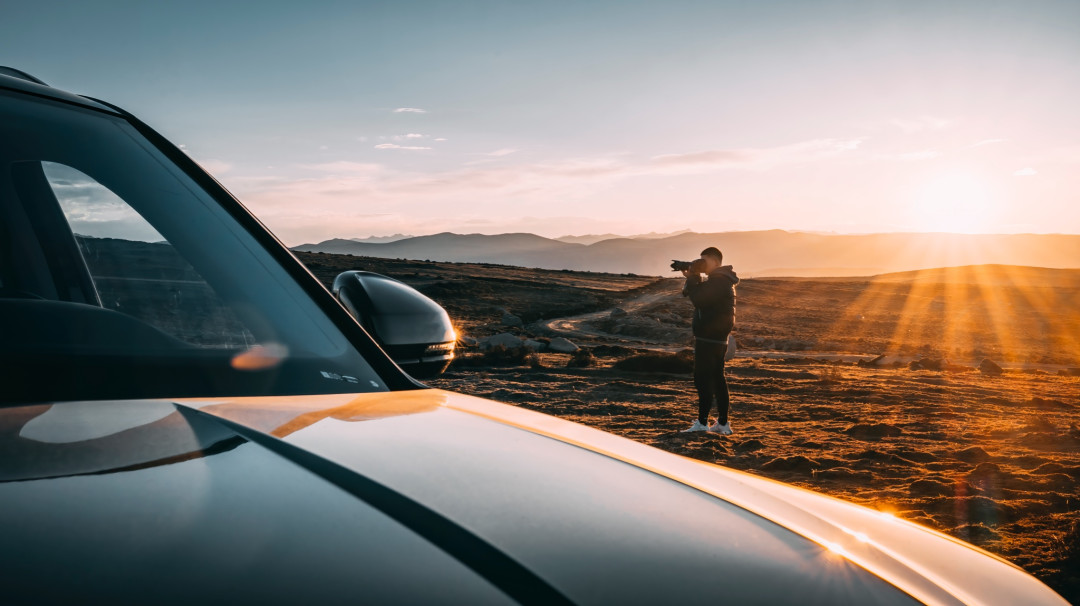
My chosen method? Chasing light in Western Sichuan—pursuing the last rays of sunset that grace the mountain peaks, chasing the infinite possibilities of light and shadow shifting across the plateau. Every time I set out, I never knew what I would encounter. The weather is unpredictable; reconnaissance trips might end in vain. But it's precisely this uncertainty that makes every arrival feel ceremonial. In the face of nature, we are ultimately small, yet we small beings can still possess the courage to gaze upon the snow mountains.
Departure: From Chengdu to the Plateau—A Prelude of Light and Shadow
In late May, I chose to travel off-peak. No deliberate early rising—I packed my bags leisurely and set out from Chengdu at noon. After three-plus hours on the expressway, passing through Ya'an, I entered a series of tunnels. The ambient lighting in the car automatically turned on in the darkness, creating a futuristic, cyberpunk-like atmosphere, as if reminding me: you've left the ordinary behind and are heading into an unknown adventure.
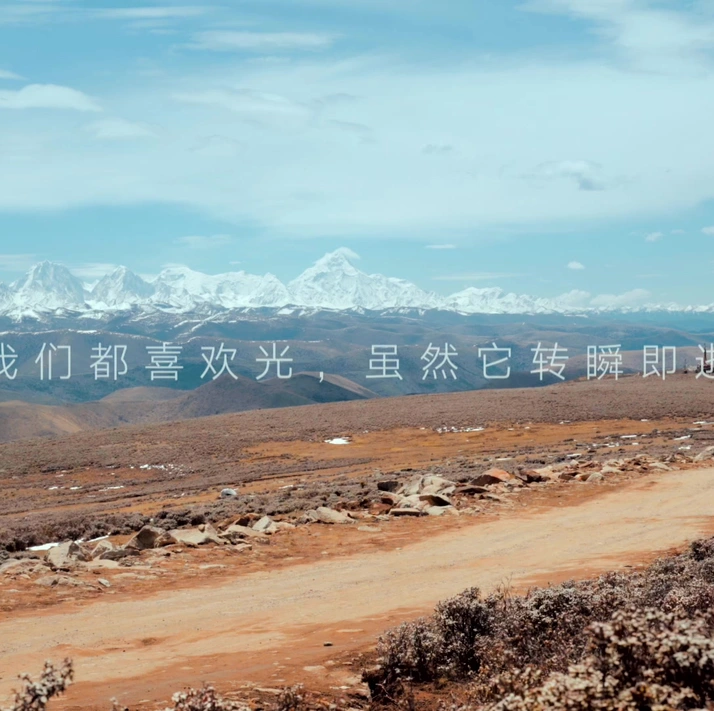
Upon arriving in Kangding, I originally planned to take Provincial Road 434 straight to Tagong, but due to road closures, I had to detour onto National Highway 318 and cross Zheduo Mountain, the "First Pass of Kham." I didn't stop at the summit—I knew there were better views waiting ahead.
[Link: Kangding travel guide]
Siding Co: A High-Altitude Theater of Light and Shadow on the Plateau
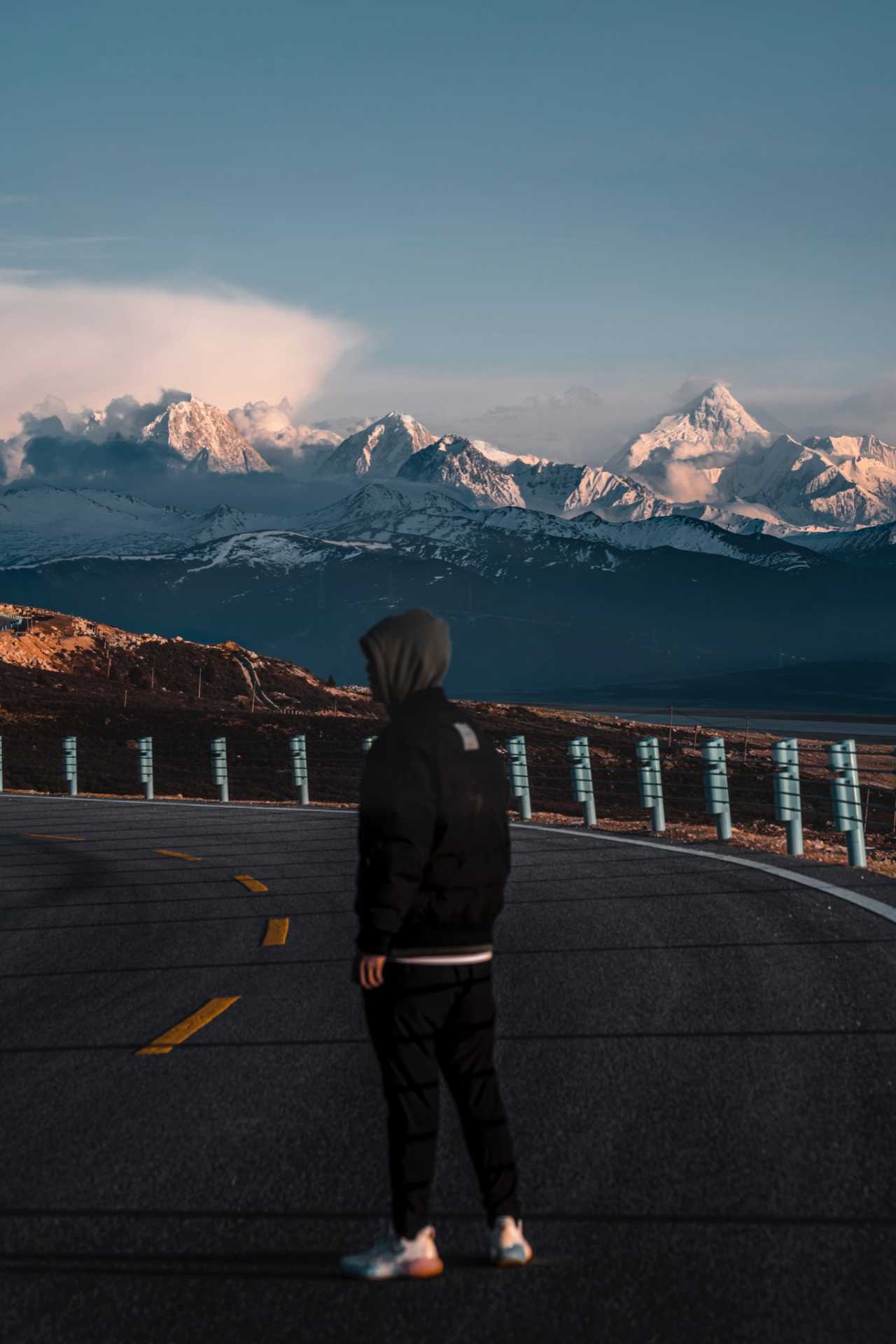
At the first fork after descending Zheduo Pass, I turned toward Kangding Airport. Here lies a rainbow-colored road where you can snap iconic highway shots from the parking area. But the real treasure is hidden beside the airport: Siding Co (Siding Lake) —a high-altitude alpine meadow at 4,260 meters, untouched and wild, known as the "Pearl of the Kham Plateau."
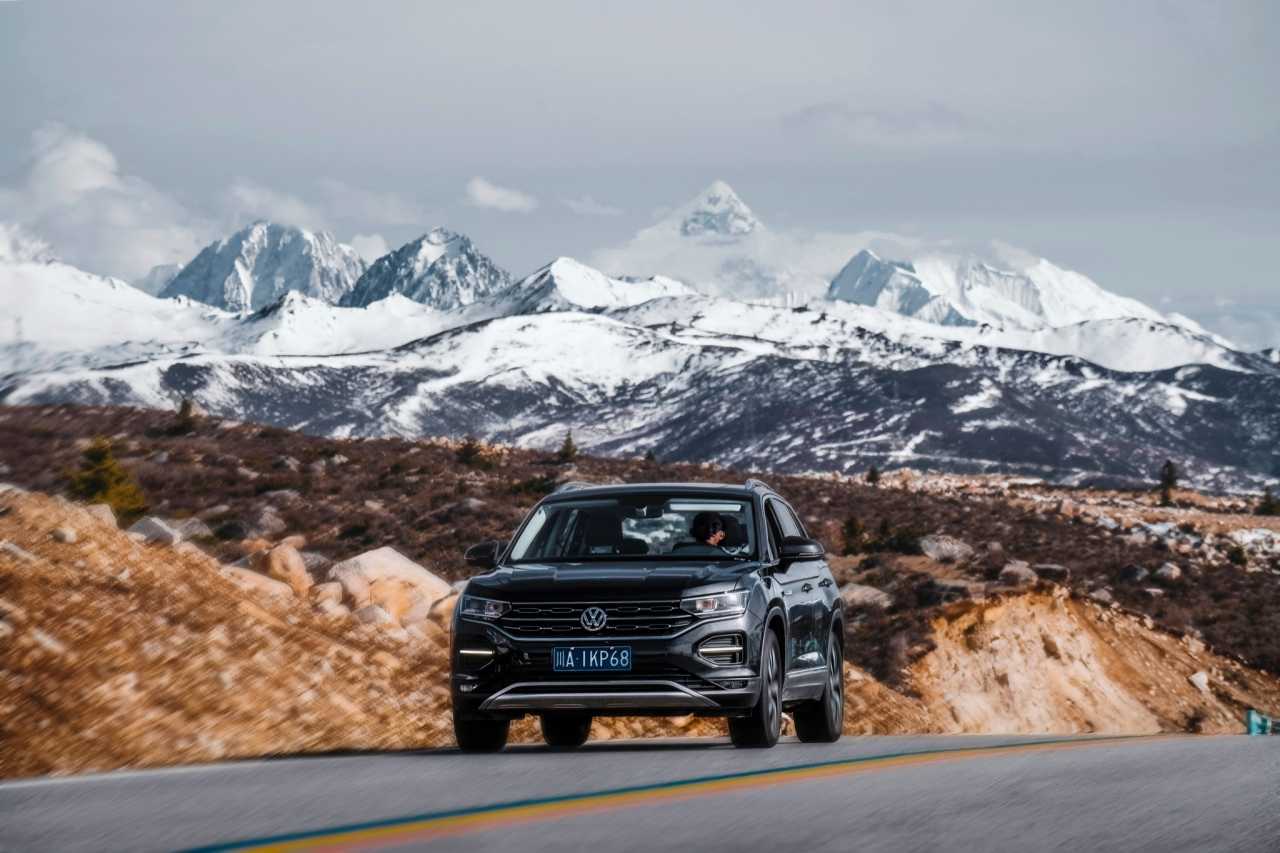
Siding Co isn't famous, but its charm is undeniable. Standing at the summit and looking down, you see dark-hued stone forests in the foreground, rolling grasslands stretching into the distance, and snow-capped mountains on the horizon. To the north, Yala Mountain; to the south, Gongga (Minya Konka); to the east, sunrise; to the west, sunset. At dusk, the slanting rays of the setting sun turn the clouds into a palette, colors shifting as time slips away, until the last golden glow touches the snowy peaks.
How to Photograph Siding Co Sunset
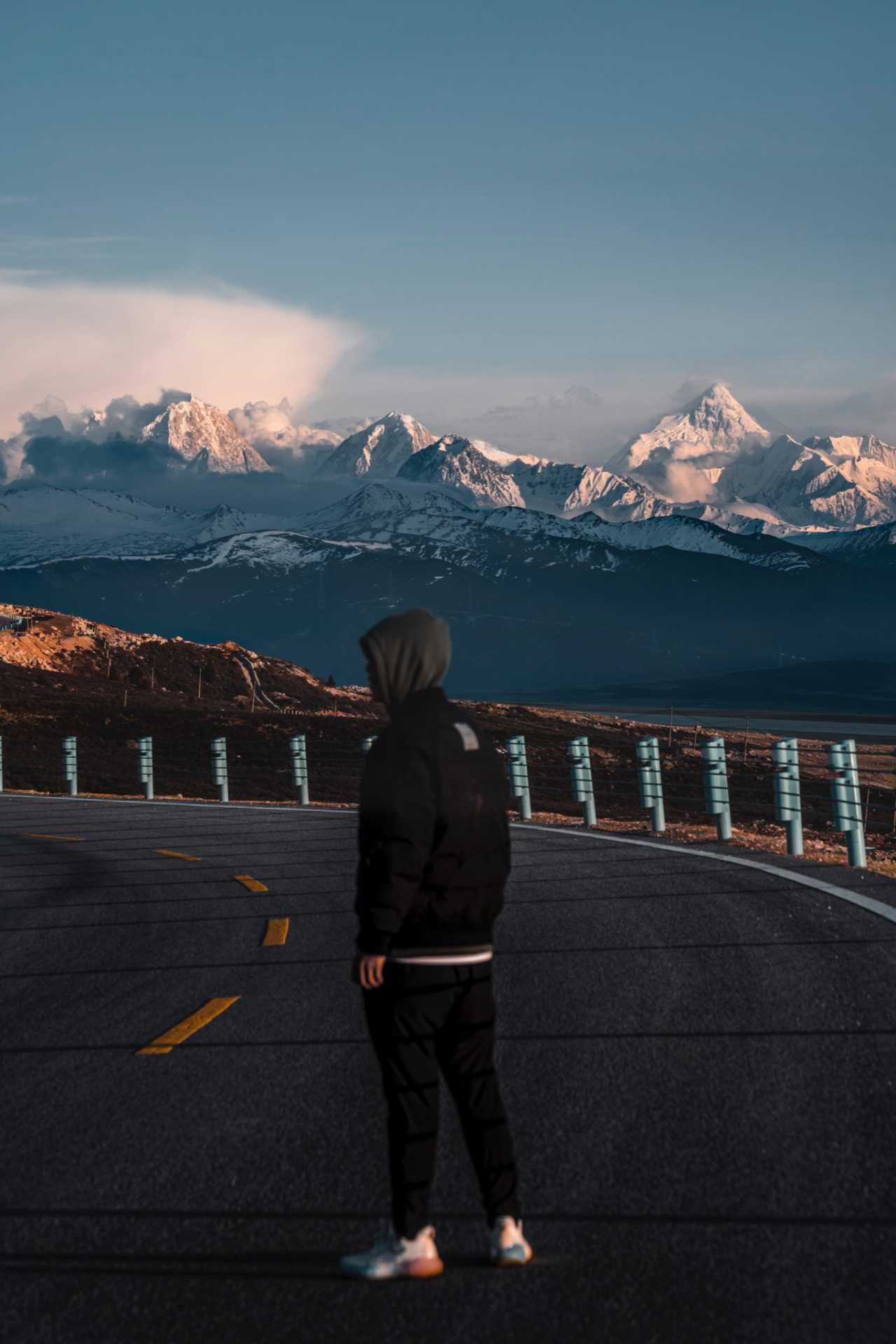
The final stretch to Siding Co is unpaved, with loose gravel—be extra careful when reversing. But once you arrive, you'll know it was all worth it. In May, sunset comes around 7 p.m., so it's best to arrive an hour early to scout the terrain and find your spot. The golden light of sunset lasts only a fleeting moment.
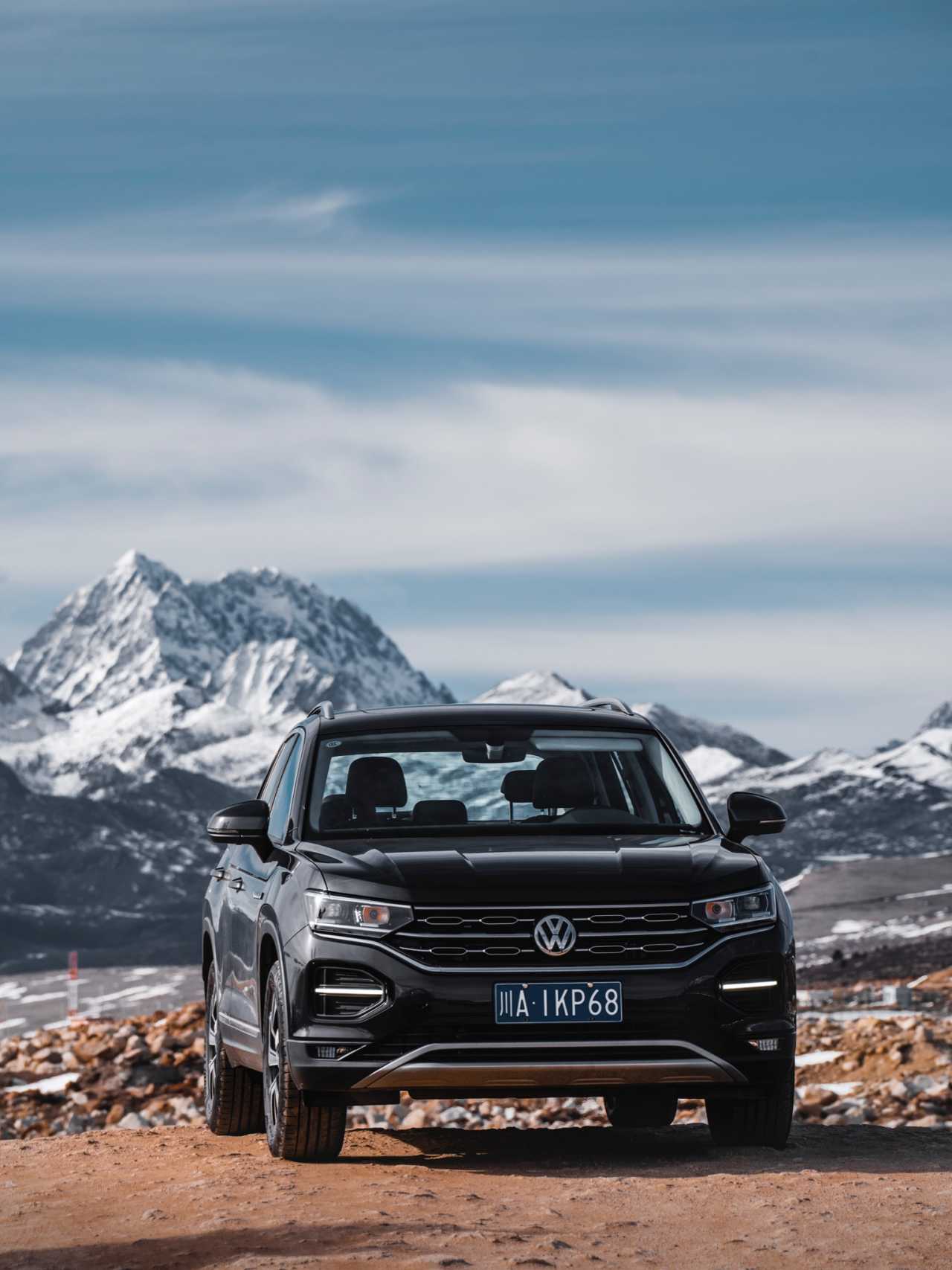
When the last backlight is blocked by the mountains, the warmth of the sun disappears from where we stand, but the main snowy peak still stands proudly. The sky keeps changing colors, breathtakingly beautiful. At that moment, it felt like a grand musical—every direction competing for attention, leaving you unsure which way to look without missing something.
Sitting in the car, listening to fitting music, watching the feast of light and shadow brought by the sunset—crimson sunset clouds burning against the azure sky, evening breeze gently blowing, colorful clouds gathering and dispersing. This is nature's gift to us. When the last daylight fades, the stars come rushing in to join the party, like the final encore of a concert, leaving the audience content and joyful as they depart.
[Link: Best photography spots in Garze]
Tagong Grassland: The Land Beloved by Buddhas

"Tagong" in Tibetan means "the place most beloved by Buddhas." At 3,730 meters above sea level, it's the most famous grassland in Garze Prefecture. Meadows, snow mountains, rivers, forests, high peaks, temples, Tibetan houses, and rich local culture intertwine to form the most moving landscape of the Tibetan plateau.
After crossing Zheduo Mountain, I almost never take National Highway 318, opting instead for Provincial Road 434 toward Tagong. Along the way, if the weather cooperates, you can see an unbroken chain of snow mountains—the Gongga Range, Yala Mountain, and Qingrao Sacred Mountain—all laid bare for pilgrims to behold. Behind the Muyagolden Stupa, Yala and Qingrao Mountains blend with the grassland, making Tagong Plains especially beautiful under the blue sky and white clouds.
Hidden Gems of Tagong: Gunong Village and Balangshengdu
But what truly made me fall in love with Tagong wasn't these grand vistas—it was the small villages hidden along the country roads. Leaving the main highway and heading toward Gunong Village, you'll find reasons to linger for a long time: a direct view of Yala Mountain, grasslands dotted with yaks, a babbling stream, and birdsong. Park your car by the river, don't rush—slow down and soak it all in. Open the door, listen to nature's white noise, and in this healing scene, you feel like you've stepped into a dream.
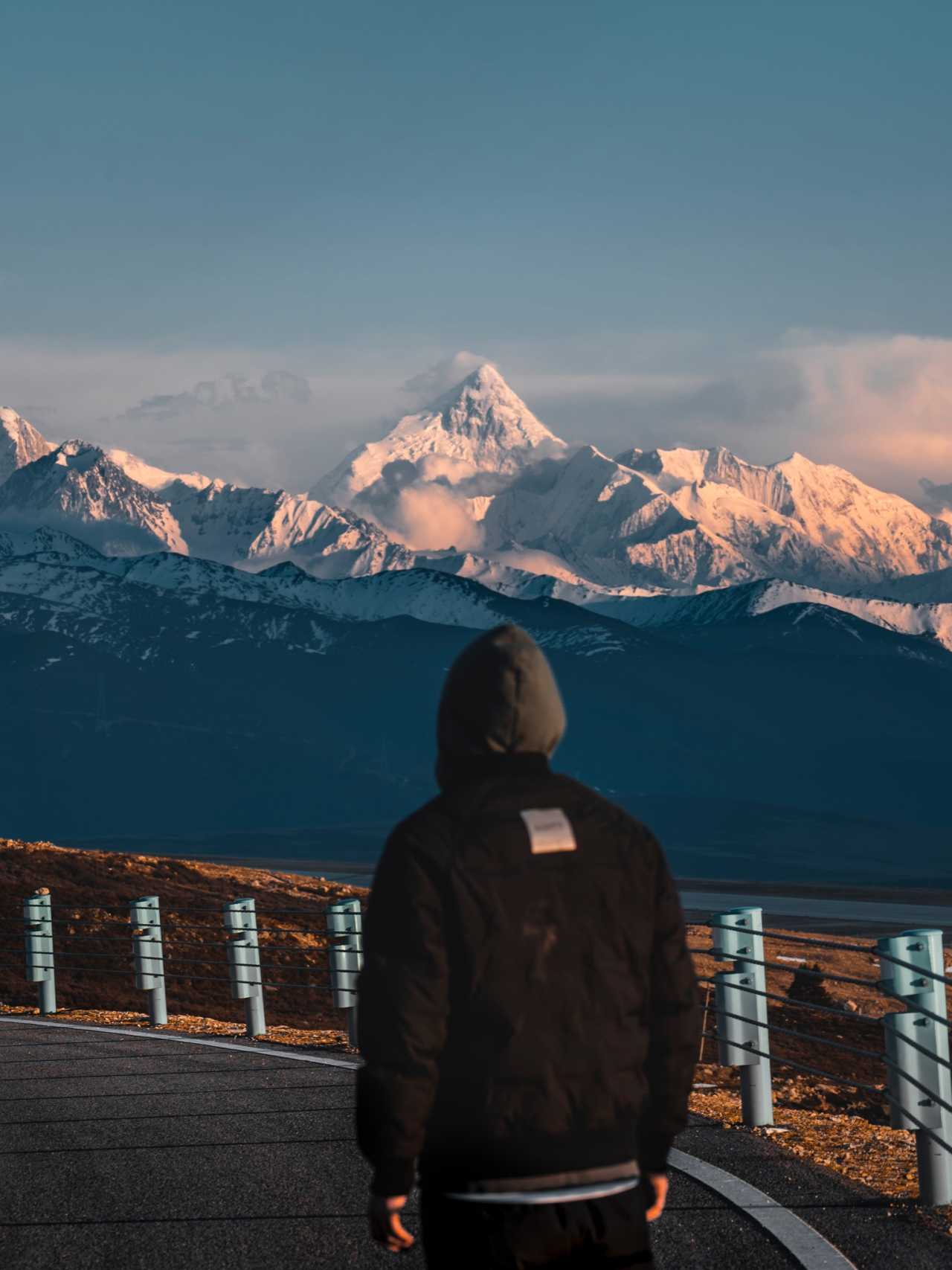
Further in, a few kilometers from Gunong Village, Balangshengdu Village boasts a 360-degree viewing platform. The villagers here are still building but warmly welcome visitors. Tagong's beauty lies in these small villages—they lack the traffic of the main roads and remain unknown to most tourists, like scattered stars, unassuming yet steadfast. Only by experiencing them firsthand can you understand their idyllic charm.
[Link: Tagong Grassland itinerary]
Yunrao Yala Pass: The Viewpoint Closest to Yala Mountain
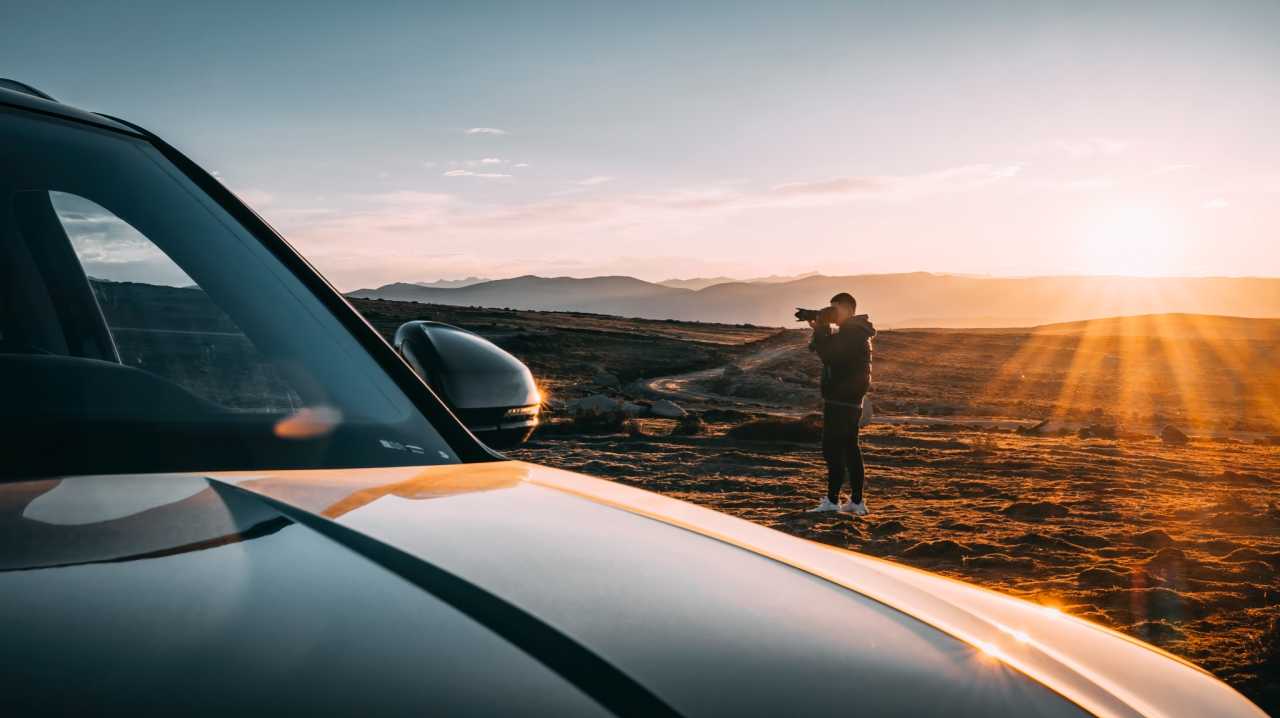
In Tagong, there's another must-recommend spot: the Yunrao Yala Pass. This viewpoint is the closest pass to Yala Mountain—even closer than Zimei Pass is to Gongga. Standing on the pass, Yala feels within arm's reach, its ten-thousand-year-old glaciers clinging to the summit, creating an awe-inspiring illusion of tangibility. From here, you can also see both Yala and Gongga Mountains. At dusk, you can witness the "golden mountain" effect, with clouds often swirling through the valley.
How to Reach Yunrao Yala
To reach Yunrao Yala, you must first pass through Muyag (Minyag) Monastery. "Minyag" is an ancient name, significant in Tibetan history and the Epic of King Gesar. Muyag Monastery comprises a nunnery, a monastery, a Buddhist academy, and a Tibetan medical college, making it the second-largest Buddhist sacred site in Garze after the Larung Gar Five Sciences Buddhist Academy in Sertar. Nearby Jiagunong Village, with its layout similar to Sertar, is called "Little Sertar."
From behind Gerima Village, the road is entirely unpaved. This season, some sections are muddy from melting snow; in winter, they freeze over. Along the way, you'll see almost no other vehicles—yet I happened to meet two travelers driving the same model car as mine. Fate works in mysterious ways.
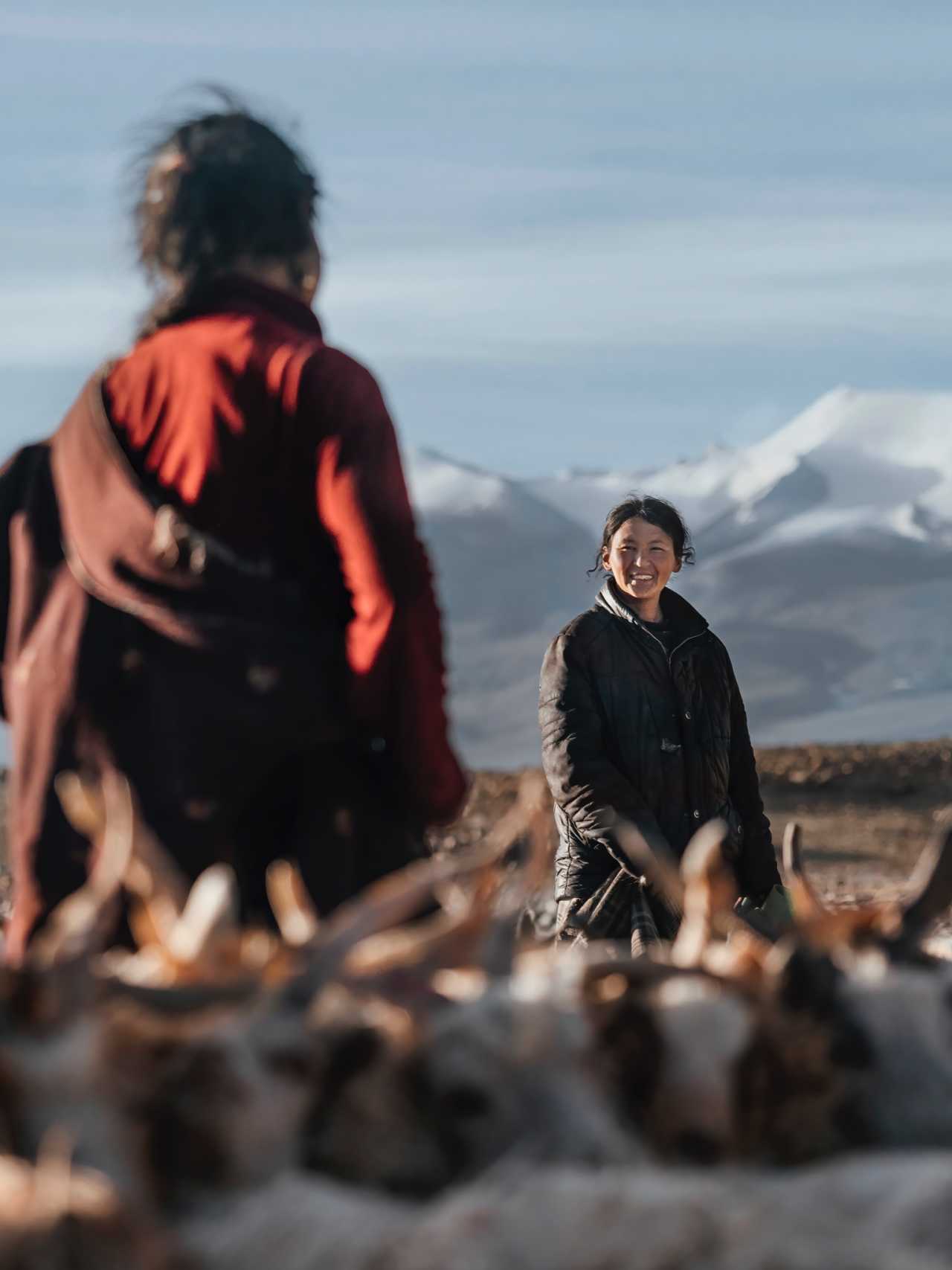
Upon reaching the pass, we found Tibetan friends who live there permanently, spending their days digging for Cordyceps (caterpillar fungus) on the mountain. In their free time, they sit together drinking, chatting, and basking in the sun. They warmly invited us to join them, but thinking about the treacherous road back, we declined—fearing the danger of descending after dark. Honestly, I just can't hold my liquor.
Besides the endless snow mountains, there are several alpine lakes (haizi) here. According to the locals, there's also a natural hot spring at the foot of the mountain behind the pass, which they occasionally visit for a soak. This peaceful way of life feels especially precious at the foot of the snow mountains.
[Link: Yala Mountain hiking guide]
Black Rock City: When Chasing Light Fails, but Something More Precious Awaits
Black Rock City (Heishicheng) , located in the Gao'er Temple Mountain area, offers a different kind of beauty. While my primary goal was to capture sunset light here, the weather had other plans. Clouds rolled in, obscuring the peaks, and the golden hour never materialized.
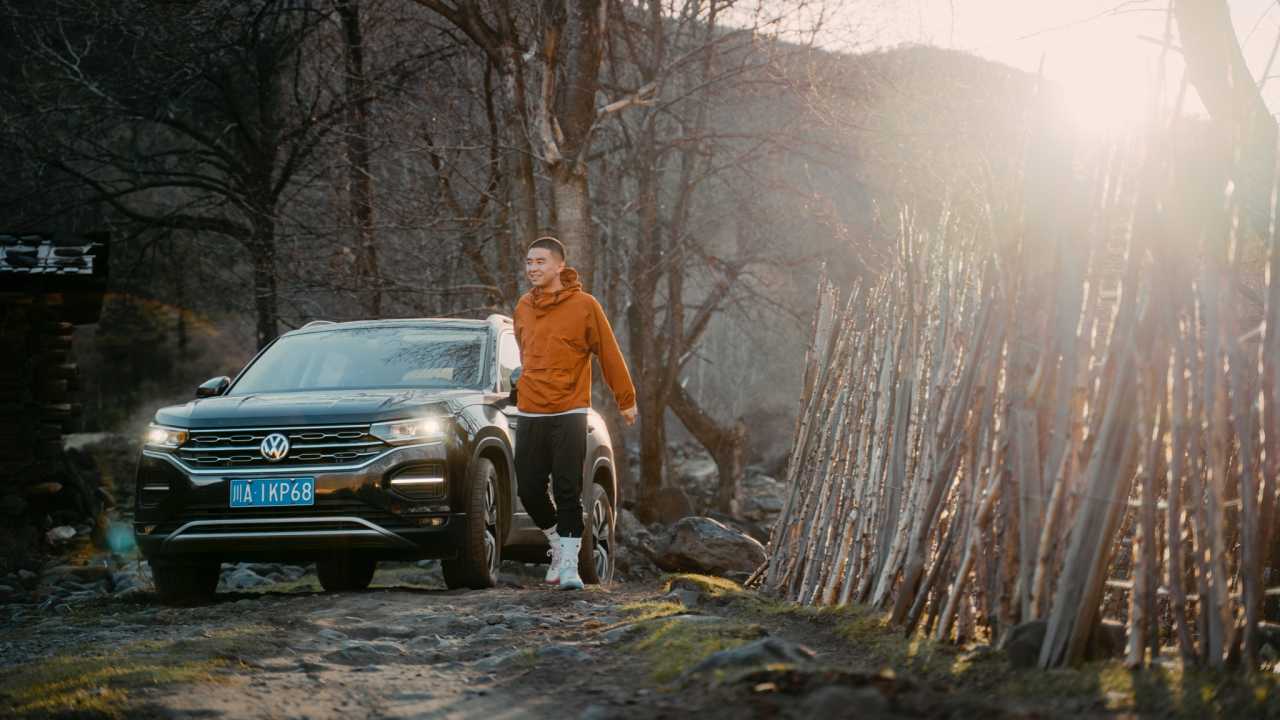
But here's the lesson of chasing light in Western Sichuan: sometimes the best experiences come when your plans fail. Instead of a perfect sunset, I found solitude, the sound of wind rustling through ancient rock formations, and a perspective shift. The dark volcanic rocks against the moody sky created a dramatic, almost otherworldly landscape—one that no golden-hour photo could replicate.
This is the true romance of Western Sichuan light and shadow photography: it's not about capturing the perfect shot, but about being present for whatever the plateau offers you.
[Link: Alternative Western Sichuan photography locations]
Western Sichuan Travel Tips for Photographers

- Best time for golden hour: May through October, with sunset between 7-8 PM
- Vehicle requirements: High-clearance vehicle recommended for unpaved roads to Siding Co and Yunrao Yala
- Altitude preparation: Most spots sit above 3,700 meters—acclimatize in Kangding (2,560m) first
- Photography gear: Wide-angle lens for landscapes, telephoto for snow mountain details, tripod for long exposures
- Weather awareness: Plateau weather changes rapidly—check forecasts and carry warm layers
FAQ: Chasing Light in Western Sichuan
Q: How far is Western Sichuan from Chengdu? A: Kangding, the gateway to Western Sichuan, is about 3.5 hours by car from Chengdu. Tagong Grassland is another 2 hours beyond Kangding.
Q: What is the best time of year for snow mountain photography in Western Sichuan? A: Late May to early June offers stable weather, blooming meadows, and long daylight hours. Autumn (September-October) provides crisp air and golden grasslands.

Q: Do I need a 4WD vehicle for these locations? A: For Siding Co and Yunrao Yala Pass, a high-clearance vehicle is strongly recommended. The final stretches are unpaved with loose gravel and occasional mud.
Q: How do I avoid altitude sickness in Western Sichuan? A: Spend your first night in Kangding (2,560m) to acclimatize. Stay hydrated, avoid alcohol, and consider taking acetazolamide (Diamox) after consulting your doctor.
Q: Can I visit these spots independently without a guide? A: Yes, all locations mentioned are accessible by public roads. However, having offline maps and GPS is essential, as mobile signals are unreliable in remote areas.
Your Western Sichuan Light-Chasing Adventure Awaits
The beauty of Western Sichuan photography isn't just in the images you capture—it's in the journey itself. From the cyberpunk tunnels leaving Chengdu to the star-filled skies above Siding Co, every moment offers a chance to witness the plateau's ever-changing light show.
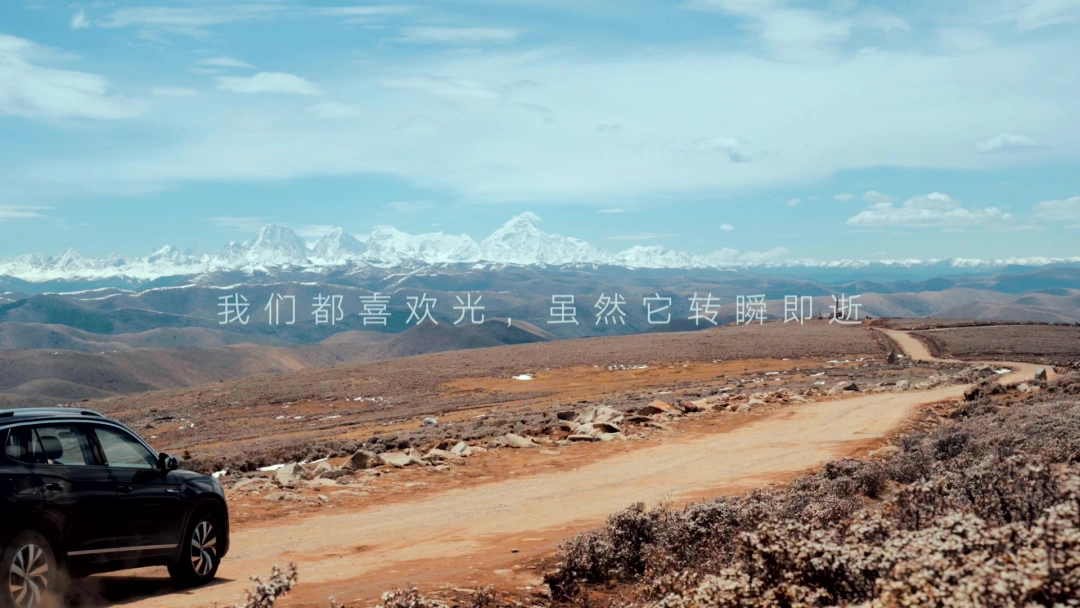
Whether you're a seasoned photographer or a casual traveler seeking the ultimate romance of light and shadow, Western Sichuan delivers. The snow peaks nearest the city are calling—and their golden-hour glow is waiting for you.
Ready to chase the light? Pack your camera, fill your gas tank, and point your wheels toward the plateau. The mountains are waiting to reveal their secrets—one sunset at a time.
Have you chased light in Western Sichuan? Share your favorite photography spots in the comments below, or tag us in your golden-hour shots on social media.
You may also like


