Beyond the Tourist Trail: Unlocking Western Sichuan’s Hidden Gems on a 4-Day Road Trip
Meta Description: Discover Western Sichuan's hidden gems on a 4-day road trip from Chengdu. Explore Jinchuan County, Changdu Monastery, Akori Prairie, and Lixi Sacred Lake—off the beaten path.
Every road trip enthusiast dreams of the moment when the tires meet the asphalt and the horizon stretches endlessly ahead. For those with a restless soul, the rugged landscapes of Western Sichuan offer more than just scenery—they offer a pilgrimage into the heart of China’s most dramatic topography. As a native of Sichuan, I can say without hesitation: we are spoiled.
Western Sichuan is a land where the Tibetan Plateau meets the Sichuan Basin, a collision of tectonic plates that has birthed some of the most breathtaking—and least commercialized—landscapes in the country. While many travelers flock to well-trodden spots like Jiuzhaigou or Yading, a hidden paradise lies just 400 kilometers from Chengdu, in Jinchuan County. Here, within the folds of the 317 National Highway corridor, you’ll find a world of ancient forests, alpine lakes, and a monastery that feels like a portal to another era.
Join me and my partner—a photographer duo who have spent years chasing light and stories—as we take you on a four-day journey through Jinchuan’s best-kept secrets. This is not your typical tourist itinerary. This is a deep dive into a land where every turn reveals a new wonder.
The Road Less Traveled: Your 4-Day Western Sichuan Road Trip Itinerary
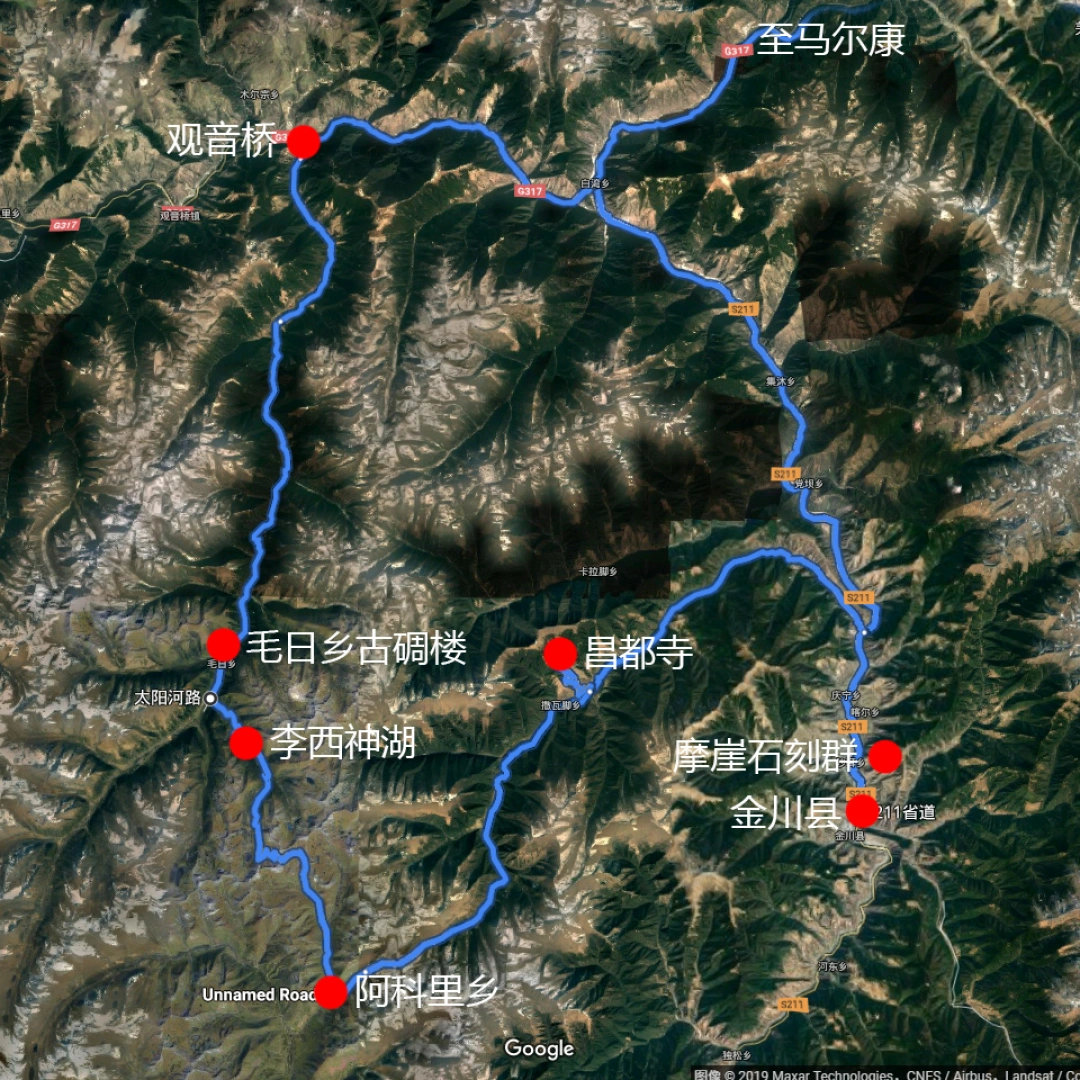
Day 1: Chengdu → Jinchuan County → Cliffside Rock Carvings → Changdu Monastery
Day 2: Full day at Changdu Monastery
Day 3: Changdu Monastery → Akori Prairie → Lixi Sacred Lake → Maori Ancient Watchtowers → Guanyinqiao
Day 4: Guanyinqiao → Chengdu
Jinchuan County: The Jiangnan of Aba
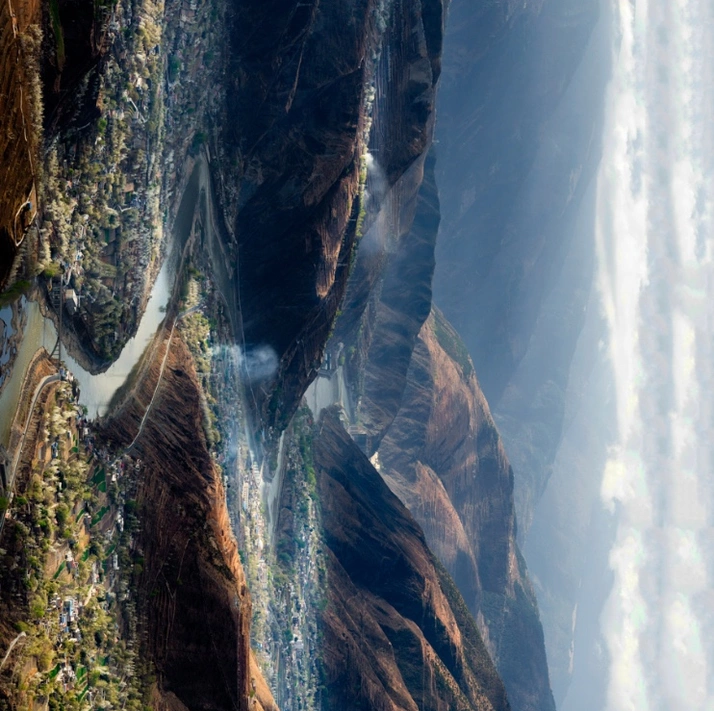
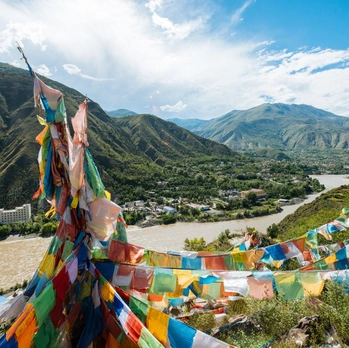
The drive from Chengdu westward is a masterclass in elevation gain. In just six hours, you ascend from the humid plains into the dry, crisp air of the upper Dadu River valley. This is Jinchuan—often called the “Jiangnan of Aba” for its fertile riverbanks and mild climate, a nickname that evokes the lush, water-rich landscapes of China’s famous Jiangnan region south of the Yangtze.
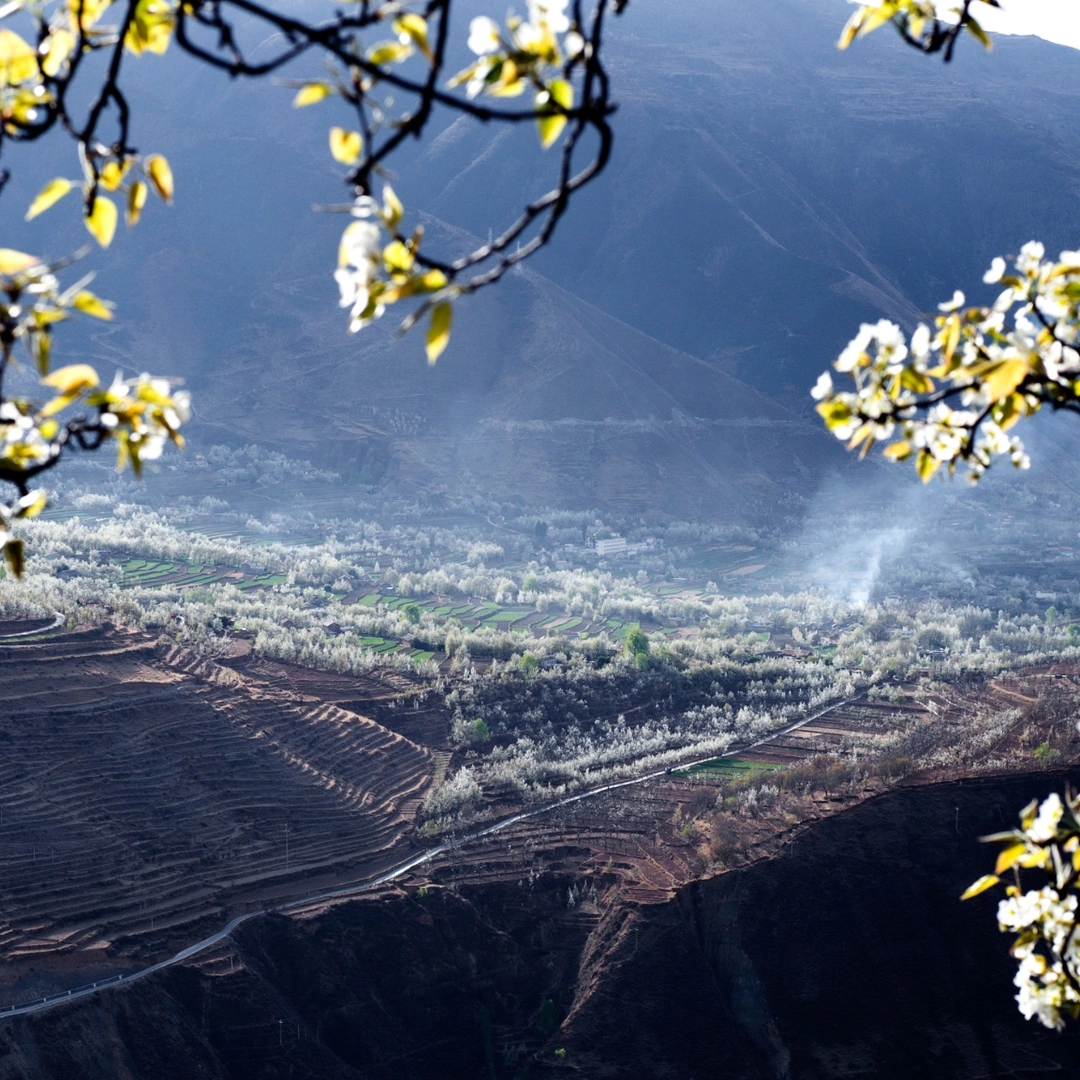
If you visit in March, you’ll witness a spectacle: pear blossoms blanketing the valley like freshly fallen snow, set against cliffs of deep ochre. But even in summer, the landscape is a painter’s palette of greens and golds. The city itself is a melting pot of cultures—Gyalrong Tibetans, Qiang, Hui, and Han have coexisted here for centuries, and the architecture reflects that harmony.
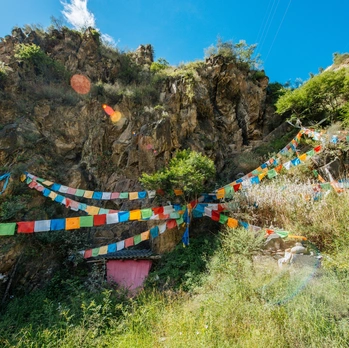
On the outskirts of town, high above the river, a serendipitous discovery awaits. During a quarry operation, workers unearthed a series of ancient cliff carvings that had been hidden for centuries. Scholars later identified these as remnants of the Zhangzhung civilization, a pre-Buddhist kingdom that once dominated the Tibetan Plateau. The carvings depict figures like Lixi Daren, a master of the Great Perfection teachings, and offer a rare glimpse into a culture that predates Tibetan Buddhism itself.
It was this very discovery that brought us to Jinchuan four years ago, on assignment for National Geographic. Little did we know, it would lead us to a place that would change how we see the world.
[Link: Zhangzhung civilization history]
Discovering Changdu Monastery: A Sanctuary in the Clouds
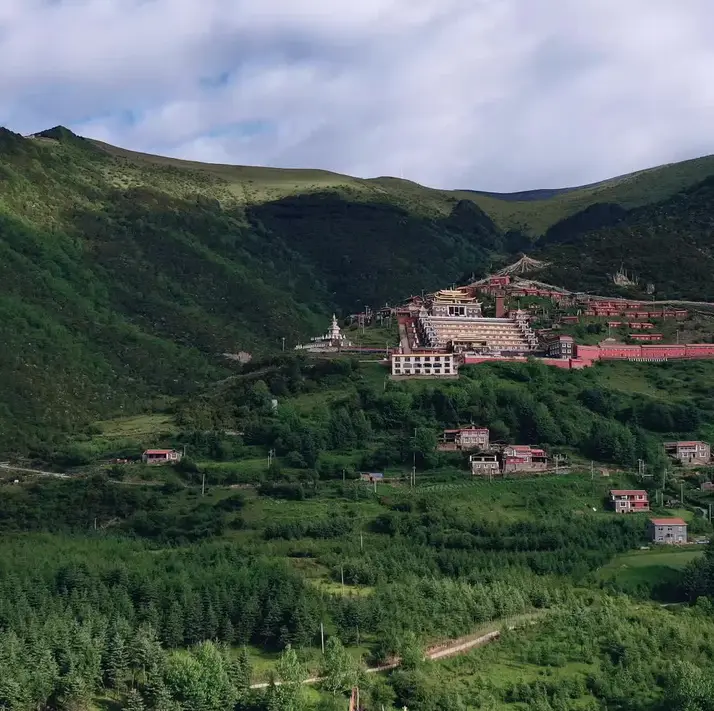
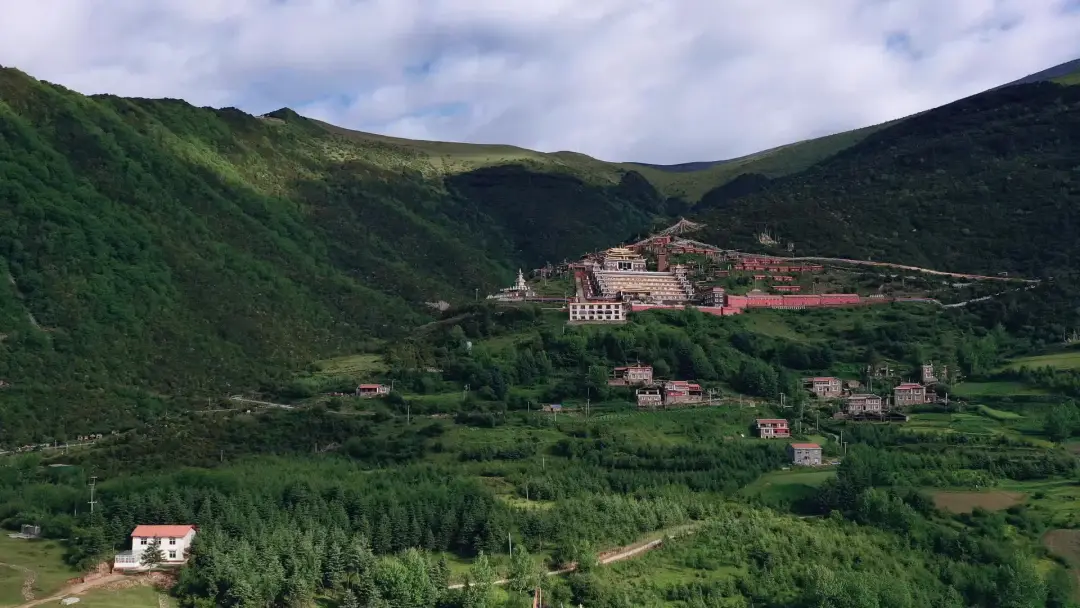
Forty kilometers from Jinchuan town, in the village of Sawajiao, a winding road climbs through terraced fields and pine forests. Then, suddenly, the valley opens. A turquoise lake mirrors the sky, and on its far shore, a golden-roofed monastery rises from the hillside like a jewel in a lotus.
This is Changdu Monastery, a thousand-year-old temple that has risen from the ashes of destruction to become one of the most significant repositories of Zhangzhung culture in modern Tibet.
The Soul of the Monastery
Changdu is not just a place of worship; it’s a living organism. Its architecture—a blend of stone, wood, and gold—clings to the mountain in five terraced levels, each housing living quarters, classrooms, and a library. A prayer wheel corridor coils around the complex like a sleeping dragon, and rows of white stupas stand sentinel over neatly stacked mani stones.
Climb the 131 steps to the main hall, and you’ll be rewarded with a view that defies description. Inside, the air is thick with incense and the murmur of ancient chants. Murals of celestial beings and fierce protectors cover every surface, their colors still vivid after centuries. In the dim light, the Buddha’s serene smile seems to follow you.
But what truly sets Changdu apart is its abbot, Lixi Xinjia Danzhen. When he first arrived here decades ago, the monastery was in ruins. He rebuilt it stone by stone, using his own hands and the donations of a few devoted followers. His quarters are spartan; his personal prayer wheel is a repurposed tea tin from the 1990s. Yet his vision is vast: to preserve and transmit the teachings of Zhangzhung, a civilization that once rivaled Tibet’s own.
“Everything is practice,” he told us one evening. “Difficulties are just opportunities to grow.”
[Link: Tibetan Buddhist monasteries in Sichuan]
A Day in the Life: The Twelve Hours of Changdu Monastery
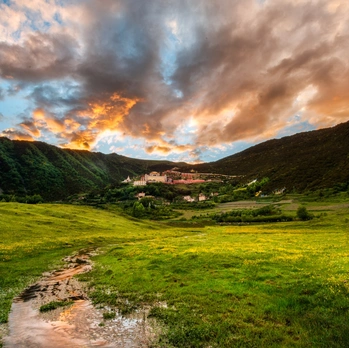
Most travelers see monasteries as distant, hallowed places—you visit, you bow, you leave. But at Changdu, you can live inside the rhythm of monastic life.
Dawn: Waking to a Masterpiece

At 5:00 AM, the sky is a deep indigo, pierced by the morning star. By 6:00, the first rays of sunlight paint the peaks gold. From our room—yes, you can stay here—we watched the lake turn from silver to emerald as the mist lifted. No alarm clock needed.
Morning: The Art of Devotion
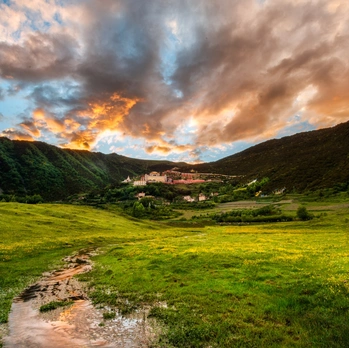
After breakfast, we followed the monks to the prayer hall. The sound of chanting, punctuated by conch shells and drums, filled the valley. Later, we tried our hand at stone carving—a craft that requires steady hands and a patient heart. Our teacher, a master carver, made it look effortless. When we tried, our lines wobbled, and our fingers ached. But the joy of creating something sacred, even imperfectly, was profound.
Afternoon: Hands-On Traditions
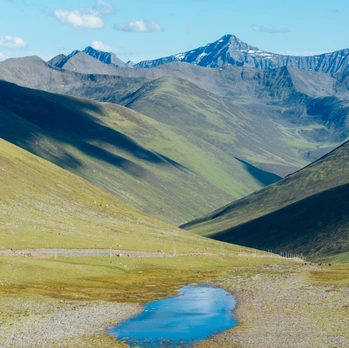
We learned to print prayer flags using hand-carved blocks and natural dyes. The process is simple but meditative: brush the ink, press the cloth, peel it away. Unlike machine-printed flags, these are biodegradable—a small but meaningful act of environmental stewardship.
Then came the highlight: making tsa-tsa, small clay votive tablets. Using molds and a mixture of clay, ash, and paper pulp, we pressed out tiny Buddhas and stupas. Each one, we were told, carries a blessing.
Evening: Nature’s Theater
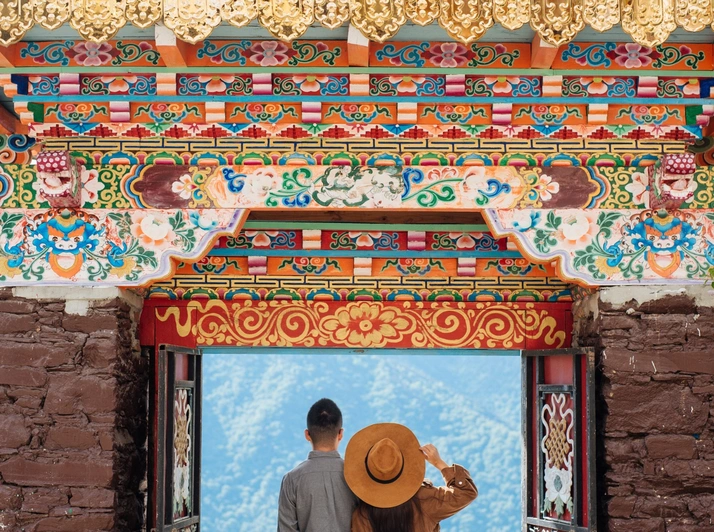
As dusk approached, the sky turned moody. Rain threatened. Then, a shaft of light broke through the clouds, and a double rainbow arched over the lake. We watched, breathless, as it faded into twilight. Later, the stars emerged—a Milky Way so bright it seemed close enough to touch.
Beyond the Monastery: Akori Prairie and the Sacred Lake
On the third day, we left Changdu and drove deeper into the mountains. The road became rougher—gravel, potholes, and streams crossing the path. But the reward was Akori Prairie, a vast, undulating grassland that feels like the edge of the world.
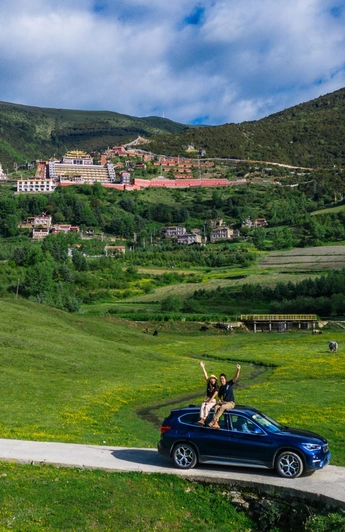
Unlike the crowded pastures of Hongyuan or Ruoergai, Akori is almost untouched. Wildflowers bloom in every color, yaks graze undisturbed, and the only sound is the wind. We stopped for a picnic, watching clouds cast shadows on the hills.
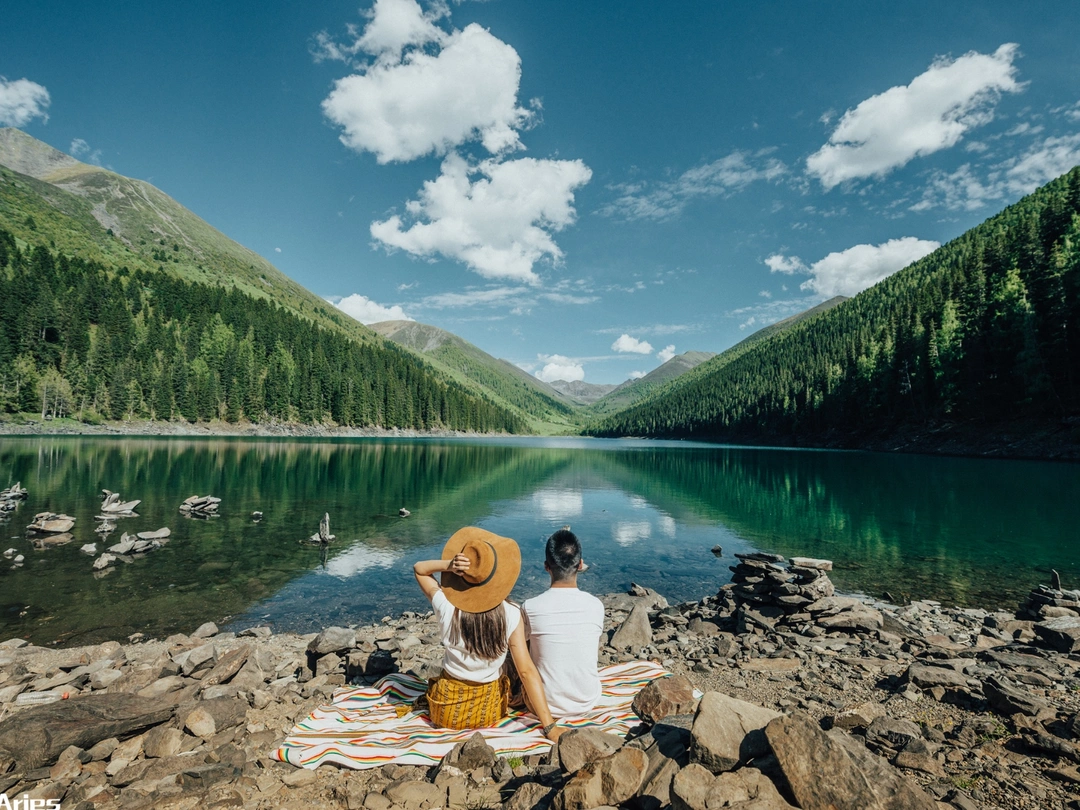
Our final destination was Lixi Sacred Lake, a turquoise gem nestled in a glacial cirque. The water is so clear you can see the pebbles on the bottom. According to local legend, the lake is home to a protective spirit. We didn’t see any spirits, but we did see a pair of eagles circling overhead—close enough.
[Link: Alpine lakes in Western Sichuan]
Practical Tips for Your Western Sichuan Road Trip
- Best time to visit: May to October. The weather is mild, and the landscapes are at their peak.
- Getting there: 400 km from Chengdu, all paved roads to Jinchuan. The final stretch to Changdu is well-maintained.
- What to pack: Sunscreen, warm layers, and a rain jacket. The weather changes fast.
- Altitude: Changdu sits at approximately 3,200 meters. Take it slow on the first day to acclimatize.
- Accommodation: You can stay overnight at Changdu Monastery (simple but clean). Alternatively, Guanyinqiao has guesthouses.
Frequently Asked Questions (FAQ)
1. Is this 4-day road trip suitable for beginners?
 Yes, the route is well-paved and straightforward. However, the final stretch to Akori Prairie involves gravel roads, so a 4WD vehicle is recommended.
2. Can I visit Changdu Monastery without a guide?
 Absolutely. The monastery welcomes independent travelers. However, a local guide can provide deeper insight into Zhangzhung culture and the monastery’s history.
3. What is the best time to see pear blossoms in Jinchuan?
 Late March to early April is peak bloom season. The valley transforms into a sea of white blossoms against red cliffs.
4. Are there any altitude concerns?
 Changdu Monastery sits at around 3,200 meters. Most visitors from Chengdu will feel mild effects. Drink plenty of water and avoid alcohol on the first day.
5. Can I extend this itinerary?
Yes. Add an extra day at Akori Prairie for hiking, or explore the Maori Ancient Watchtowers in greater detail.
Ready to Unlock Western Sichuan’s Hidden Gems?
This 4-day road trip is more than a vacation—it’s a journey into a living culture, a landscape that humbles and inspires. From the ancient cliff carvings of Jinchuan to the sacred silence of Changdu Monastery, from the wildflower meadows of Akori Prairie to the mirror-like waters of Lixi Sacred Lake, every moment rewards the curious traveler.
The road is waiting. The horizon is calling. Are you ready to go beyond the tourist trail?
Book your trip today and experience the hidden gems of Western Sichuan like never before. [Link: Custom Western Sichuan tour packages]
Disclaimer: Altitude, weather, and road conditions can change rapidly. Always check local advisories before departing.
You may also like


