Before the Demolition, Let Me Take One Last Look: A Soul-Stirring Sertar Road Trip Through Sichuan's Sacred Landscapes
Meta Description: Experience the fading red wonder of Sertar Buddhist Academy before demolition, plus a soul-stirring road trip through Sichuan. Discover faith, earthquake resilience, and Tibetan beauty in this 1500-word SEO-optimized travel guide.
Introduction: When Tomorrow Meets the Unexpected
On May 12, 2008, the Wenchuan earthquake shattered mountains and lives. Nine years later, standing before rebuilt homes in Yingxiu Town, I watched tourists admire "villa-like living" while my heart ached—behind comfort lay grief, shattered homes, and broken families.
Survivors learned one truth: being alive is life's greatest treasure. Cherish the present. Live now. Don't postpone dreams. Because we never know which comes first—tomorrow or the unexpected.
If you've secretly loved someone for years, confess. If you've dreamed of a spontaneous trip, leave. Forget 24-hour notice. Forget the destination—go to poetry and distant horizons.
This Sertar road trip taught me life's preciousness and immersed me in a sea of red faith. Before the unexpected arrives, live brilliantly. And before demolition begins, let me take one last look at Sertar Buddhist Academy.
From Guangdong to Sichuan: 800 Kilometers of Anxiety and Anticipation
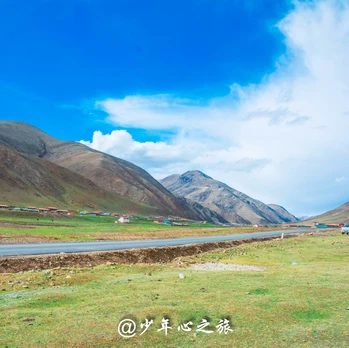
From Guangdong to Sichuan, from Chengdu to Sertar—over 800 kilometers of road. Scenery every step, anxiety every mile. Four seasons in a day, altitude sickness headaches, bumpy winding roads, sleeping late and waking early. But life needs moments when you refuse mediocrity and charge forward.
On the swaying bus, I couldn't sleep. Scenery rushed past, tugging at every nerve. I refused to put down my DSLR, determined to capture every unique snow-capped mountain.
First Stop: Yingxiu—Being Alive Is the Greatest Wealth

The Silence of Earthquake Ruins
Yingxiu in Wenchuan—epicenter of that devastating earthquake, now gateway to Ngawa (Aba) and the necessary passage to Jiuzhaigou, Wolong, and Mount Siguniang. New houses stood everywhere. Tourists bustled. No trace of the earthquake remained.
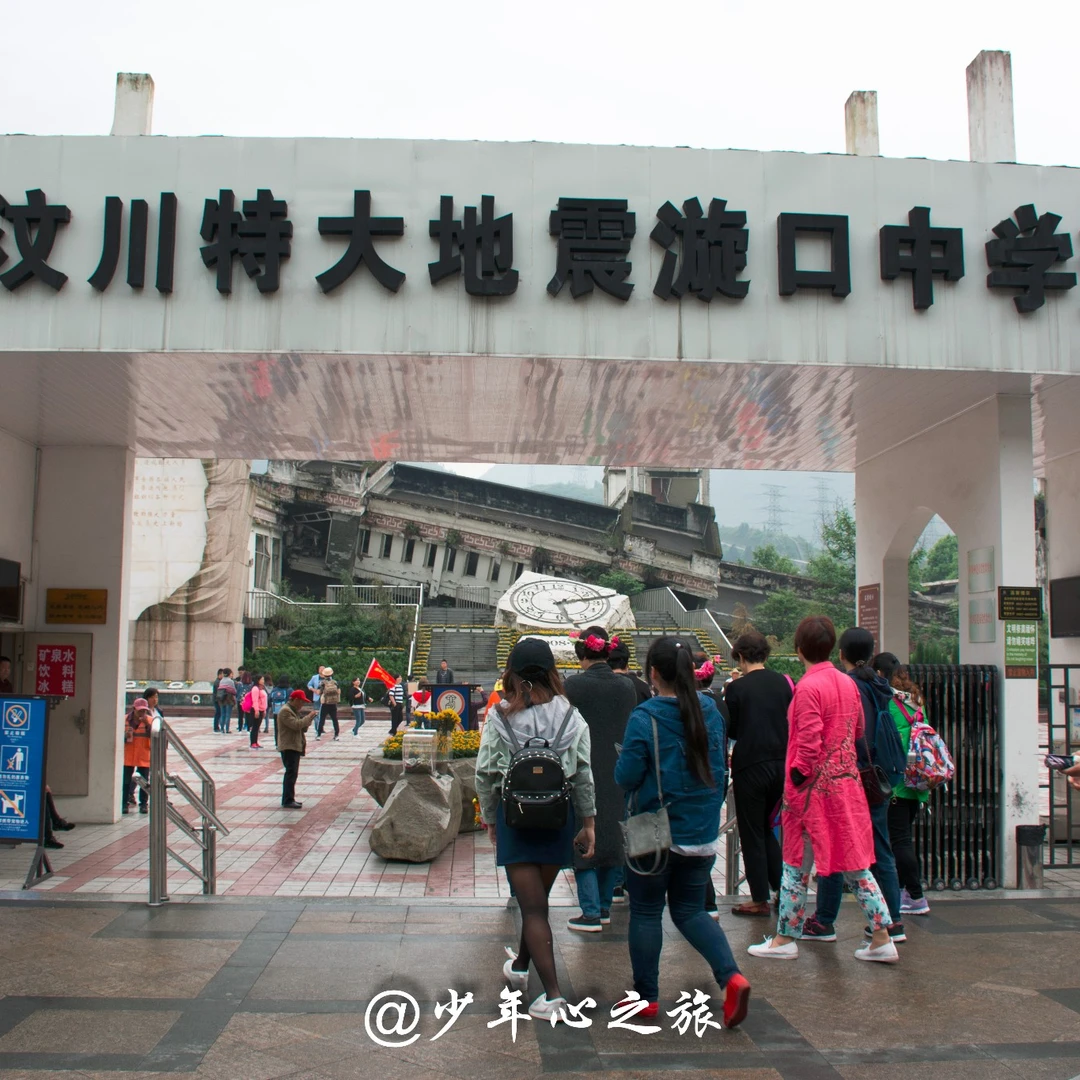
But we forever remember May 12, 2008. The Sichuan Earthquake Yingxiu Middle School ruins are open for free. Hearing is one thing; seeing is another. This is profound sorrow. In nature's great disasters, humanity is utterly powerless.
Sichuan's "Live in the Moment" Philosophy
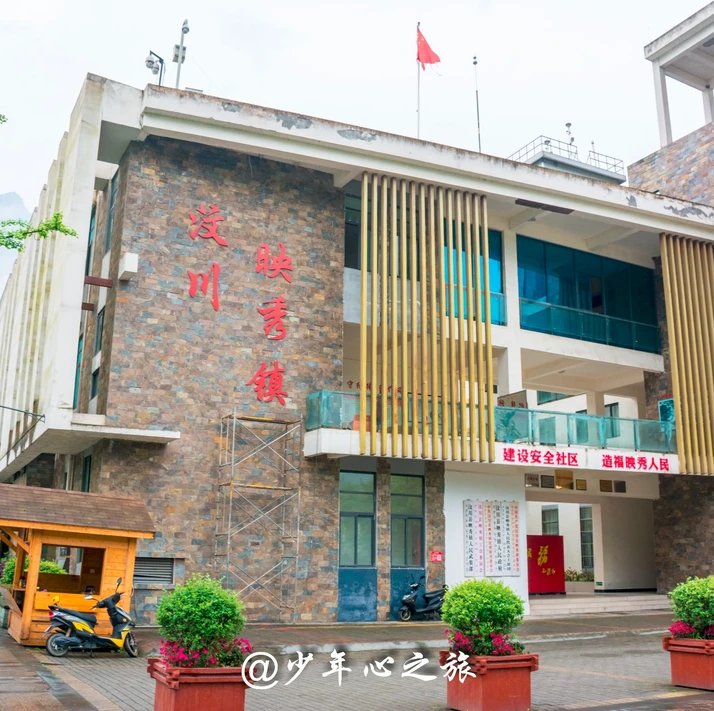
People in Sichuan now live life fully—eating, drinking, enjoying without reservation. Not because they're wealthy. Because the 2008 earthquake taught them: being alive is life's greatest treasure. Cherish the present. Live now.
[Link: Wenchuan earthquake memorial travel guide]
Second Stop: Shuangqiao Valley—Every Mountain Different, Every View Unique
A Gift from Mount Siguniang
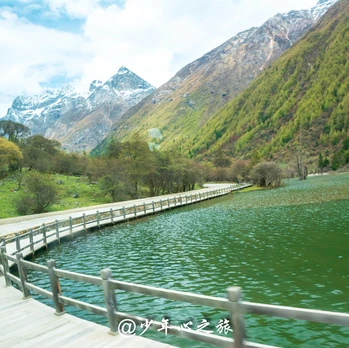
Shuangqiao Valley (Double Bridge Valley) is part of Mount Siguniang (Four Girls Mountain) Scenic Area. Stretching 30 kilometers, it concentrates the region's most stunning scenery. Admission plus bus fare costs 150 RMB; visit takes about three hours. The sightseeing bus takes you to the end in half an hour, then you work back with five stops.
A Fairyland Outside the Window
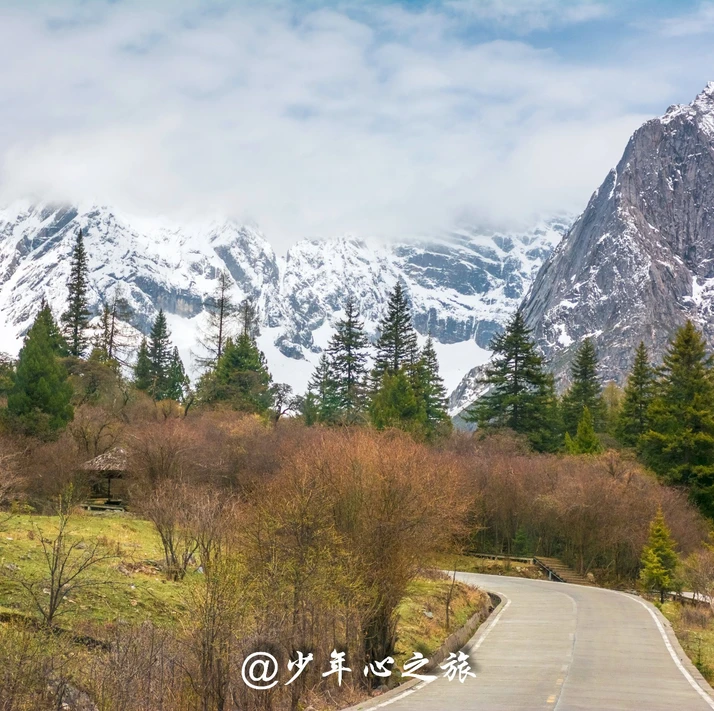
Rarely does any scenic spot captivate me like Shuangqiao Valley. For half an hour, I didn't close my eyes once. I just clicked my DSLR shutter. Towering peaks, snow-covered mountains, dense forests, hanging waterfalls, rushing rapids, vast meadows, herds of yaks—all concentrated in one place.
Mani Stones and Prayer Flags
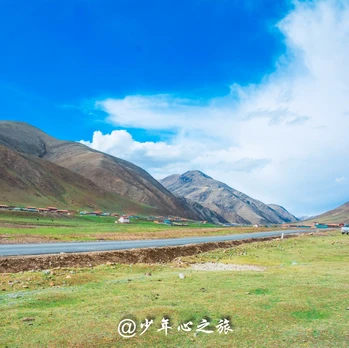
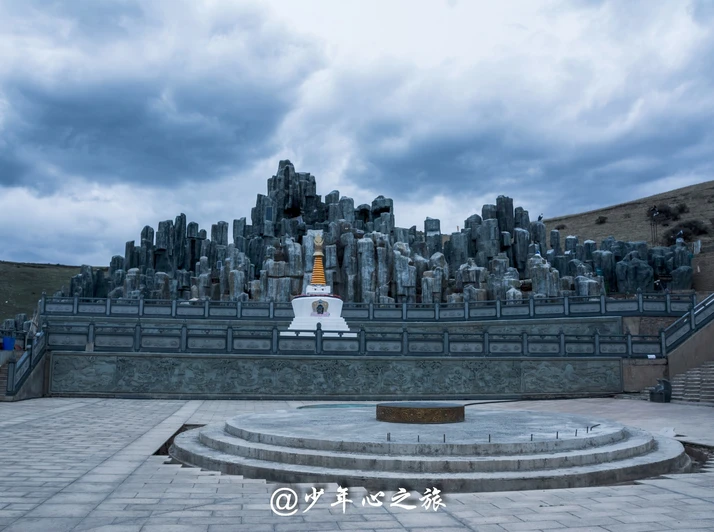
Mani stones, stacked from rocks and slabs, are a distinctive Tibetan feature called "spirit piles." Most slabs are carved with the six-syllable mantra, wisdom eyes, deity images, and auspicious patterns—masterpieces by Tibetan folk artists. With wind-blown prayer flags and rugged snow-capped mountains, scenery is everywhere.
Longzhu Lake and Ginseng Fruit Meadow
Longzhu Lake (Longzhu Cuo) is a natural landscape formed by dozens of sea buckthorn trees that died after years of submersion. Ginseng Fruit Meadow (Renshen Guo Ping) sits at 3,300 meters altitude, named for a precious rose family plant beneath the meadow—Tibetans call it "ginseng fruit." High mountains, flowing water, small bridges, blooming flowers—a picture-perfect paradise.
[Link: Mount Siguniang hiking trails guide]
Third Stop: Jiaju Tibetan Village—China's Most Beautiful Rural Village
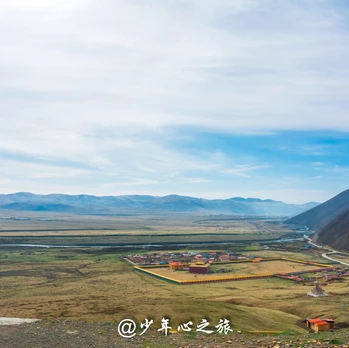
A Hidden Paradise in the Hengduan Mountains
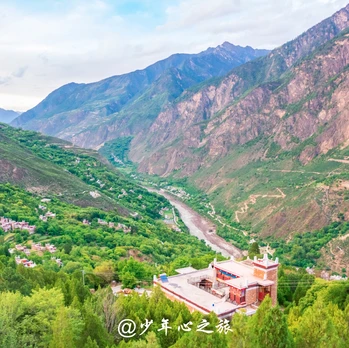
Jiaju Tibetan Village is Danba County's most distinctive tourist attraction. Covering 5 square kilometers, it's home to over 140 Tibetan households. "Jiaju" means "a hundred households" in Tibetan. In 2005, Chinese National Geography ranked it first among "China's Six Most Beautiful Rural Villages."
A Pastoral Painting
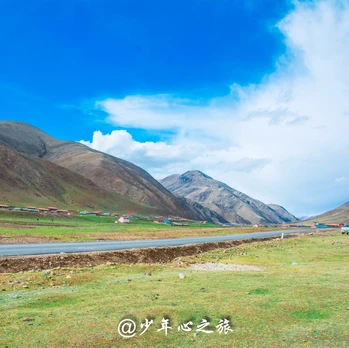
"Snow-capped peaks above, lush forests on mountainsides, shimmering lakes at the foot." Rolling continuous mountain ranges, mysterious tranquil village houses, unique ancient stone watchtowers—all forming a pastoral idyll.
[Link: Danba Tibetan village photography tips]
Fourth Stop: Sertar Buddhist Academy—Buildings Can Be Demolished, But Faith Cannot
The Red Shock Across the Mountains
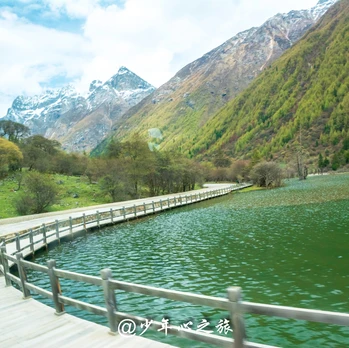
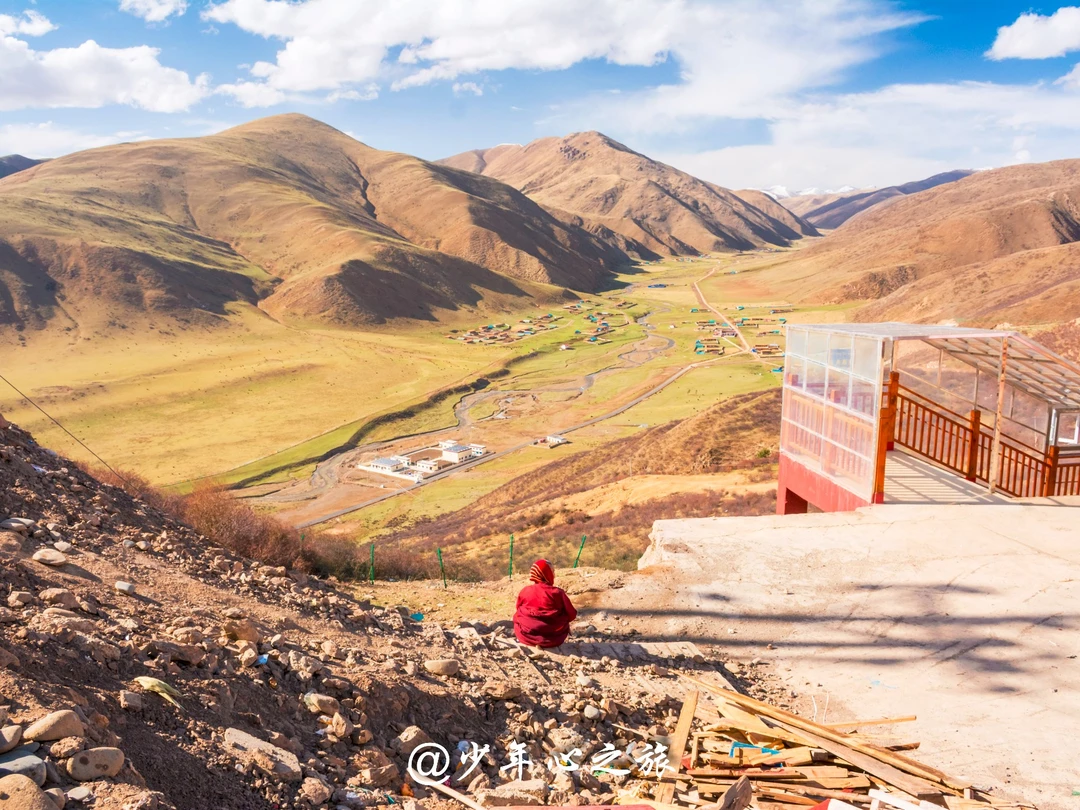
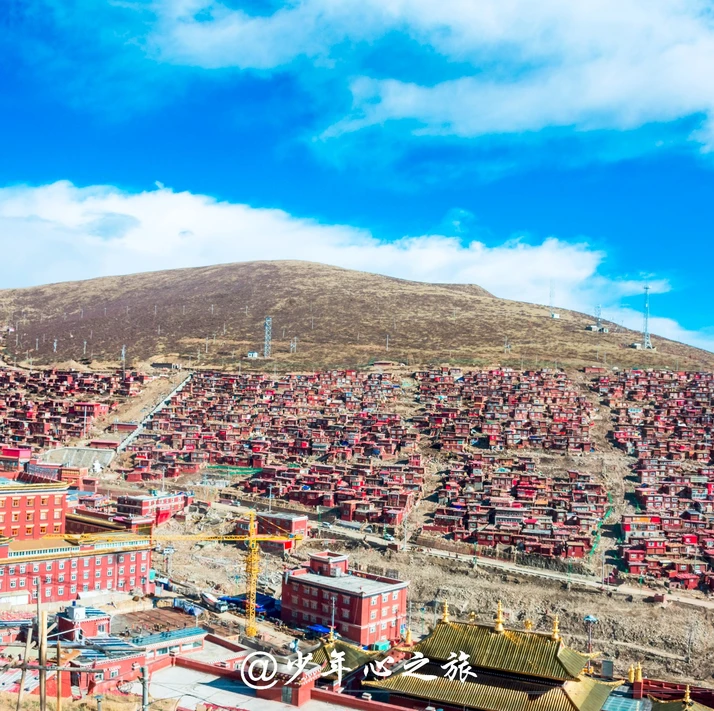
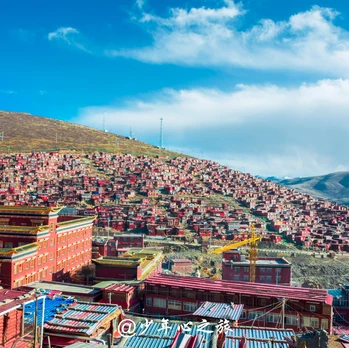
Larung Gar Five Sciences Buddhist Academy is located in Sertar County and is the world's largest Tibetan Buddhist academy. Maximum altitude: 4,400 meters. Mountains are covered with red houses as far as the eye can see. Tens of thousands of monks and nuns live here—enduring bitter cold, hardship, dedicating themselves entirely to spiritual practice.
Sertar Under Demolition
Since April 2017, large-scale demolition has been underway in Sertar. The density of red is rapidly diminishing. Previously, all four slopes were densely packed with red wooden houses. Because these wooden structures pose a serious fire risk, the government decided to demolish and rebuild. New houses will never be as densely packed as before. The old Sertar may now only exist in memories and photographs. I feel incredibly fortunate to have seen Sertar one last time before complete demolition.
The Power of Faith
Some people here spend their entire lives doing one thing—practicing their faith. Time has mercilessly etched wrinkles onto their faces, but draped in red monastic robes, their expressions radiate serenity. Clutching prayer beads tightly, they silently recite sutras over and over. Somehow, my own restless heart began to calm.
The red houses can be torn down. But the faith in their hearts can never be demolished.
Practicing Faith in Harsh Conditions
Sertar is the highest-altitude, coldest, most inhospitable Tibetan-majority region in Garzê Prefecture. Average elevation: 3,700 meters. Annual average temperature below freezing—long winters, no real summer. At over 4,000 meters, altitude rivals Lhasa in Tibet. It's said 30% experience altitude sickness in Lhasa; in Sertar, that figure reaches 70%. Most plants cannot grow here. Oxygen levels are extremely low—absolutely no strenuous exercise.
[Link: Altitude sickness prevention for Sichuan travel]
Fifth Stop: Donggar Monastery—The Trail of Faith
A Halo and a Sun Halo
Donggar Monastery sits perched on a mountainside, its golden rooftops catching the first morning light. Unlike Sertar's sprawling red density, Donggar offers a more intimate encounter with Tibetan Buddhist practice. The monastery's ancient murals, some dating back centuries, depict intricate mandalas and enlightened beings.
During our visit, a rare sun halo appeared—a circular rainbow encircling the sun. Local monks said it was an auspicious sign. Whether coincidence or blessing, it felt like the universe acknowledging our journey of faith.
[Link: Lesser-known Tibetan monasteries in Garzê]
Practical Travel Tips for Your Sertar Road Trip
Best Time to Visit
May through October offers the most favorable weather. July and August have the warmest temperatures, but also the highest rainfall. September and October provide clear skies and golden autumn colors.
Altitude Preparation
- Spend 1-2 days acclimatizing in Chengdu (500m) before heading to higher altitudes
- Carry portable oxygen canisters
- Stay hydrated and avoid alcohol
- Consider acetazolamide (Diamox) after consulting your doctor
Transportation Options
- Self-drive: Most flexible but requires experience with mountain roads
- Bus from Chengdu: Daily departures from Chadianzi Bus Station, approximately 12-14 hours
- Tour groups: Many operators offer multi-day Sertar packages
Accommodation
Sertar town has basic guesthouses and hotels. Book ahead during peak season (July-October). For a unique experience, stay in a monks' guesthouse near the academy.
[Link: Sichuan road trip packing checklist]
Frequently Asked Questions
Is Sertar Buddhist Academy still open to visitors?
Yes, Sertar Buddhist Academy remains open to visitors, though demolition and reconstruction are ongoing. The main prayer hall and some residential areas are accessible. Check current conditions before planning your visit, as access policies may change.
What is the best way to reach Sertar from Chengdu?
The most common route is driving from Chengdu through Ya'an, Kangding, and Dawu County—approximately 600 kilometers taking 12-14 hours. Alternatively, take a bus from Chengdu's Chadianzi Bus Station to Sertar town.
How long should I spend at Sertar?
Most visitors spend 1-2 full days at Sertar. This allows time to explore the academy, attend prayer ceremonies, hike to viewpoints, and visit nearby monasteries like Donggar.
What should I pack for a Sertar road trip?
Pack warm layers (temperatures drop below freezing even in summer), sturdy hiking boots, sunscreen, sunglasses, lip balm, portable oxygen, basic medications, and a reusable water bottle. Don't forget your camera—Sertar's red landscape is a photographer's dream.
Are there any cultural etiquette rules I should follow?
Yes. Always ask permission before photographing monks or nuns. Dress modestly (cover shoulders and knees). Walk clockwise around prayer wheels and stupas. Avoid touching religious objects. Speak quietly in sacred spaces.
Conclusion: Before It's Gone Forever
Sertar's red houses are disappearing. The demolition is real. But what remains—the faith, the resilience, the breathtaking landscapes—will endure.
This Sichuan road trip taught me that life is fragile, beautiful, and fleeting. From earthquake ruins to snow-capped peaks, from red monastic robes to prayer flags fluttering in mountain wind, every moment is precious.
Don't wait until tomorrow. Don't wait until it's too late.
Pack your bags. Hit the road. Before the demolition finishes. Before the unexpected arrives. Before you forget what it means to truly live.
Your journey to Sertar starts now. Book your trip today.
[Link: Sichuan road trip planning resources] [Link: Tibetan Buddhist etiquette guide]
You may also like