Autumn Road Trip Through Western Sichuan: The Top-Tier Scenery of Cuopu Valley and an Exquisite Roadside Picnic
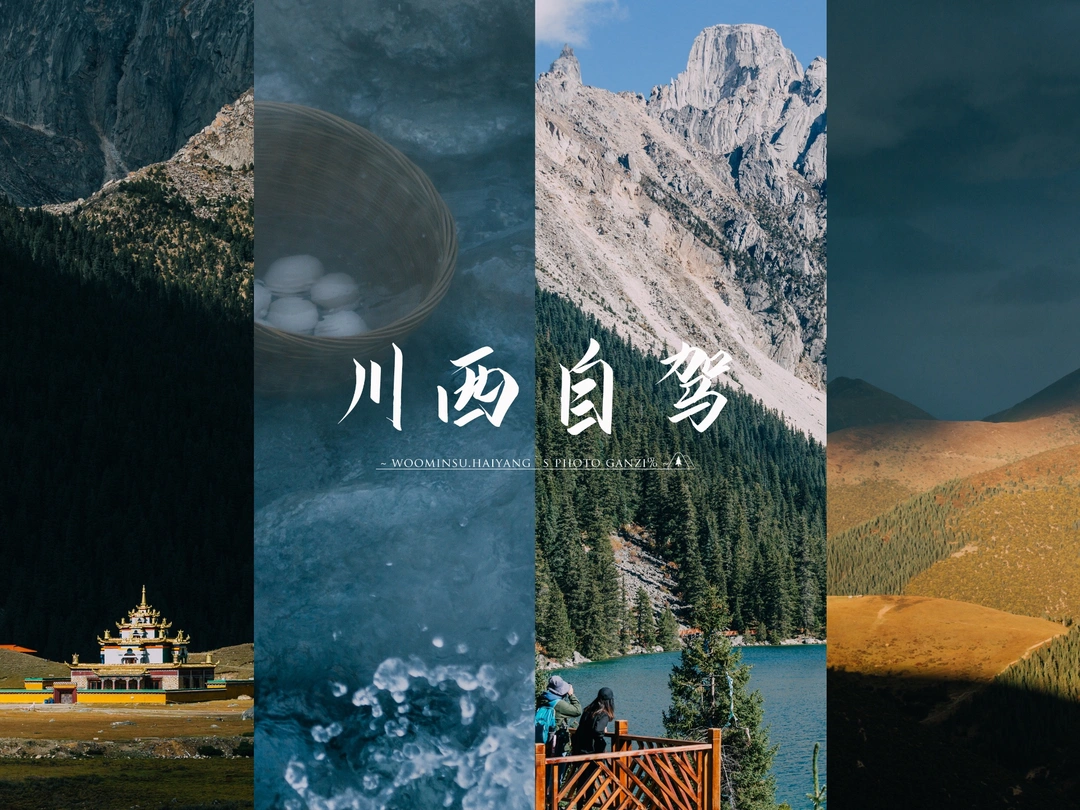
Meta Description: Discover the ultimate Western Sichuan autumn road trip guide. Explore Cuopu Valley’s top-tier scenery, enjoy a roadside picnic with our expert tips, and drive the 318 National Highway for unforgettable fall colors. Perfect for family adventures.
Introduction: Why Western Sichuan in Autumn Is a Must-Visit Destination
The year 2020 began with uncertainty, but when life finally returned to normal, the desire to travel—suppressed for over half a year—grew like wild grass in autumn. In mid-October, as the autumn colors of Western Sichuan began to spread across the landscape, we packed up the kids and headed to a place that had been on my mind for three years: Cuopu Valley (Cuopu Gou).
I had visited once before, but the weather hadn’t cooperated. Overcast skies and rain shrouded everything. Yet I knew that if the weather played nice, the scenery here could easily rank among the best in Sichuan—perhaps even rivaling Yading Nature Reserve. The highway scenery along the way is a visual feast in its own right. From October 15 to 19, 2020, we embarked on this five-day road trip. The skies were clear the entire way, and the weather forecast—usually a gamble—was spot on. It felt as if the heavens themselves were making up for our earlier disappointment.
In this guide, I’ll share everything you need to know for an autumn road trip through Western Sichuan, including Cuopu Valley travel tips, roadside picnic ideas, and the best stops along the 318 National Highway.
Pre-Trip Prep: The Plank That Sparked a Picnic Revolution
With a strong hunch that the scenery would be spectacular, I enthusiastically borrowed a pile of gear from a friend’s studio: a Canon 5D3, a Sony A6600, and even a Leica to use as a prop. The result? Traveling with a kid means a lot of that equipment ends up being dead weight. That gimbal stayed in its case the entire trip. But the kettle and tableware set I brought? They proved invaluable.

The day before we left, taking advantage of a rare spell of good weather in Chengdu, we strolled over to Wenshu Monastery. We sipped an autumn coffee, nibbled on a slice of bread, and considered it an early "贴秋膘" (a traditional Chinese practice of eating hearty foods to prepare for winter). The monastery grounds were shaded by lush green trees, sunlight filtering through the leaves to cast dappled patterns on the ground. It lifted our spirits.
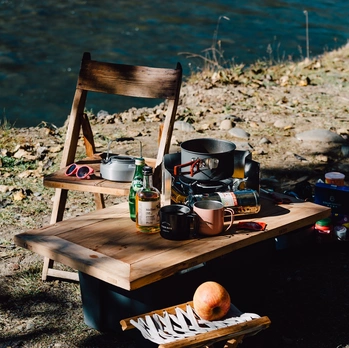
But the single smartest decision we made for this trip was picking up a wooden plank from a secondhand market before we set off. Don’t laugh. That plank became the soul of our roadside picnics. Chopping vegetables, cooking meals, holding the stove—it did it all. At 99.8 RMB (about $14), it was a steal. If you’re planning a roadside picnic on a Western Sichuan highway, trust me: you need a professional-grade plank—or at least a sturdy flat board.
Pro tip: [Link: Best camping gear for Western Sichuan road trips]
First Picnic by the Xindu Bridge Riverbank, Bathed in Sunlight
The day we left, Chengdu was overcast. We drove all the way to Kangding, and the sky still refused to cooperate. But when we turned onto the Kangding Airport Road (the 318 National Highway was closed for construction, forcing us to take this detour), a miracle happened. The clouds parted, and sunlight poured down. This route was longer, but the scenery was far superior to crossing Zheduo Mountain. The altitude was also higher, around 4,500 meters (14,760 feet). More importantly, when the weather is clear, you get a direct view of Gongga Snow Mountain (Minya Konka). We were incredibly lucky—Gongga Mountain revealed itself in full glory, unobstructed.
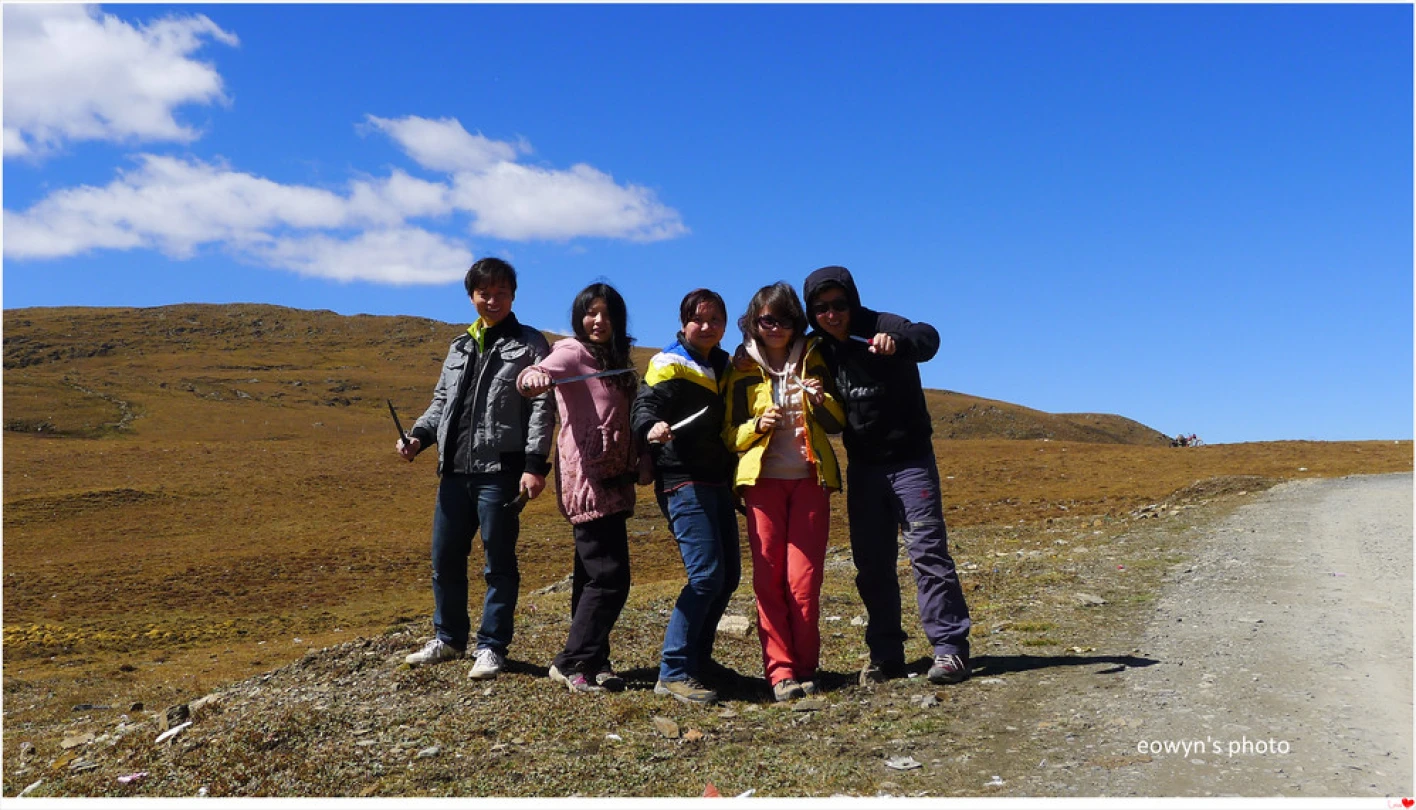
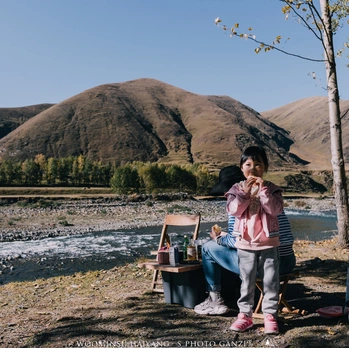
After passing Kangding Airport, we rejoined the 318 National Highway. Near Xindu Bridge, we found a patch of open woodland by the roadside. It was free, quiet, and perfect for a picnic. We laid out our precious wooden plank and set up the stove, pots, and ingredients. I’d bought the cheapest Fire-Maple (Feng) camping set, which was just right for two or three people. We brewed a pot of coffee using a filter kettle, steam rising into the crisp autumn air. Paired with the river breeze, it was absolutely perfect.
Xiao Rou (my daughter’s nickname) ate happily and played even more happily. With no rush, we only drove as far as Yajiang for the night. We arrived at 5 PM, where the lower altitude and richer vegetation meant we had little to worry about in terms of altitude sickness. The hotel owner in Yajiang warned us that the section from Yajiang to Litang would be closed for construction from 8 AM to 12 PM the next day, and then again from 2 PM onward. So, we had to hit the road by 6 AM the following morning.
Key takeaway: [Link: Altitude sickness prevention tips for Western Sichuan]
From Sunrise to Sunset: Driving Through a Picture-Perfect Highway
At 6 AM sharp, we set off and successfully avoided the road closure. Another perk of the early start: the scenery was breathtaking. Climbing up Jianziwan Mountain, the view opened up dramatically, morning light painting the alpine pastures in shades of gold. This place has a beautiful name: "City in the Sky" (Tiankong zhi Cheng).
The altitude kept climbing, but after a day of acclimatization, our bodies felt fine. Heading west, the clouds gradually dispersed, and the sky turned an ever-deeper blue. The Kalazi Mountain viewing platform is an excellent spot for photographing alpine pastures. At around 4,700 meters (15,420 feet), the vegetation is still lush, making altitude sickness less of a concern. Herders and their yaks were still there, but they’d soon descend for the winter when it got colder.
After Litang, we entered Maoya Ba Grassland (also known as Litang Grassland). We found a sheltered spot by the roadside, pulled out our plank and stove again, and cooked noodles. The grassland wind was fierce—we had to use everything we could to block it: the car, our backpacks, even our own bodies. The little one wanted something hot, and that bowl of noodles revived her completely.
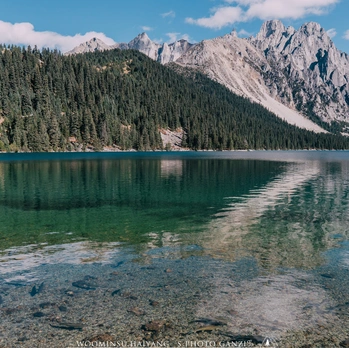
Continuing on, we saw herders cutting hay by the roadside, preparing winter fodder for their livestock. The natural color palette was like an oil painting: golden grasslands, azure skies, and pure white clouds. Life on the grassland looked genuinely appealing—it stirred a sense of longing in me.
At the intersection of Greater Maoya Ba Grassland and the Wuliang River, there’s a wetland viewing platform. Mountains, grasslands, wetlands, and rivers layered together—it was unrealistically beautiful. Even more striking was a perfectly straight stretch of road pointing directly toward the distant peaks. It was a paradise for cinematic highway shots. But remember: safety first, always.
The Sister Lakes (Jiemei Hu) at Haizi Mountain are arguably the most impressive roadside attraction on this section of the 318 National Highway. Red-hued mountains, blue lakes—they form a perfect S-shaped composition. From the viewing platform, you can capture stunning photos without needing a drone. The lake’s blue was so pure it outshone many paid scenic spots. If you don’t have aerial equipment, this is your best bet—the viewing platform offers an unbeatable vantage point for frame-worthy shots.
Photography tip: [Link: Best camera settings for high-altitude landscapes]
Cuopu Valley: A Top-Tier Hidden Gem with Fewer Crowds
Early the next morning, we bought tickets at the entrance (190 RMB, about $27, including admission, shuttle bus, and a short electric cart ride—excellent value) and caught the first shuttle into the valley. The bus stops at several distinctive scenic spots, allowing 5–10 minutes at each, before finally reaching the lakeside.
Geothermal Hot Spring Area
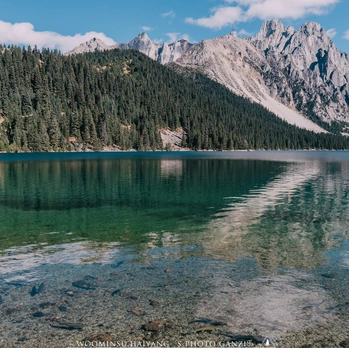
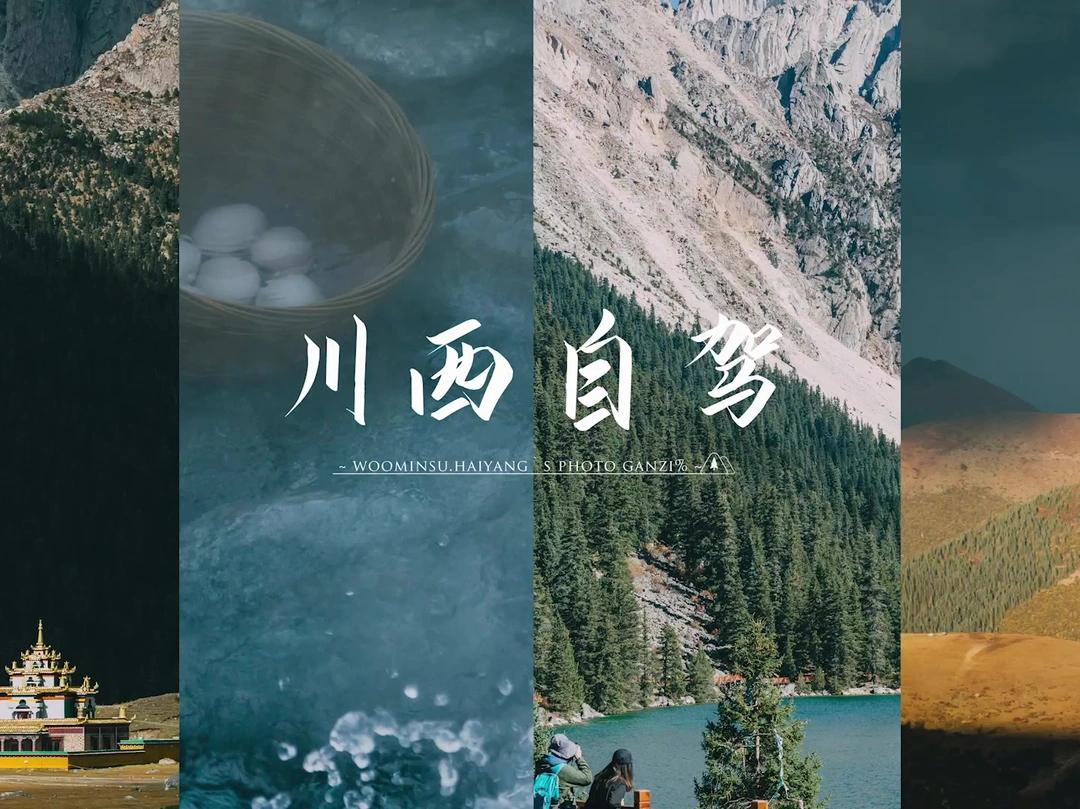
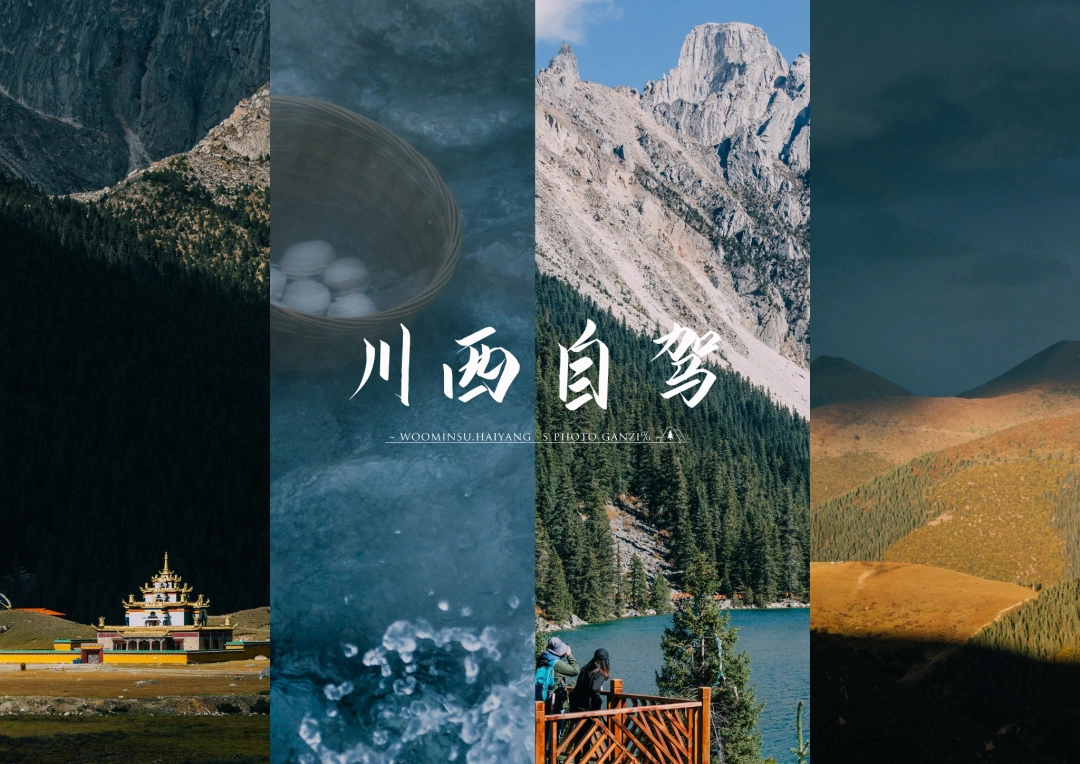
The first stop was the geothermal hot spring area. The geothermal resources here are incredibly rich, with spring temperatures high enough to boil eggs (3 RMB each). In the morning chill, steam rose from the vents, creating a dreamlike, ethereal atmosphere. The faint smell of sulfur reminded you that this was a special geological area requiring protection. The development has actually been a blessing—back when private cars could enter, litter was everywhere. Now, with dedicated staff cleaning up, the environment is much cleaner.
Zhangde Grassland and Zhajin Jiabo Sacred Mountain
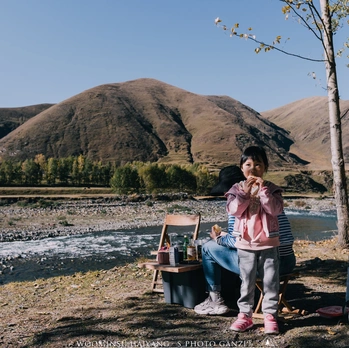
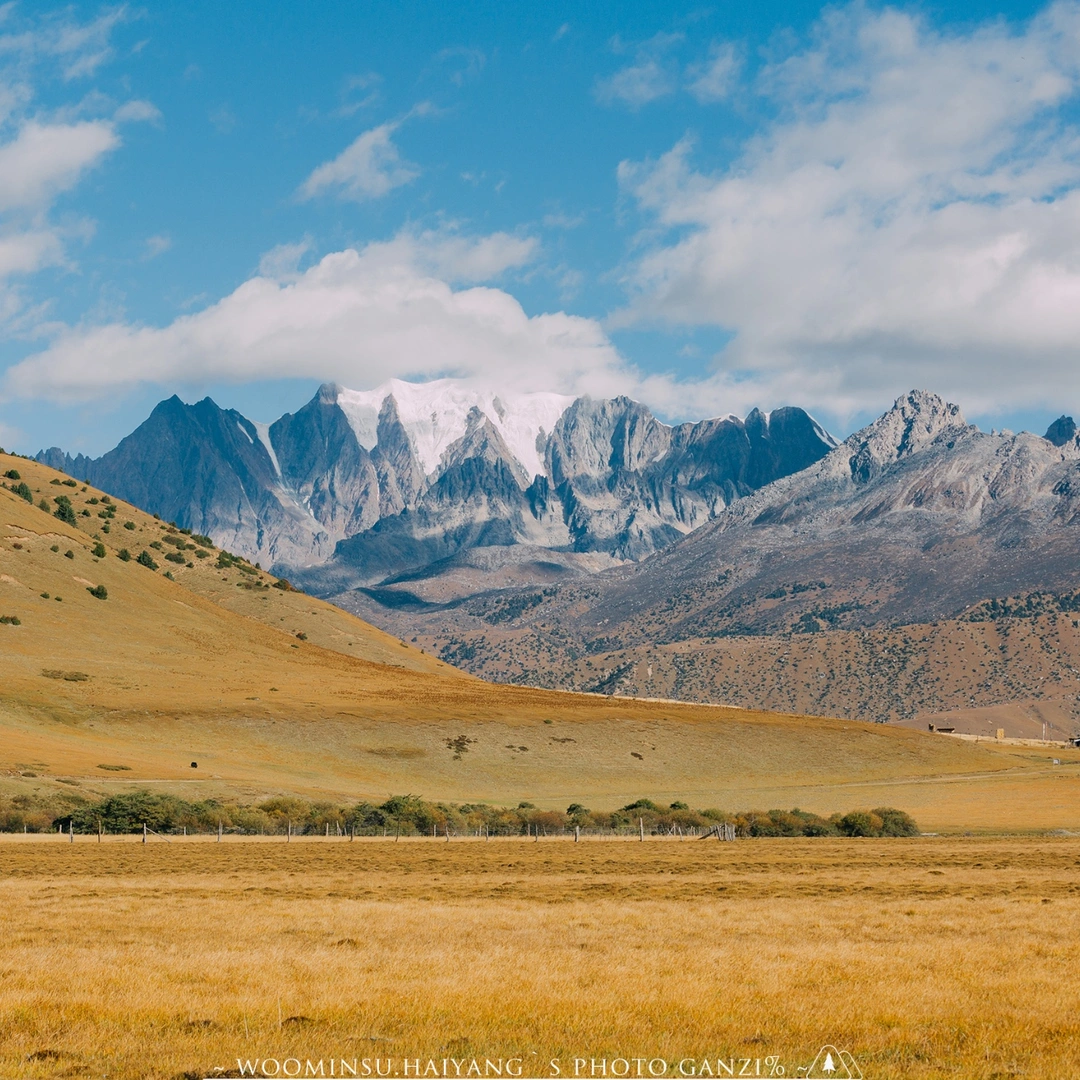
Zhangde Grassland was the second highlight. From a distance, we gazed at Zhajin Jiabo Sacred Mountain. Its shape was unusual, and though it lacked snow cover, its presence was imposing. The grassland itself was a sea of golden autumn hues, dotted with yaks and the occasional herder’s tent. This is a perfect spot for a short walk or a photo session.
The Lakeside: Cuopu Valley’s Crown Jewel
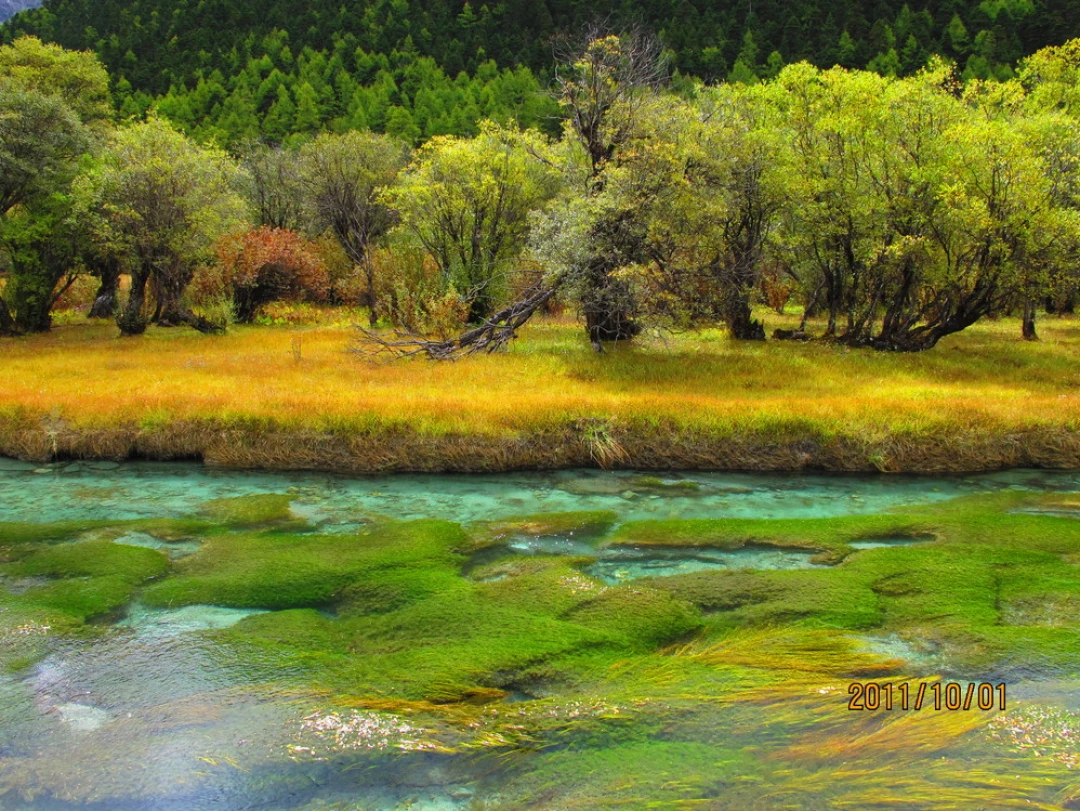
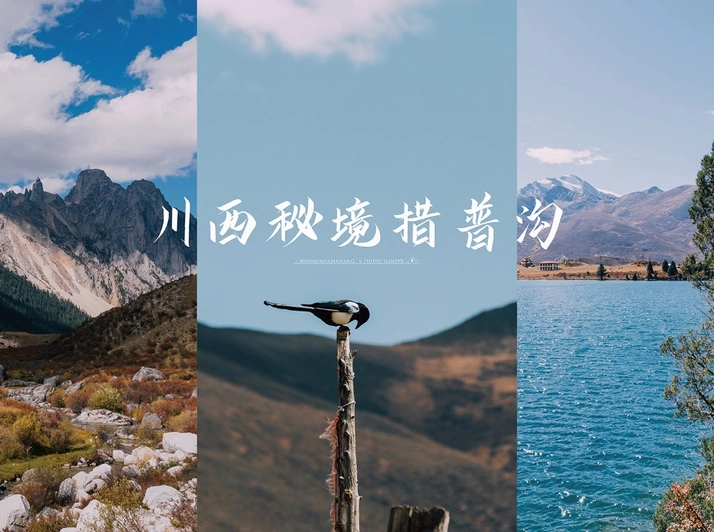
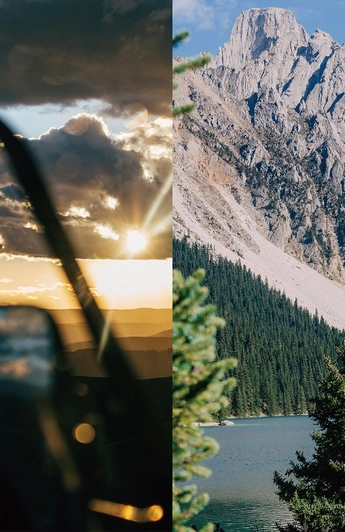
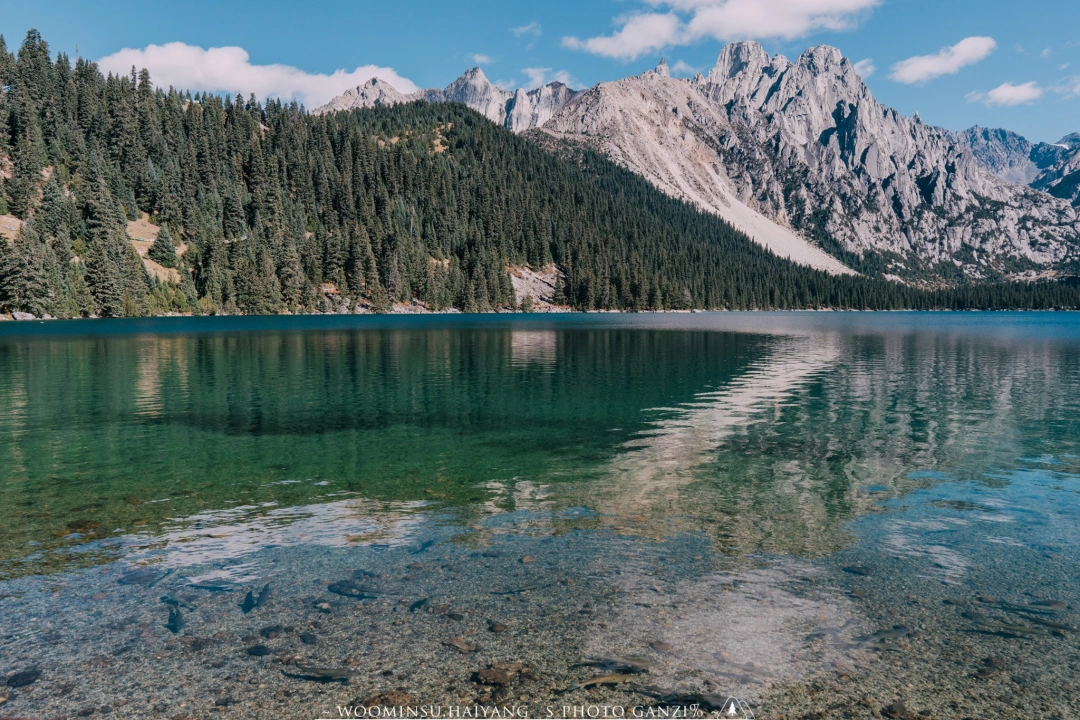
The final stop was the lakeside, where the true magic of Cuopu Valley unfolds. The lake’s water was a deep, crystalline blue, reflecting the surrounding mountains and autumn foliage. Unlike many popular scenic spots, Cuopu Valley remains relatively uncrowded, even during peak season. You can spend hours here, soaking in the tranquility and snapping photos without jostling for space.
Why Cuopu Valley stands out: It offers a rare combination of geothermal activity, sacred mountain views, pristine lakes, and autumn colors—all without the crowds of Yading or Jiuzhaigou. If you’re looking for an off-the-beaten-path gem in Western Sichuan, this is it.
Travel tip: [Link: How to avoid crowds at Sichuan’s top scenic spots]
FAQ: Your Western Sichuan Autumn Road Trip Questions Answered
1. What is the best time for an autumn road trip through Western Sichuan?
 The best window is mid-October to early November. During this period, the autumn colors are at their peak, and the weather is generally stable with clear skies. Avoid late October if you dislike crowds; early November offers a quieter experience.
2. Is Cuopu Valley suitable for families with young children?
 Yes, but with precautions. The altitude ranges from 3,500 to 4,700 meters (11,480–15,420 feet). Acclimatize for at least one day in a lower-altitude town like Yajiang or Kangding. Bring snacks, warm clothing, and plenty of water. The shuttle bus system makes it easy to explore without strenuous hiking.
3. What should I pack for a roadside picnic in Western Sichuan?
 Essentials include: a sturdy wooden plank or cutting board, a portable stove (like Fire-Maple), a kettle, instant noodles or easy-to-cook meals, coffee or tea, and wind-blocking gear (car, backpacks). Don’t forget a trash bag to leave no trace.
4. How do I avoid altitude sickness on this route?
 Acclimatize gradually. Spend your first night in Yajiang (2,500 meters) or Kangding (2,600 meters). Avoid alcohol and heavy meals. Stay hydrated. If symptoms persist, descend immediately. Consider bringing portable oxygen canisters.
5. Can I drive the 318 National Highway in a regular sedan?
Yes, the road is well-paved and maintained. However, be cautious of construction closures (common between Yajiang and Litang). Check local updates before departing. A 4WD is not necessary, but high clearance helps on some detours.
Conclusion: Your Ultimate Western Sichuan Autumn Road Trip Awaits
An autumn road trip through Western Sichuan is more than just a vacation—it’s an immersion into some of China’s most breathtaking landscapes. From the top-tier scenery of Cuopu Valley to the exquisite roadside picnics along the 318 National Highway, every moment is a memory in the making.
The key is preparation: pack smart, plan your route, and embrace the unexpected. That wooden plank we bought for 99.8 RMB? It became the unsung hero of our trip. The early morning drives? They rewarded us with sunrise views that no photo can fully capture.
Now it’s your turn. Whether you’re a seasoned road-tripper or a first-time adventurer, Western Sichuan in autumn is calling. Start planning your trip today—check the weather, book your accommodations, and don’t forget that wooden plank. Your roadside picnic awaits.
Ready to hit the road? [Link: Book your Western Sichuan road trip itinerary now] or [Link: Download our free packing checklist for high-altitude road trips]
Note: This article is based on a real trip taken in October 2020. Prices and conditions may vary. Always check current travel advisories and road conditions before departing.